


AEDs & Defibrillators

Filter

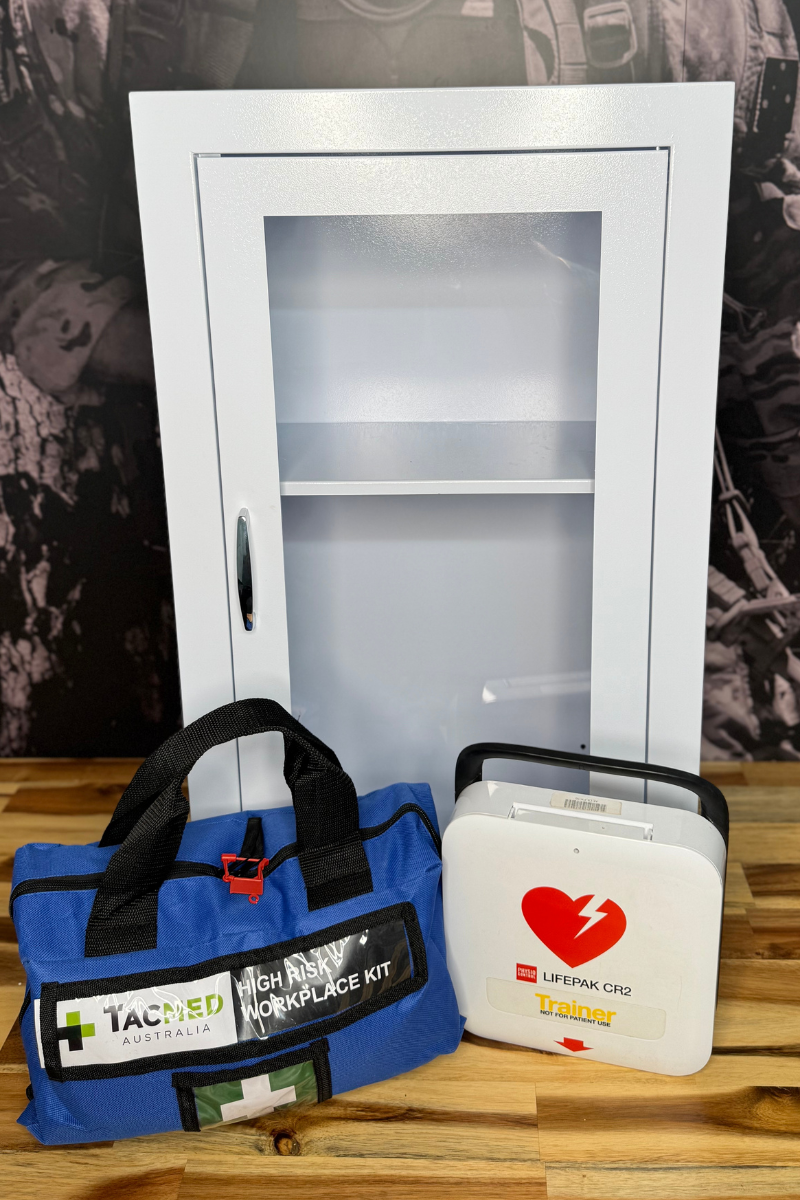
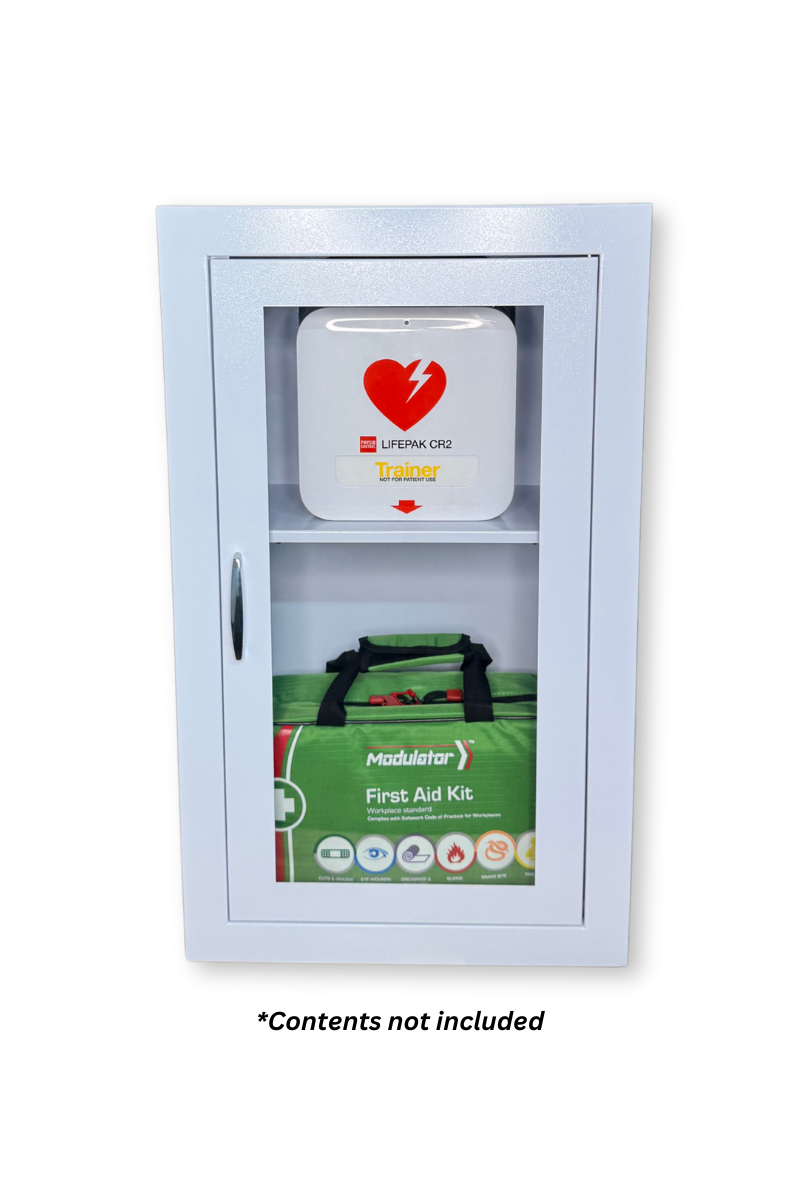
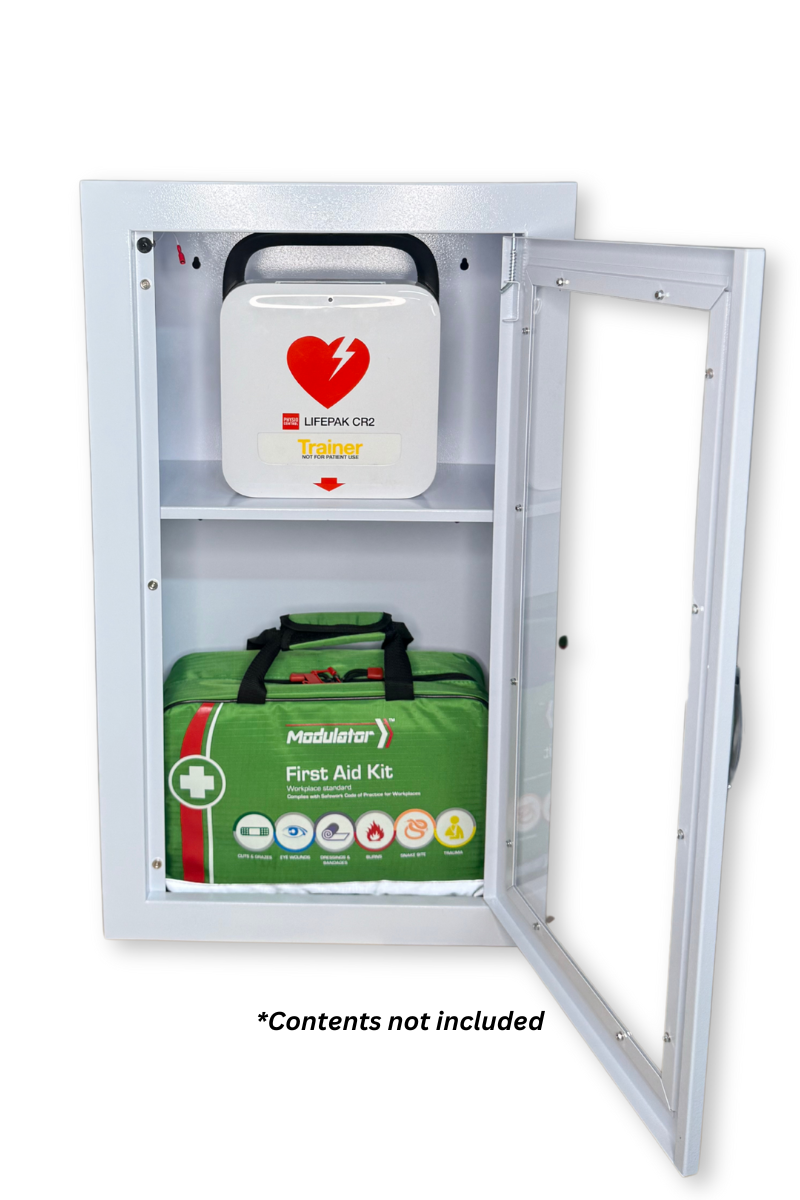
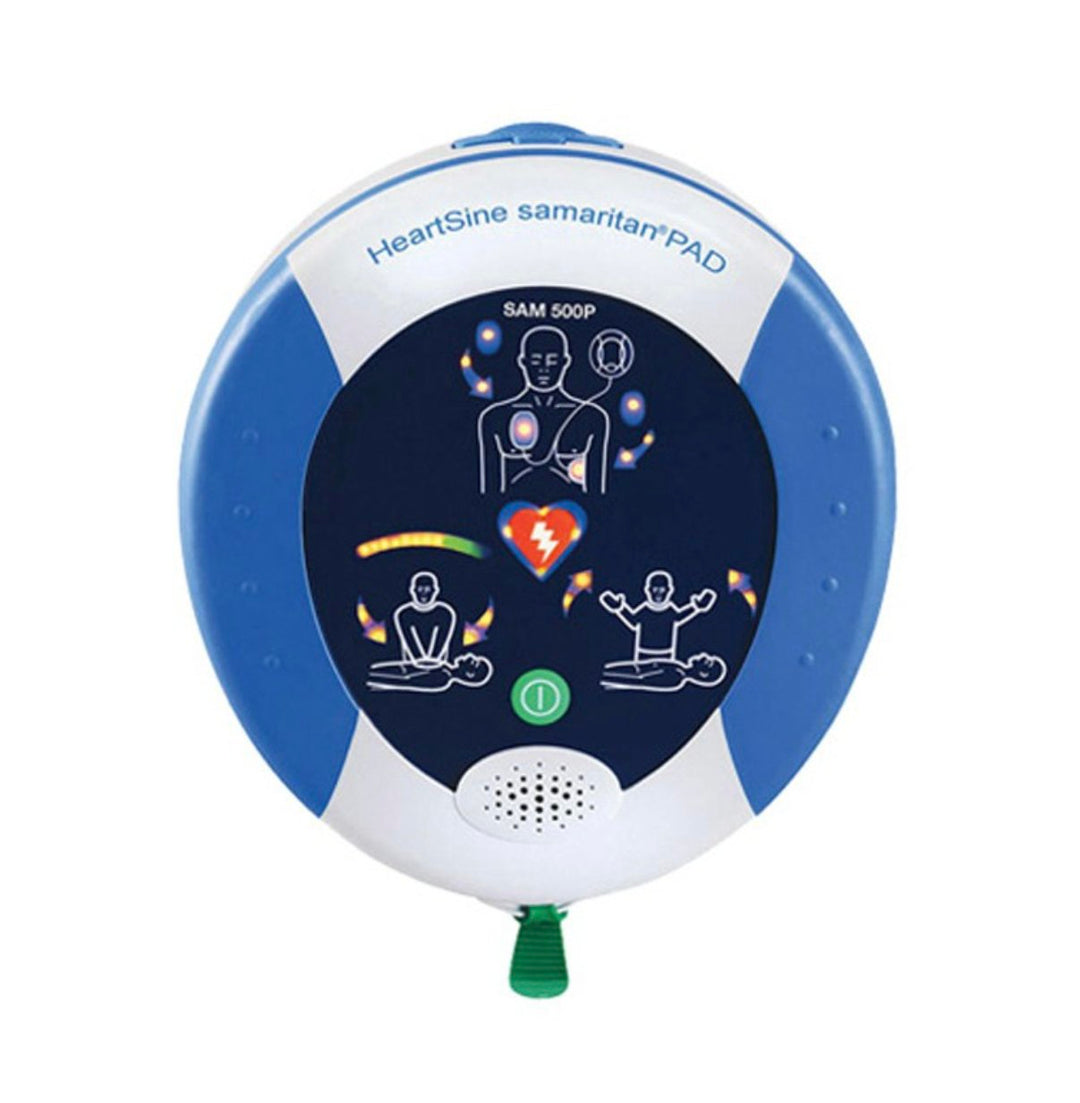
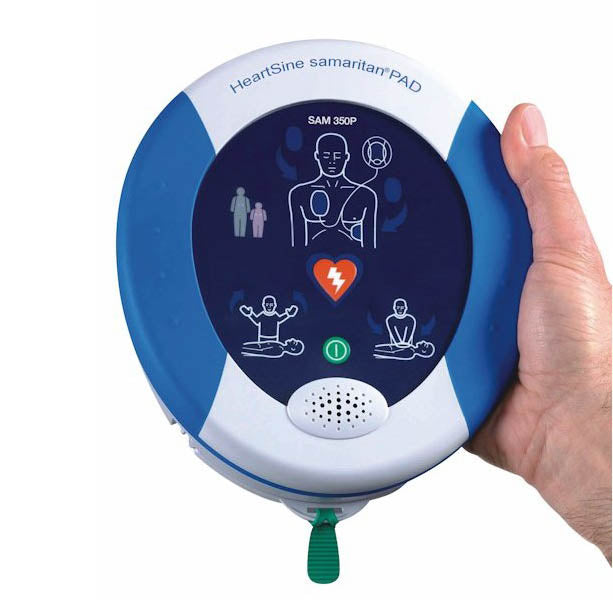
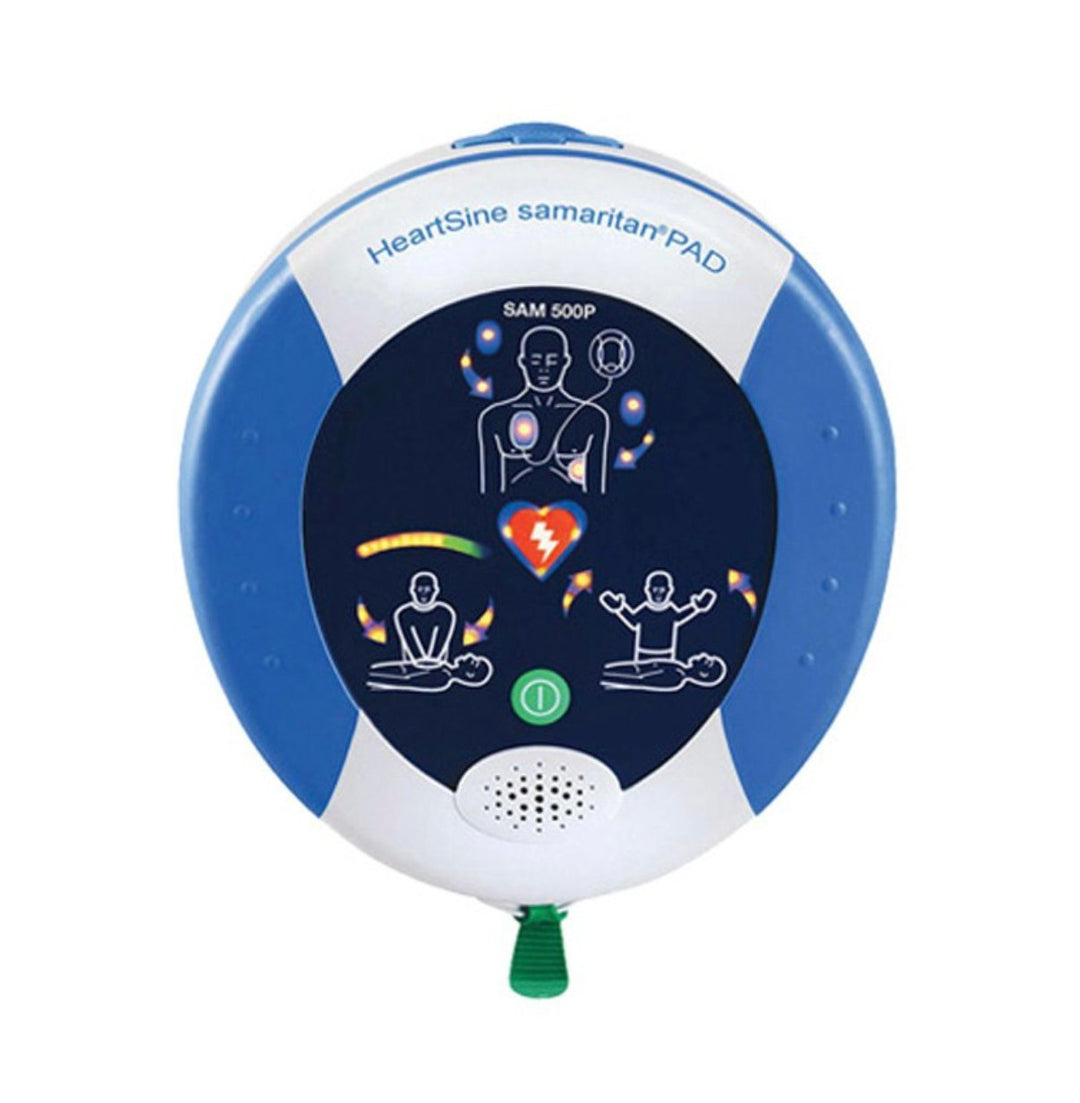
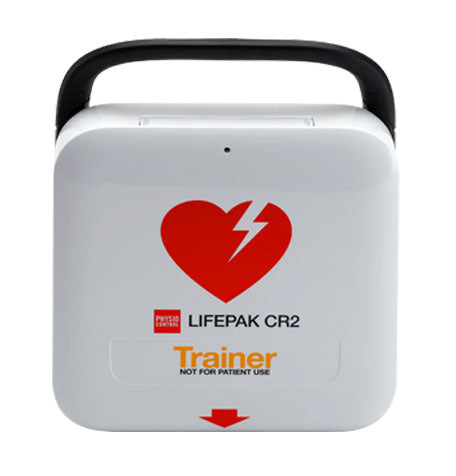
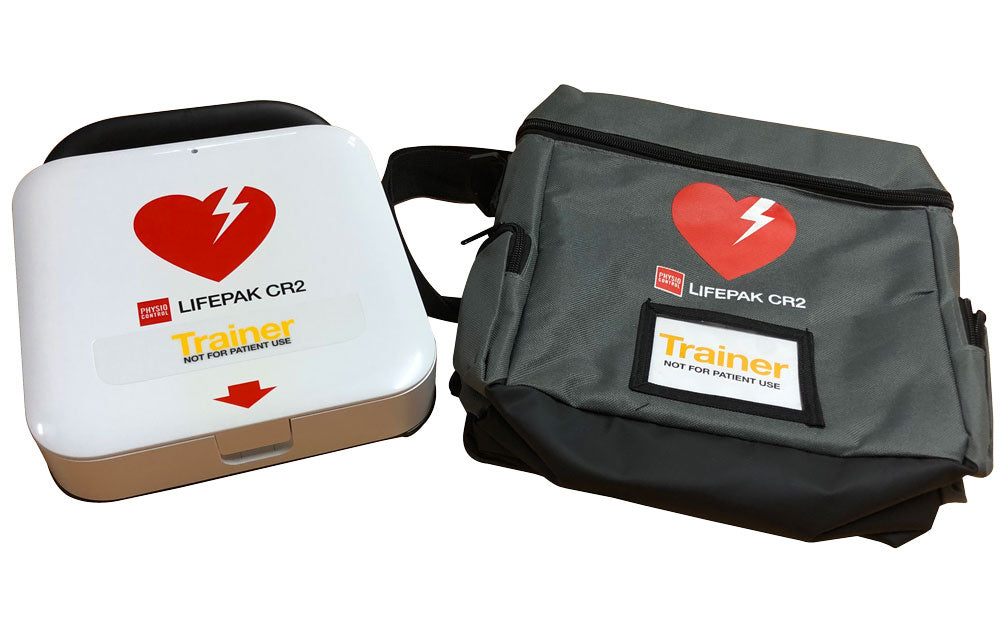
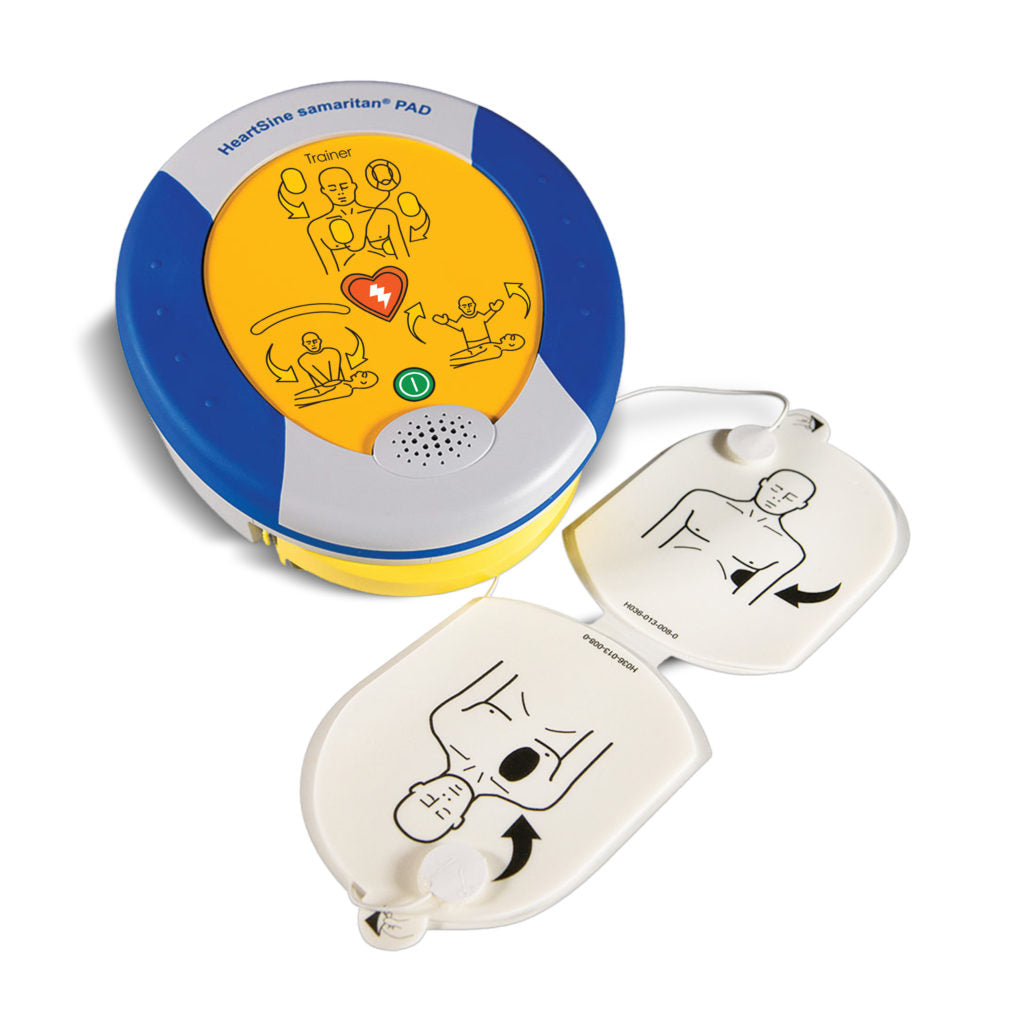
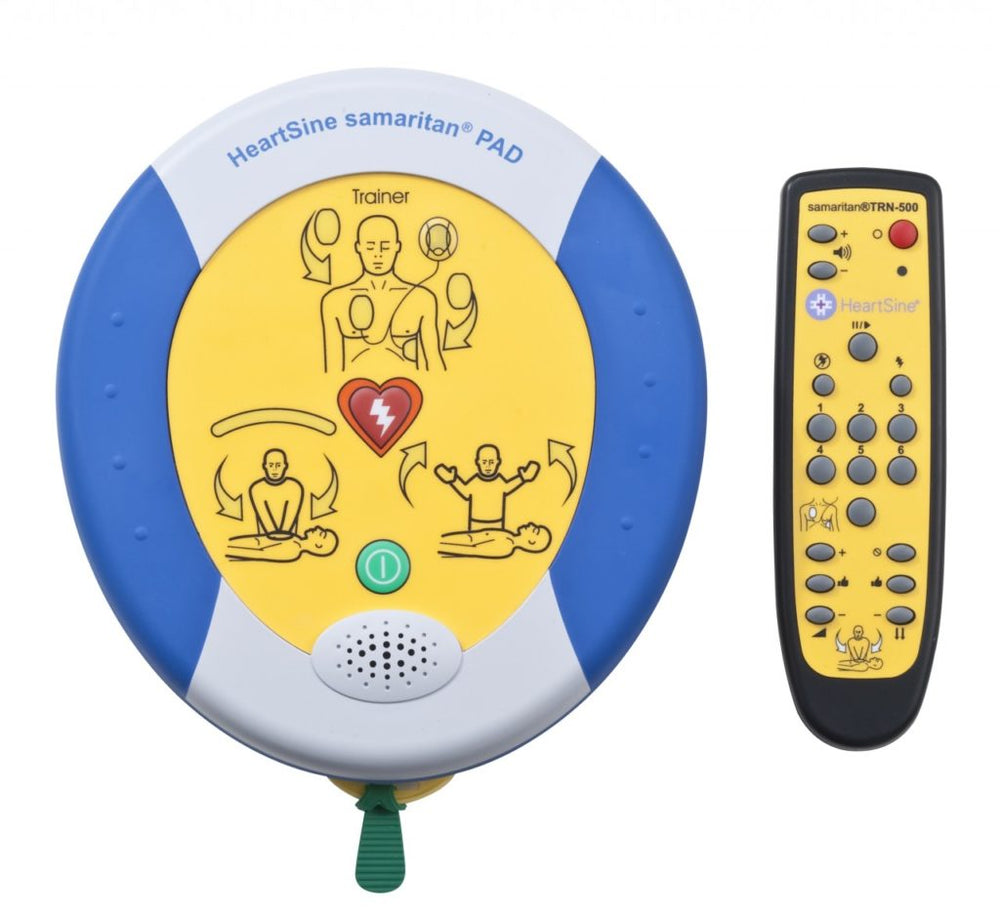
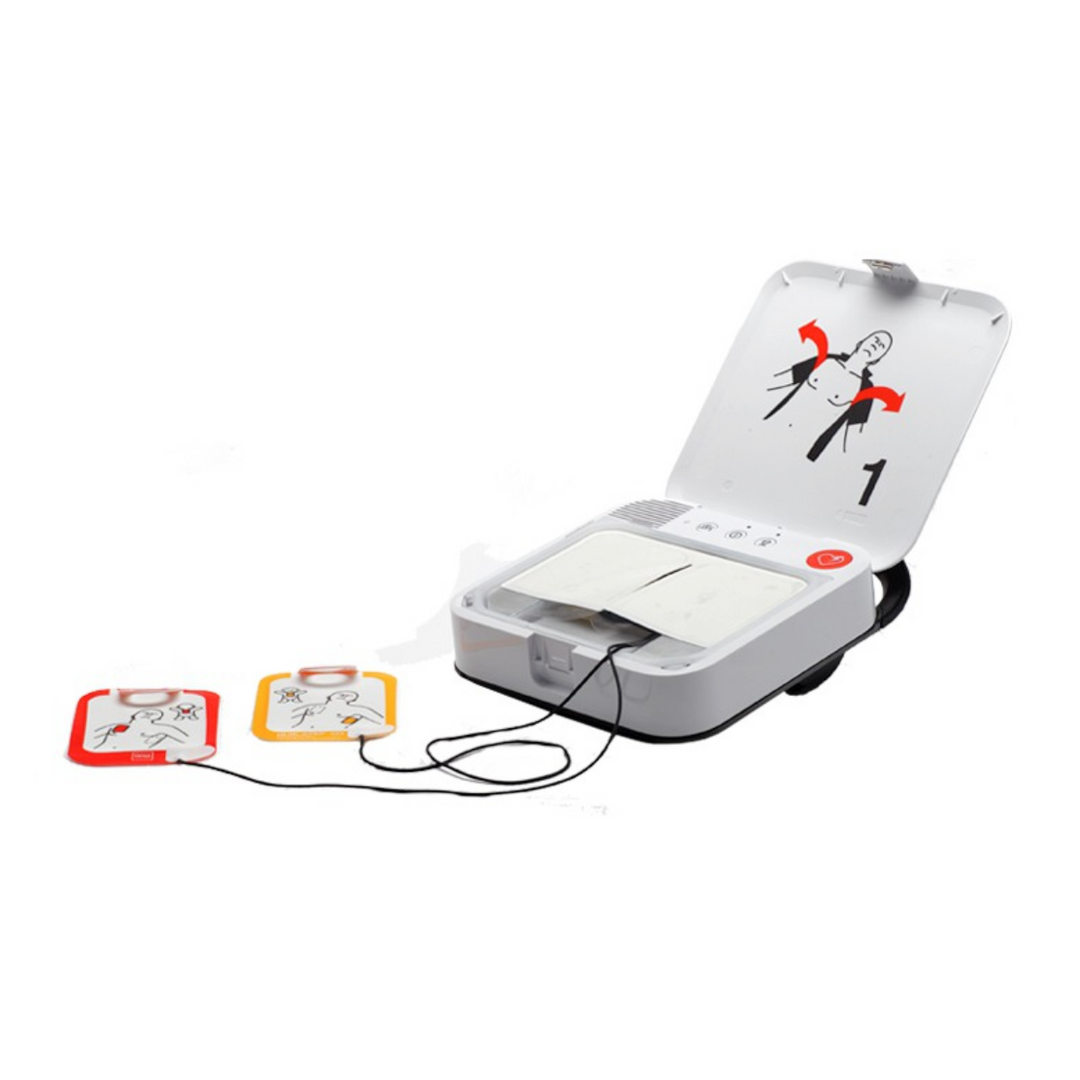
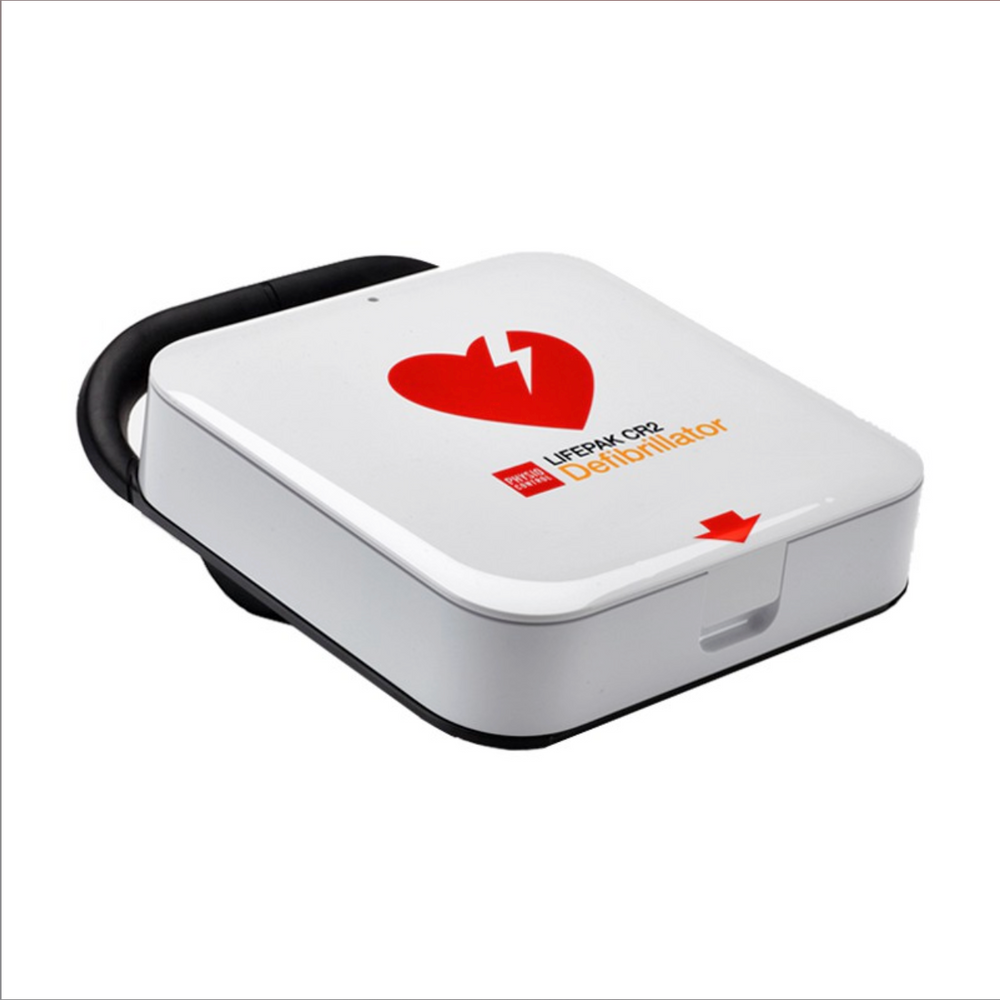
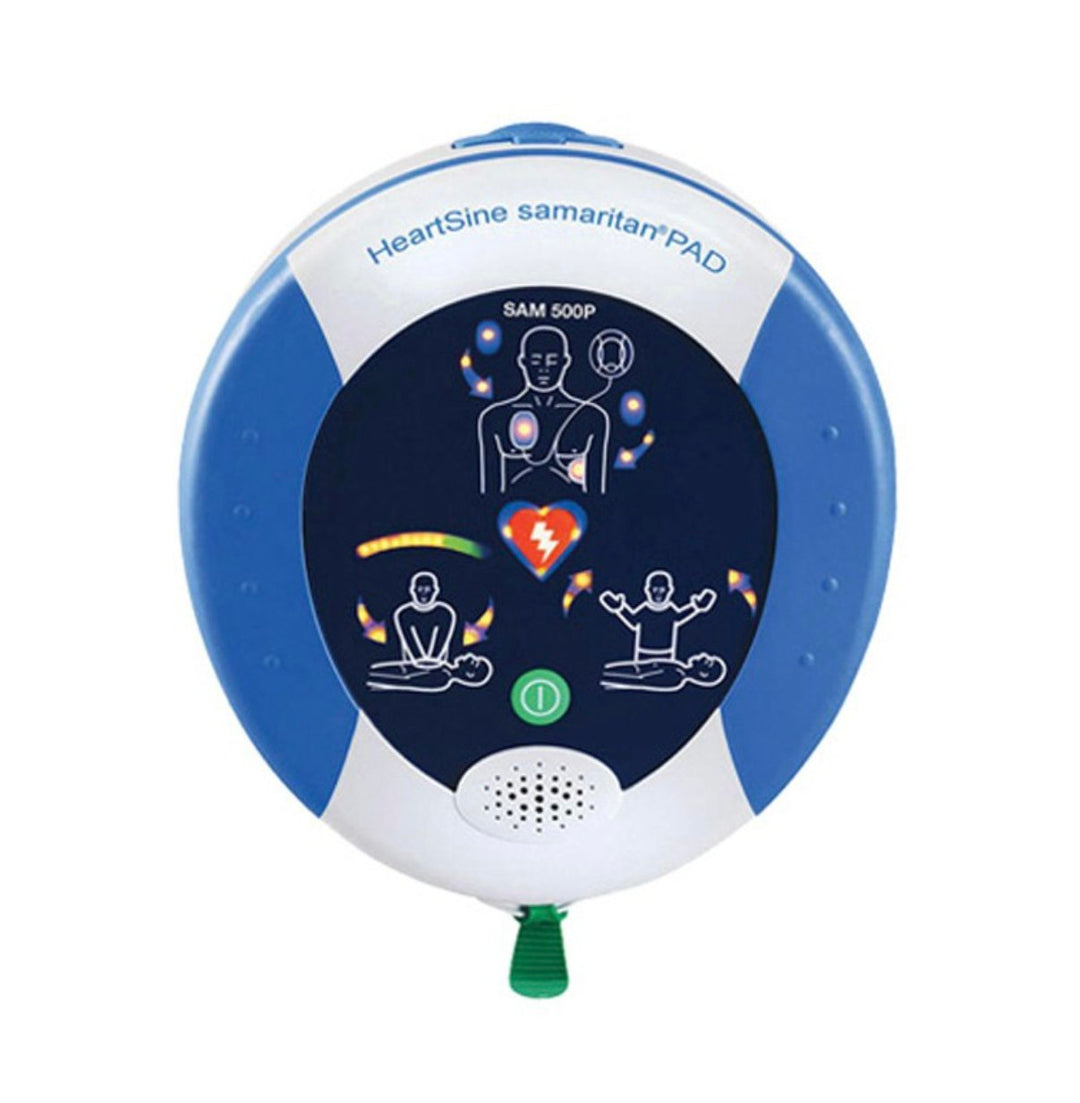
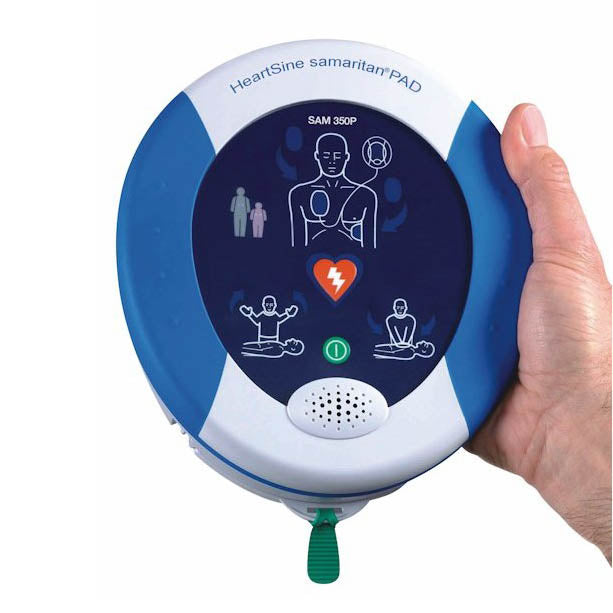
    Our AEDs & Defibrillators are designed to provide rapid, life-saving treatment during cardiac emergencies. These easy-to-use devices ensure that even untrained individuals can deliver a shock to a person in need, helping to restore a normal heart rhythm. Pair with Bleeding Control Kits or Airway & Breathing for a comprehensive emergency medical solution.

    What This Equipment Is Used For

    AEDs are used to assess heart rhythm and deliver defibrillation when a shockable rhythm is detected. They are designed to guide the user through the process with clear prompts and safety controls.

    In cardiac emergencies, AEDs allow early intervention before advanced medical care arrives. When combined with CPR, defibrillation plays a vital role in improving survival outcomes.

    Who This Equipment Is For

    AEDs and defibrillators are used by trained first aiders, emergency responders, and organisations responsible for public and workplace safety.

    They are commonly installed in workplaces, schools, sporting facilities, community spaces, emergency vehicles, and high-risk environments. If your organisation is responsible for emergency preparedness, an AED is an essential life-saving asset.

    What to Look For

    Selecting an AED should be based on usability, reliability, and suitability for the environment.

    • Ease of use: Clear voice prompts and intuitive operation.
    • Reliability: Proven performance and self-testing capability.
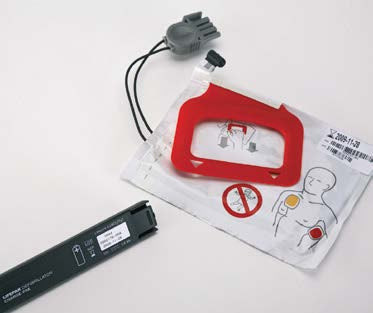
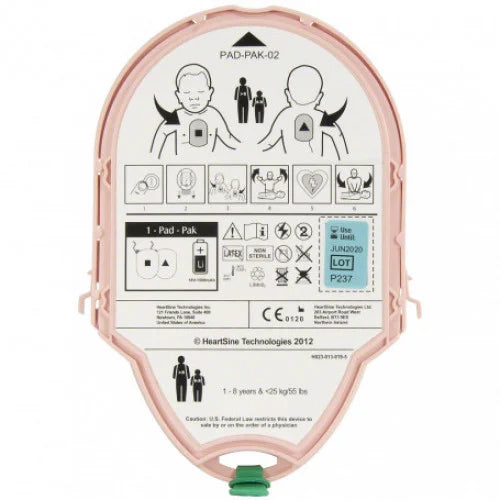
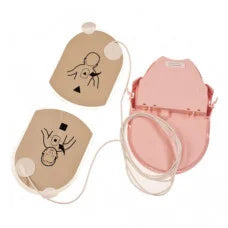
    • Maintenance requirements: Battery and pad lifespan, and replacement availability.
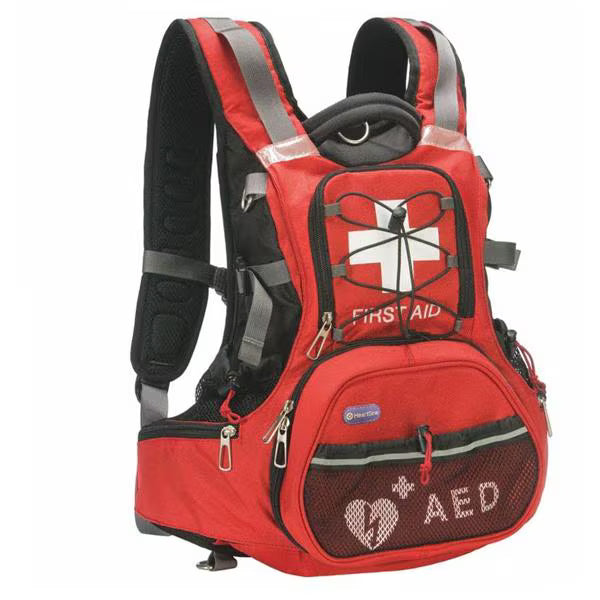
    • Environmental suitability: Appropriate for indoor, outdoor, or mobile use.
    • Compliance: Meets relevant Australian standards and regulatory requirements.

    An effective AED should be accessible, easy to operate, and maintained as part of an emergency response plan.

    Common Mistakes We See

    A common mistake is installing an AED without an accompanying emergency response plan or training.

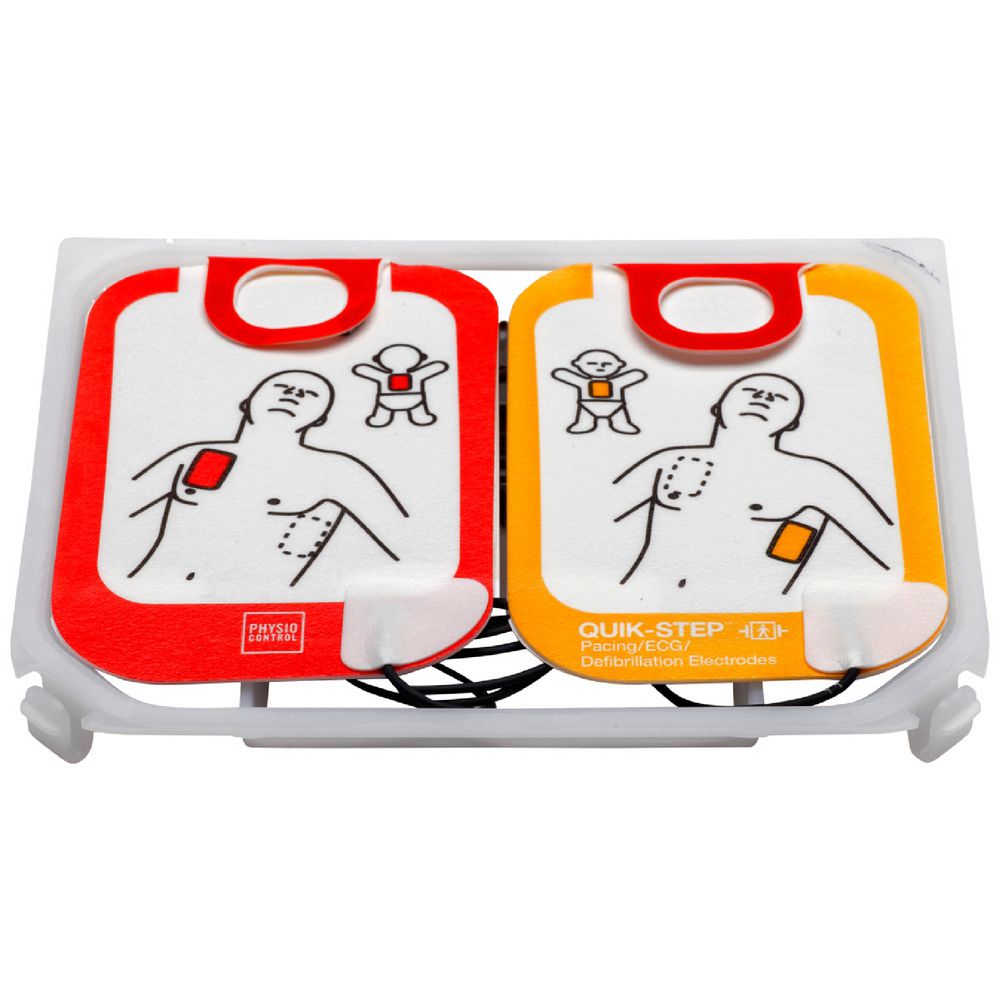
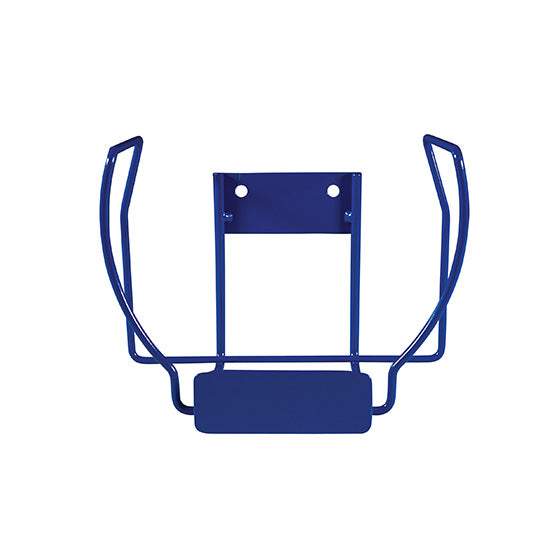
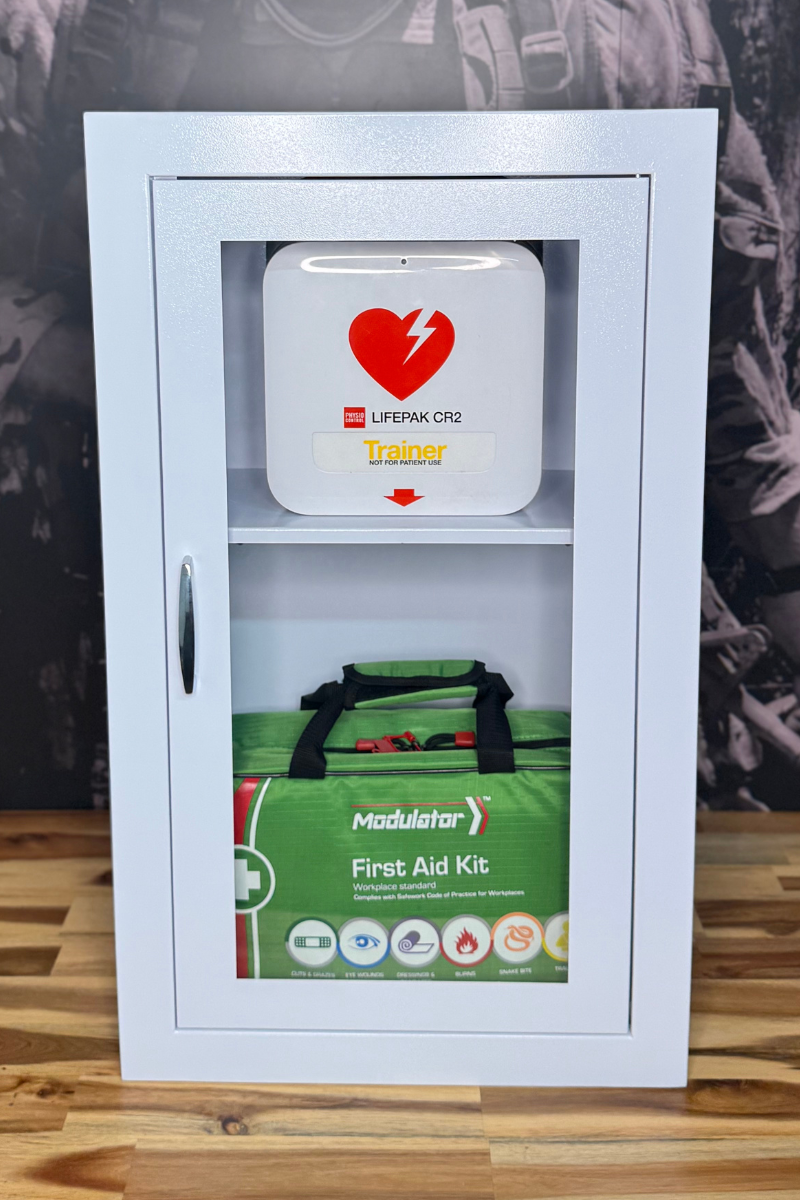
    We also see AEDs poorly maintained, with expired pads or depleted batteries. Another issue is placing AEDs in locations that are difficult to access during an emergency.

    AEDs should be maintained, clearly signposted, and integrated into broader first aid and emergency procedures.

    Questions We Get Asked

    What is an AED?

    An AED is an Automated External Defibrillator used to assess heart rhythm and deliver a shock during sudden cardiac arrest.

    Who can use an AED?

    AEDs are designed to be used by trained first aiders and emergency responders, with guided prompts to assist use.

    Are AEDs required in workplaces?

    Requirements vary by industry and risk profile, but AEDs are increasingly recommended in many workplaces and public settings.

    Do AEDs require regular maintenance?

    Yes. AEDs require routine checks to ensure batteries, pads, and self-tests are up to date.

    Can AEDs be used in public spaces?

    Yes. AEDs are commonly installed in public locations to support rapid response to cardiac emergencies.

    Is training required to use an AED?

    Training is strongly recommended to ensure confidence and effective response during an emergency.