What is bleeding control equipment?
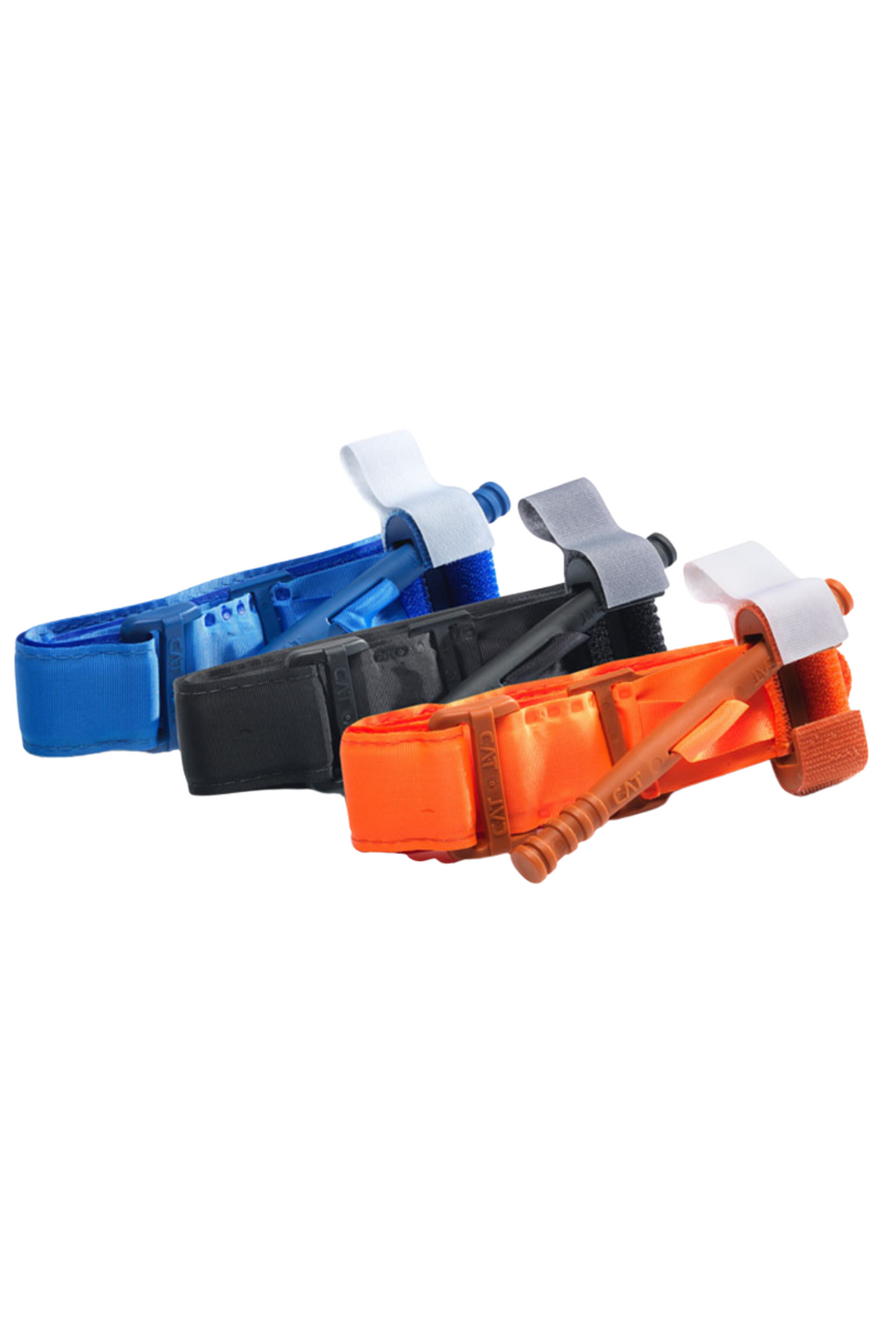
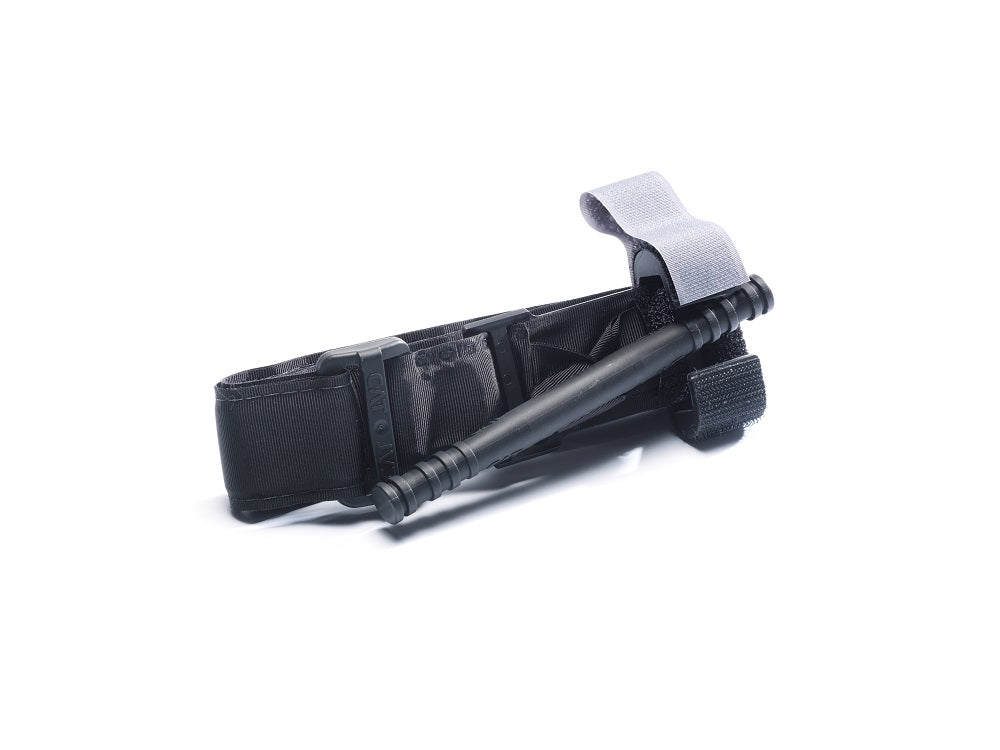
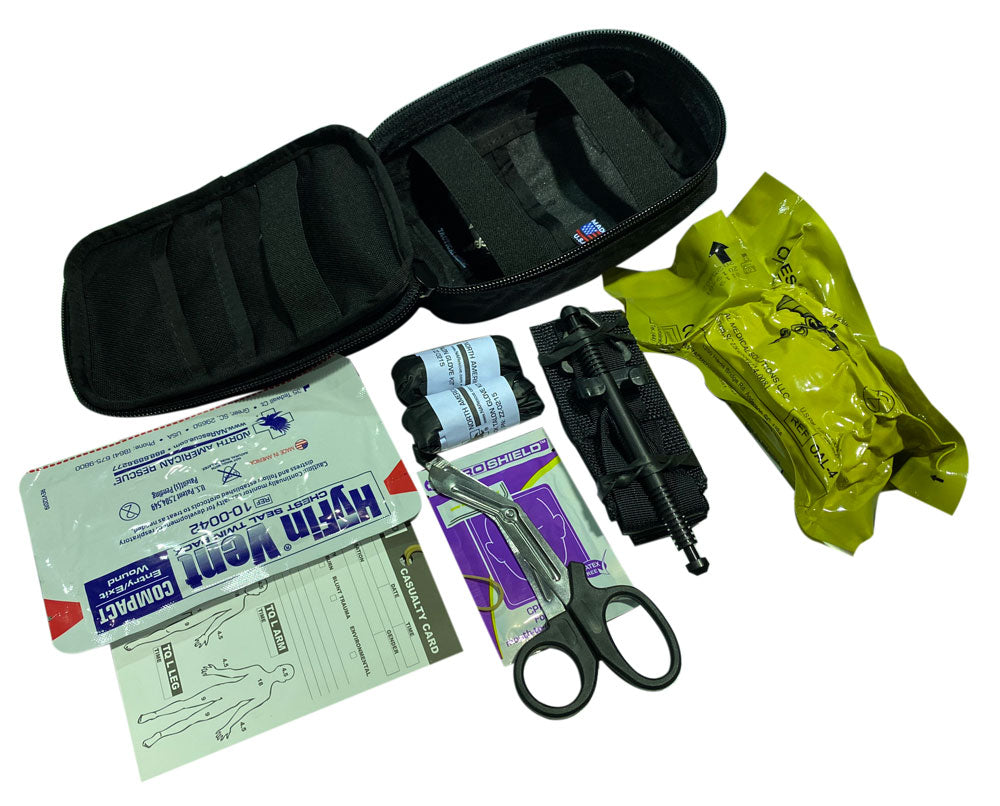
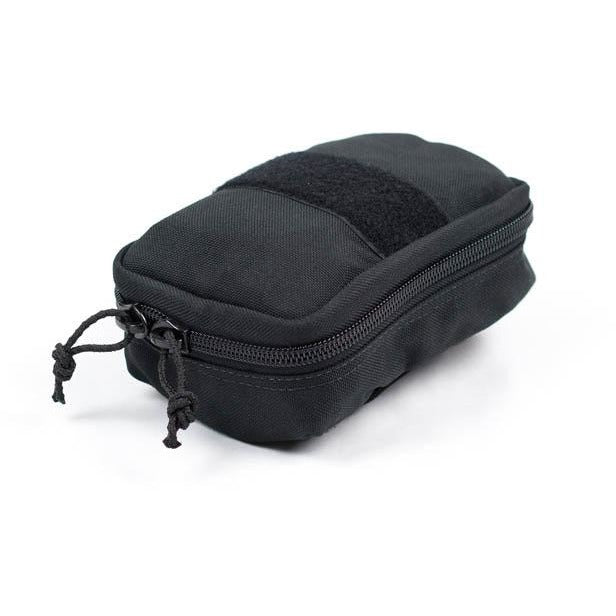
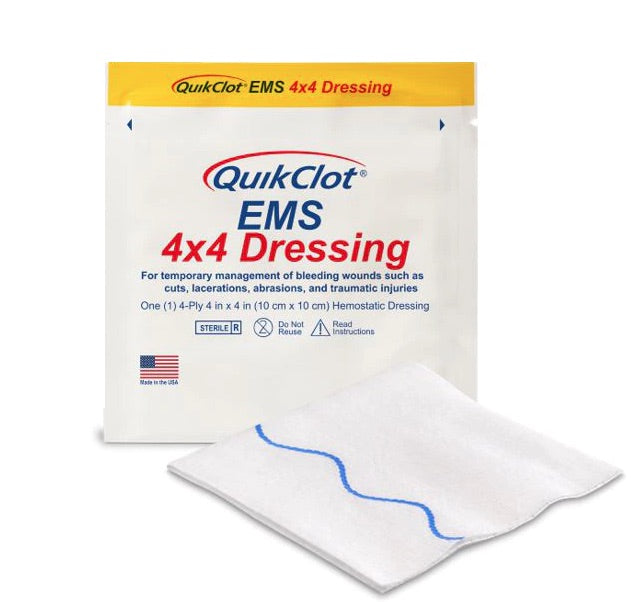
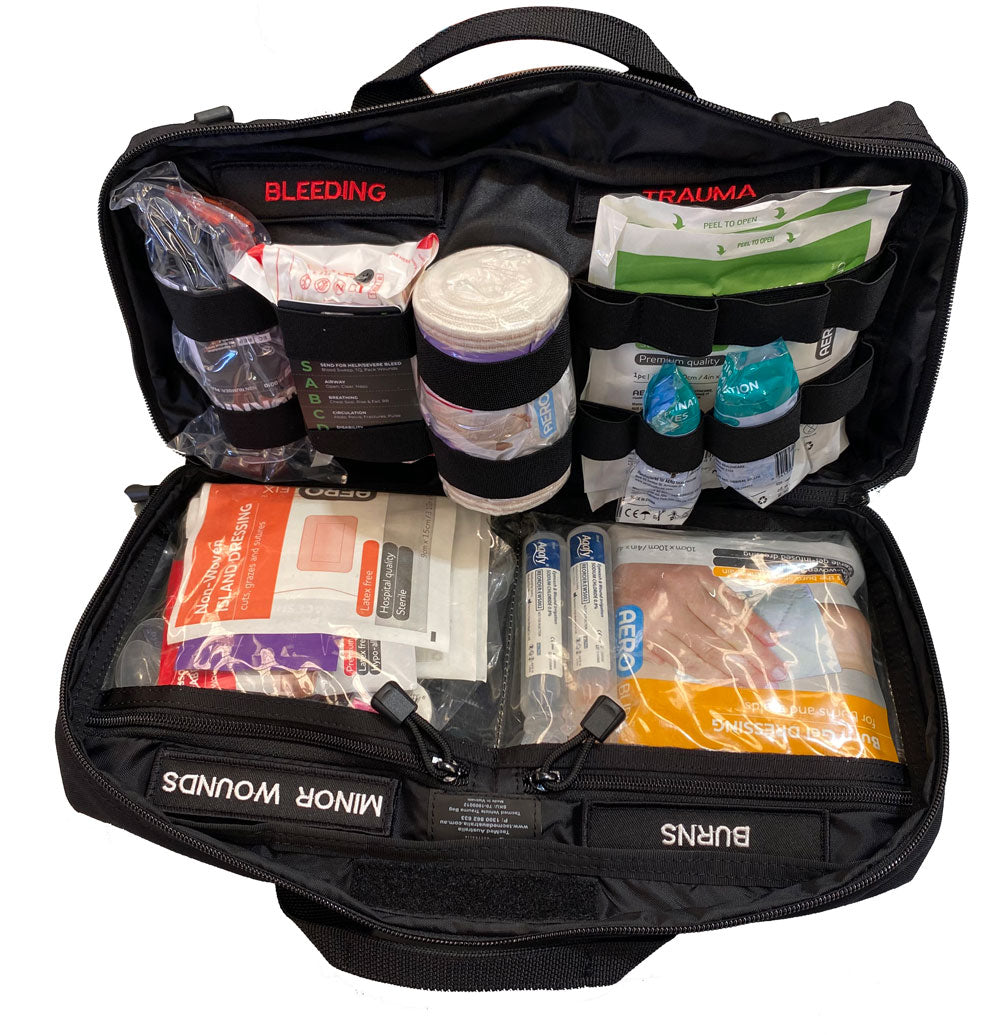
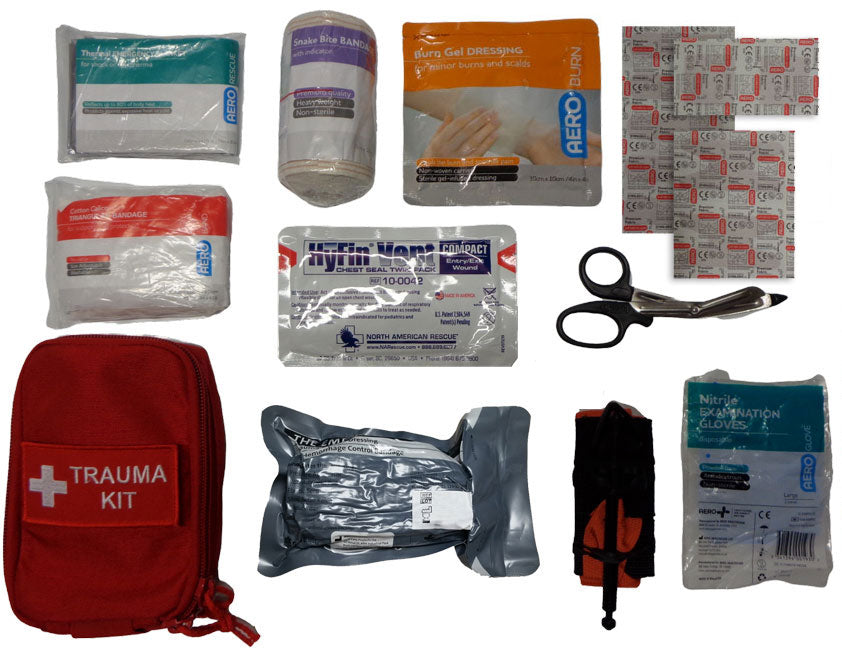
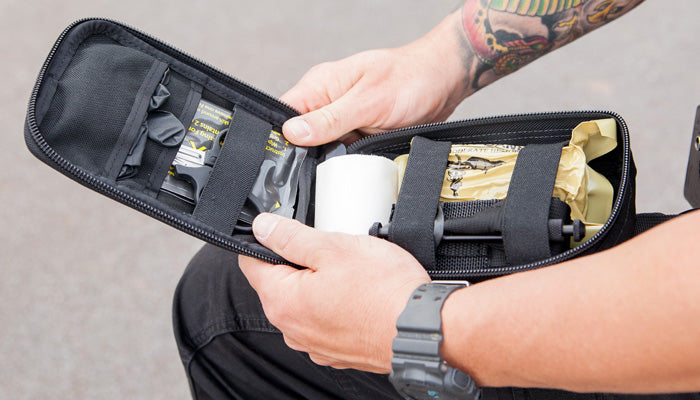
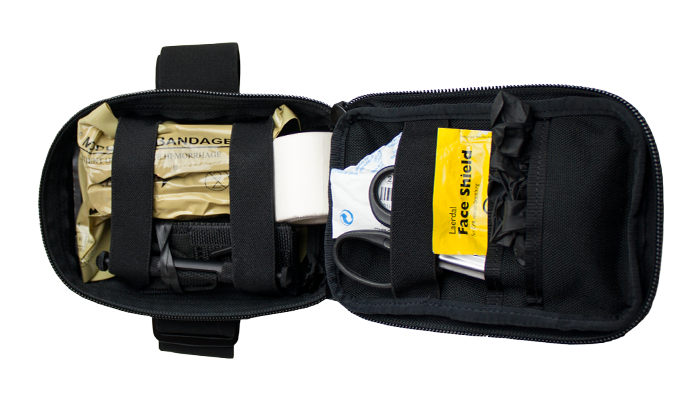
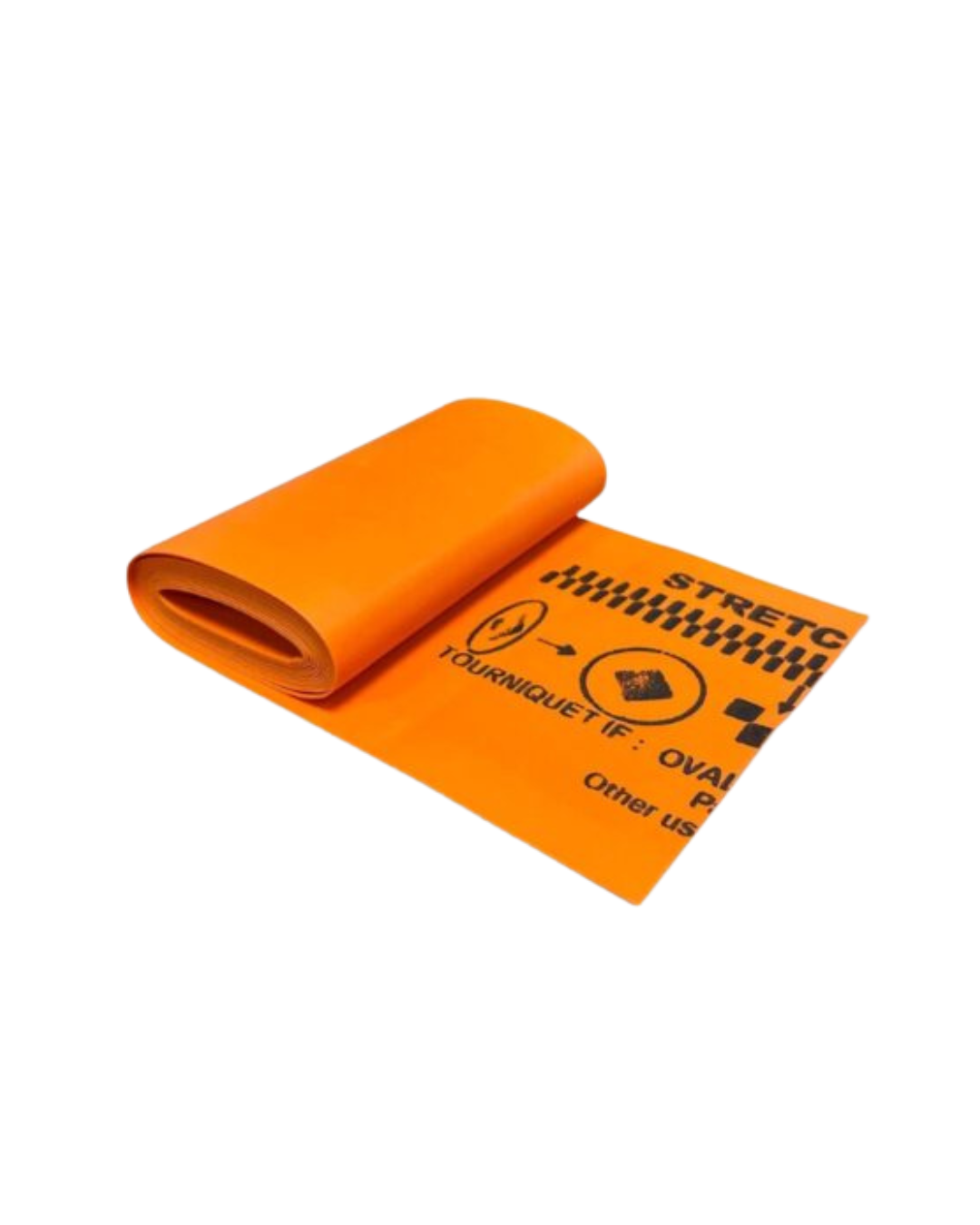
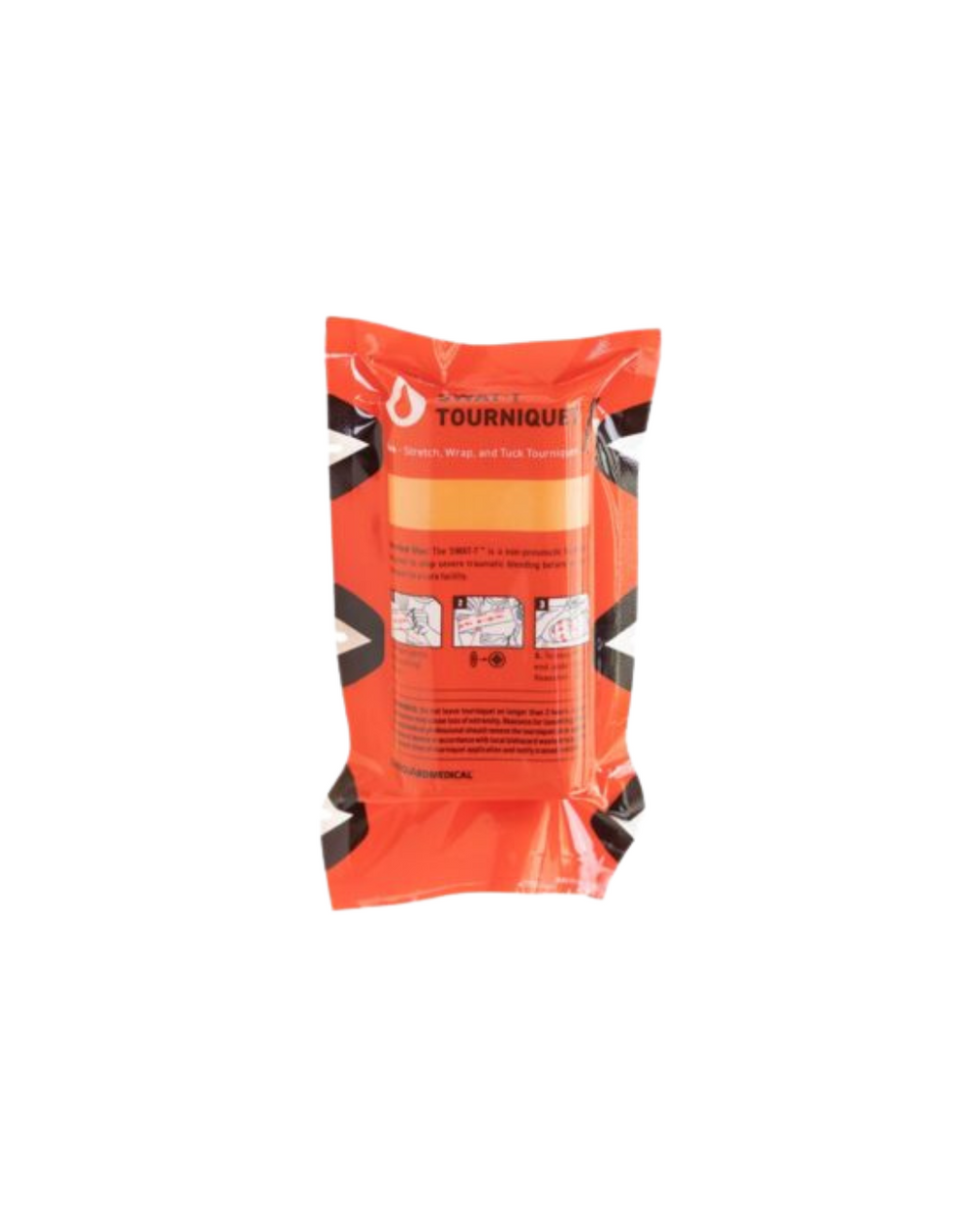
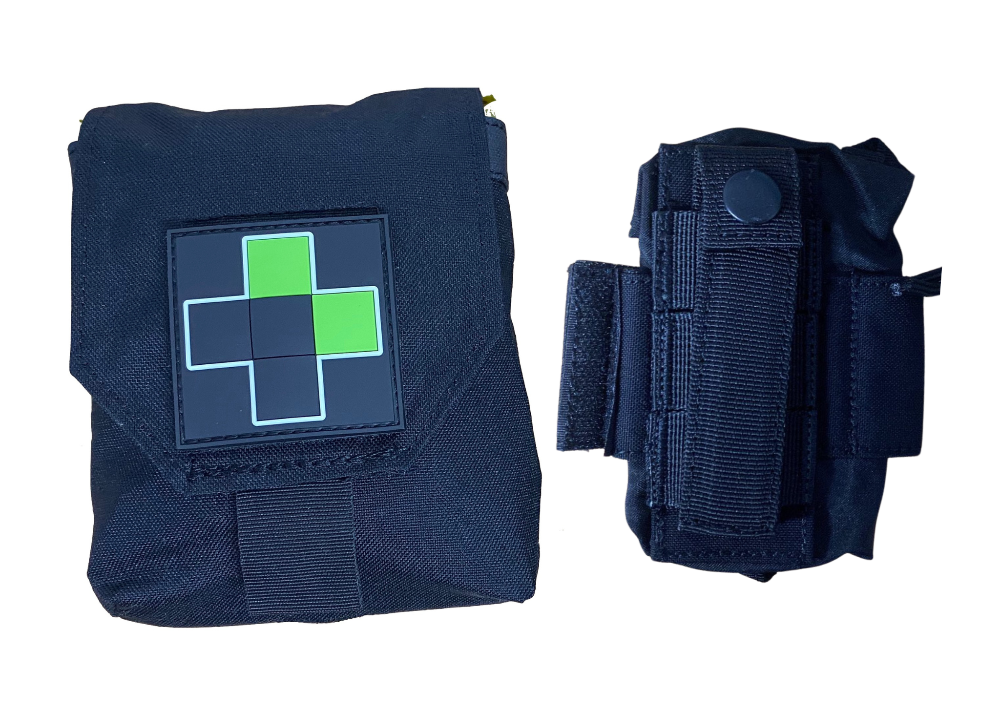
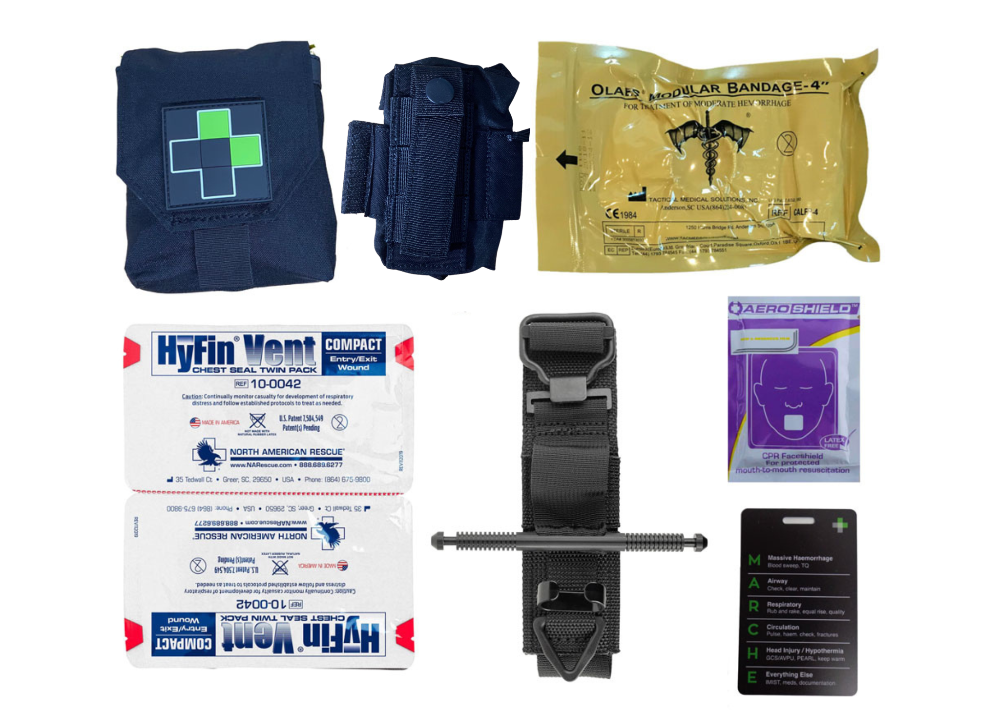
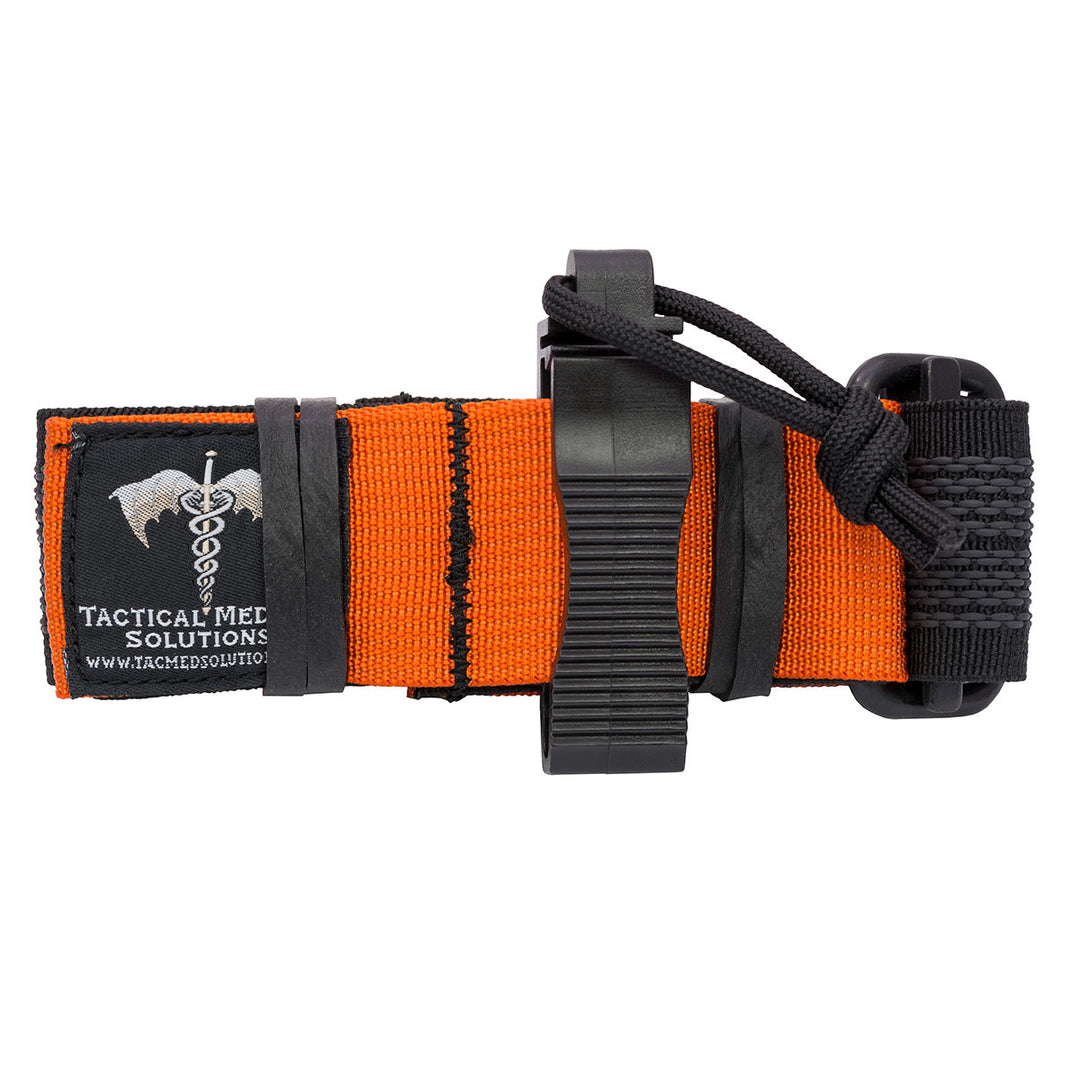
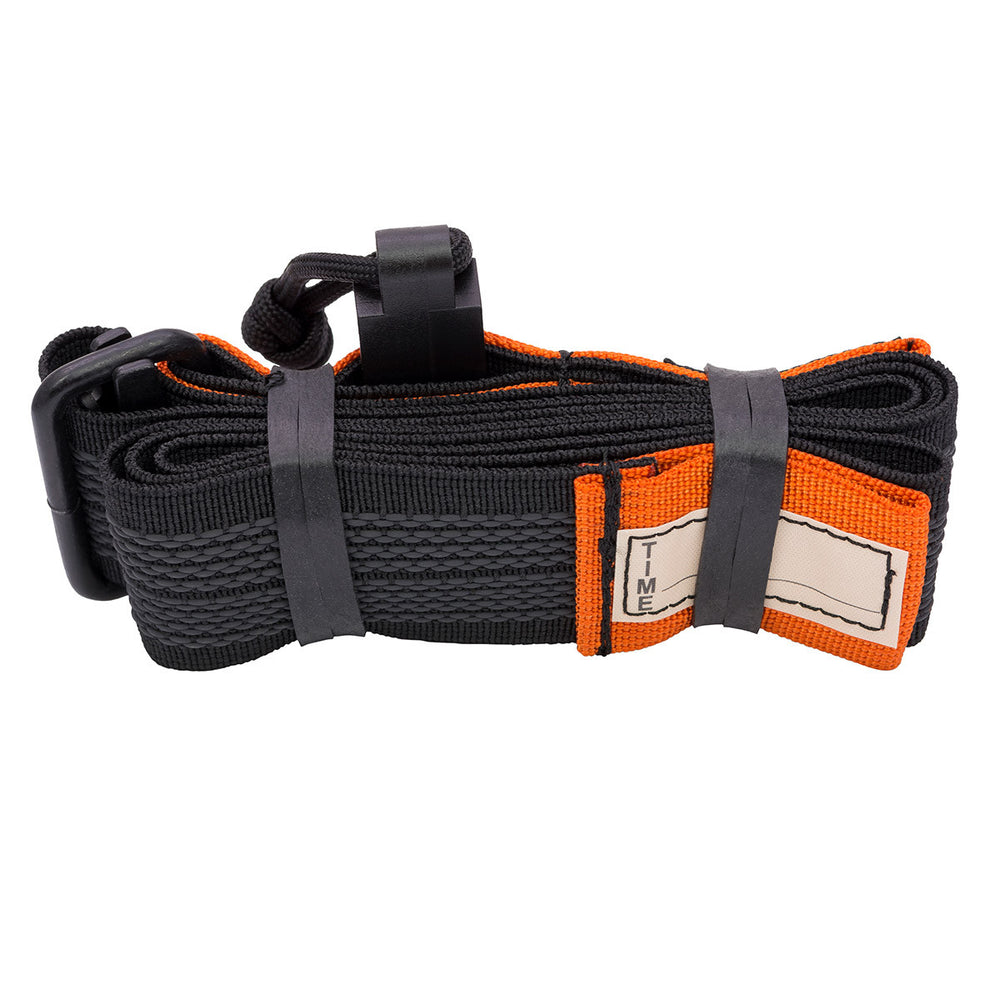
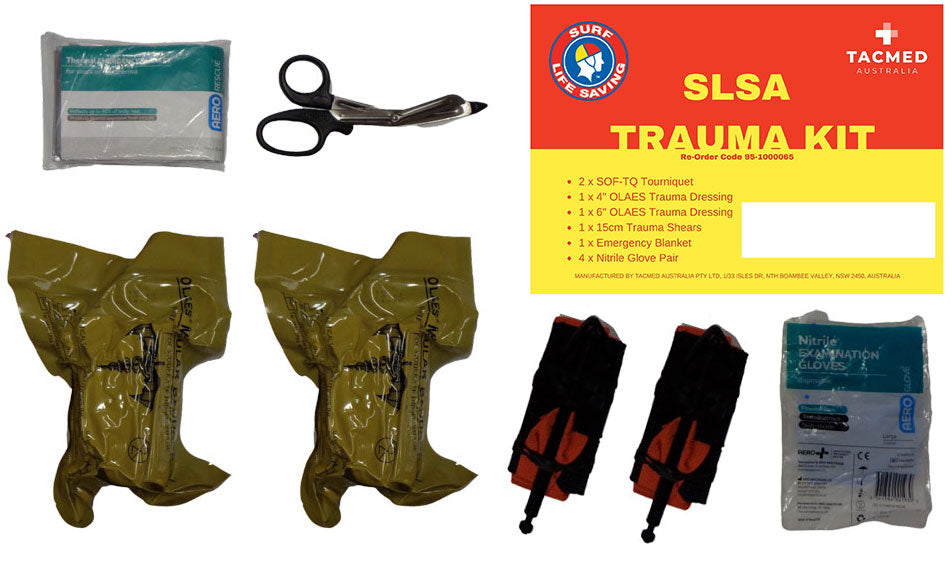
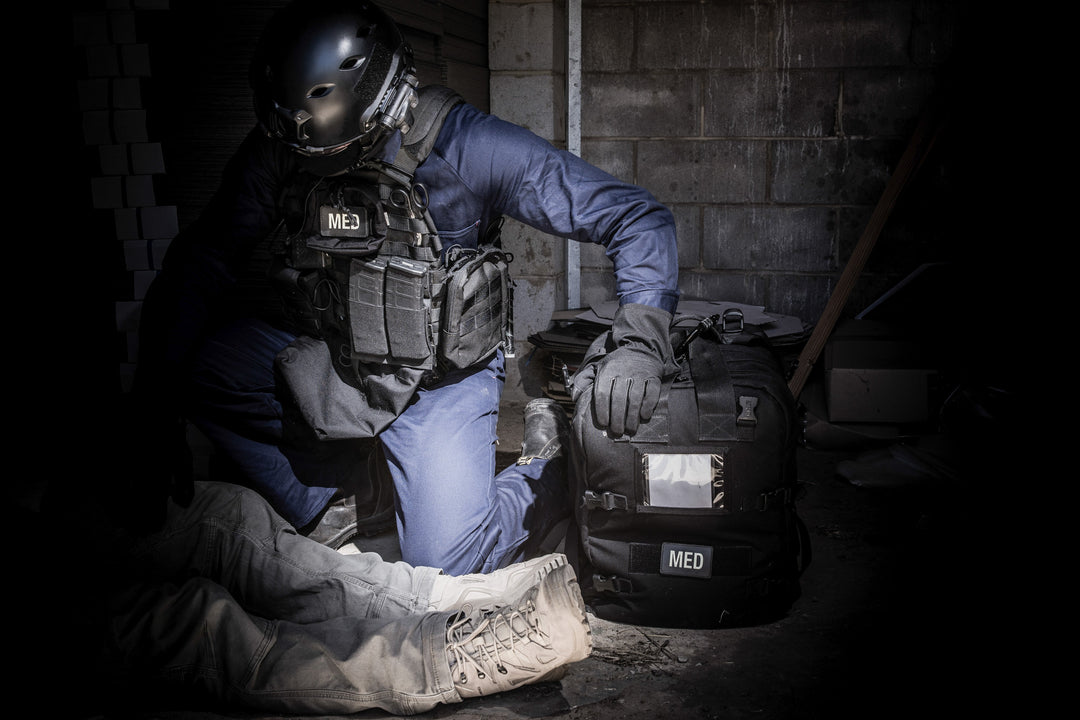
Bleeding control equipment refers to the individual medical components used to manage severe haemorrhage — the specific items that go inside a bleeding control kit or IFAK. This includes tourniquets, haemostatic wound packing gauze, pressure dressings, chest seals, and supporting supplies. This collection sells these items individually rather than as pre-assembled kits.
What is haemostatic gauze?
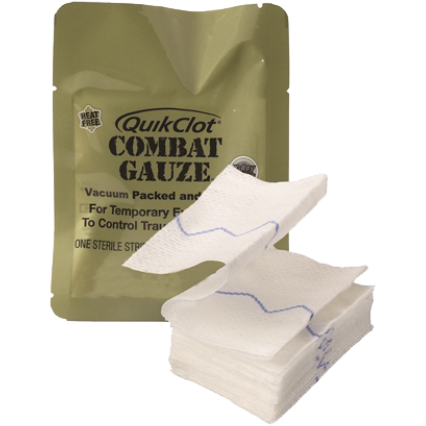
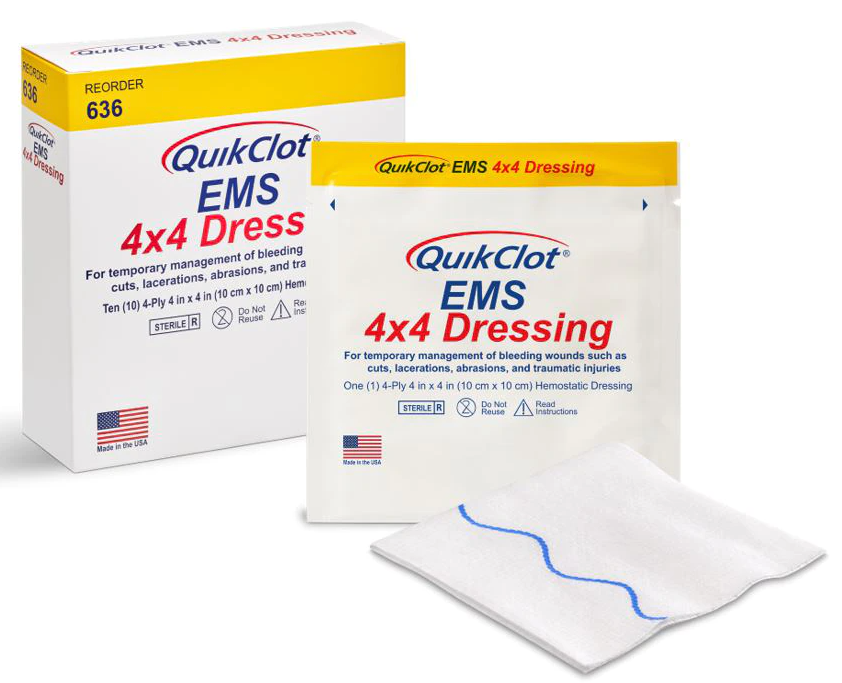
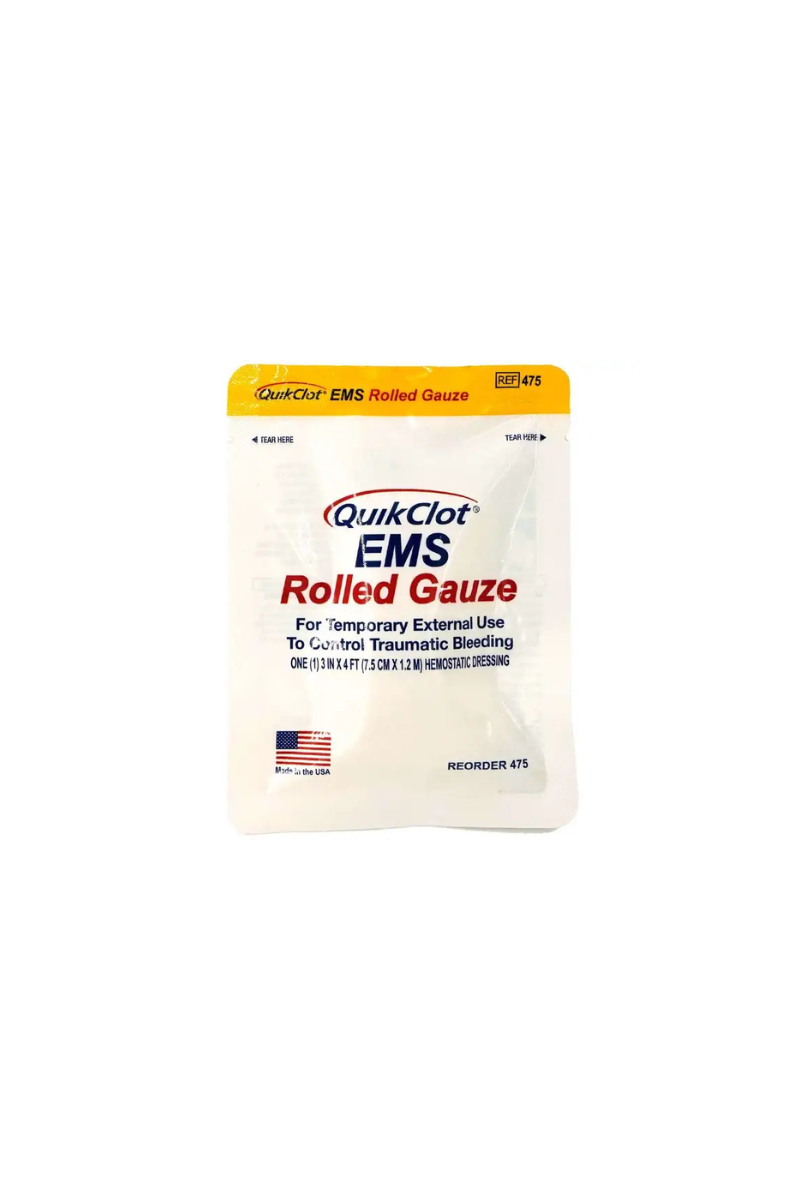
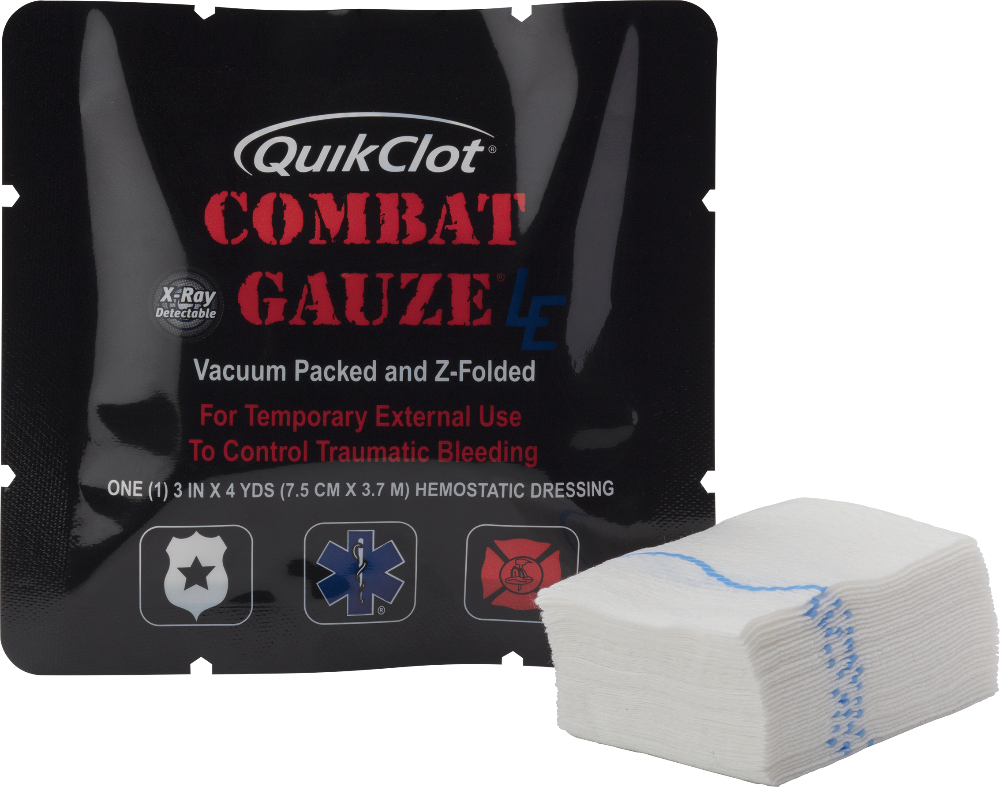
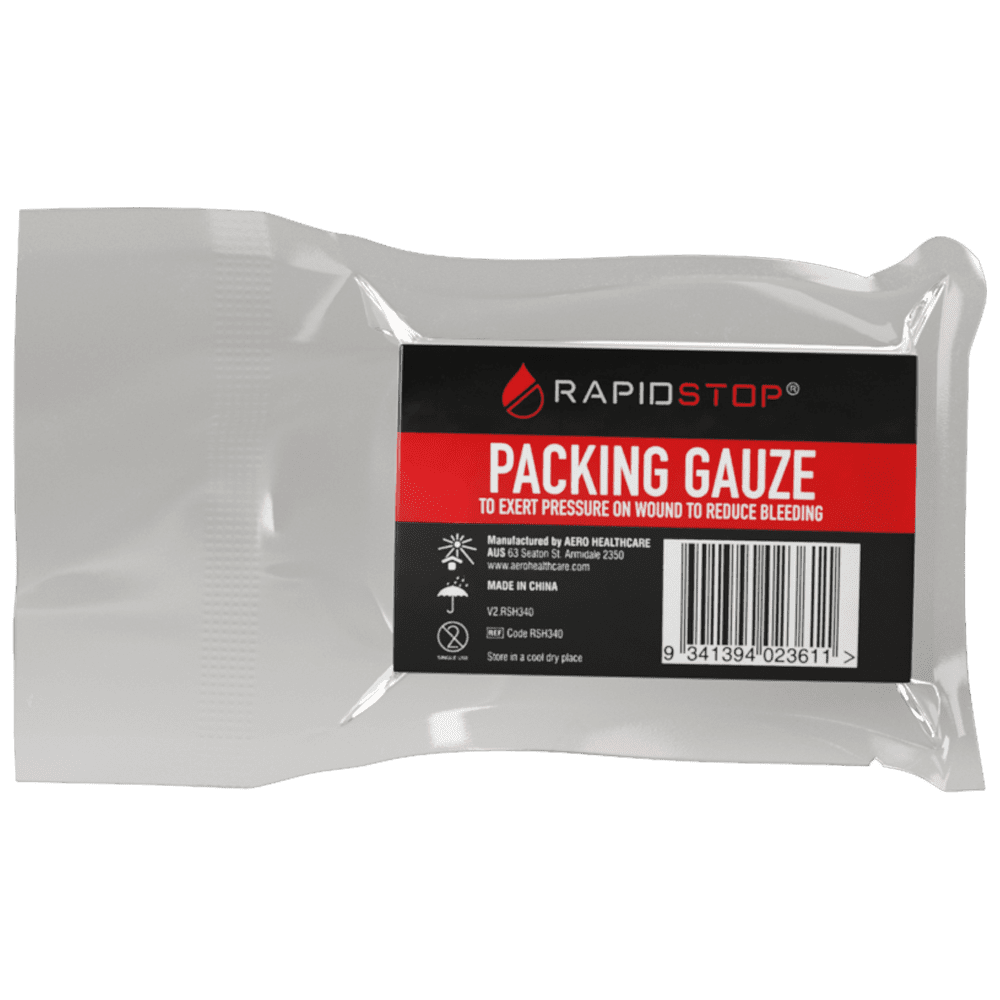
Haemostatic gauze is wound packing gauze impregnated with an agent that accelerates blood clotting when packed into a wound. It is used for deep or penetrating wounds where surface pressure alone cannot control haemorrhage. QuikClot Combat Gauze uses kaolin (a mineral that activates the clotting cascade) and is the US military standard. Celox uses chitosan (derived from shellfish) and works independently of the clotting cascade. Both require wound packing technique to be effective.
What is a chest seal?
A chest seal is an occlusive dressing applied to penetrating chest wounds to prevent air entry into the pleural space. A vented chest seal has one-way valves that allow air to escape during exhalation — this is important for managing tension pneumothorax, where air builds up in the chest cavity. Non-vented chest seals are used where vented seals are unavailable. Vented seals are the current standard for most clinical protocols.
What is an OLAES bandage?
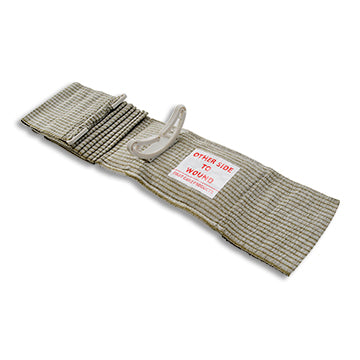
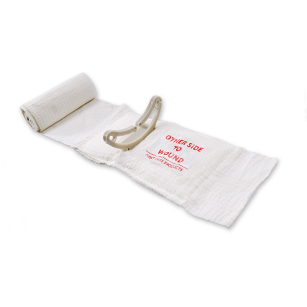
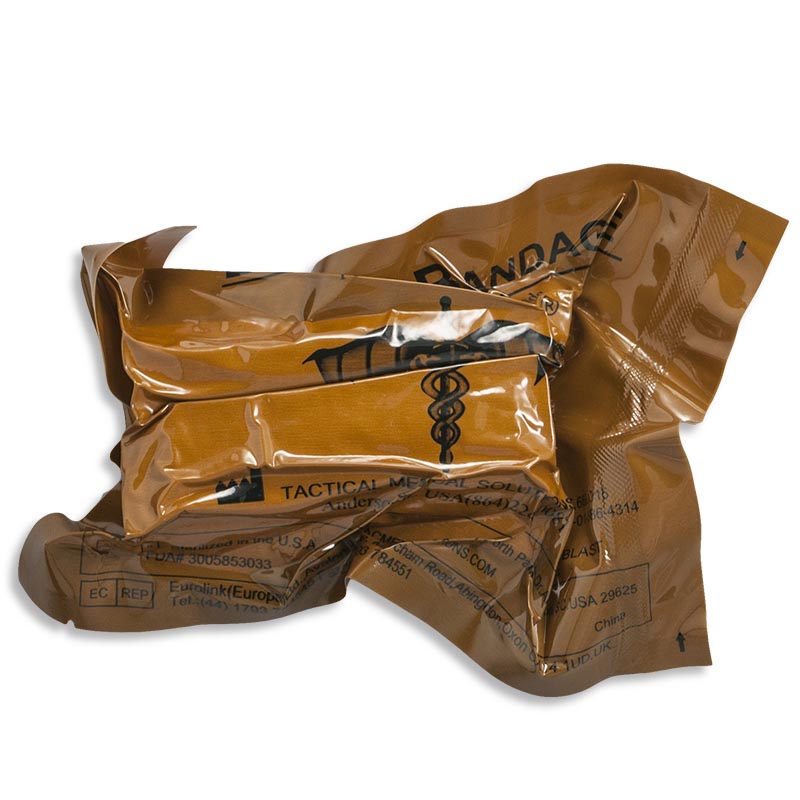
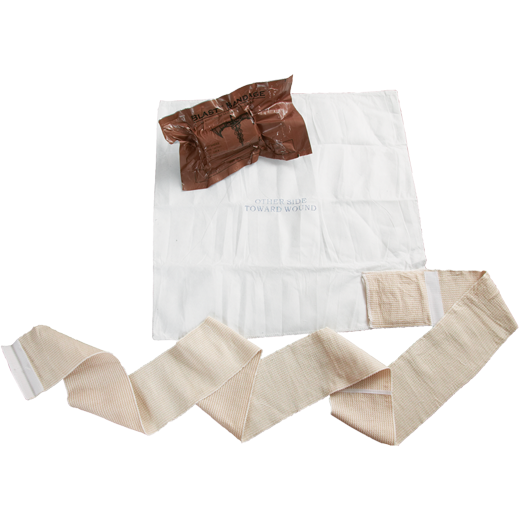
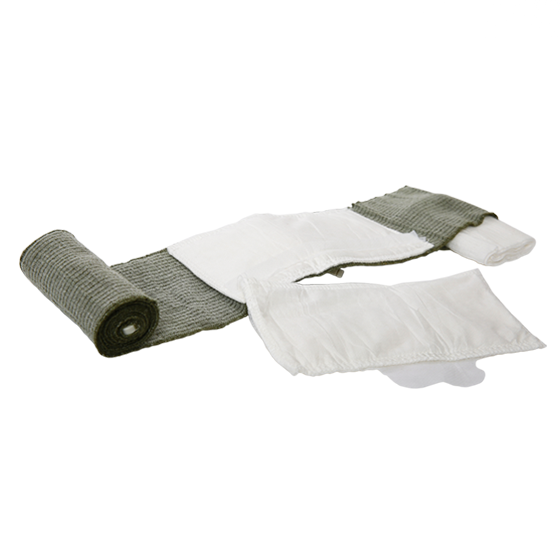
The OLAES (Olaes Modular Bandage) is a trauma dressing that combines surface pressure application with wound packing capability. It includes a removable pressure cup for compression and contains wound packing gauze for deep wound management — making it more versatile than a standard Israeli Bandage. It is used for complex wounds where both surface pressure and packing are required.
What is the difference between QuikClot and Celox?
QuikClot (kaolin-based) activates the body's natural clotting factors — it is the most widely trained-on haemostatic agent globally and the US military standard. Celox (chitosan-based) acts directly on red blood cells independently of clotting factors — it may be preferable for patients on anticoagulant medication. Both are effective when used correctly. Choose based on your training protocol. If you have been trained on one, use that.
How is this different from the bleeding control kits collection?
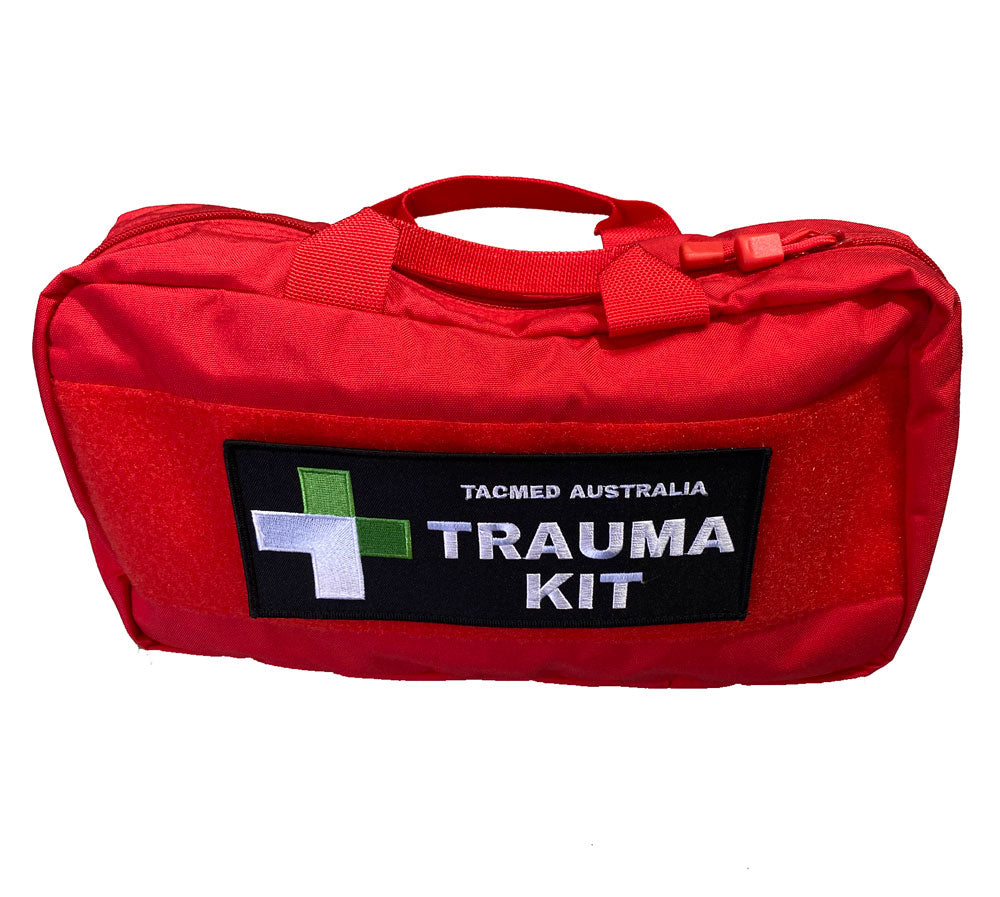
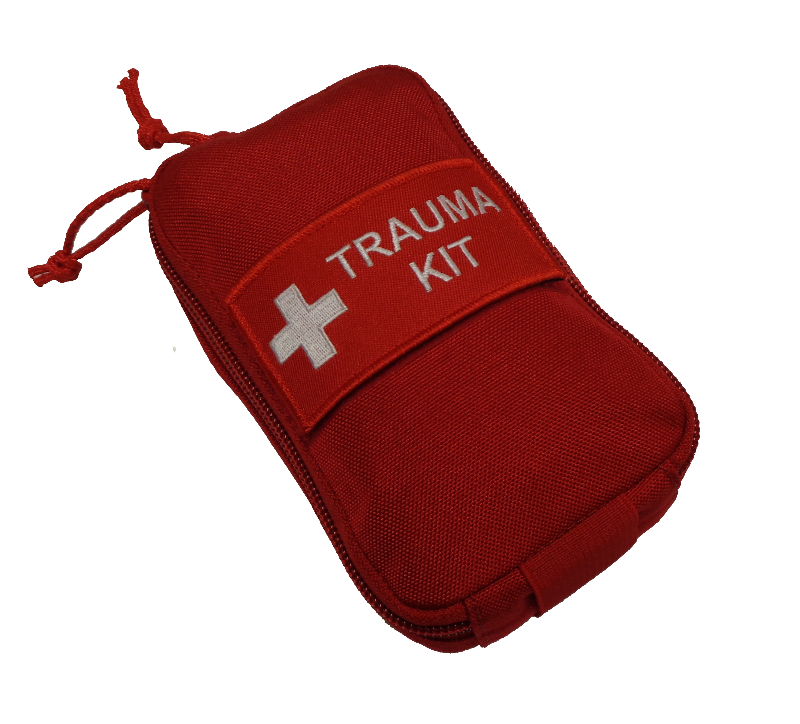
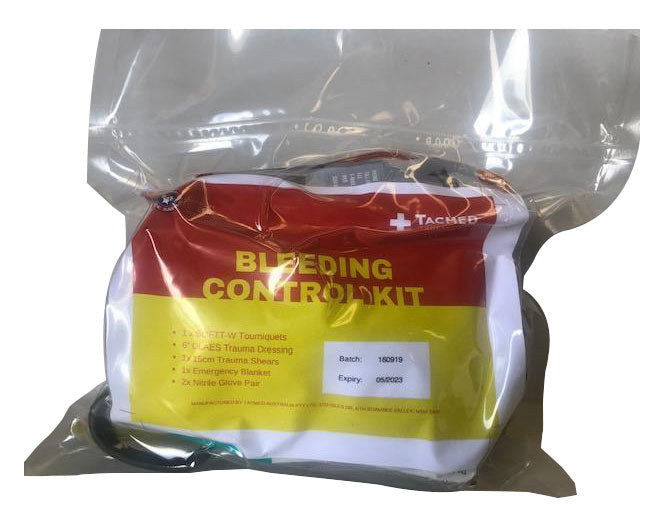
This collection is for individual components only — a single tourniquet, a pack of haemostatic gauze, a chest seal. The bleeding control kits collection contains pre-assembled complete kits with all components included and ready to deploy. If you need to restock or build a custom setup, use this collection. If you want a complete ready-to-use kit, use the kits collection.
Do bleeding control components expire?
Yes. Sterile dressings, haemostatic gauze, and chest seals all have printed expiry dates. Tourniquets do not have a strict expiry but should be replaced when elastic or materials show degradation. Check all components in your kit regularly and replace approaching or expired items. A kit with expired components is unreliable in a real emergency.
Do I need training to use these products?
Strongly recommended for haemostatic gauze and chest seals. Tourniquet application and pressure dressings can be learned with basic first aid training, but correct technique for wound packing and chest seal placement requires practice.