What medical equipment is commonly used in military settings?
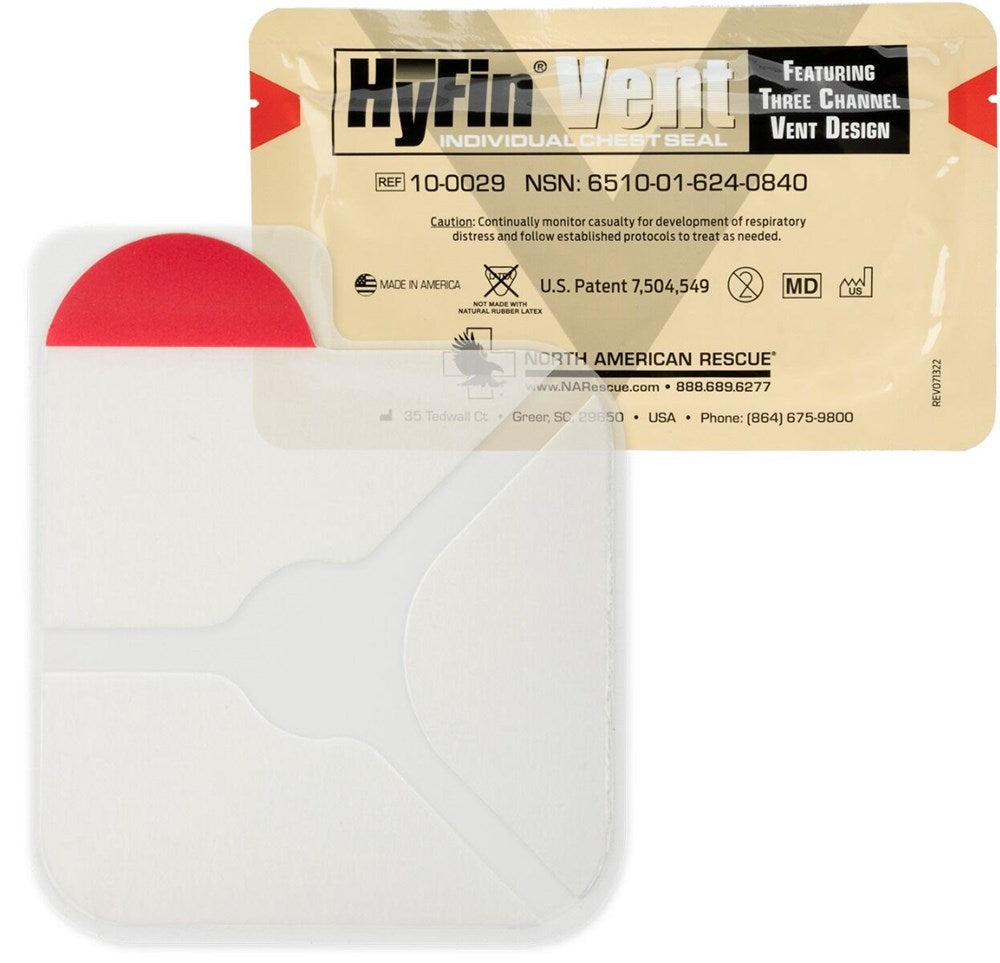
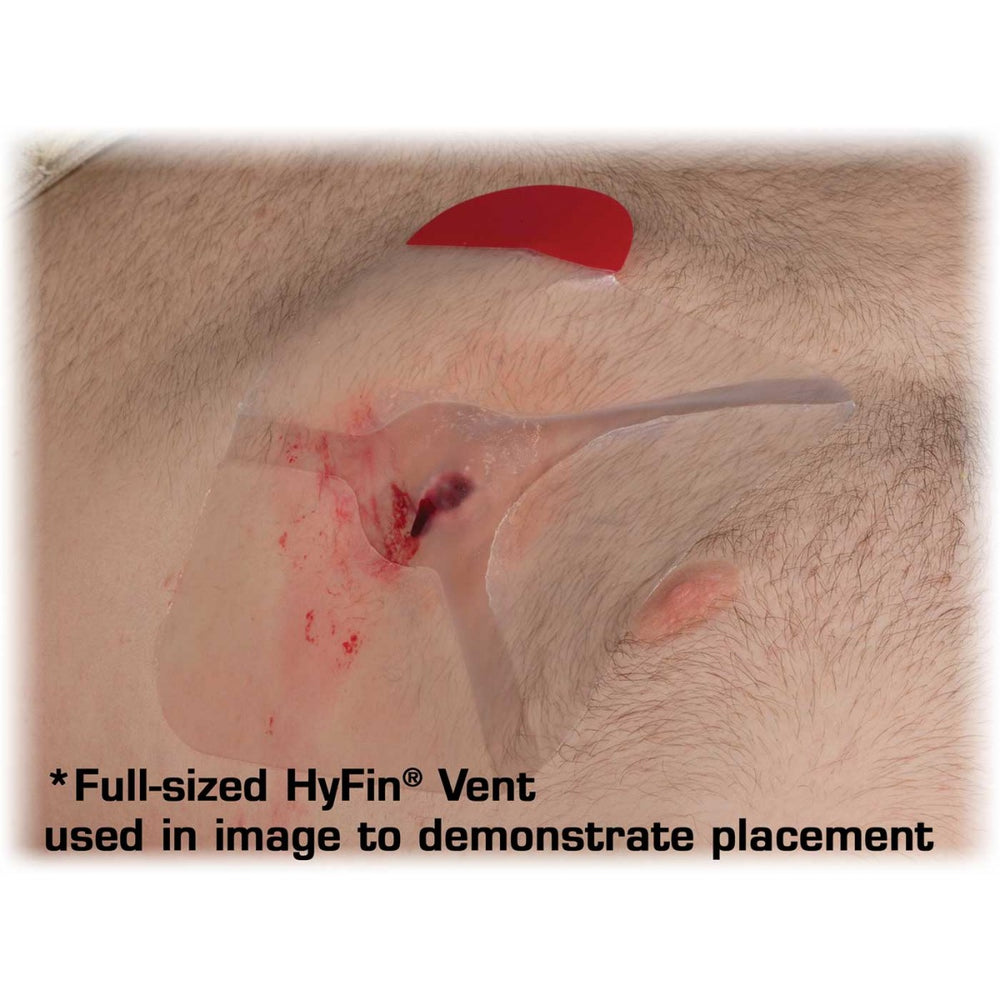
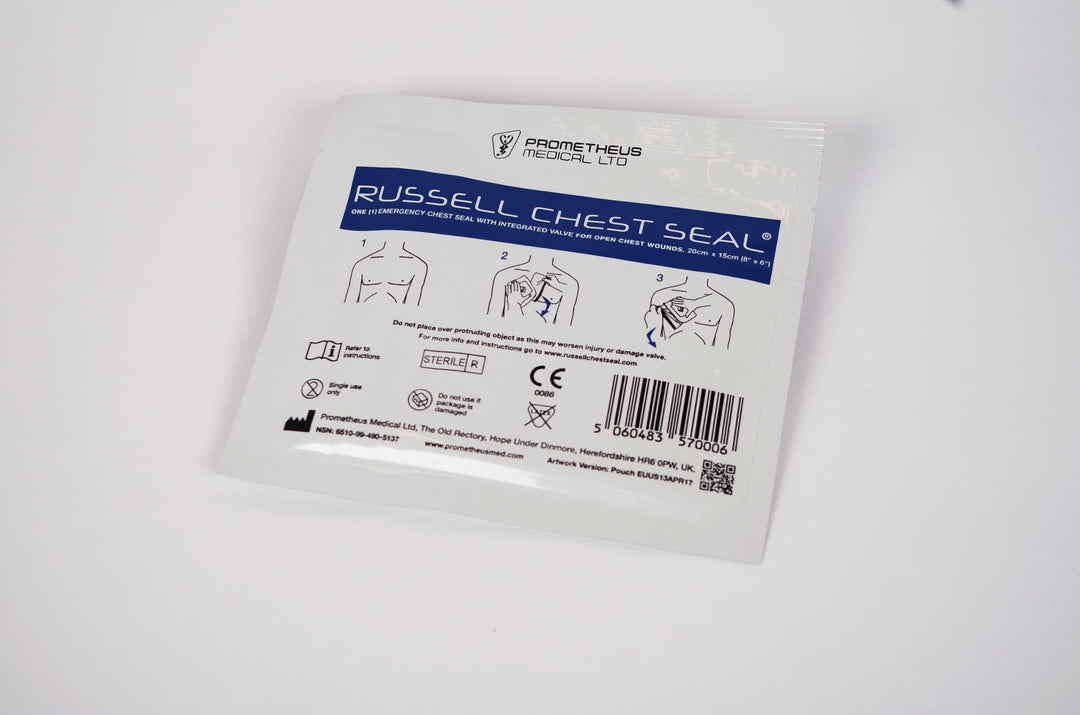
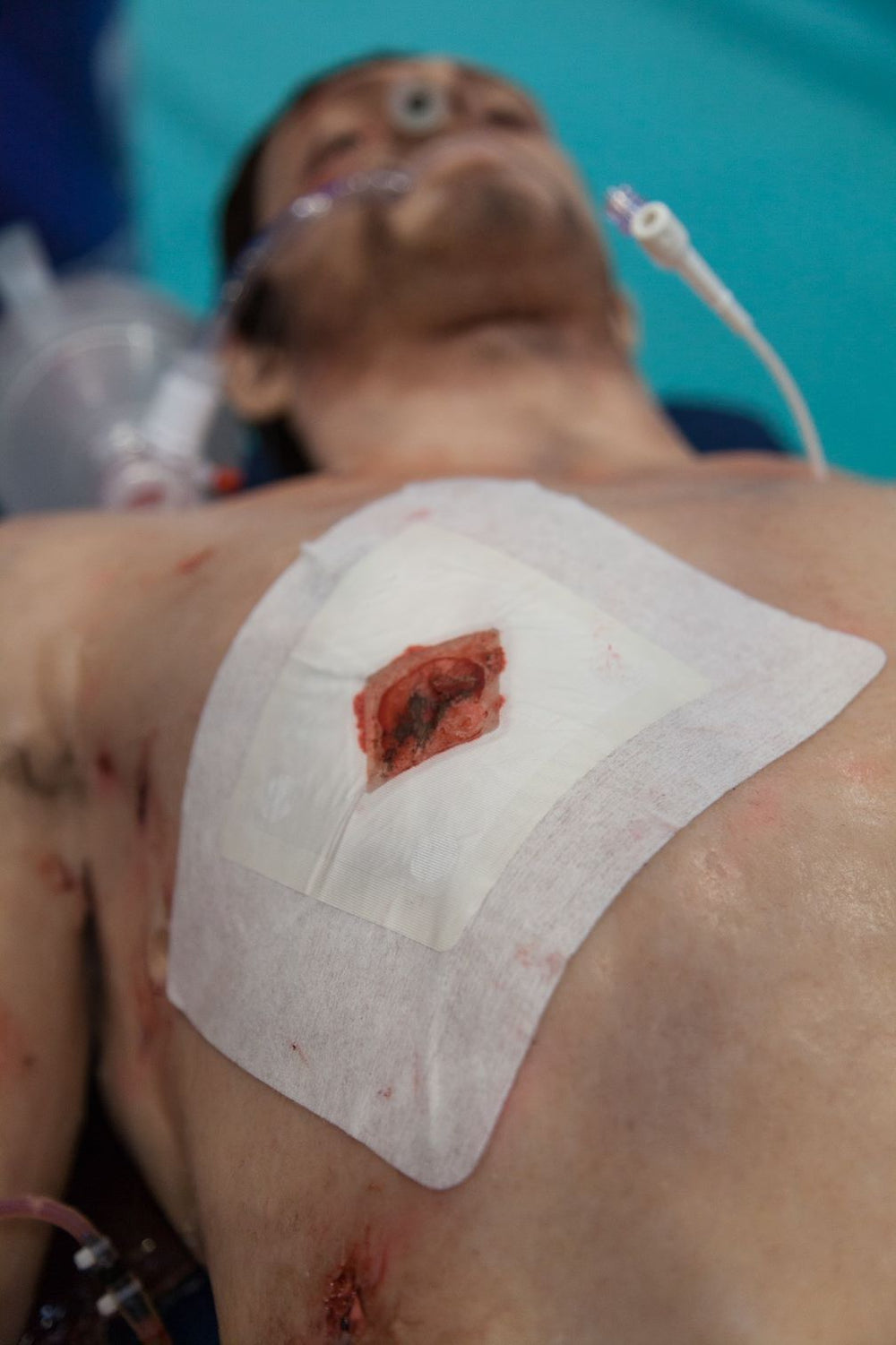
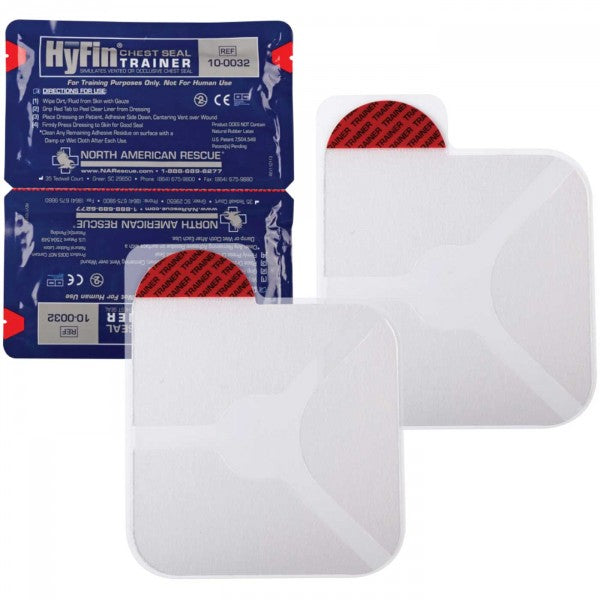
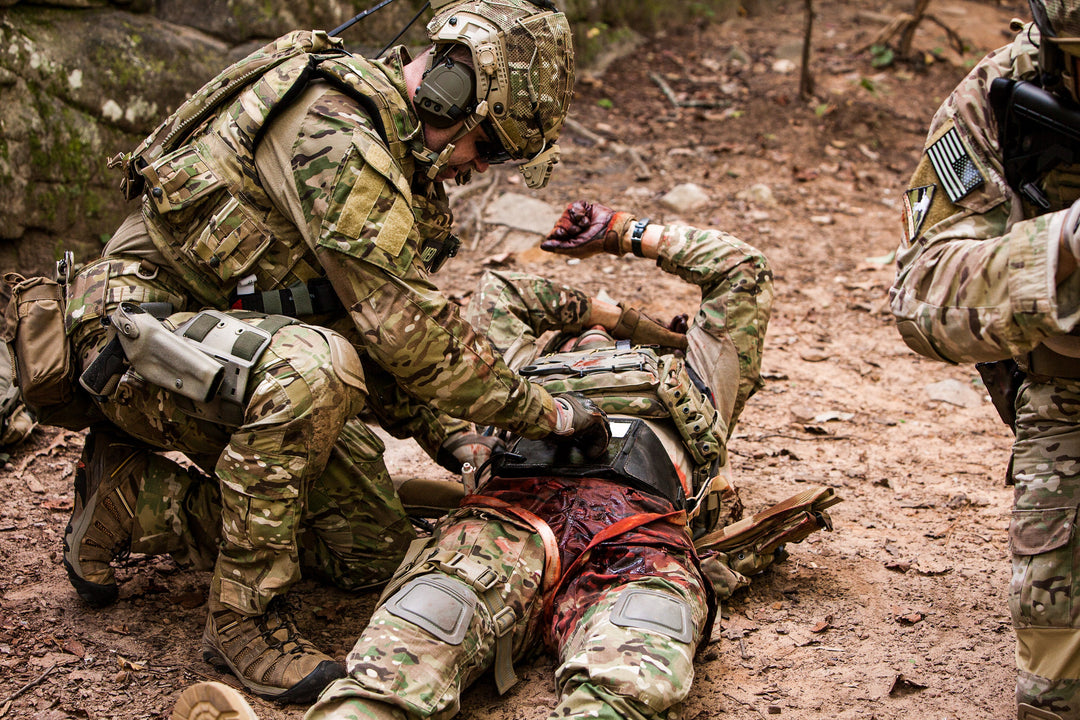
Standard TCCC equipment includes: a tourniquet (CAT Gen 7 or SOF-T Wide) for limb haemorrhage, haemostatic gauze (QuikClot Combat Gauze) for wound packing, a pressure dressing (Israeli Bandage or OLAES) for non-tourniquet wounds, a vented chest seal (Hyfin Vent) for penetrating chest trauma, a nasopharyngeal airway (NPA), and nitrile gloves. These form the core of any TCCC-compliant IFAK.
What is a military IFAK?
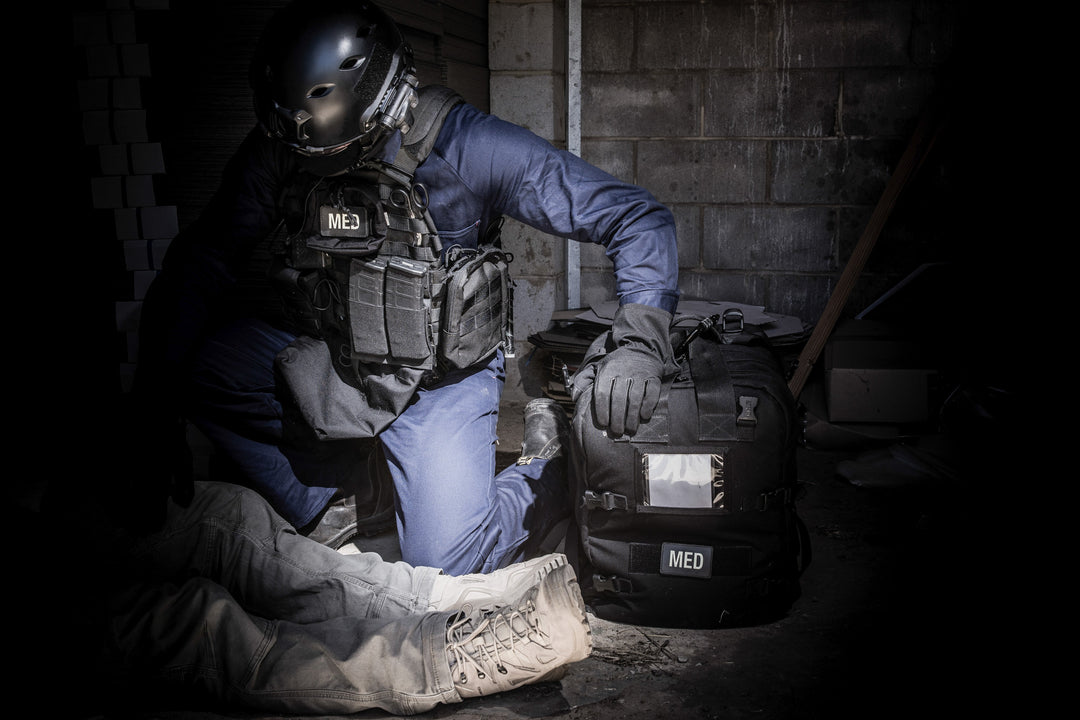
An IFAK (Individual First Aid Kit) is a compact, personal-carry trauma kit carried on the body as part of a standard military loadout — typically on the plate carrier, belt, or chest rig. It contains the TCCC components needed for self-aid or immediate buddy aid. See the IFAK kits collection for configured options.
Does TacMed stock TCCC-compliant equipment?
Yes. TacMed's core trauma range is specifically selected for TCCC compatibility — CAT Gen 7 and SOF-T Wide tourniquets, QuikClot Combat Gauze, Hyfin Vent chest seals, and Israeli Bandages are all TCCC standard items. All products are genuine and TGA-compliant, sourced from authorised Australian distributors.
Is TacMed veteran-owned?
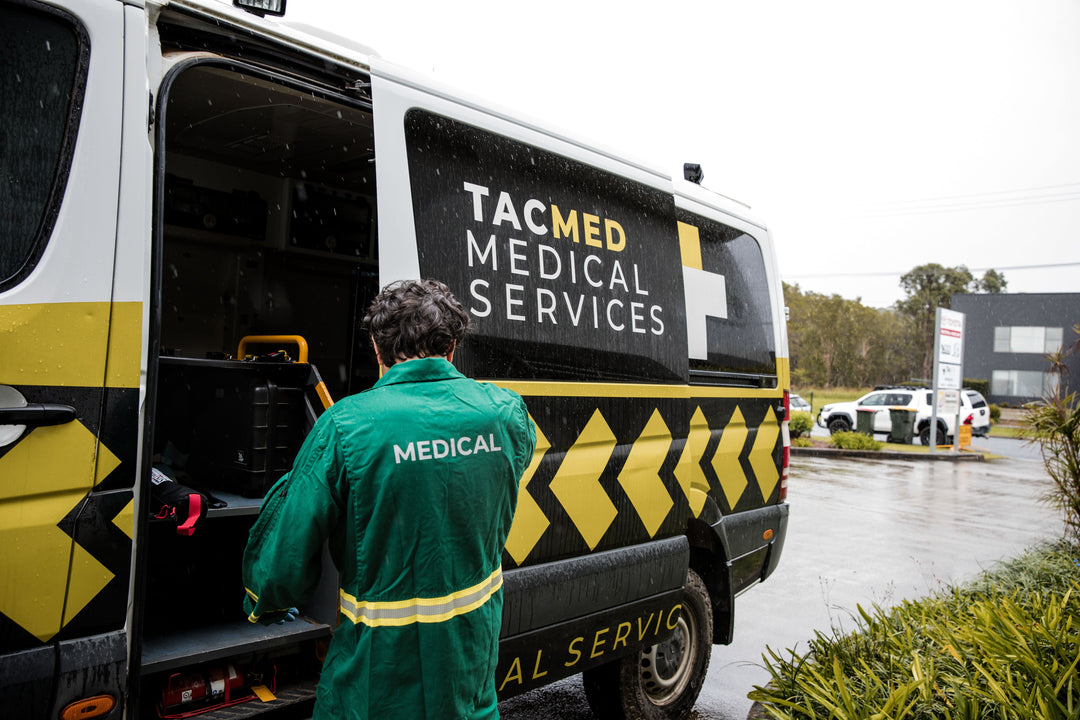
Yes. TacMed Australia is an Australian veteran-owned business. We supply ADF personnel, veterans, and the defence community with the same equipment used operationally.
Are IFAKs standard in military use?
Yes. Individual First Aid Kits are widely issued and carried as part of standard military loadouts for self-aid and immediate buddy aid. Configuration varies by unit, role, and operational requirement.
Is this equipment suitable for vehicle-based military kits?
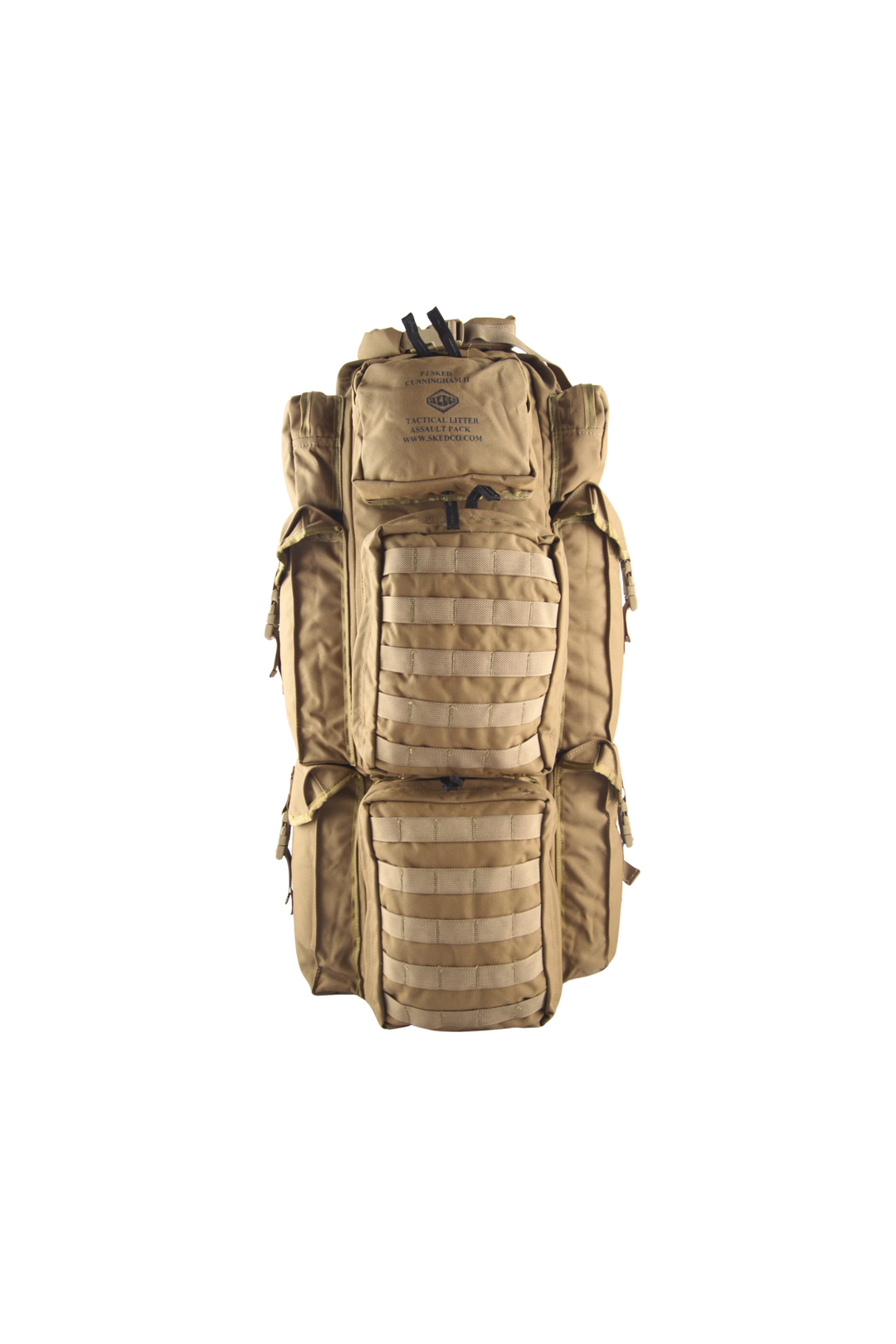
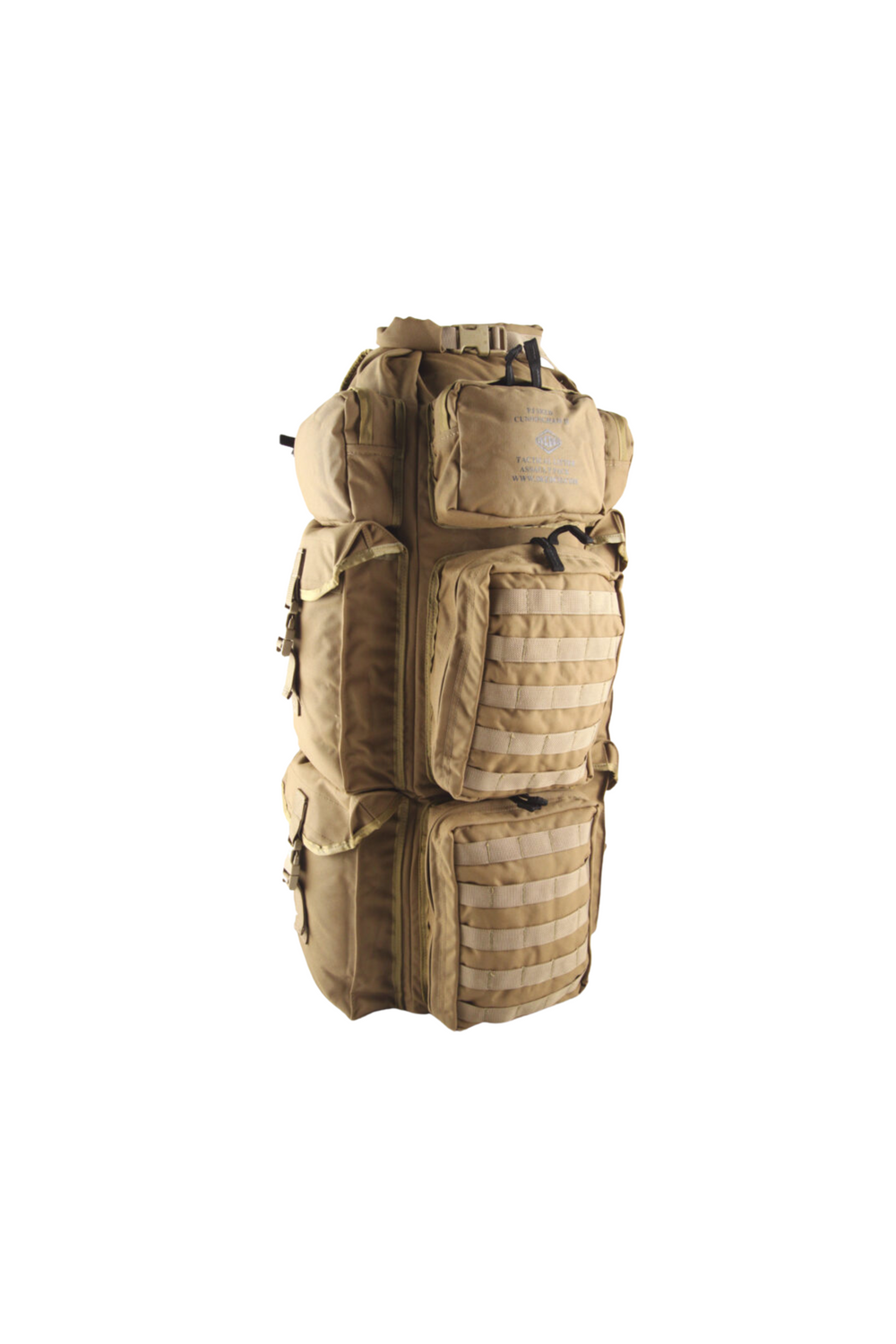
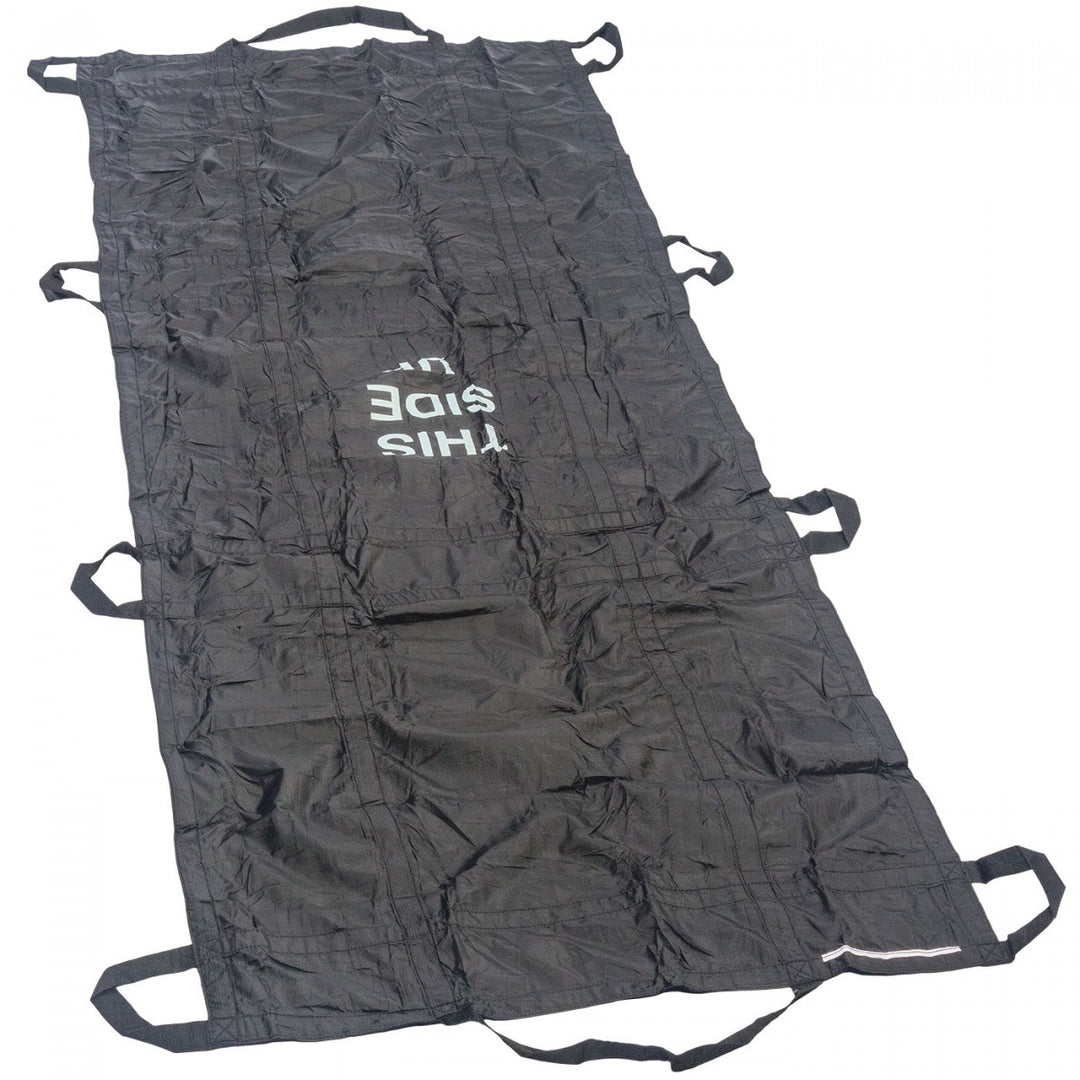
Yes. Many items are appropriate for vehicle or team-based trauma kits intended to support multiple casualties. Larger trauma kit configurations and hard cases for vehicle mounting are available in the trauma kits and medical storage collections.
Is this equipment legal to purchase in Australia?
Yes. Medical equipment including trauma kits, tourniquets, and bleeding control components are legal to purchase and carry in Australia.
Can this equipment be used outside military contexts?
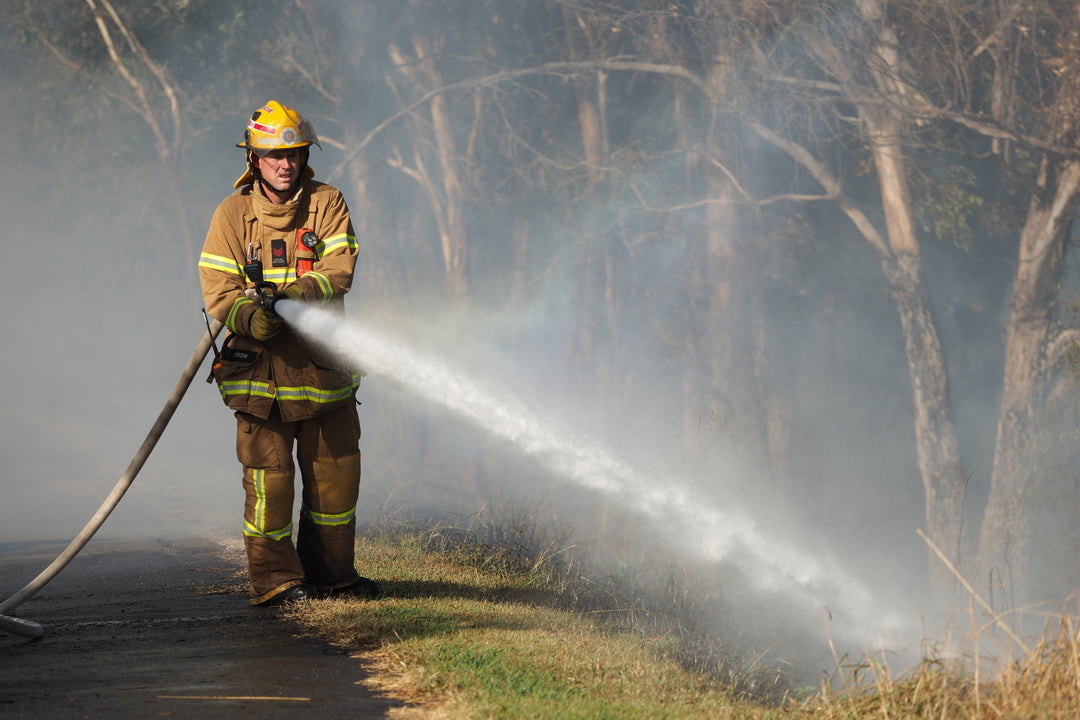
Yes. Many components are also used by law enforcement, emergency services, and trained civilians in high-risk or remote environments. See the law enforcement collection for duty-specific configurations.