What medical equipment is required on Australian mine sites?
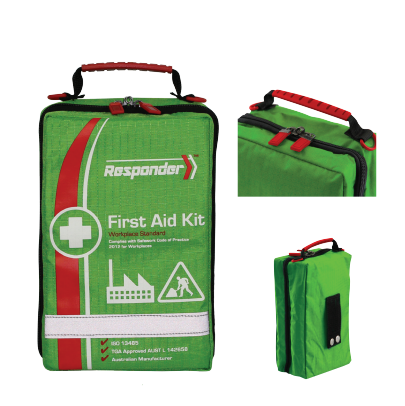
Under Safe Work Australia's First Aid in the Workplace Code of Practice, mine sites must provide first aid equipment appropriate to the site's risk level, number of workers, and distance from emergency services. High-risk workplaces like mine sites require more than a basic first aid kit — including trauma and bleeding control capability for serious injuries. A site-specific first aid needs assessment determines the exact requirements. TacMed can advise on site-appropriate configurations.
Do mine sites need bleeding control equipment?
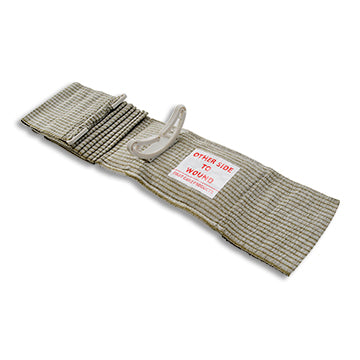
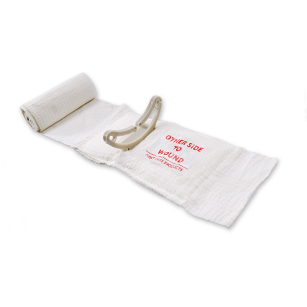
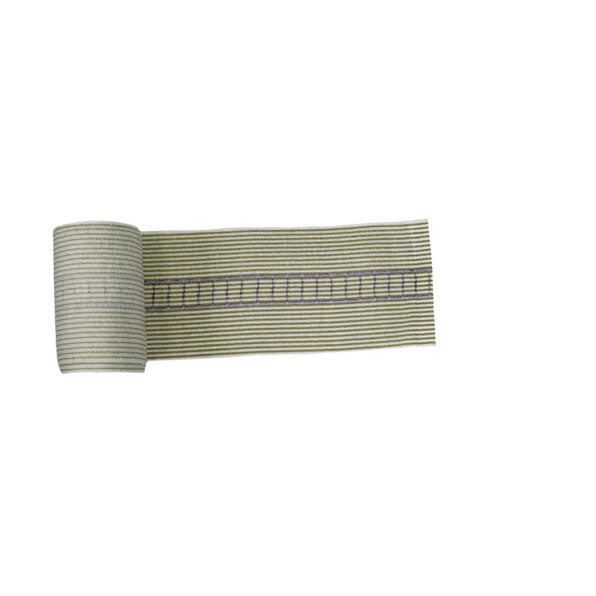
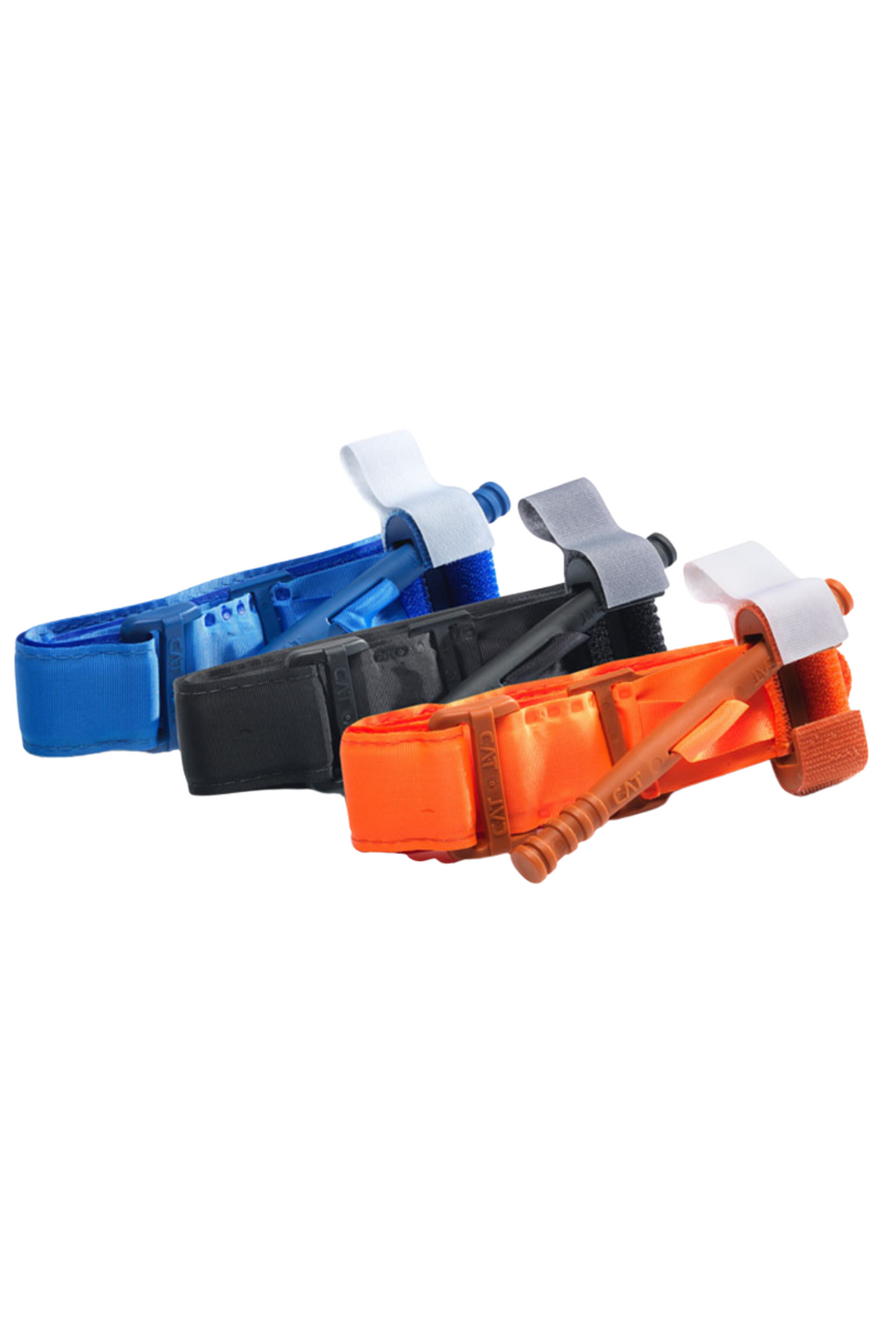
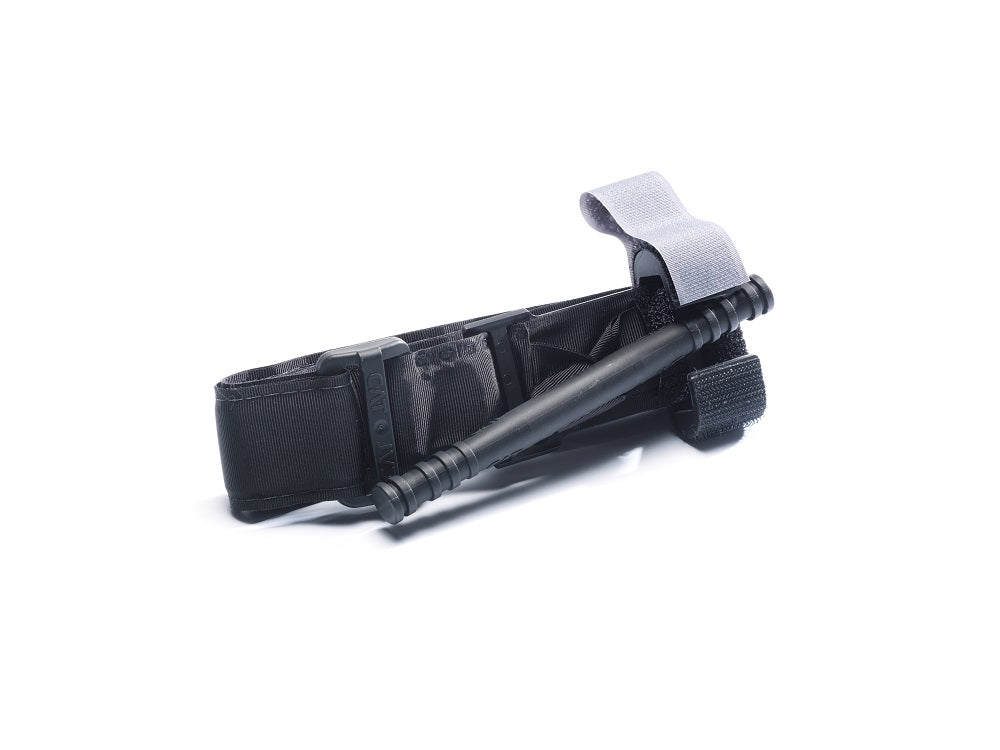
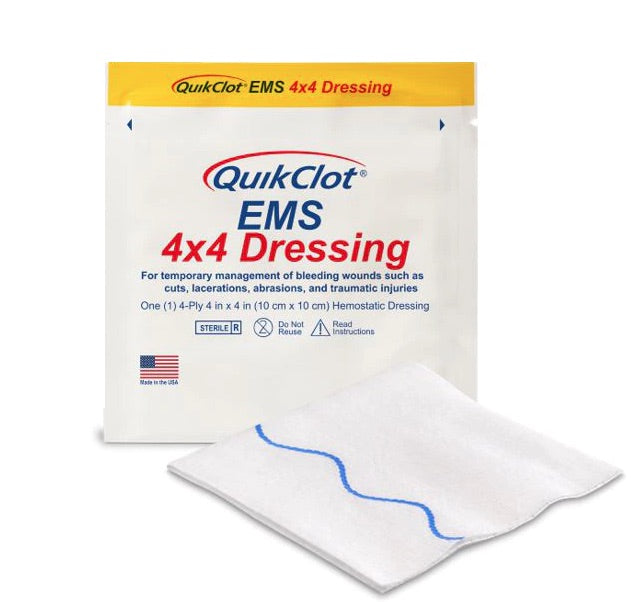
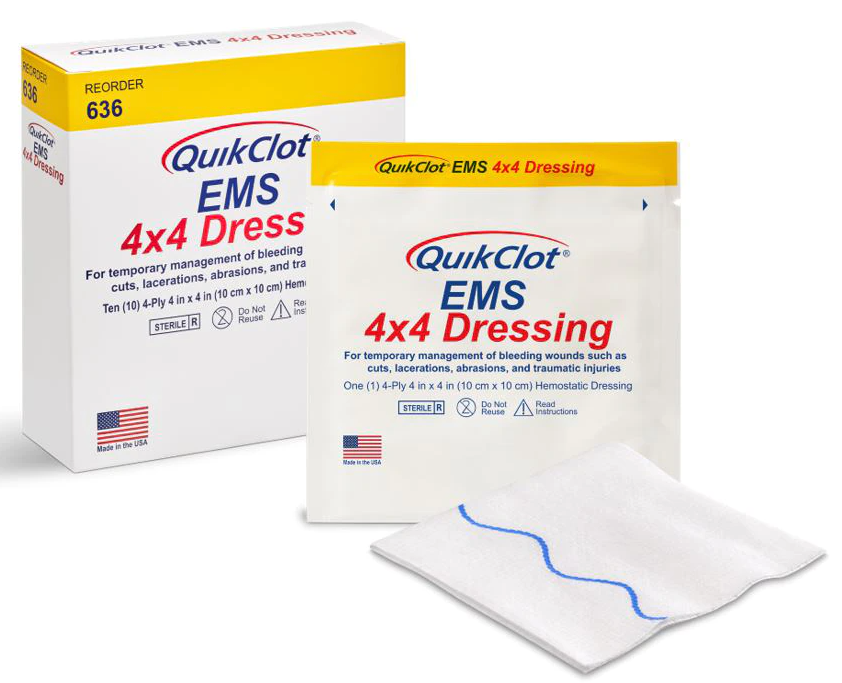
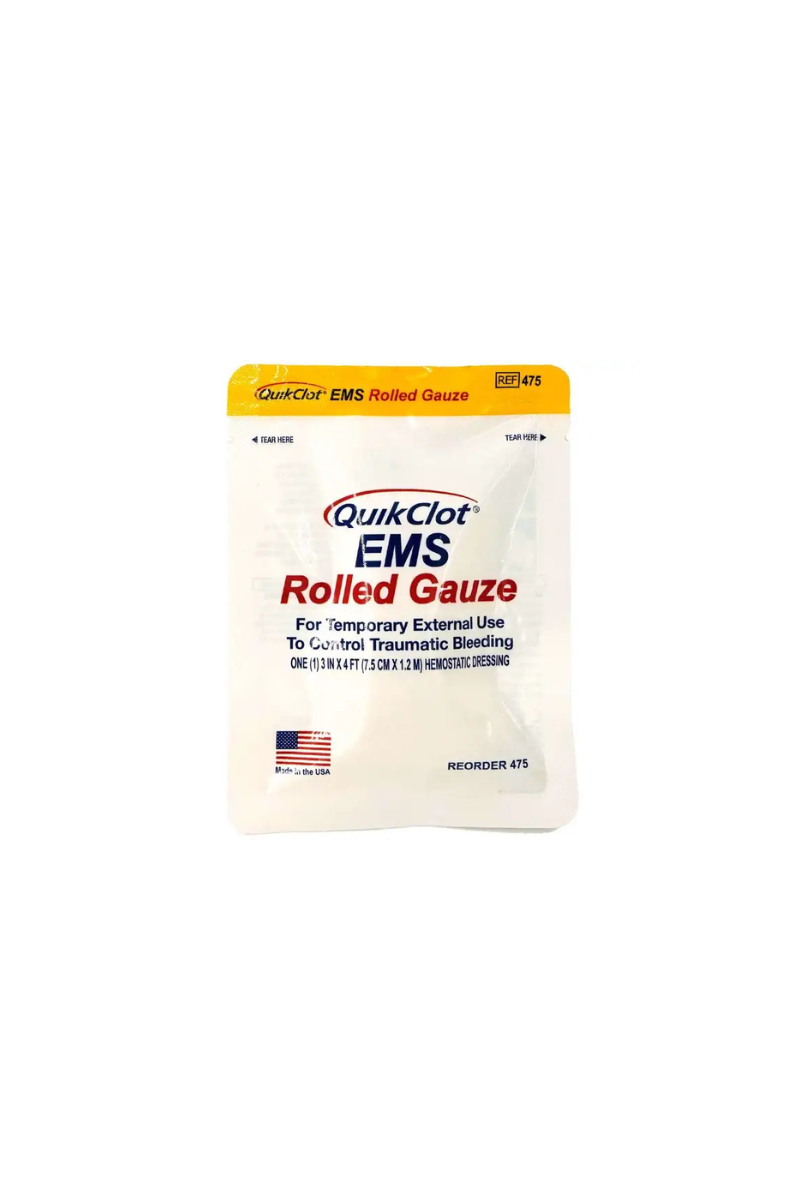
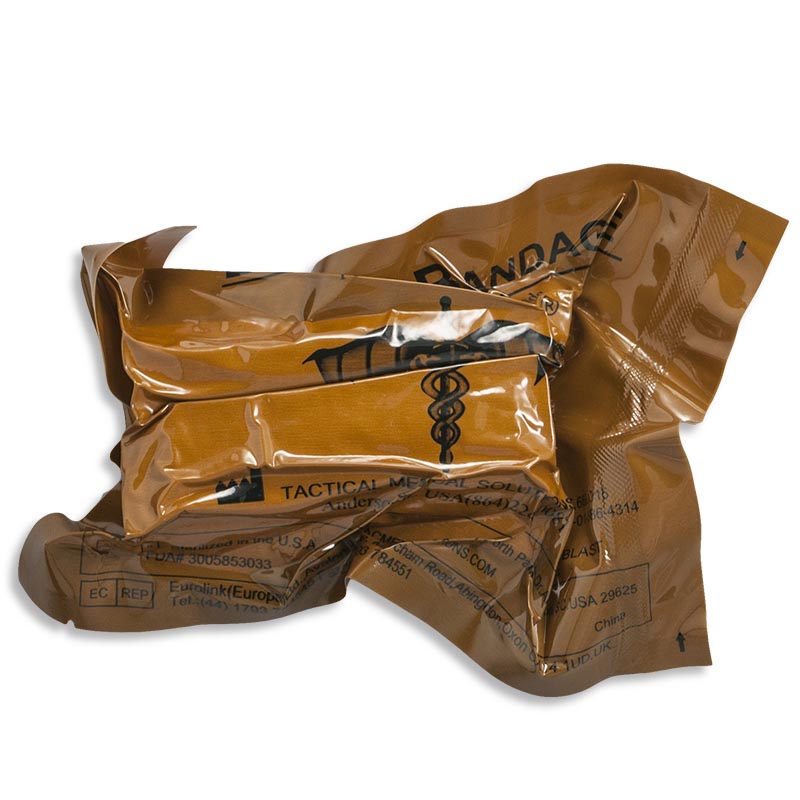
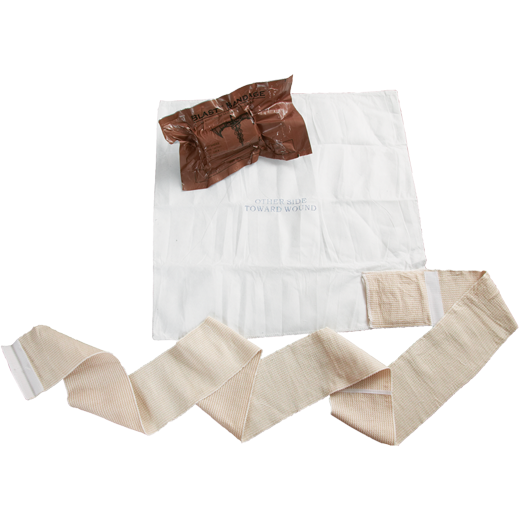
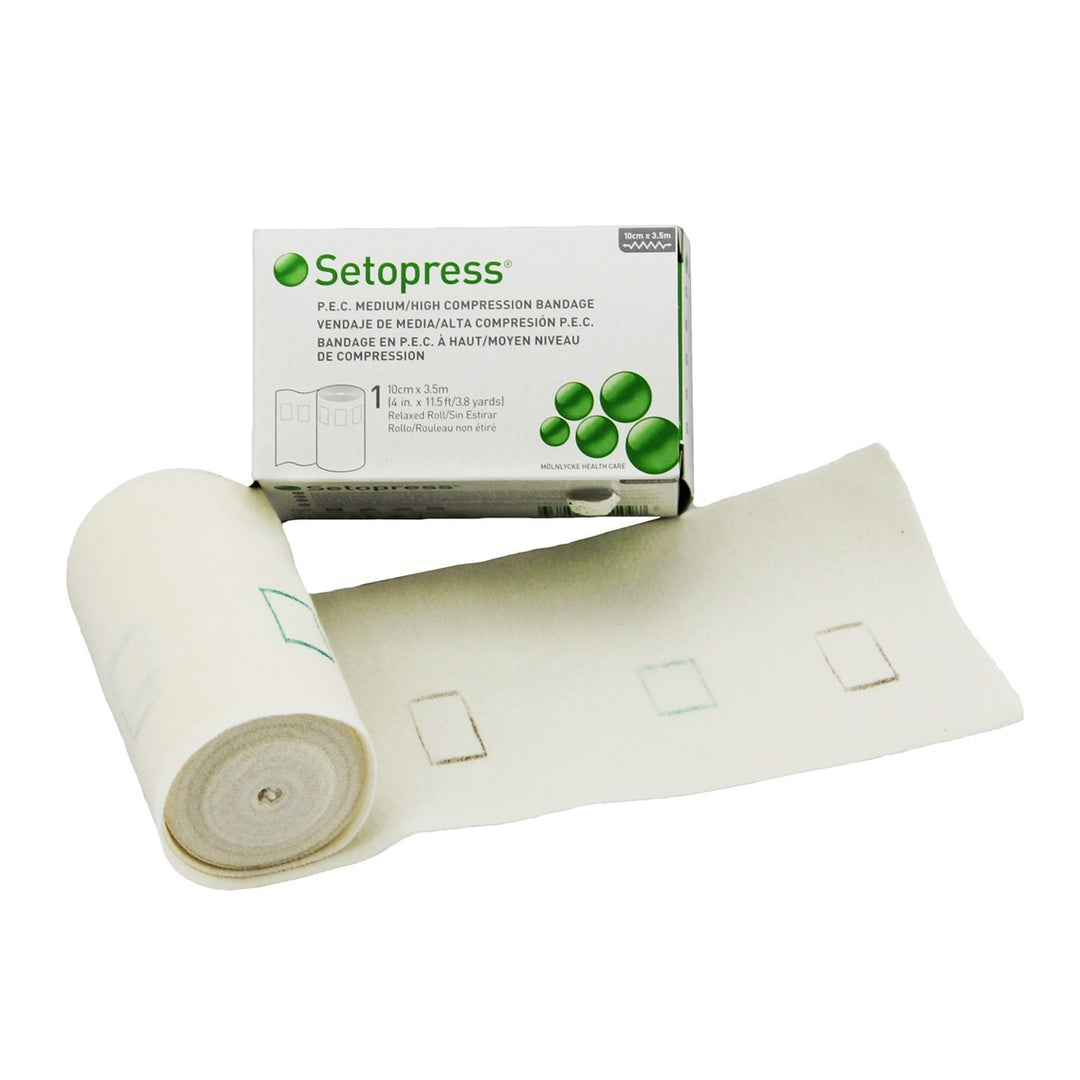
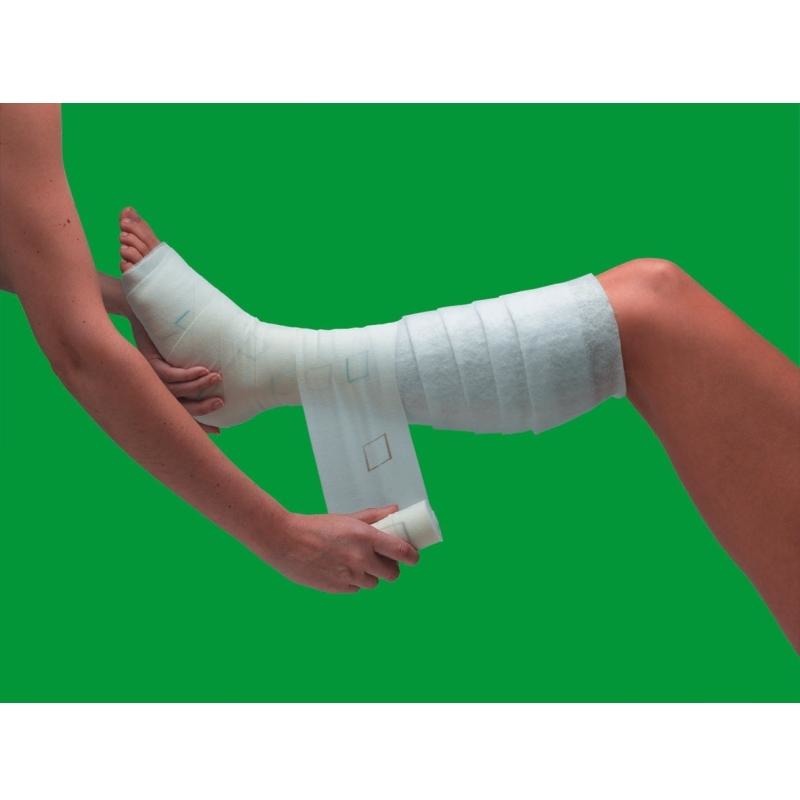
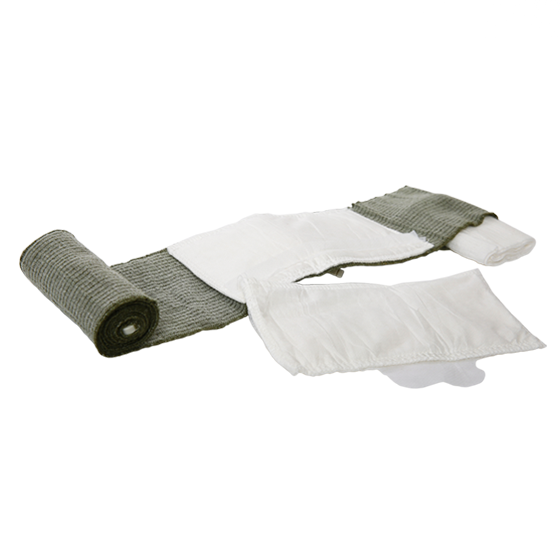
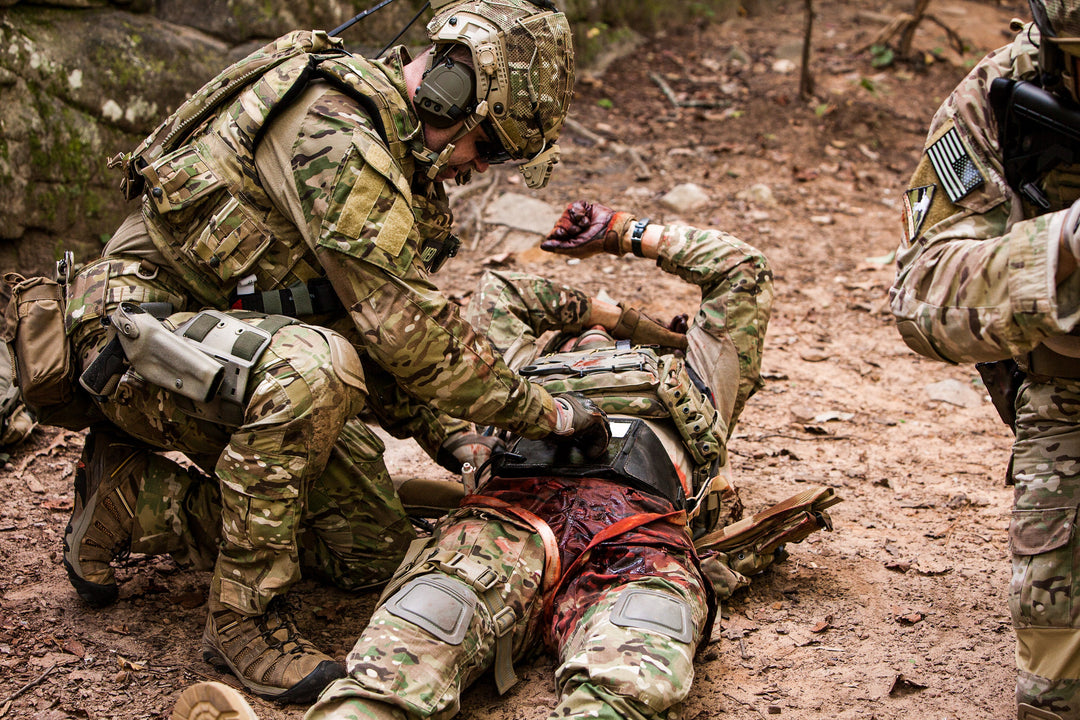
Yes. The injury risk profile of mine sites — heavy machinery, vehicles, tools, and falls — makes severe haemorrhage a realistic scenario. A standard workplace first aid kit is not configured for serious bleeding control. Dedicated bleeding control equipment — tourniquets, haemostatic gauze, and pressure dressings — should be staged separately at mine sites. See the bleeding control collection.
Are trauma kits used in mining environments?
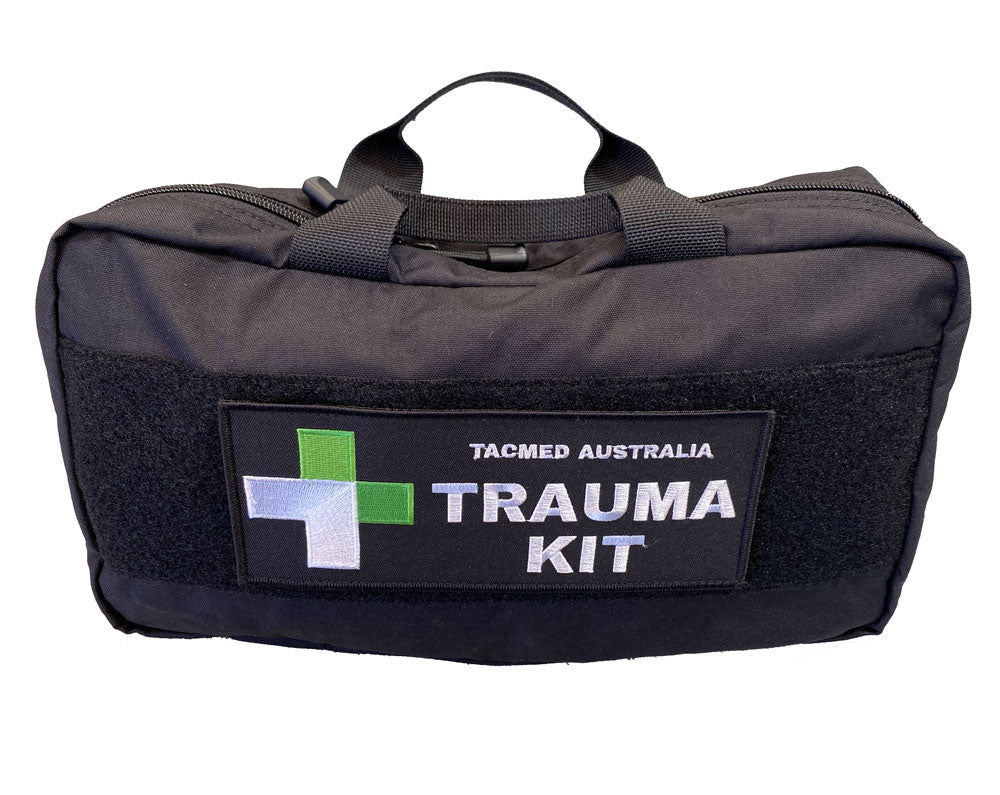
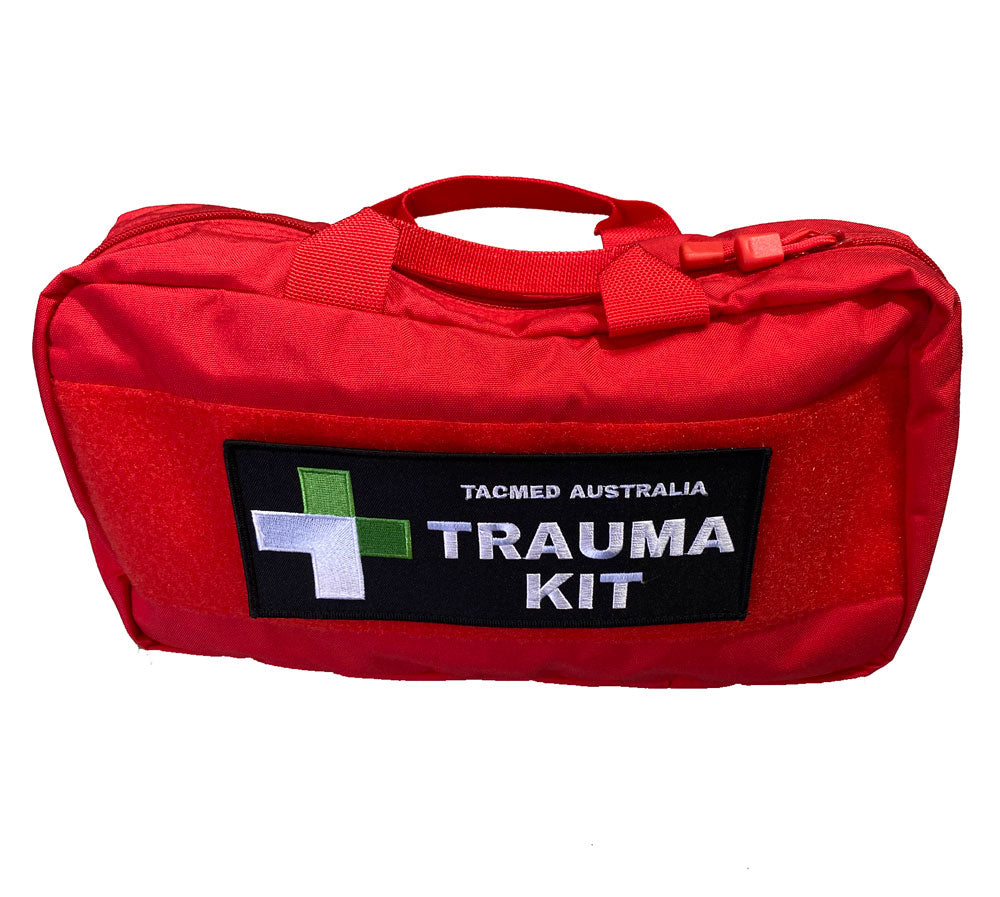
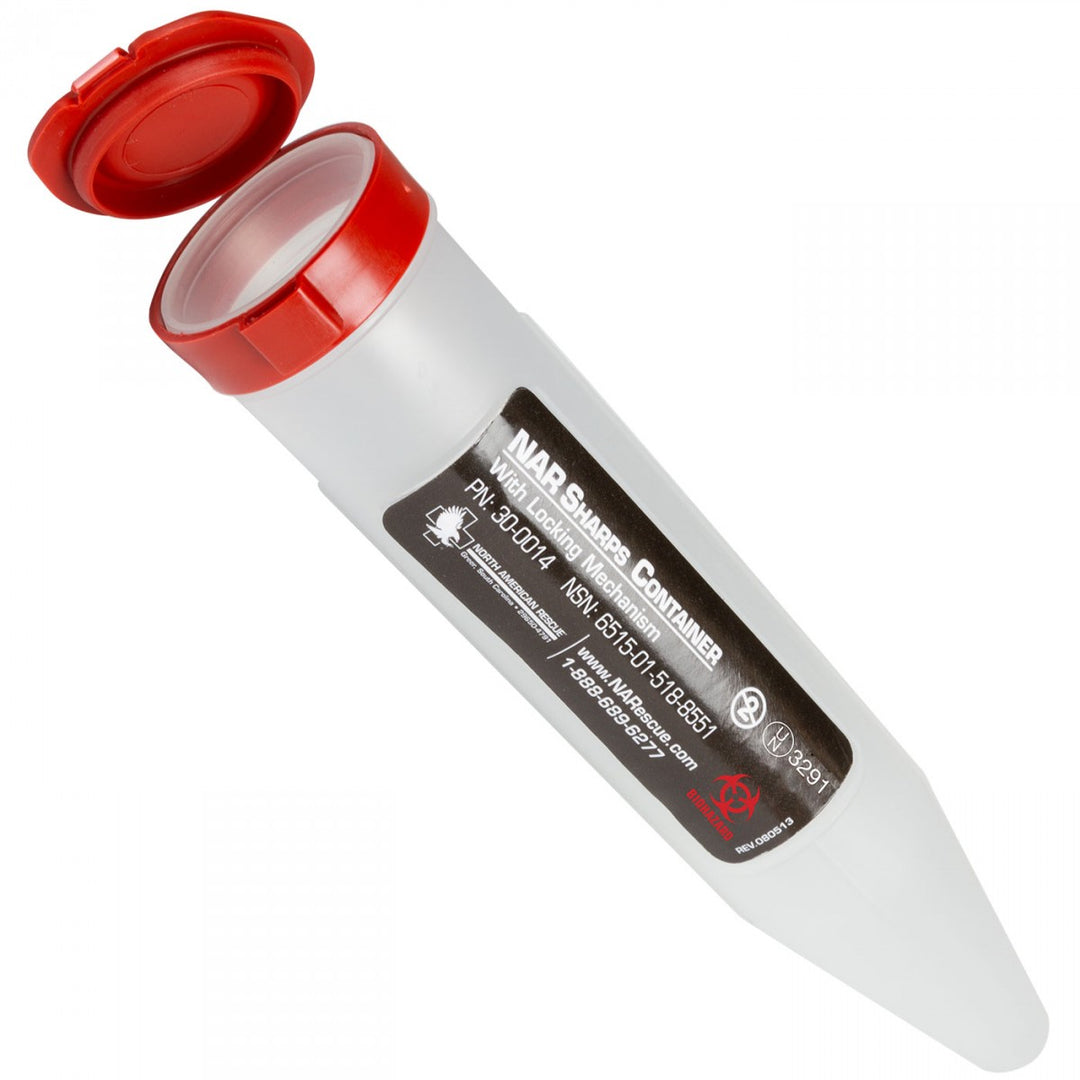
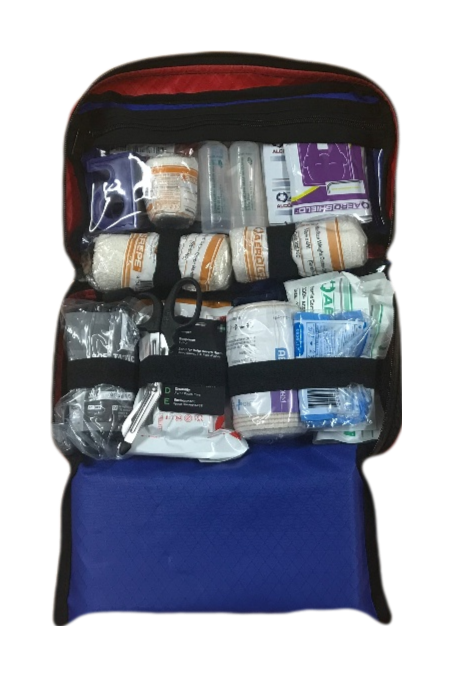
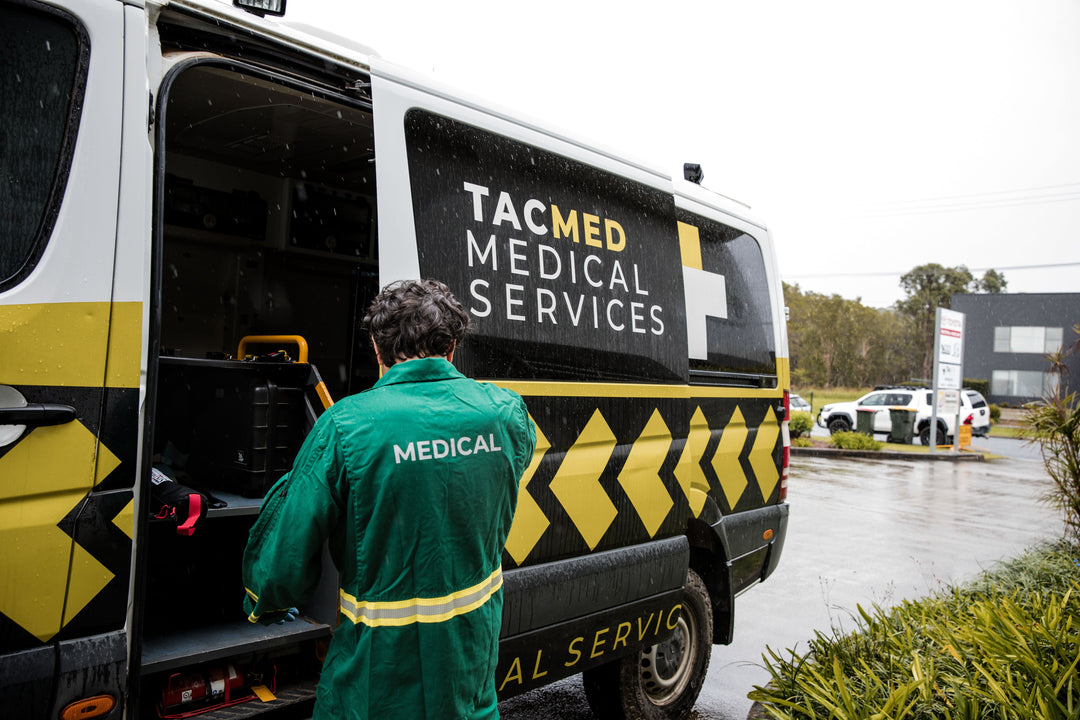
Yes. Trauma kits are used by mine rescue teams, site medical teams, and emergency response vehicles at mine sites. For environments where evacuation may take time, a trauma kit provides broader capability than a standard first aid kit for managing serious injuries during the wait for advanced care. See the trauma kits collection.
What first aid requirements apply to FIFO operations?
FIFO and remote operations face extended emergency response times, which increases the first aid provision requirement under Safe Work Australia guidelines. Remote sites should have higher-capability kits, trained first aiders at an appropriate ratio, and where possible, a site medical officer. Kits should include extended trauma capability and sufficient supplies for sustained casualty care before evacuation.
Where should medical kits be located on a mine site?
Kits should be staged in workshops, plant areas, crib rooms, control rooms, and response vehicles — wherever workers are present and incidents are most likely. Vehicle kits should be mounted in the cab for immediate access. All locations should be clearly signposted and known to every worker on site. Large sites should have multiple kit locations so no area is more than a short walk from medical supplies.
How often should mining medical kits be checked?
Monthly as a minimum for active high-risk sites, and after every use. Assign a named person responsible for each kit location, maintain a checking log, and build post-incident restocking into your site emergency response procedures.
Can TacMed supply mine sites and resources operations?
Yes. TacMed supplies mine sites, resources companies, and industrial operators across Australia. Contact us for volume orders, site-specific configuration advice, or procurement requirements.