What is in a trauma kit?
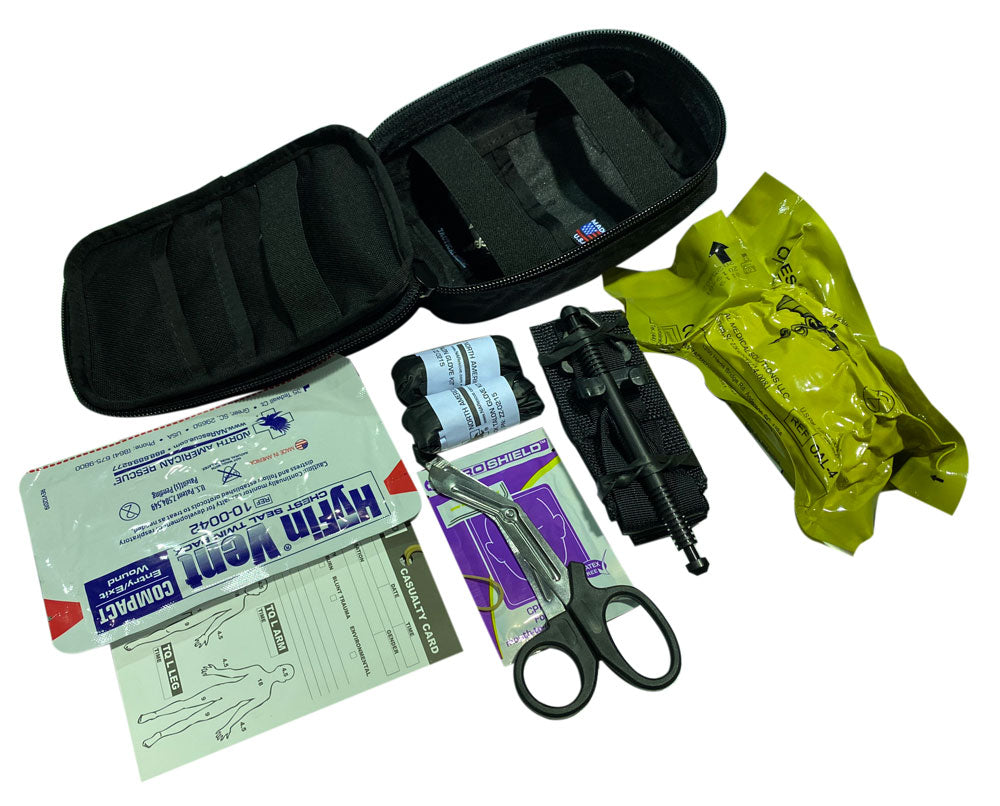
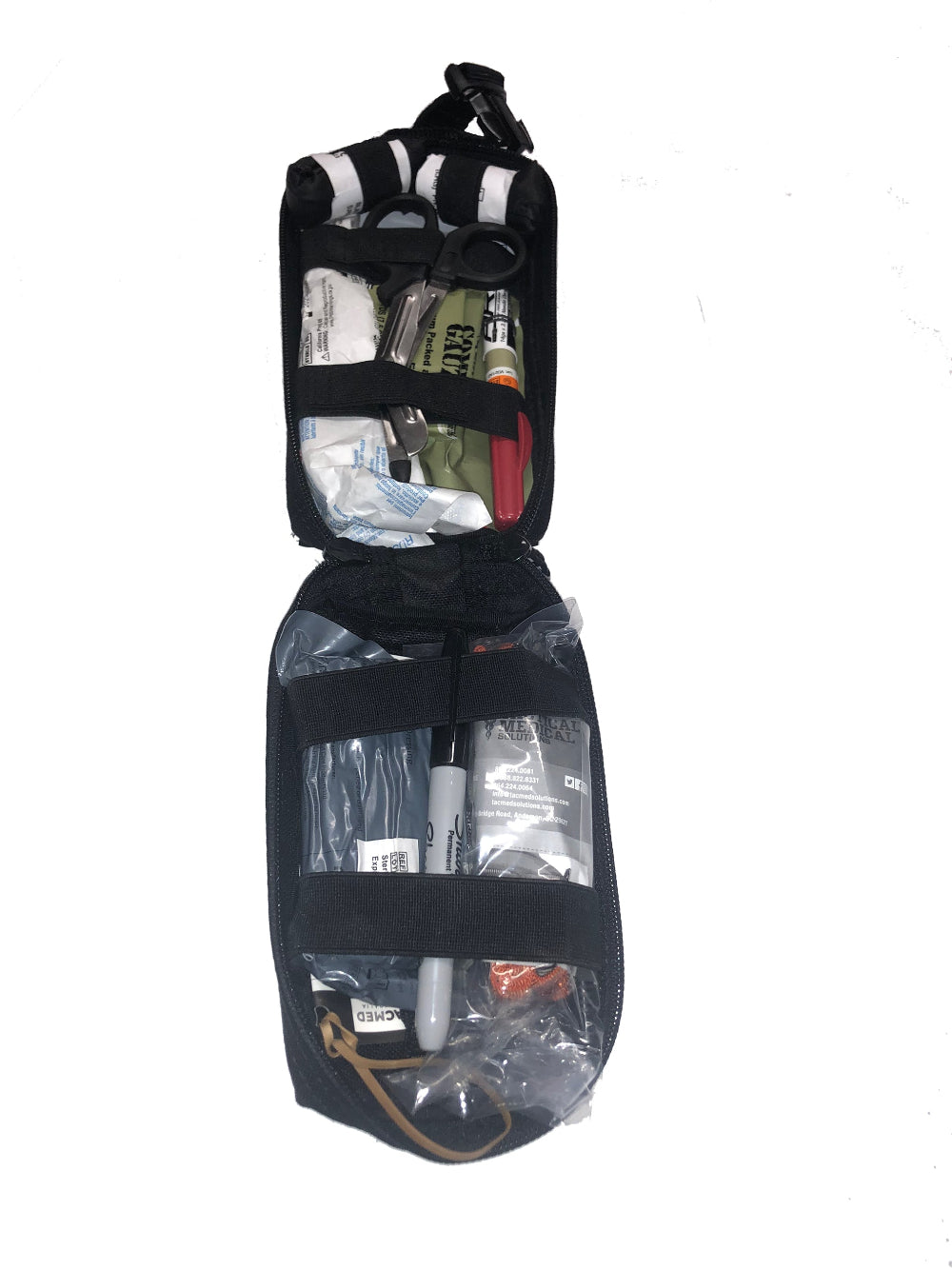
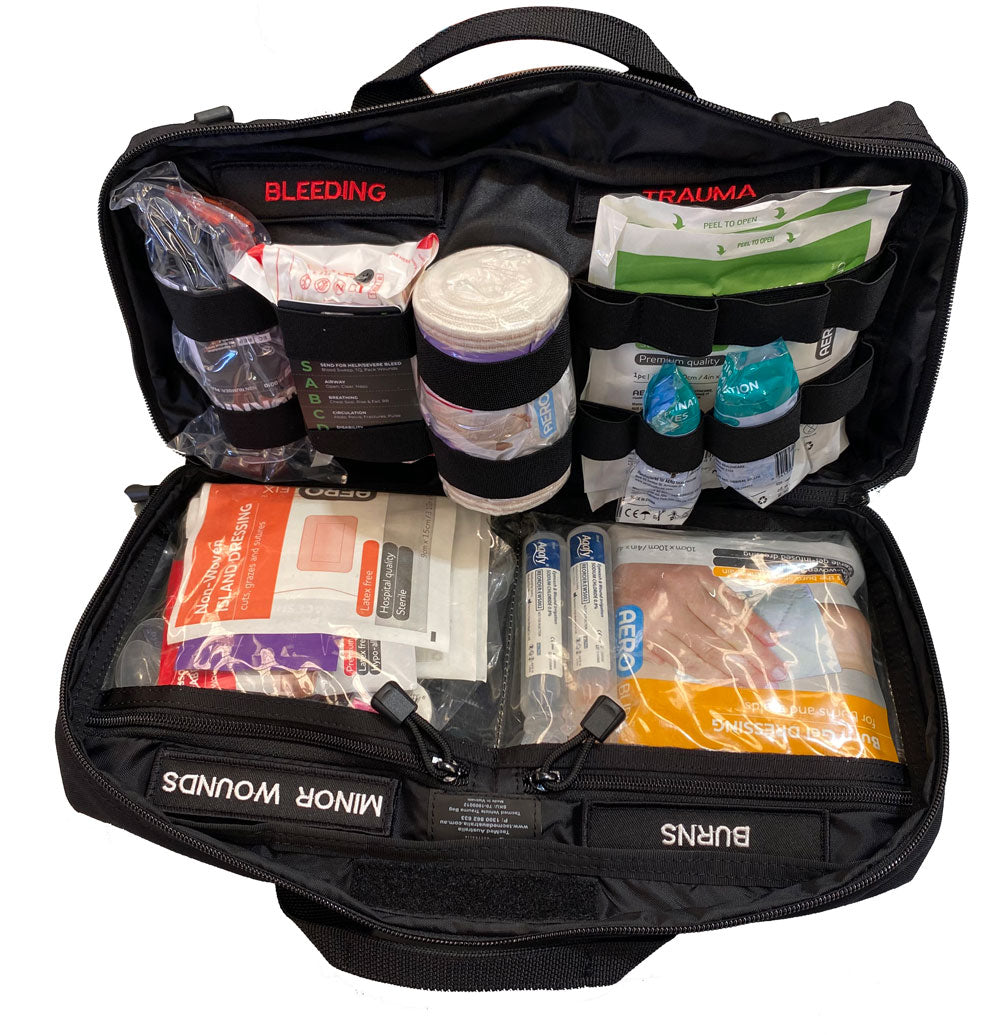
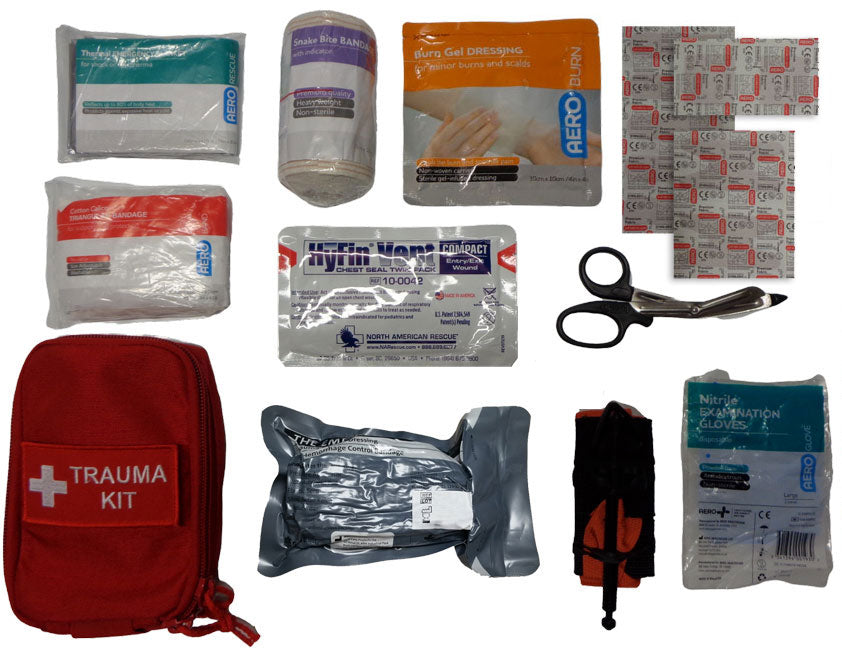
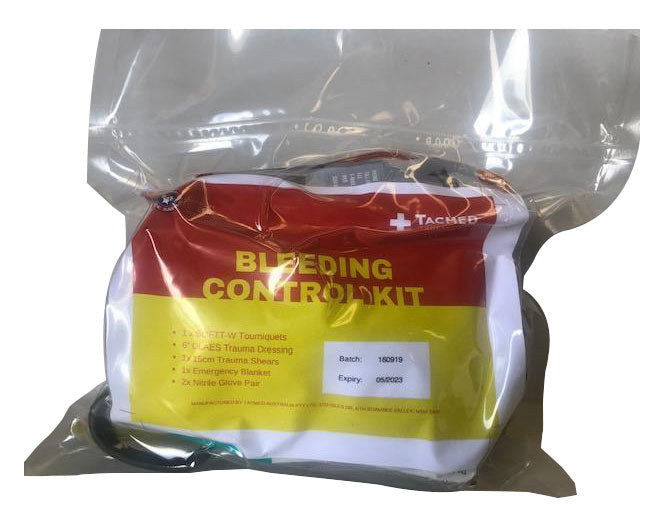
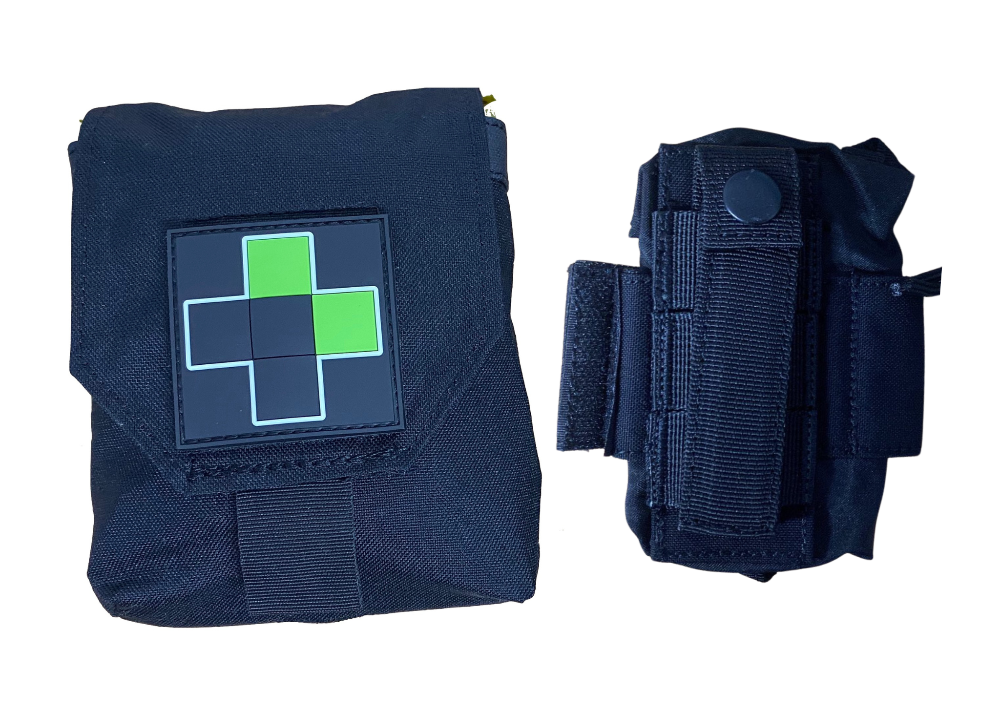
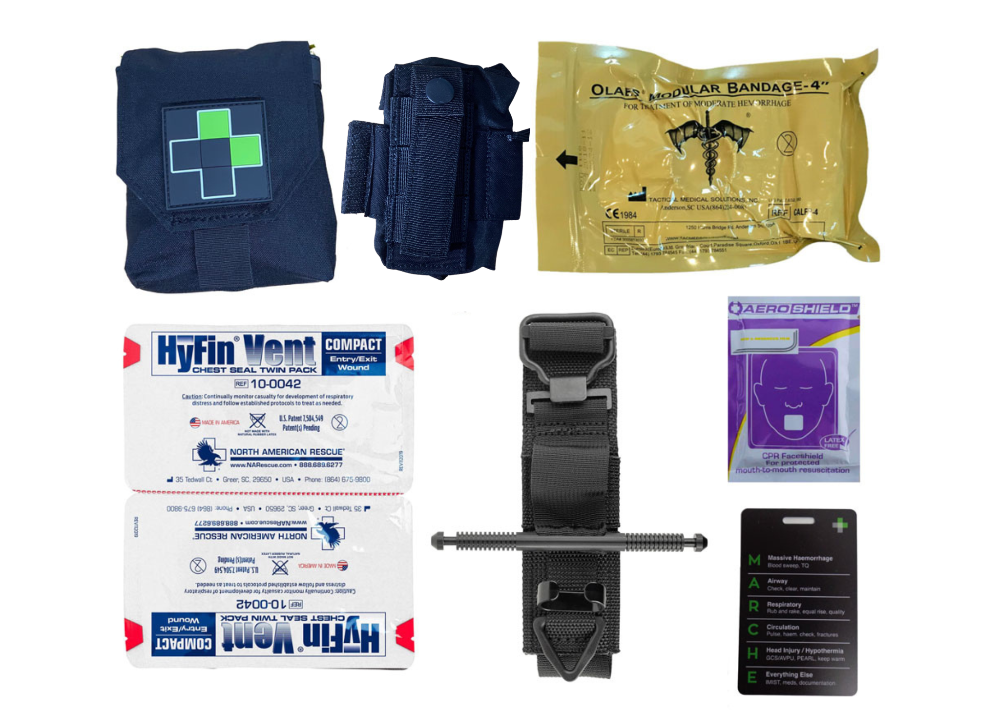
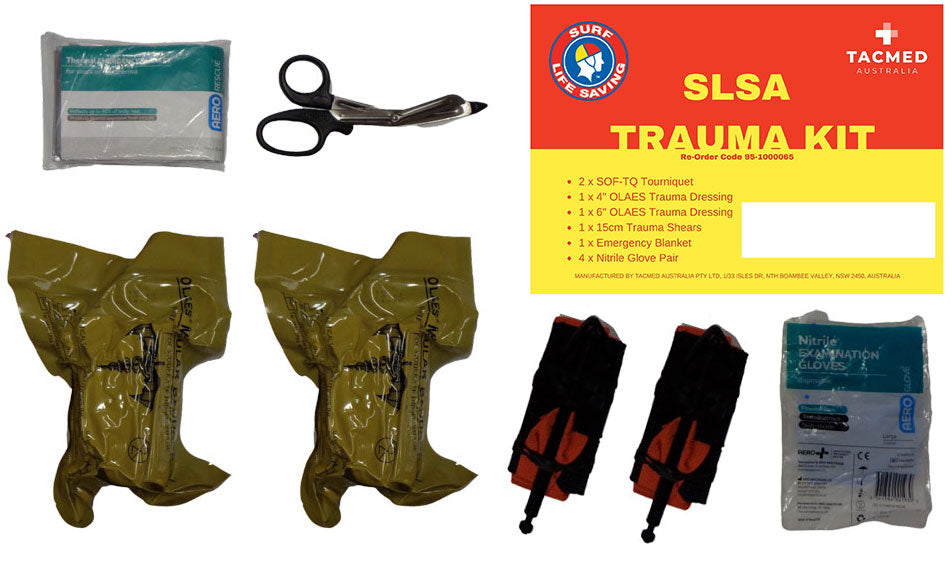
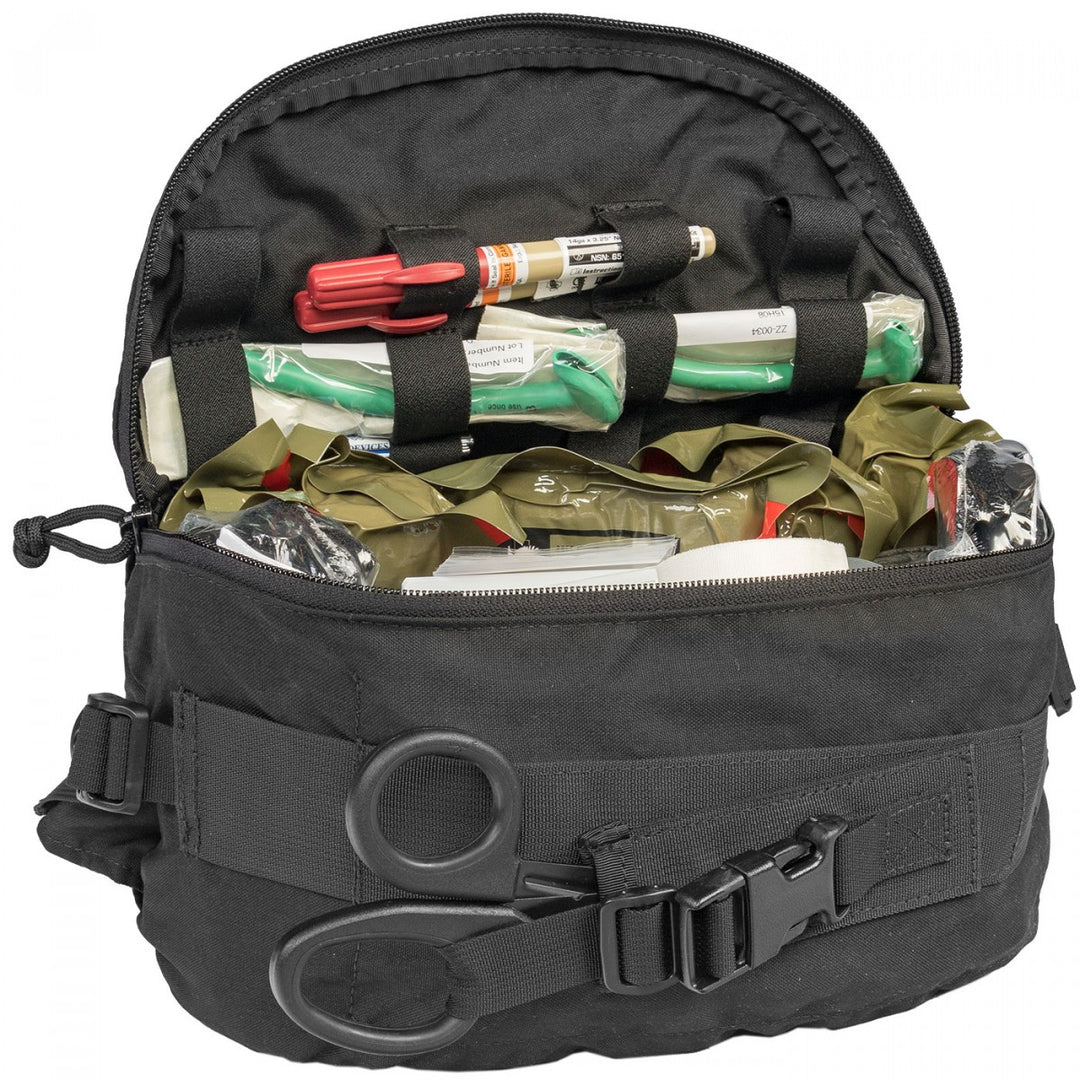
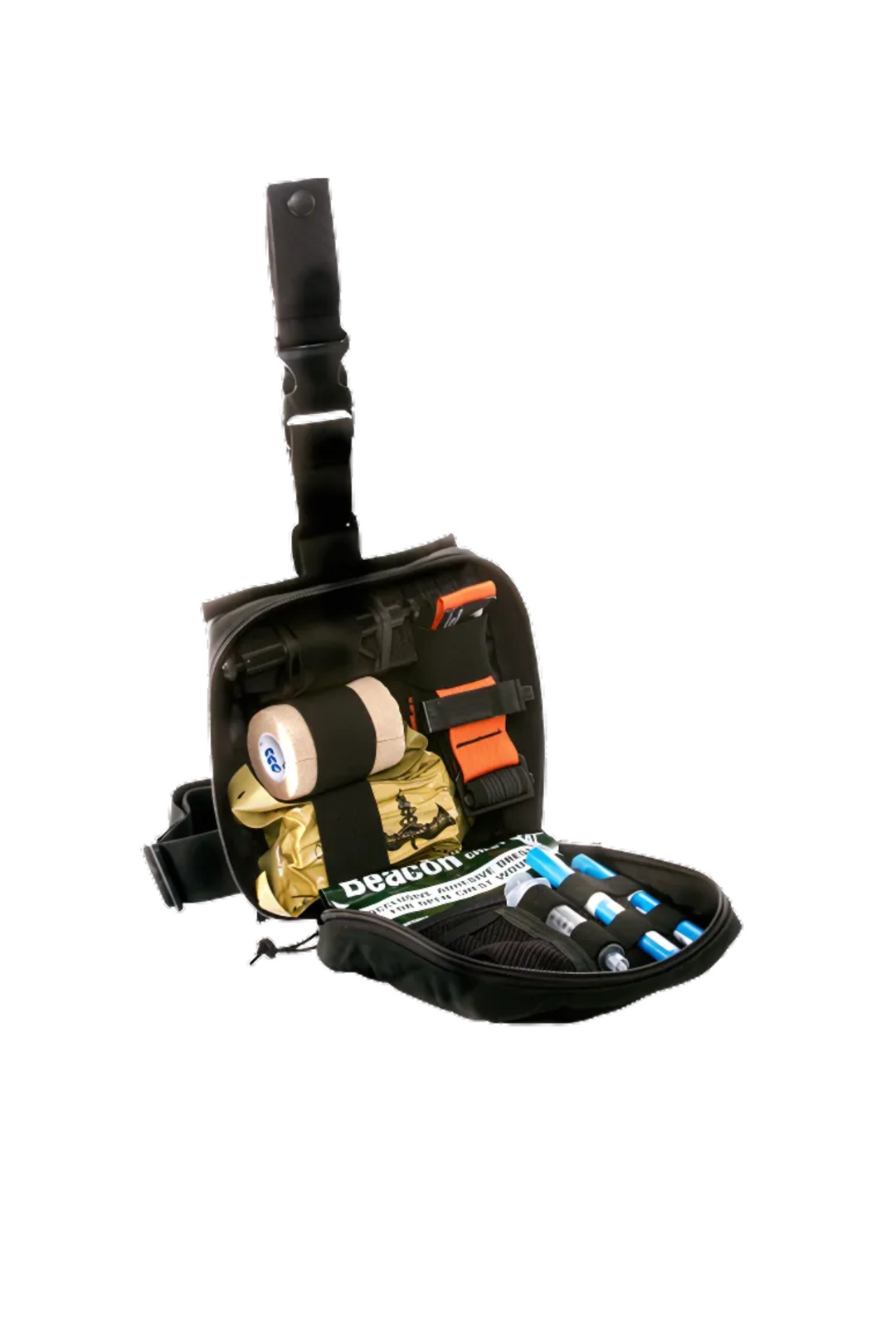
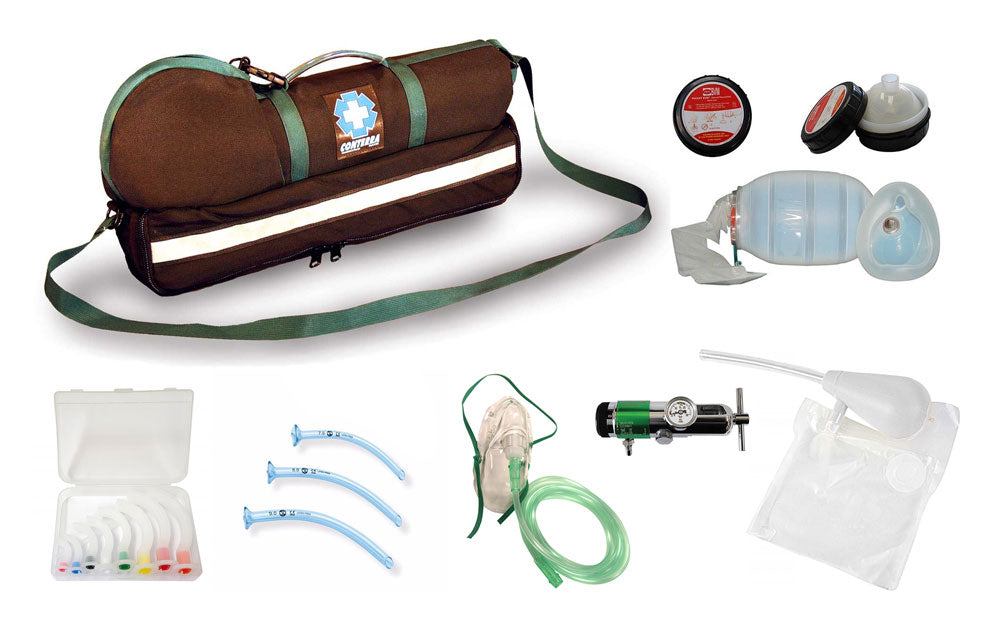
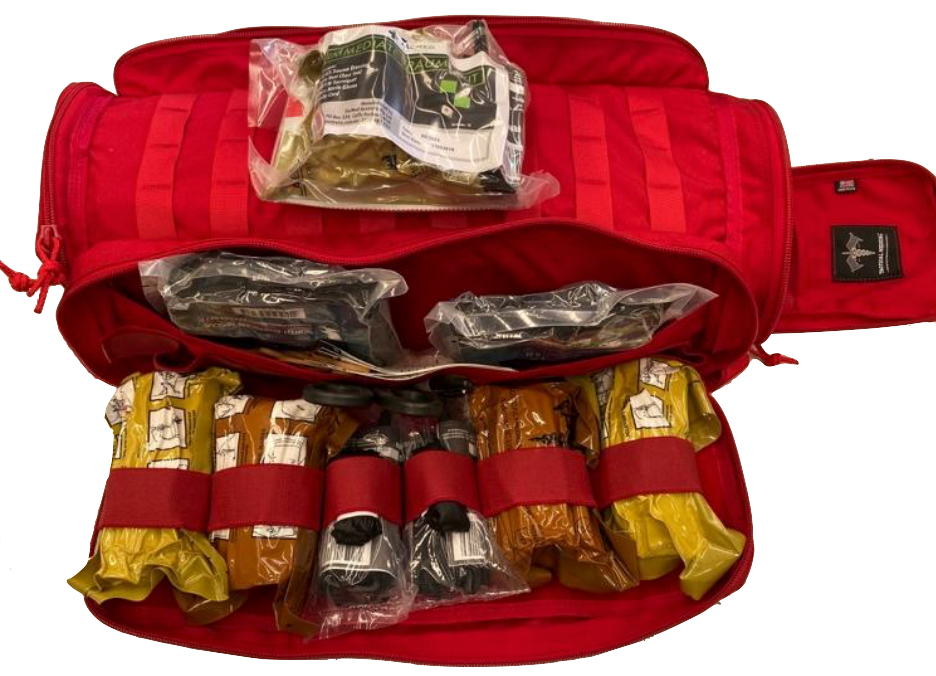
A correctly configured trauma kit for haemorrhage control and major injury management should contain: a tourniquet (CAT Gen 7 or SOF-T Wide), haemostatic wound packing gauze (QuikClot or equivalent), a pressure dressing (Israeli Bandage or OLAES), a vented chest seal (Hyfin or equivalent), trauma shears, and nitrile gloves. Major trauma kits may also include a nasopharyngeal airway, decompression needle, and space blanket. Exact contents vary by kit configuration — see individual product pages for full contents lists.
What is a trauma kit?
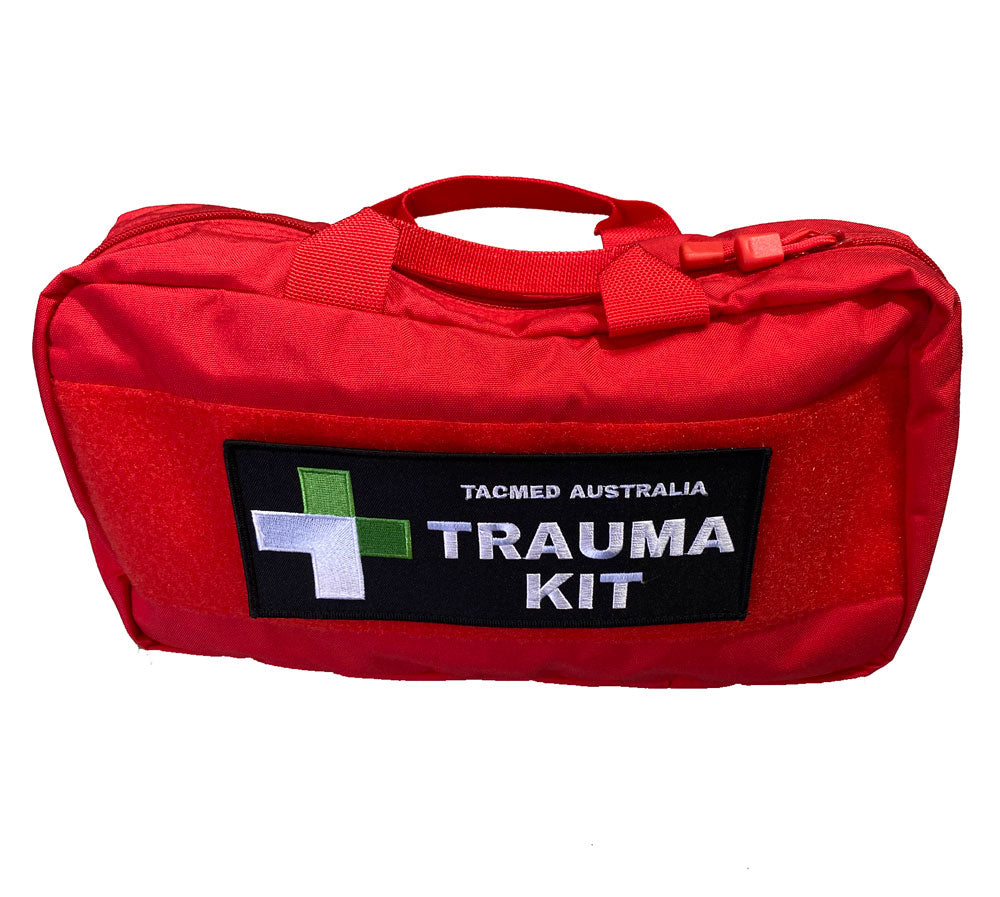
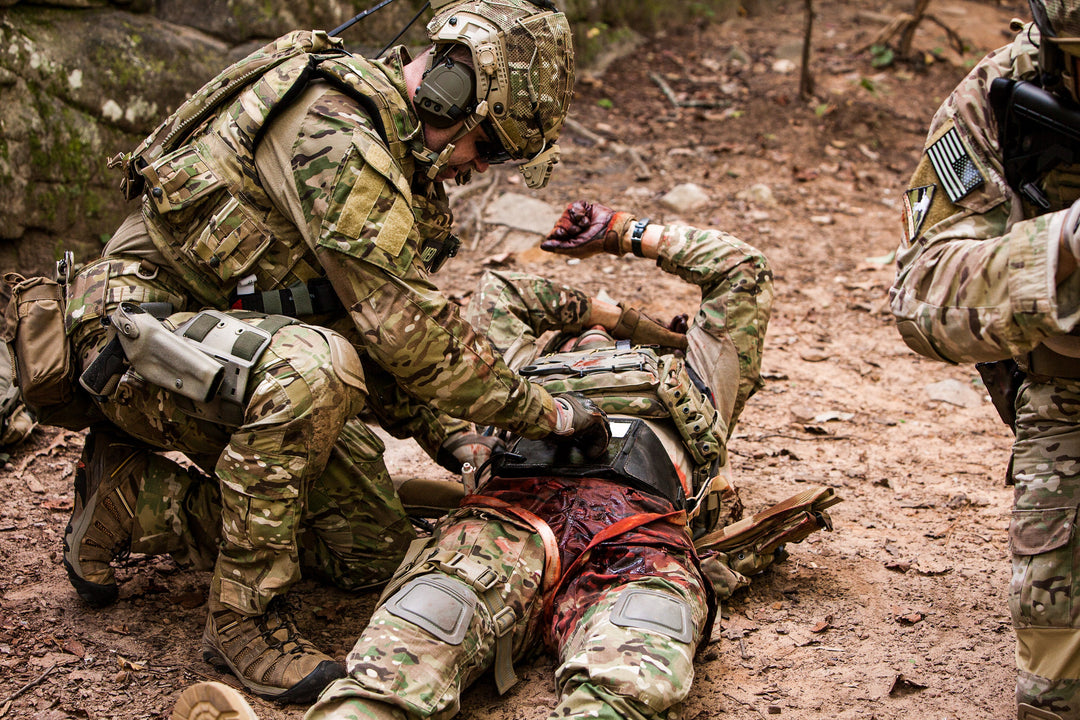
A trauma kit is a medical kit designed to manage life-threatening injuries — severe bleeding, penetrating wounds, chest trauma, and major accident injuries — until advanced medical care is available. Unlike standard first aid kits, trauma kits contain clinical-grade components for haemorrhage control and serious wound management.
How is a trauma kit different from a first aid kit?
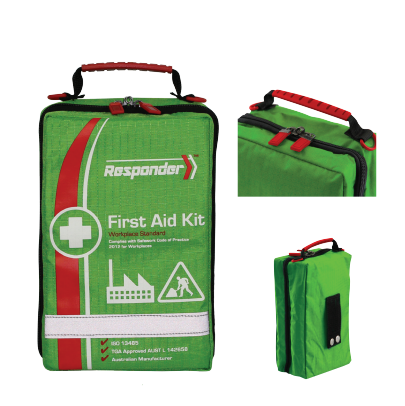
First aid kits are intended for minor injuries and general wound care. Trauma kits focus on life-threatening injuries and include specialised components — tourniquets, haemostatic gauze, chest seals — that are not found in standard first aid kits. A trauma kit is a complement to a first aid kit, not a replacement for it.
How is a trauma kit different from an IFAK?
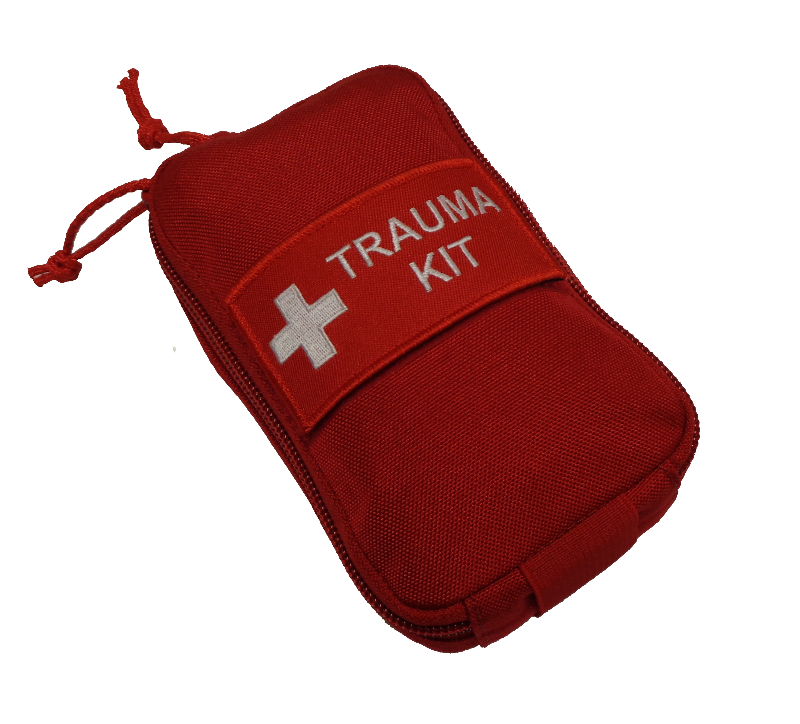
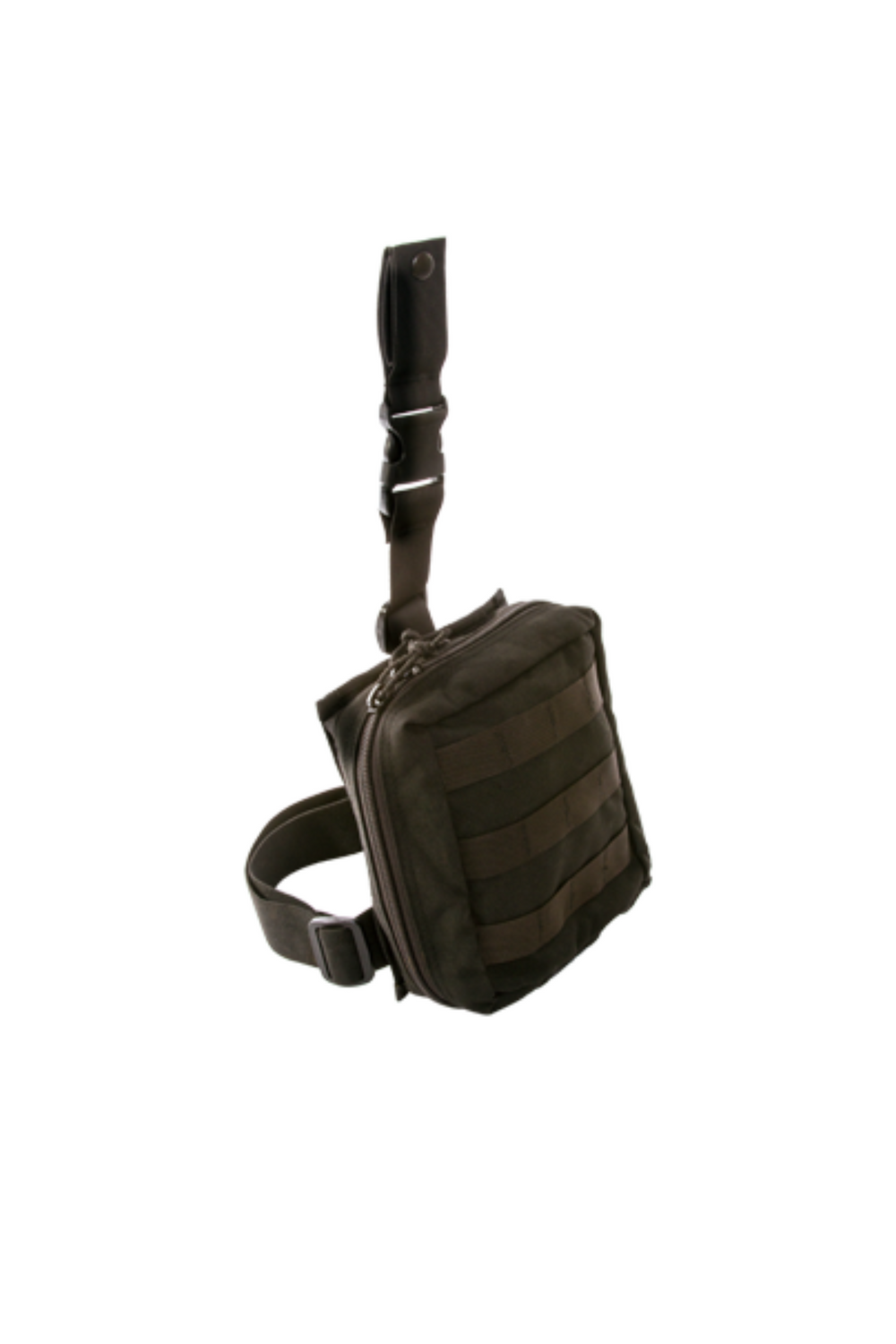
An IFAK (Individual First Aid Kit) is compact, personal-carry, and designed for self-aid or buddy-aid for one casualty. A trauma kit is typically larger and designed to provide broader capability — sometimes for multiple casualties or extended scenarios. If you need personal carry, look at IFAKs. If you are equipping a vehicle, worksite, or response setup, a trauma kit is usually more appropriate.
What is a vehicle trauma kit?
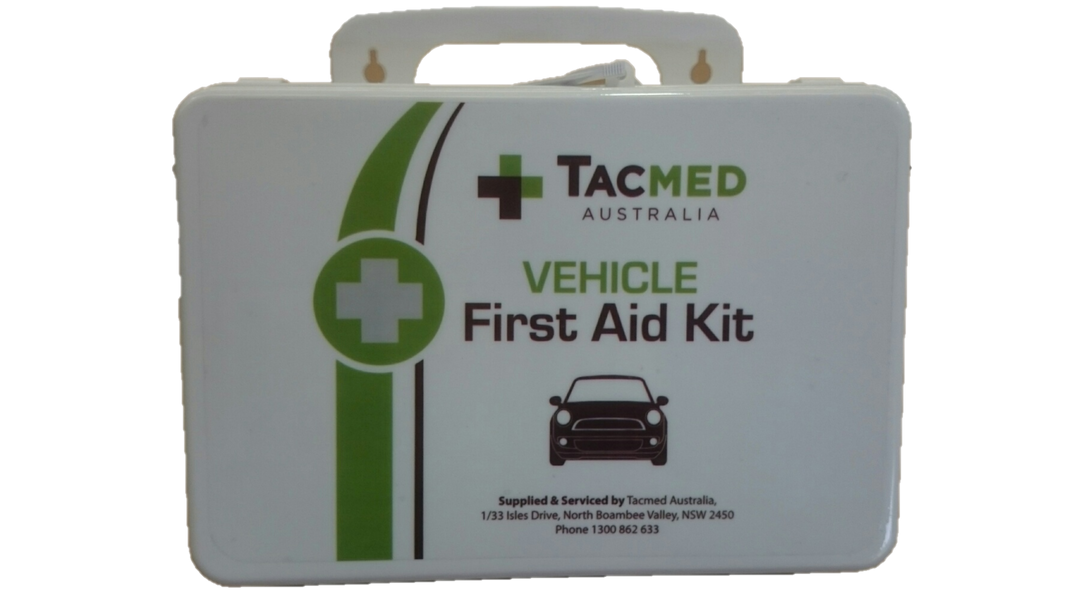
A vehicle trauma kit is configured for on-road accident response — the specific injury patterns of vehicle accidents, including penetrating trauma, limb injuries, and haemorrhage from high-energy impacts. Vehicle trauma kits are typically mounted inside the vehicle in an accessible location — not buried in the boot. See the Vehicle Trauma Kit product page for configuration details.
What is a motorcycle trauma kit?
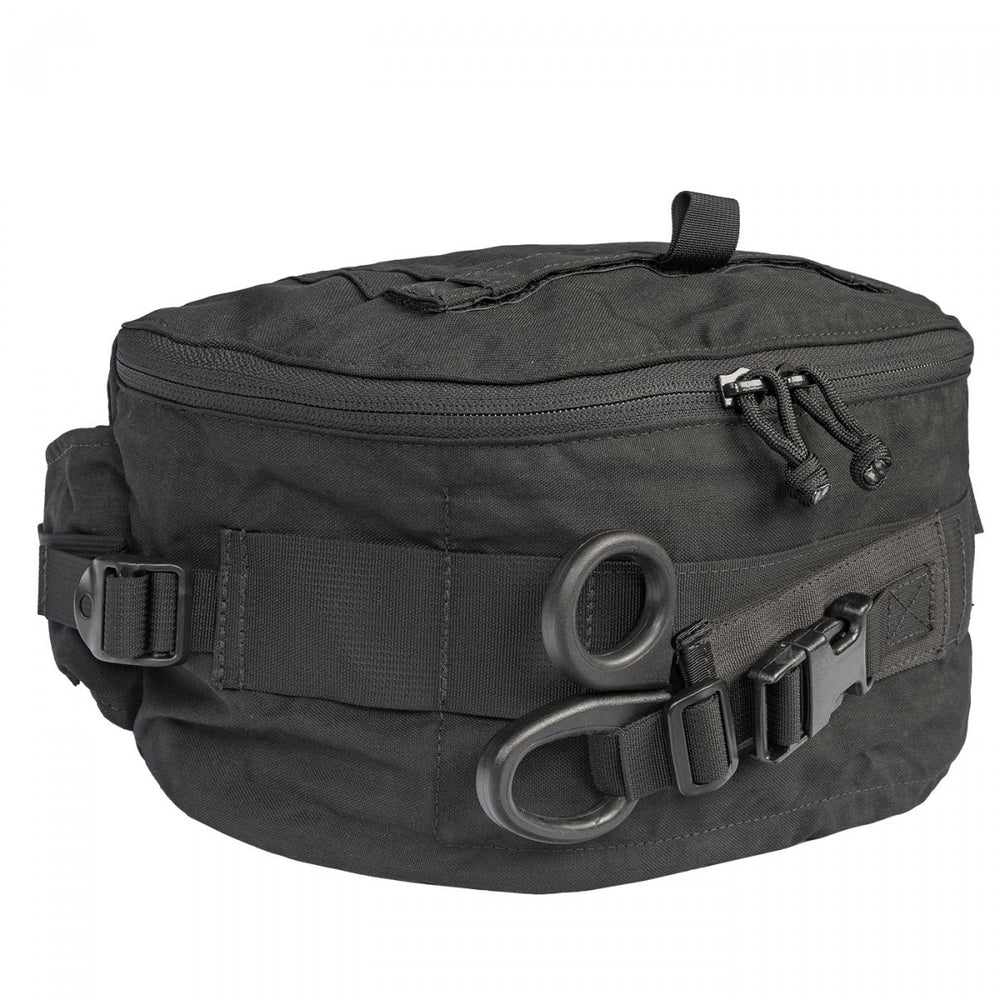
A motorcycle trauma kit is a compact trauma kit configured for the specific injury patterns of motorcycle accidents — road rash management, limb fractures, and blunt/penetrating trauma. Designed to be mounted on the bike, carried in a tail bag, or stored in a jacket. See the Motorcycle Trauma Kit product page for details.
What is a K9 handler trauma kit?
The TacMed K9 Handler Trauma Kit is configured for working dog emergency care — canine-specific wound management, haemorrhage control, and first response capability for K9 handlers, security dog operators, and police dog units. It is a unique product in the Australian market designed specifically for this use case.
Do trauma kits include a tourniquet?
Most trauma kits in this collection include a tourniquet or are designed to incorporate one. Tourniquet selection and configuration varies by kit. Check individual product pages for contents, or contact us if you need a specific tourniquet brand or model in your kit.
Are trauma kits legal to carry in Australia?
Yes. Trauma kits and their components are legal to carry and are widely used across professional, workplace, and personal preparedness contexts in Australia.
Do I need training to use a trauma kit?
Training is strongly recommended. Correct tourniquet application, wound packing technique, and chest seal placement all require practice to perform effectively under stress.