Questions We Get Asked
When should a tourniquet be used?
A tourniquet should be used for severe bleeding from an arm or leg that cannot be controlled with direct pressure, or when immediate bleeding control is required.
Are tourniquets safe to use?
When used correctly, modern tourniquets are safe and effective. The risk of uncontrolled bleeding far outweighs the risks associated with proper tourniquet use.
Can civilians legally carry tourniquets in Australia?
Yes. Tourniquets are legal to carry and are commonly included in first aid kits, trauma kits, and vehicle emergency setups.
What is the difference between a CAT Gen 7 and SOF-T Wide tourniquet?
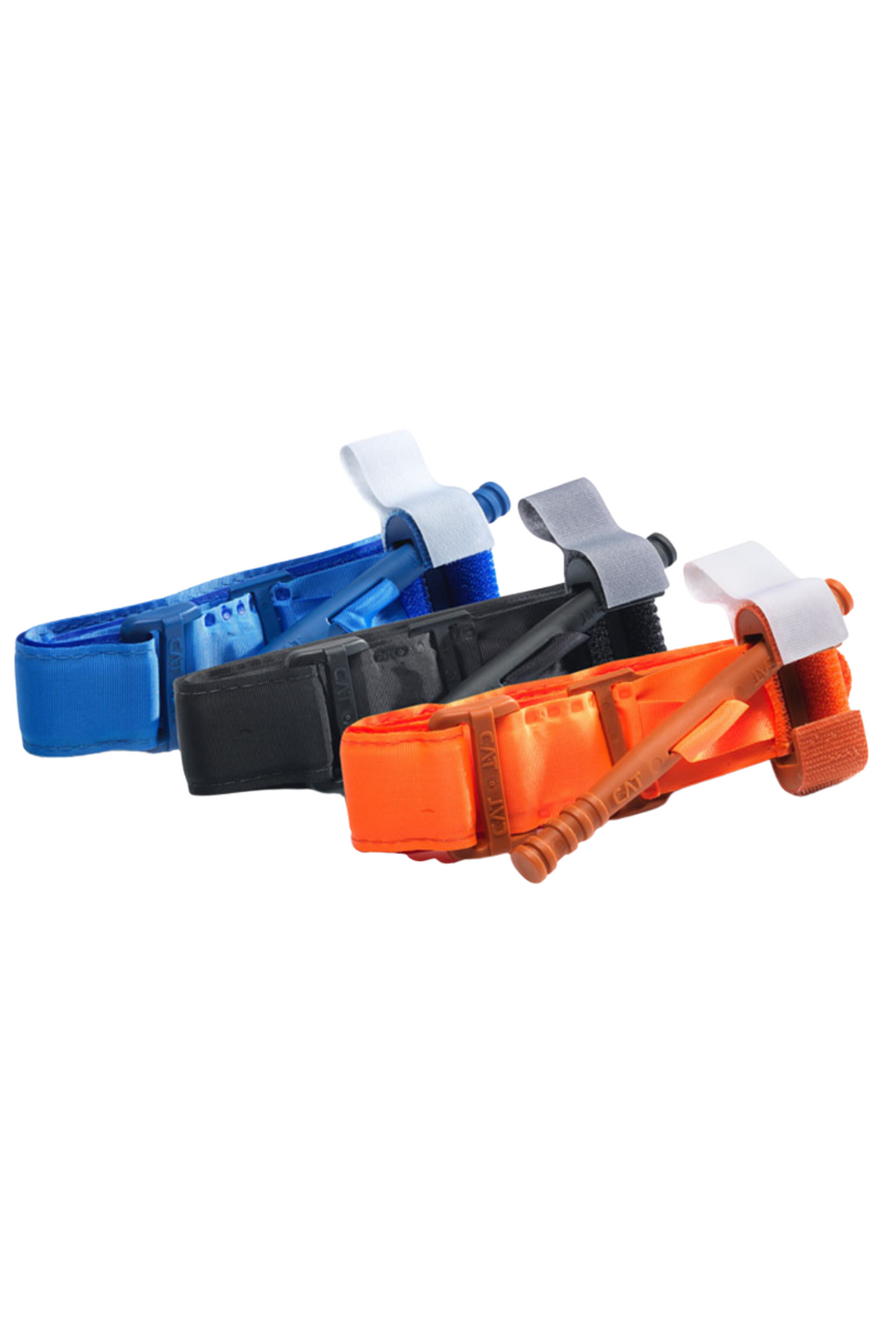
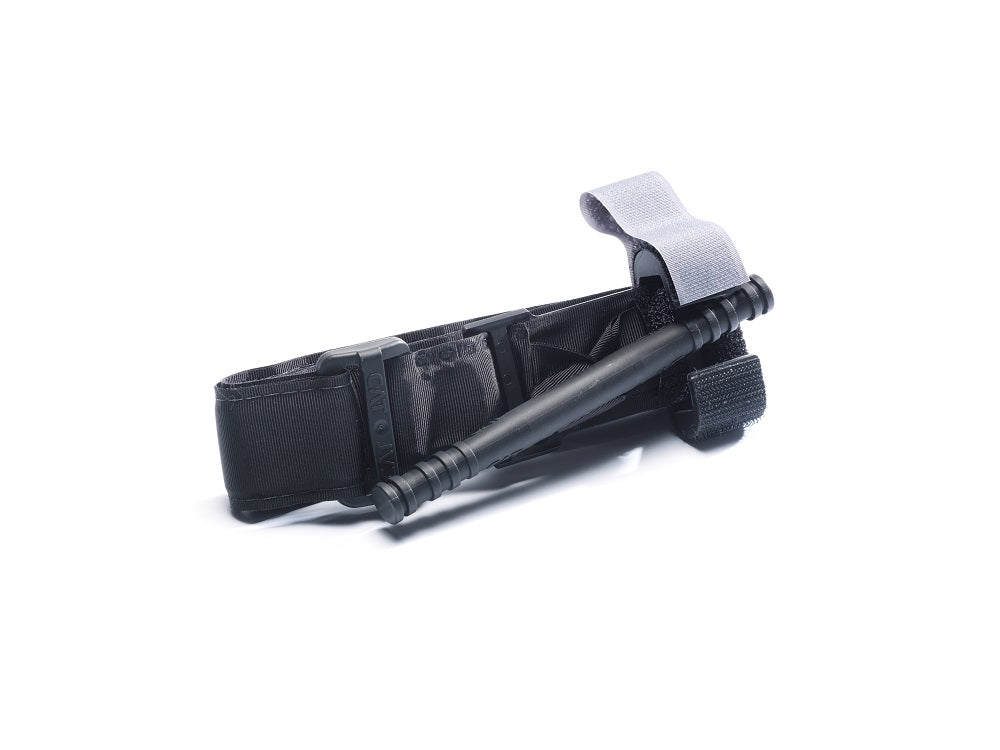
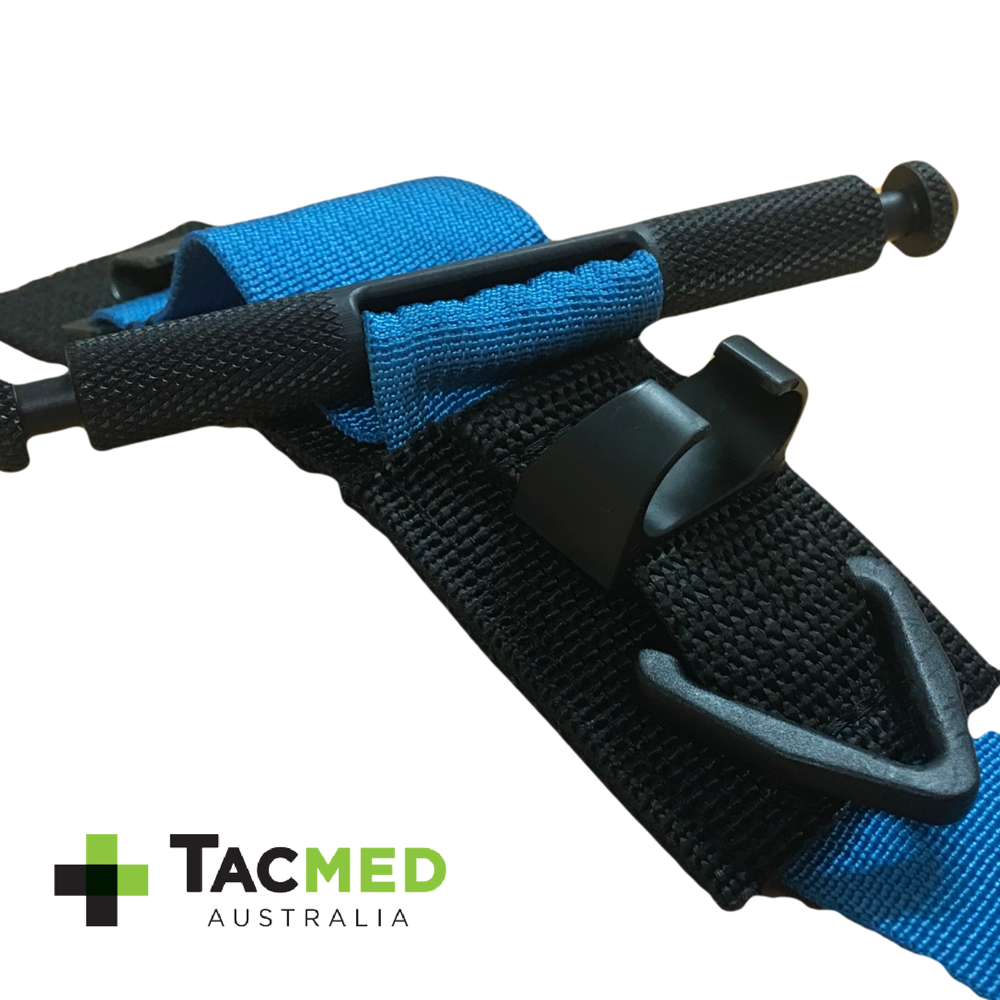
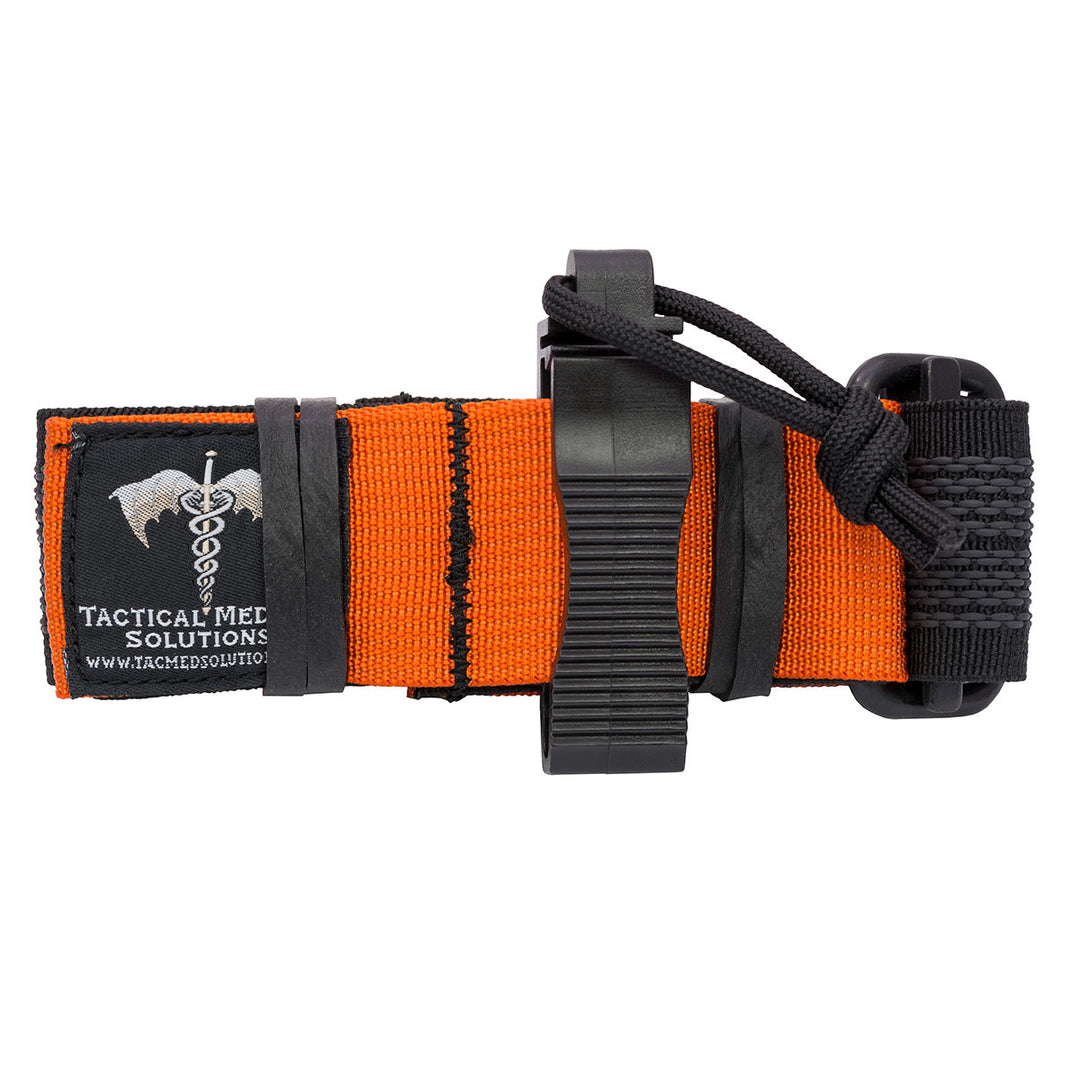
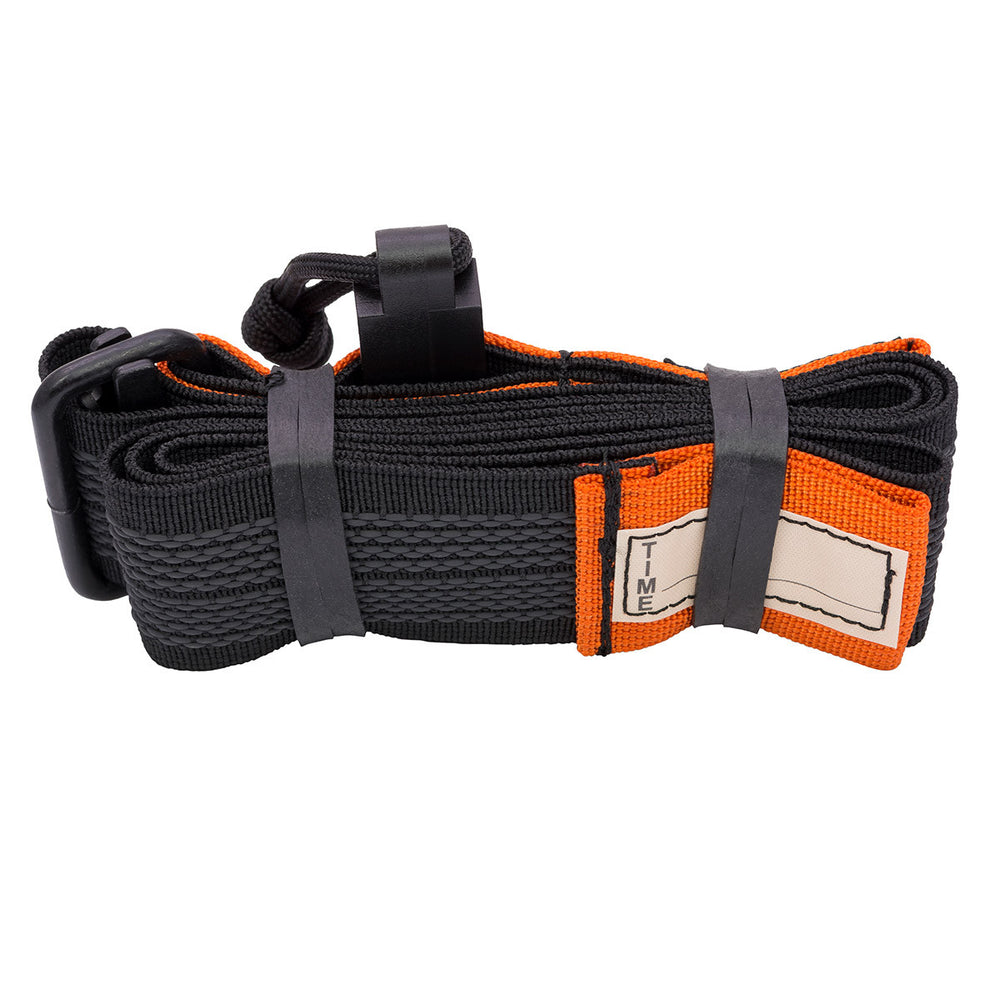
Both are proven, widely issued devices. The CAT Gen 7 uses a self-adhering band and a plastic windlass — it is faster to apply and the most widely issued device globally. The SOF-T Wide uses a metal windlass and buckle system — it generates higher occlusion pressure and is preferred for high-mass limbs and larger patients. The right choice depends on your training, body type, and the environment you're operating in. If in doubt, the CAT Gen 7 is the standard starting point.
How tight should a tourniquet be?
A tourniquet must be tightened until bleeding stops. This will be uncomfortable, but inadequate tightening will not control bleeding.
Do tourniquets expire?
While many tourniquets do not have a strict expiry date, materials can degrade over time. Regular inspection and replacement when worn or damaged is recommended.
Should I carry more than one tourniquet?
In some scenarios, multiple tourniquets may be required. Many professionals carry at least two as part of their trauma setup.
Are the tourniquets sold by TacMed genuine?
Yes. TacMed supplies genuine, TGA-compliant tourniquets from authorised Australian distributors. Counterfeit copies of the CAT Gen 7 and SOF-T Wide are widely available online — these devices look identical but frequently fail under the mechanical stress of actual use. Every tourniquet on this page is the real product.
Do you stock tourniquet trainers?
Yes. Tourniquet trainers allow you to practise correct application technique without using a live device. Regular practice is essential — a tourniquet you've never practised with is significantly less effective in an emergency. See our training equipment collection for available options.