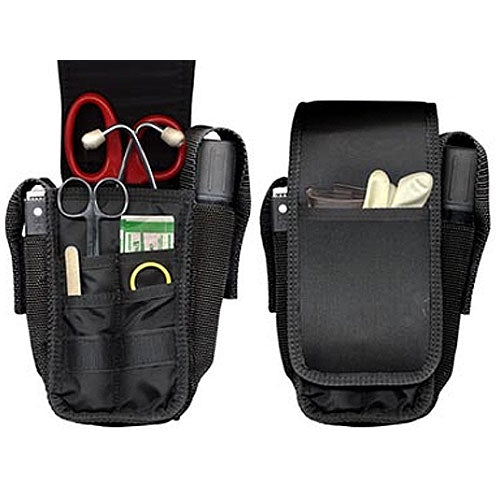
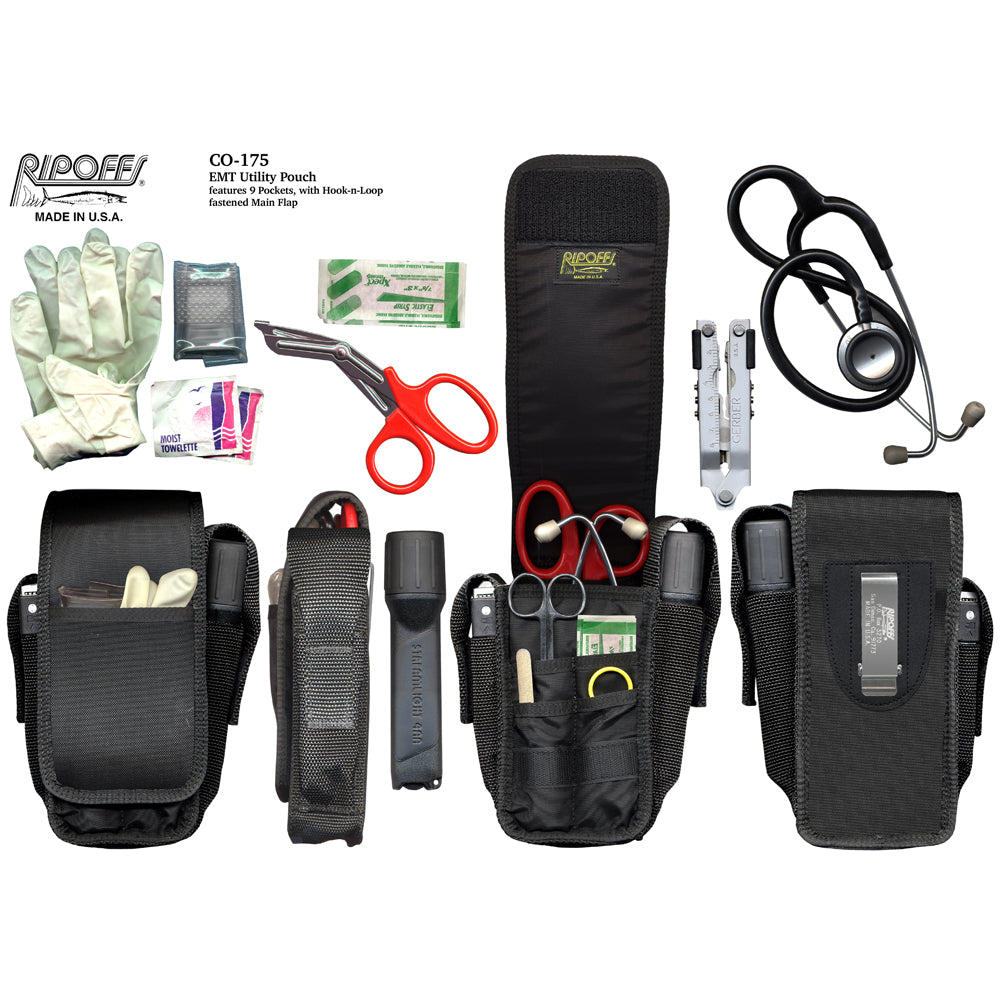
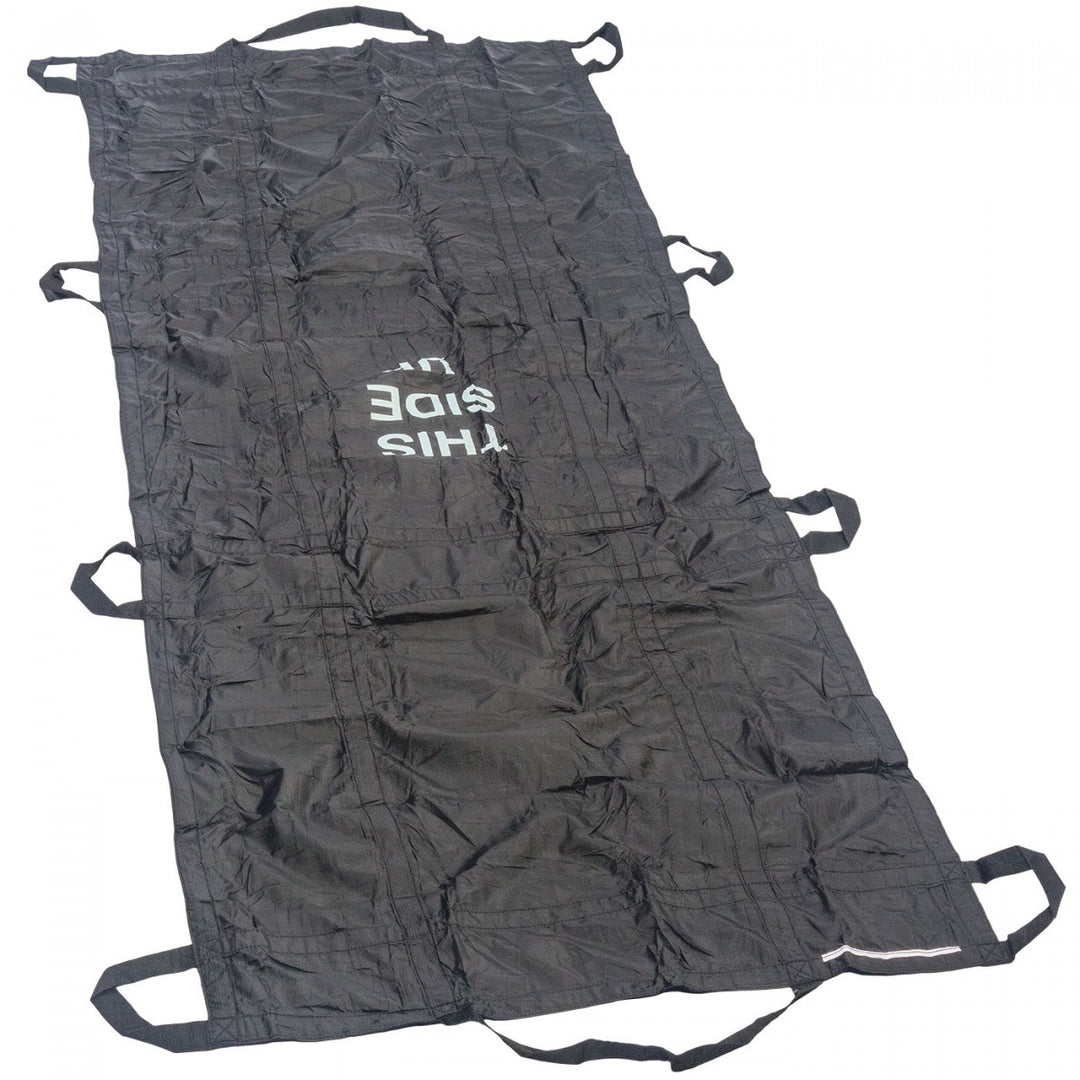
Do medical bags come with equipment included?
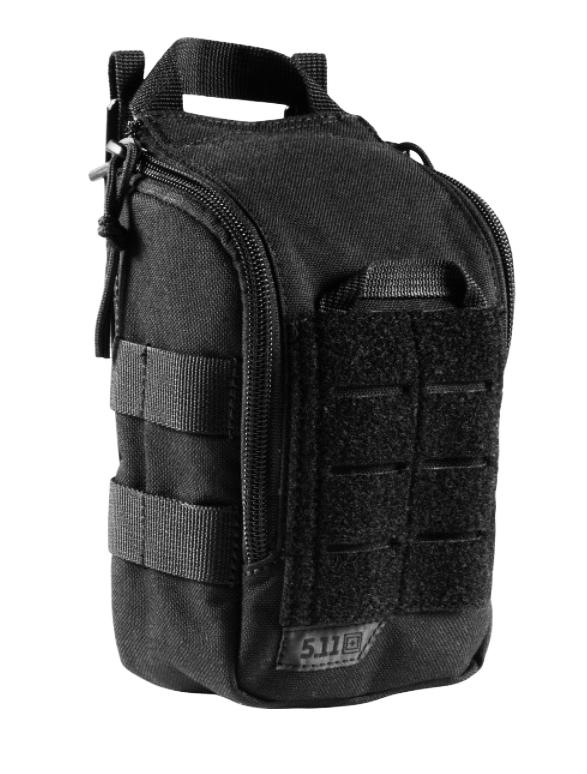
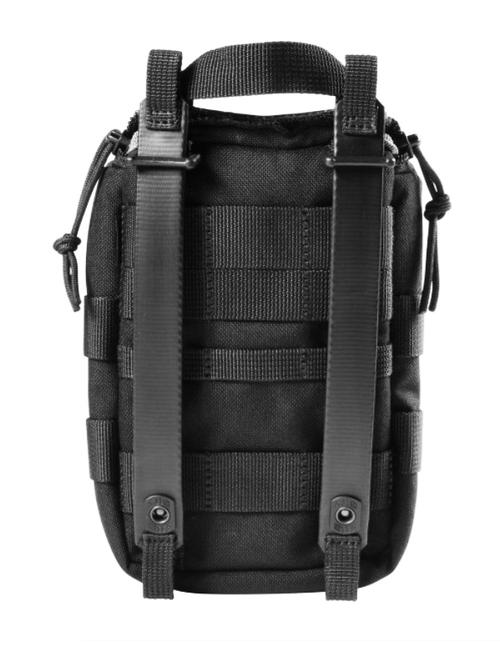
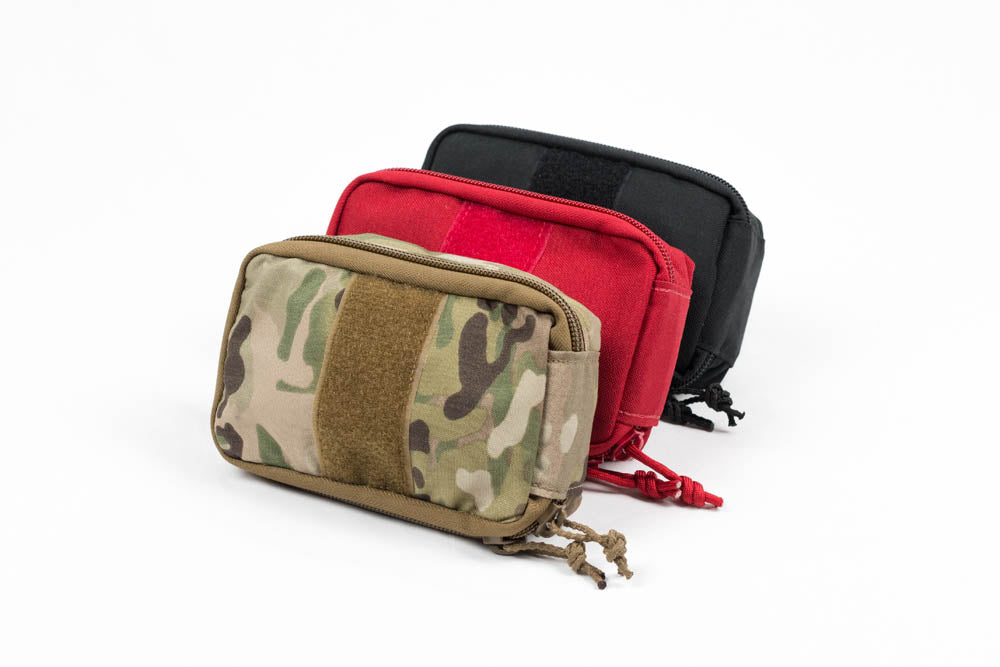
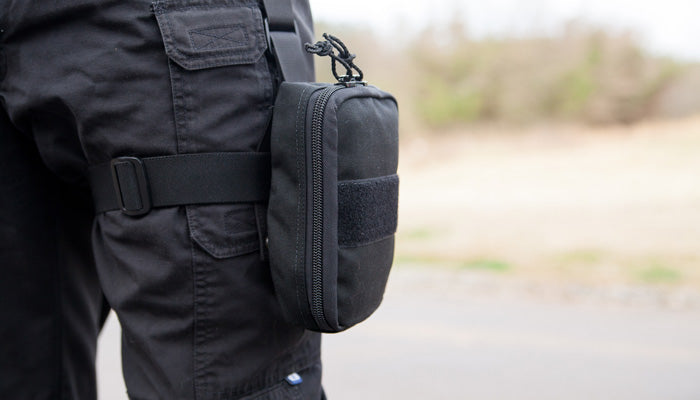
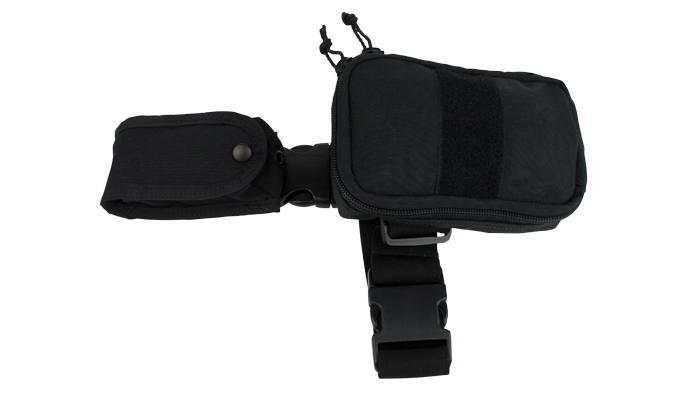
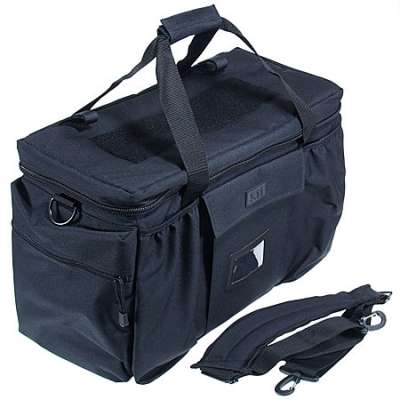
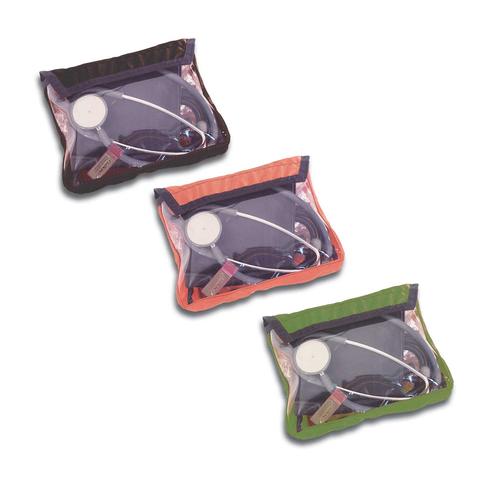
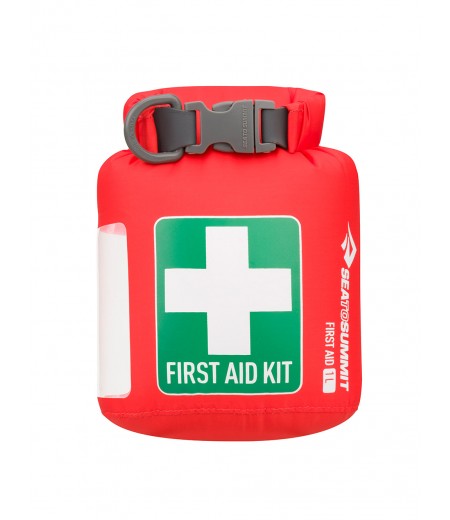
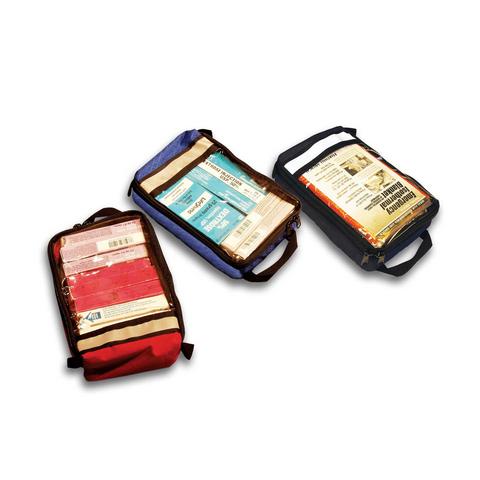
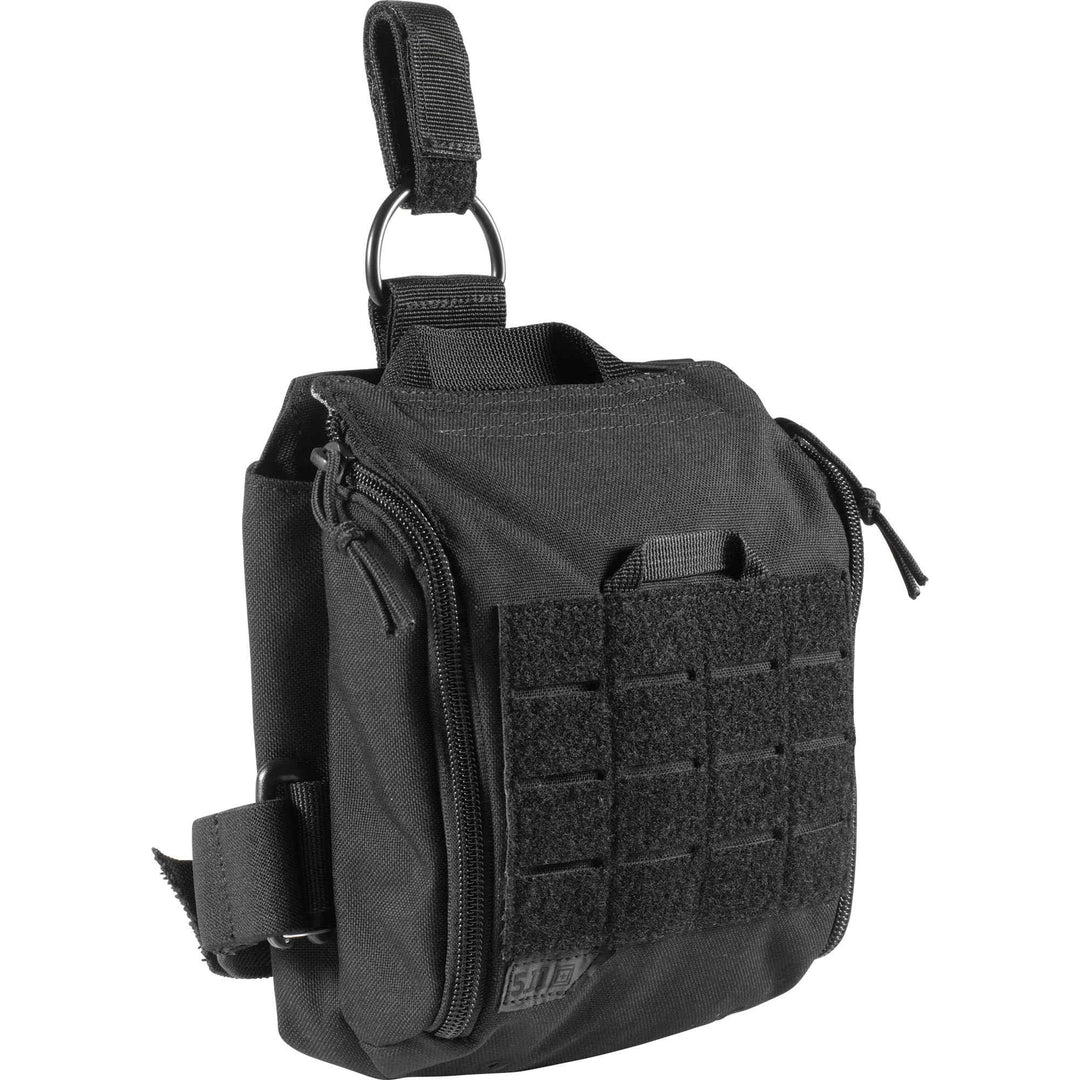
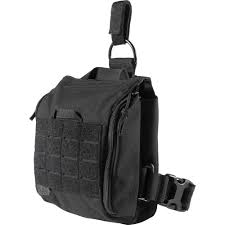
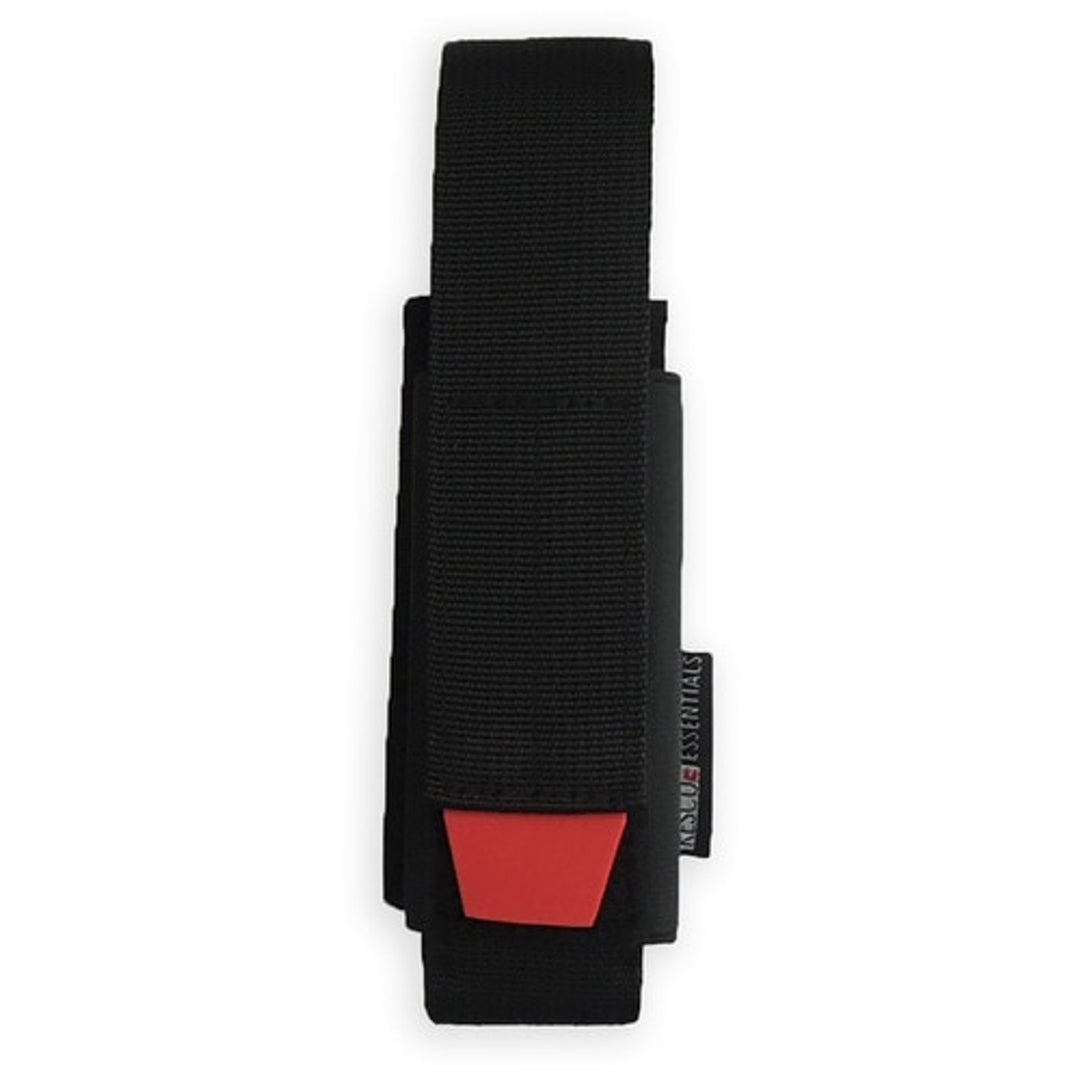
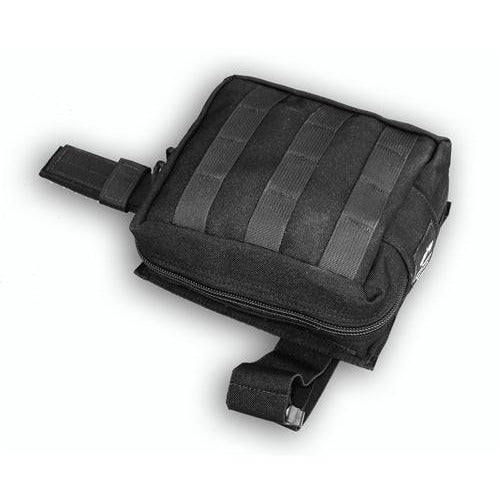
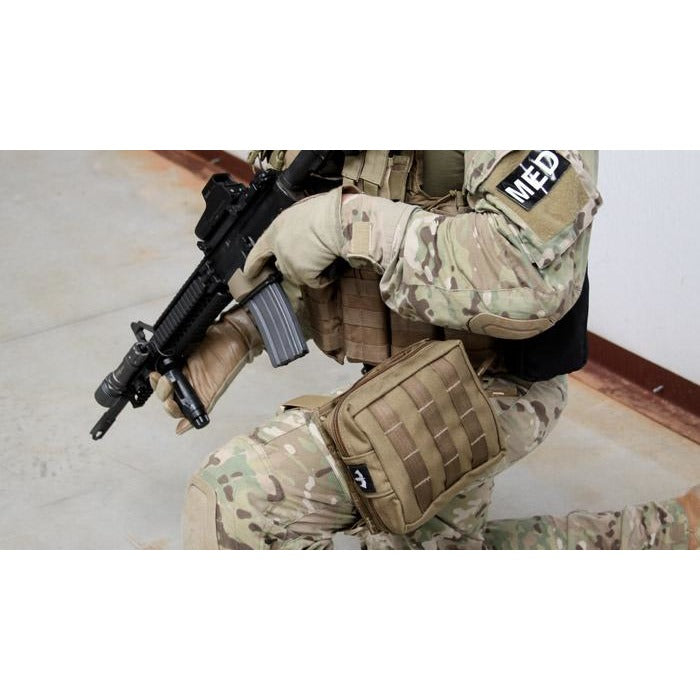
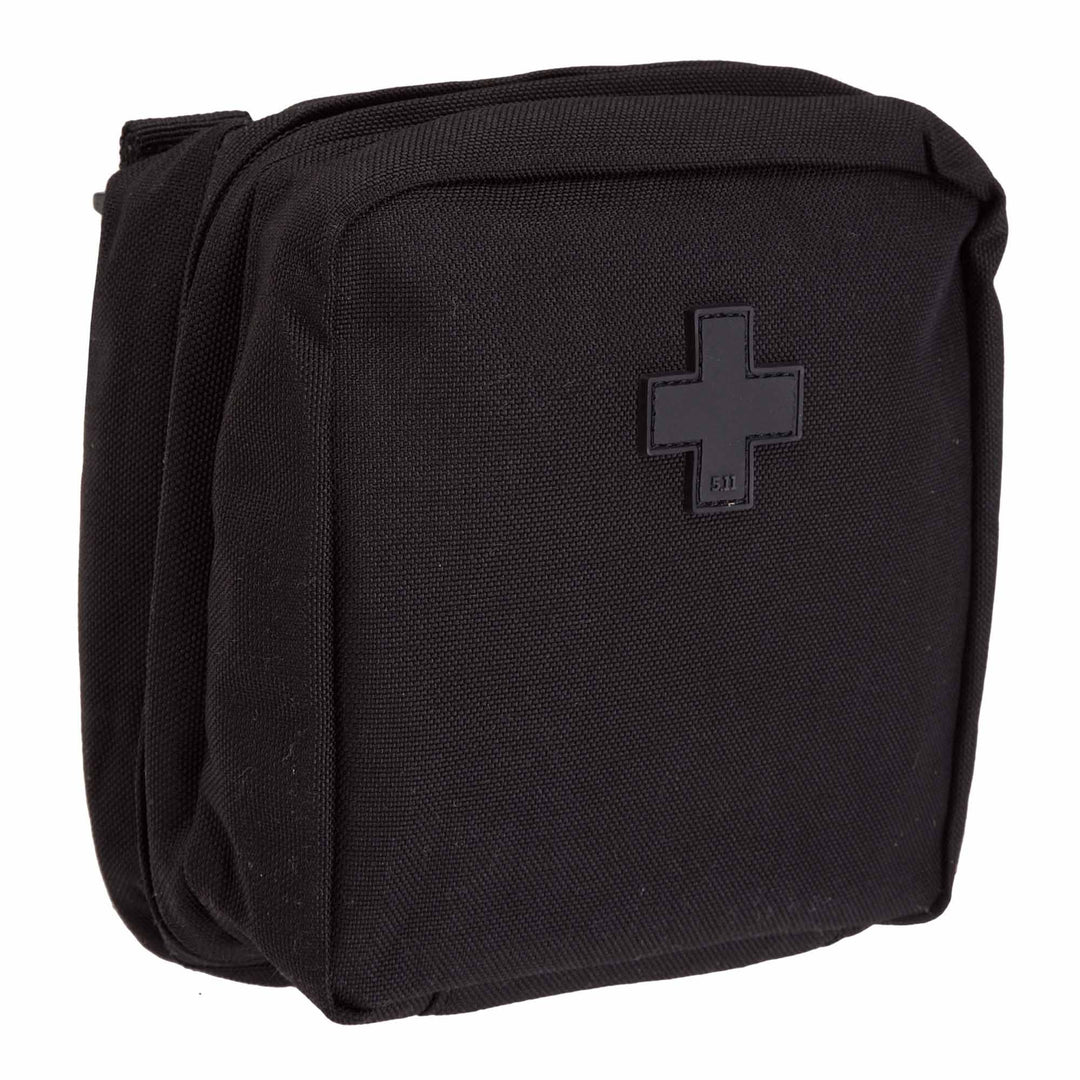
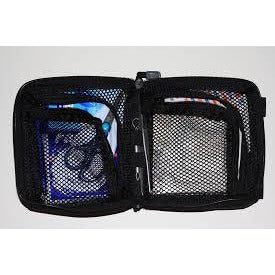
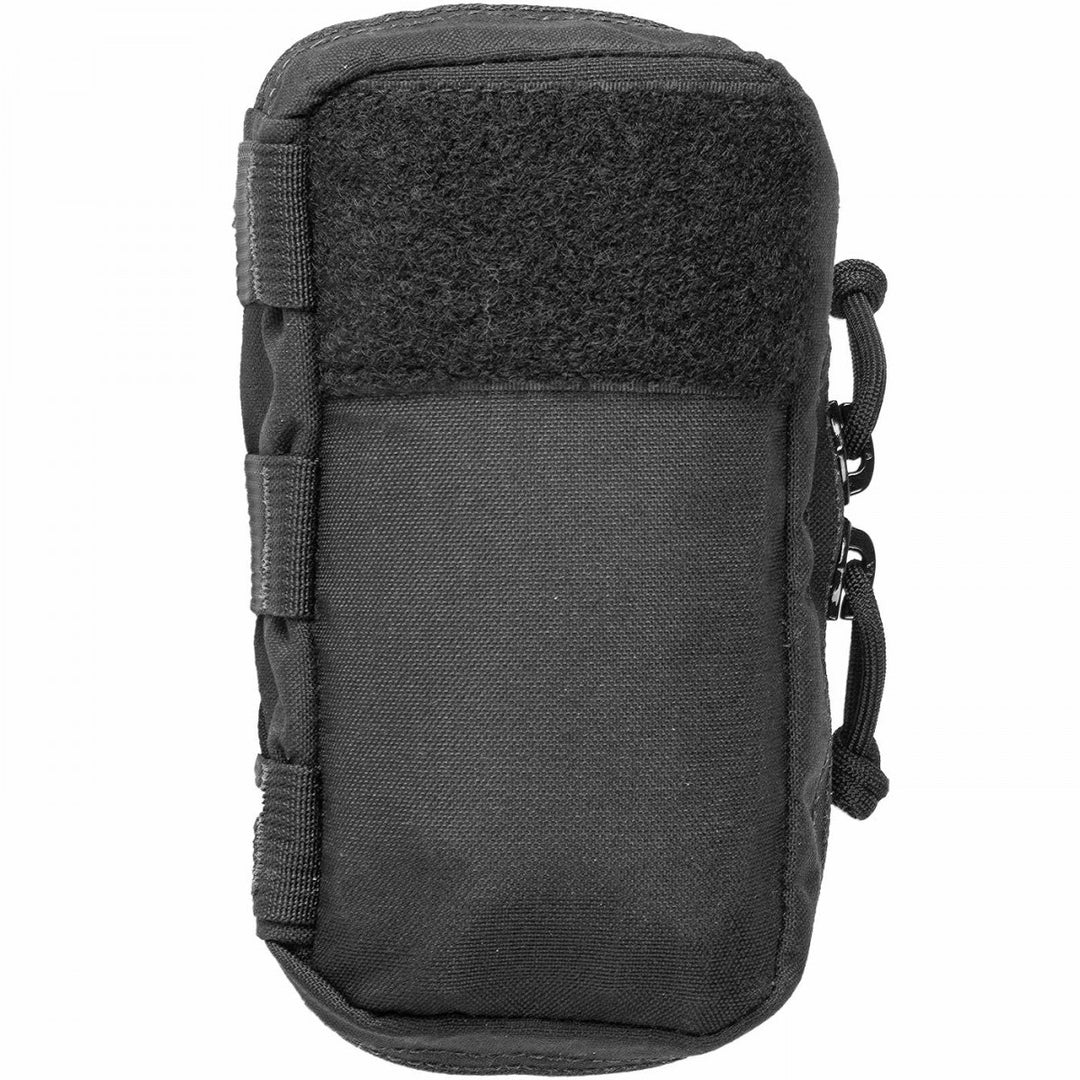
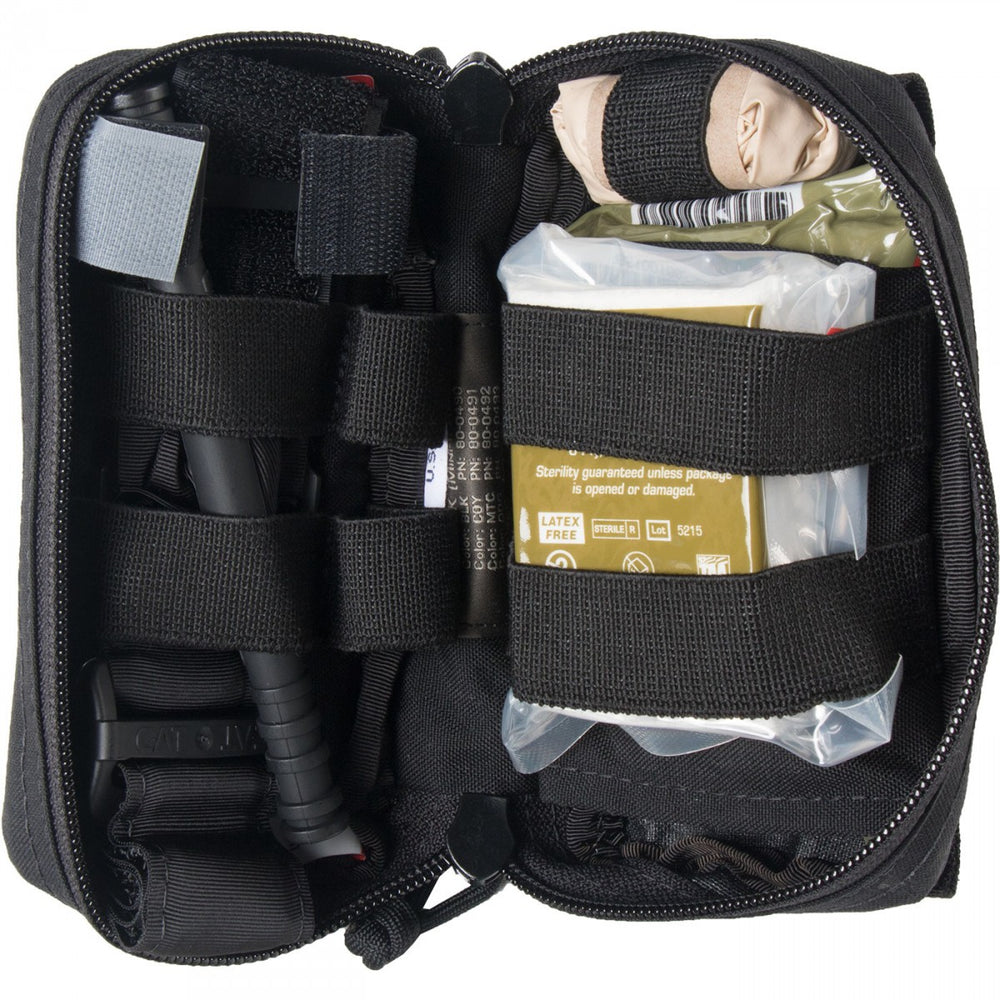
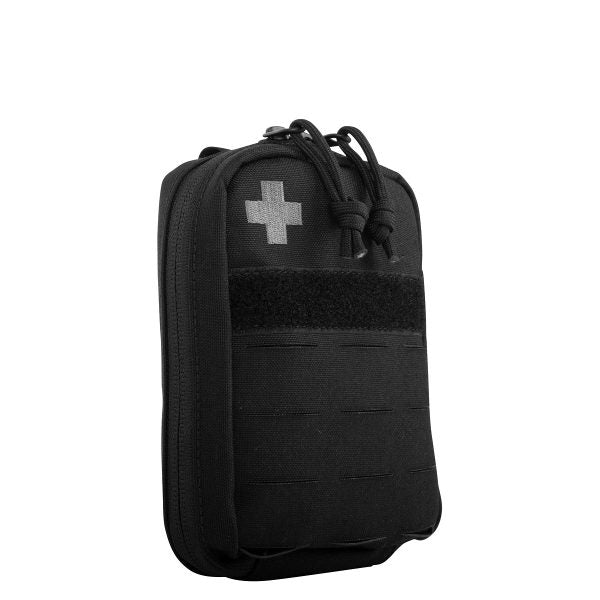
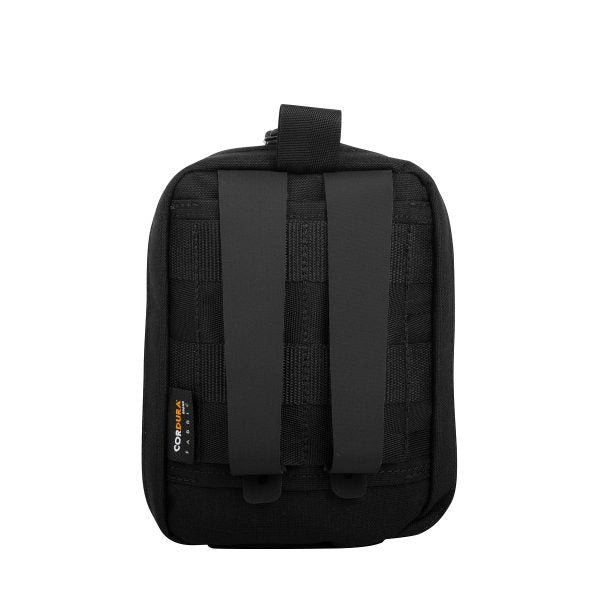
No. All bags and pouches in this collection are sold empty — as carriers only. They are designed to be configured with your own equipment or stocked to your specific requirements. If you need a complete kit with medical equipment included, see the IFAK kits, trauma kits, or first aid kits collections.
Where can I buy an empty first aid bag in Australia?
TacMed stocks a range of empty first aid bags and medical carriers suited to home, vehicle, workplace, and field use. The first aid bags collection includes soft packs, clamshell bags, and compact carriers in a range of sizes — all empty and ready to configure.
What is the difference between a medical bag and a first aid kit?
A first aid kit comes pre-stocked with medical supplies. A medical bag is an empty carrier designed to organise and transport those supplies. Bags provide structure, protection, and fast access — but the contents are separate. See our first aid kits if you need a complete, stocked solution.
What is a paramedic bag used for?
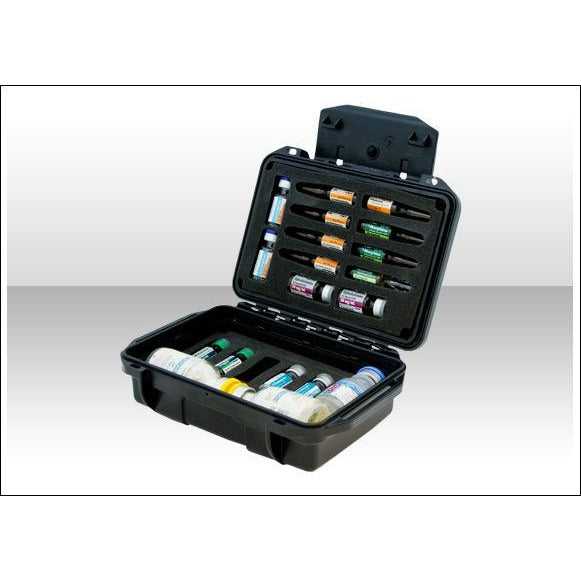
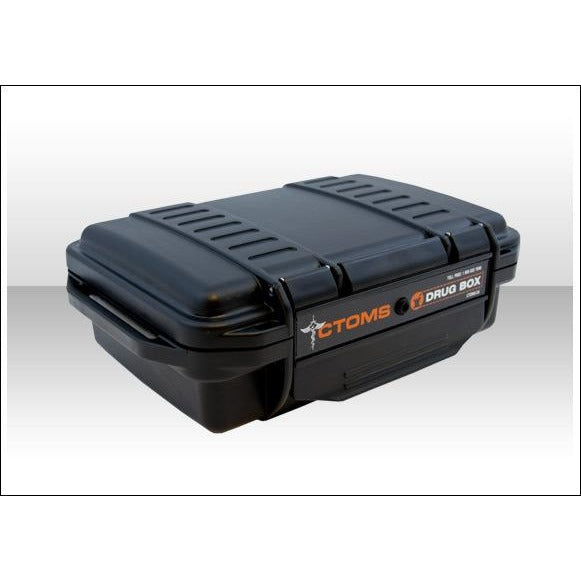
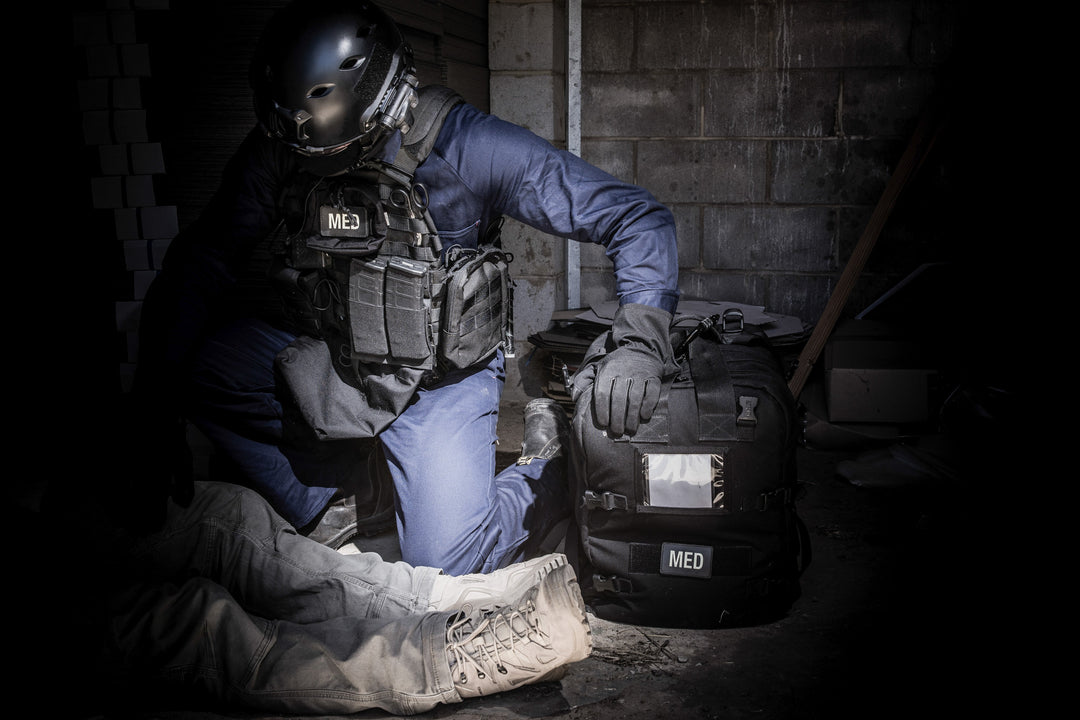
A paramedic bag is a large, multi-compartment medical bag designed to carry a full pre-hospital response kit — airway equipment, trauma supplies, medications, monitoring equipment, and clinical consumables. They are used by paramedics, ambulance crews, and advanced care providers. TacMed's paramedic bags include configurations from Tasmanian Tiger, Conterra, and other professional-grade brands.
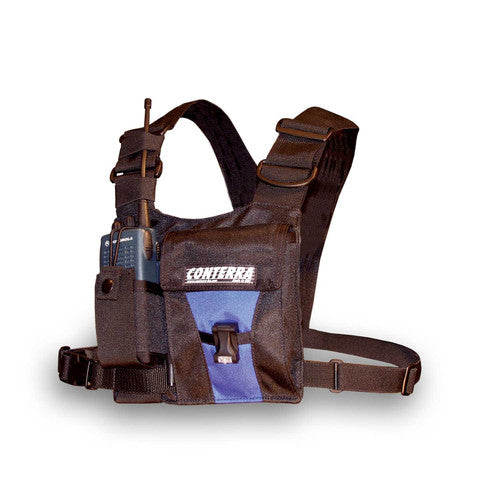
What is an EMS radio harness?
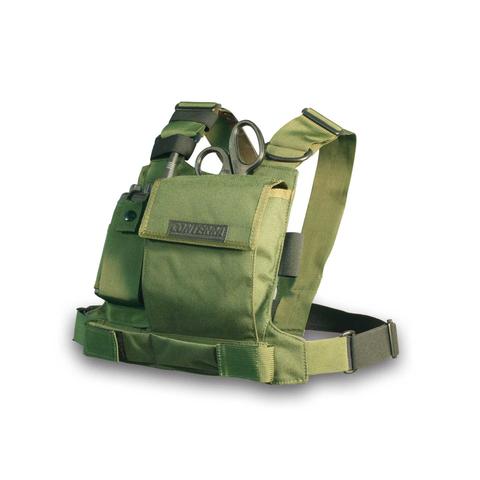
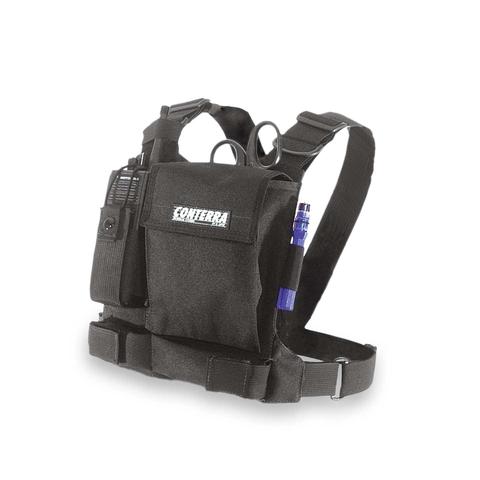
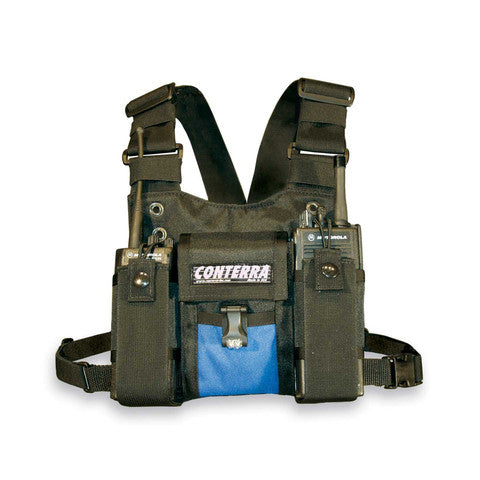
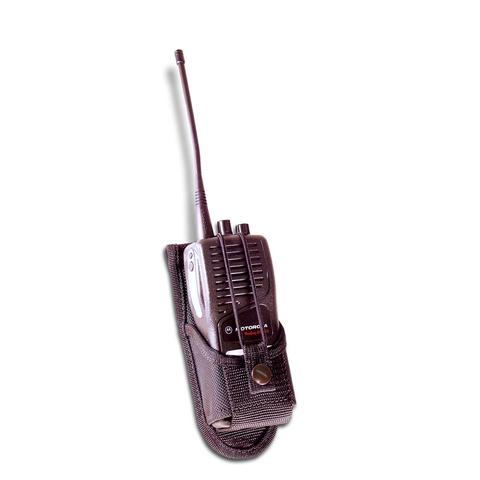
An EMS radio harness is a chest-mounted or shoulder-mounted carrier that holds a two-way radio for hands-free access during emergency response operations. Radio harnesses are standard equipment for paramedics, fire crews, and law enforcement who need continuous radio communication without occupying their hands. See the radio harnesses collection for available options.
Are these bags suitable for vehicle carry?
Yes. Many bags in this collection are designed for vehicle mounting — panel attachment, seat back mounting, or floor carry. Vehicle-rated bags are built to withstand heat and UV exposure over extended periods. See the first aid bags and tactical bags collections for vehicle-compatible options.
What is a SAR bag?
A SAR bag is a specialist pack designed for search and rescue operations — configured for extended field use, technical rescue, and multi-casualty scenarios. SAR bags are typically large-capacity with organised internal sections for medical equipment, rope, and rescue gear. See the SAR bags collection for available options.
What brands of medical bags does TacMed stock?
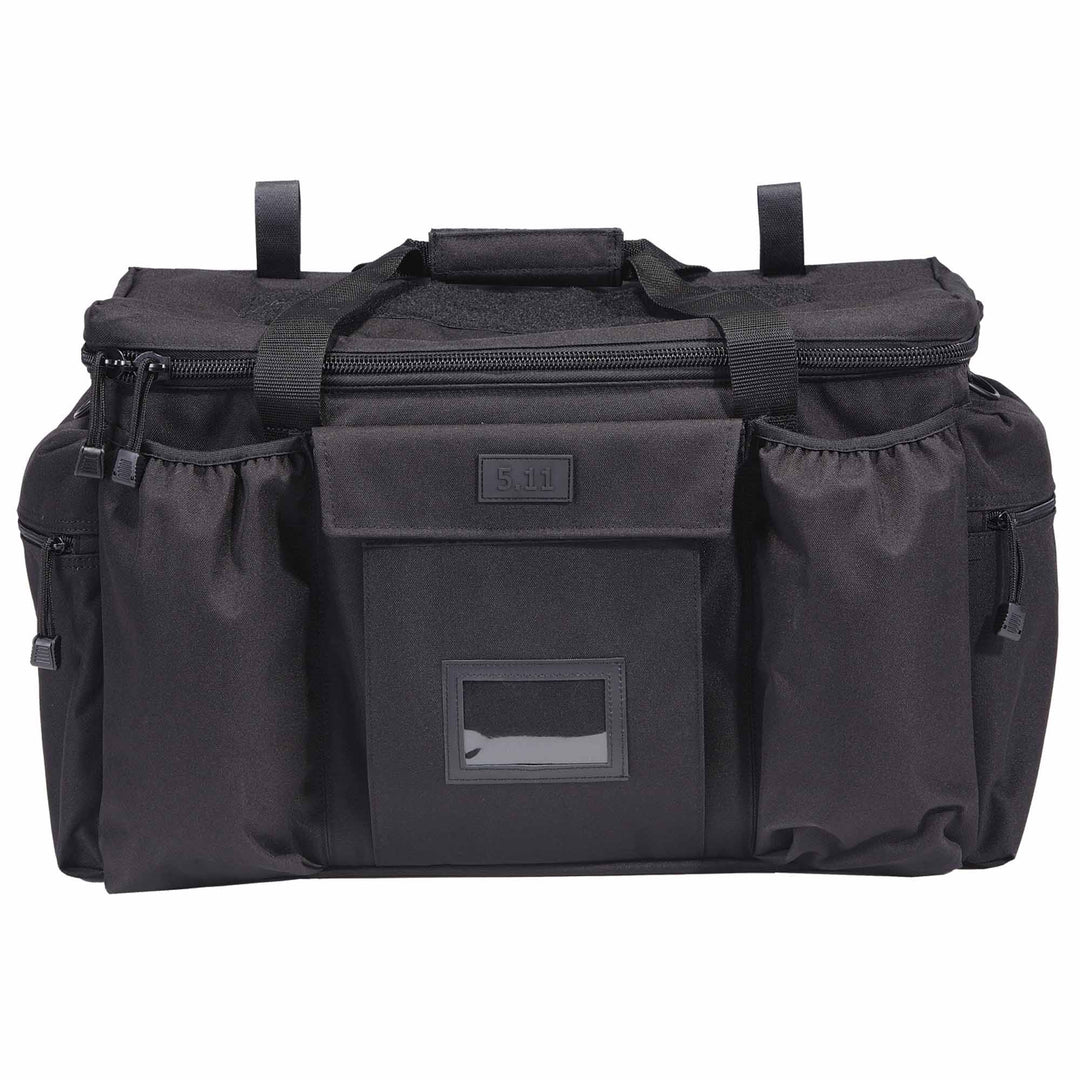
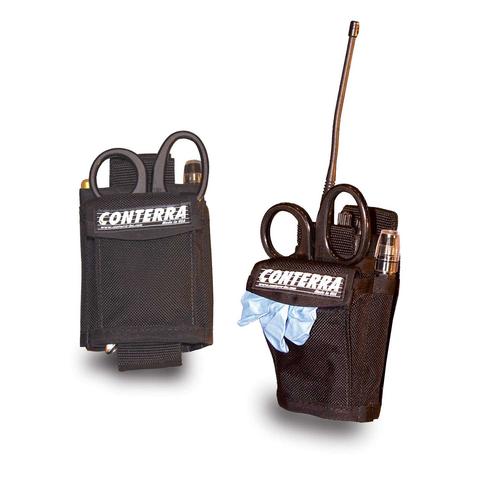
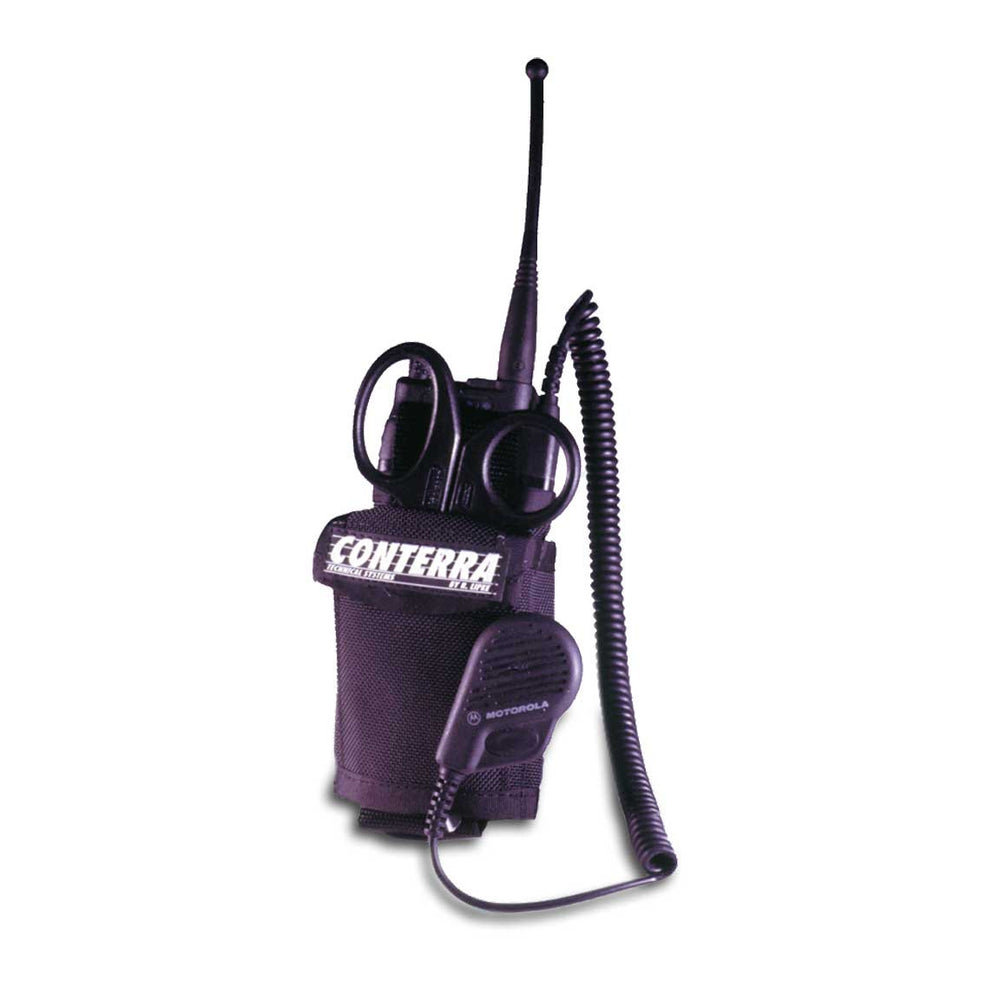
TacMed stocks bags and pouches from professional-grade brands including Tasmanian Tiger, Conterra, Blue Ridge, 5.11 Tactical, and others. All products are sourced through authorised Australian distributors.