


Ambulance

Filter

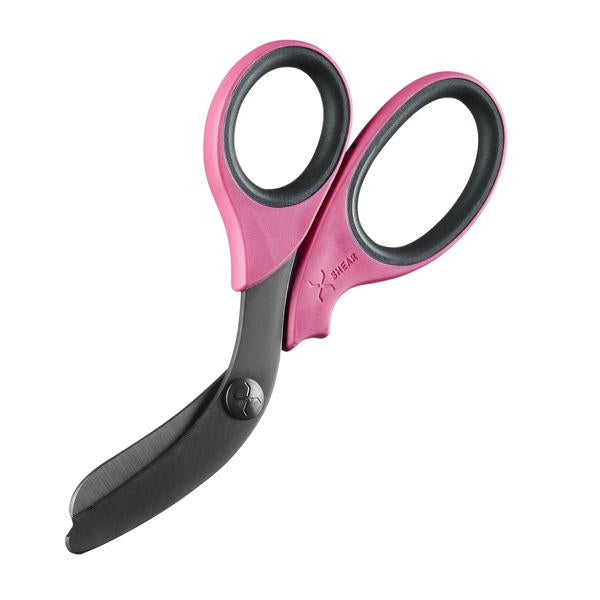
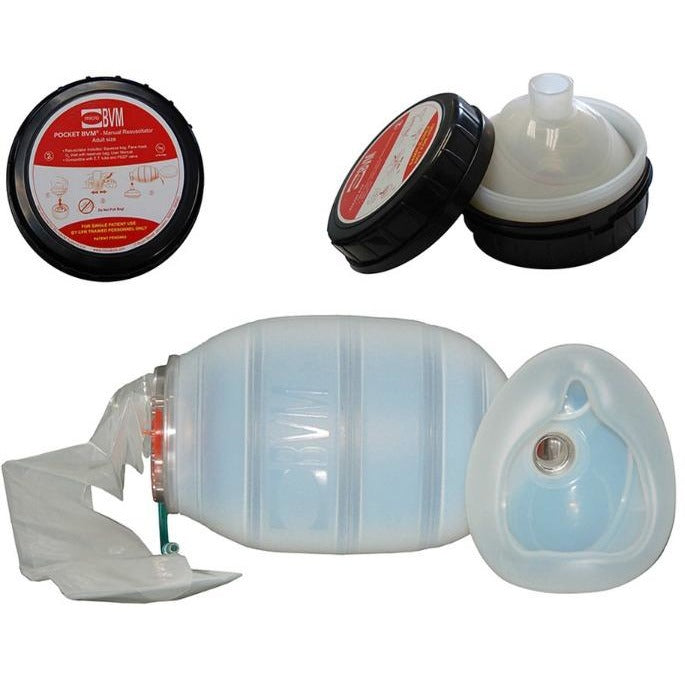
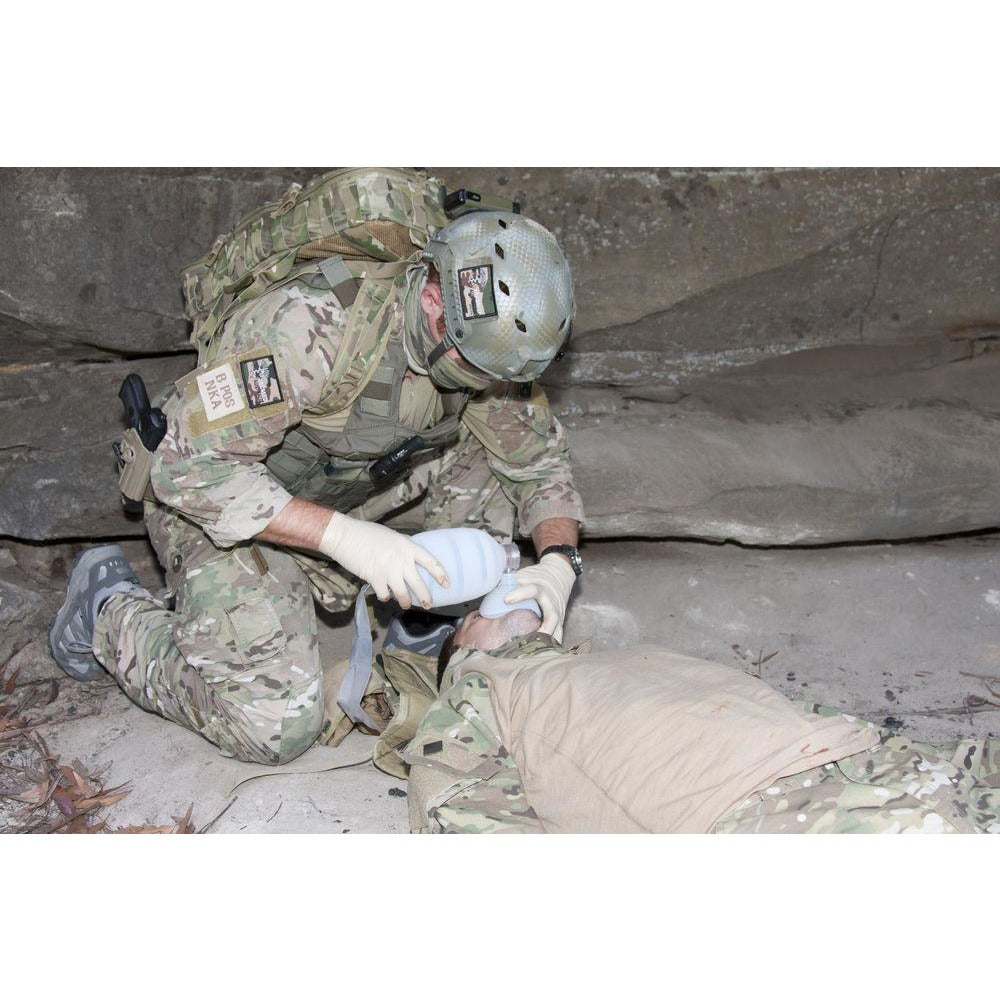
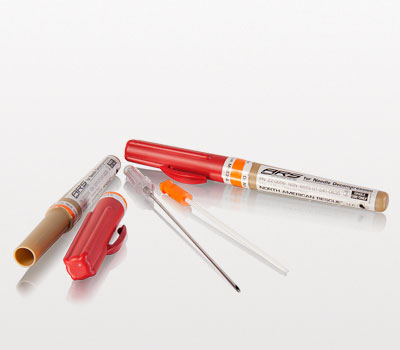
    Medical Equipment for Pre-Hospital Care

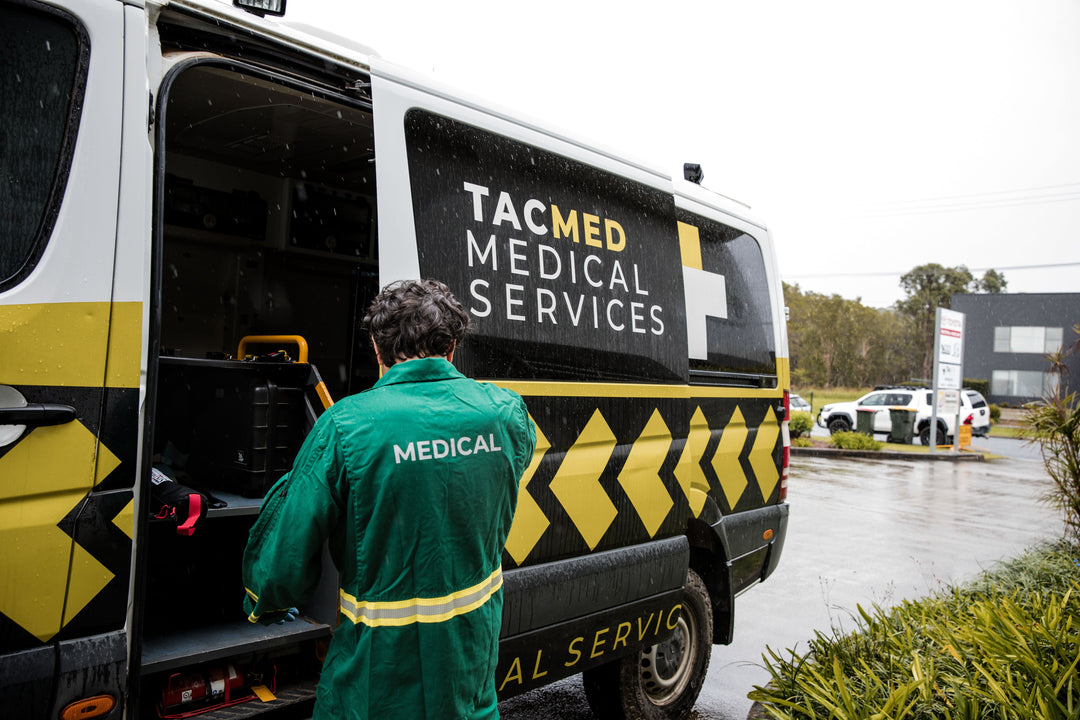
    Ambulance and paramedic services operate at the frontline of emergency medical response, delivering care in uncontrolled environments before hospital treatment is available. Equipment used in pre-hospital settings must be reliable, efficient, and suited to rapid assessment and intervention.

    This collection includes medical equipment commonly used in ambulance and paramedic contexts across Australia. The focus is on practical, trauma-capable components that support early patient management, stabilisation, and handover — not general consumer first aid.

    What These Are Built to Handle

    Medical equipment used by ambulance and paramedic services is designed to manage a wide range of injuries and medical emergencies, from serious trauma and uncontrolled bleeding to airway compromise and medical deterioration.

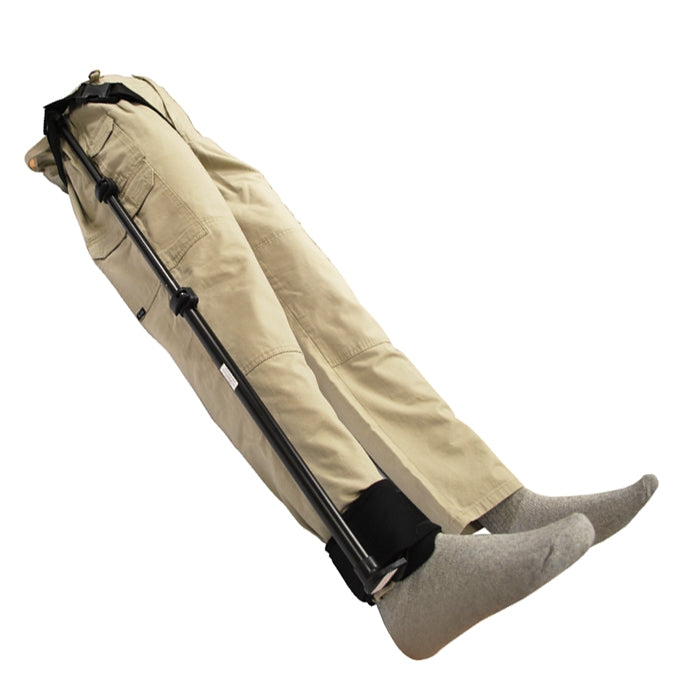
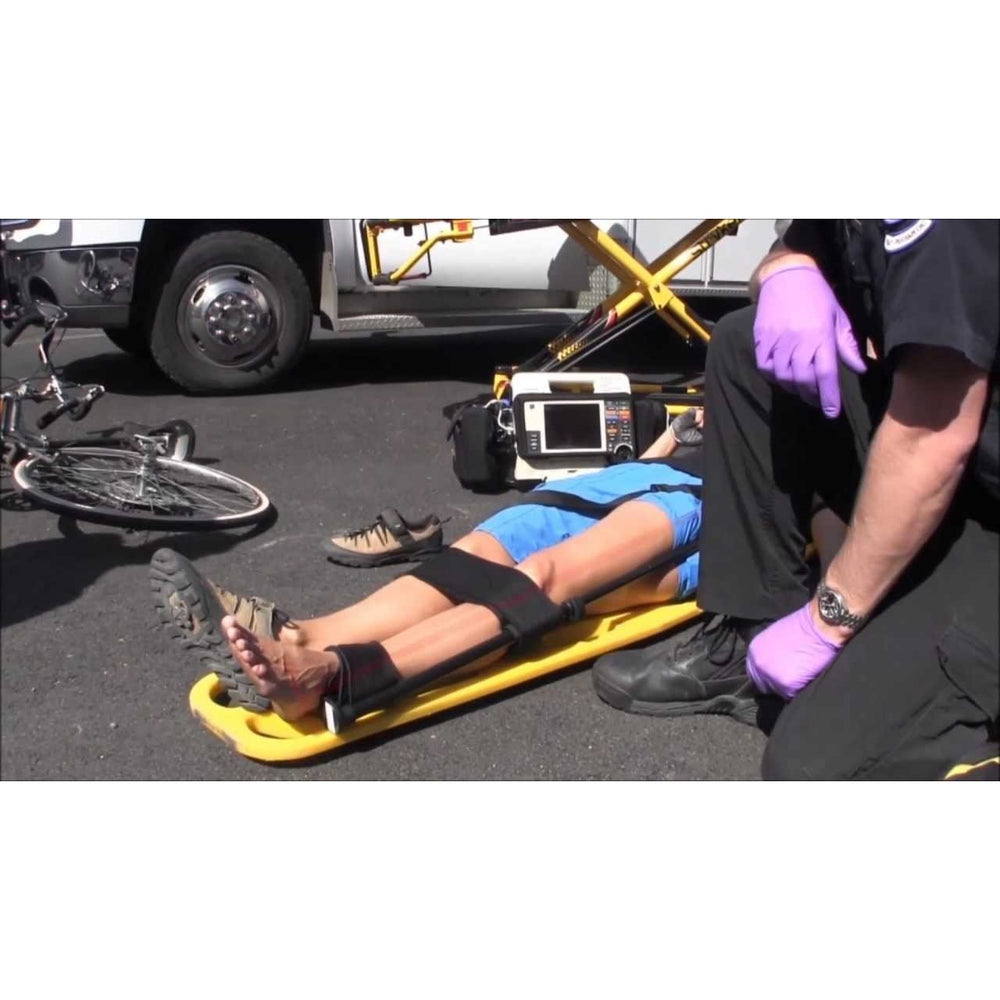
    In pre-hospital care, interventions are often time-critical and performed in confined or unpredictable environments. Equipment must support rapid bleeding control, airway management, and patient stabilisation while allowing responders to work efficiently during transport or scene management. The items in this collection are selected to support early intervention and continuity of care prior to hospital arrival.
    Who These Are Commonly Used By

    This equipment is commonly used by paramedics, ambulance officers, emergency medical technicians, and pre-hospital care providers operating in both metropolitan and regional settings.

    It is also relevant for training organisations, educators, and services responsible for equipping response vehicles, jump bags, and supplementary medical kits. Selection is typically guided by scope of practice, clinical guidelines, and operational requirements rather than convenience or appearance.

    What Matters When It Counts

    Pre-hospital medical equipment must support safe, efficient care delivery in high-pressure environments. When selecting equipment, clarity, reliability, and compatibility with clinical practice are critical.

    • Rapid deployment: Equipment should be easy to identify and use quickly during initial assessment.
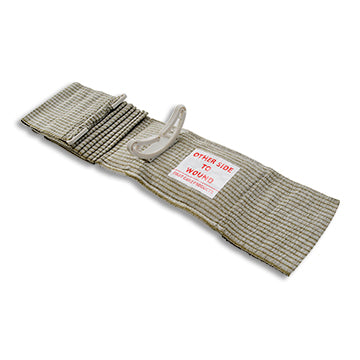
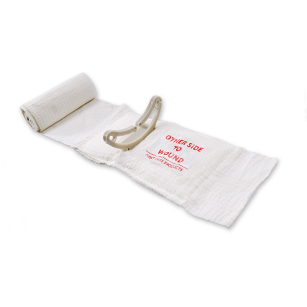
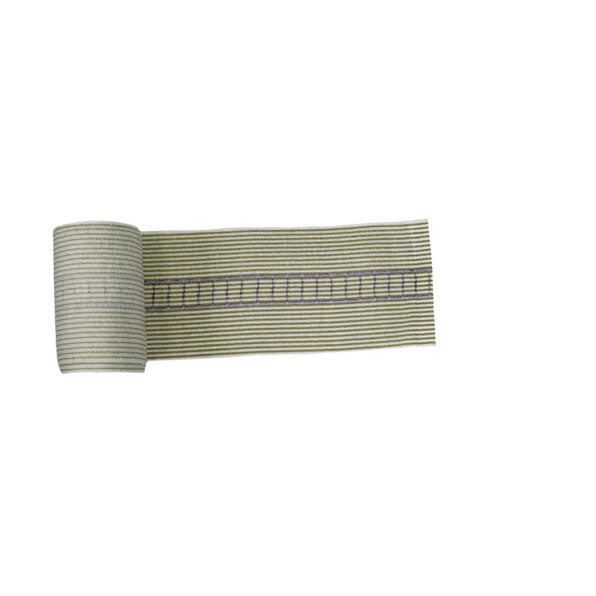
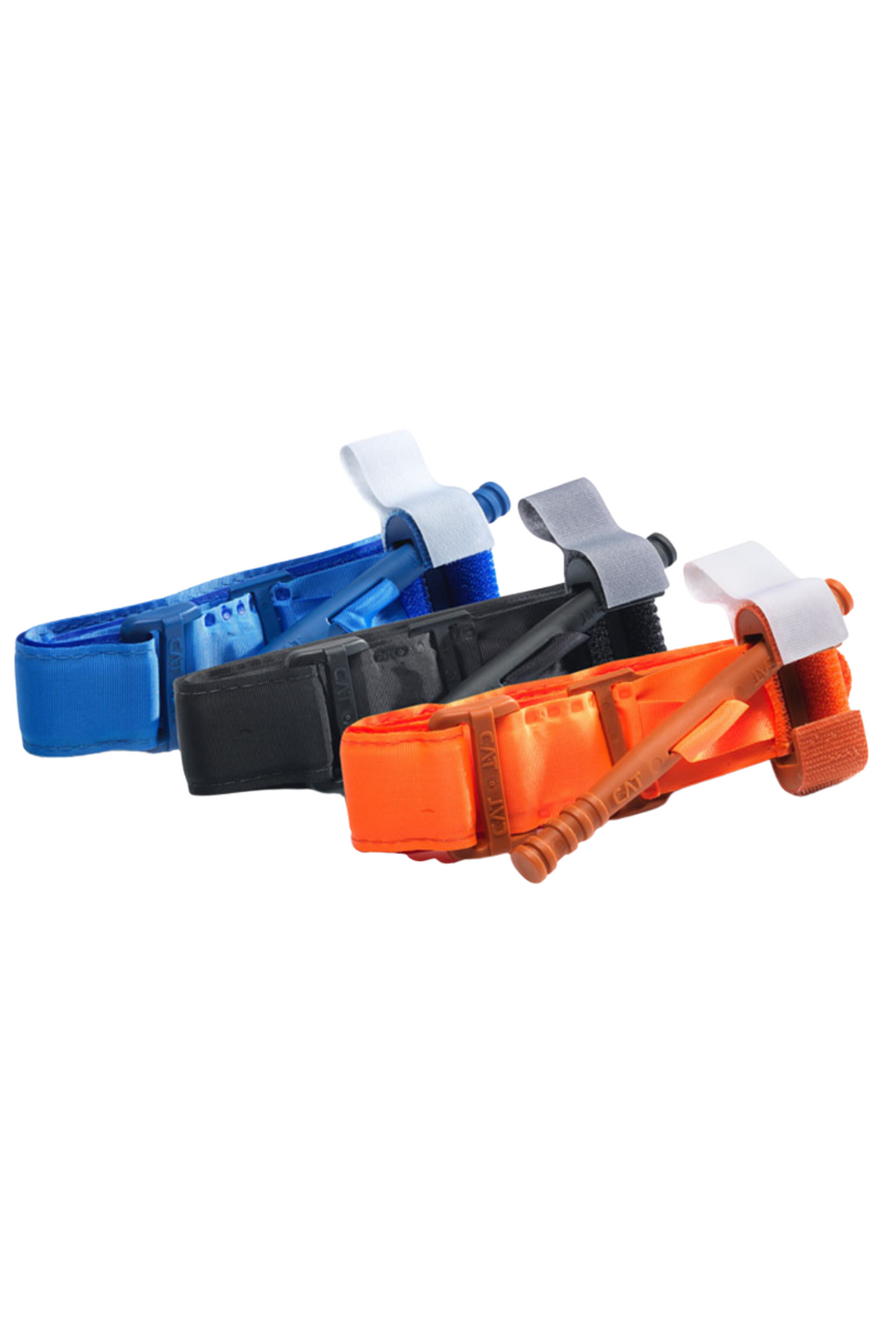
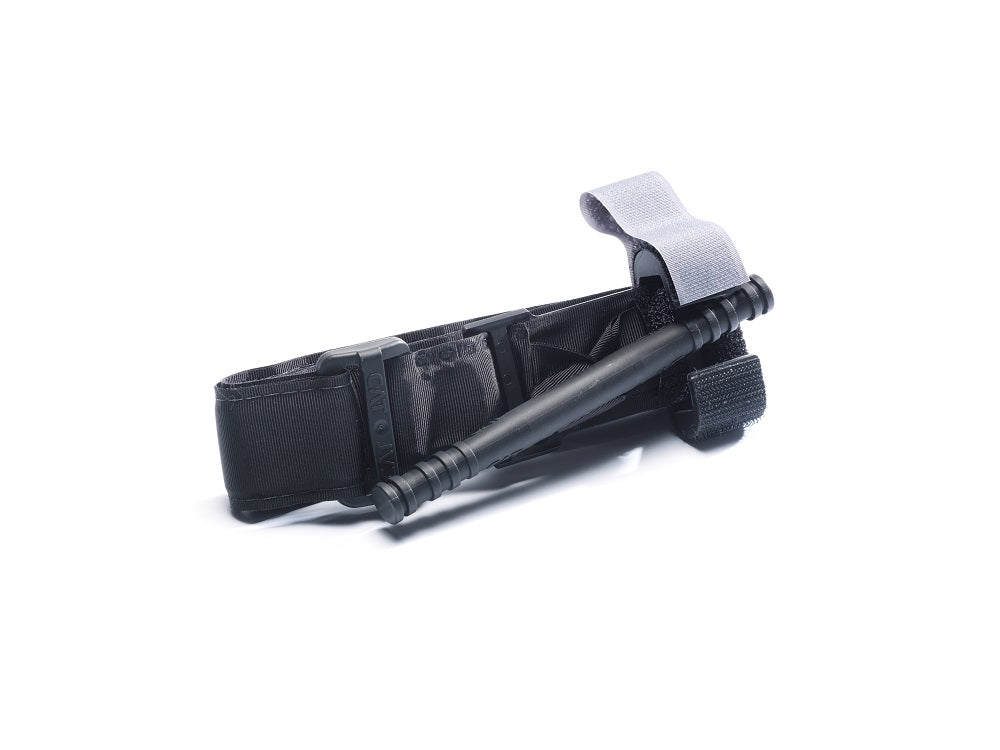
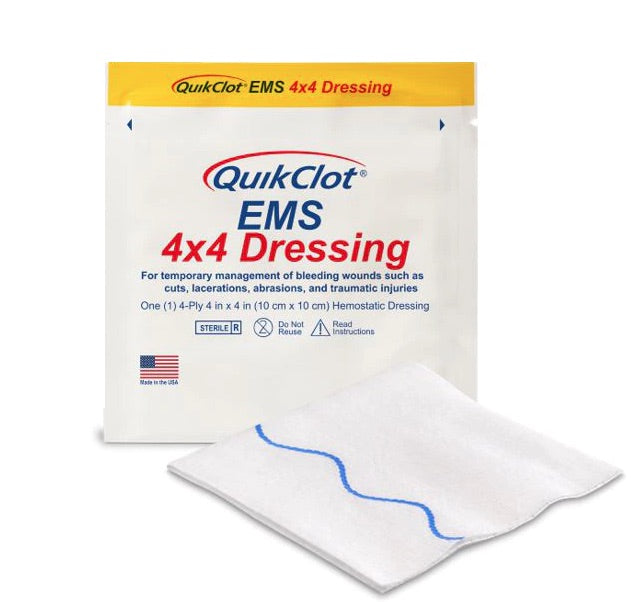
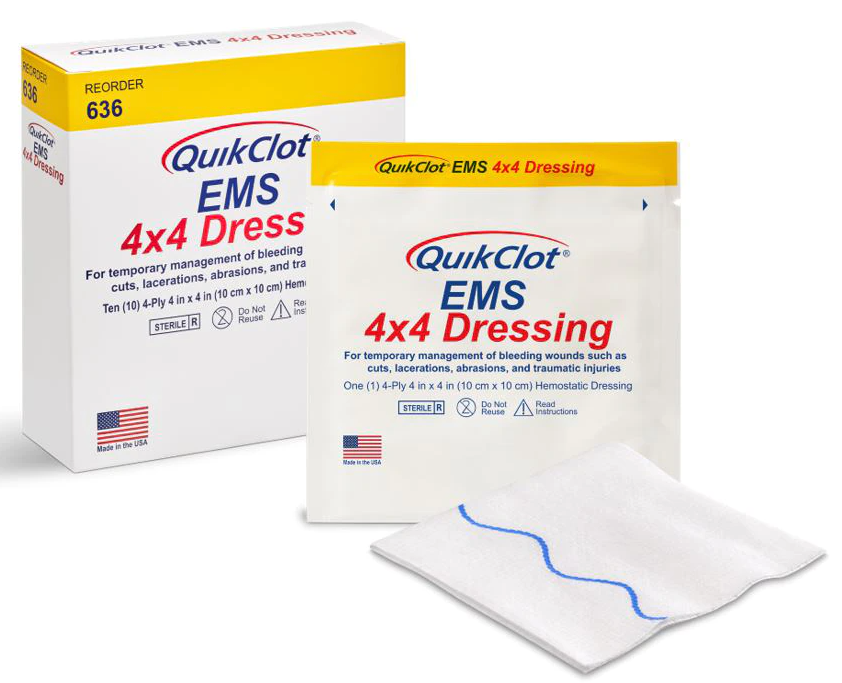
    • Bleeding control capability: Tourniquets, pressure bandages, and haemostatic options are essential.
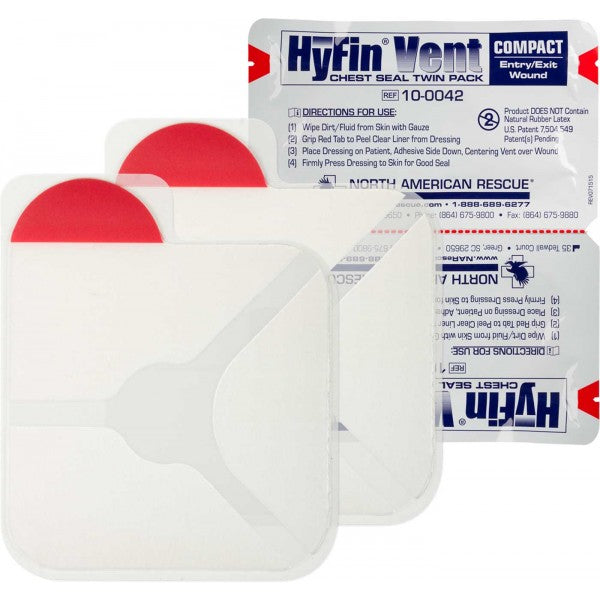
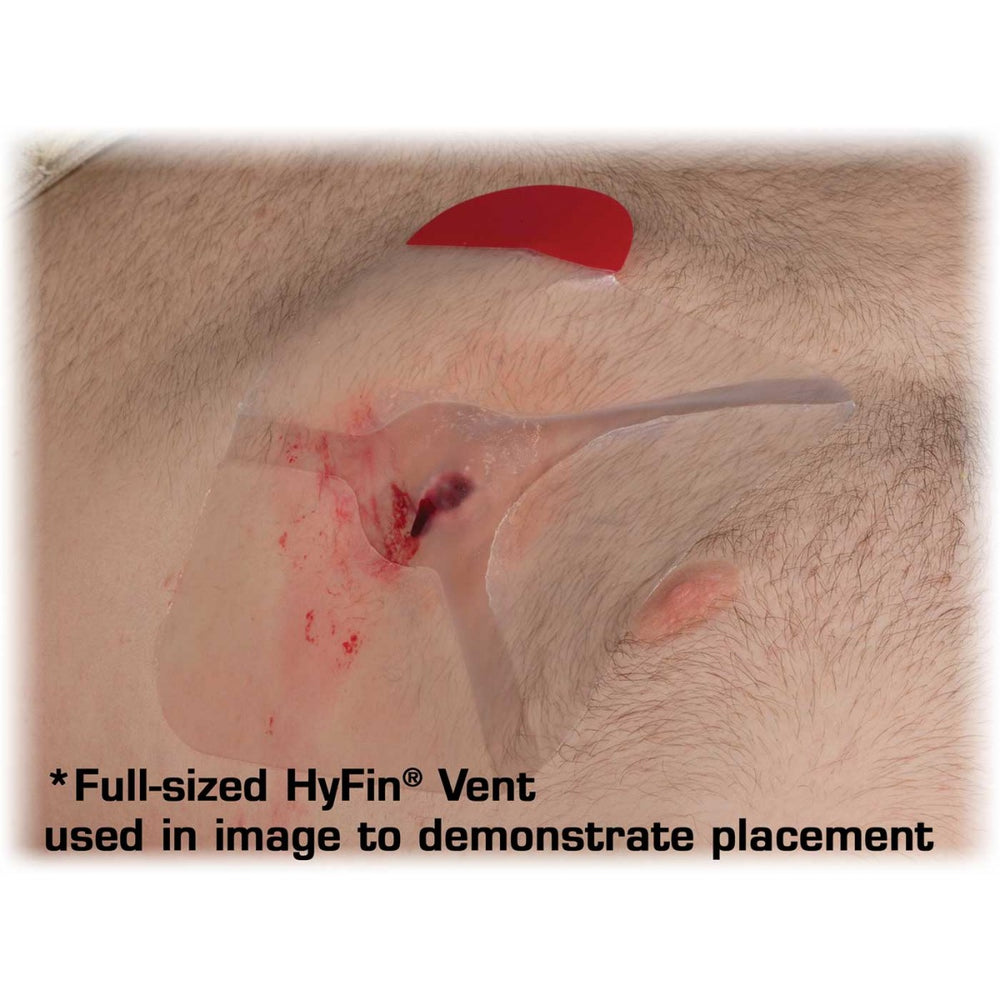
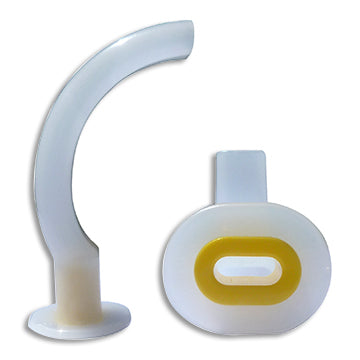
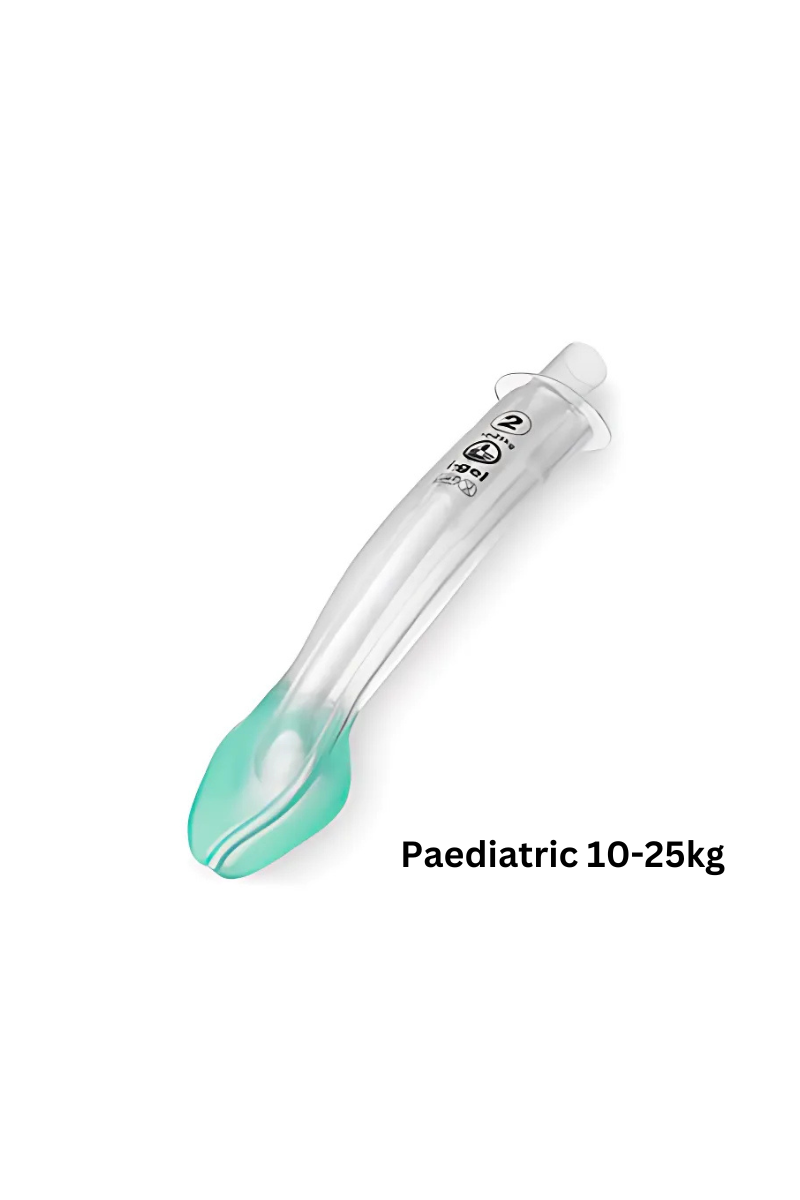
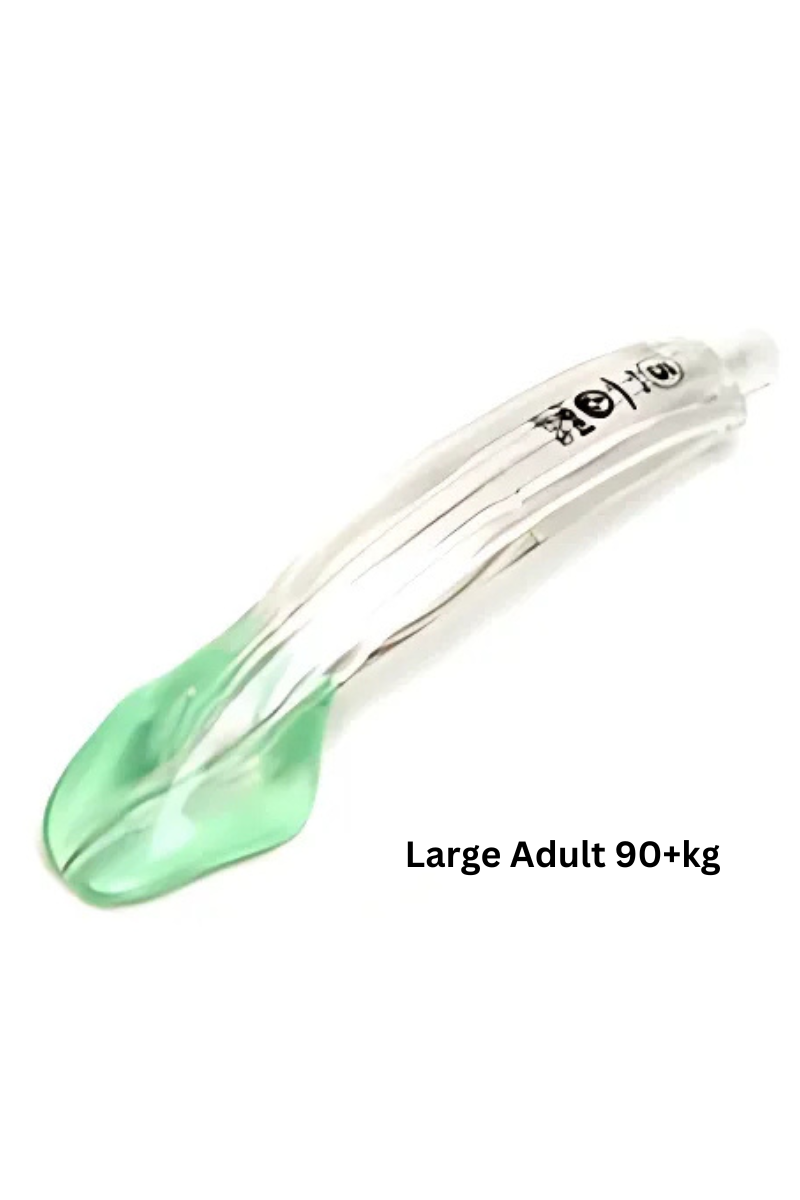
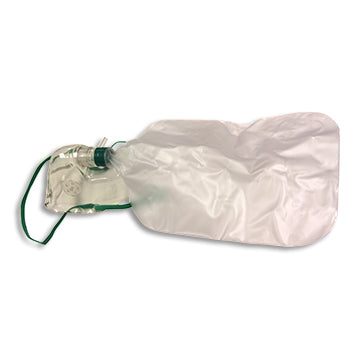
    • Airway and breathing support: Suitable components for managing airway compromise and chest injuries.
    • Durability: Packaging and materials must withstand frequent use and transport.
    • Clinical compatibility: Components should align with established pre-hospital training and protocols.

    Well-organised, familiar equipment supports faster decision-making and safer patient care in the field.

    Common Mistakes We See

    A common mistake is selecting equipment based on volume rather than relevance to pre-hospital care. Overfilled kits can slow access to critical items during patient assessment and treatment.

    We also see issues where equipment does not align with training or clinical guidelines, reducing confidence and effectiveness in real incidents. Another problem is poor organisation within kits, which increases cognitive load during time-critical interventions.

    Ambulance and paramedic equipment should be purposeful, clearly organised, and supported by regular training and review.

    Questions We Get Asked

    What medical equipment do paramedics commonly use?

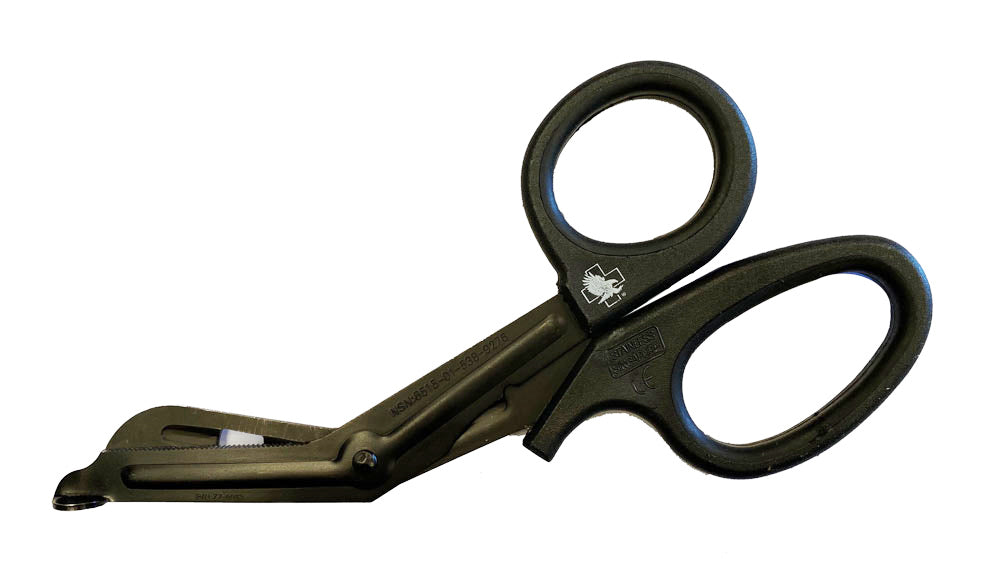
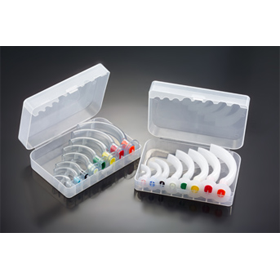
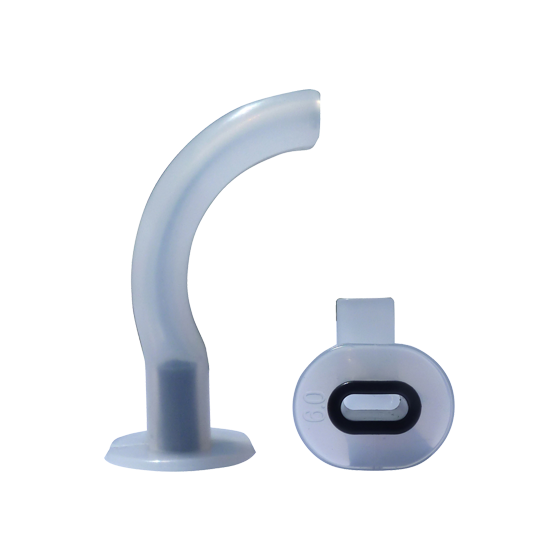
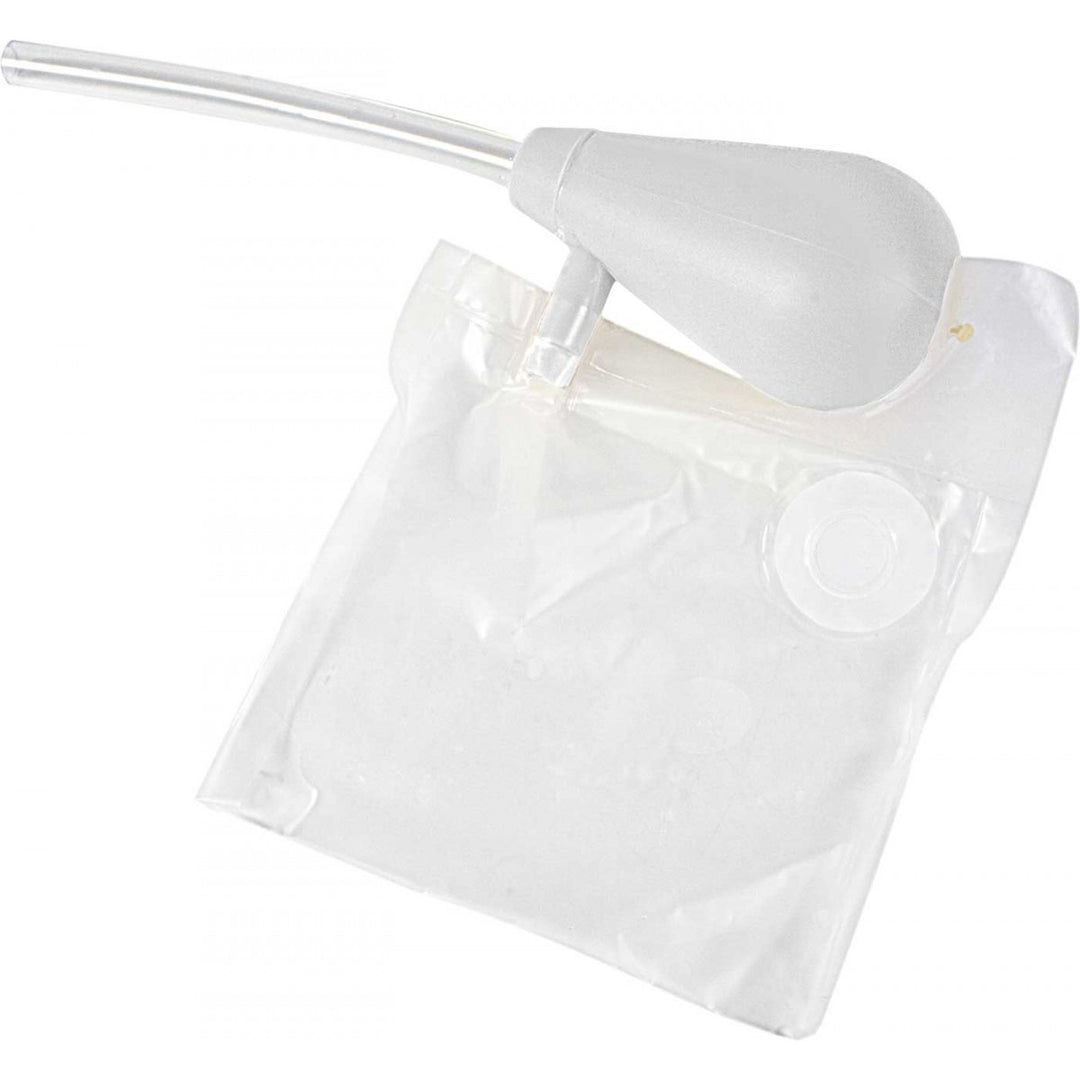
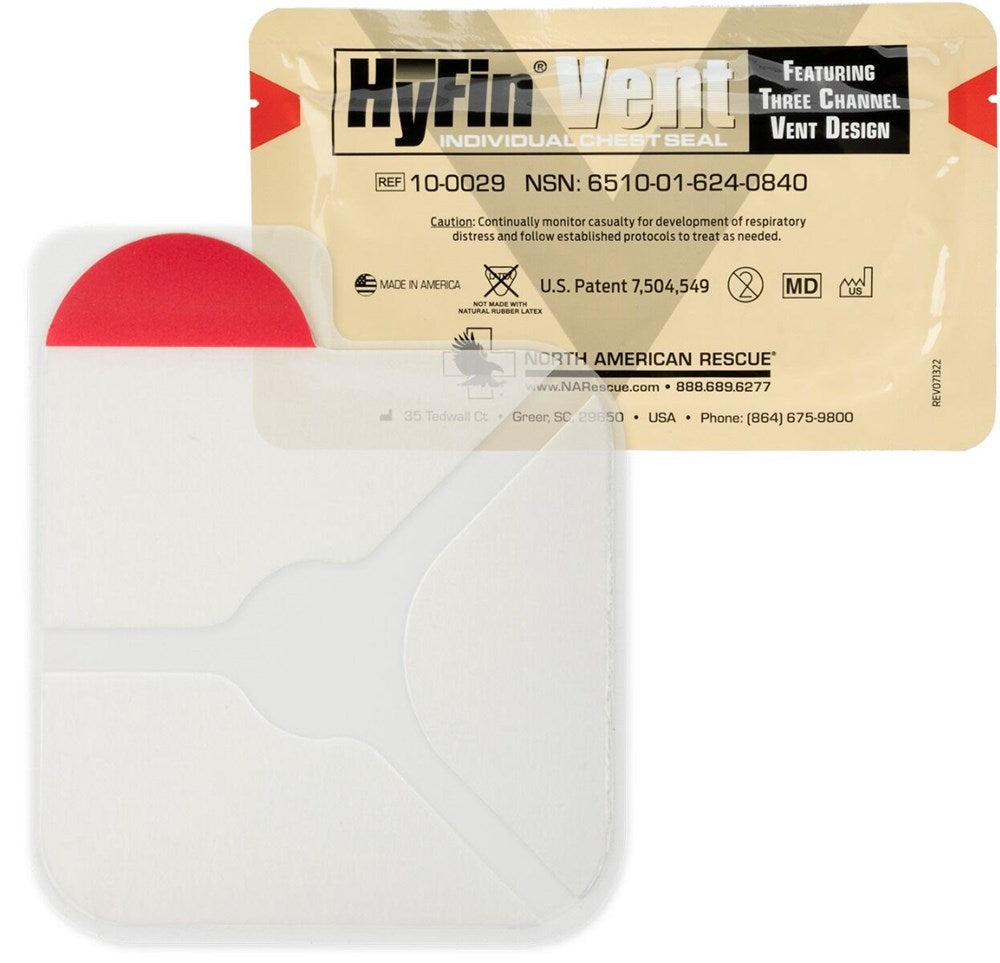
    Common equipment includes trauma kits, bleeding control supplies, airway adjuncts, chest seals, pressure bandages, and consumable medical supplies.

    Is this equipment suitable for ambulance jump bags?

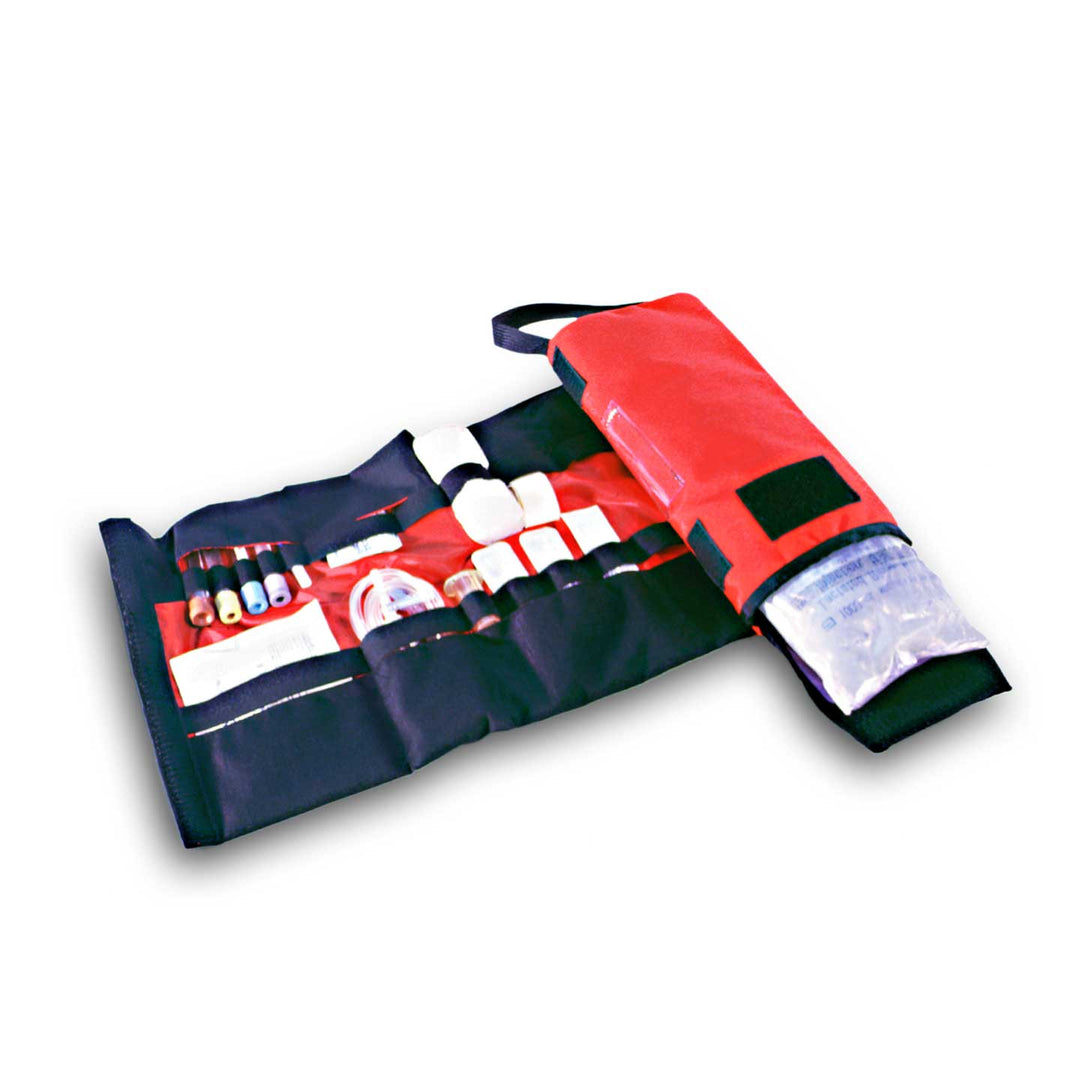
    Yes. Many items in this collection are suitable for use in jump bags, response packs, and supplementary vehicle kits.

    Do ambulance services use trauma kits?

    Yes. Trauma kits are routinely used to manage serious injuries and support early stabilisation in pre-hospital settings.

    Is this equipment suitable for training and education?

    Many components are used in training environments to support skill development and scenario-based learning.

    Does this equipment replace clinical training?

    No. Equipment supports care delivery, but effective use depends on appropriate training and adherence to clinical guidelines.

    Is this equipment legal to purchase in Australia?

    Yes. Medical equipment such as trauma and bleeding control components are legal to purchase and use in Australia.

    Can this equipment be used outside ambulance services?

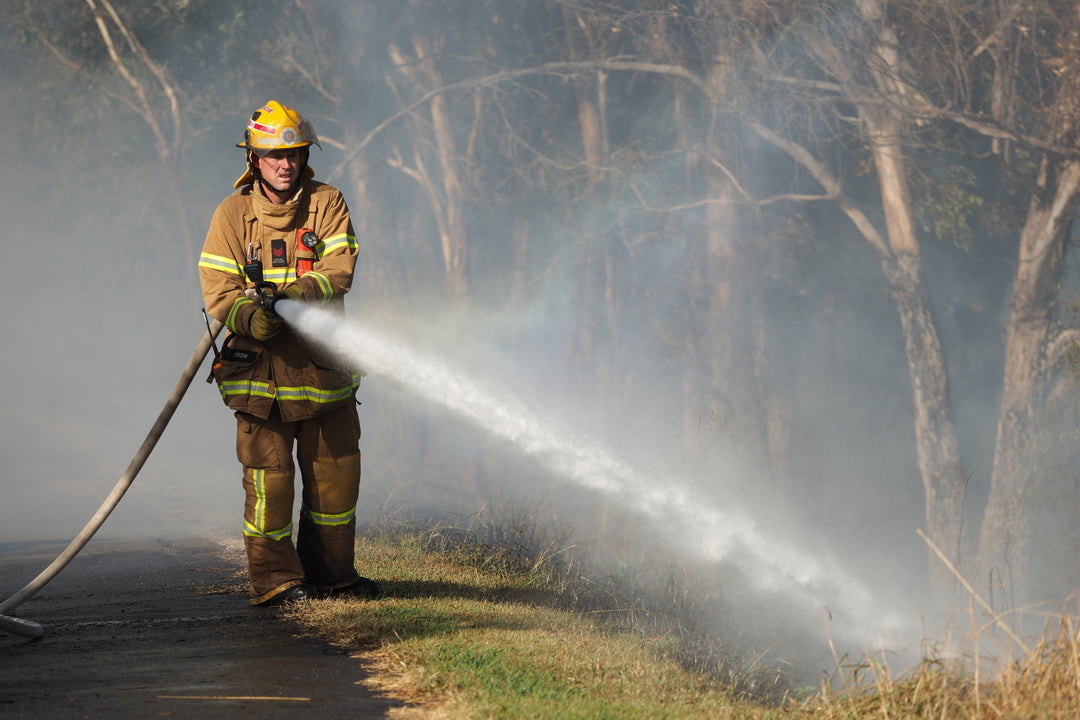
    Yes. Many components are also used by other emergency services and trained responders in high-risk or remote environments.