What medical equipment do police commonly carry?
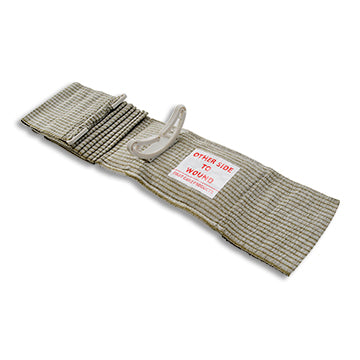
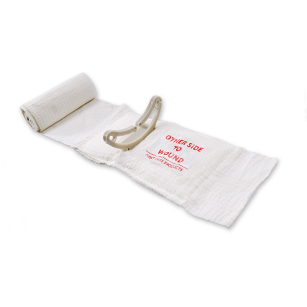
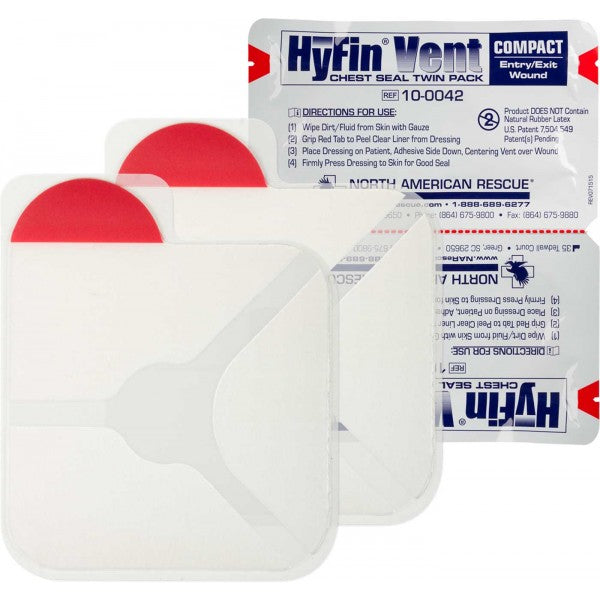
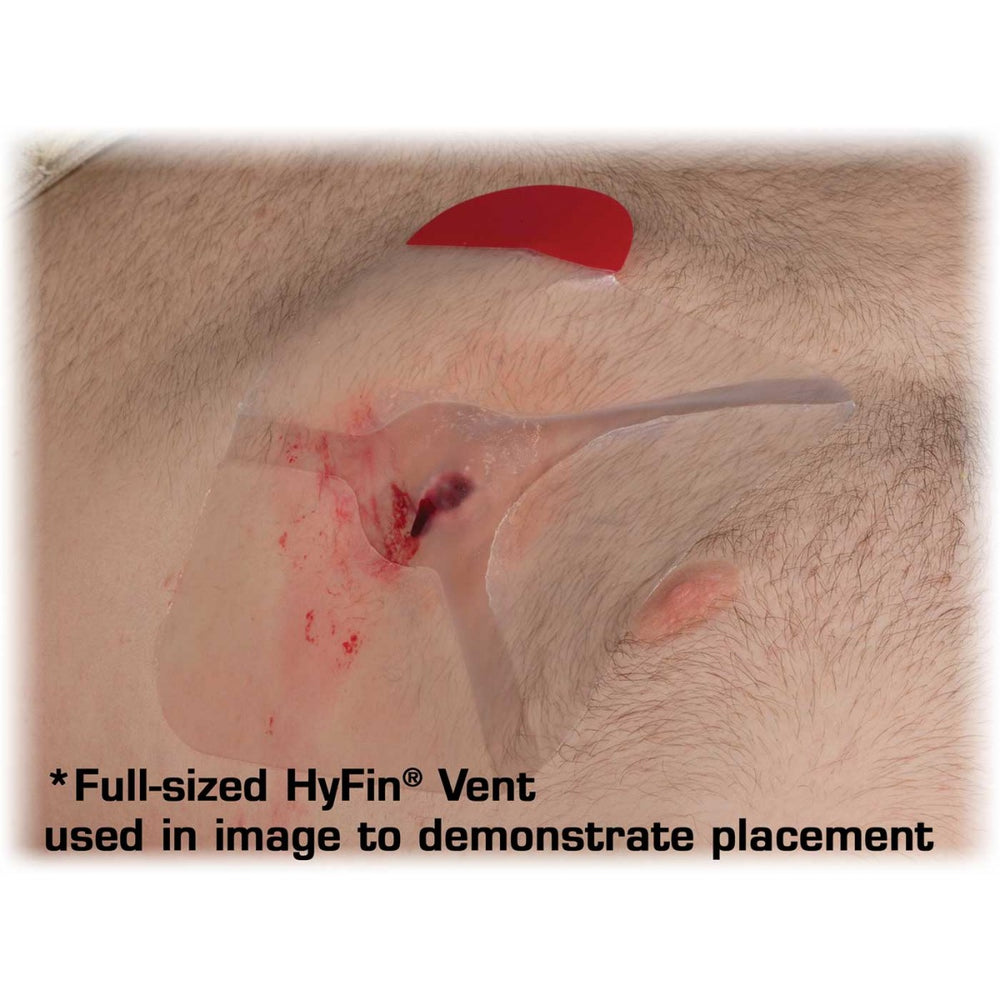
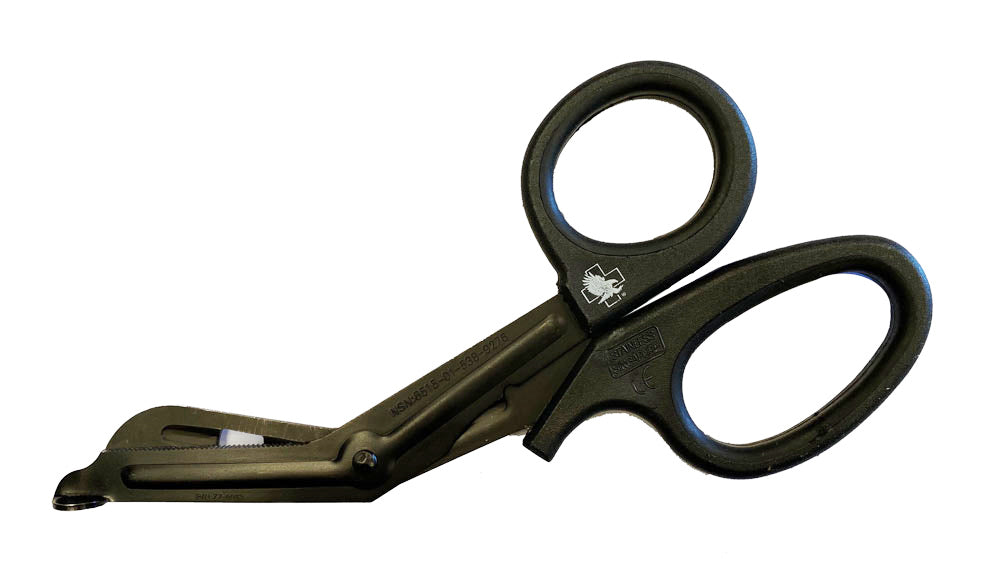
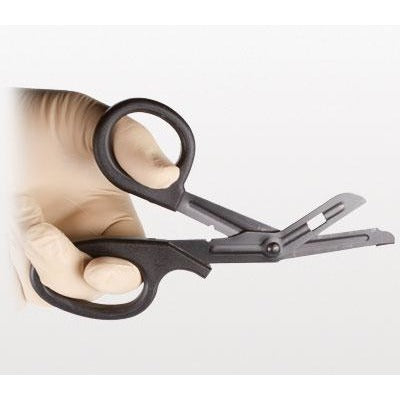
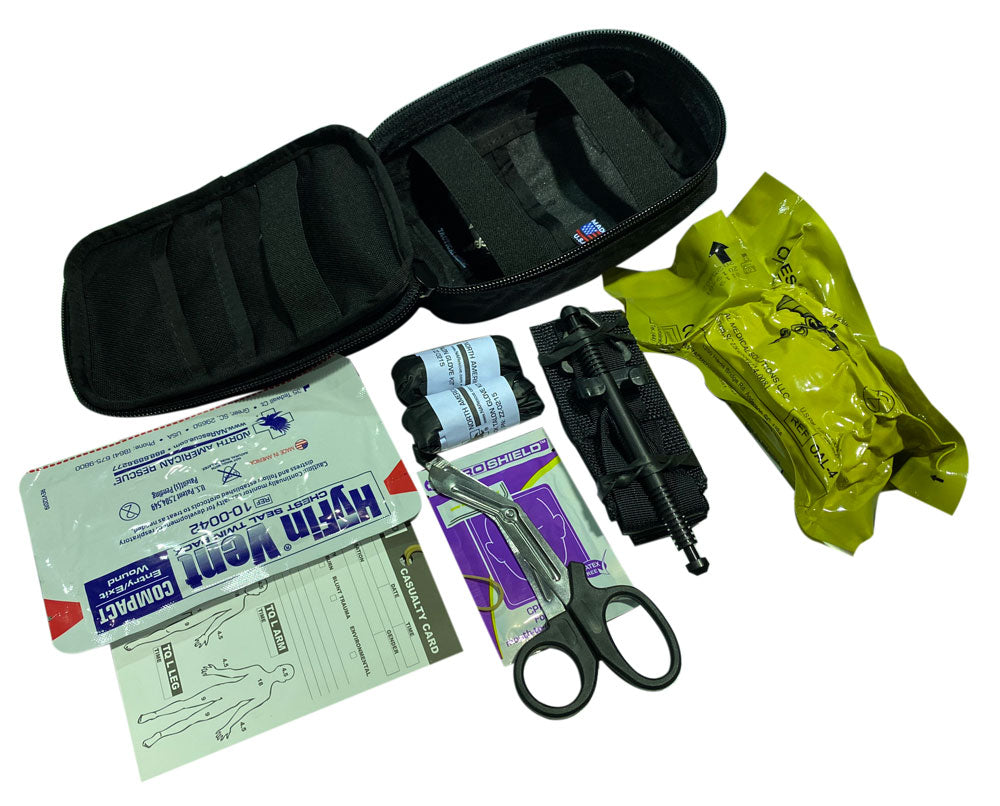
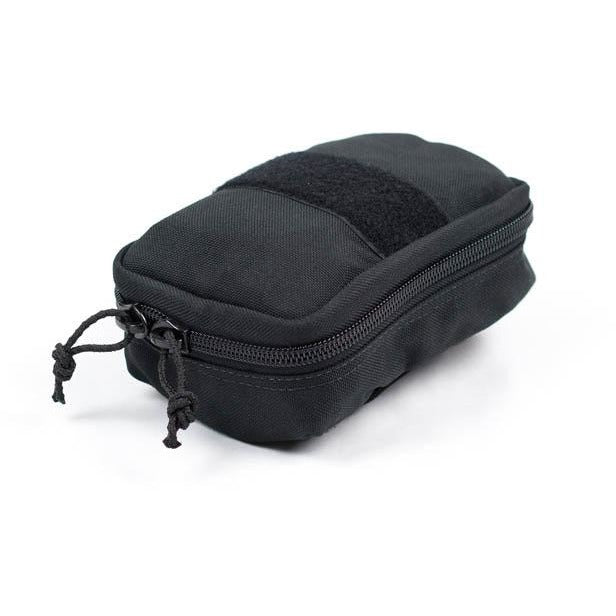
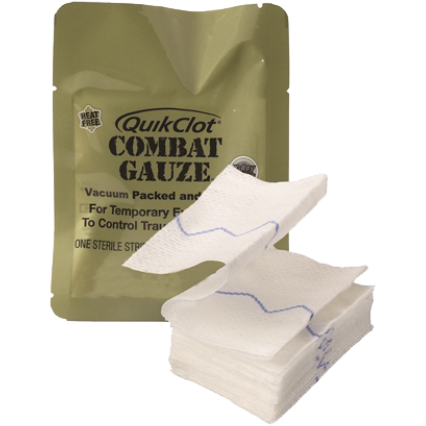
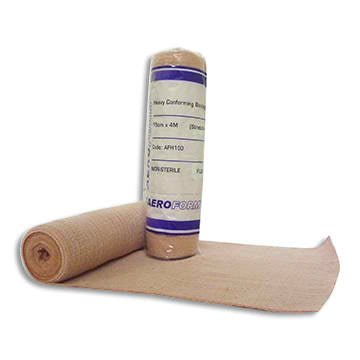
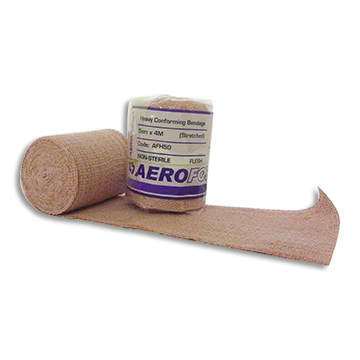
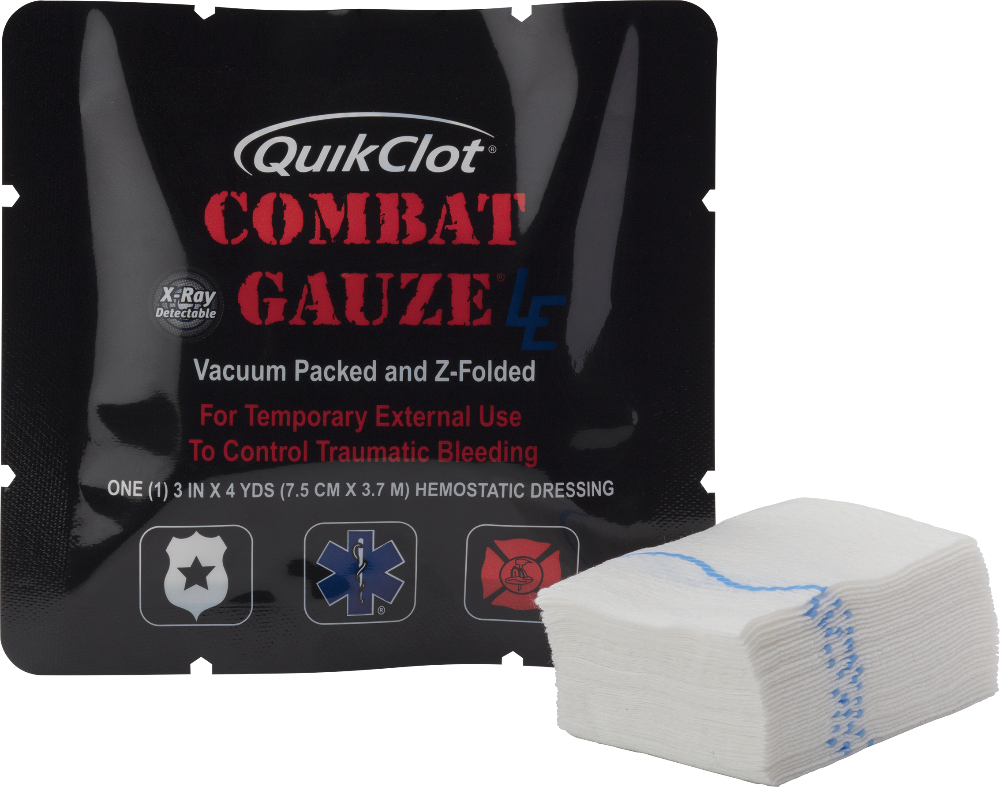
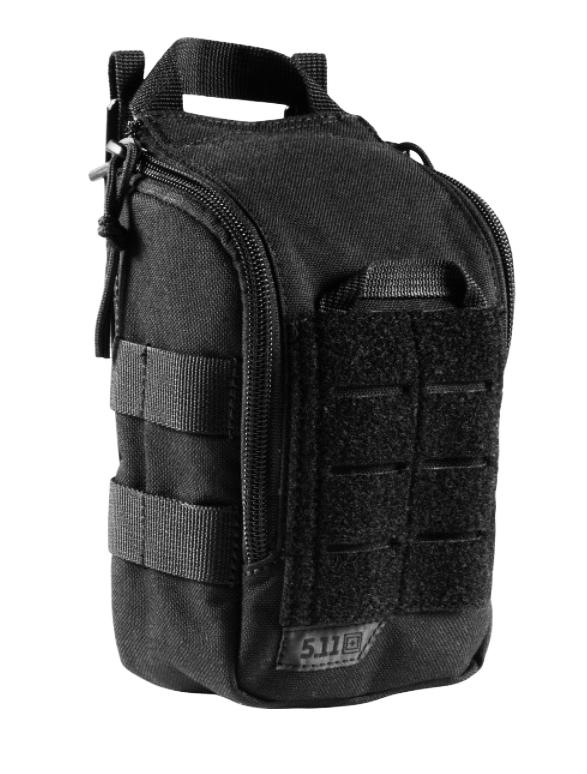
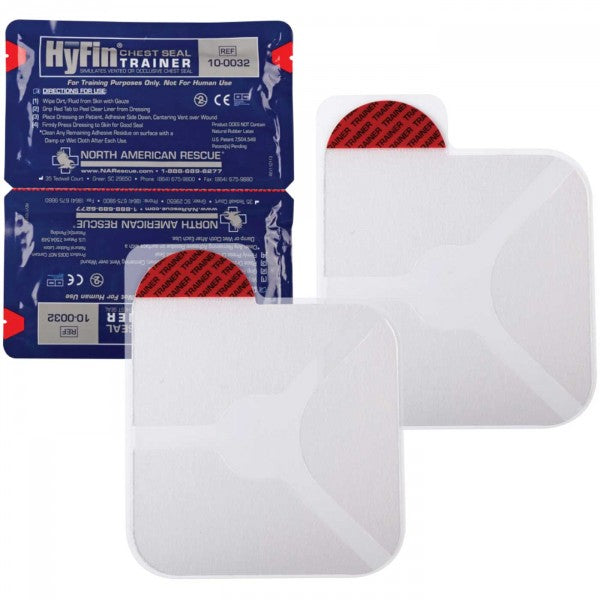
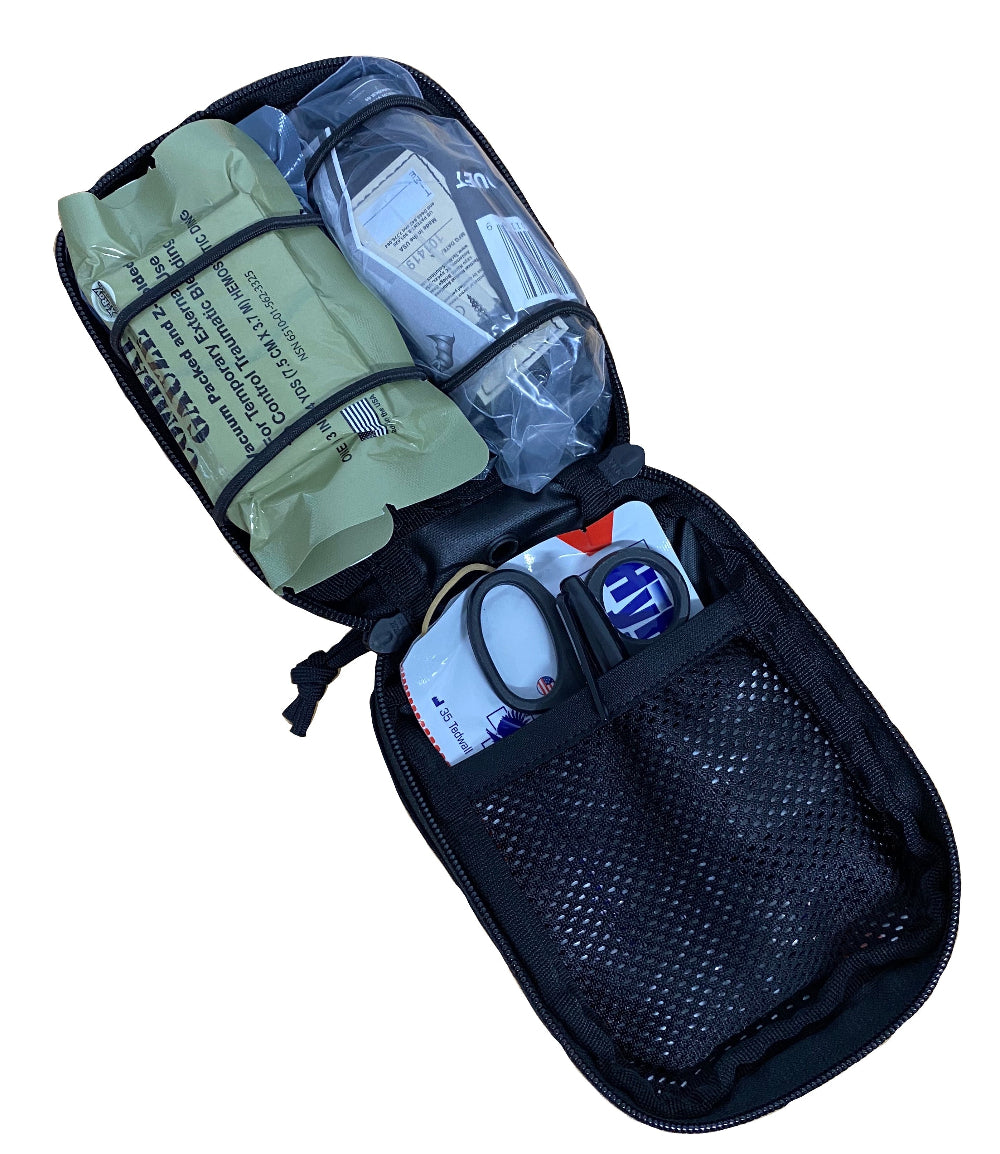
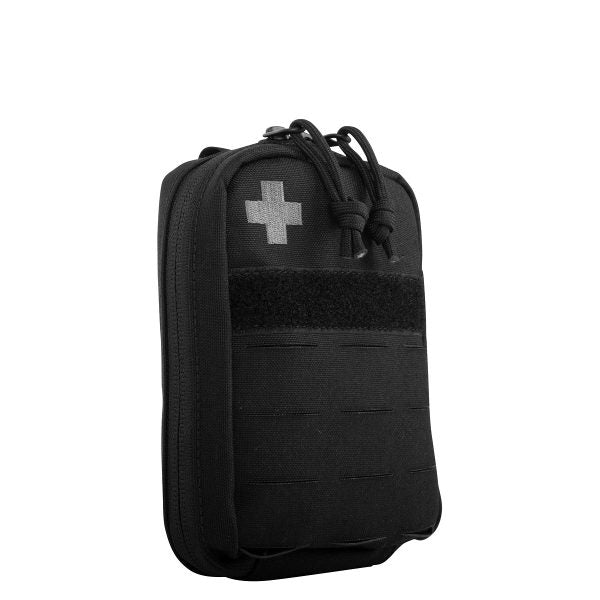
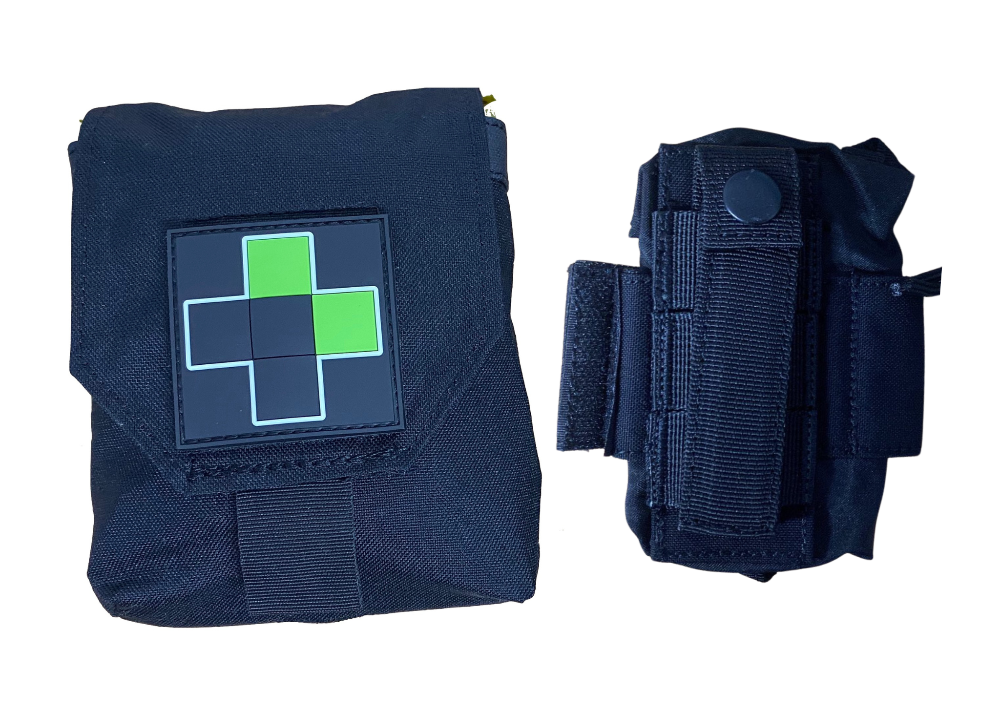
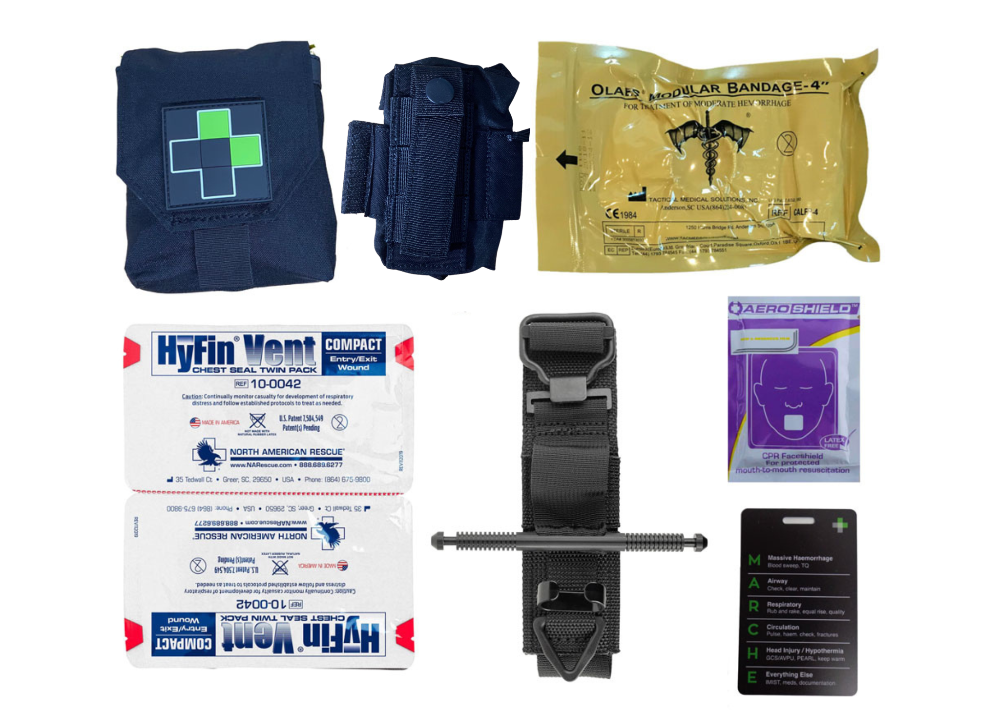
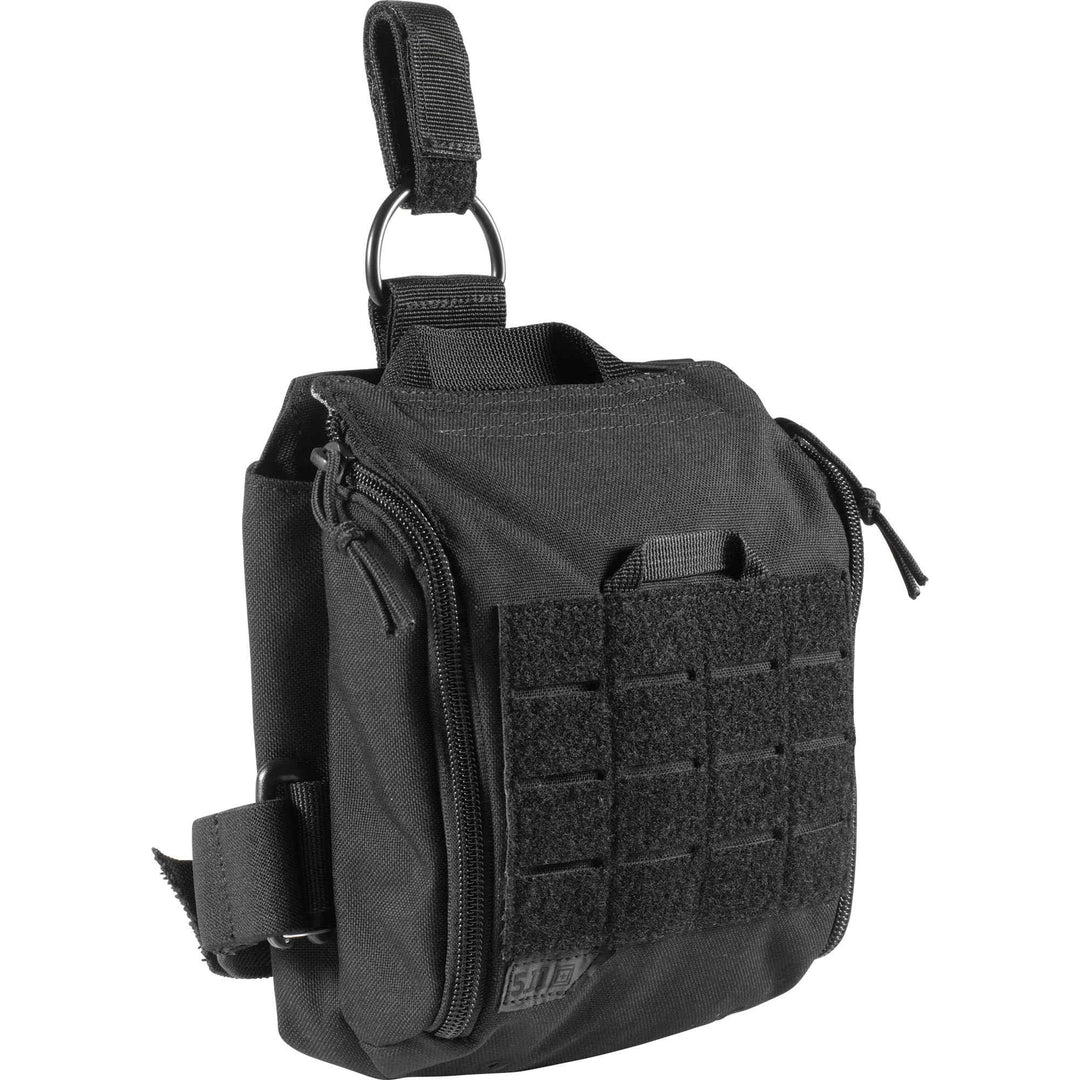
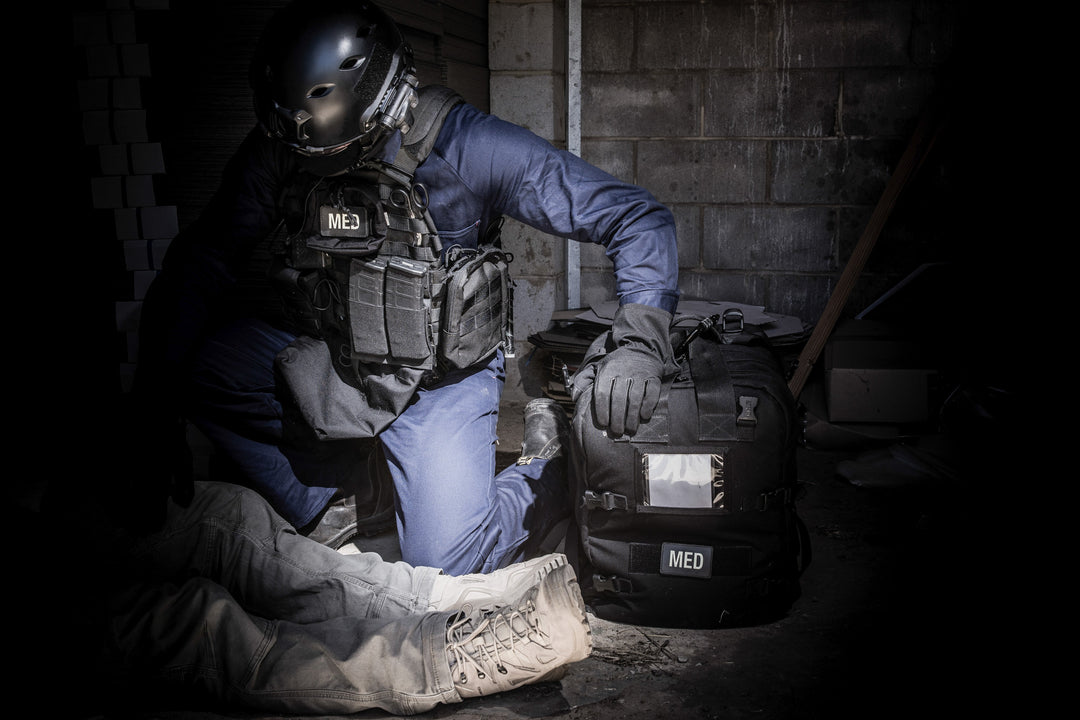
Most frontline officers carry a tourniquet, nitrile gloves, and a pressure dressing as a minimum — staged on the duty belt or vest for immediate access. A more complete kit adds trauma shears, a chest seal, and a compact IFAK pouch. The specific configuration depends on unit policy and training protocol. See the IFAK kits collection for configured police duty options.
What is the best tourniquet for police duty carry?
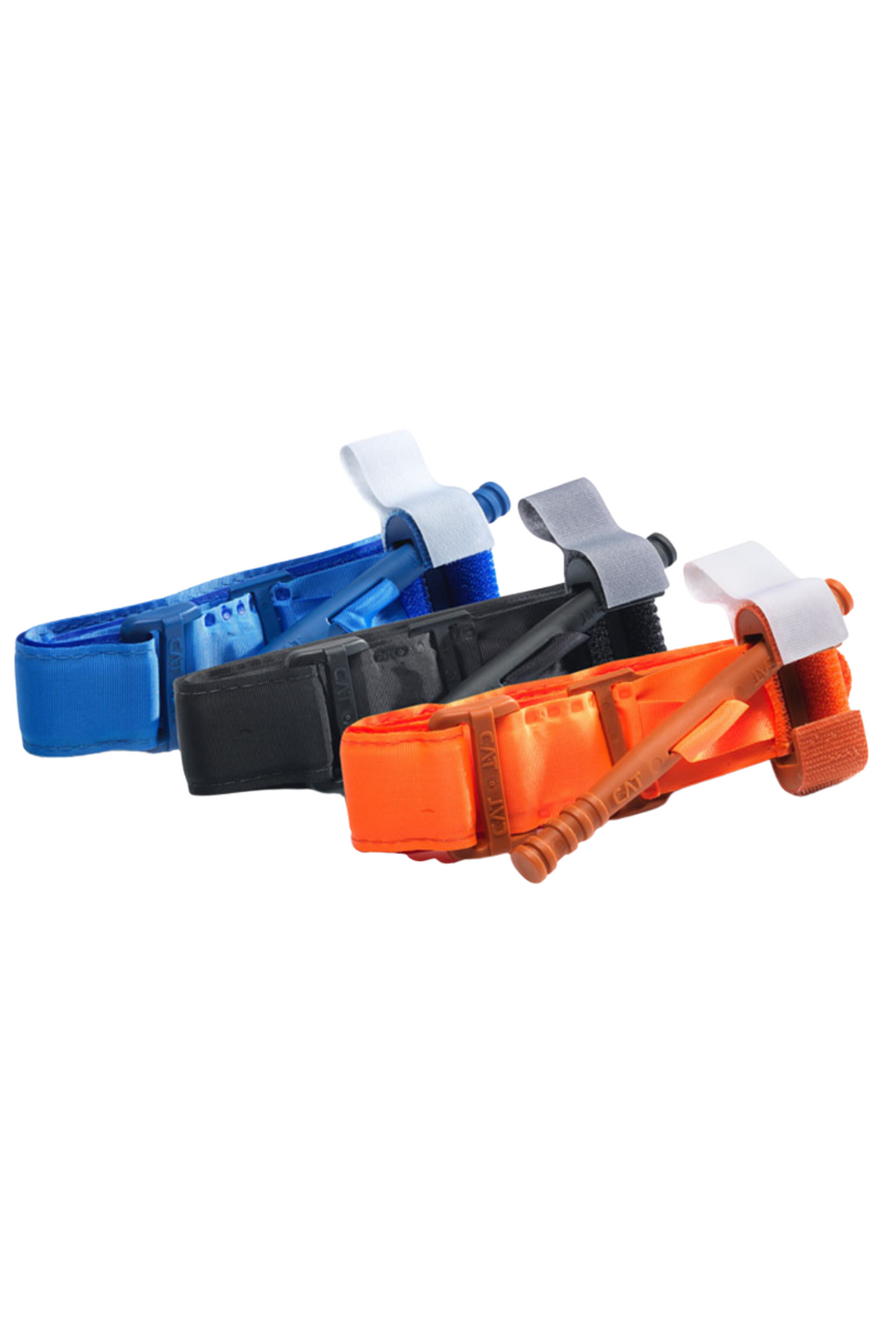
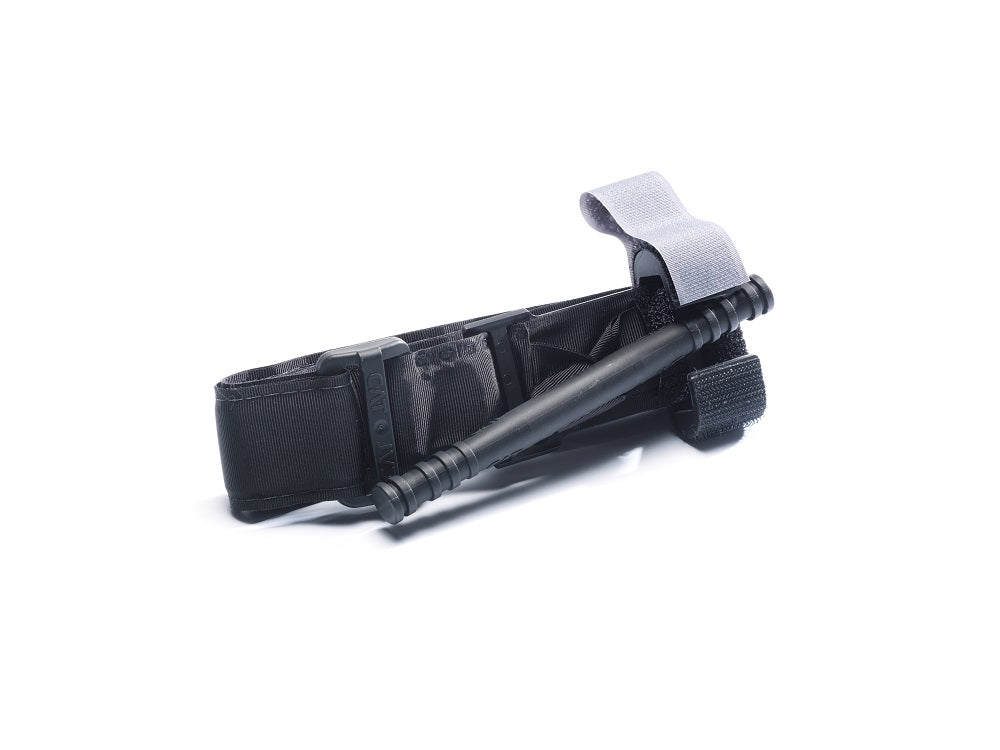
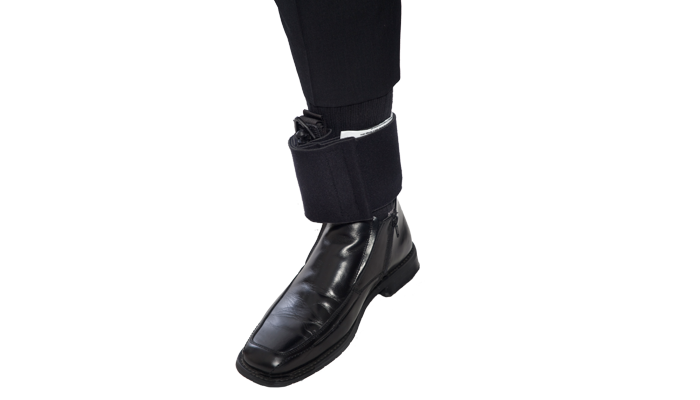
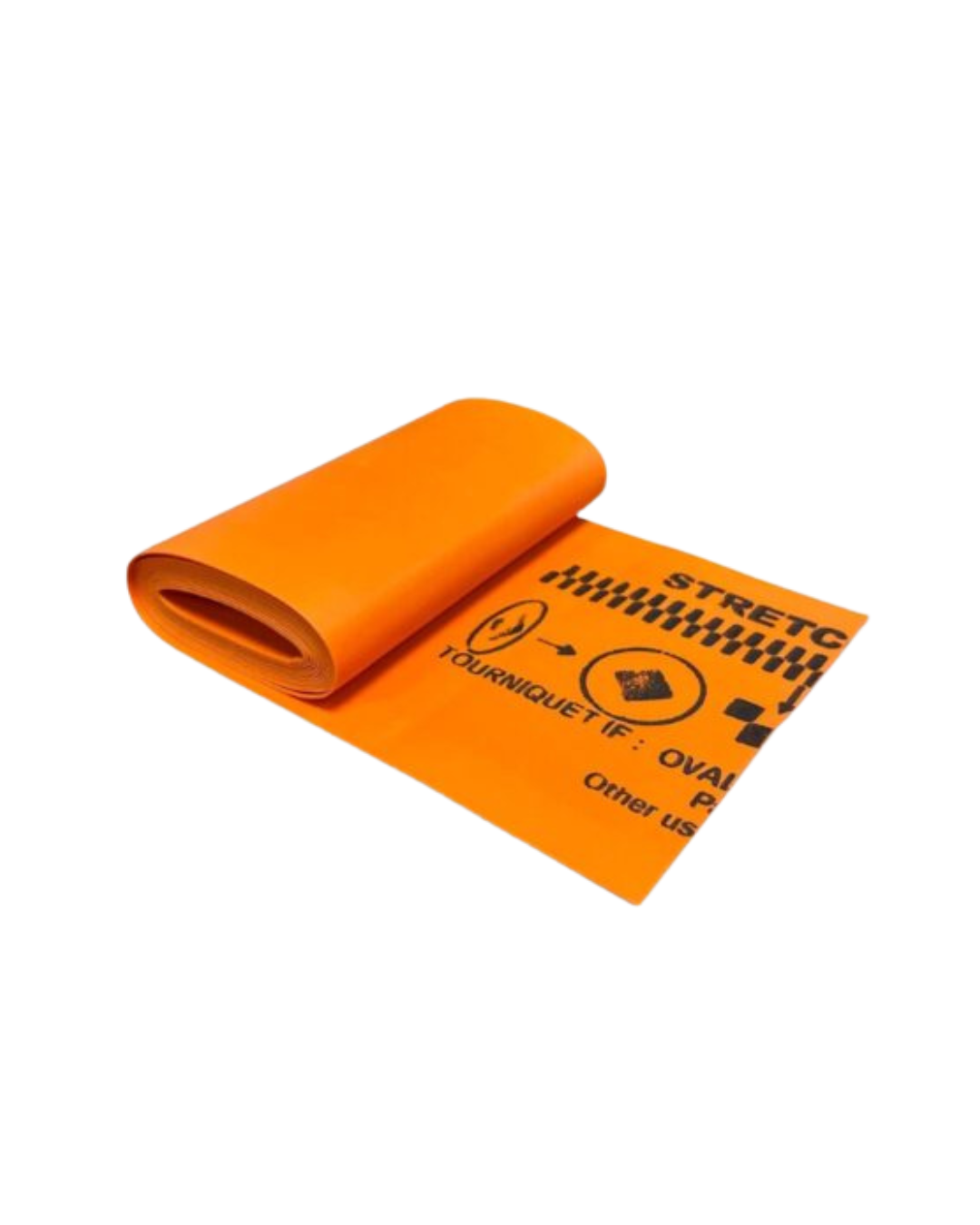
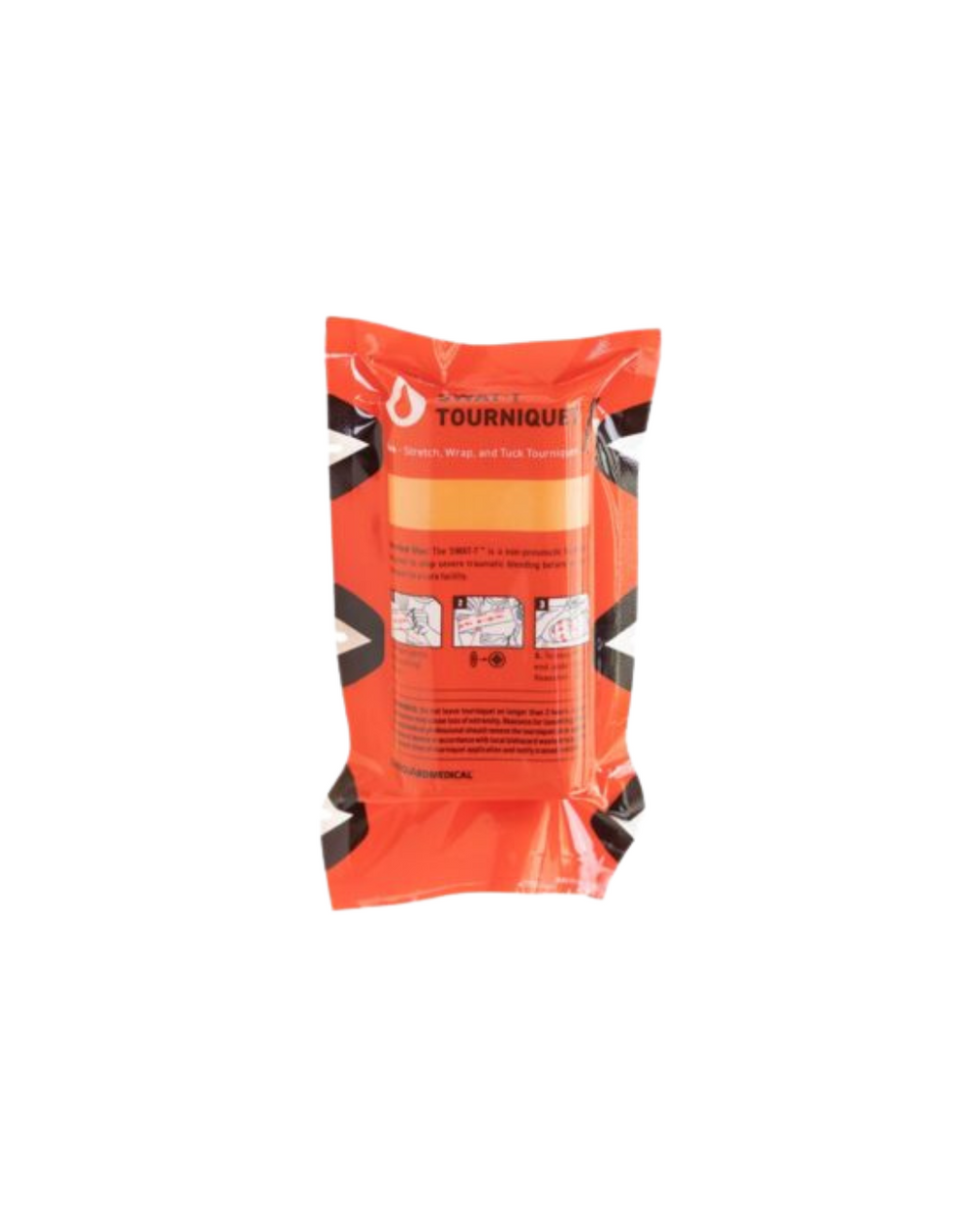
The CAT Gen 7 is the most widely carried tourniquet in law enforcement globally — compatible with all standard duty belt holders and one-handed applicable. The SWAT-T is a popular alternative for plainclothes and concealed carry due to its slim, flat profile. Match choice to your unit's training protocol. See the tourniquet collection for a full comparison.
What tourniquet holder works best on a police duty belt?
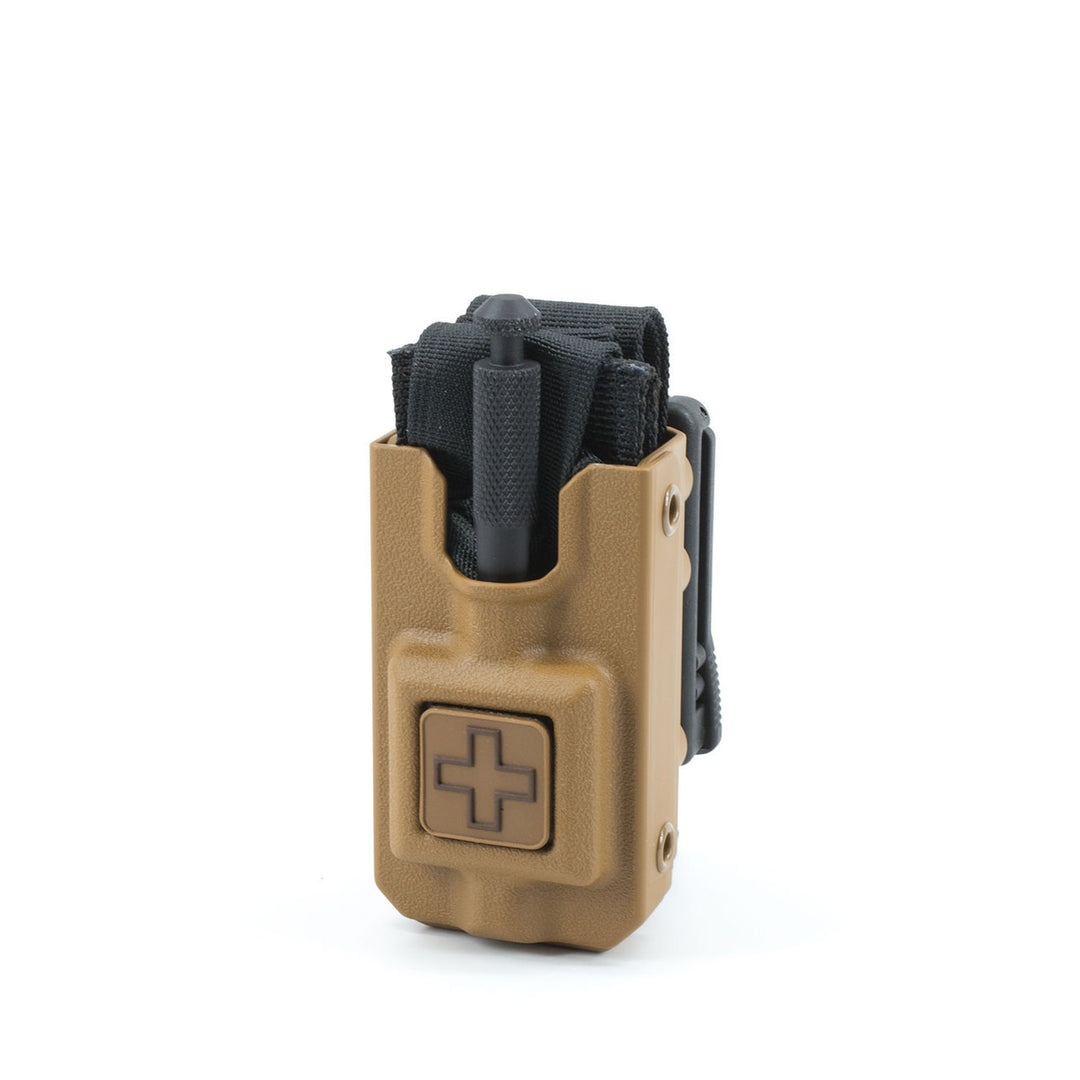
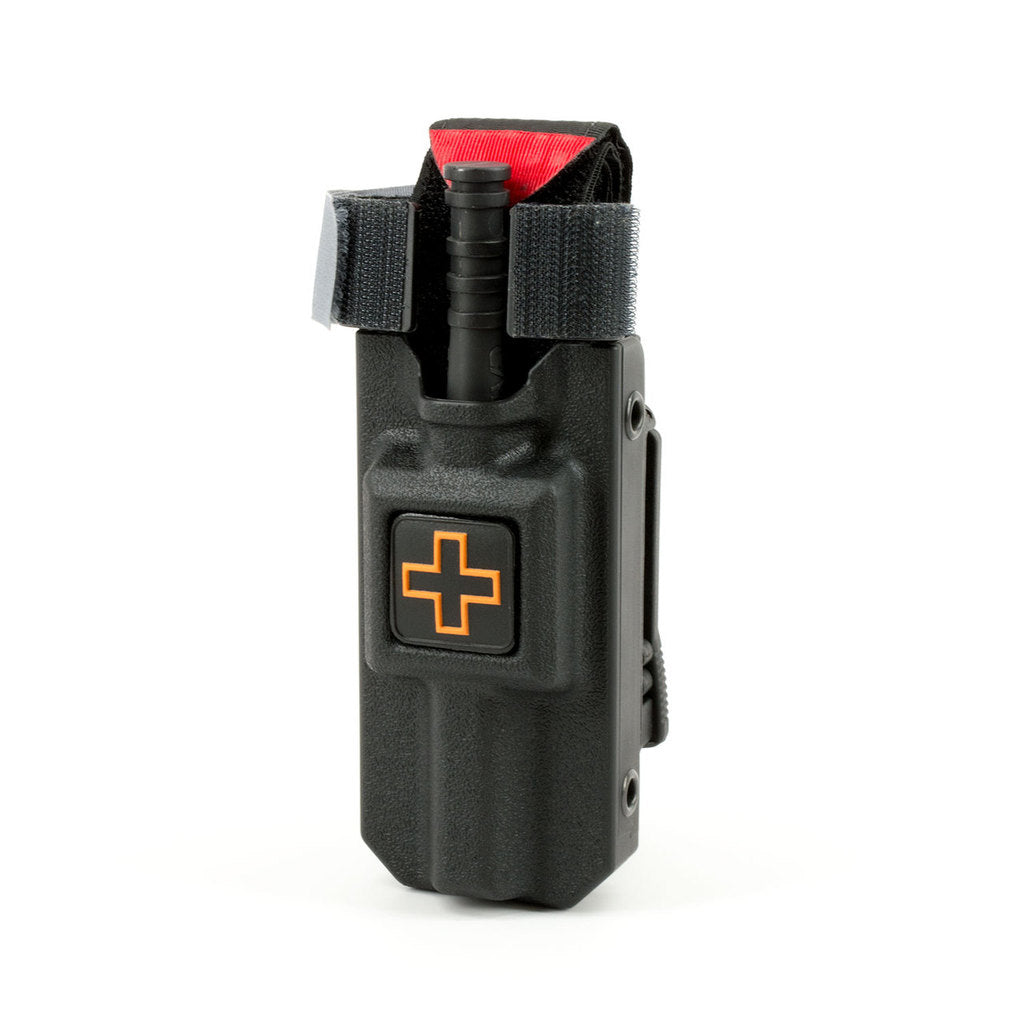
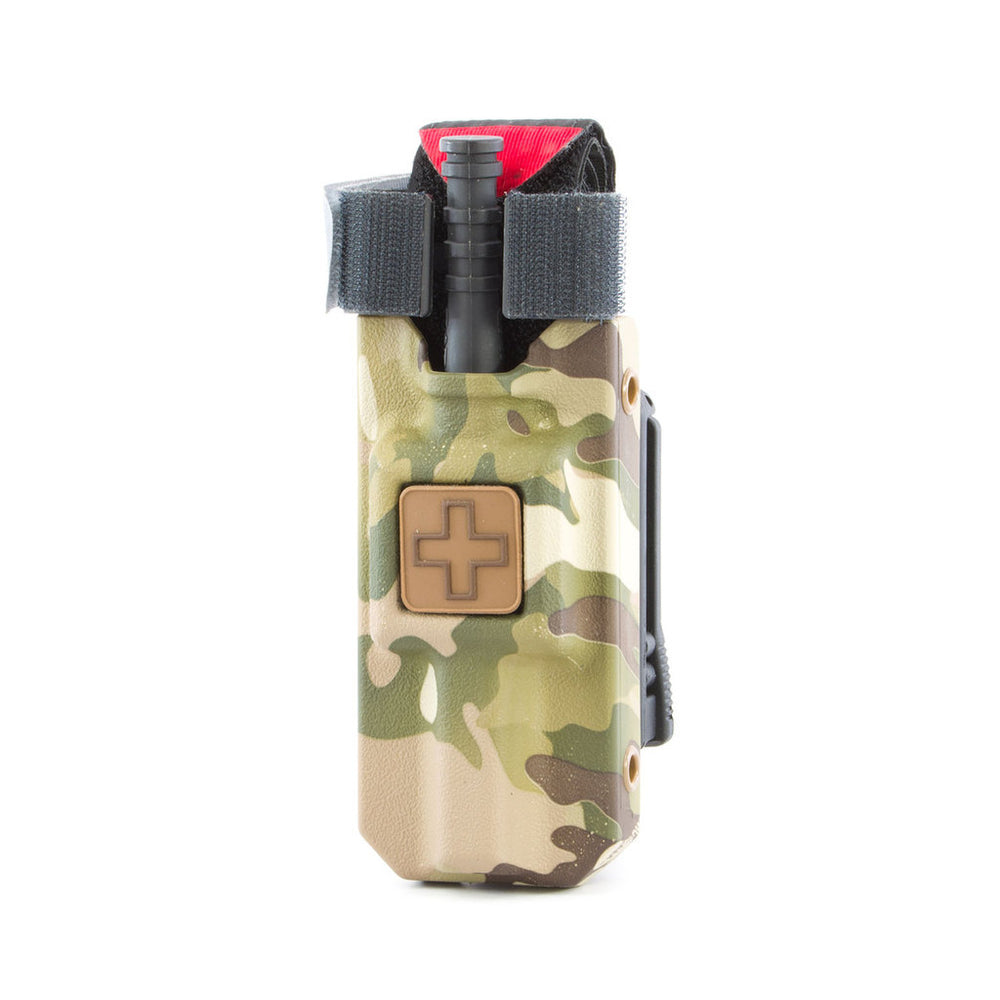
Eleven 10 tourniquet holders are widely used in Australian law enforcement for their secure retention and one-handed deployment. Horizontal holders maintain a lower profile than vertical pouches — preferred when duty belt space is limited. See the tourniquet pouches and holders collection for all belt-compatible options.
Are officers expected to provide medical care?
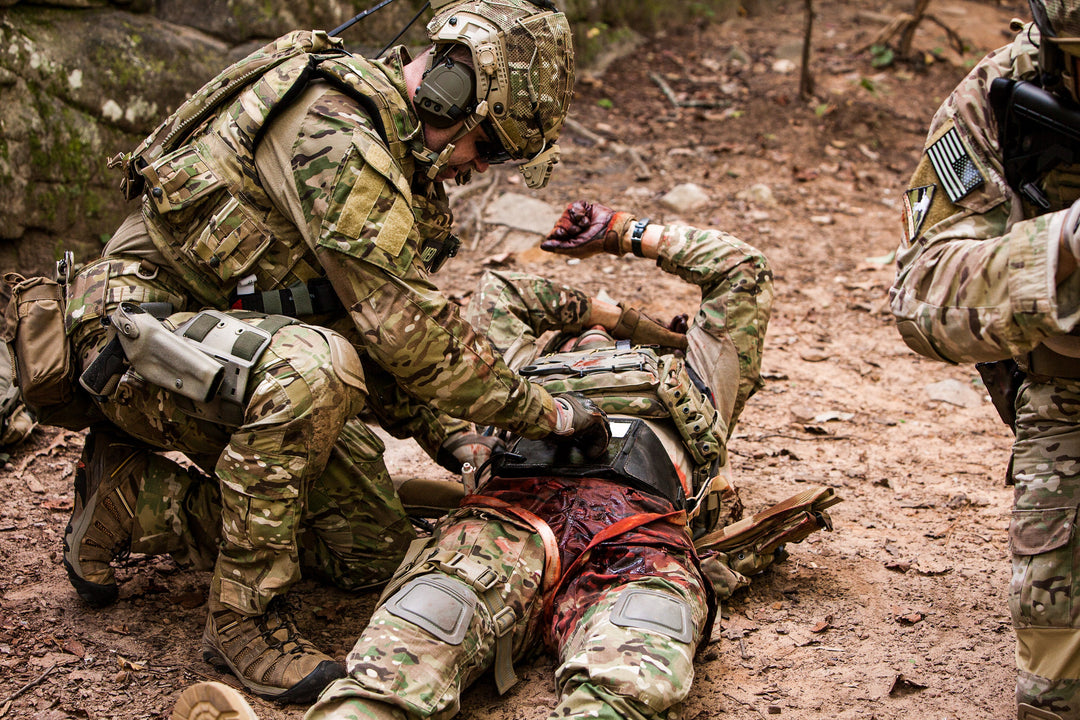
Officers are frequently first on scene and may need to provide immediate care — particularly bleeding control — before paramedics arrive. Having staged, accessible equipment and regular training significantly improves outcomes in these situations.
Do law enforcement agencies use IFAKs?
Yes. Individual First Aid Kits are increasingly issued or personally carried by officers for self-aid and buddy aid. Configuration varies by agency and role. See the IFAK kits collection for duty-specific options.
Does TacMed supply police services and government agencies?
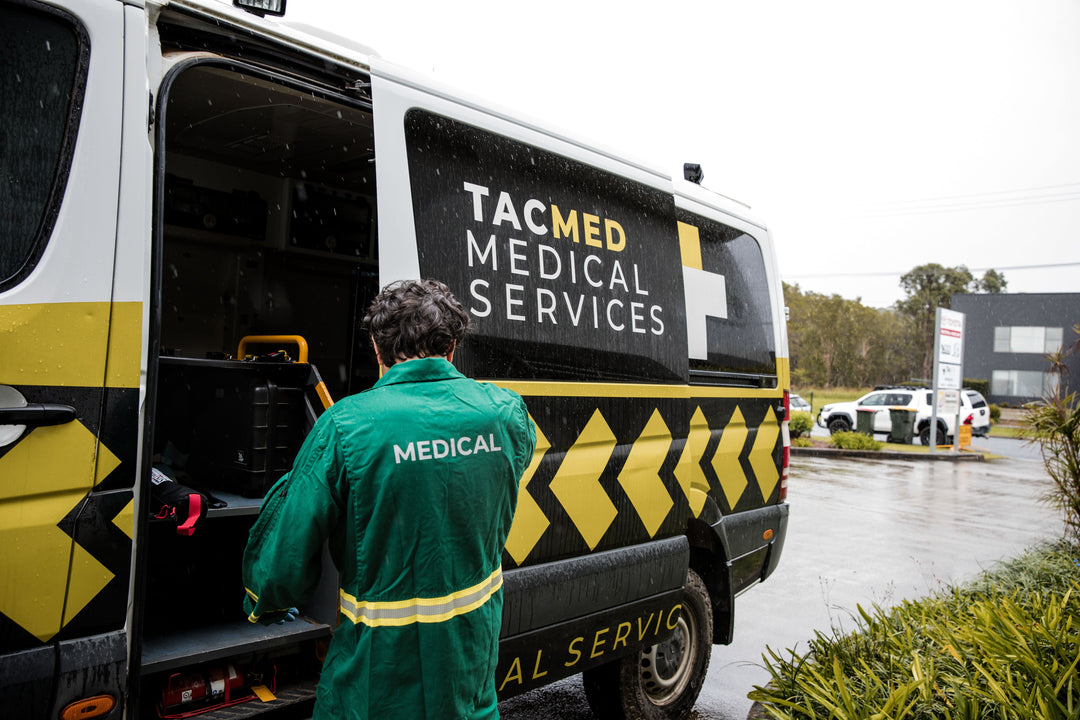
Yes. TacMed supplies police services, government agencies, and law enforcement organisations across Australia. Contact us for volume orders, procurement requirements, or agency pricing.
Is this equipment legal to carry in Australia?
Yes. Medical equipment including trauma kits, tourniquets, and bleeding control components are legal to purchase and carry in Australia by law enforcement, security personnel, and trained civilians.