


Hypothermia Equipment

Filter

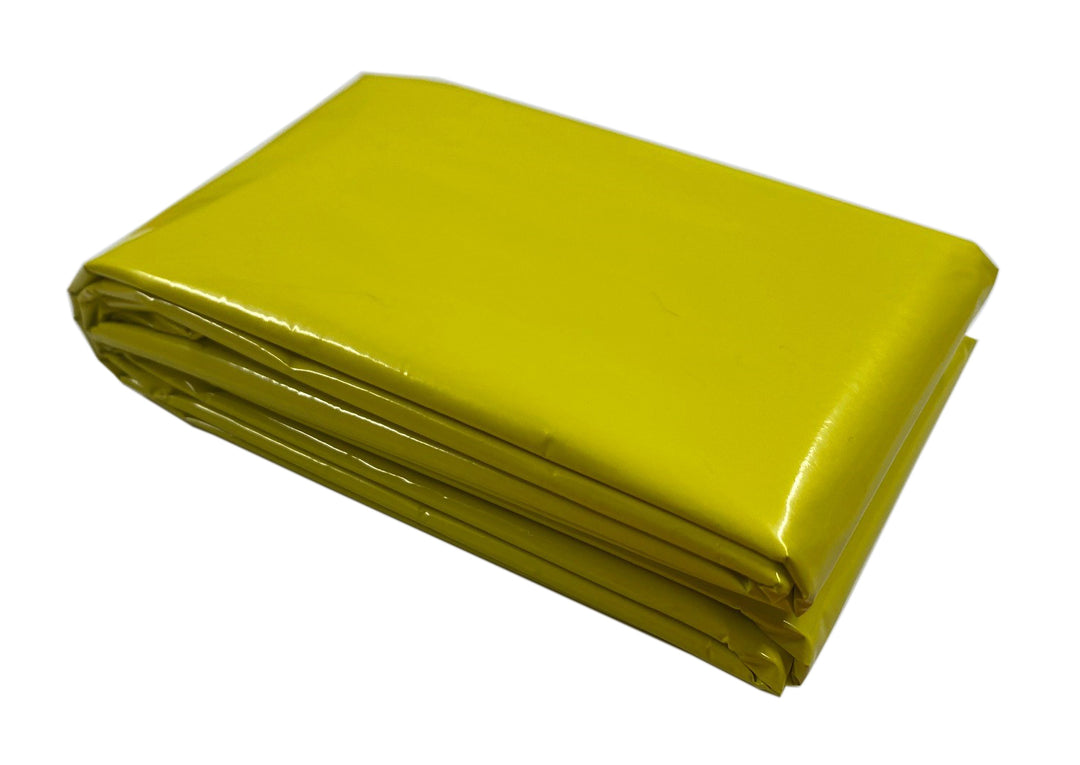
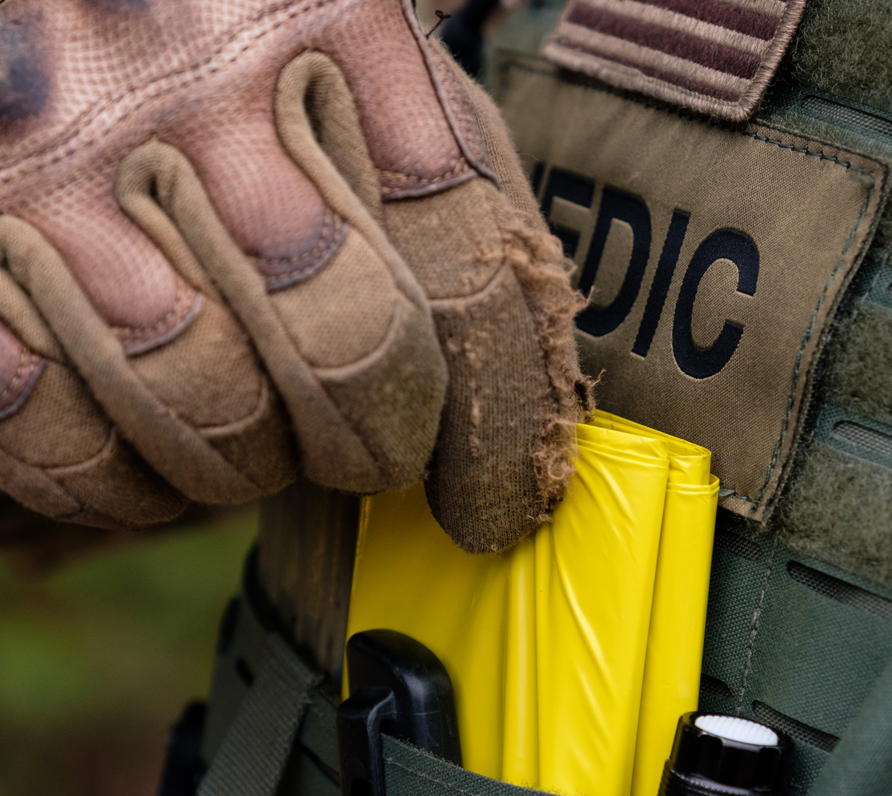
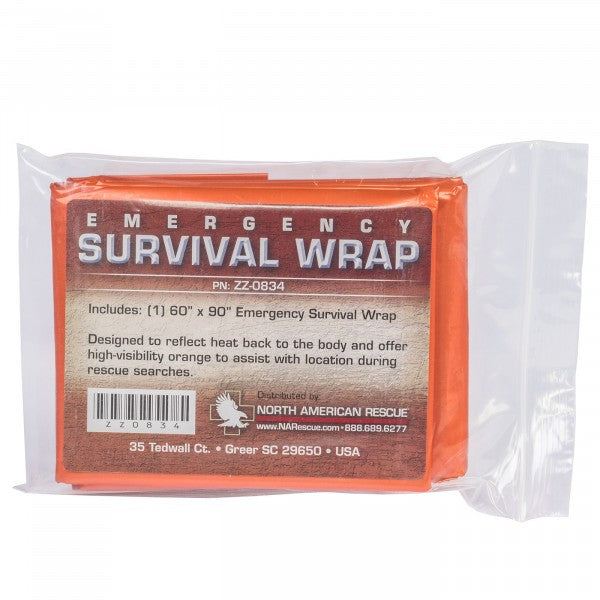
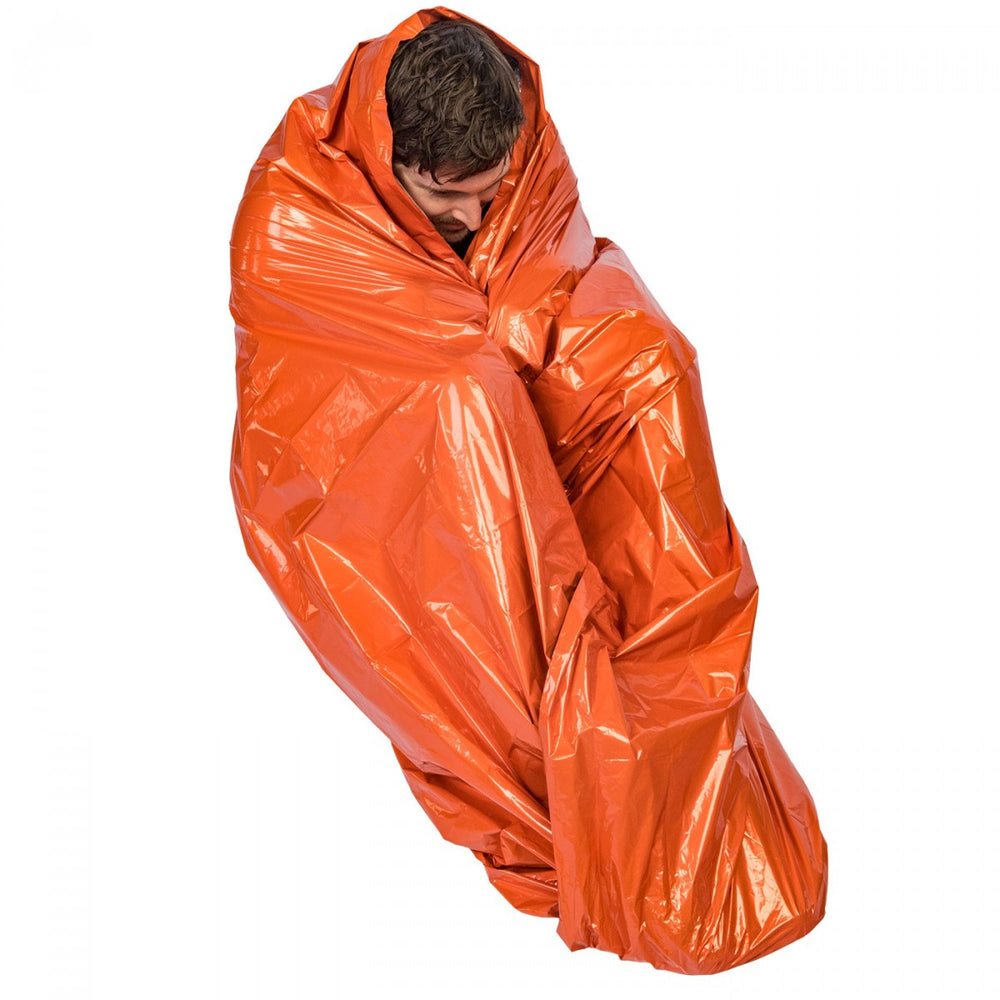
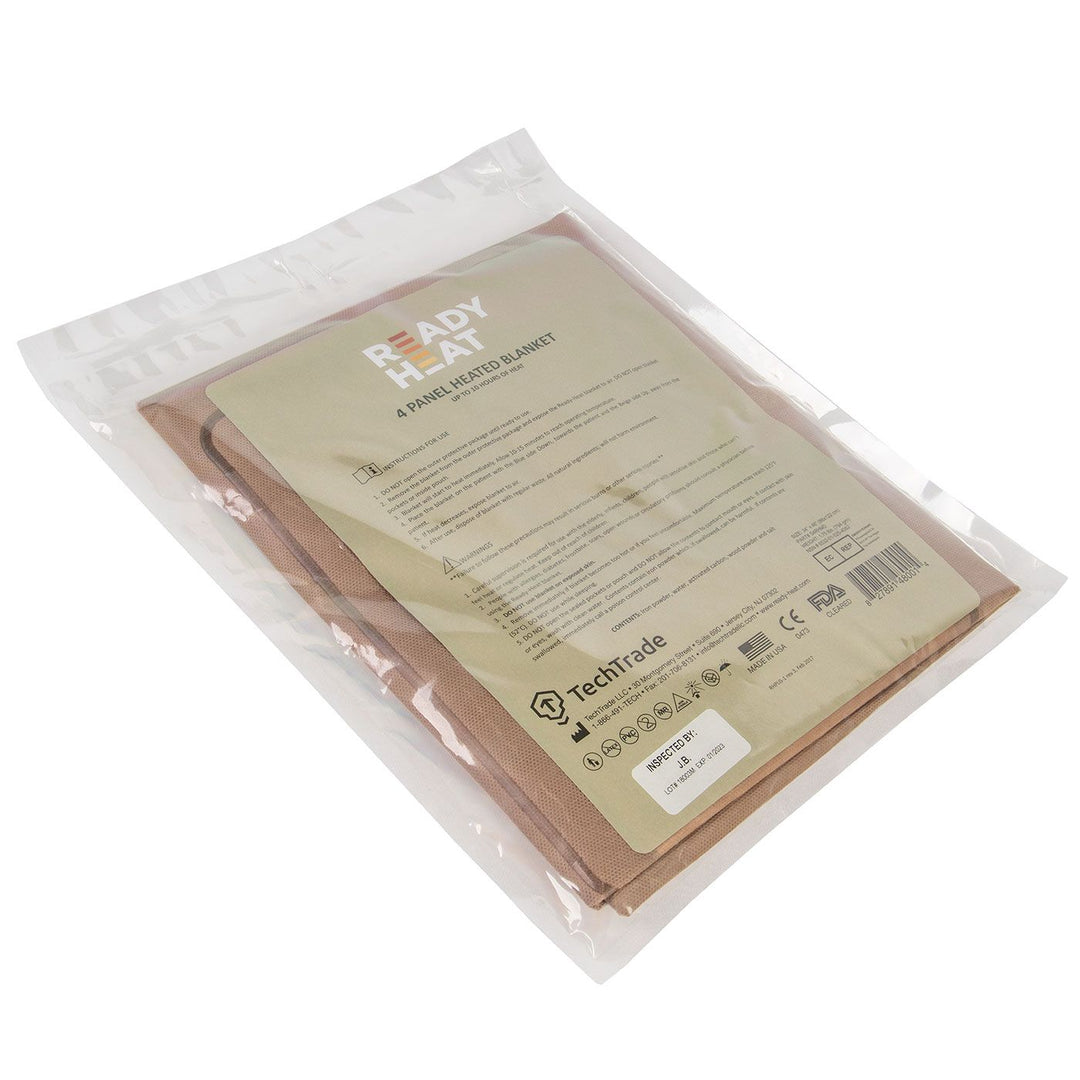
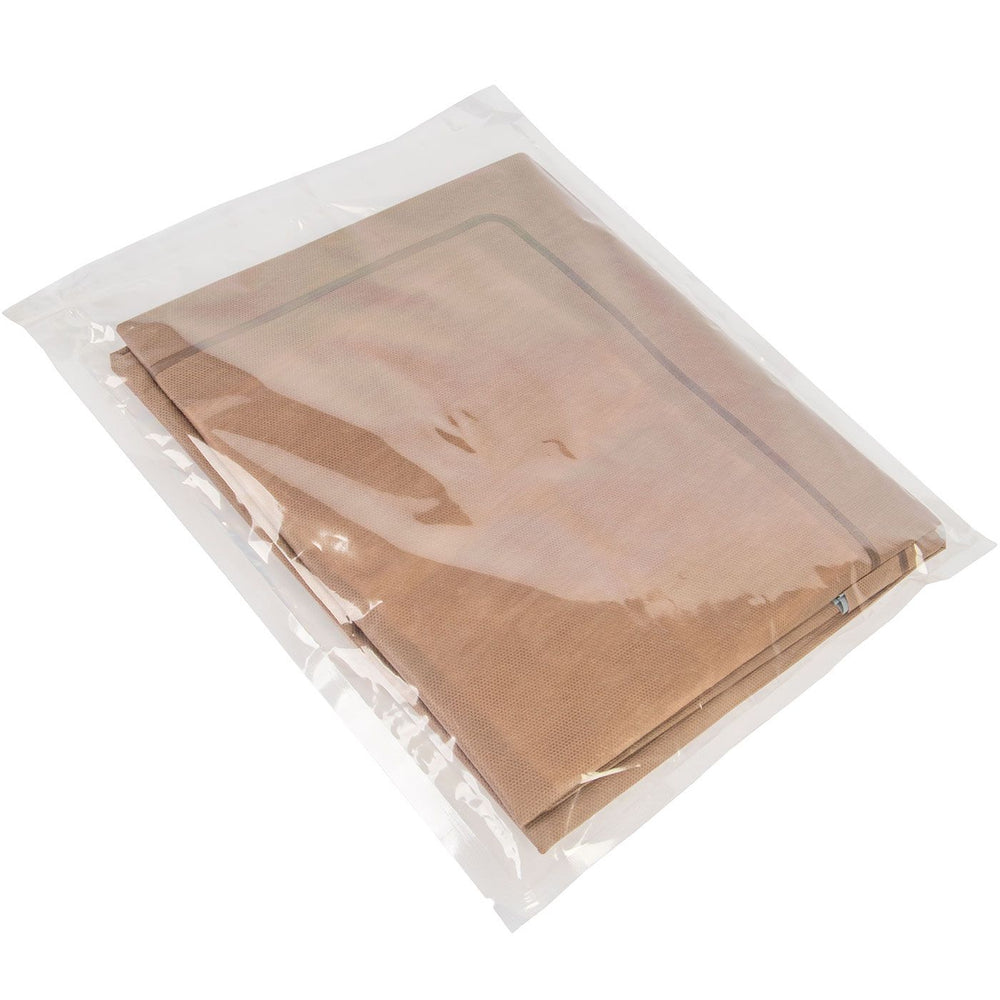
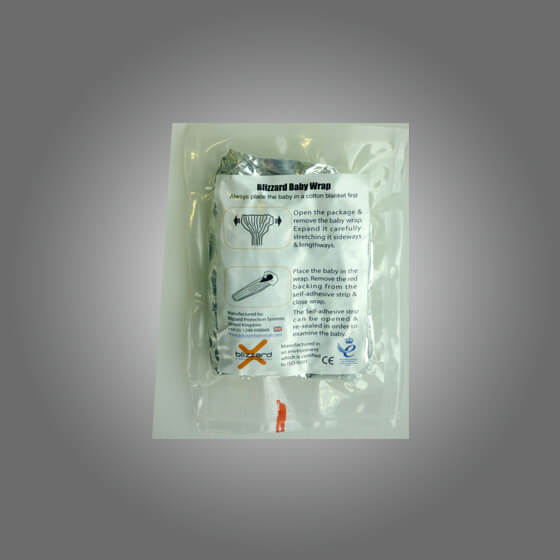
    Hypothermia equipment is designed to help prevent and manage heat loss in injured or unwell patients. In trauma, medical, and outdoor environments, maintaining body temperature is critical to patient outcomes and overall care.

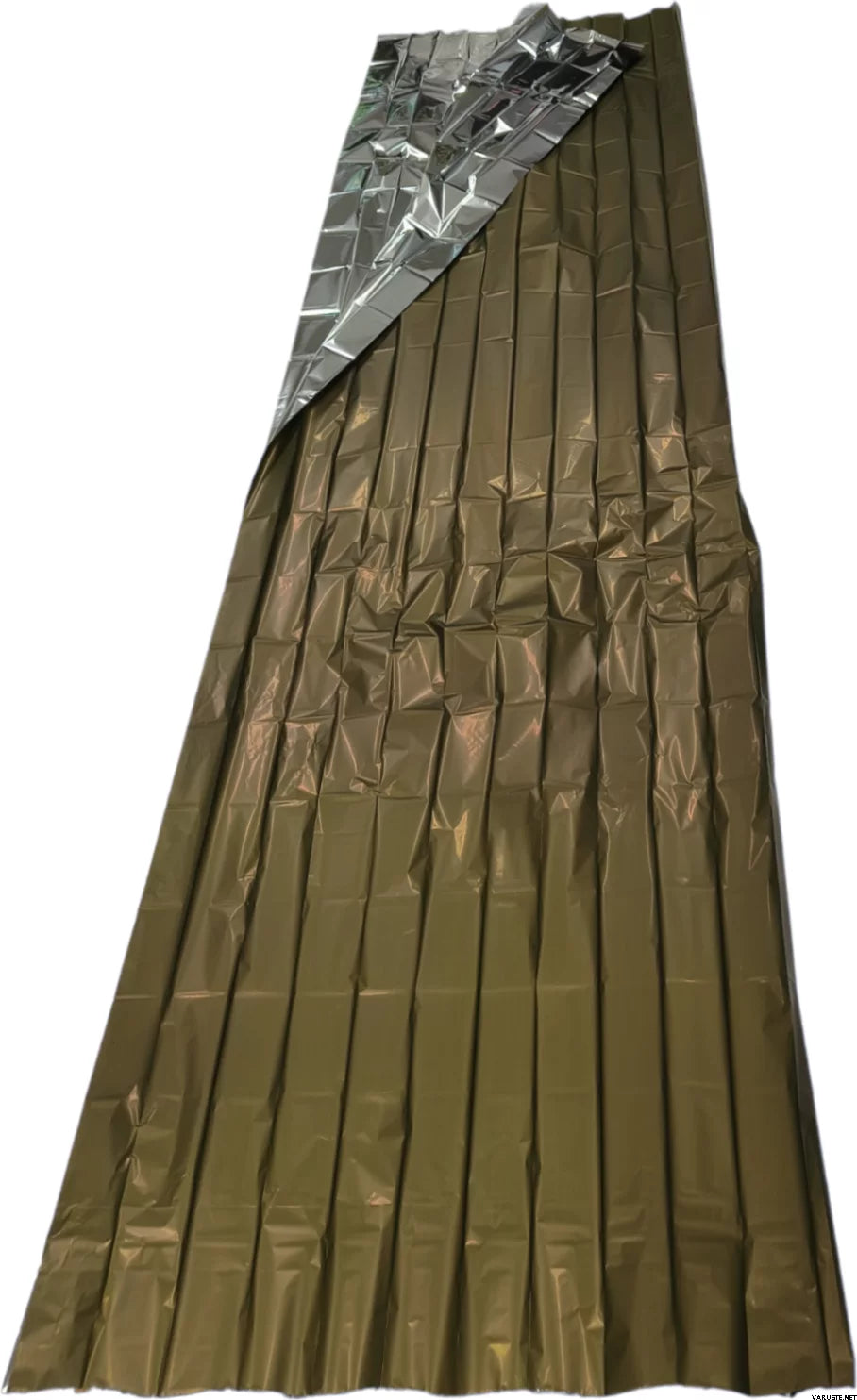
    This collection includes equipment used to reduce heat loss and support patient warming during emergency response, transport, and extended care. These products focus on thermal protection and temperature management rather than complete medical kits.
    What This Equipment Is Used For

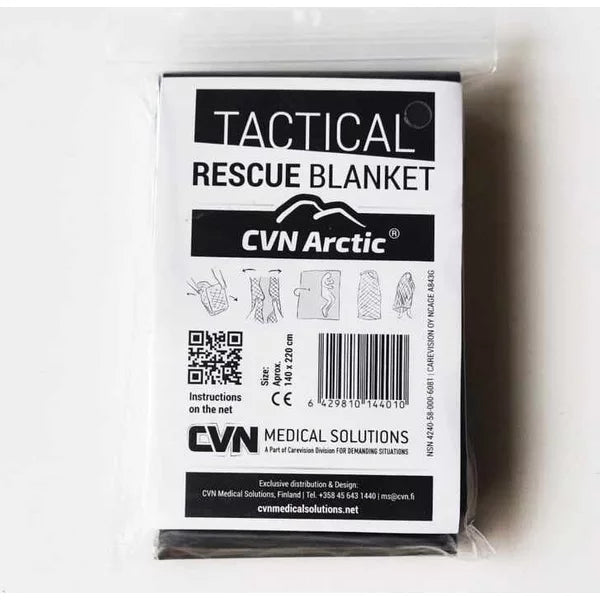
    Hypothermia equipment is used to limit heat loss and support temperature control in patients exposed to cold, injury, shock, or environmental conditions.

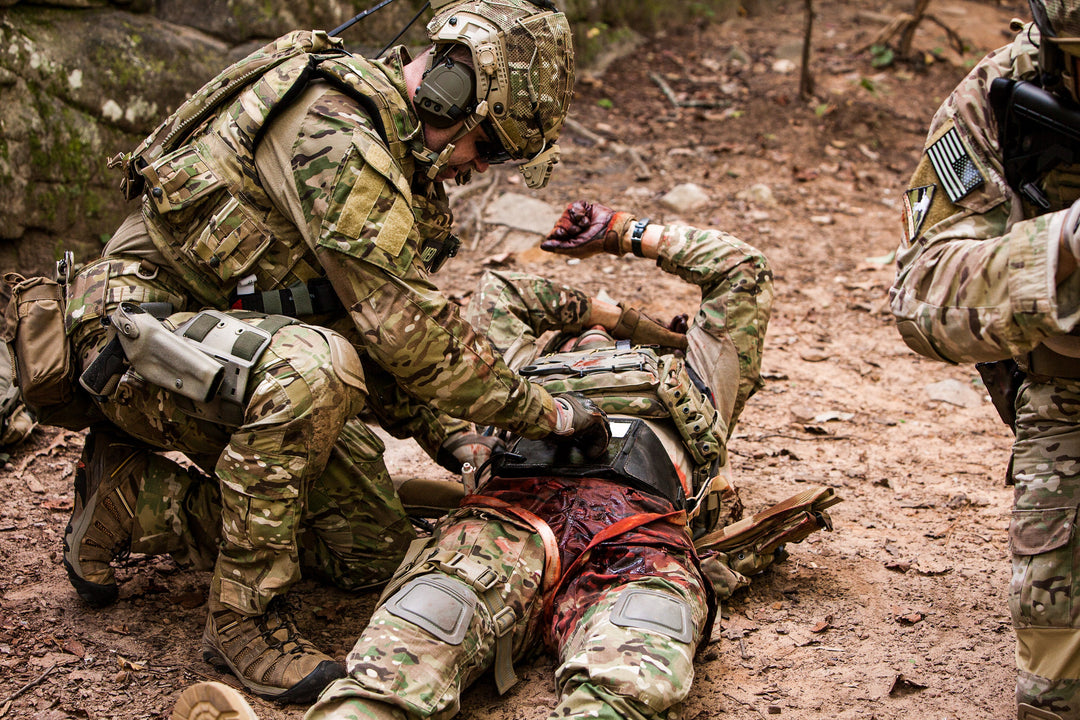
    In trauma care, even mild hypothermia can significantly affect patient outcomes. Warming and insulation equipment helps protect patients during treatment, evacuation, and transport, particularly in outdoor, remote, or prolonged response situations.

    Who This Equipment Is For

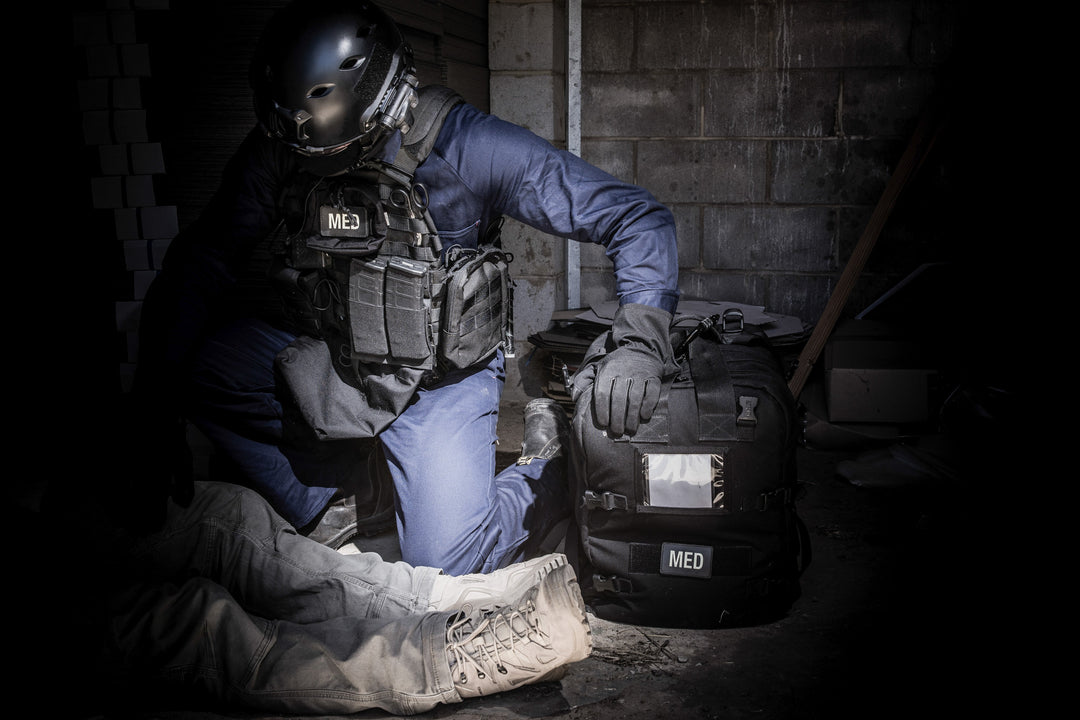
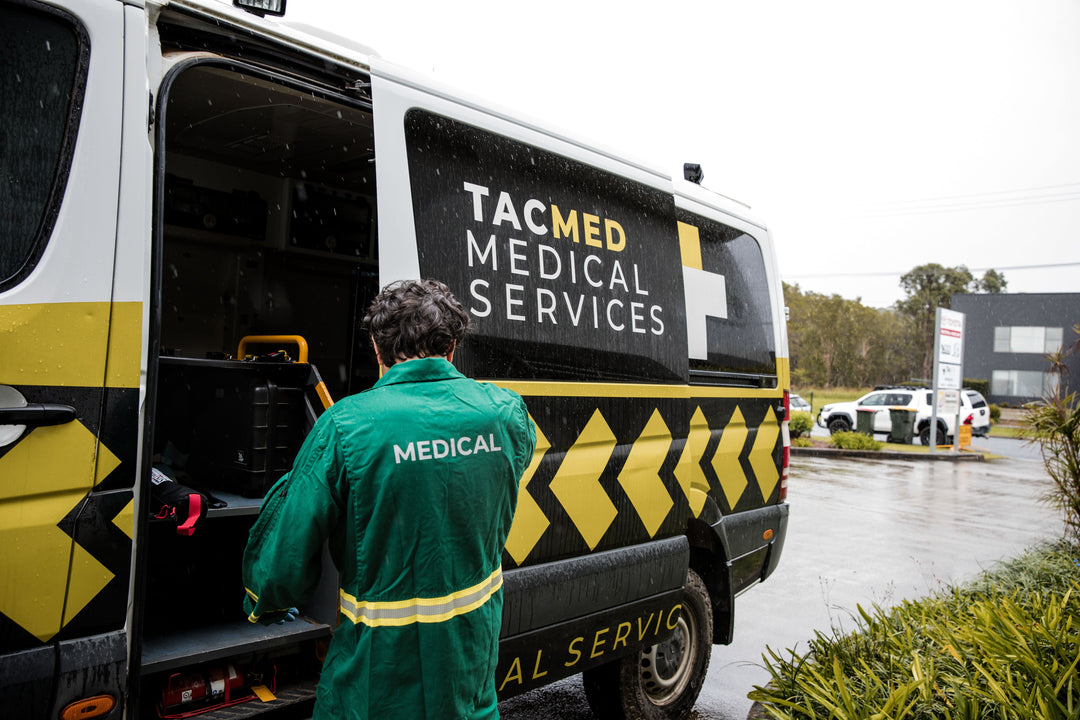
    Hypothermia equipment is used by emergency responders, paramedics, first aiders, and organisations responsible for patient care in challenging environments.

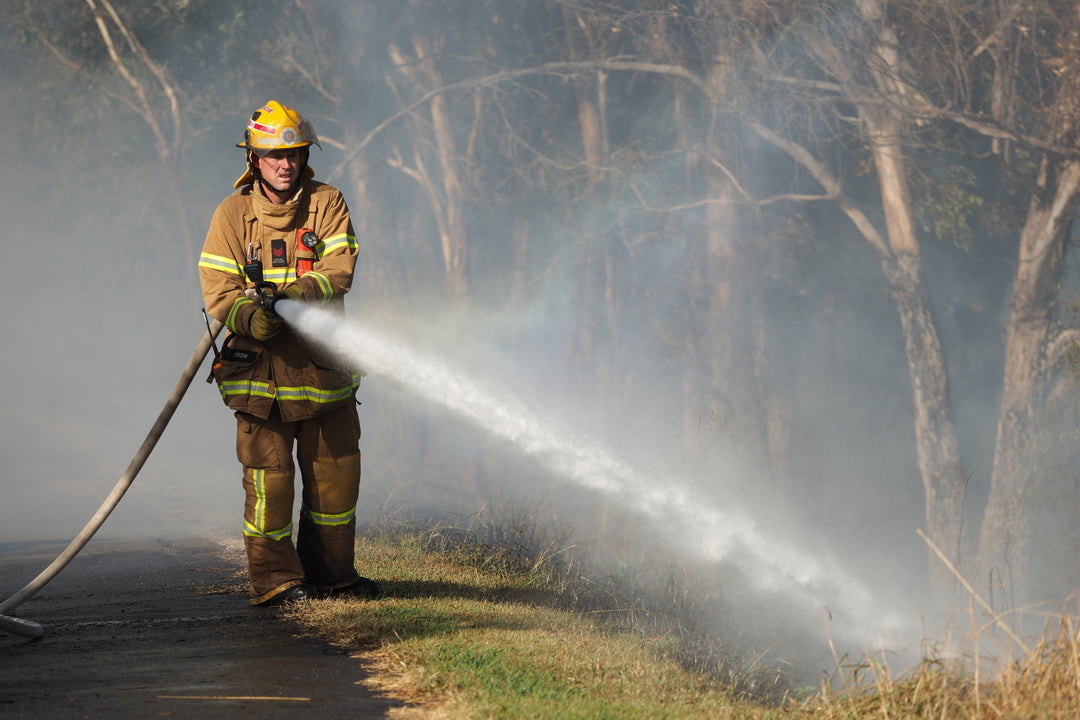
    It is commonly used in ambulance services, search and rescue, outdoor response, workplaces, and training environments. If your role involves treating injured patients or operating in cold or exposed conditions, hypothermia management equipment is an essential part of medical preparedness.

    What to Look For

    Selecting hypothermia equipment depends on the environment, duration of care, and level of exposure.

    • Thermal performance: Ability to reduce heat loss and provide insulation.
    • Ease of use: Equipment that can be applied quickly during response.
    • Durability: Suitable for outdoor, wet, or harsh conditions.
    • Portability: Lightweight and compact for transport and storage.
    • Compatibility: Can be used alongside stretchers, trauma bags, and other equipment.

    Effective hypothermia management equipment supports patient care without slowing response.

    Common Mistakes We See

    A common mistake is underestimating the risk of hypothermia, particularly in trauma patients or during warmer weather.

    We also see delayed application of warming equipment, allowing unnecessary heat loss to occur. Another issue is relying on improvised solutions that provide limited insulation or protection.

    Hypothermia prevention should begin early and be maintained throughout patient care and transport.

    Questions We Get Asked

    What is hypothermia equipment?

    Hypothermia equipment includes products designed to reduce heat loss and support patient warming during medical care.

    Why is hypothermia management important in trauma?

    Hypothermia can worsen patient outcomes in trauma by affecting clotting, circulation, and recovery.

    Is hypothermia equipment used only in cold weather?

    No. Trauma patients can become hypothermic in a wide range of conditions, including mild or warm environments.

    Who typically uses hypothermia equipment?

    It is commonly used by emergency responders, paramedics, first aiders, and rescue teams.

    Can hypothermia equipment be used in outdoor and remote environments?

    Yes. It is frequently used in outdoor, remote, and exposed settings where heat loss is a risk.

    How should hypothermia equipment be stored?

    Hypothermia equipment should be stored in a clean, dry condition and checked regularly for readiness.