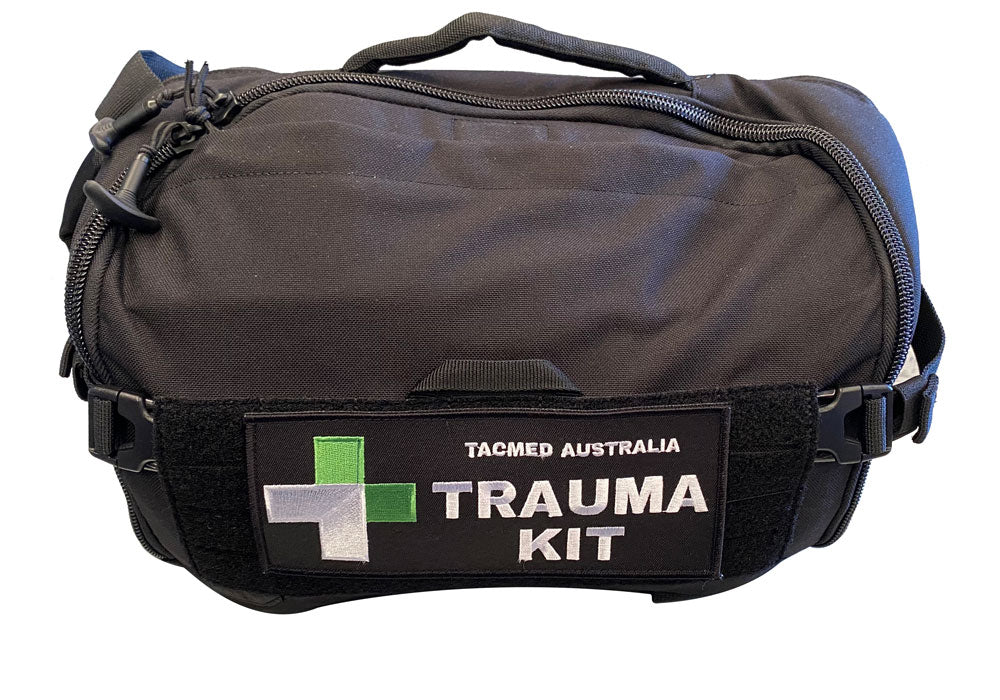
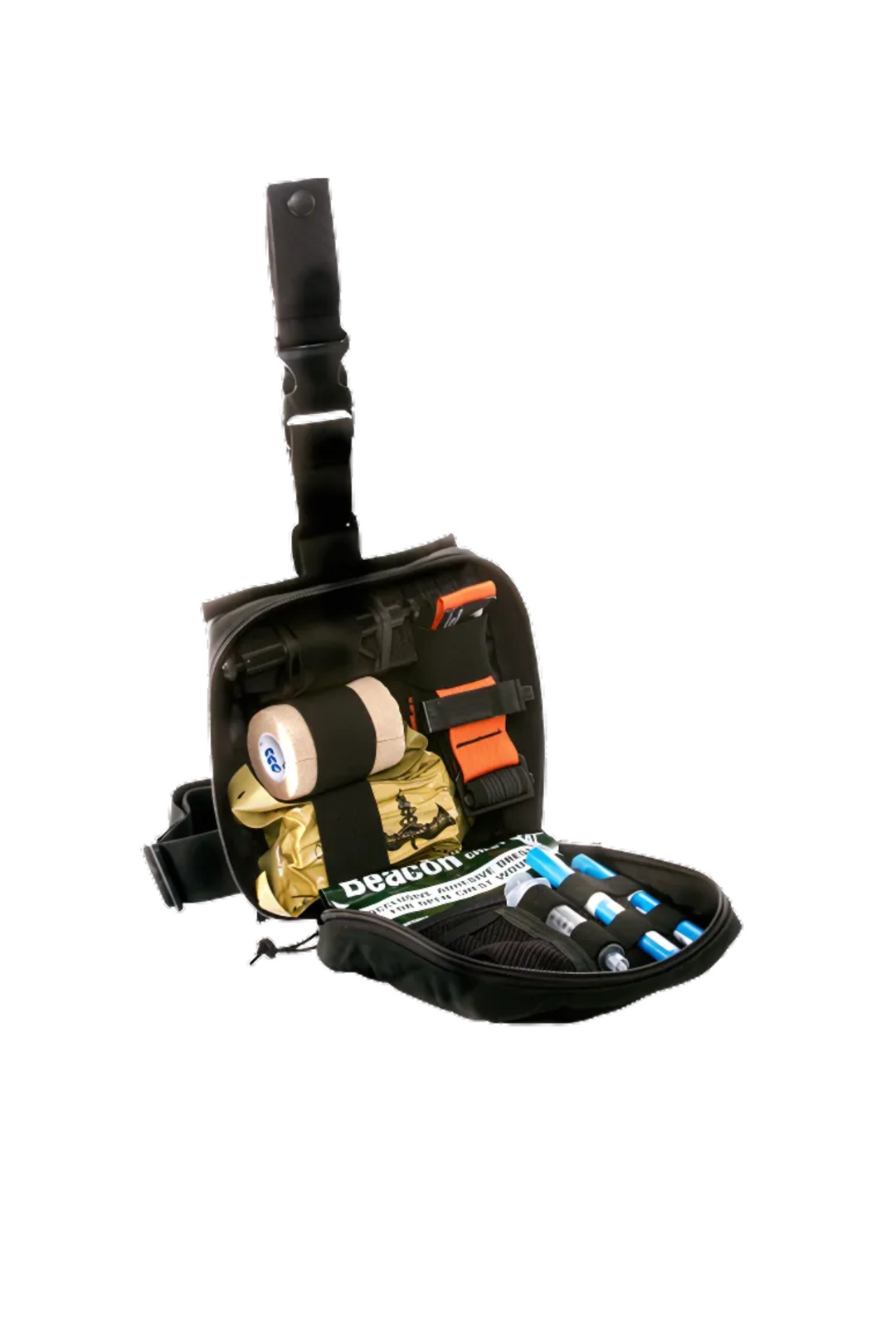
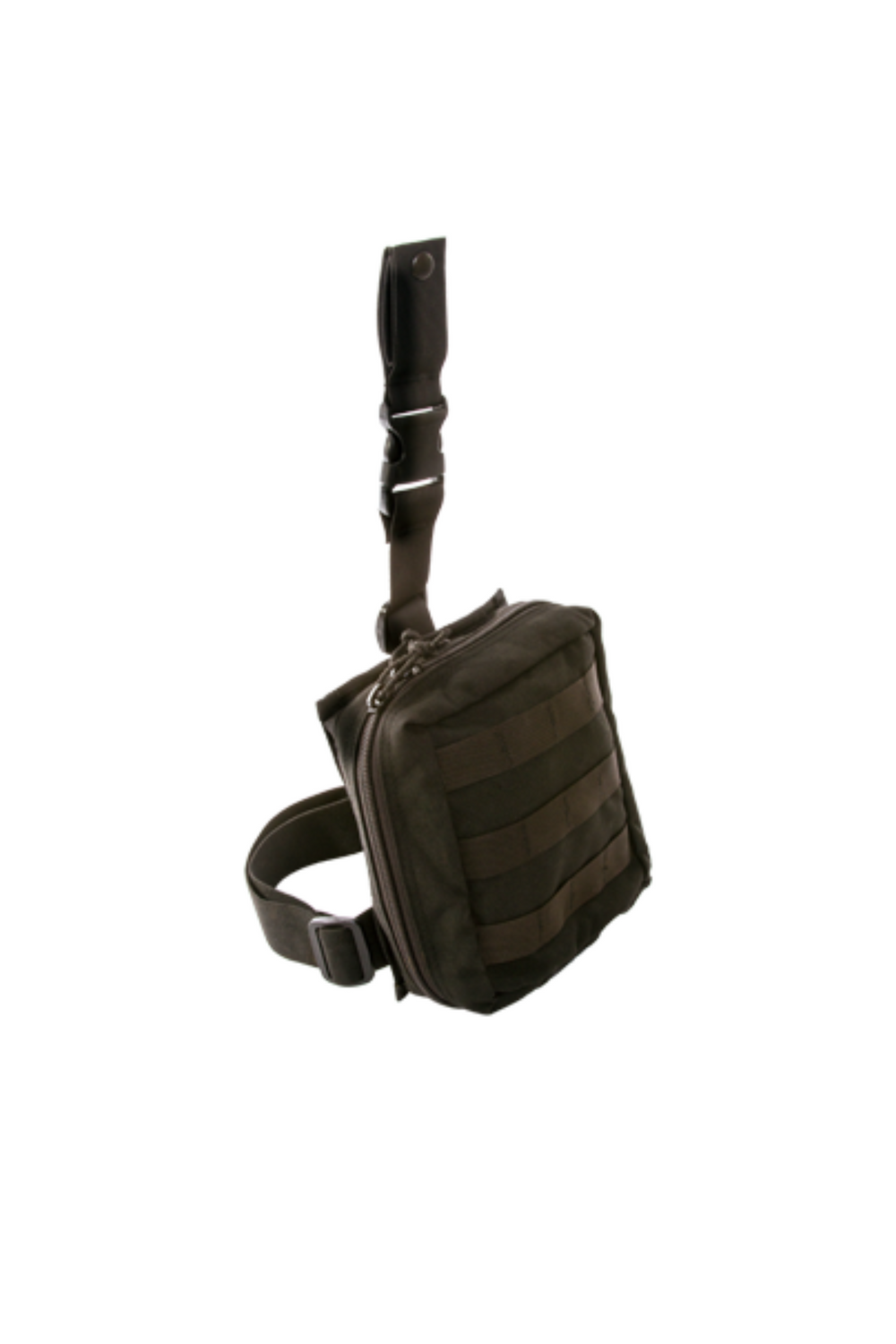
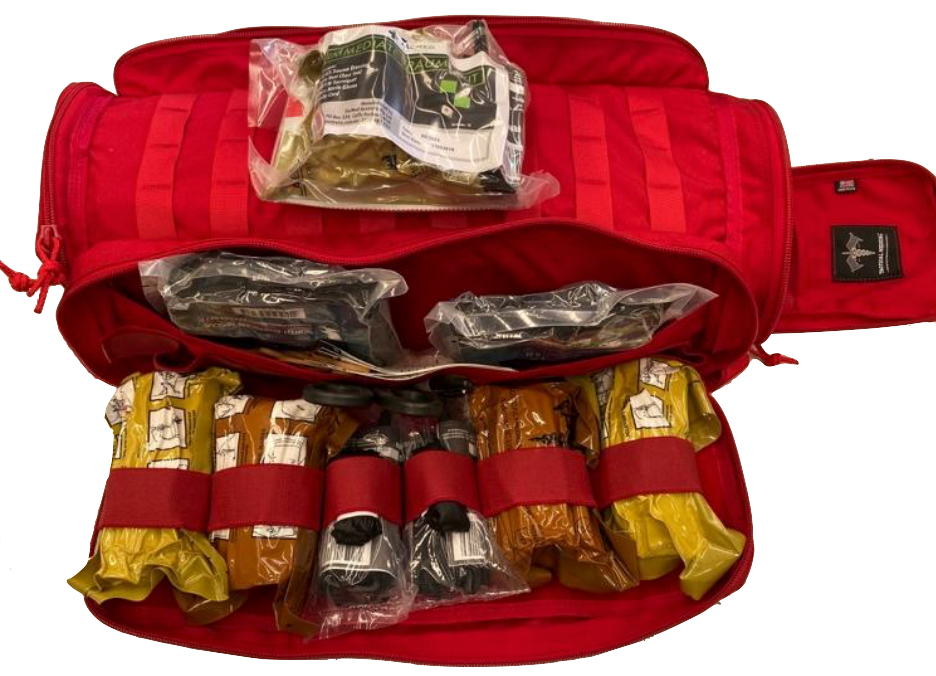
What does IFAK stand for?
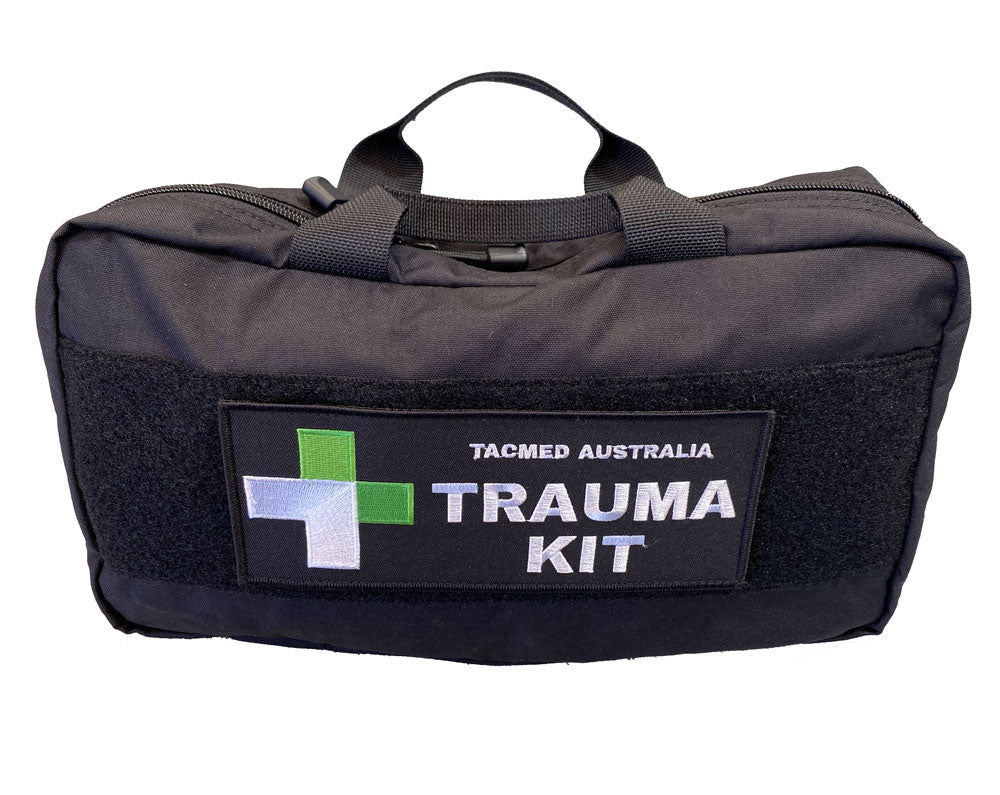
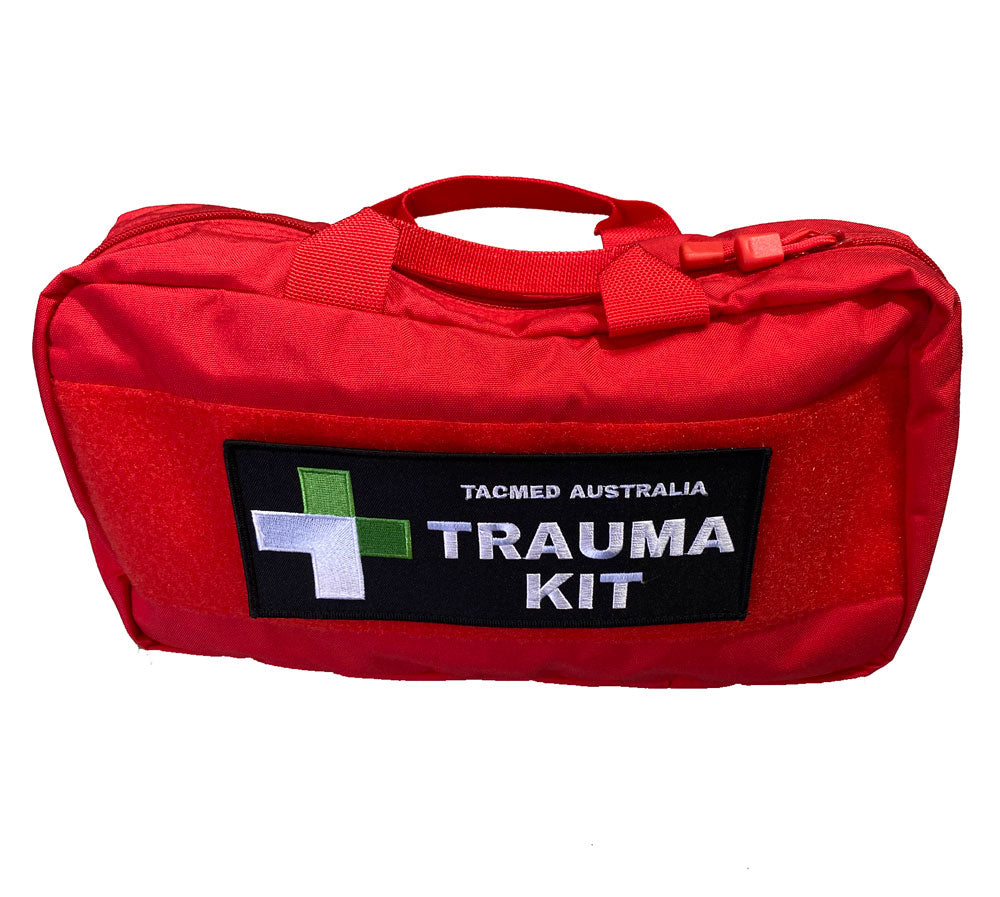
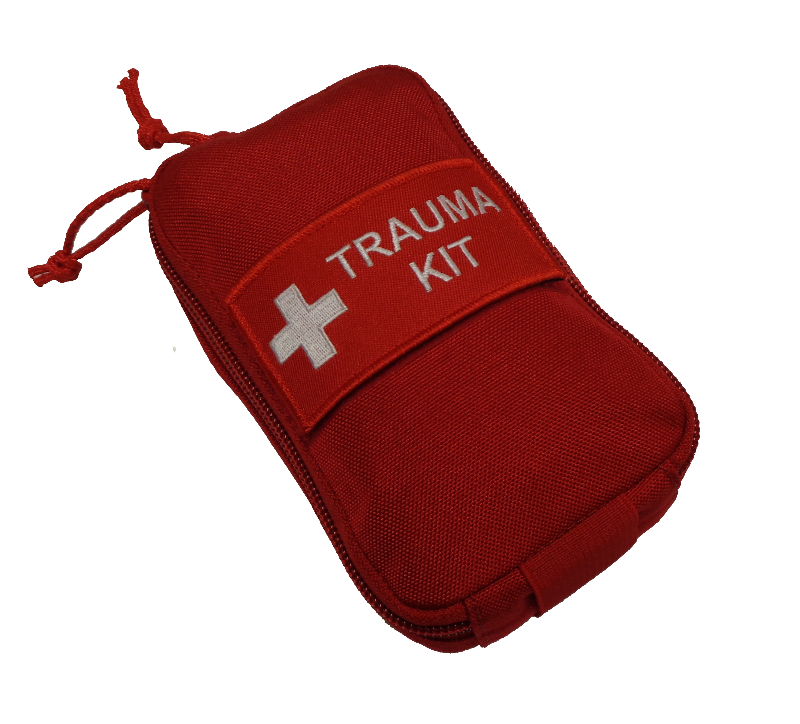
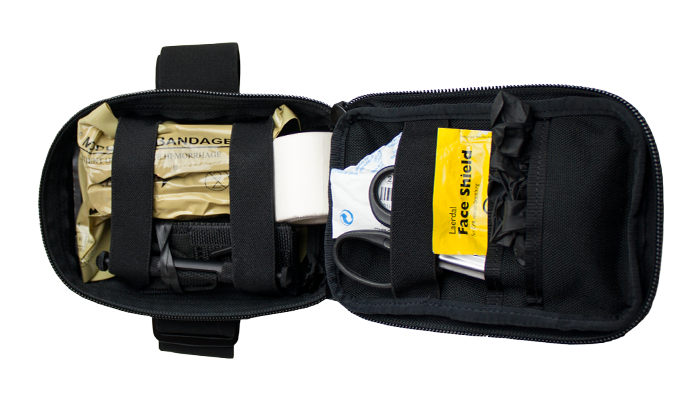
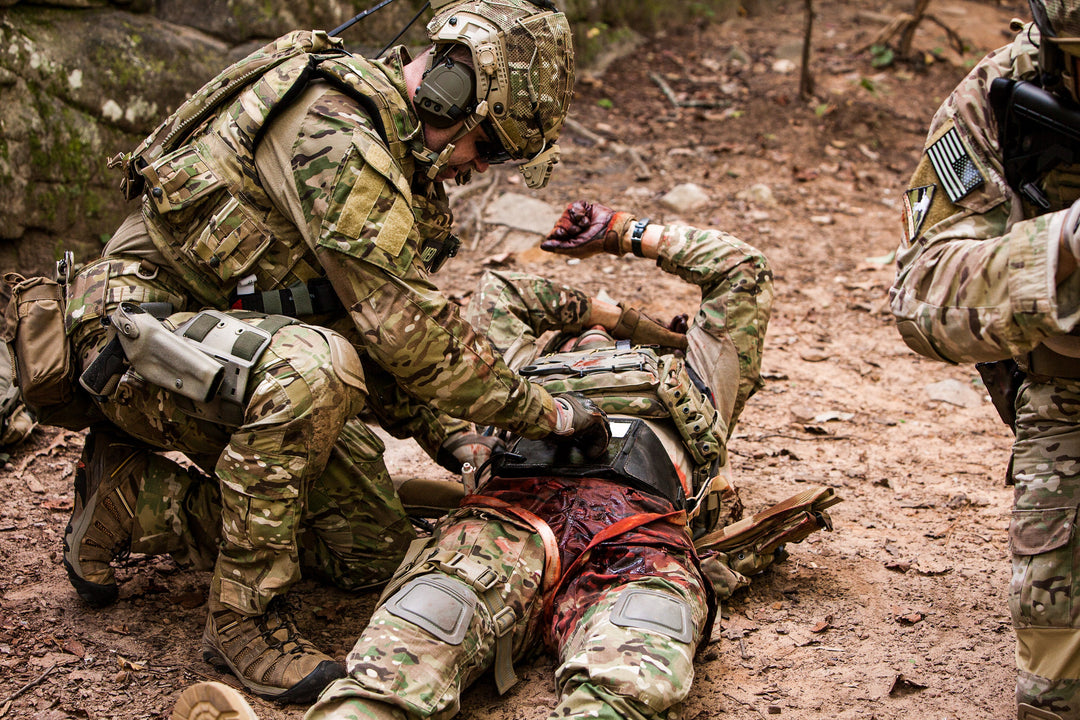
IFAK stands for Individual First Aid Kit. It is a compact trauma kit designed for personal carry and rapid self-aid or buddy-aid in emergency situations — specifically for life-threatening traumatic injuries rather than general first aid.
What is included in an IFAK?
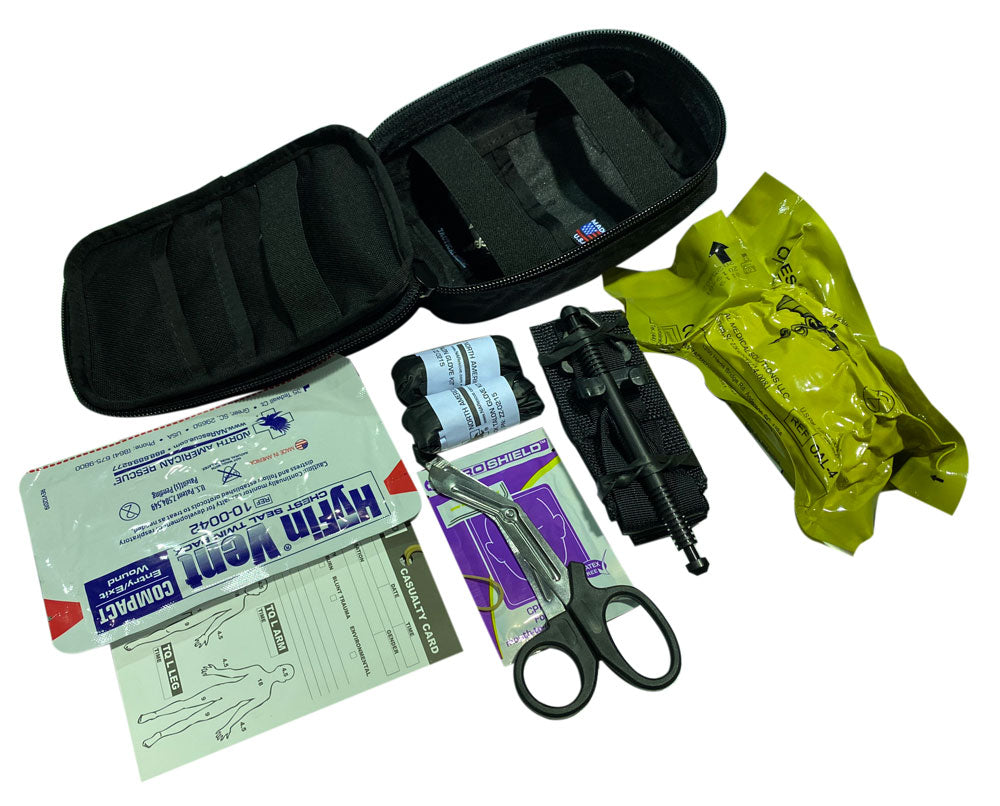
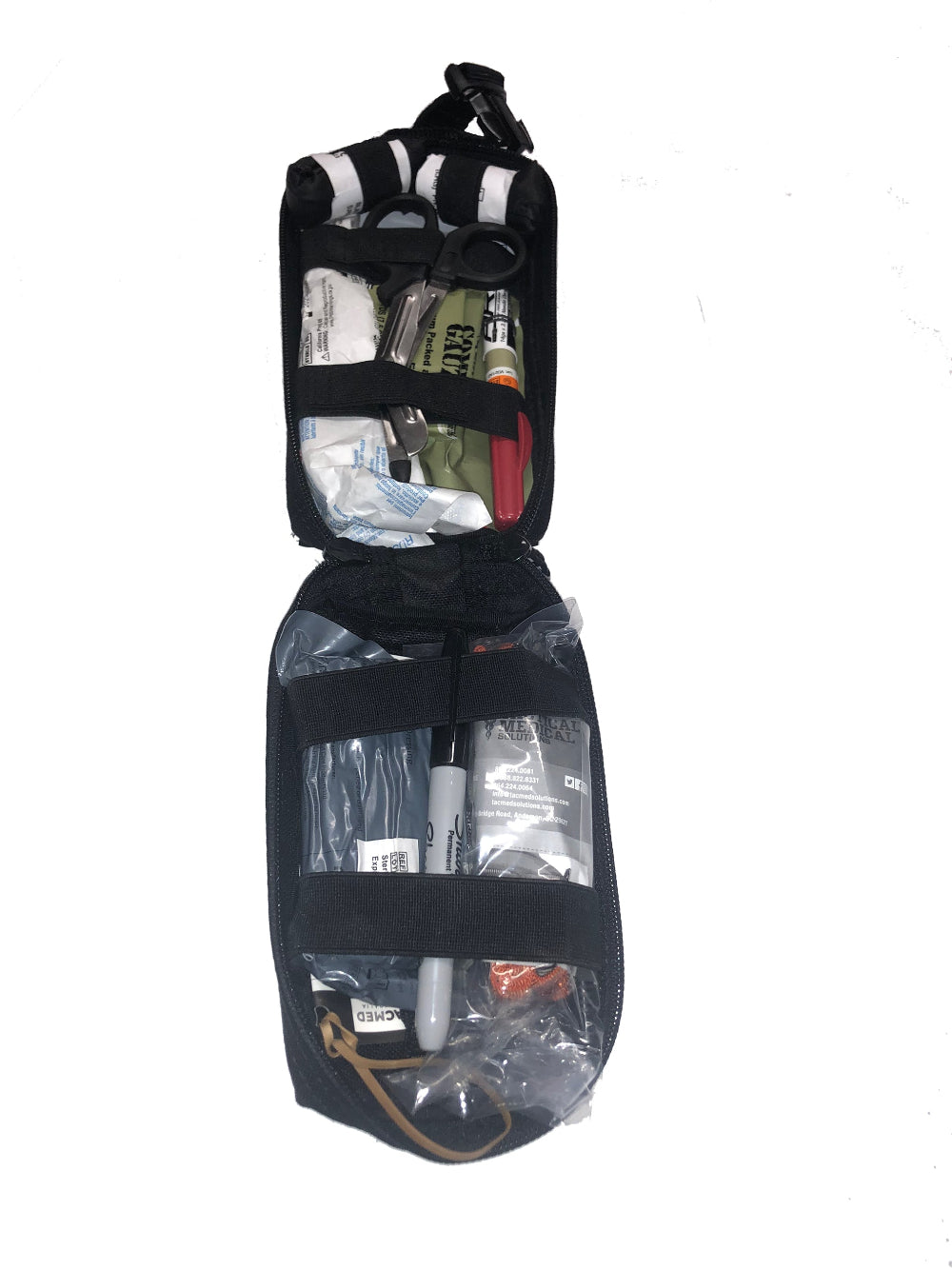
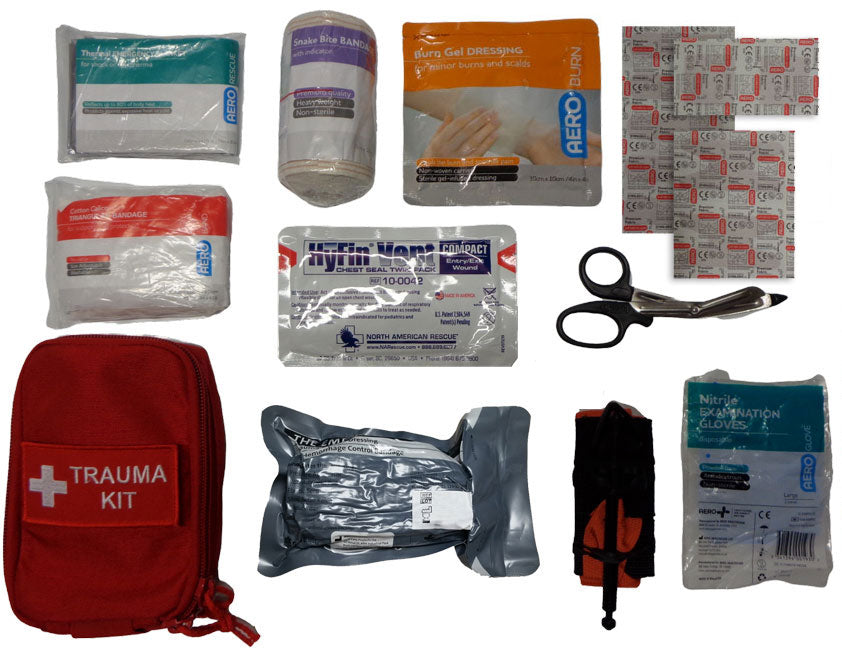
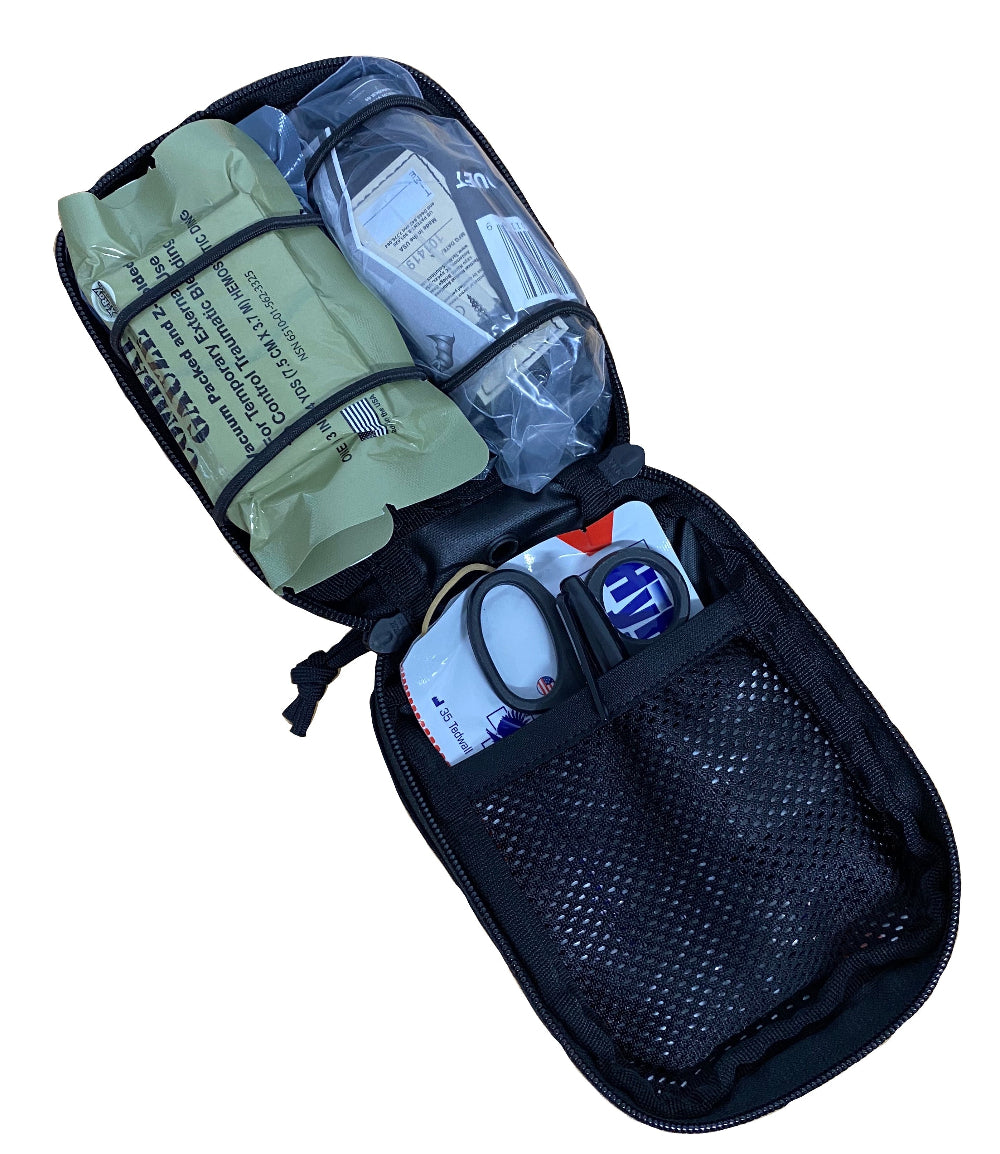
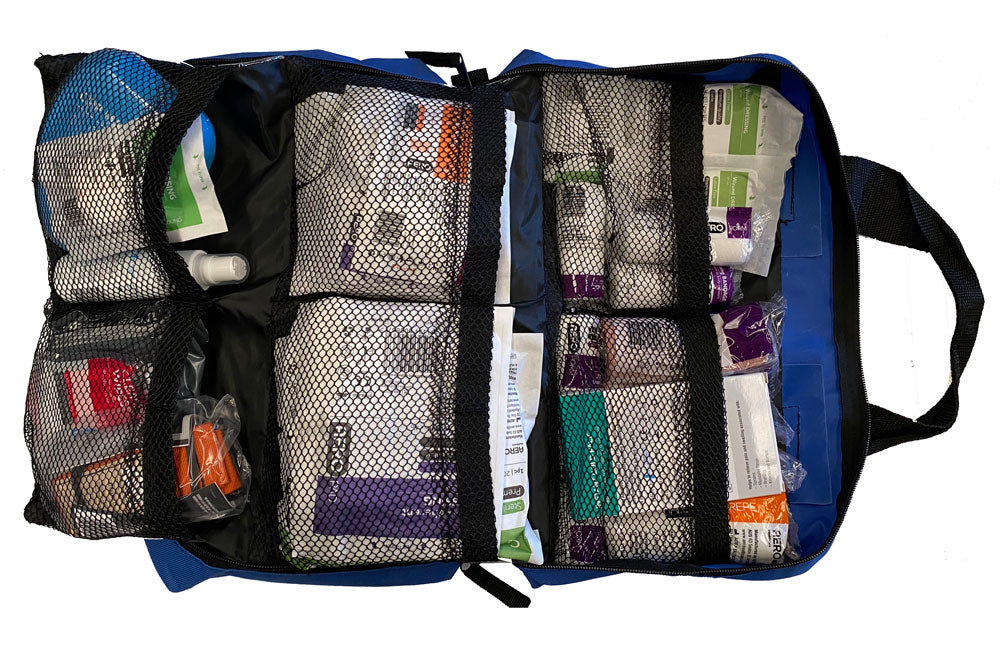
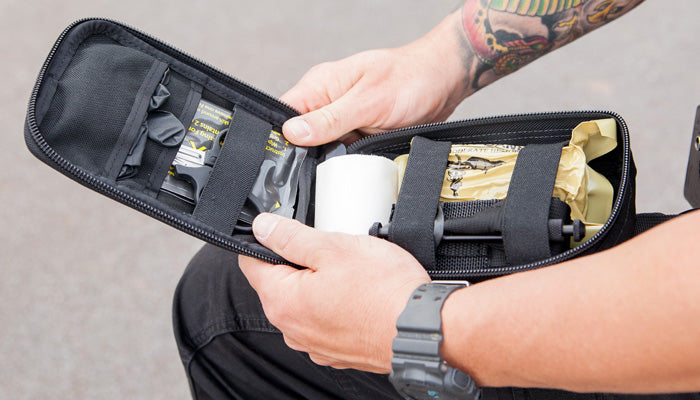
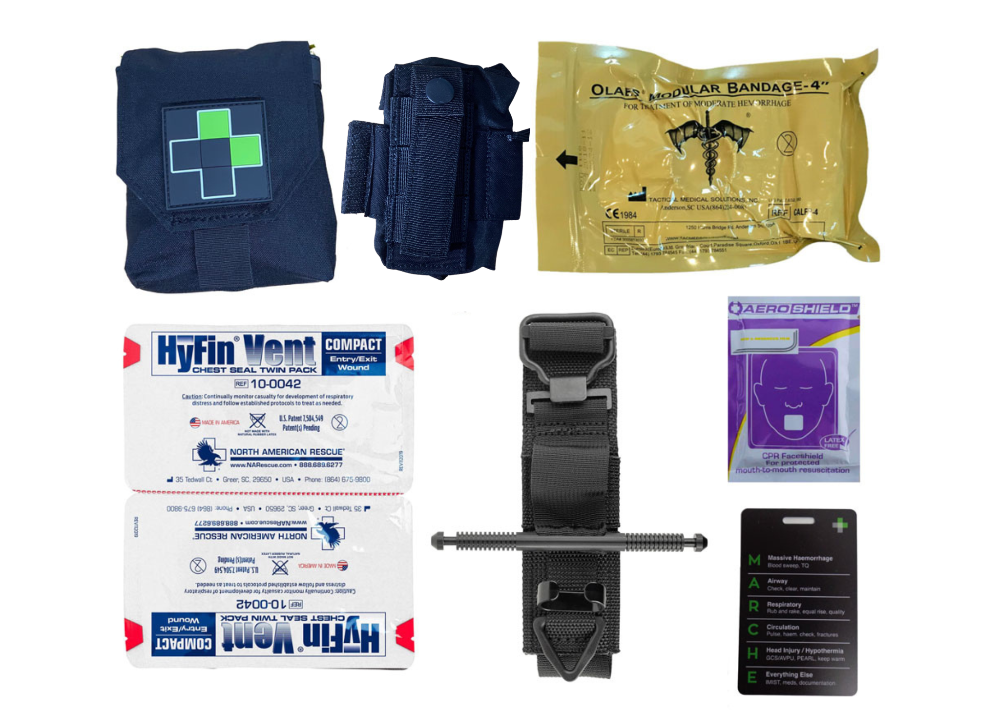
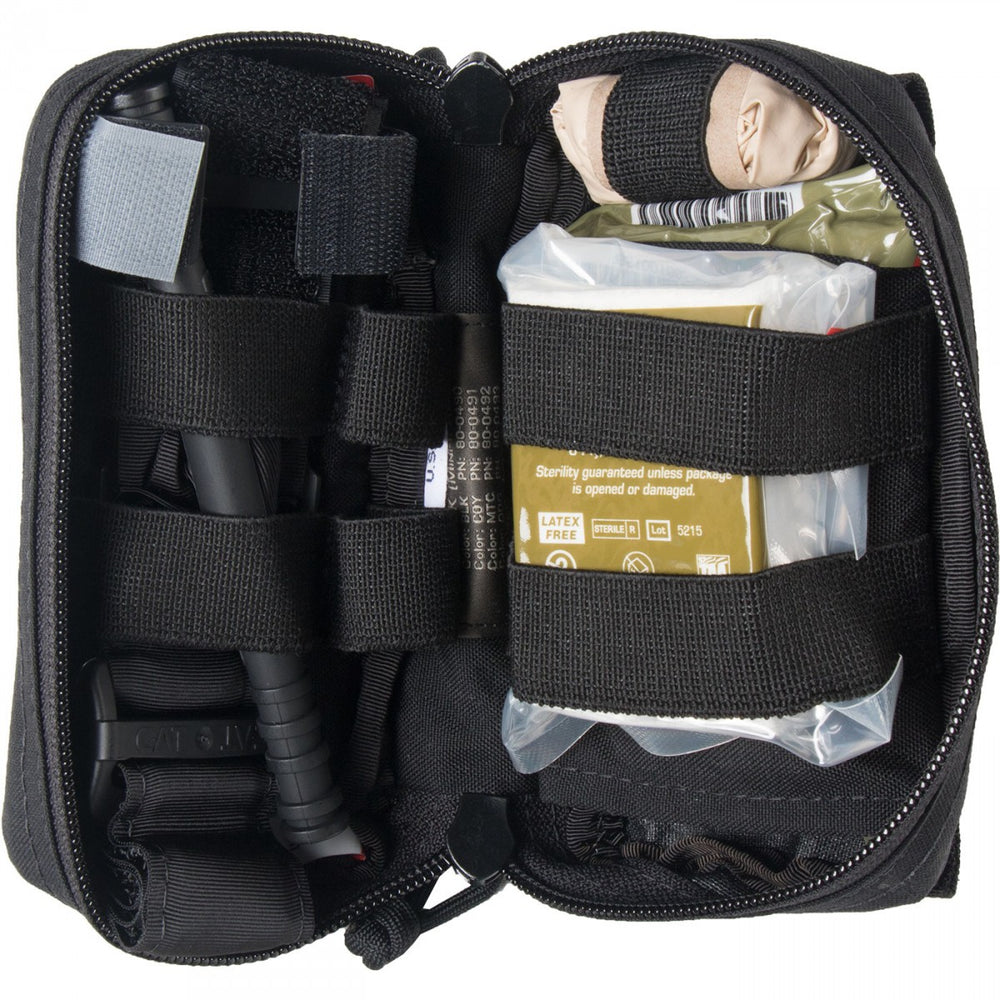
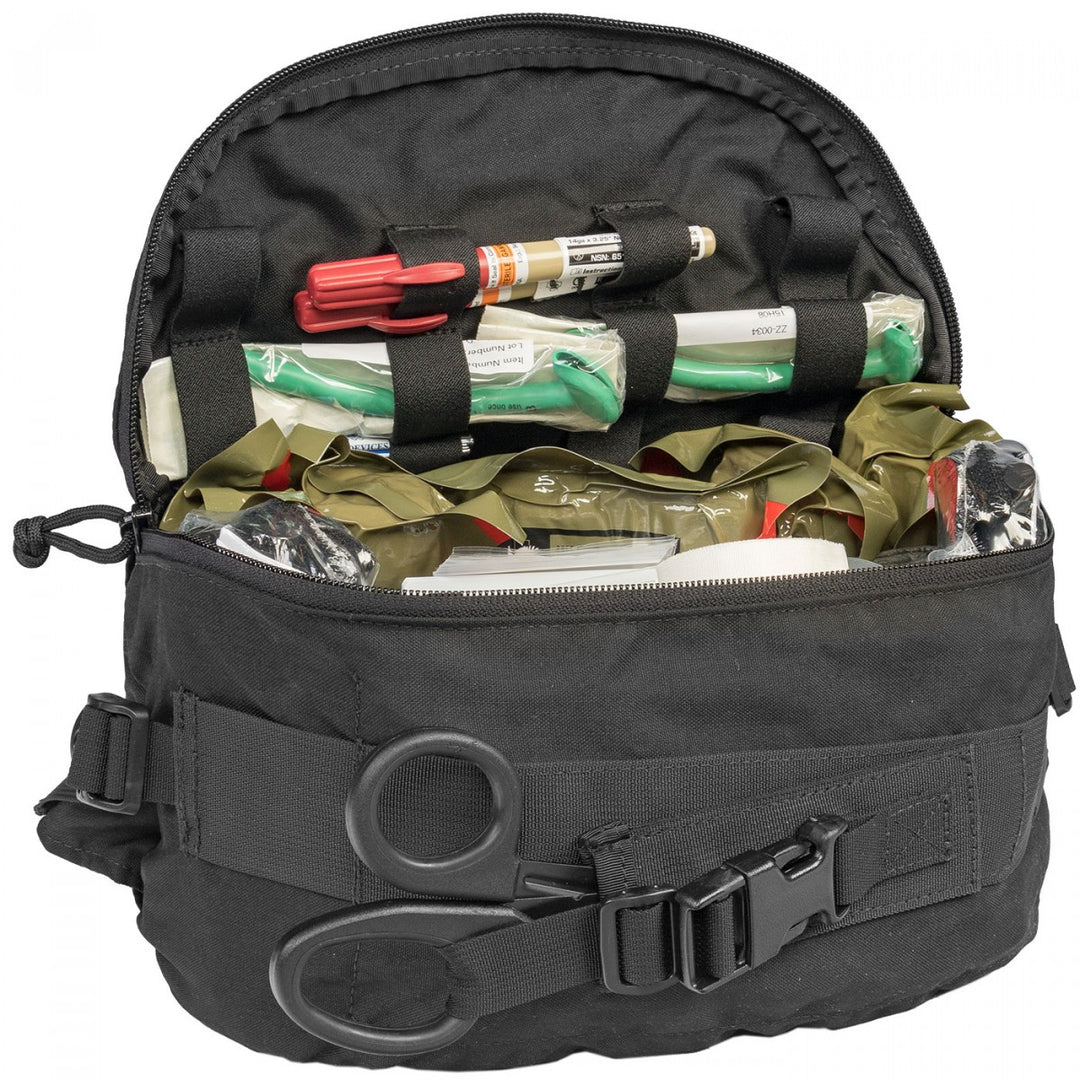
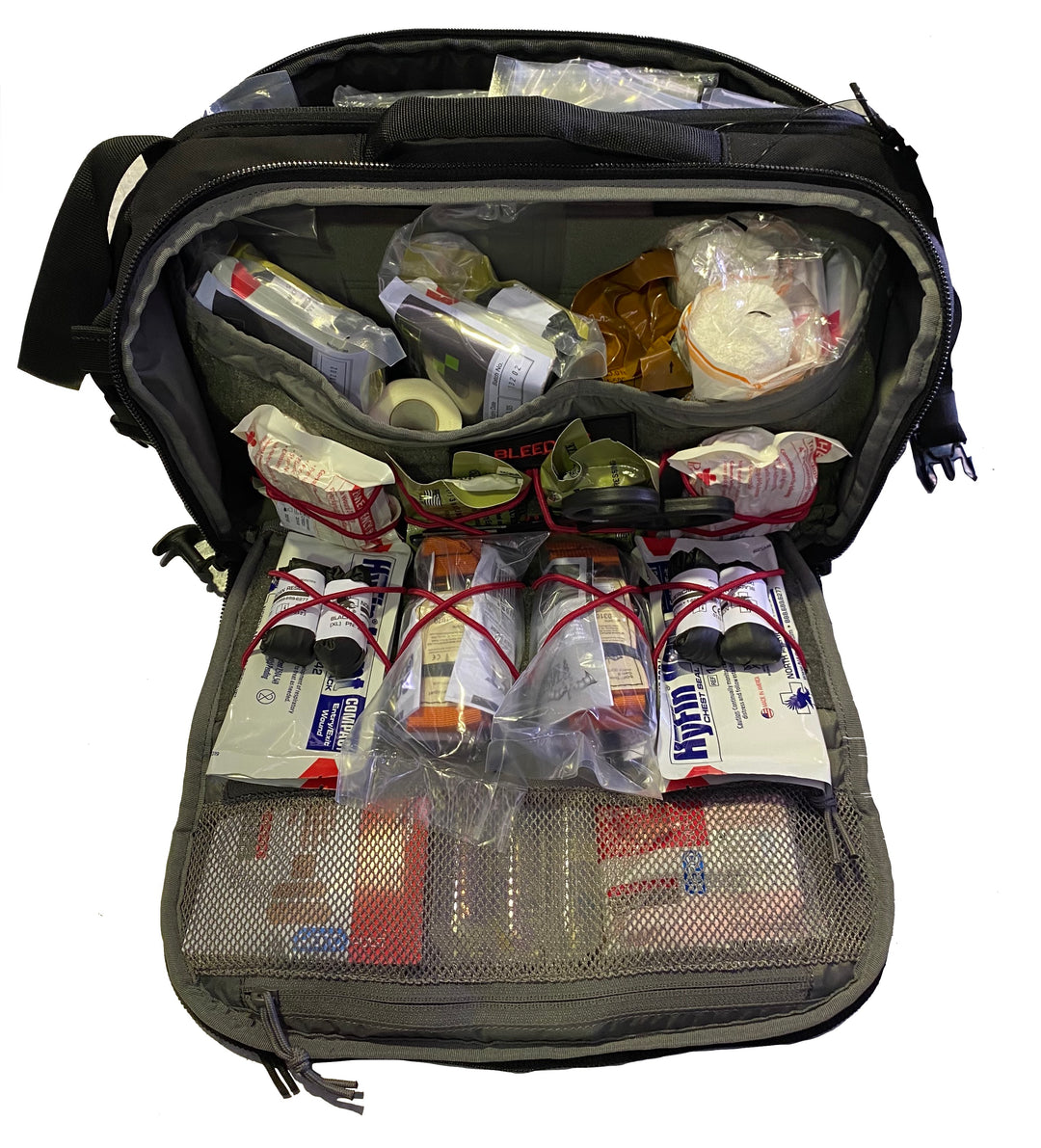
A properly configured IFAK for trauma response should include: a tourniquet (CAT Gen 7 or SOF-T Wide), haemostatic wound packing gauze (QuikClot or equivalent), a pressure dressing (Israeli Bandage or OLAES), a vented chest seal (Hyfin or equivalent), nitrile gloves, and trauma shears. Advanced configurations may also include a nasopharyngeal airway (NPA). The exact contents vary by kit — check individual product pages for a full contents list.
What is the difference between an IFAK kit and an IFAK pouch?
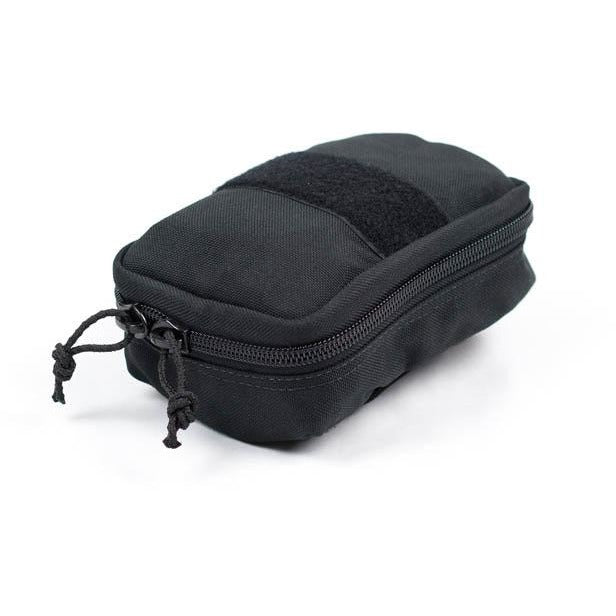
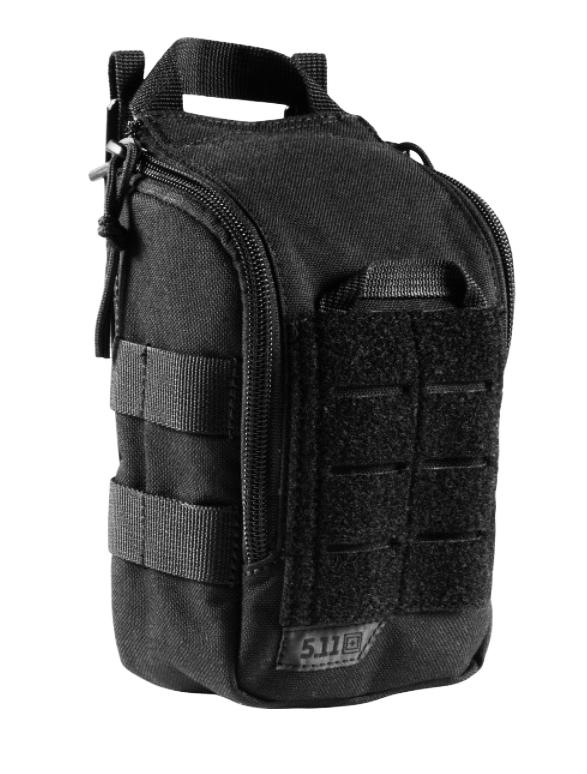
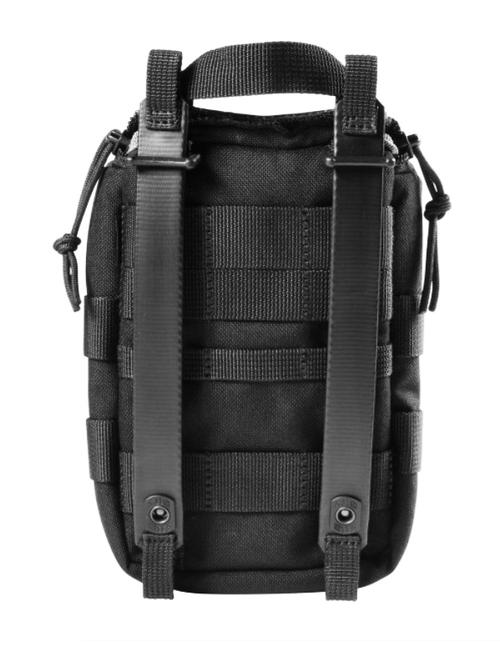
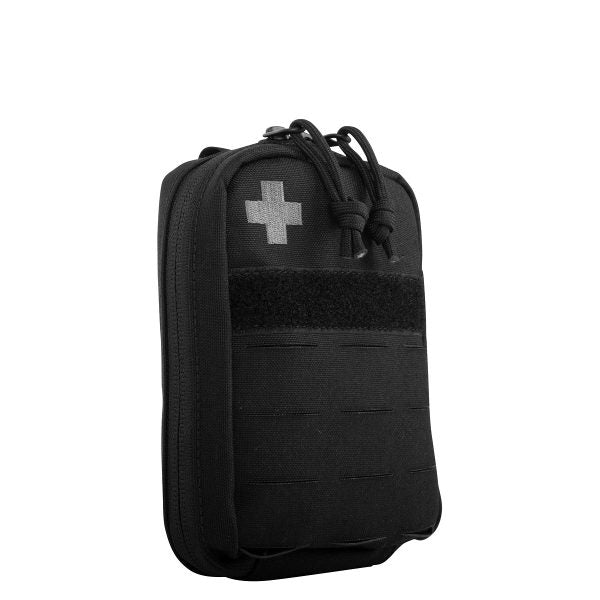
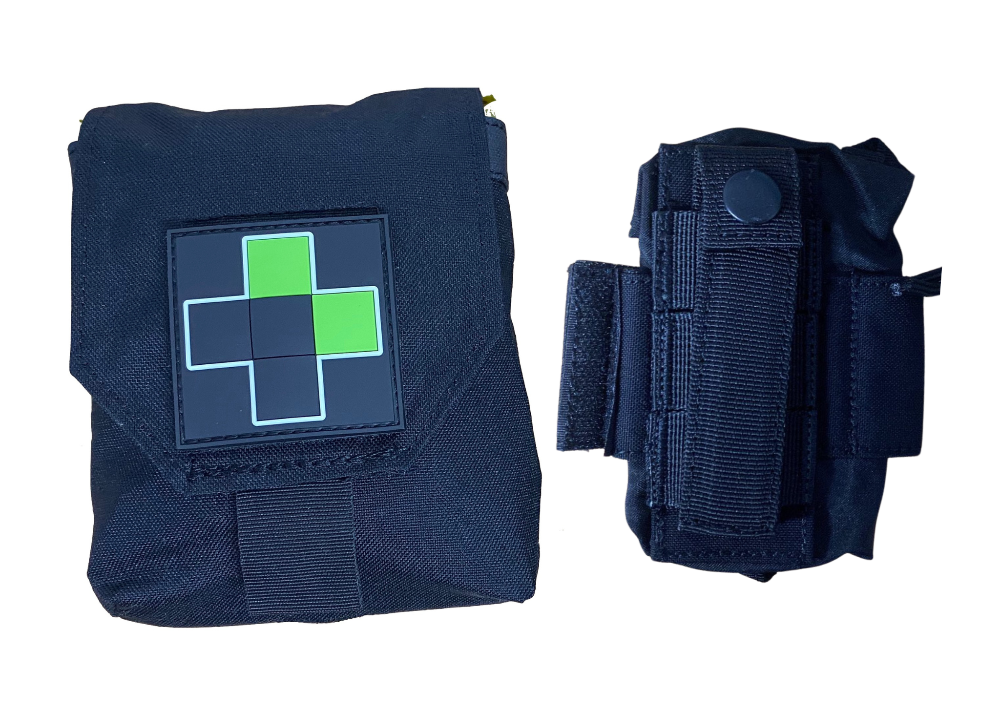
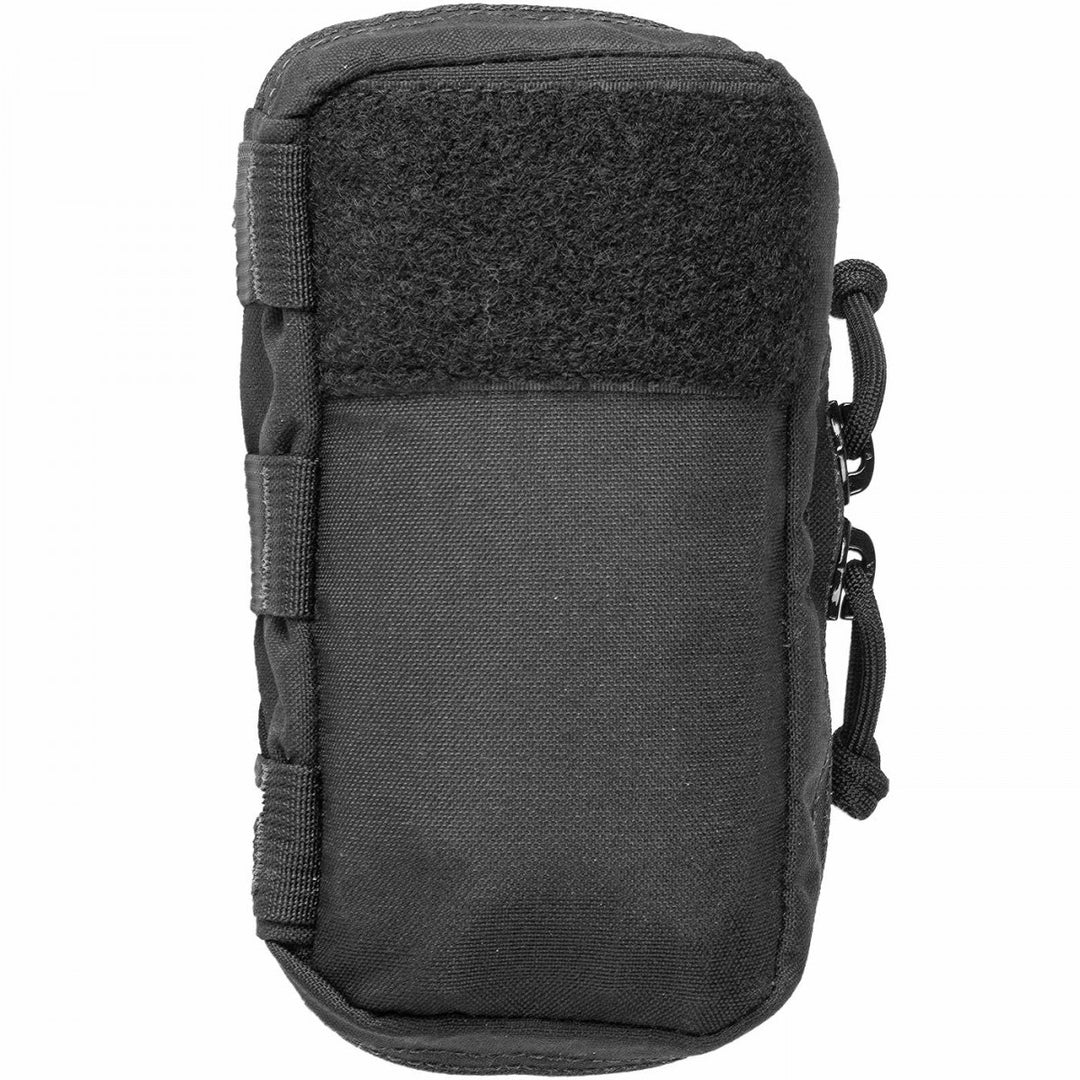
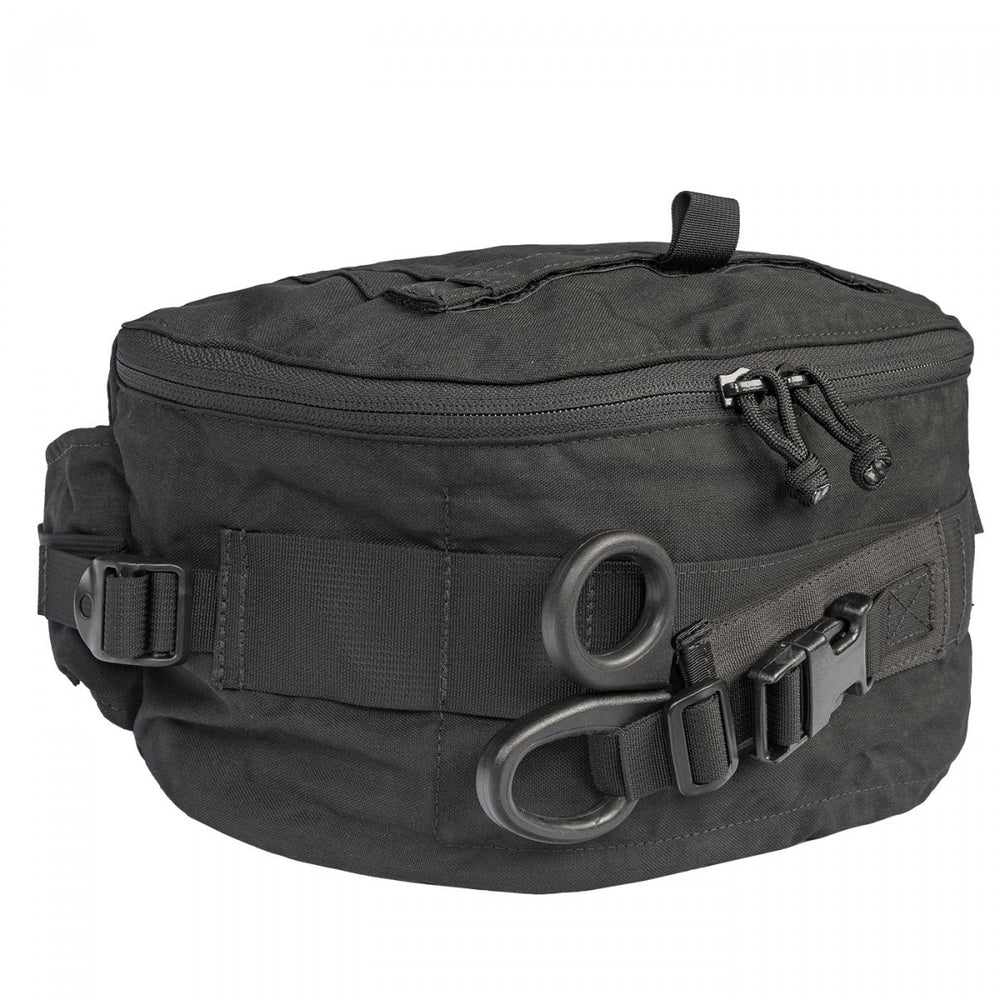
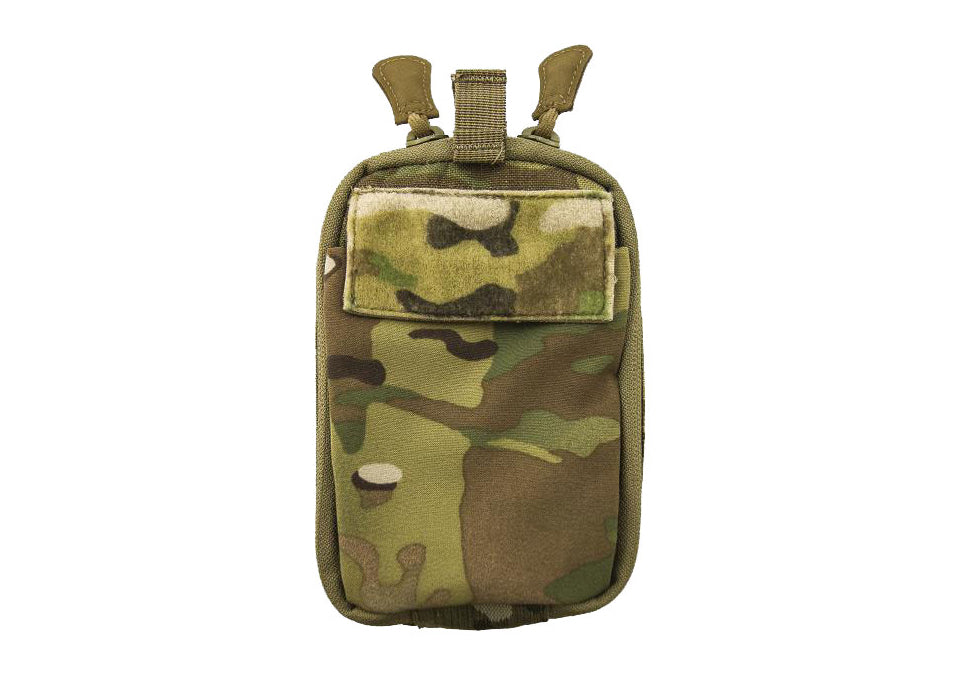
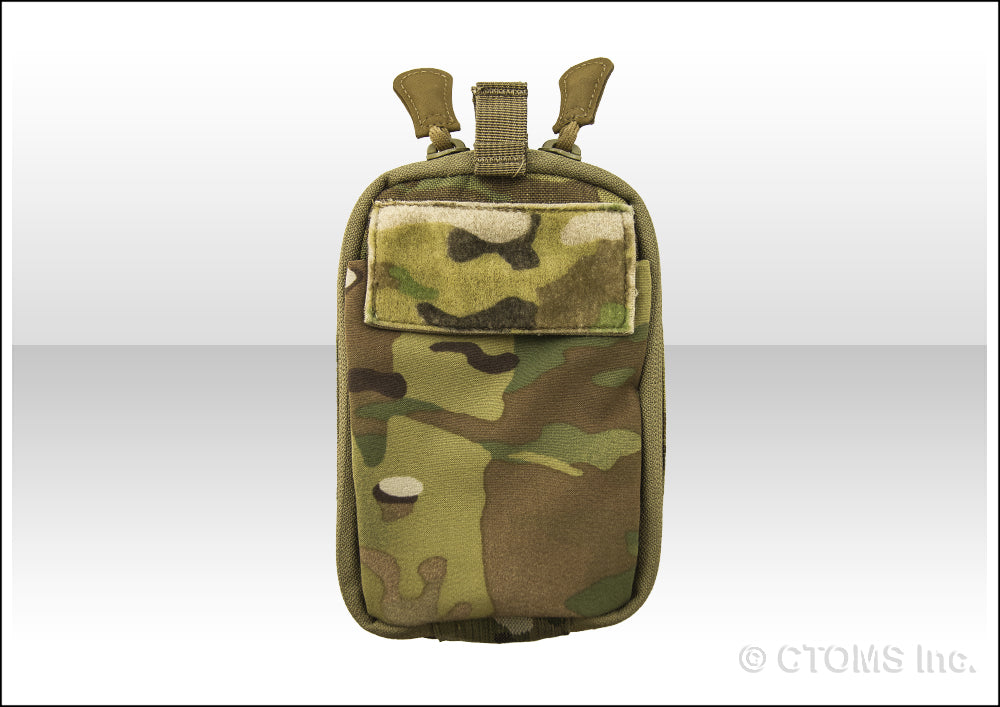
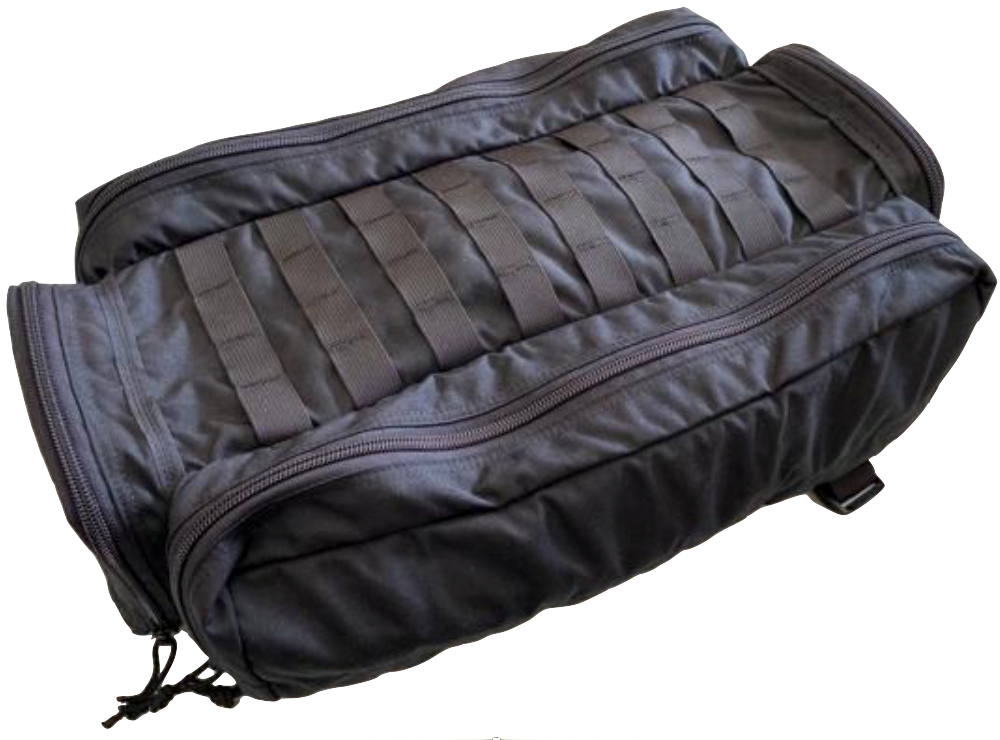
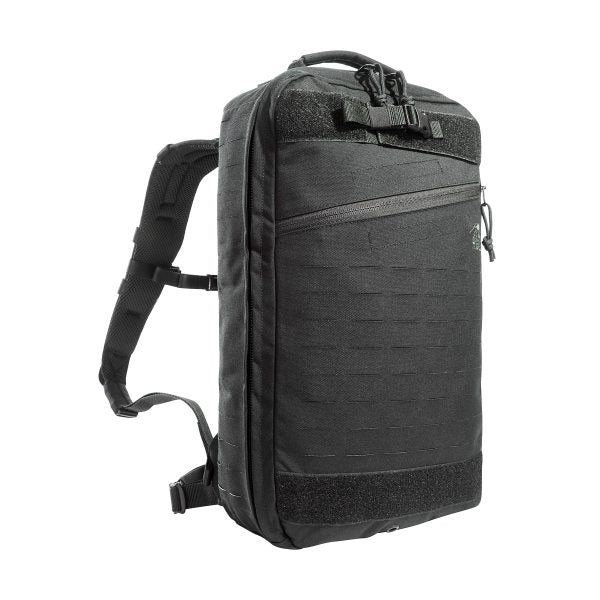
An IFAK kit is a complete, fully stocked trauma kit — it comes with all the clinical components included and is ready to carry and use. An IFAK pouch is an empty bag or carrier only — no contents included. If you want to select your own components and build a custom configuration, start with a pouch from the IFAK pouches collection. If you want a ready-to-carry kit, you're in the right place.
Can I refill or resupply an IFAK after it's been used?
Yes. After use, individual components should be replaced before the kit is returned to service. Replacement tourniquets, wound packing gauze, pressure dressings, chest seals, and gloves are available individually through our bleeding control and medical supplies collections. Do not return a partially used or depleted IFAK to your kit without restocking it.
What is the difference between an IFAK and a trauma kit?
An IFAK is compact and focused — designed for personal carry and immediate single-casualty response. A trauma kit is typically larger, carried by a designated responder, and configured to treat multiple casualties or a wider range of injuries. If you are a sole operator needing personal carry capability, an IFAK is the right choice. If you are equipping a vehicle, worksite, or response team, see the trauma kits collection.
What is the difference between an IFAK and a bleeding control kit?
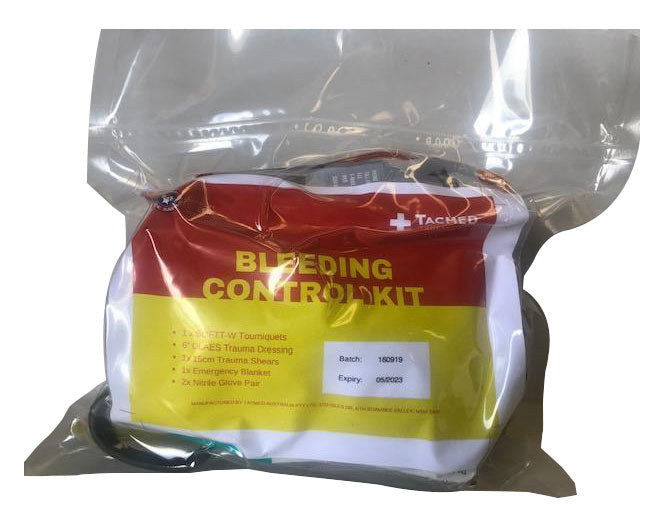
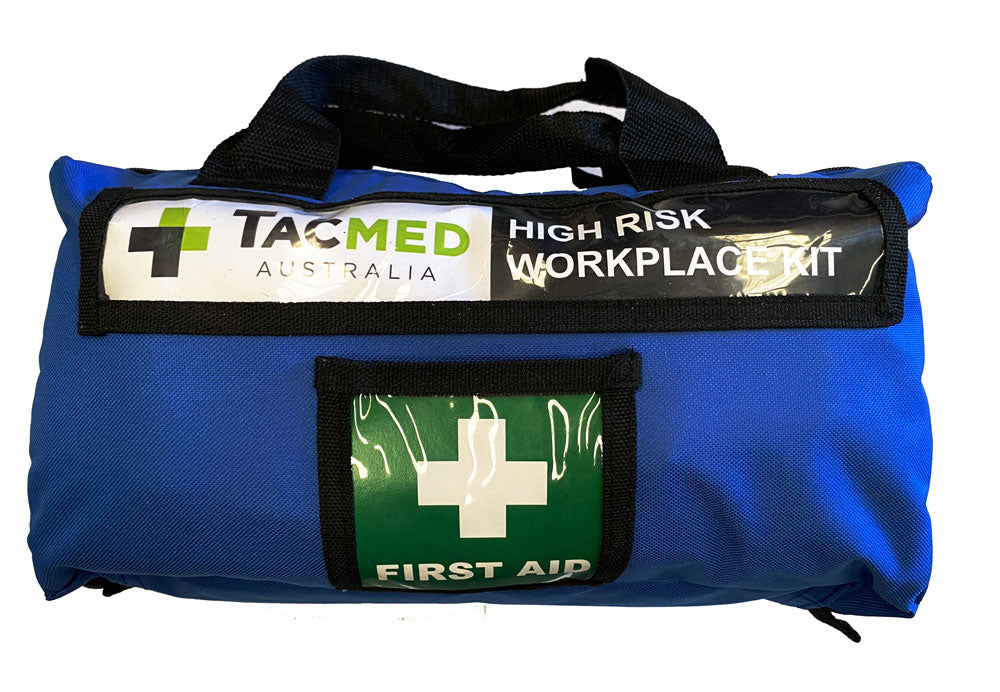
A bleeding control kit is typically configured for public access or shared workplace use — designed to be used by bystanders with minimal training. An IFAK is a personal carry kit for trained users, configured for a broader range of trauma interventions including chest injury and airway management. See the bleeding control collection for workplace and public access options.
Who should carry an IFAK?
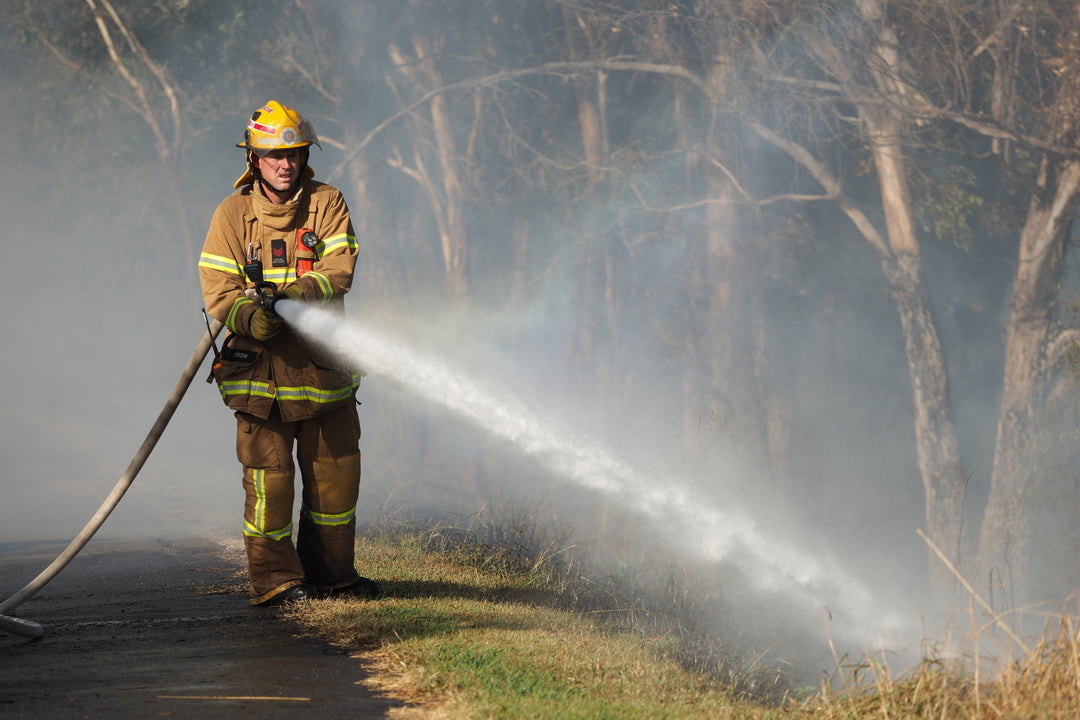
Anyone who operates in an environment where serious traumatic injury is a realistic risk and immediate medical care may not be available: military and law enforcement personnel, paramedics, security professionals, remote and offshore workers, tradespeople, 4WD and motorcycle riders, and trained civilians. If your environment involves machinery, vehicles, remote travel, or tactical operations — an IFAK is appropriate kit.
Are IFAKs legal for civilian use in Australia?
Yes. IFAKs are legal to own and carry in Australia. The medical components they contain — tourniquets, pressure dressings, chest seals — are not restricted items. TacMed stocks TGA-compliant components throughout all IFAK kits.
Do I need training to use an IFAK?
Yes — strongly recommended. An IFAK is only as effective as the person using it. Correct tourniquet application, wound packing technique, and chest seal placement all require practice to perform reliably under stress. If you're new to trauma care, see our training courses to build the skill to go with the kit.