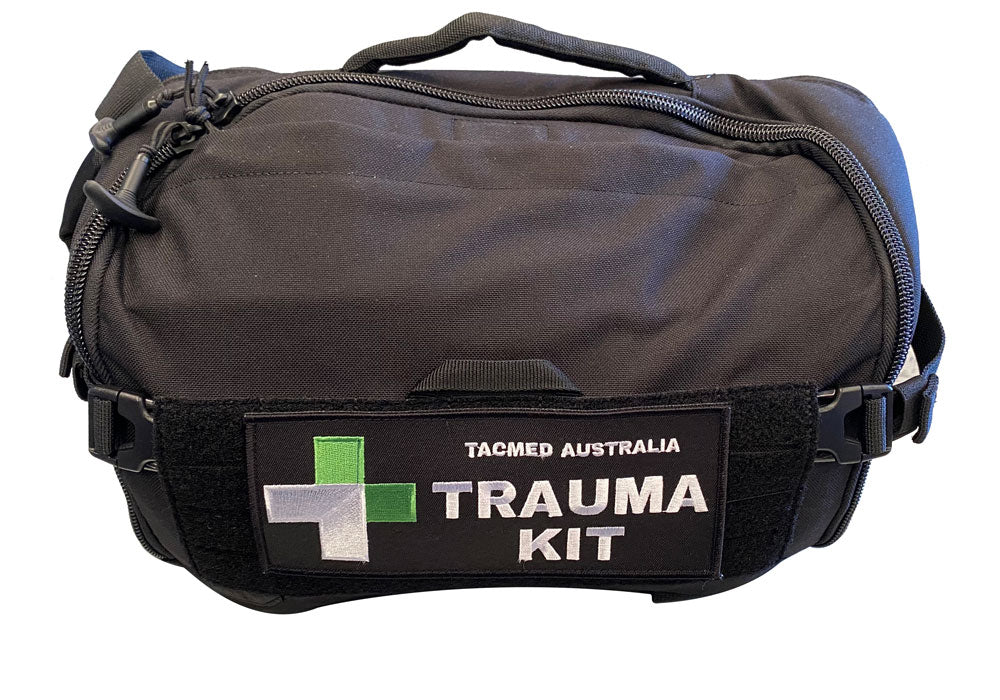
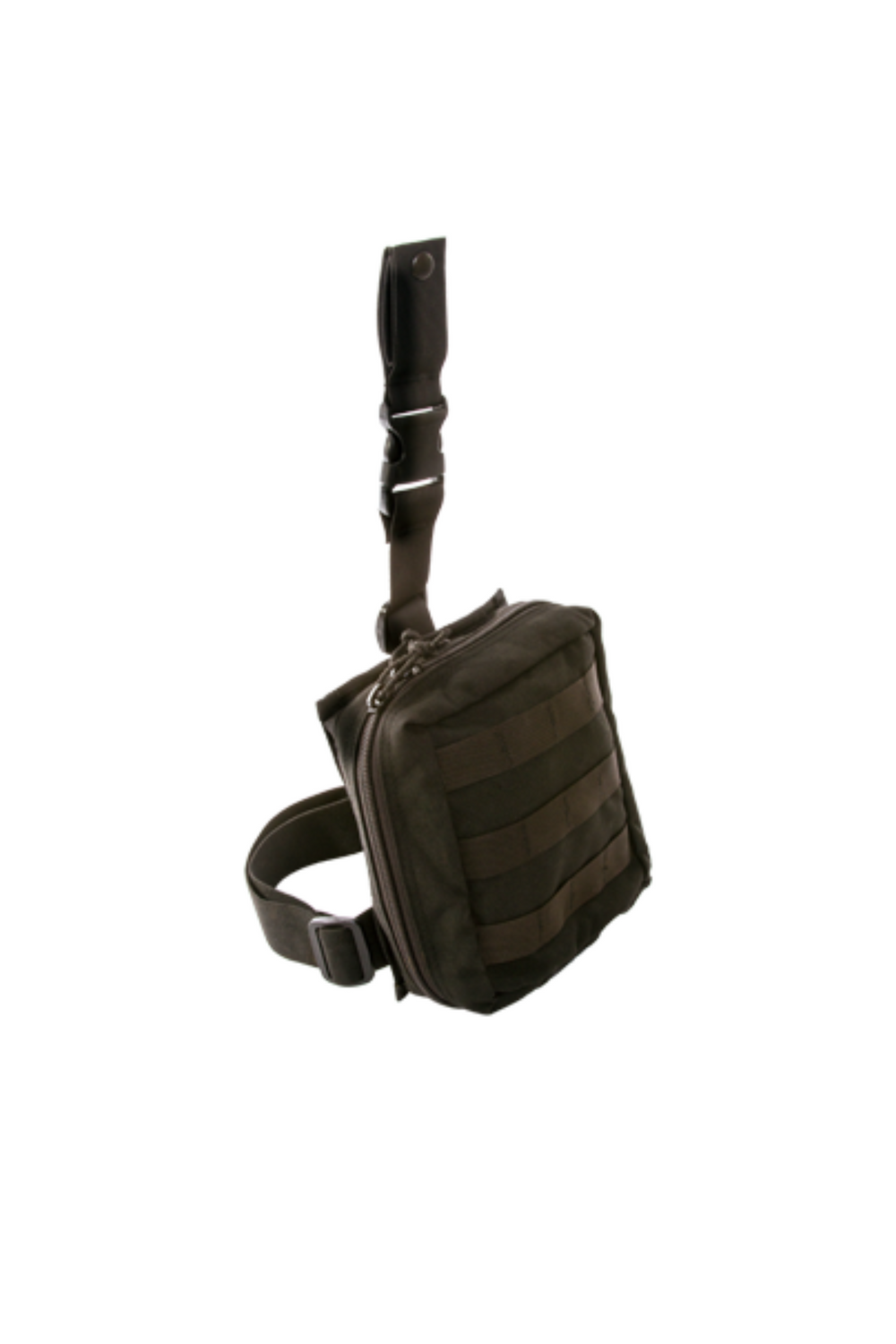
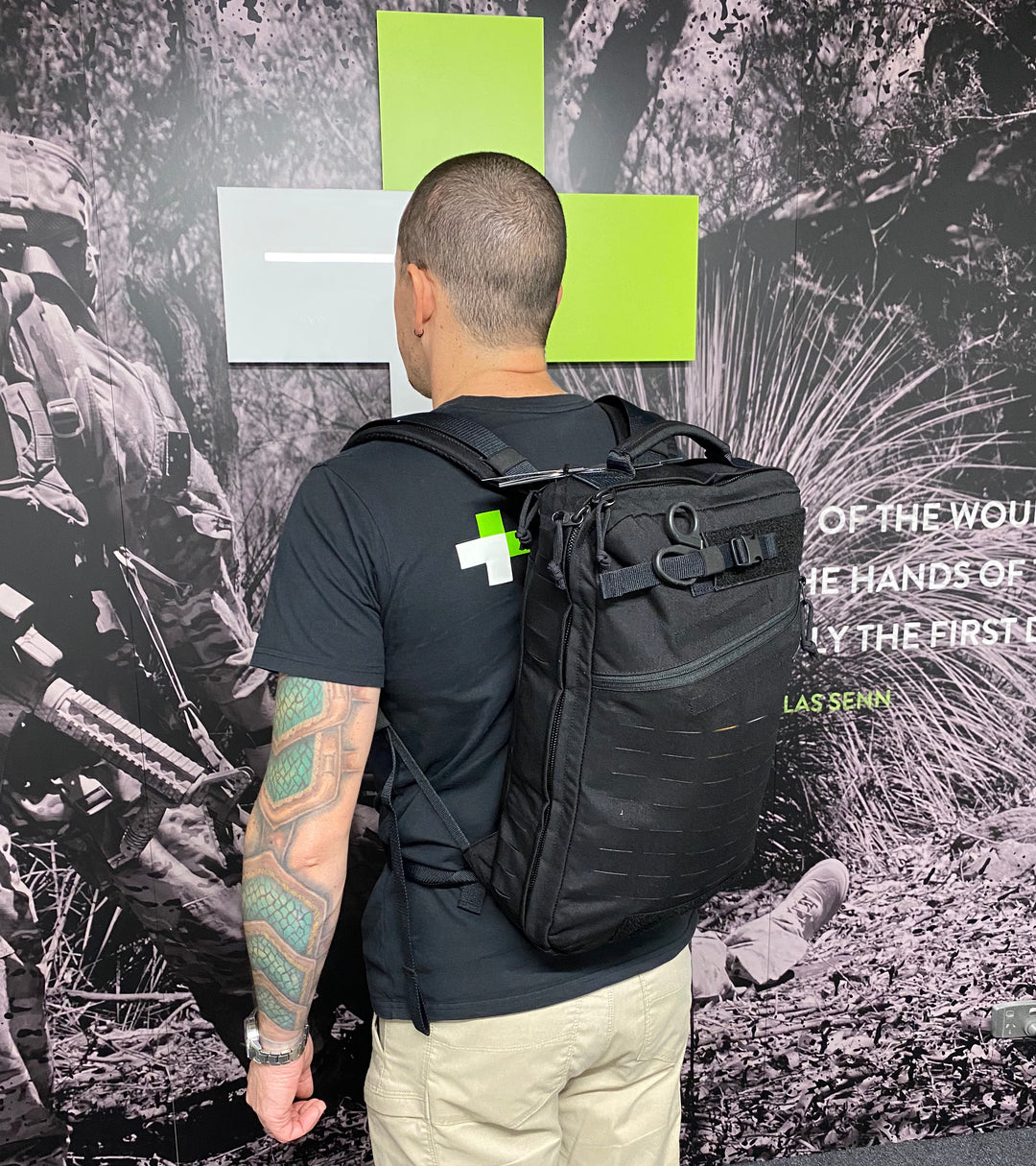
What is a bleeding control kit?
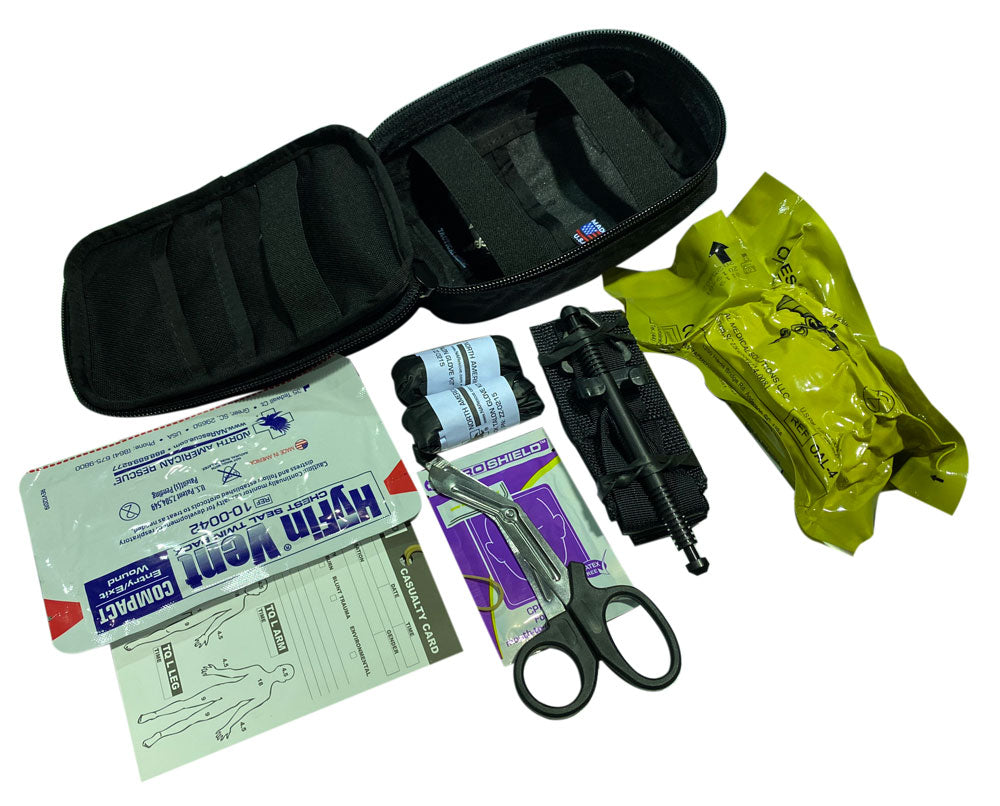
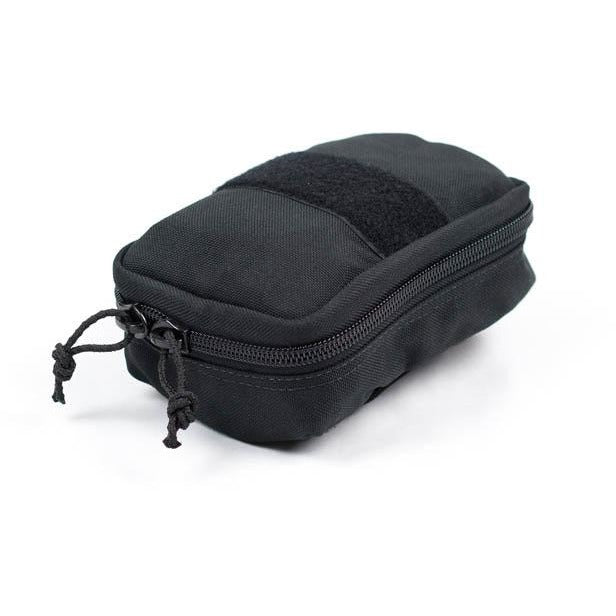
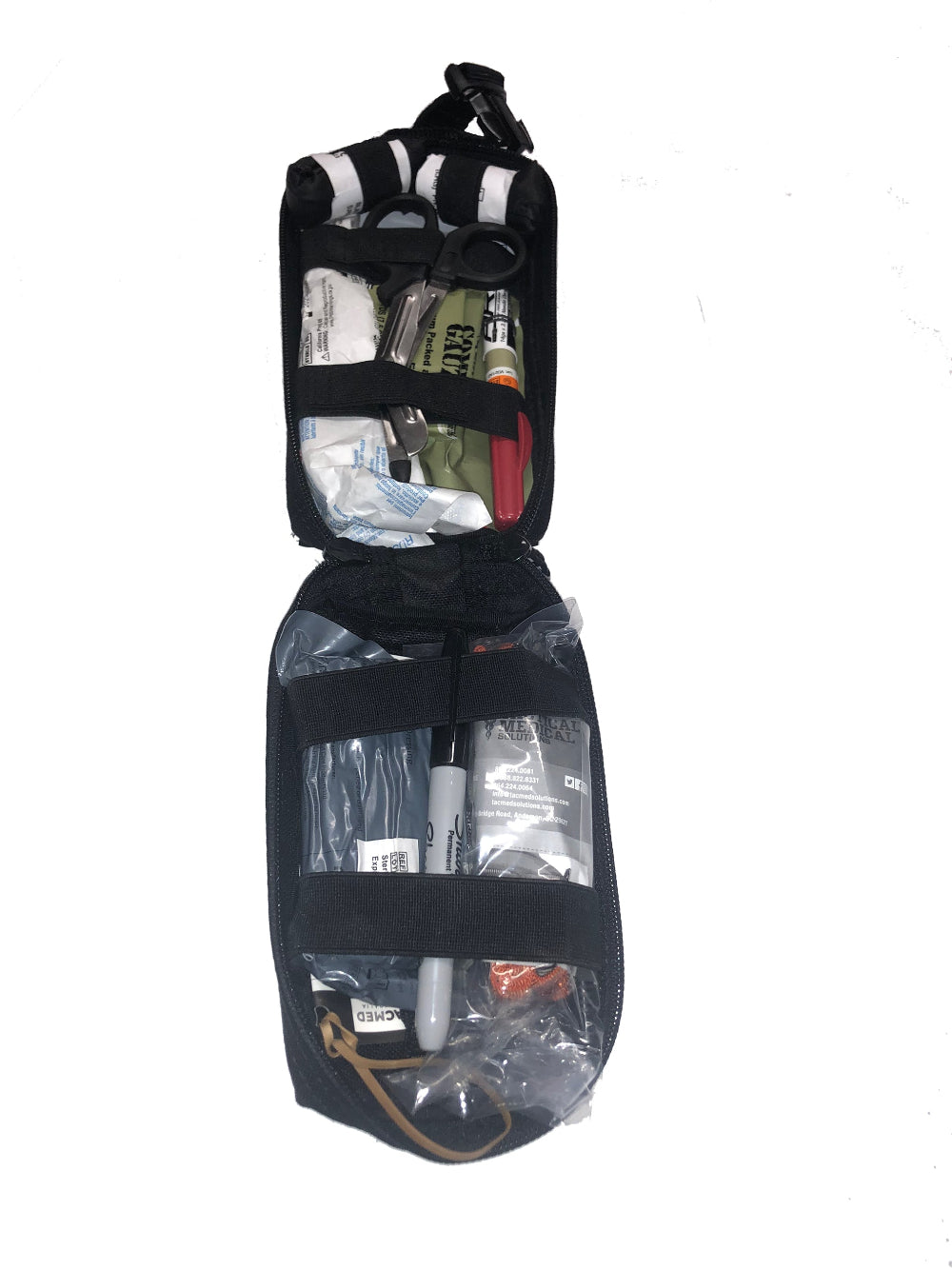
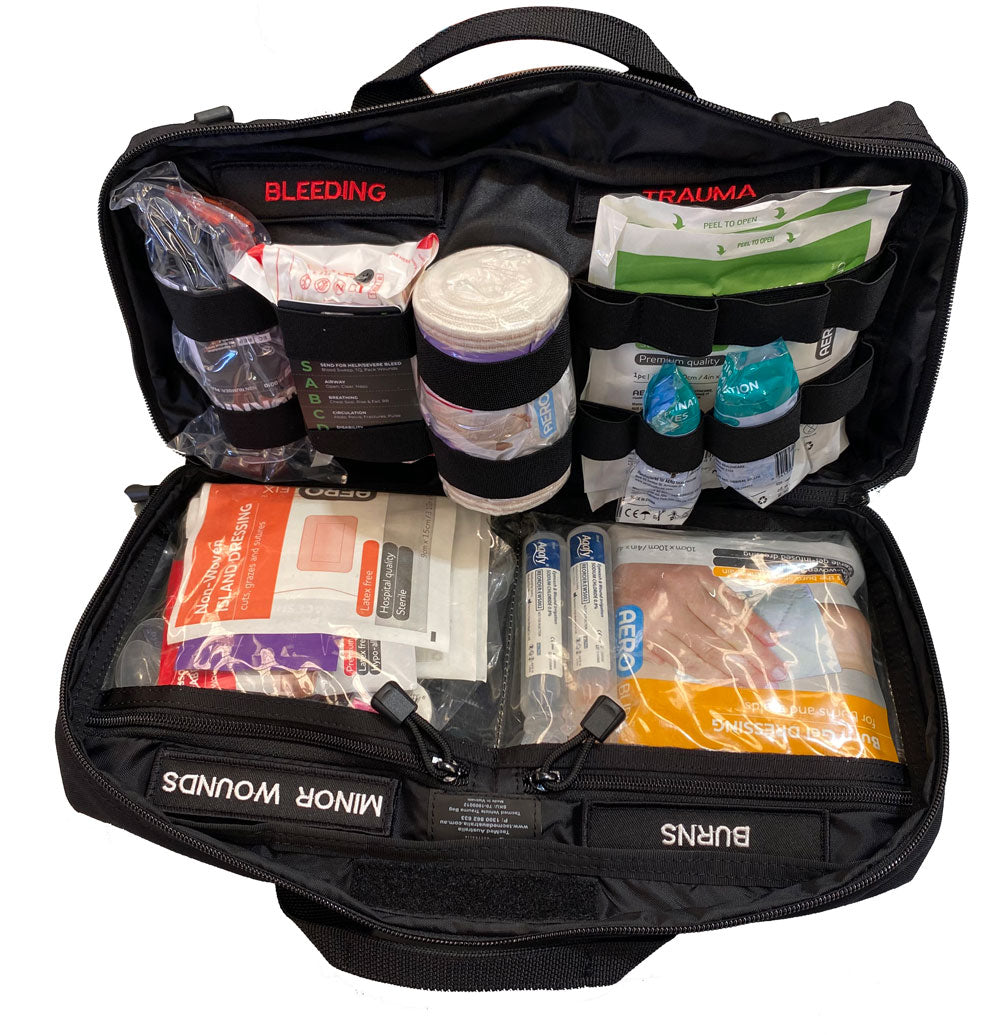
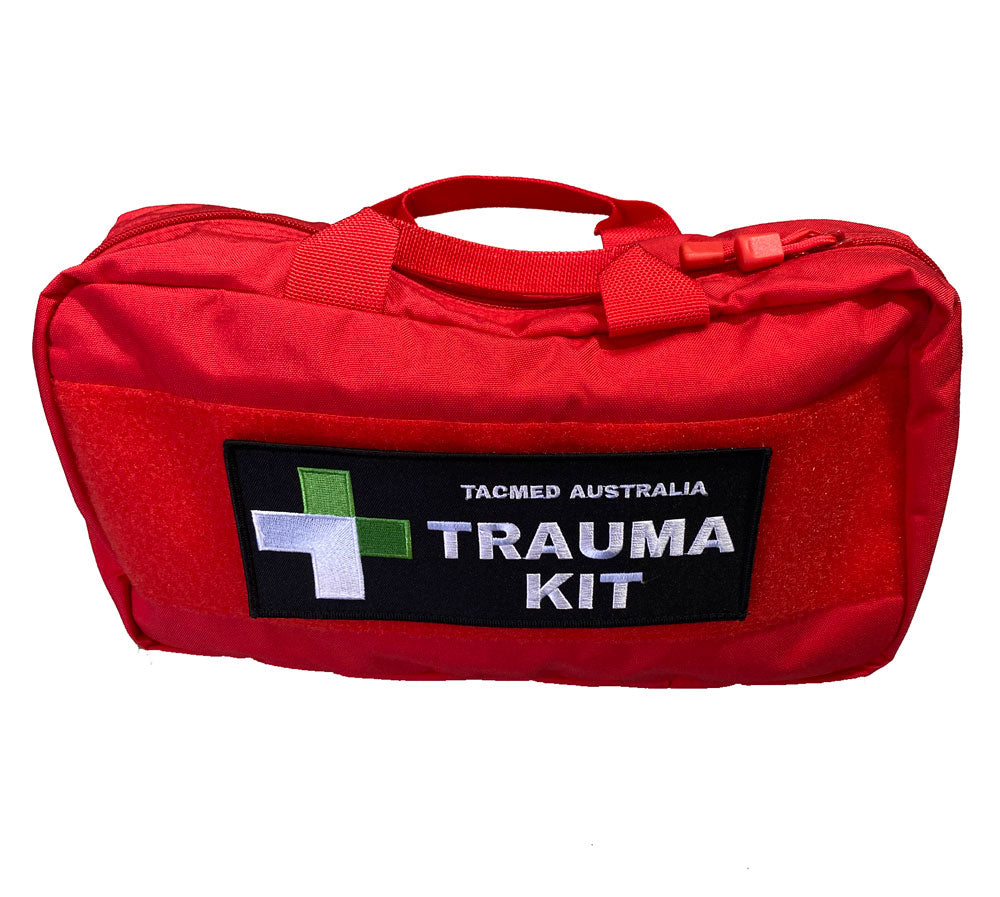
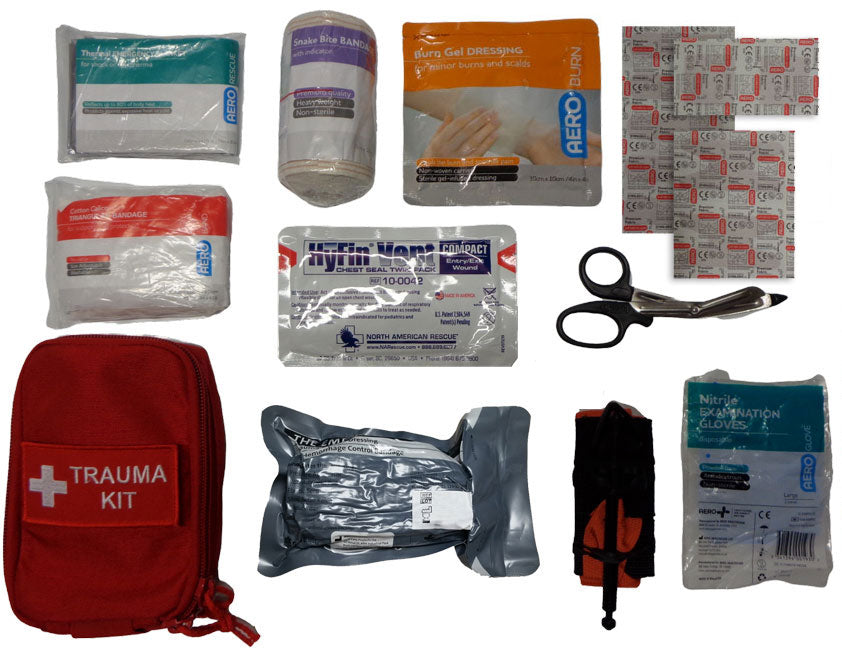
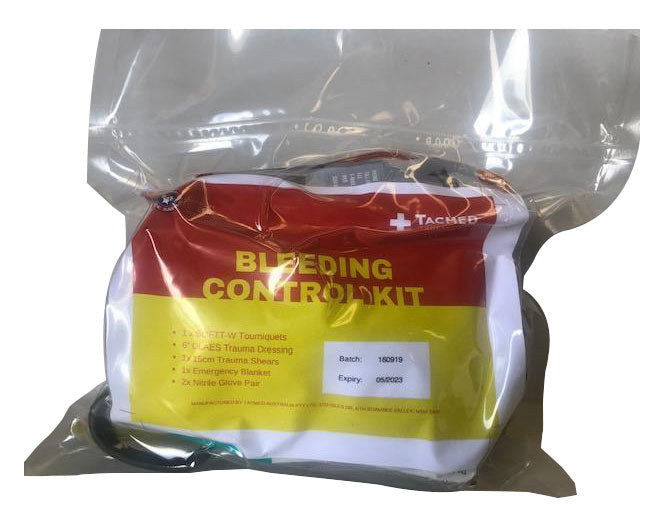
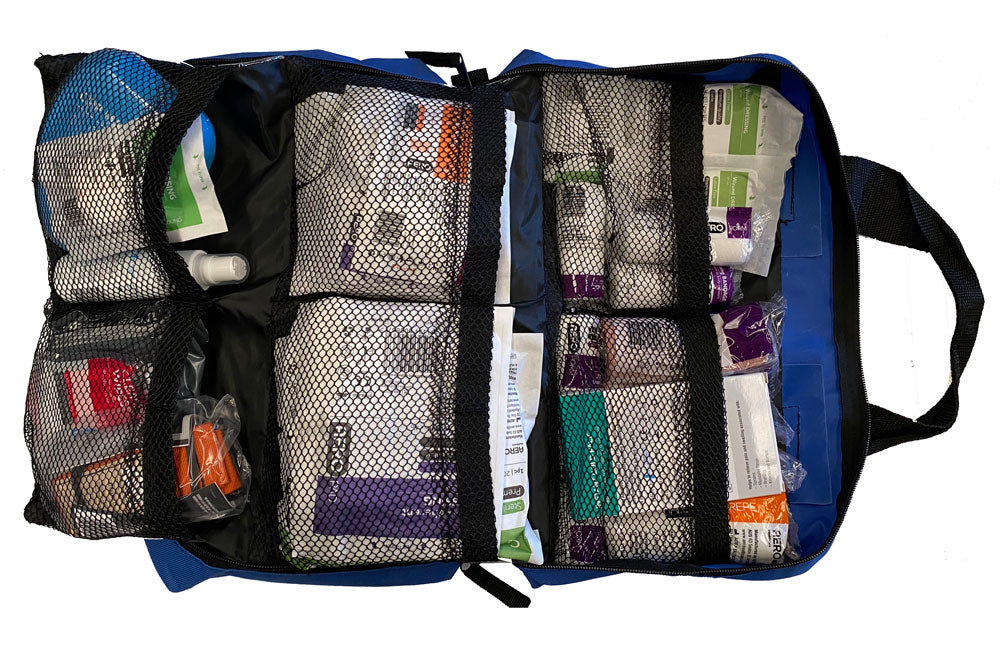
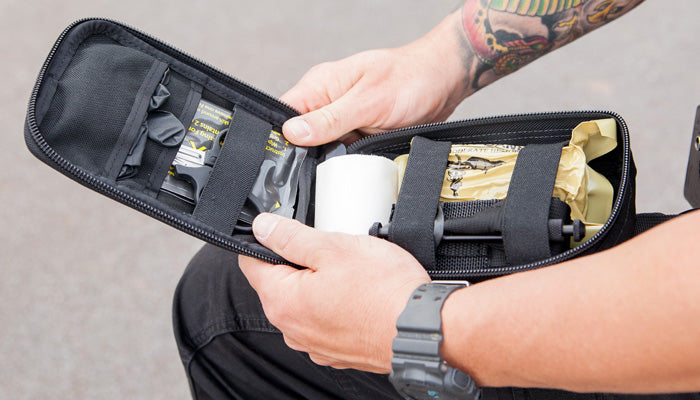
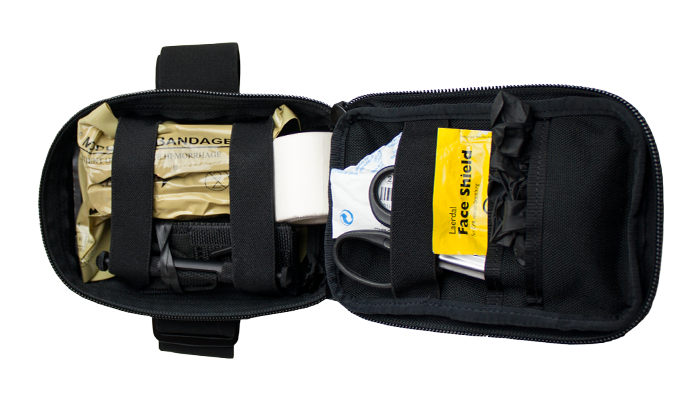
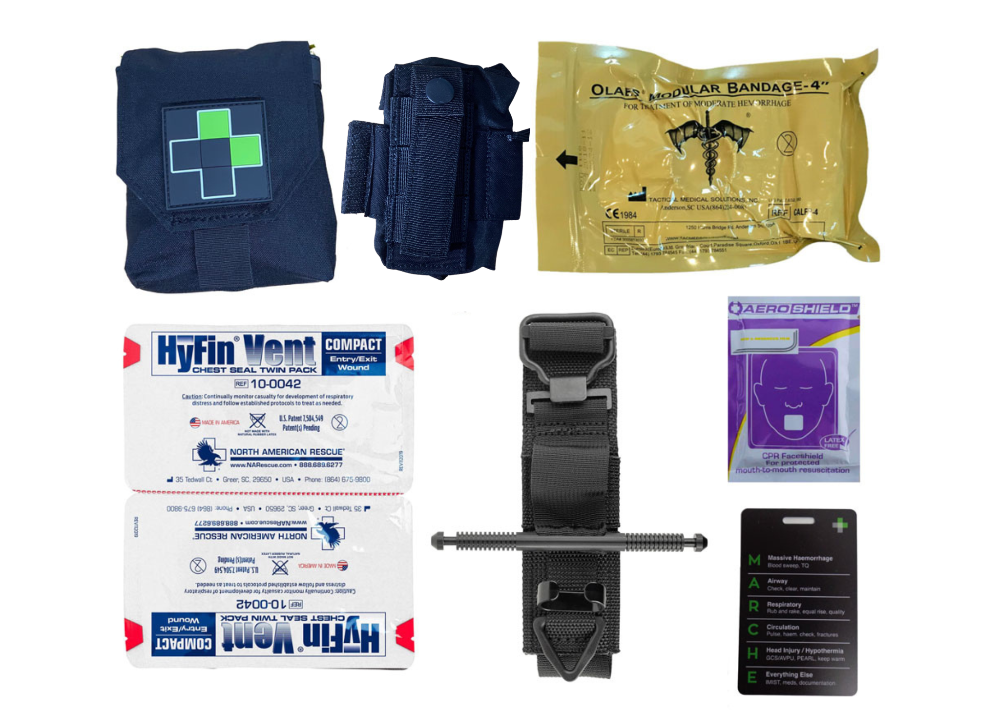
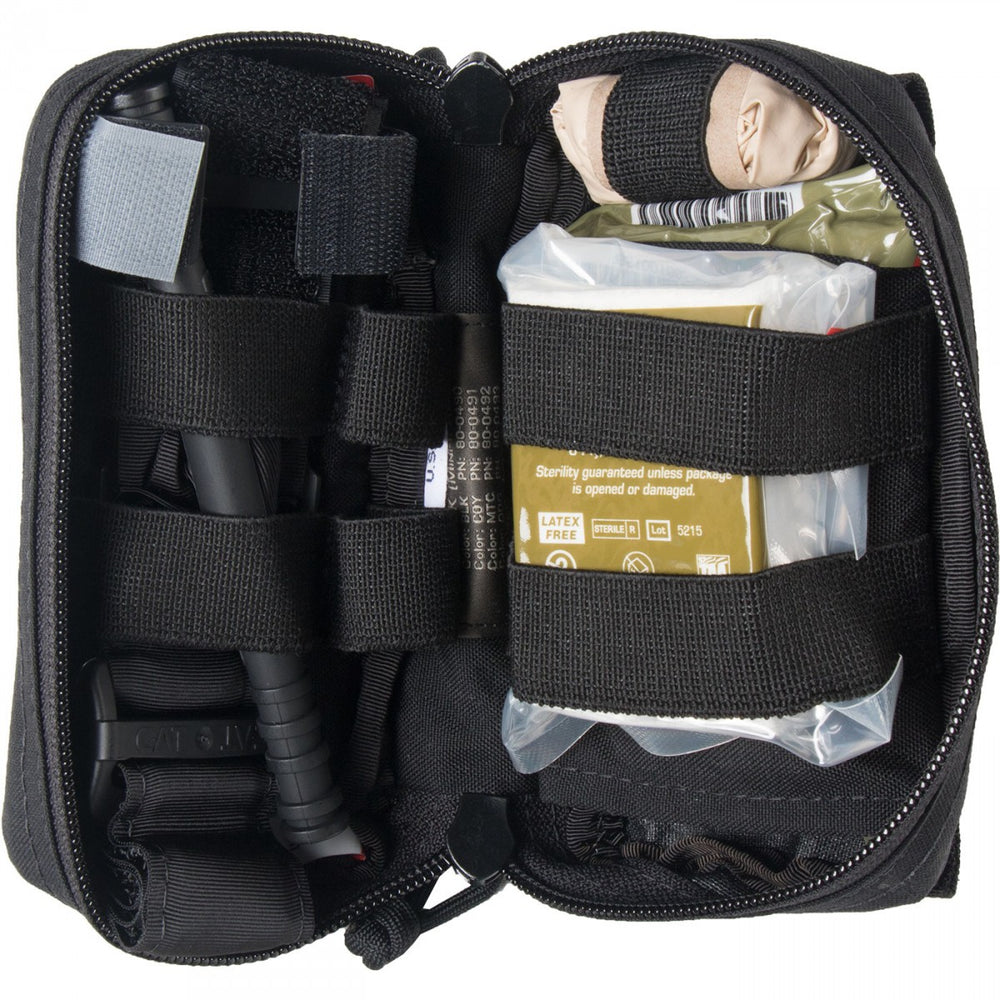
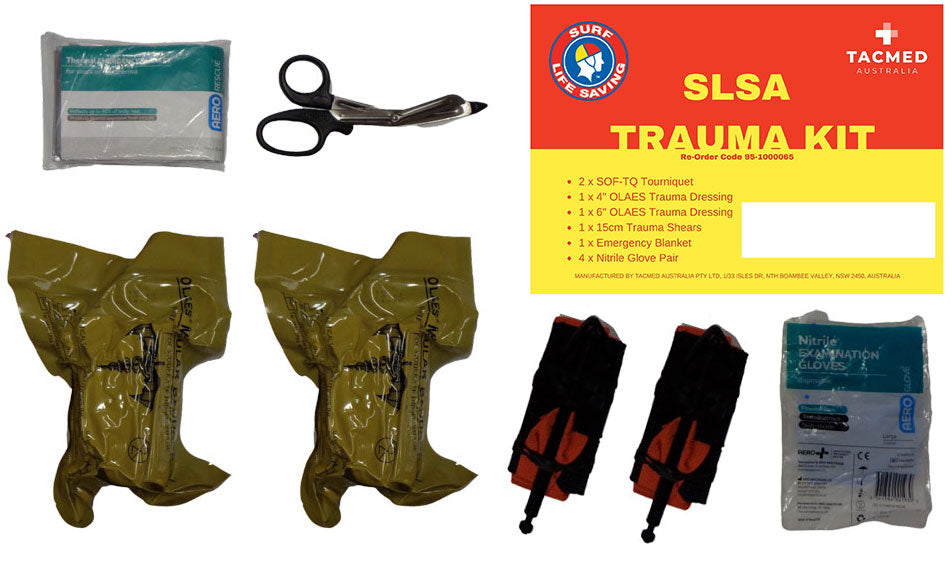
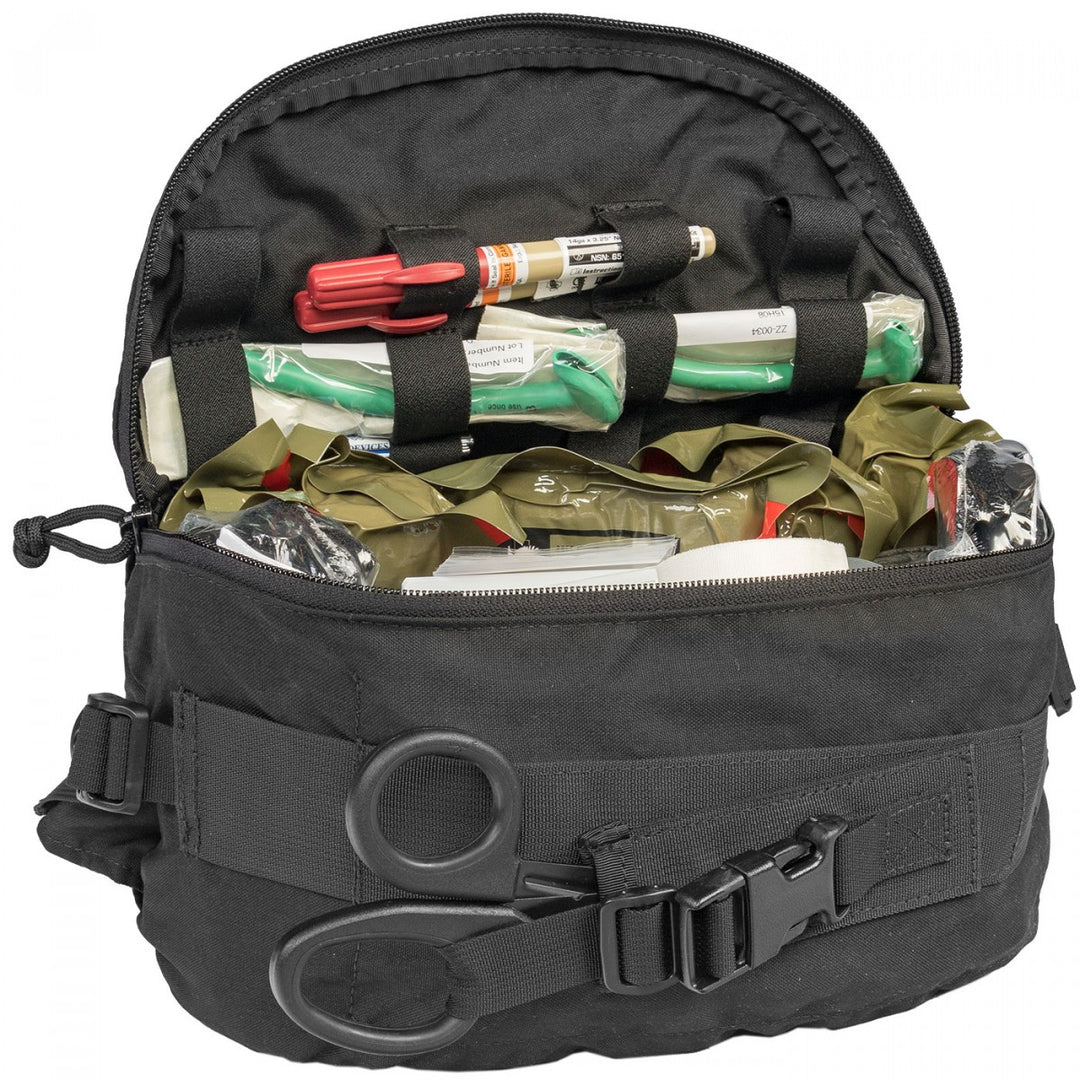
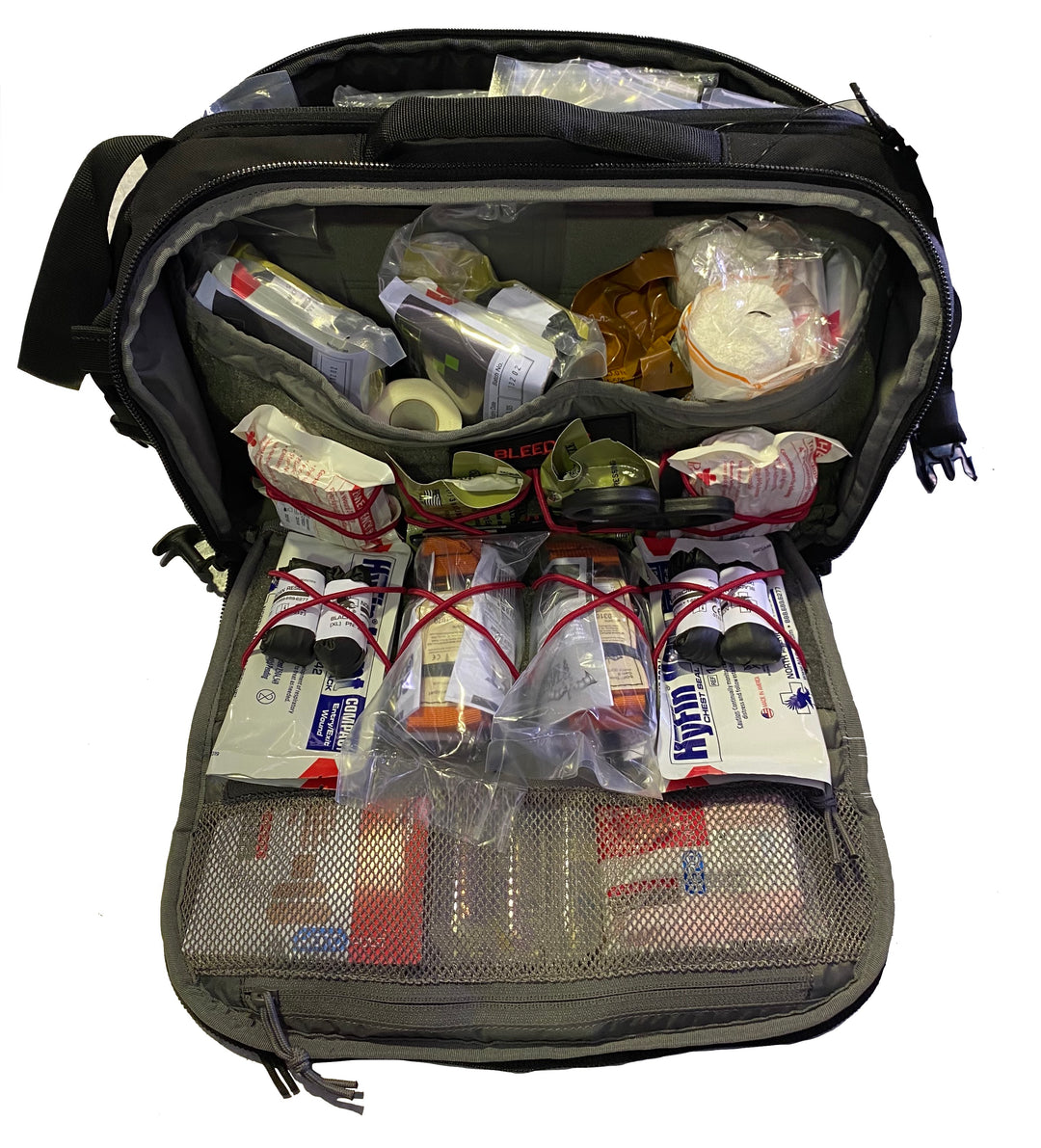
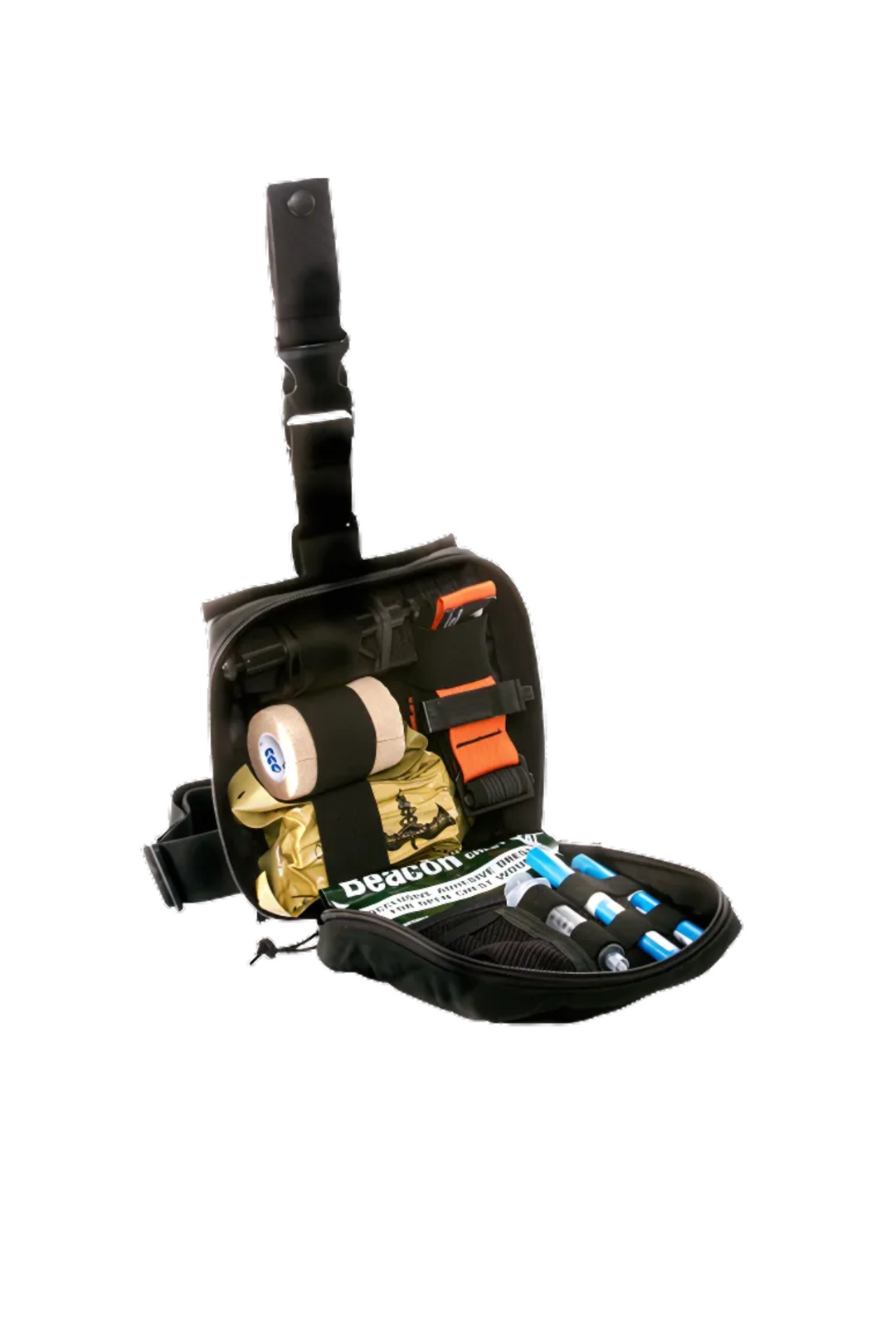
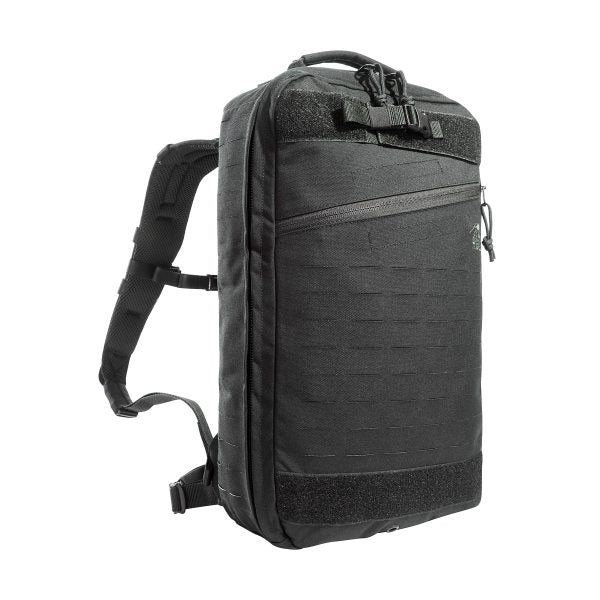
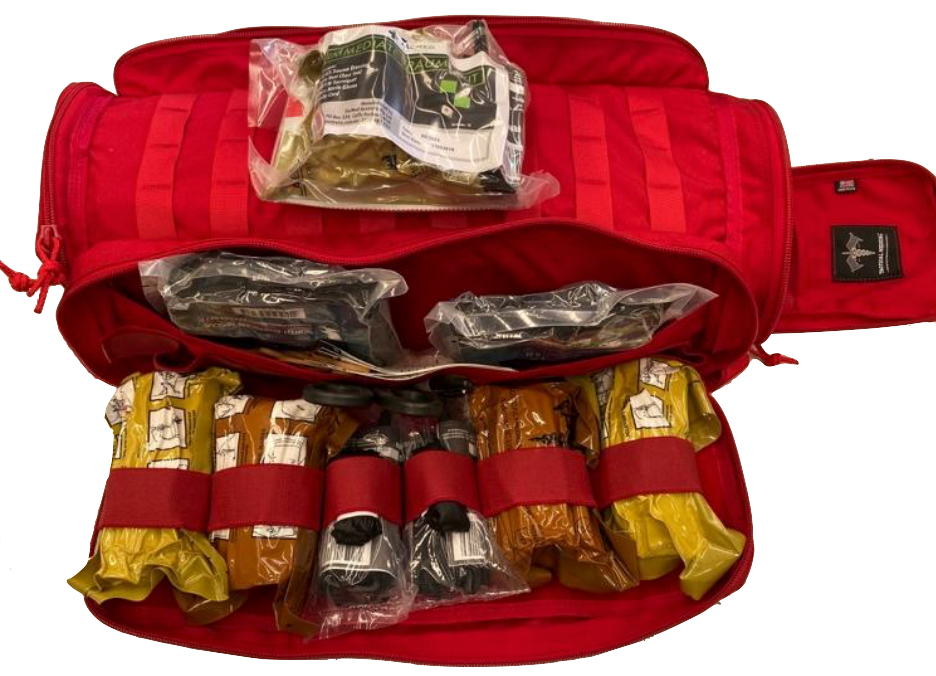
A bleeding control kit — also called a bleed kit, bleed control kit, or Stop the Bleed kit — is a purpose-built medical kit designed to manage serious, life-threatening bleeding quickly. It typically includes a tourniquet for limb injuries, haemostatic wound packing gauze for deep or junctional wounds, and a pressure dressing to secure and maintain control of haemorrhage. Unlike a standard first aid kit, everything in a bleeding control kit is selected for one purpose: stopping catastrophic blood loss fast.
How is a bleeding control kit different from a first aid kit?
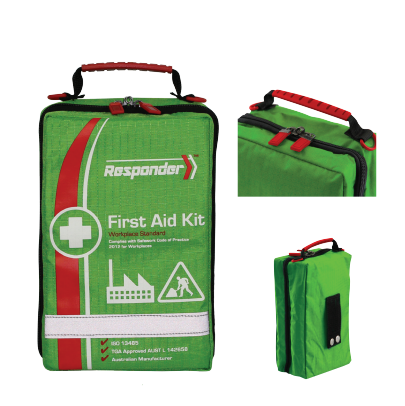
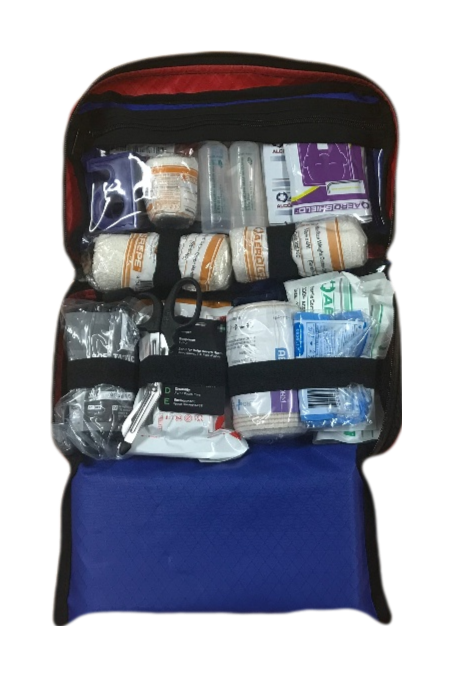
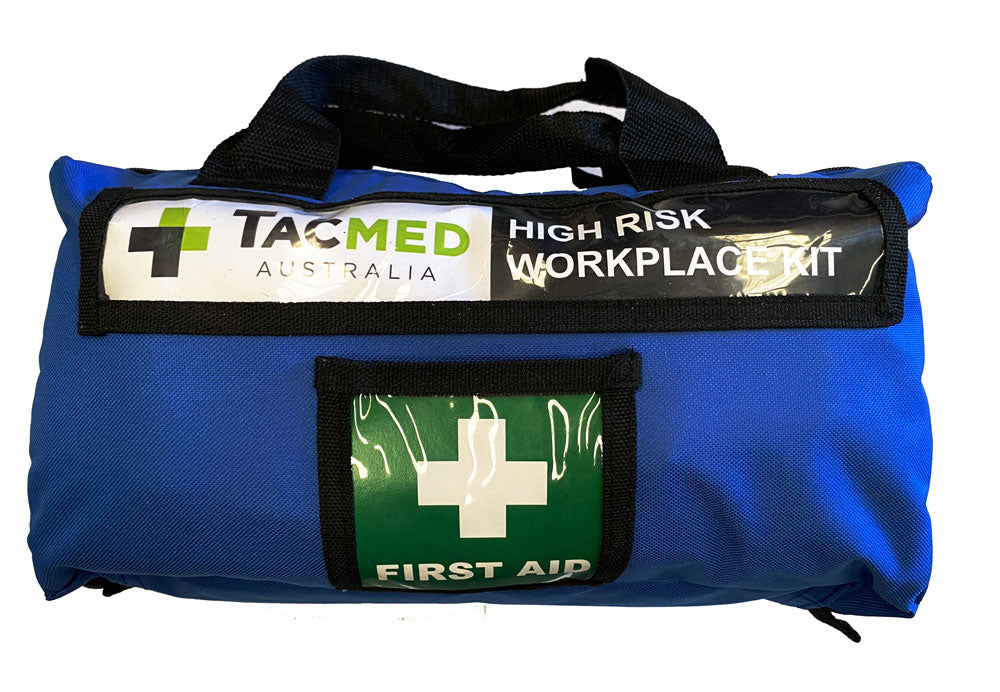
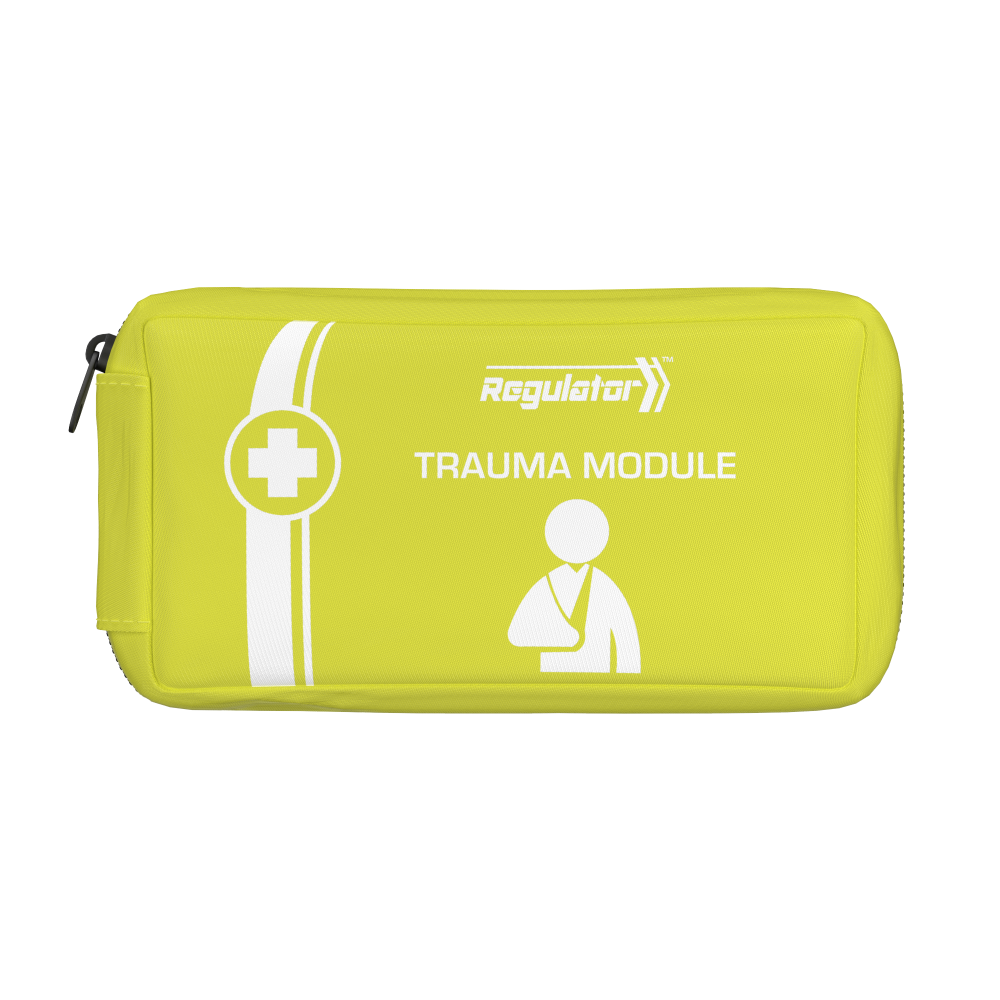
Standard first aid kits are designed for minor injuries — small cuts, burns, sprains, and general care. Bleeding control kits focus specifically on serious haemorrhage and contain tools built for high-risk, time-critical trauma: combat tourniquets, haemostatic gauze, and pressure dressings. Most workplaces and vehicles need both — a general first aid kit for everyday incidents, and a bleeding control kit for serious trauma.
Should a bleeding control kit include a tourniquet?
Yes, in most cases. Serious limb bleeding — from machinery, vehicles, tools, or ballistic injuries — frequently requires a tourniquet to control arterial haemorrhage that direct pressure alone cannot manage. A bleeding control kit without a tourniquet is not fully equipped for its intended purpose in a high-risk environment. The CAT Gen 7 is the standard recommendation. See Tourniquets for a full comparison.
What is Stop the Bleed and how does it relate to bleeding control kits?
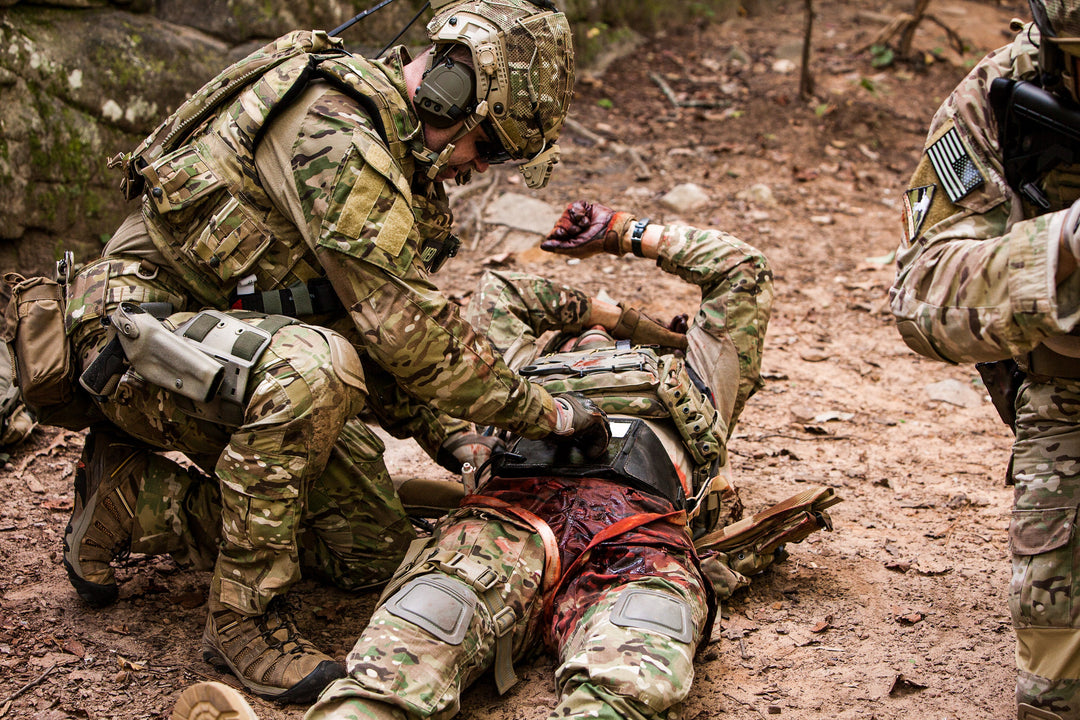
Stop the Bleed is a widely taught civilian response programme that trains bystanders to control life-threatening bleeding before emergency services arrive. The three core skills — tourniquet application, wound packing, and direct pressure — map directly to the components in a bleeding control kit. If you've completed Stop the Bleed training, a bleed kit gives you the equipment to apply those skills. See our Stop the Bleed guide for more on the technique.
Are bleeding control kits legal to carry in Australia?
Yes. Bleeding control kits and their components — including tourniquets and haemostatic gauze — are legal to carry in Australia and are routinely used in workplaces, vehicles, and personal preparedness setups. All TacMed bleeding control products meet Australian TGA requirements.
Should I keep a bleeding control kit in my vehicle?
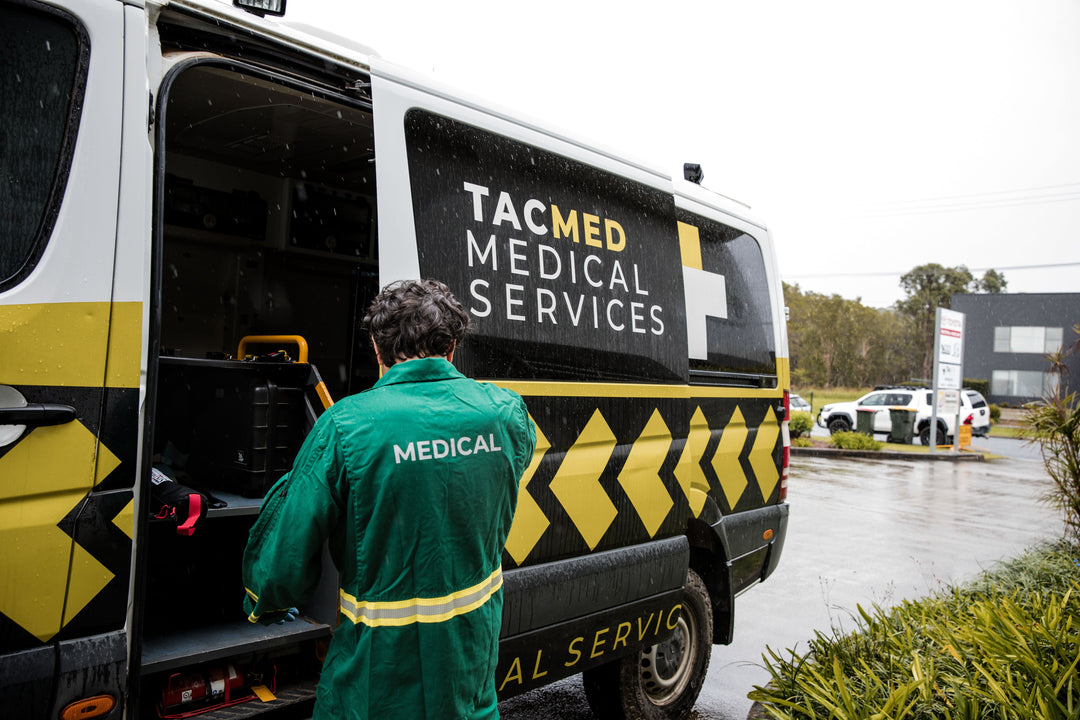
Vehicle carry is one of the most common use cases for a bleed kit — particularly for regional and remote travel, trade vehicles, and anyone who spends significant time on rural roads. Placement matters: the kit should be reachable from the driver's seat or immediately accessible from outside the vehicle, not stored under gear in the boot. A dedicated vehicle trauma kit staged in a consistent location is significantly more useful than a kit that has to be found first.
Do I need training to use a bleeding control kit?
Training is strongly recommended. The equipment in a bleeding control kit is straightforward, but using it correctly under pressure — on a stressed patient, potentially in low light or confined space — takes practice. Even a single session of hands-on training significantly improves speed and effectiveness. See our wound packing guide for technique, and TacMed's training programs for structured instruction.
Can one bleeding control kit treat more than one casualty?
Most individual bleed kits are configured for a single casualty. For higher-risk workplaces, events, or group travel where multiple casualties are a realistic scenario, carry multiple kits or a larger staged kit. If you're responsible for a team or site, plan your kit quantities based on the number of people present, not just the number of likely incidents.
Is a bleeding control kit the same as an IFAK?
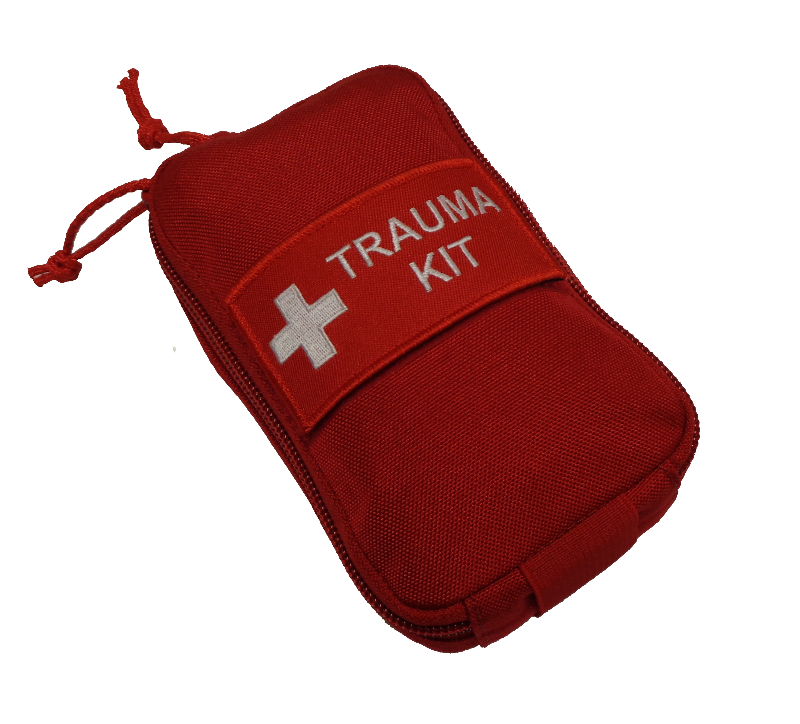
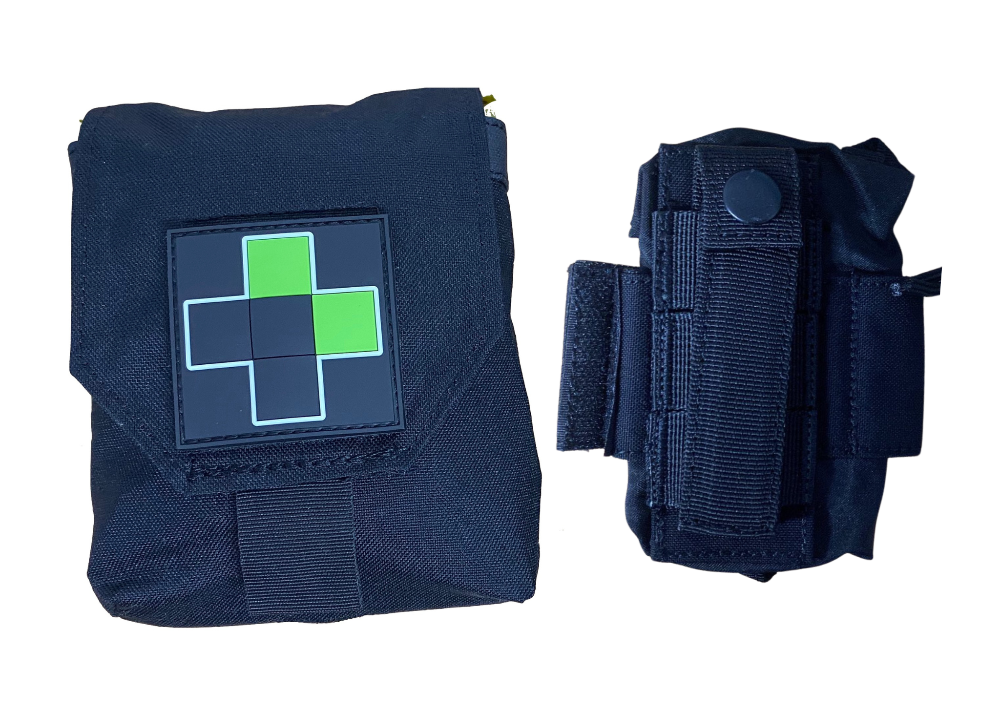
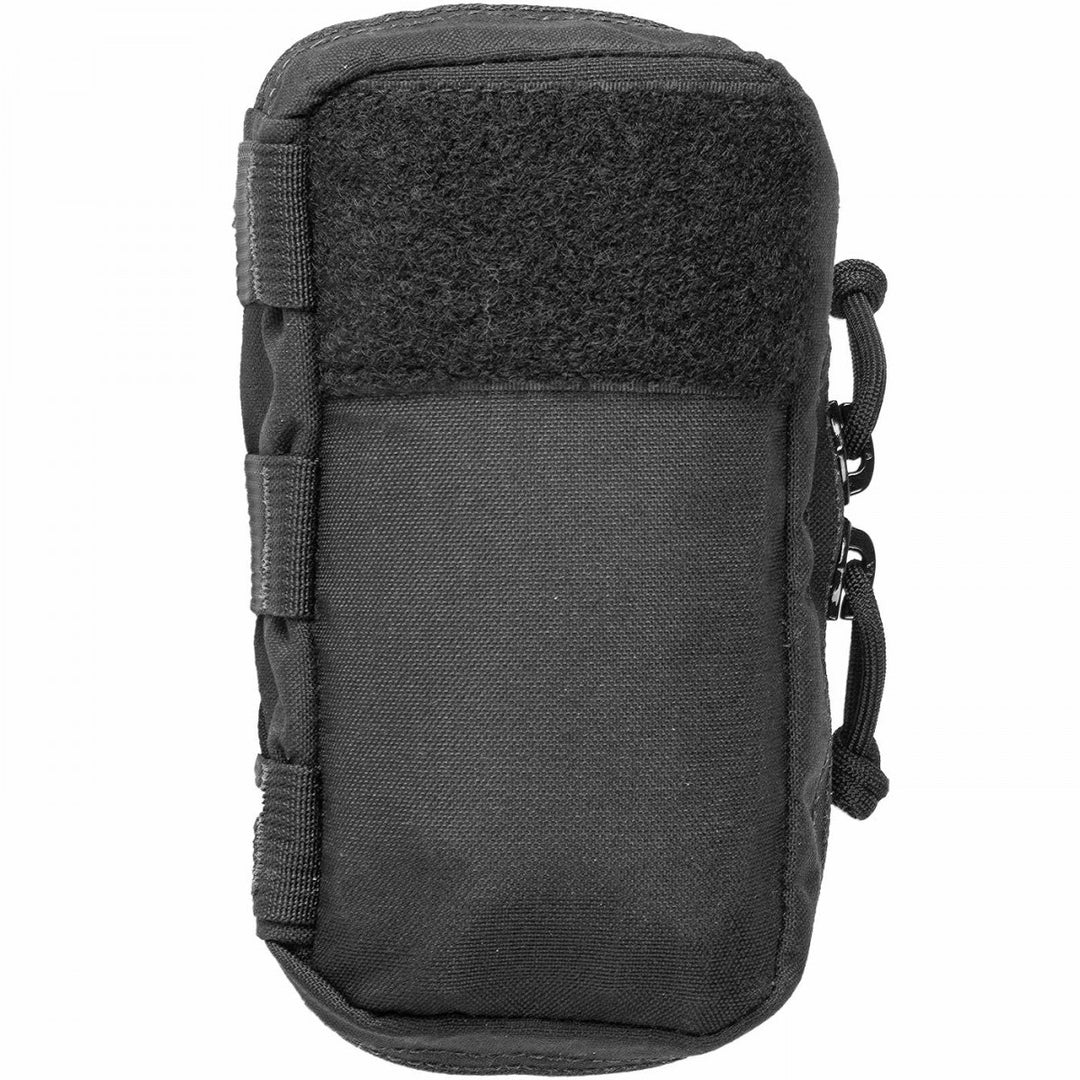
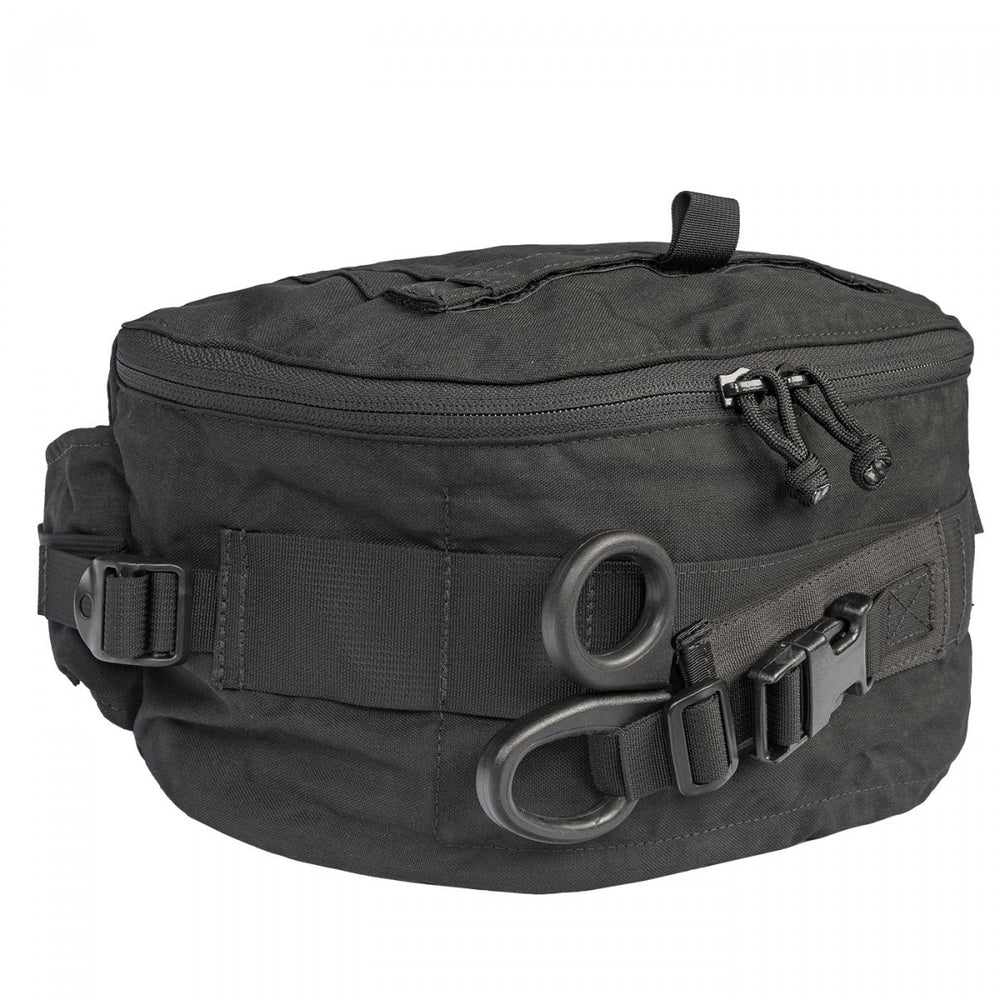
They serve overlapping purposes but aren't identical. An IFAK (Individual First Aid Kit) is a personal carry kit — worn on the body in a pouch or plate carrier — configured to TCCC standards for individual use. A bleeding control kit is typically staged for deployment by any responder, not just the person wearing it. Many IFAKs contain the same core bleeding control components. See IFAK Kits if you're looking for a personal carry option.