What are chemlights and how are they used in fire and rescue?
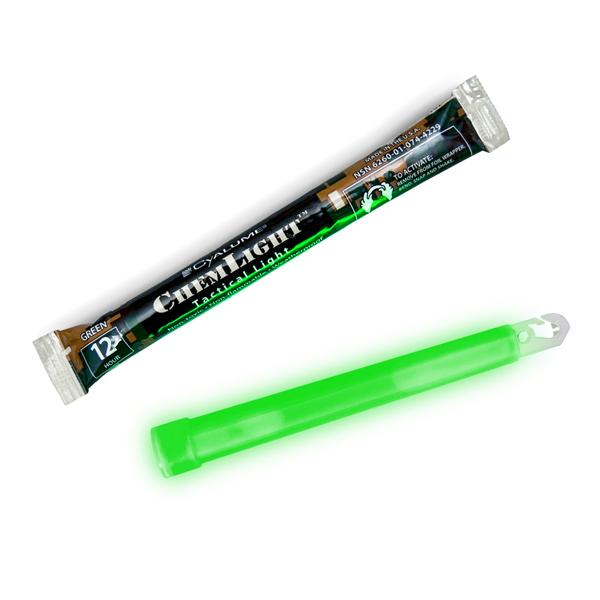
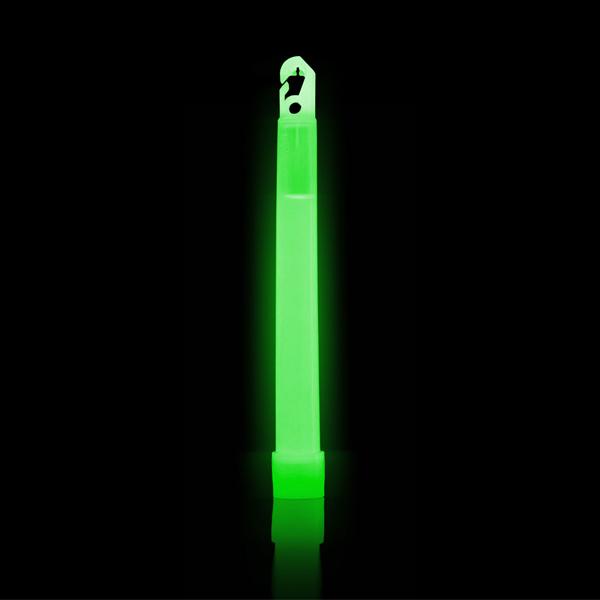
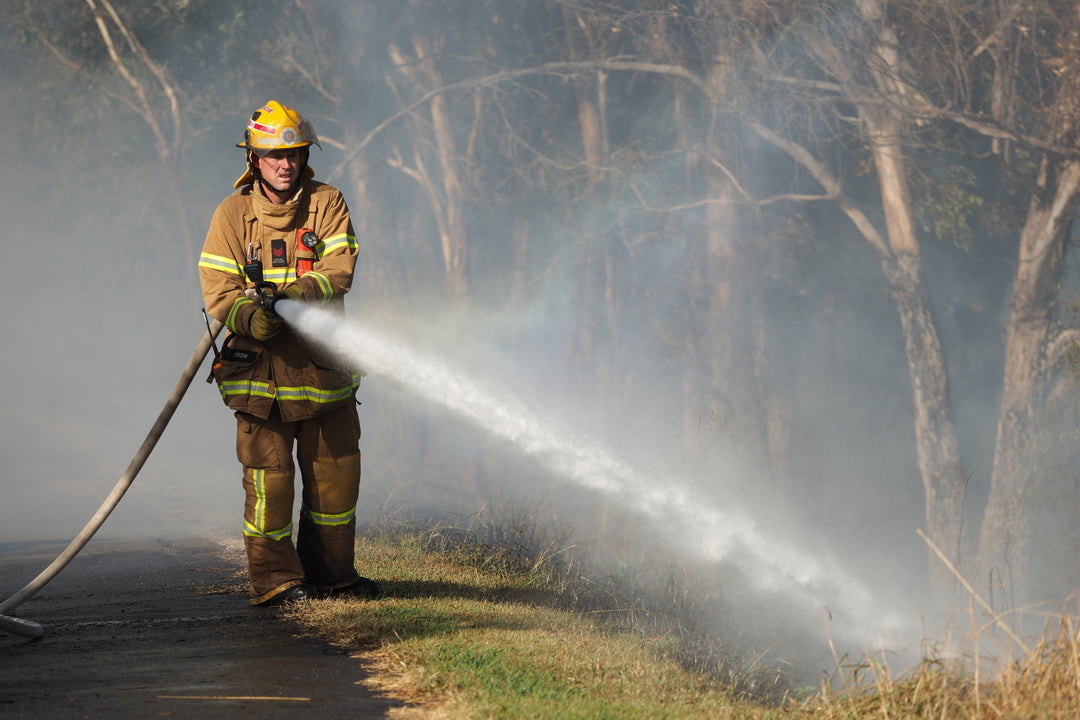
Chemlights — also called chem lights, chemical light sticks, or glowsticks — are sealed tubes containing chemical compounds that react on bending to produce reliable light without flame, heat, or electrical components. Cyalume chemlights are the professional standard used by fire, military, and rescue services globally. In fire and rescue operations they are used for: marking casualty locations, scene perimeter delineation, appliance identification in low visibility, confined space lighting, and marking hazards during operations. They require no batteries, can't create ignition risk, and function in wet conditions.
What is the difference between 6-hour and 12-hour chemlights?
Cyalume chemlights are available in multiple duration variants — 6-hour chemlights provide brighter output for shorter operations; 12-hour chemlights provide sustained lower-intensity lighting for extended incidents. High-intensity tactical variants provide maximum brightness for a shorter period. Most crews carry a mix of variants — shorter duration for active scenes, longer duration for extended operations and marked casualties awaiting transport.
What rescue knife do you recommend for fire crews?
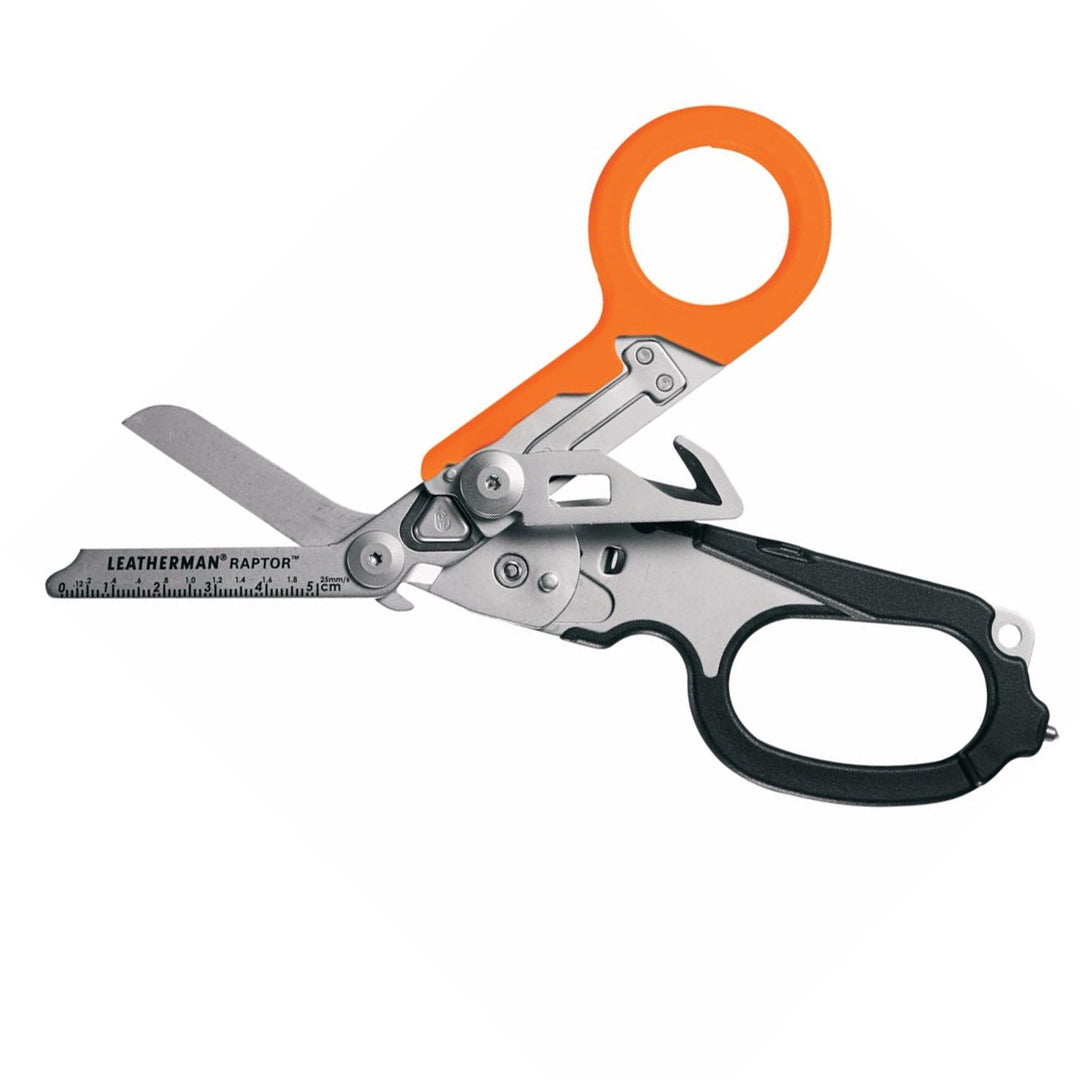
The most popular rescue knife options for fire crews are the Leatherman raptor, the rescue 911 emergency knife, and the Spyderco rescue knife. All are designed with rescue-specific blade geometry for seatbelt, rope, and synthetic material cutting — tasks that standard folding knives are not optimised for. See the rescue knives collection for full specifications and comparisons.
Do you stock Leatherman tools for firefighters?
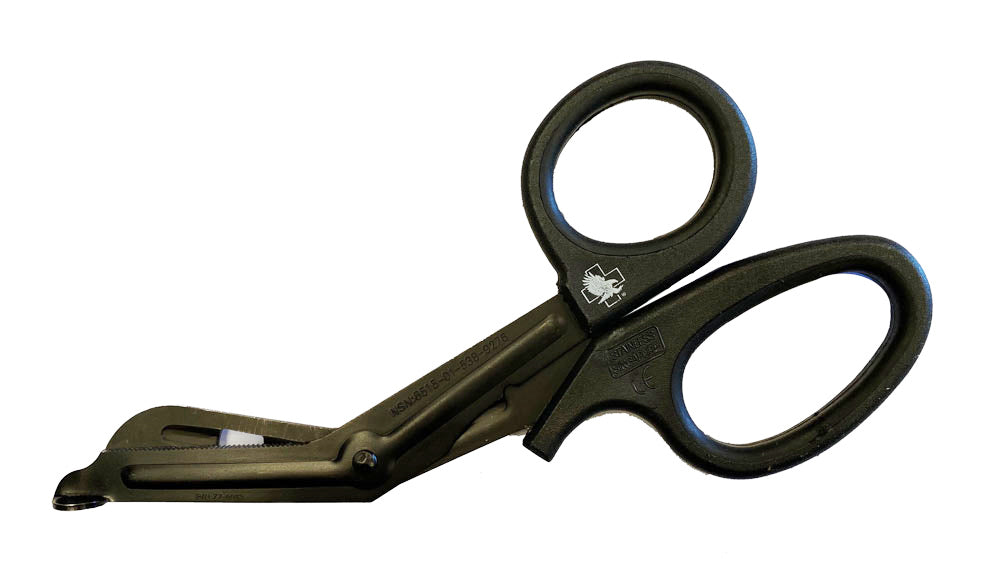
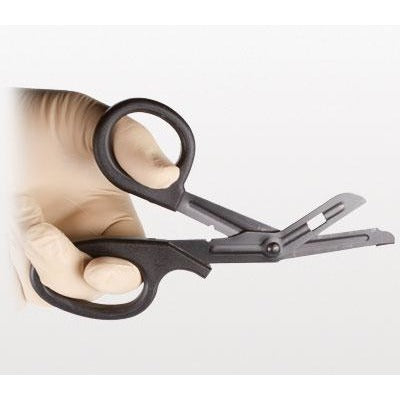
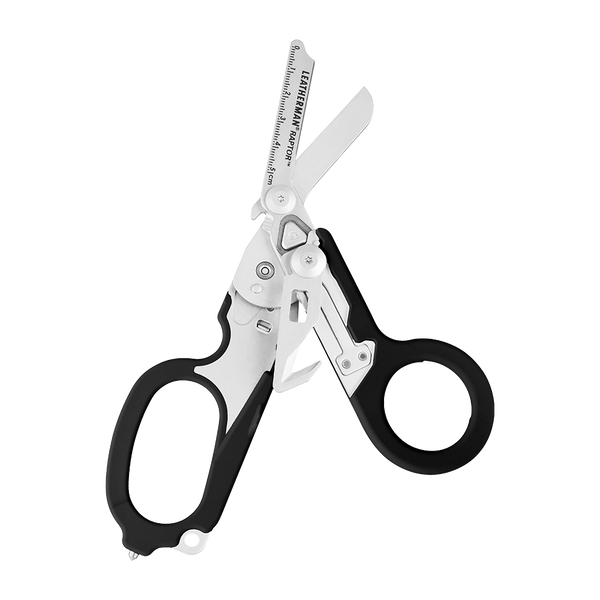
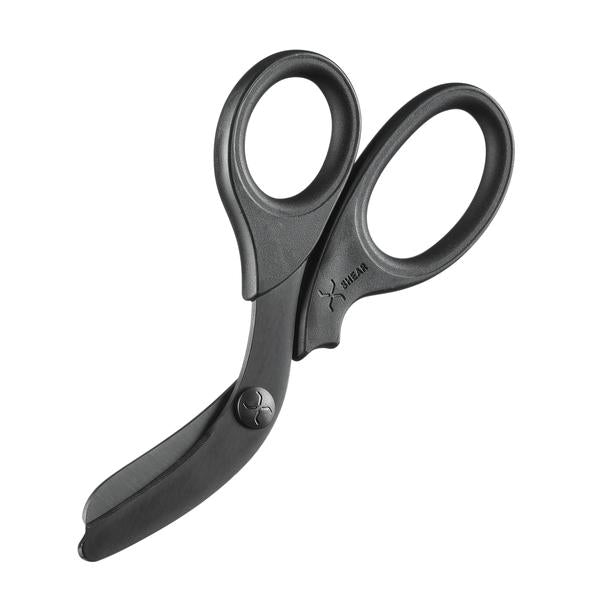
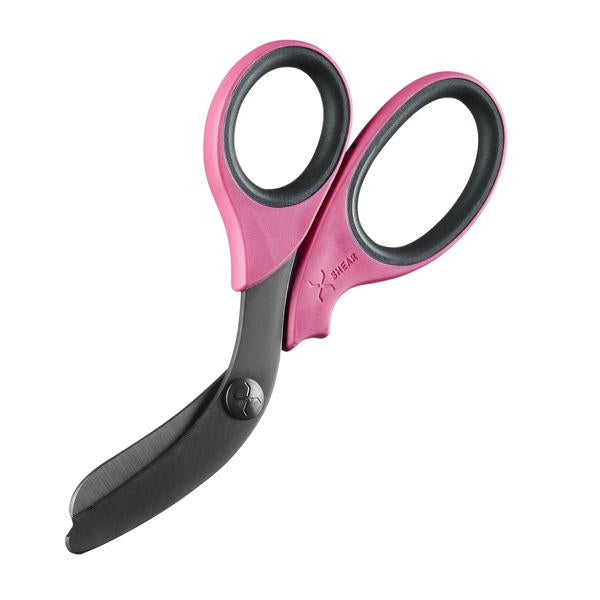
Yes. Leatherman multi-tools including the MUT and Leatherman Raptor (medical shears) are available. The Leatherman Raptor is particularly relevant for fire and rescue as it combines trauma shears with a strap cutter, ring cutter, and oxygen wrench — standard fire and rescue tasks in a single tool. See the multi-tools collection and trauma shears collection.
What medical equipment do fire and rescue teams commonly carry?
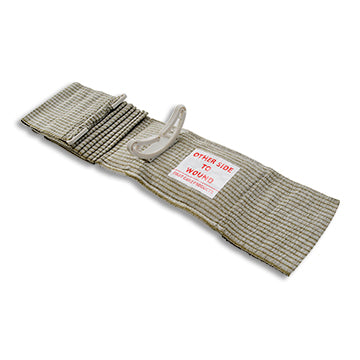
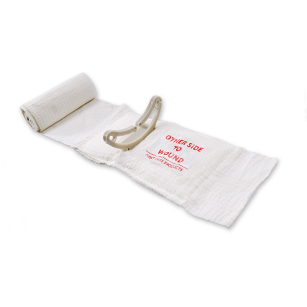
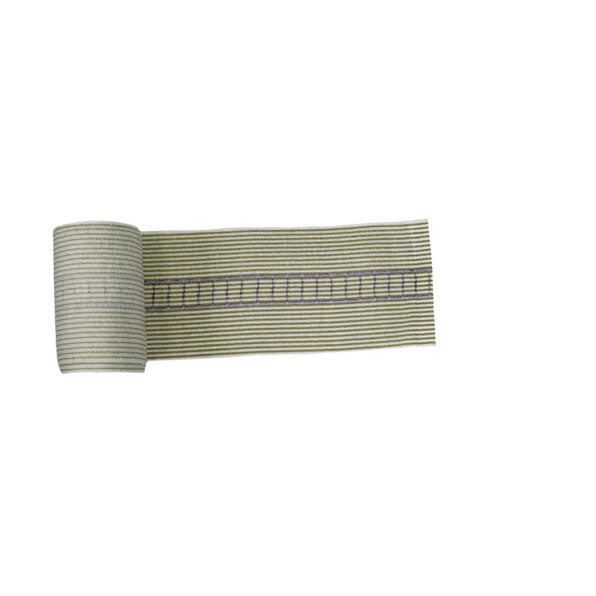
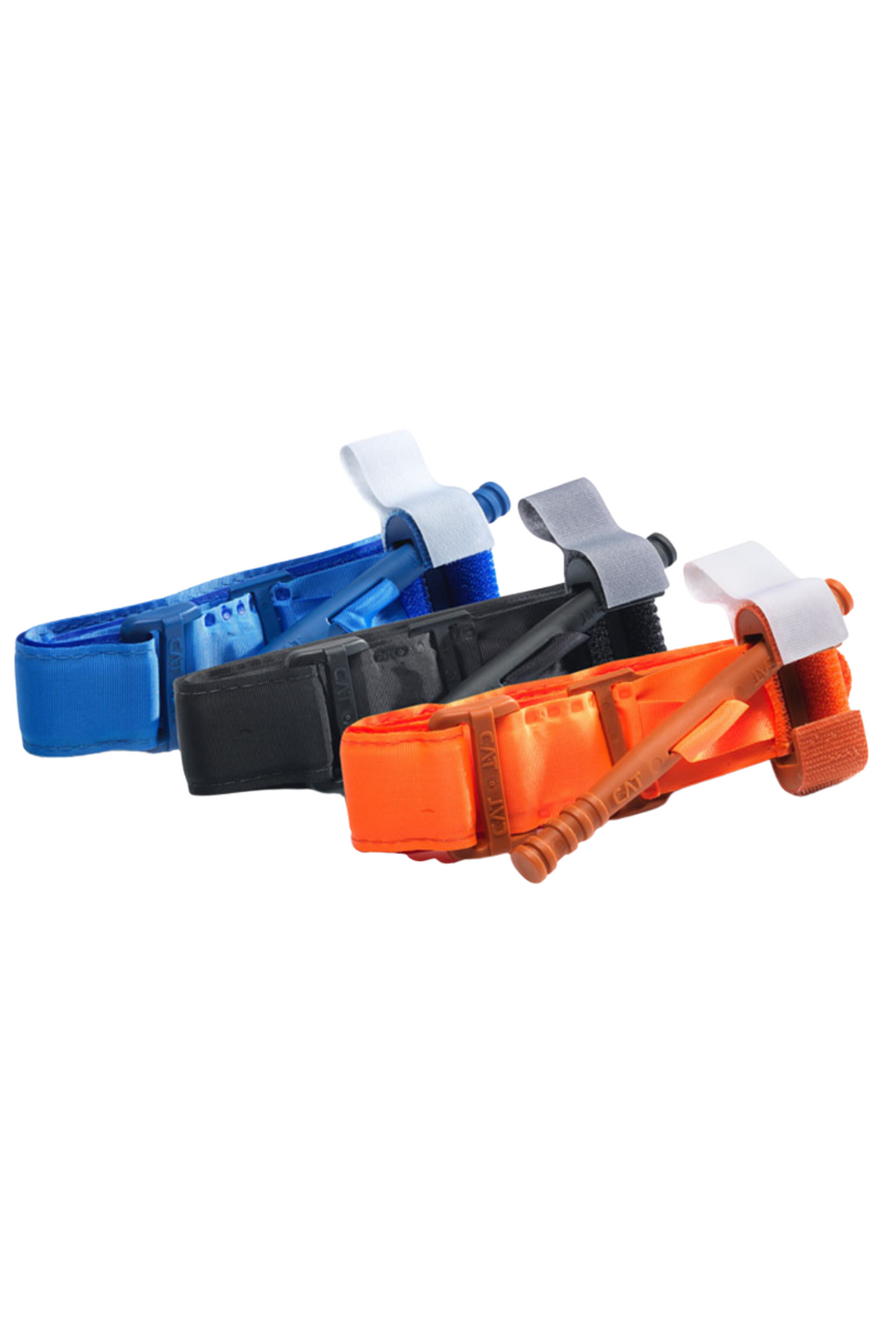
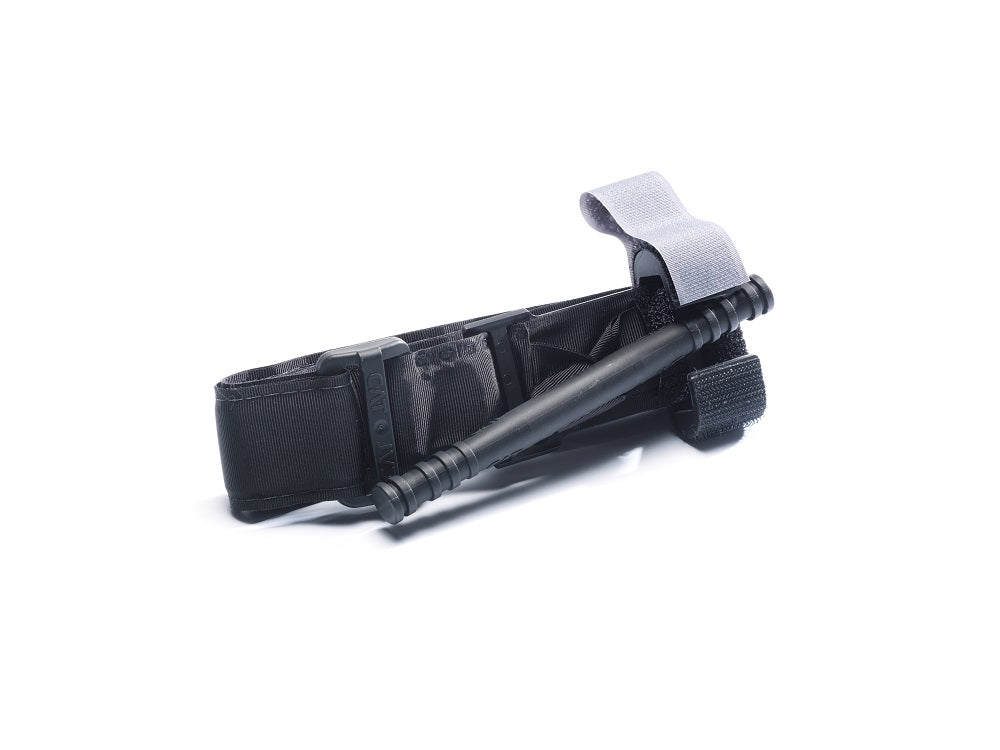
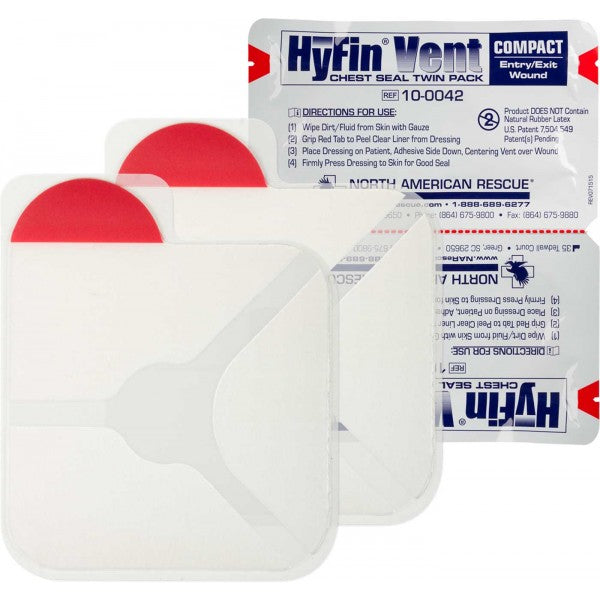
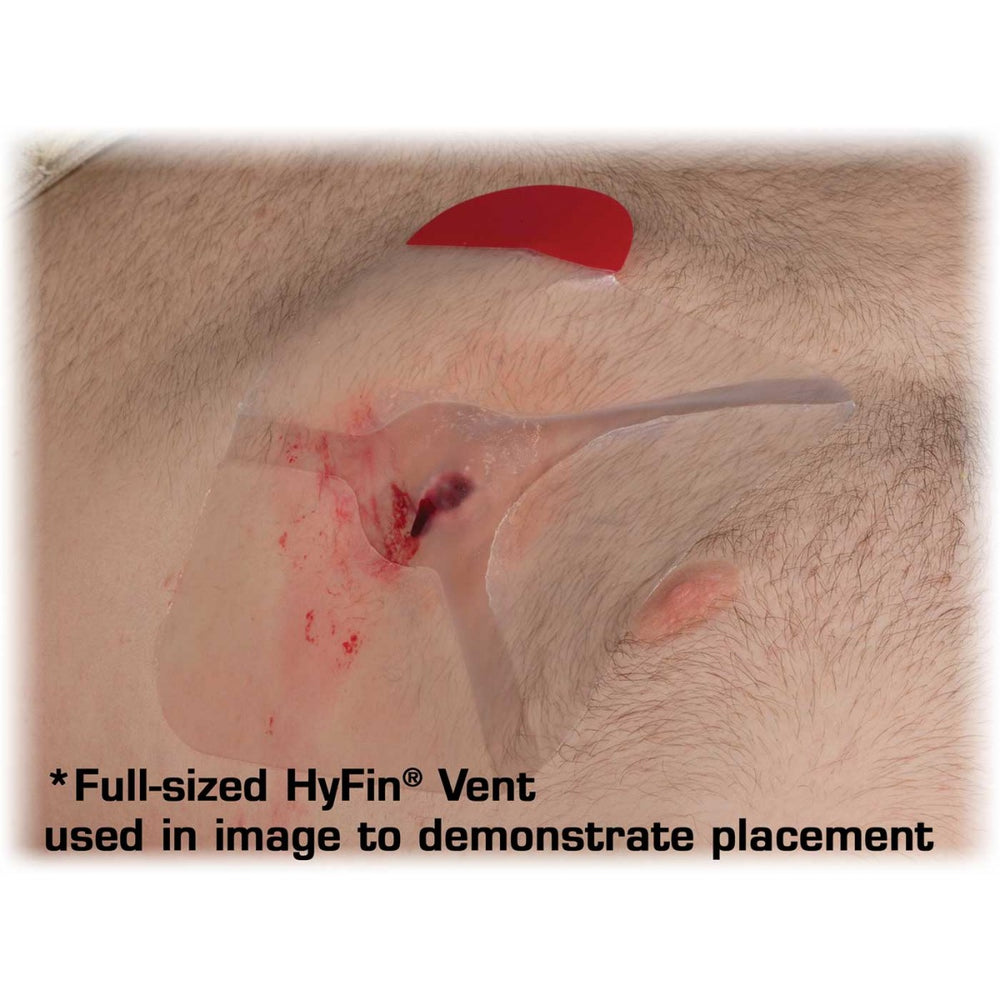
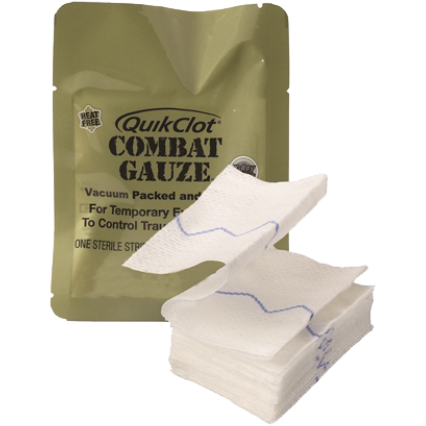
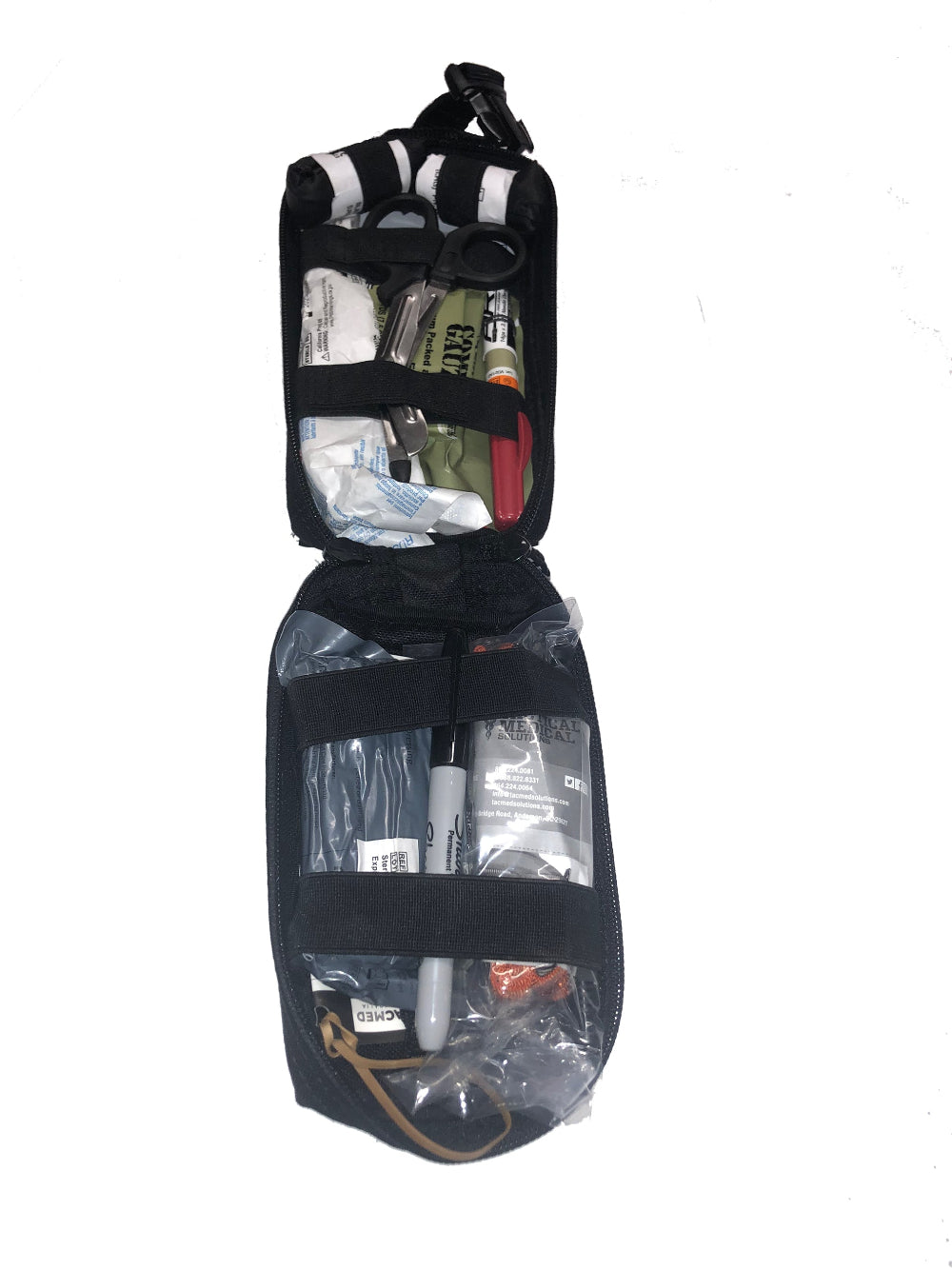
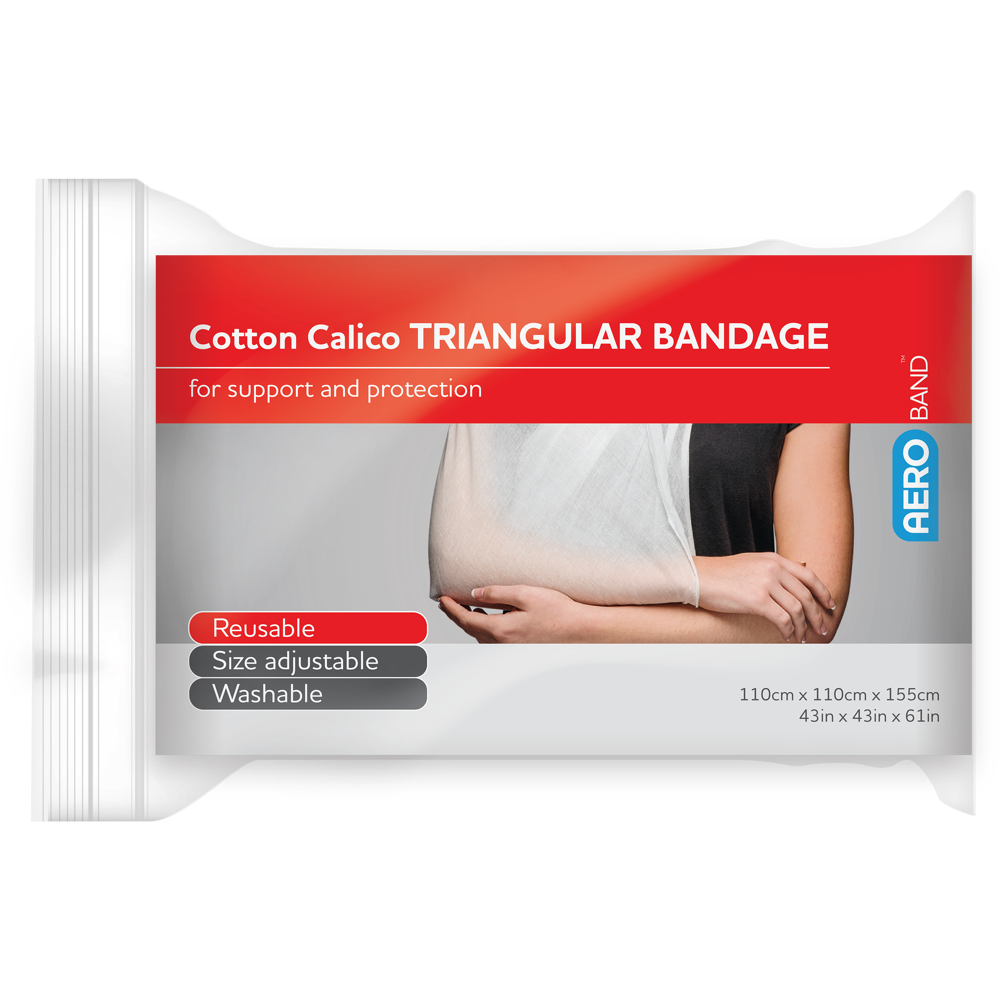
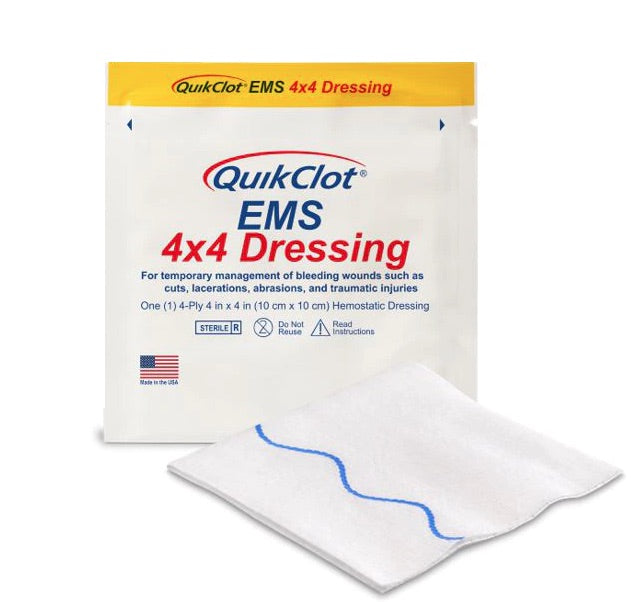
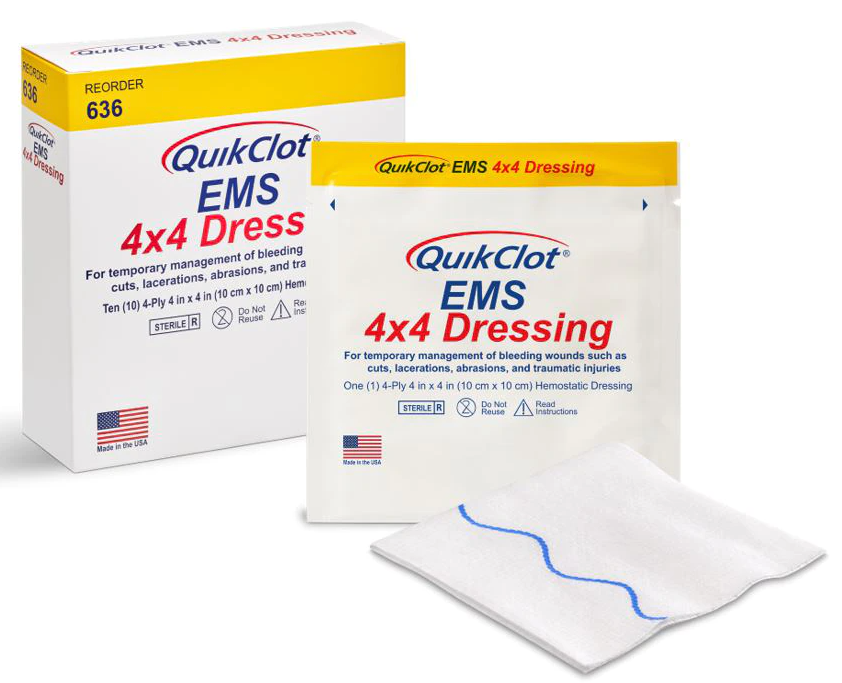
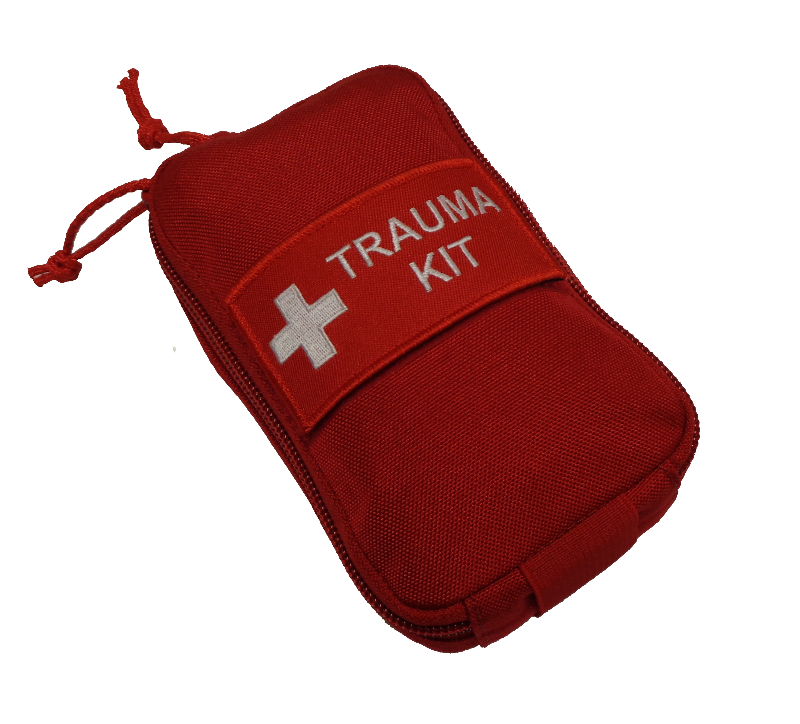
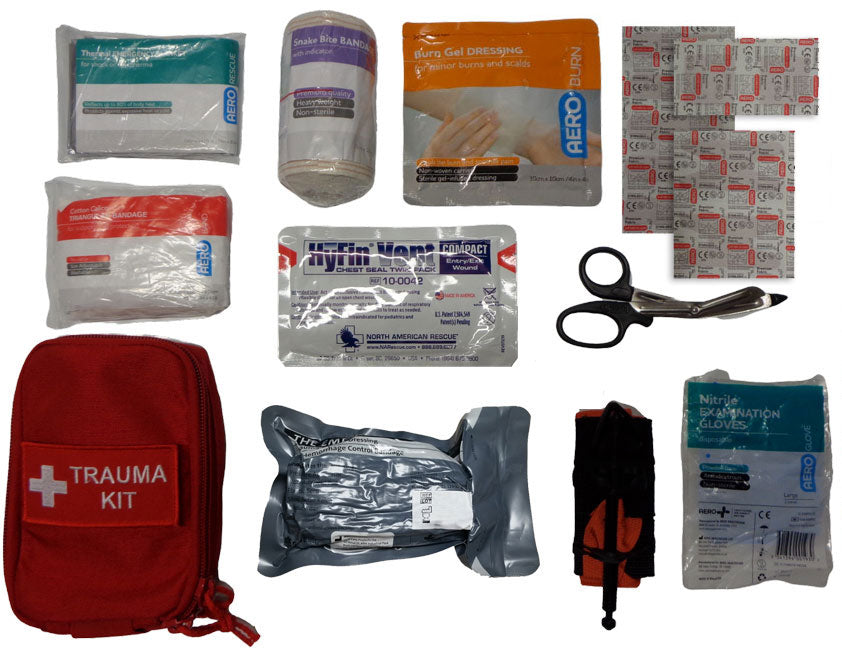
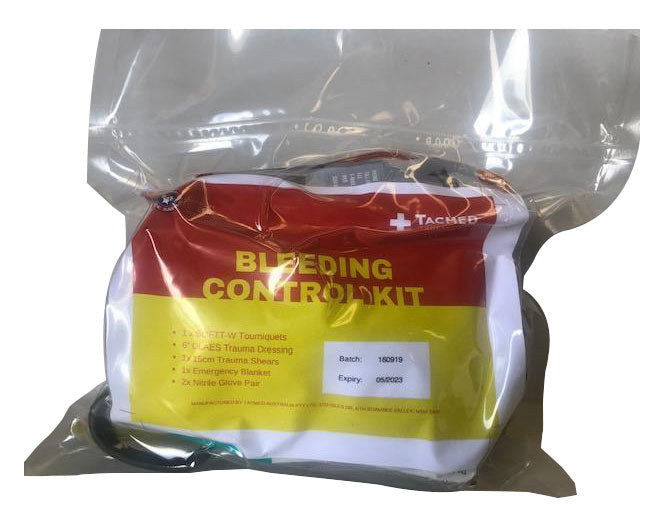
Common equipment includes tourniquets, pressure bandages, haemostatic gauze, chest seals, airway adjuncts, and trauma kits for bleeding control and casualty stabilisation. Fire and rescue teams are frequently first on scene at road crash and trauma incidents and must provide initial care before ambulance services arrive.
Is this equipment suitable for appliance and vehicle-based kits?
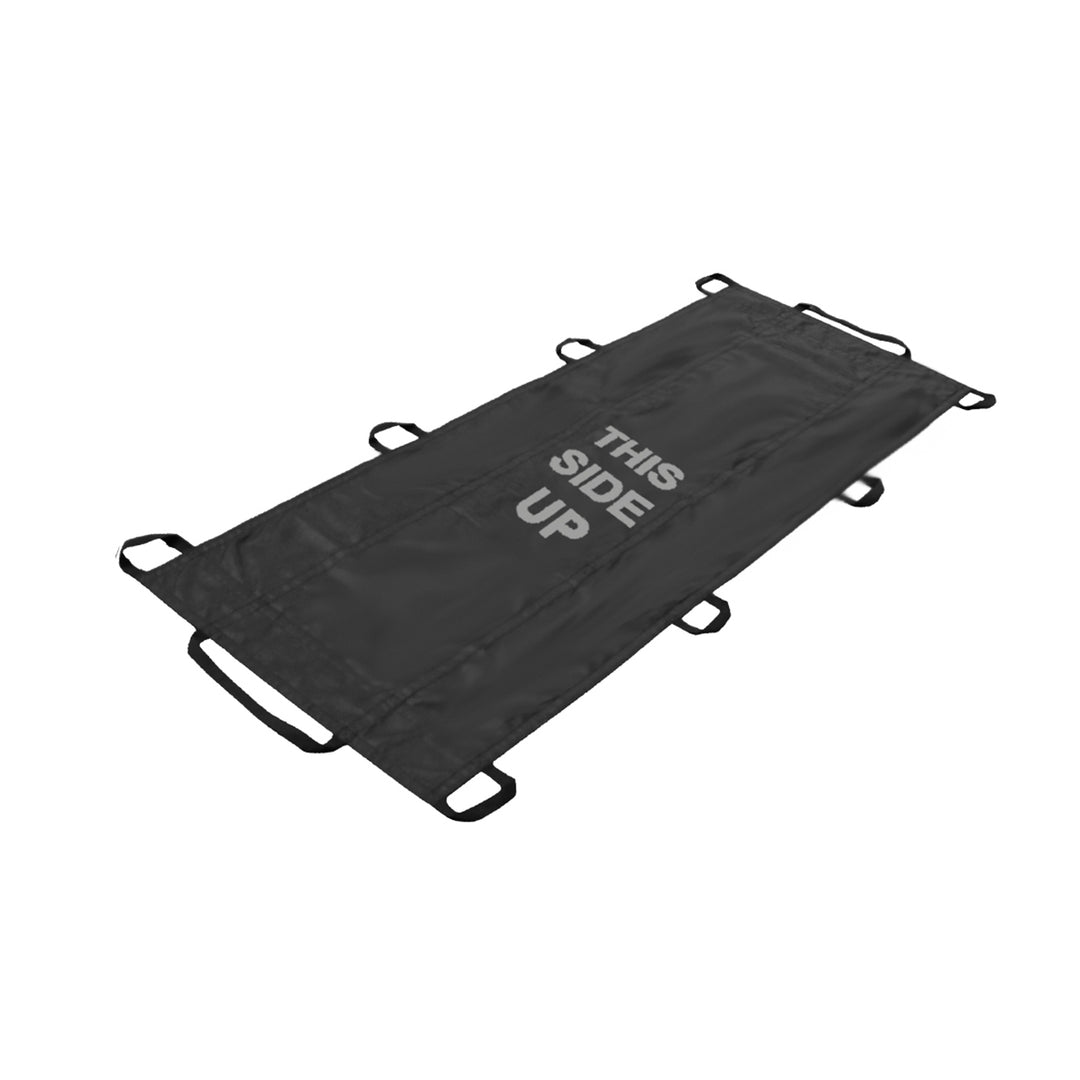
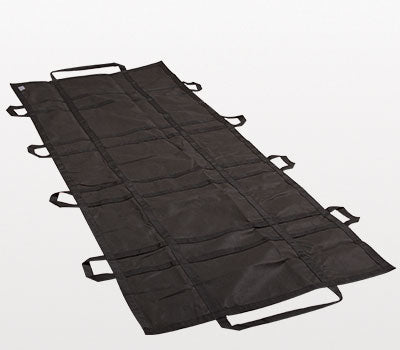
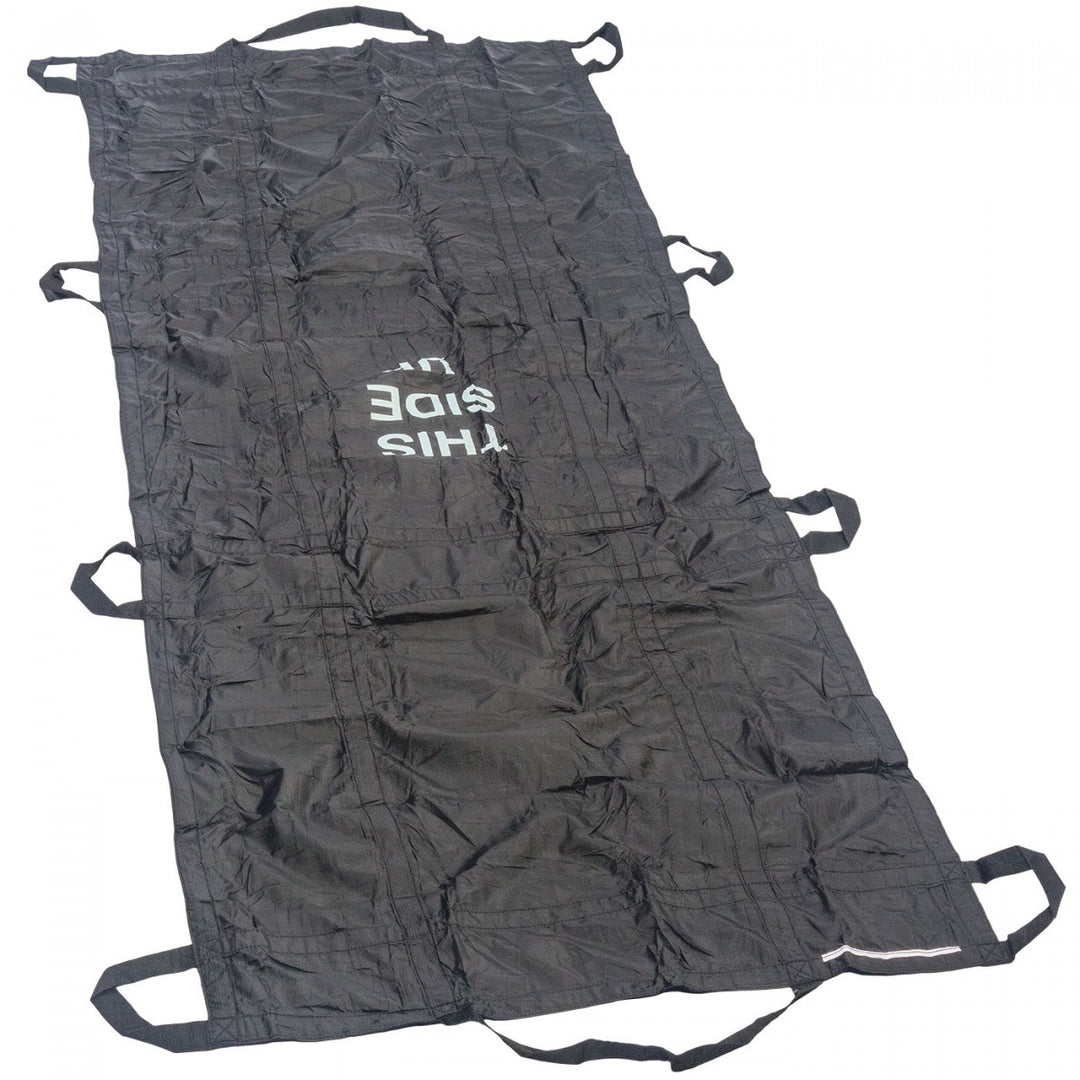
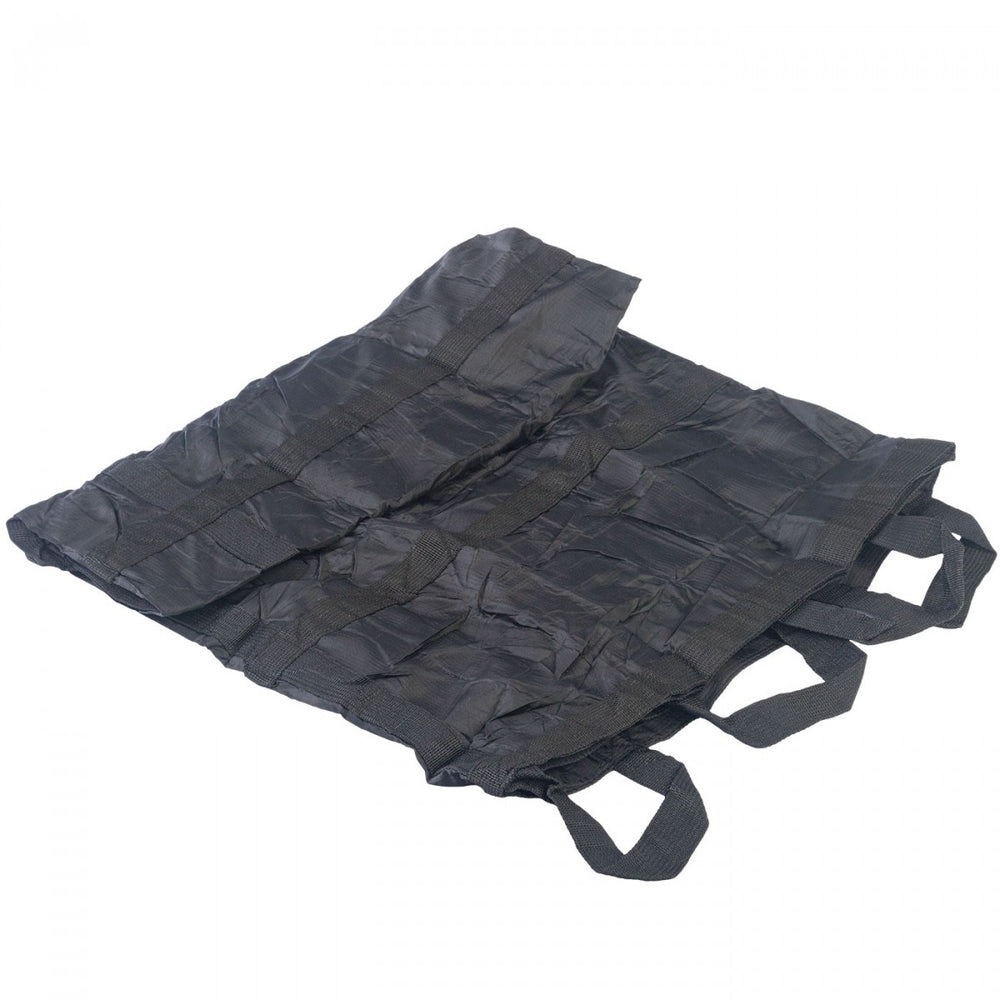
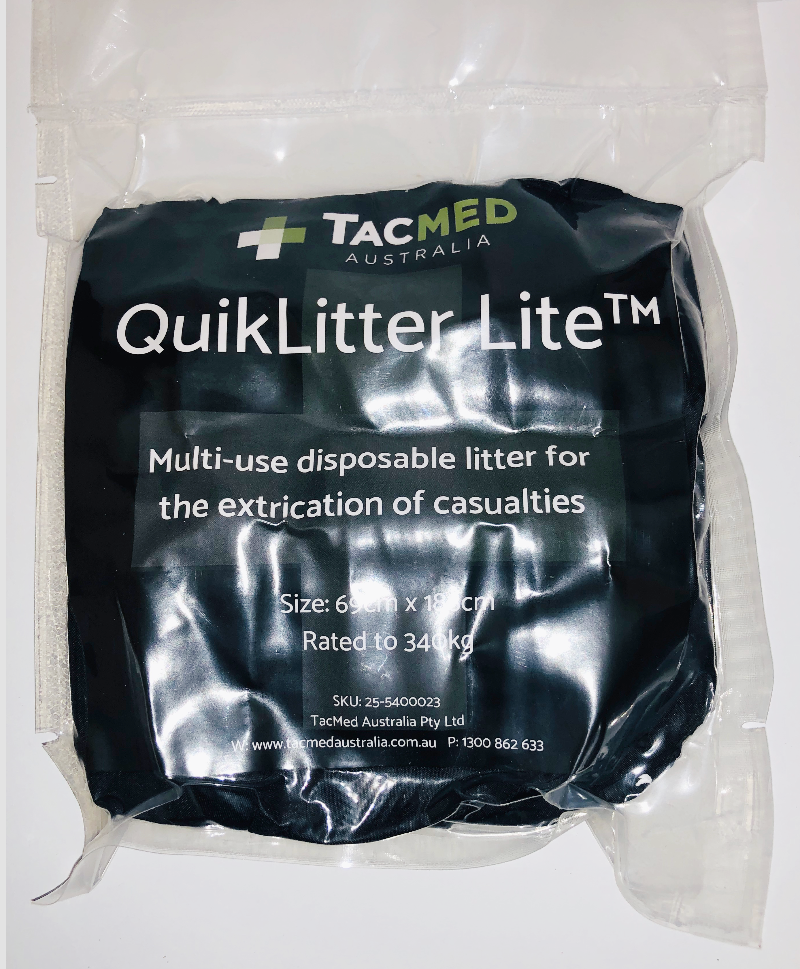
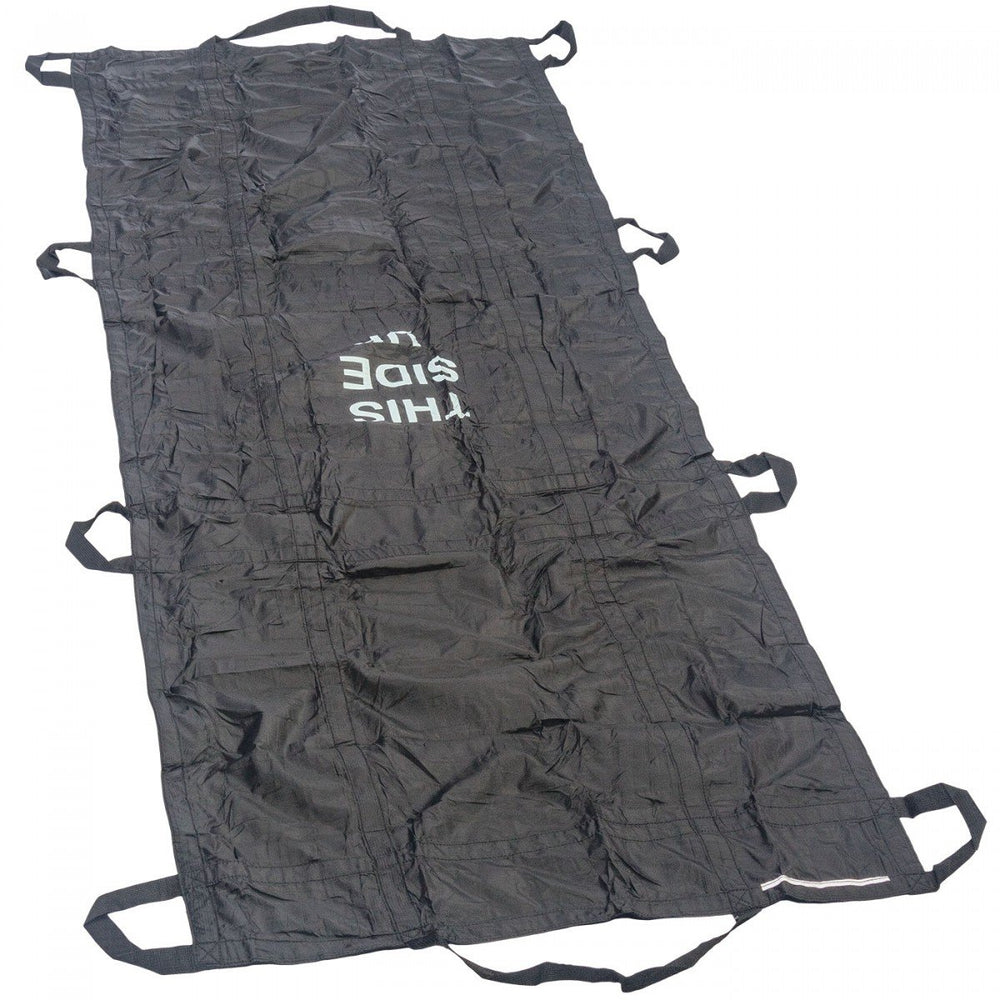
Yes. Chemlights, rescue knives, trauma shears, stretchers, and bleeding control equipment are all suitable for appliance staging. Most items are available in quantities suited to equipping multiple appliances or a station's fleet. Contact us for volume requirements.
Does TacMed supply fire services and rescue organisations?
Yes. TacMed supplies fire services, SES units and rescue organisations across Australia. Contact us for volume orders or procurement requirements.