Outdoor Recreation

Filter

    Medical Preparedness for Outdoor Adventures

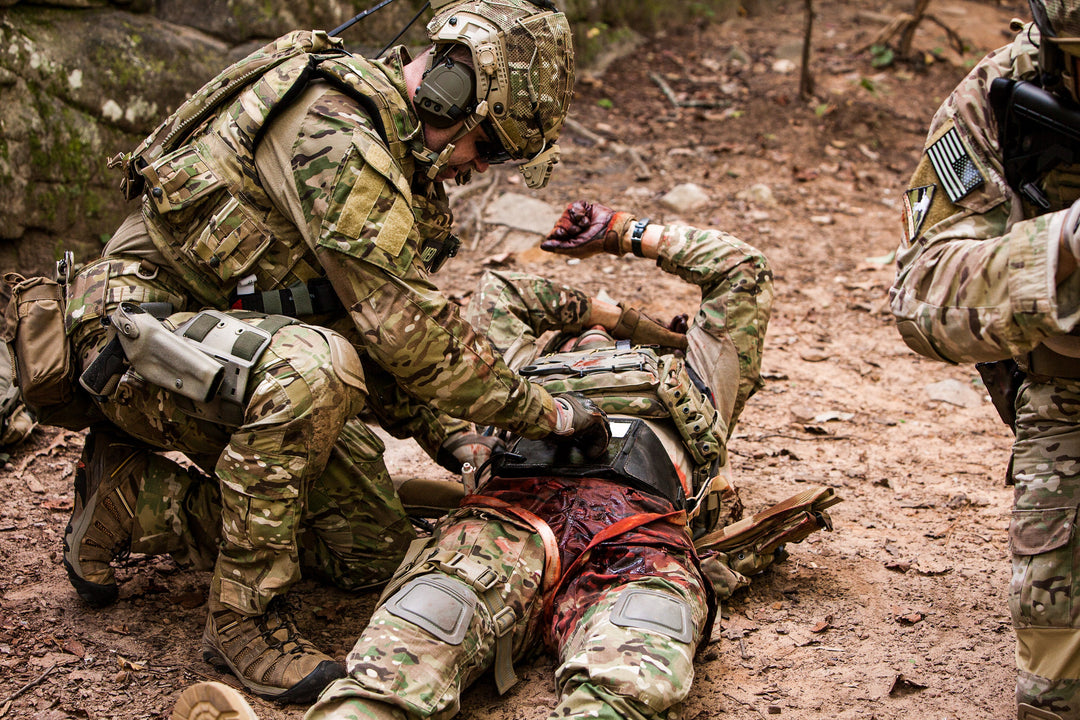
    Outdoor recreation often takes people away from immediate medical help. Whether hiking, camping, four-wheel driving, hunting, boating, or exploring remote areas, having the right medical equipment on hand allows you to manage injuries until help is available.

    This collection includes first aid and trauma-capable equipment suited to outdoor and recreational use across Australia. The focus is on practical, lightweight, and reliable gear that supports self-reliance and early injury management when distance, terrain, or conditions delay emergency response.

    What These Are Built to Handle

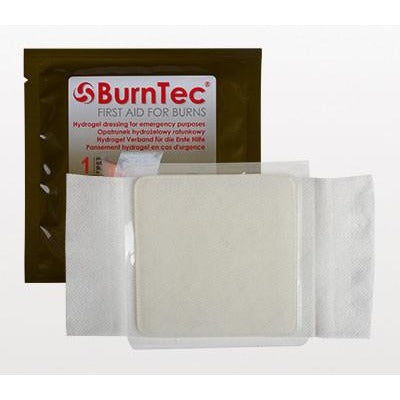
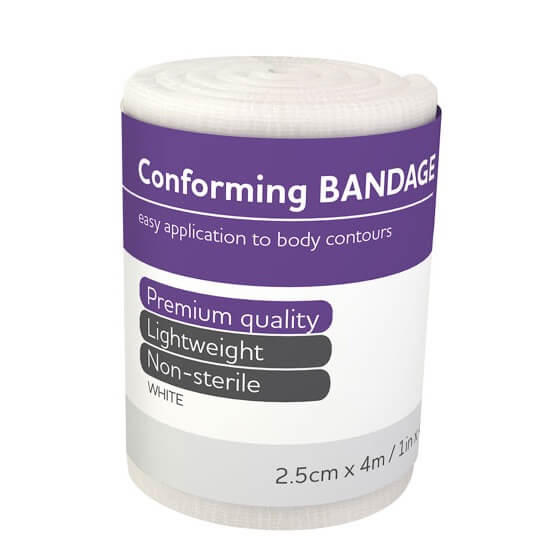
    Medical equipment for outdoor recreation is designed to manage common injuries as well as more serious incidents that can occur during adventure activities. This includes cuts, sprains, burns, bites, falls, fractures, and significant bleeding.
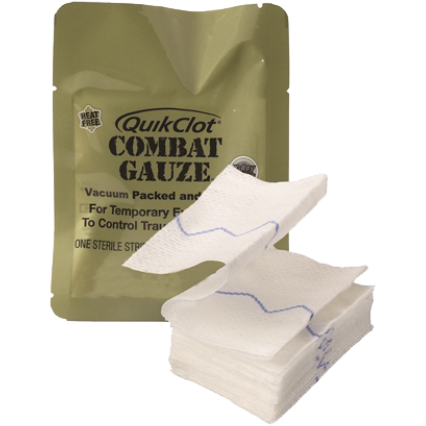
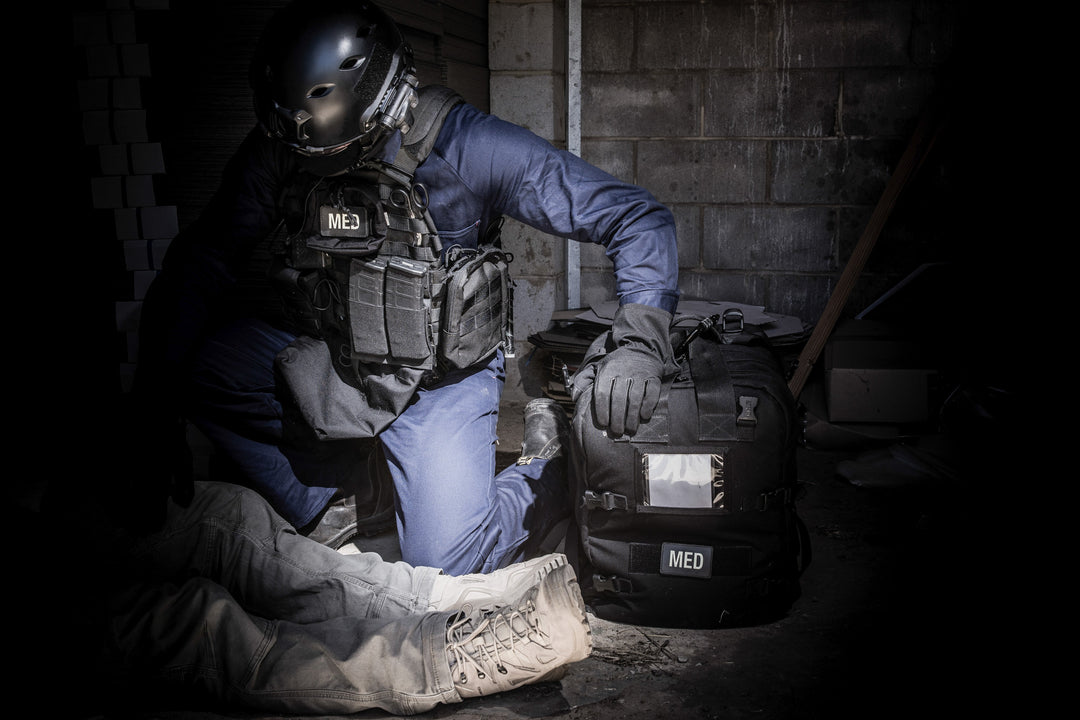
    In outdoor settings, responders are often limited to what they carry with them. Equipment must be compact, easy to use, and capable of supporting care in unpredictable conditions. The gear in this collection is selected to support early treatment and stabilisation until evacuation or further medical assistance is possible.

    Who These Are Commonly Used By

    This equipment is commonly used by hikers, campers, four-wheel drive enthusiasts, hunters, anglers, trail runners, and outdoor travellers exploring both populated and remote areas.

    It is also suitable for outdoor guides, tour operators, and recreational groups responsible for participant safety. Whether heading out for a day trip or extended remote travel, having appropriate medical equipment improves confidence and preparedness when things don’t go to plan.

    What Matters When It Counts

    Outdoor medical equipment needs to balance capability with portability. When selecting gear, consider what you’re realistically likely to face and how far you are from help.

    • Portability: Compact and lightweight enough to carry comfortably.
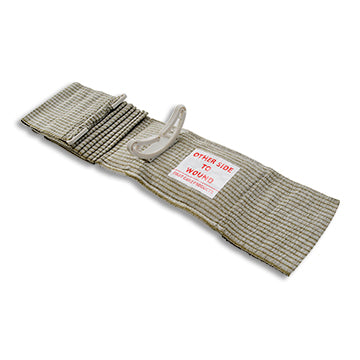
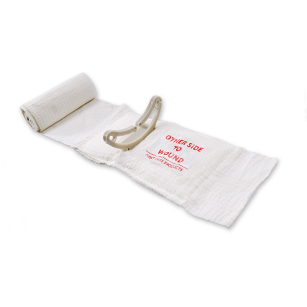
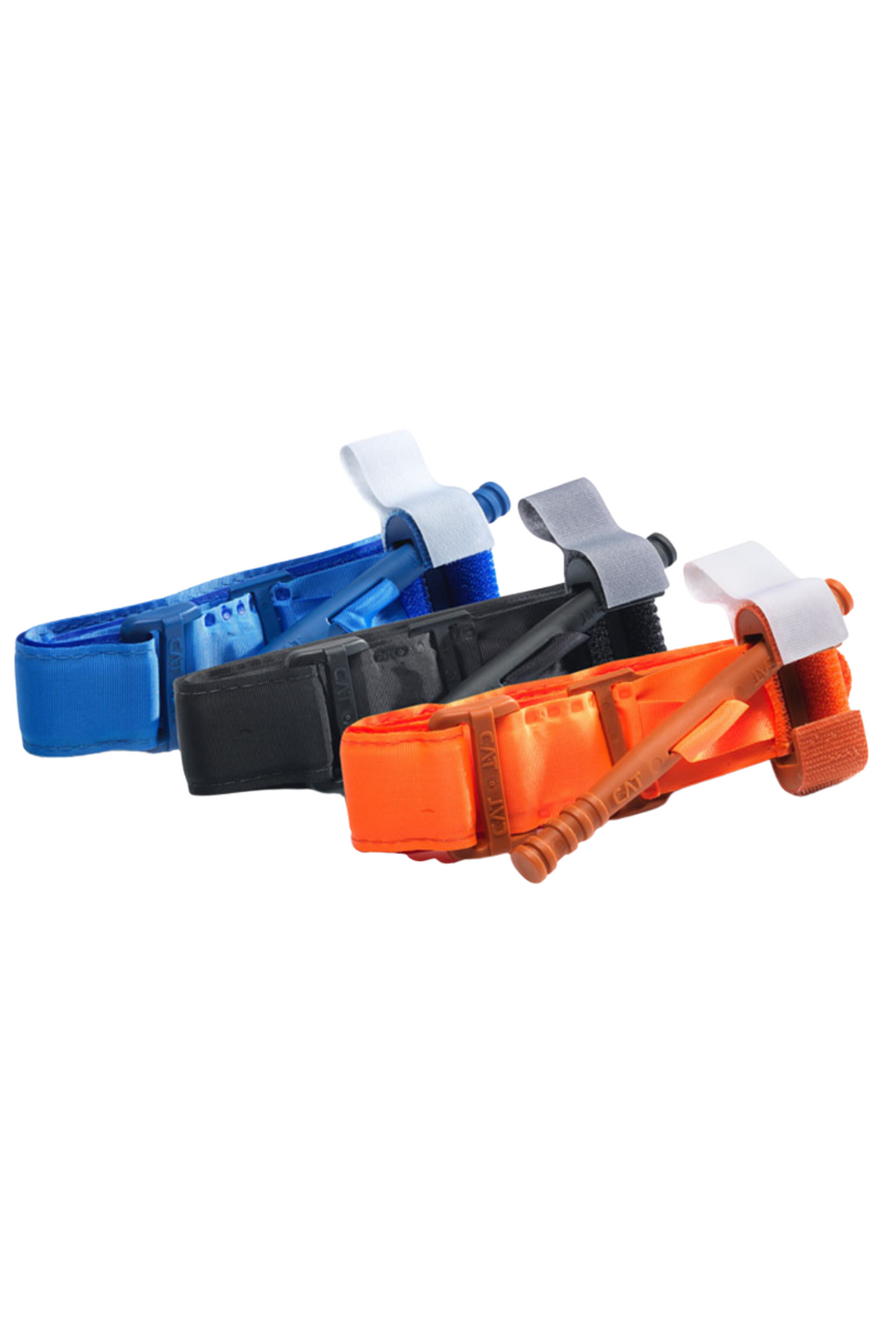
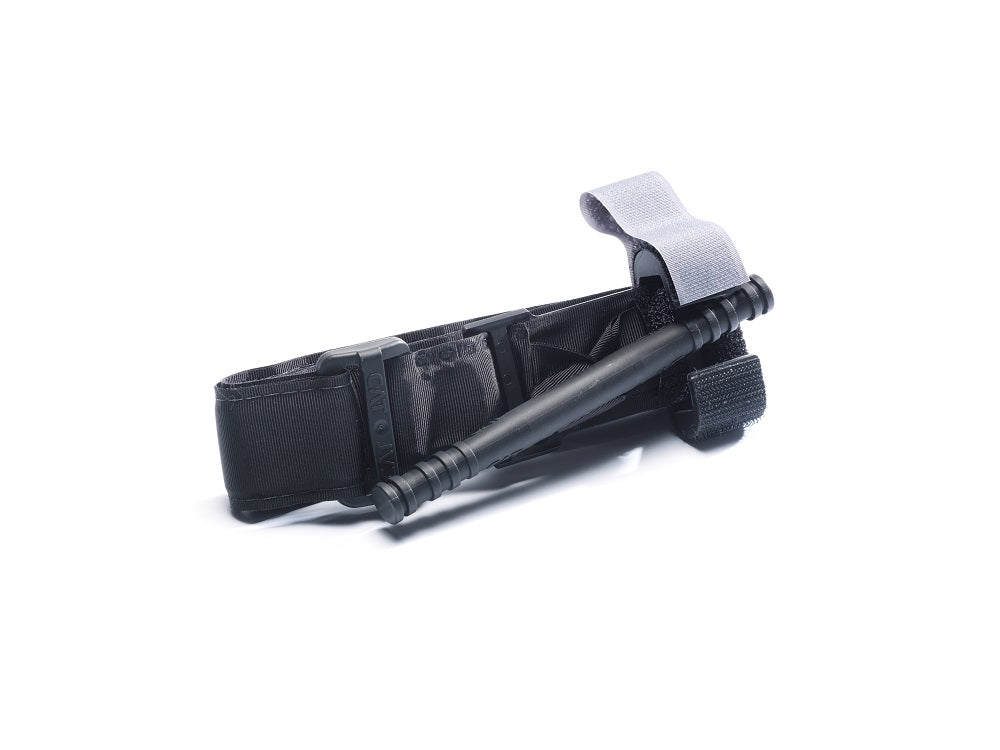
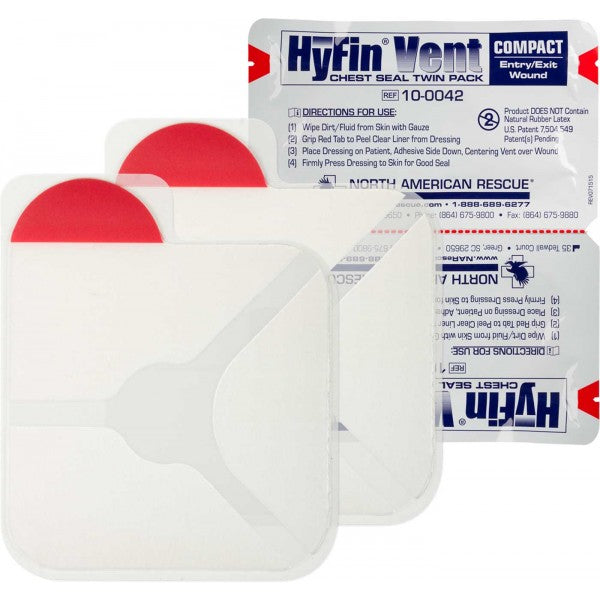
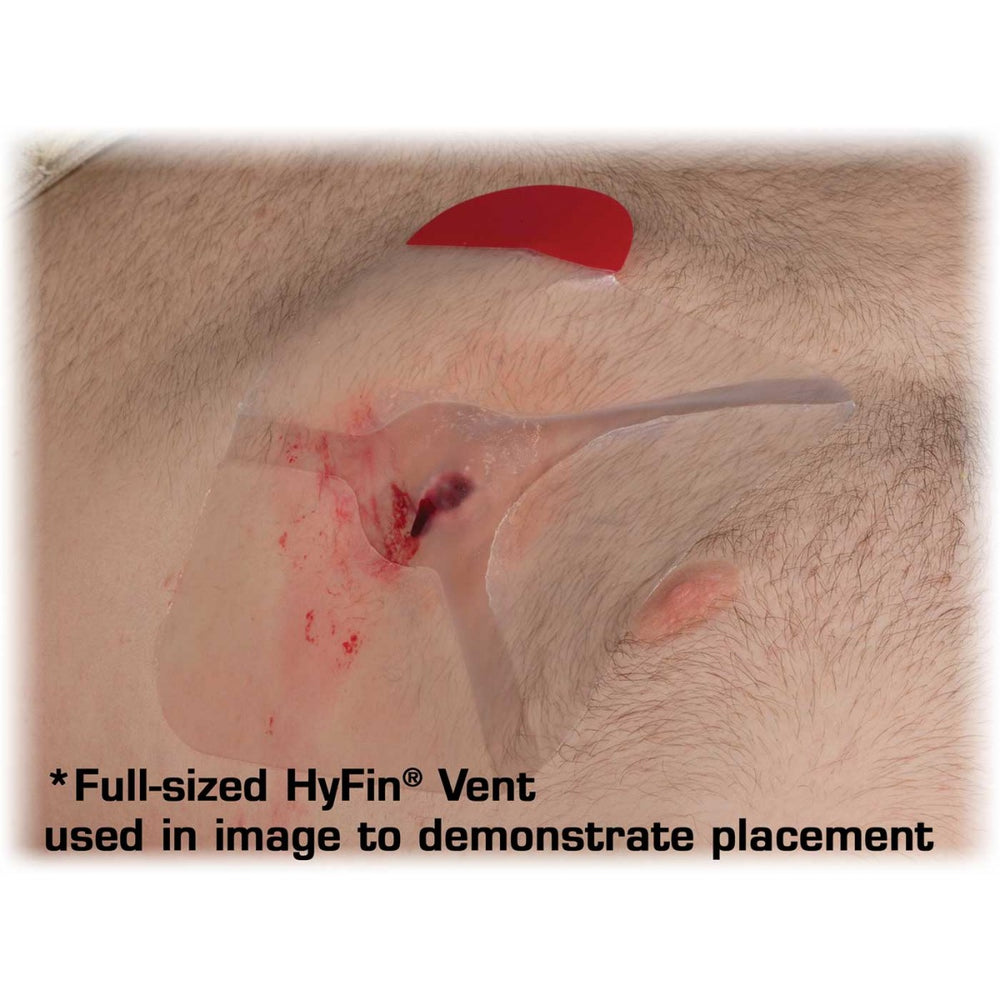
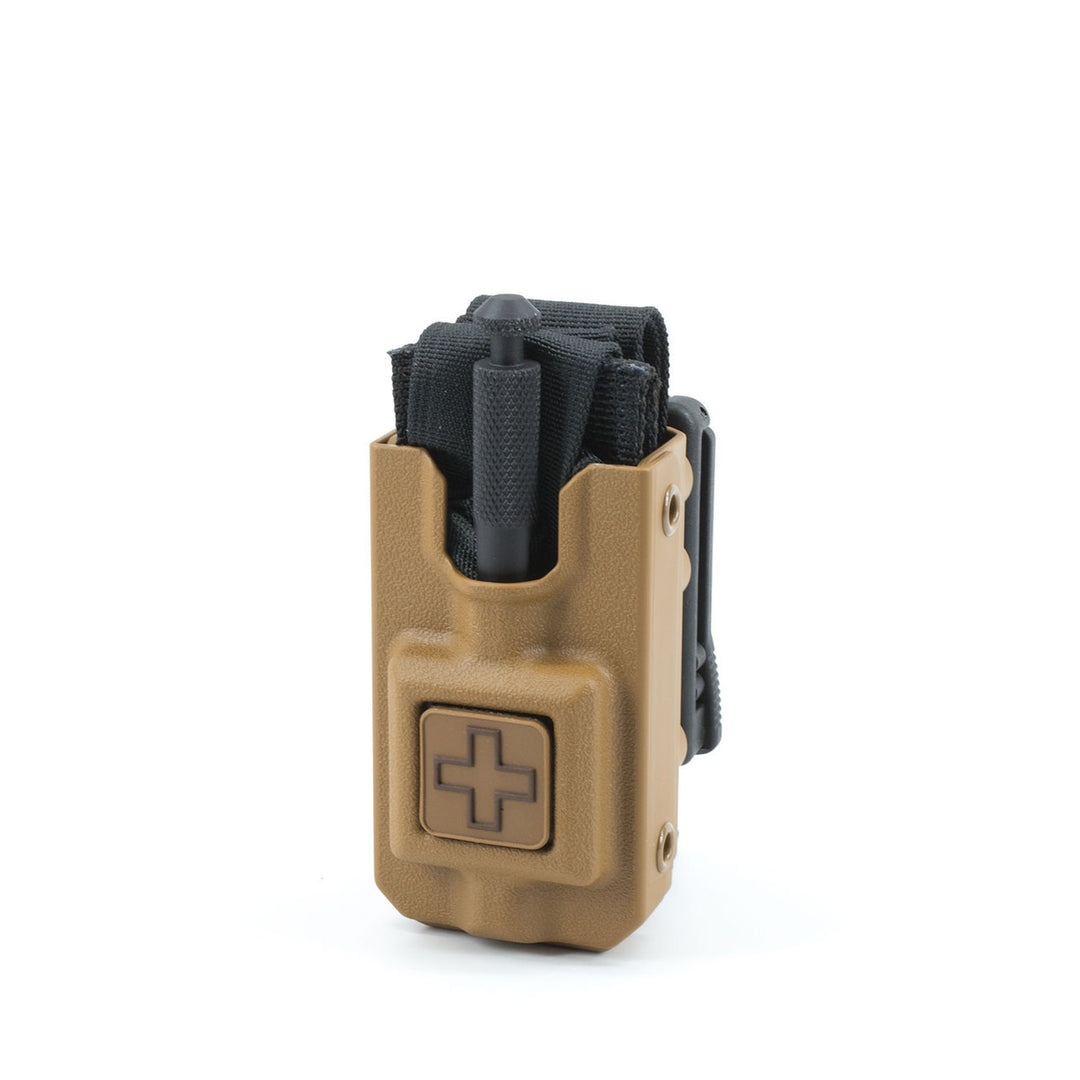
    • Bleeding control capability: Serious bleeding can occur outdoors and requires the right tools.
    • Durability: Suitable for dust, moisture, heat, and rough handling.
    • Ease of use: Simple designs that can be used confidently under stress.
    • Trip length and remoteness: Longer or more remote trips may require more comprehensive setups.

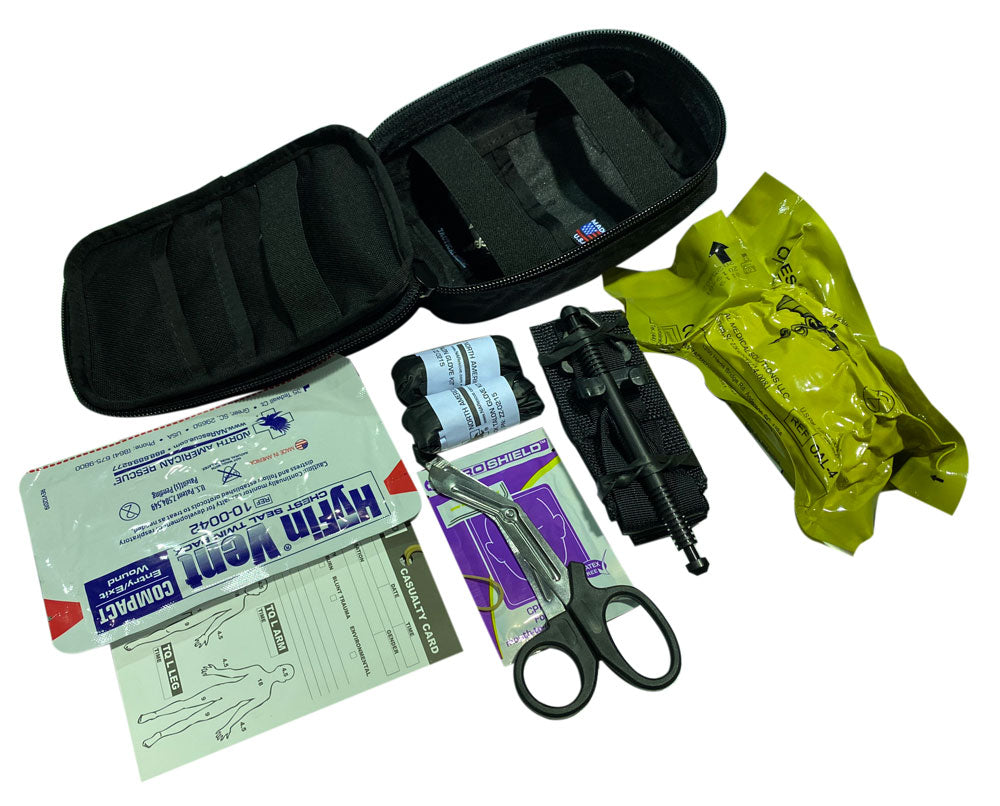
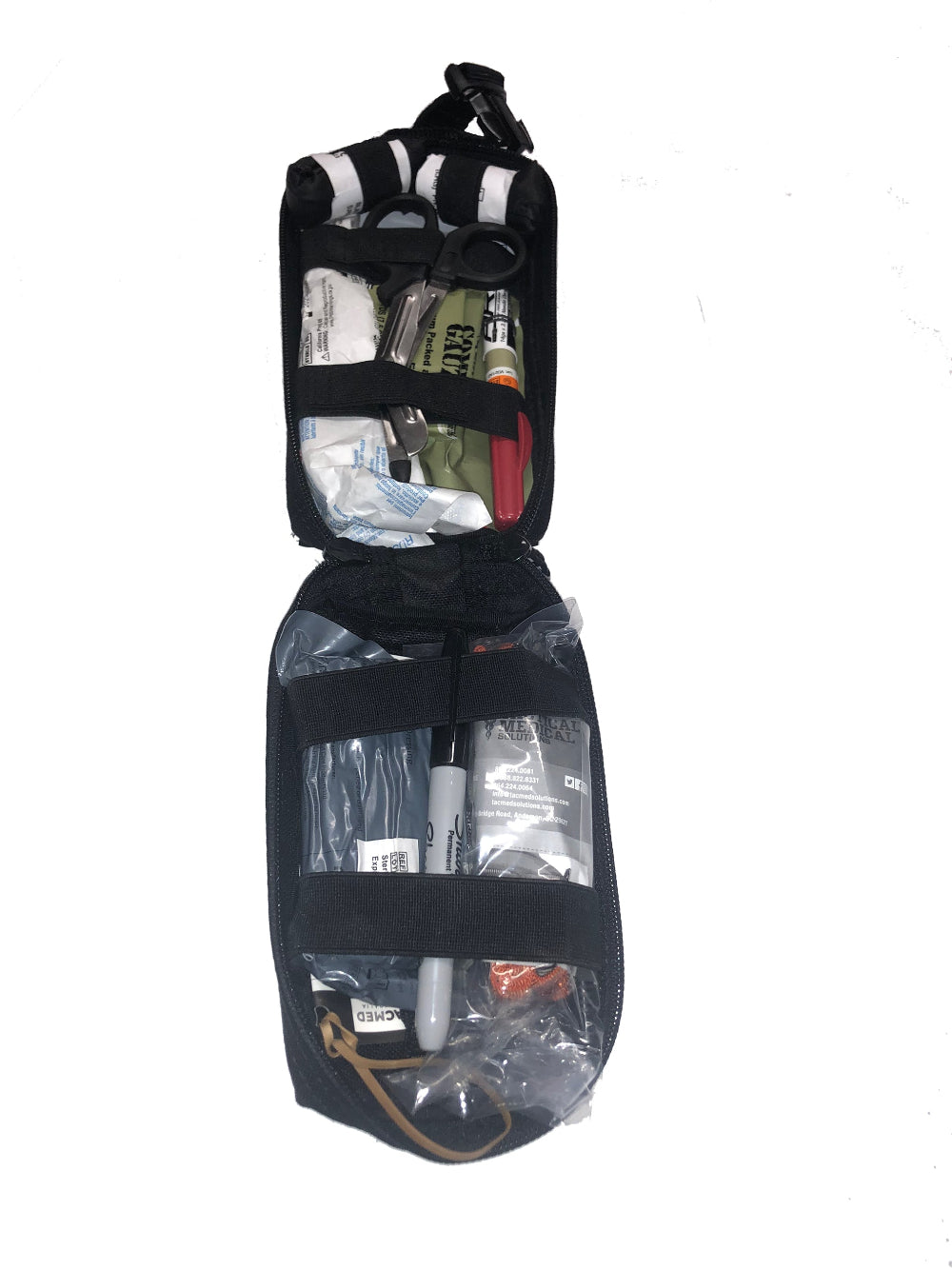
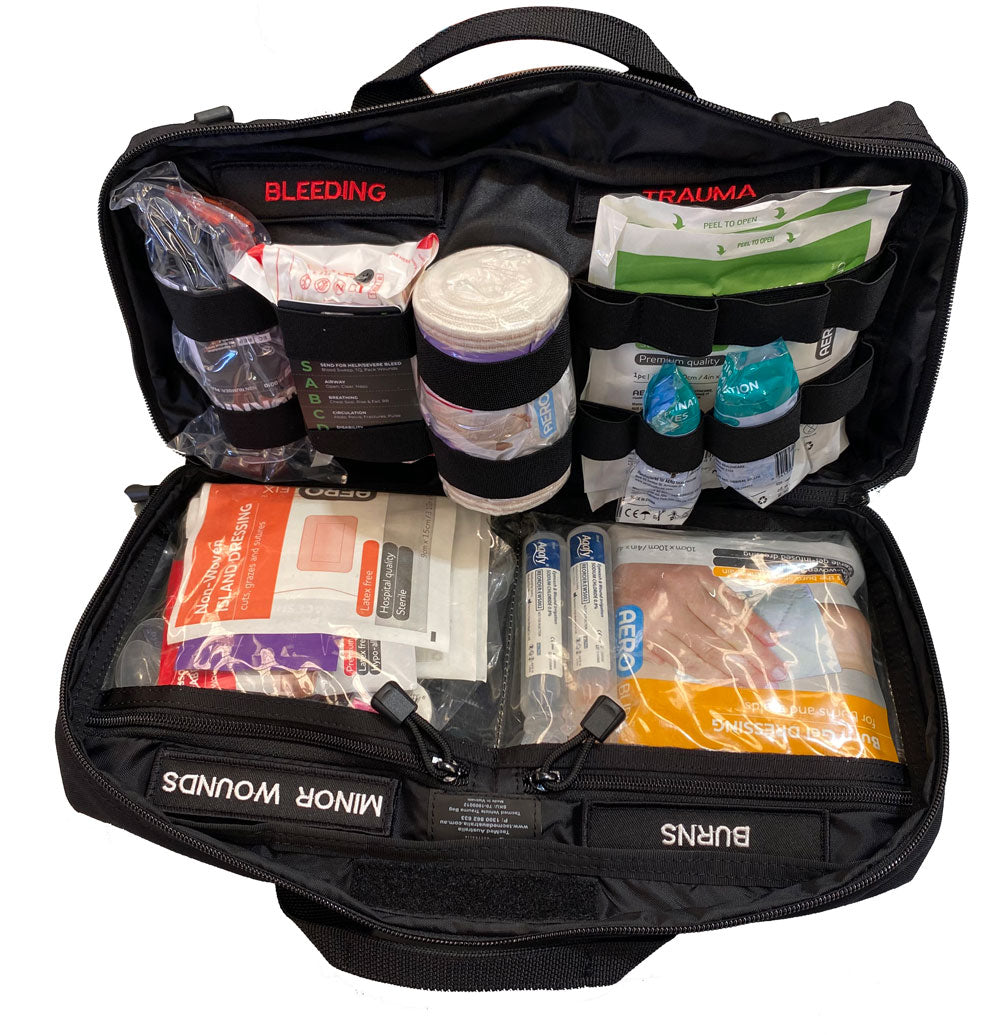
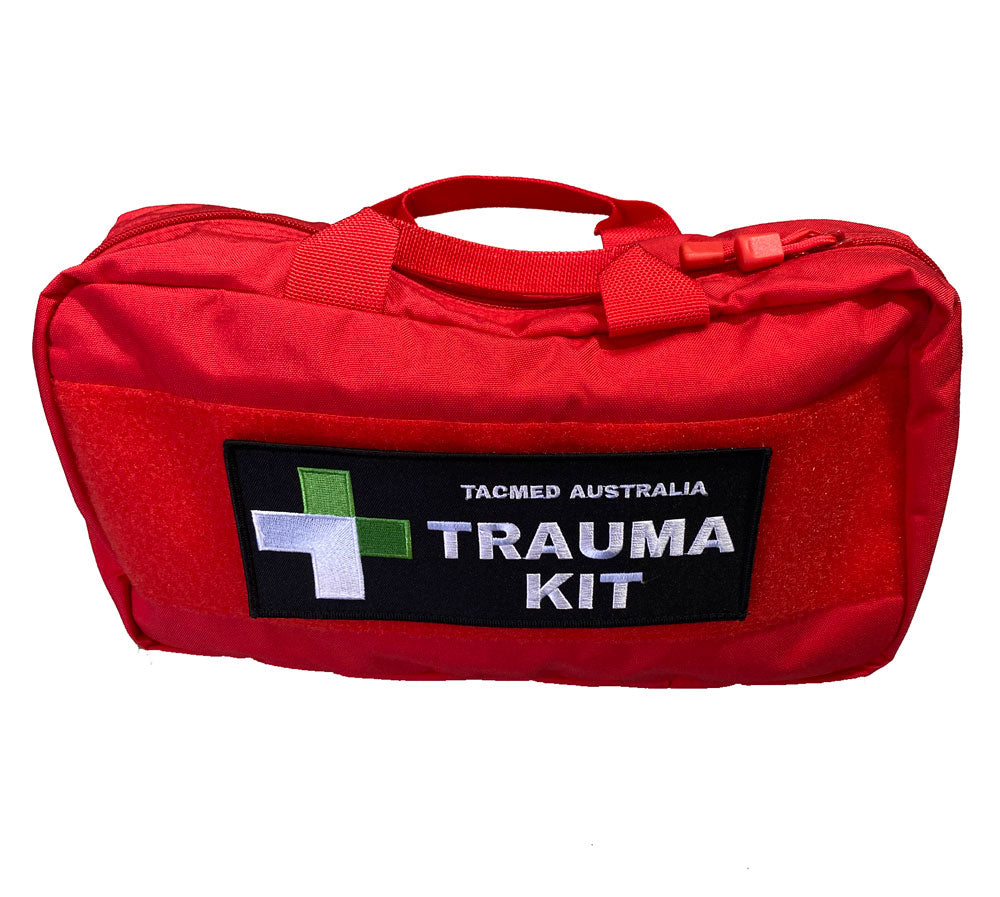
    For remote travel, pairing a general first aid kit with bleeding control or trauma-focused equipment provides broader coverage for serious incidents.

    Common Mistakes We See

    A common mistake is underestimating injury severity during outdoor activities and relying on minimal or outdated equipment. Small kits designed for urban use may not be suitable for remote or rugged environments.

    We also see kits packed away where they’re difficult to access, or equipment carried without any familiarity or practice. Another issue is failing to adapt the kit to the specific activity, terrain, or duration of the trip.

    Outdoor medical equipment should be accessible, suited to the activity, and something you’re comfortable using when conditions are less than ideal.

    Questions We Get Asked

    What first aid kit is best for outdoor activities?

    The best kit depends on the activity, duration, and remoteness. For day trips, a compact first aid kit may be sufficient. For remote travel, additional bleeding control capability is recommended.

    Do I need a trauma kit for outdoor recreation?

    Not always, but for remote or higher-risk activities, trauma-capable equipment can provide important coverage for serious injuries.
    Should I carry a first aid kit when hiking or camping?

    Yes. Even short trips can result in injuries, and immediate access to basic medical supplies improves response.
    What injuries are most common during outdoor activities?

    Common injuries include cuts, sprains, blisters, burns, bites, and falls. More serious injuries can occur depending on terrain and activity.
    Where should outdoor first aid equipment be carried?

    Kits should be carried in packs, vehicles, or gear bags where they can be accessed quickly.

    Do I need training to use this equipment?

    Basic first aid training is recommended. Familiarity with your equipment improves confidence and effectiveness in real situations.

    Is this equipment legal to carry in Australia?

    Yes. First aid and medical equipment is legal to carry and commonly used for outdoor and recreational activities.