


Diagnostics & Vital Signs

Filter

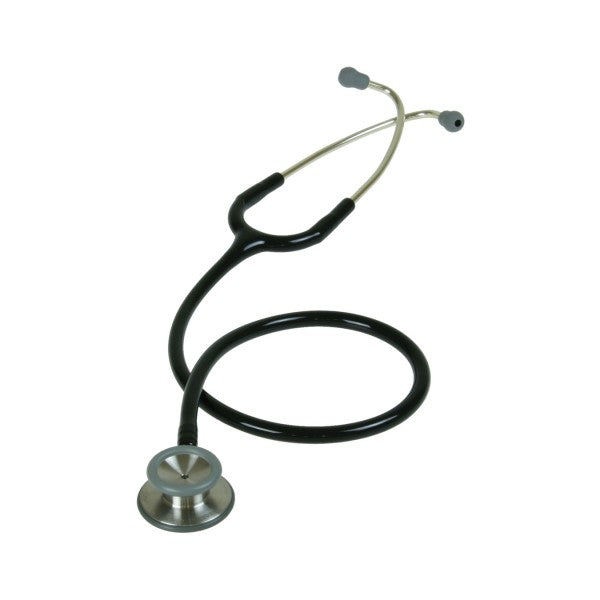
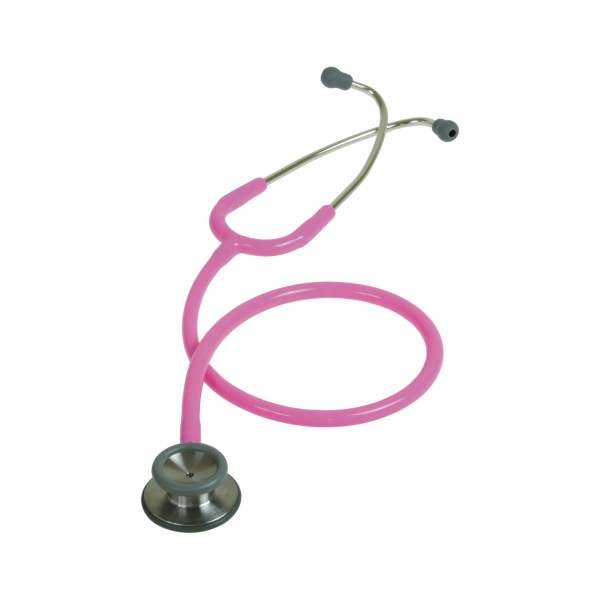
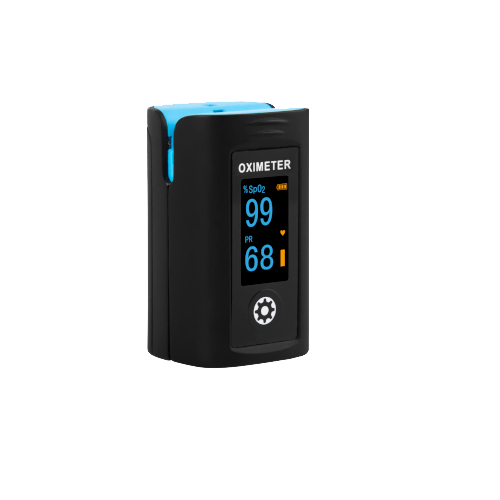
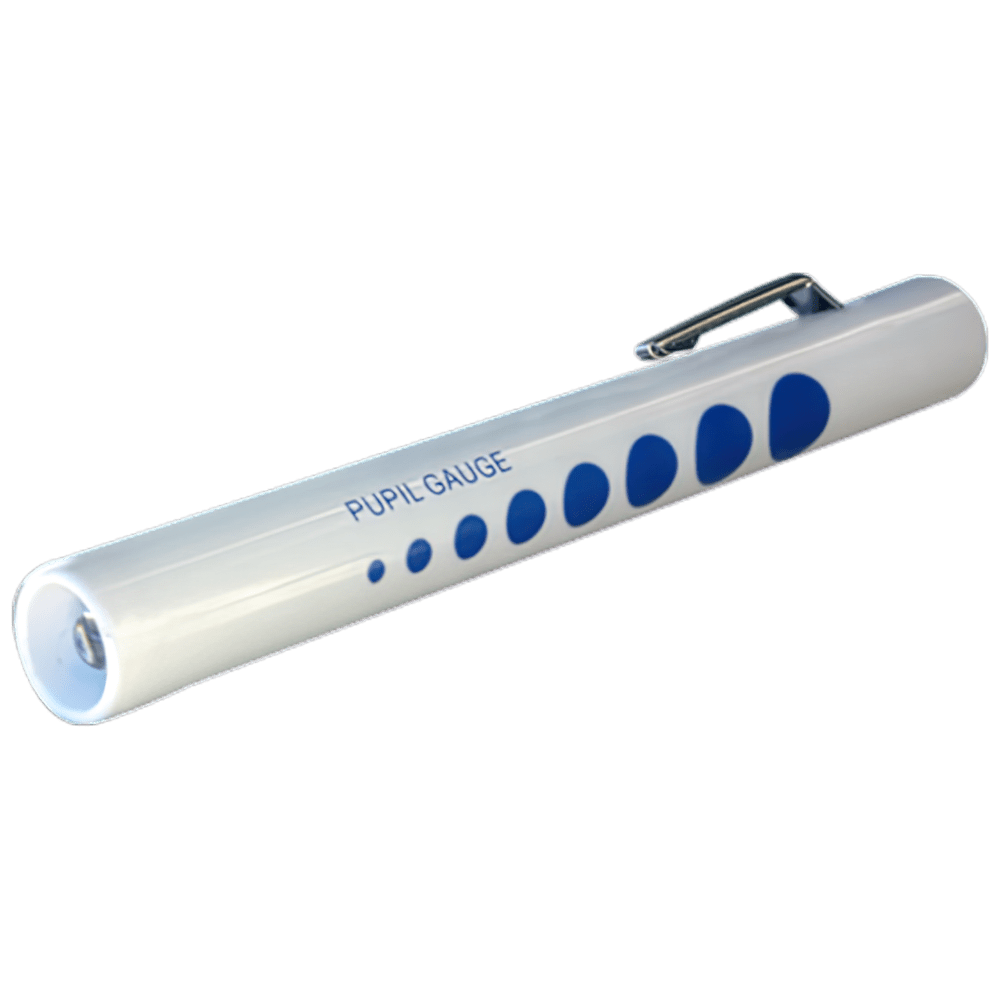
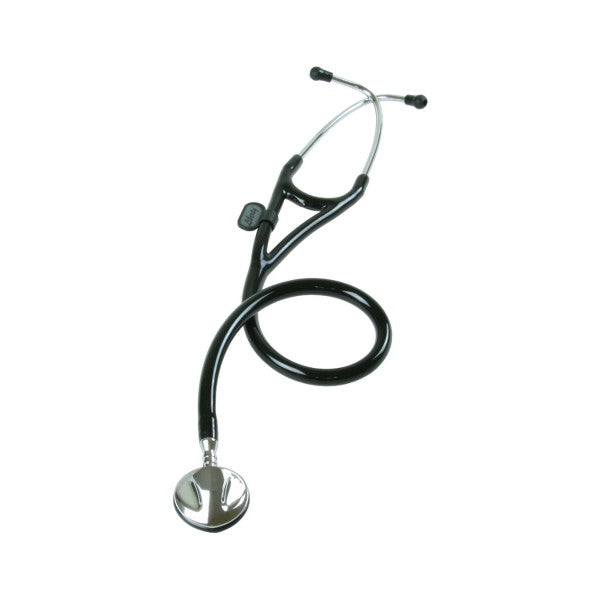
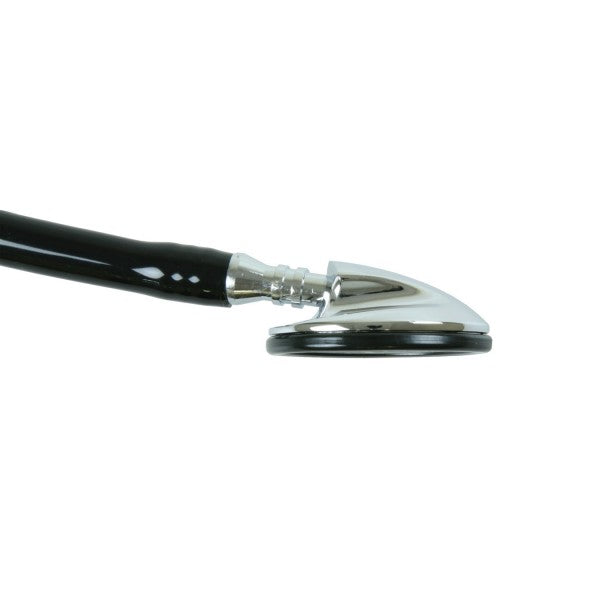
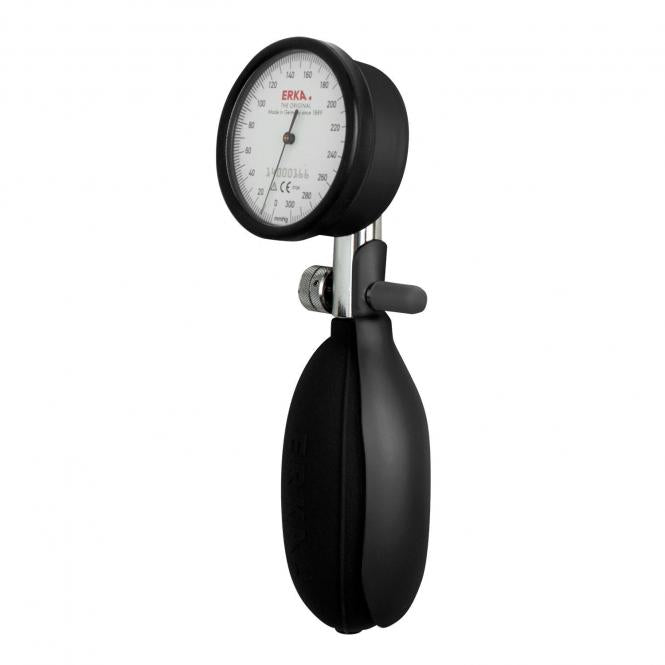
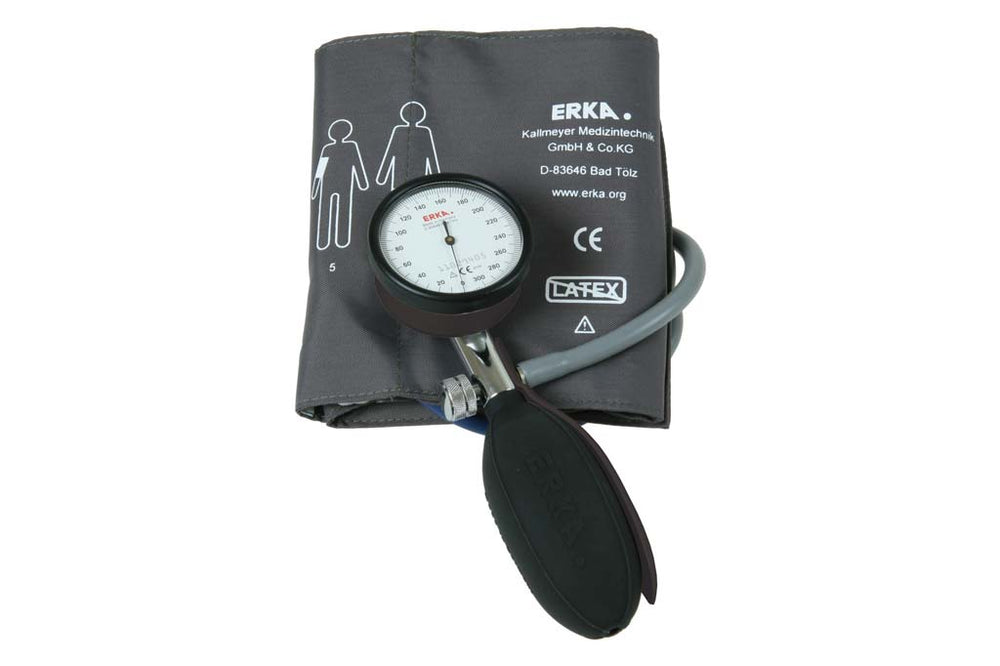
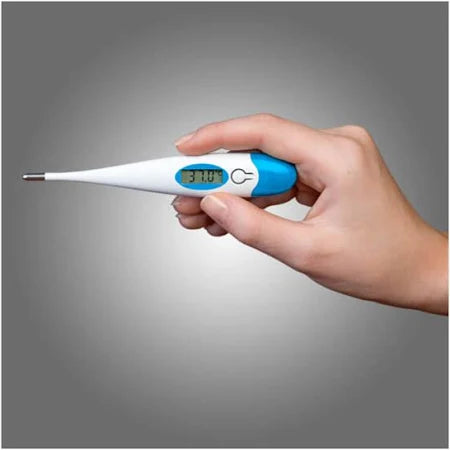
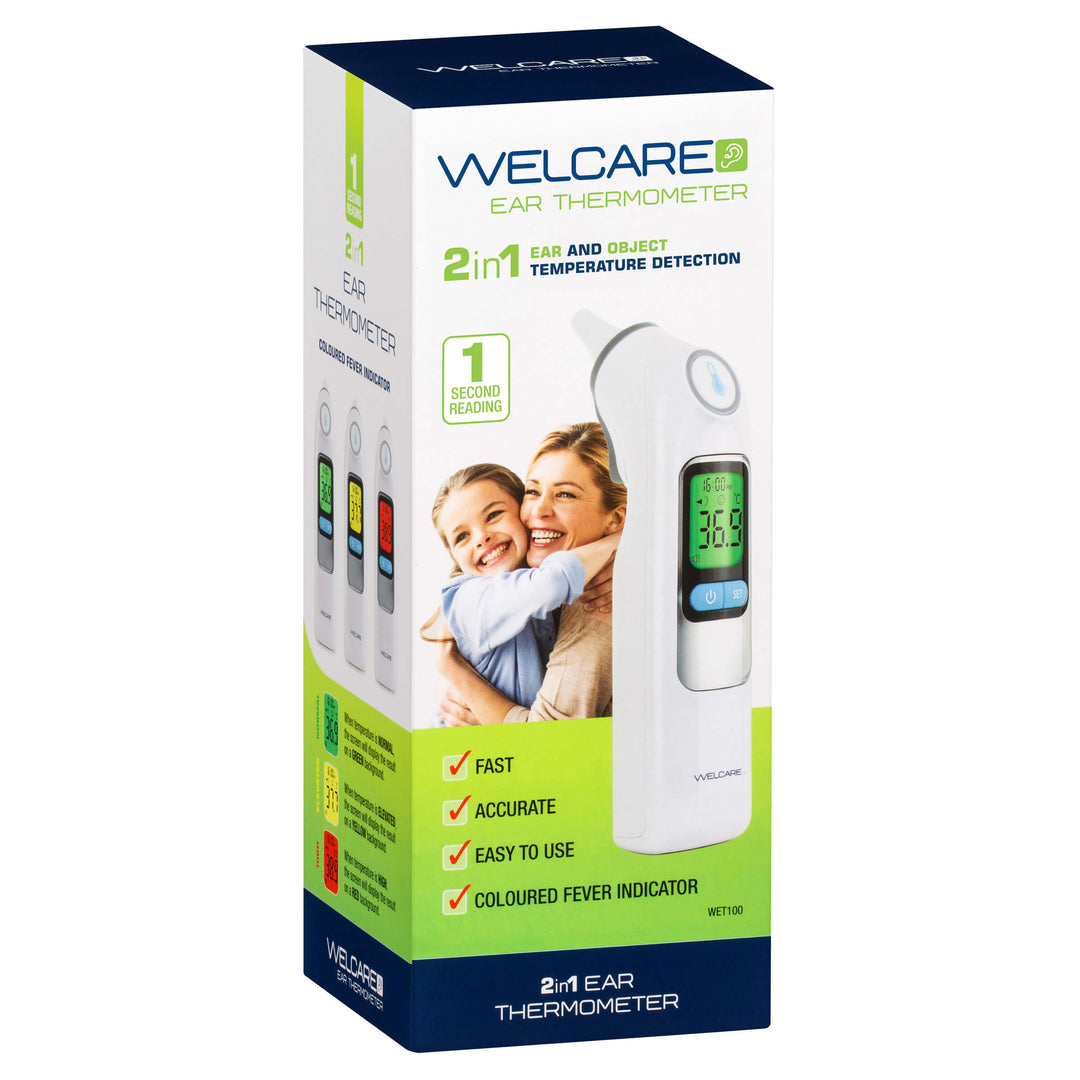
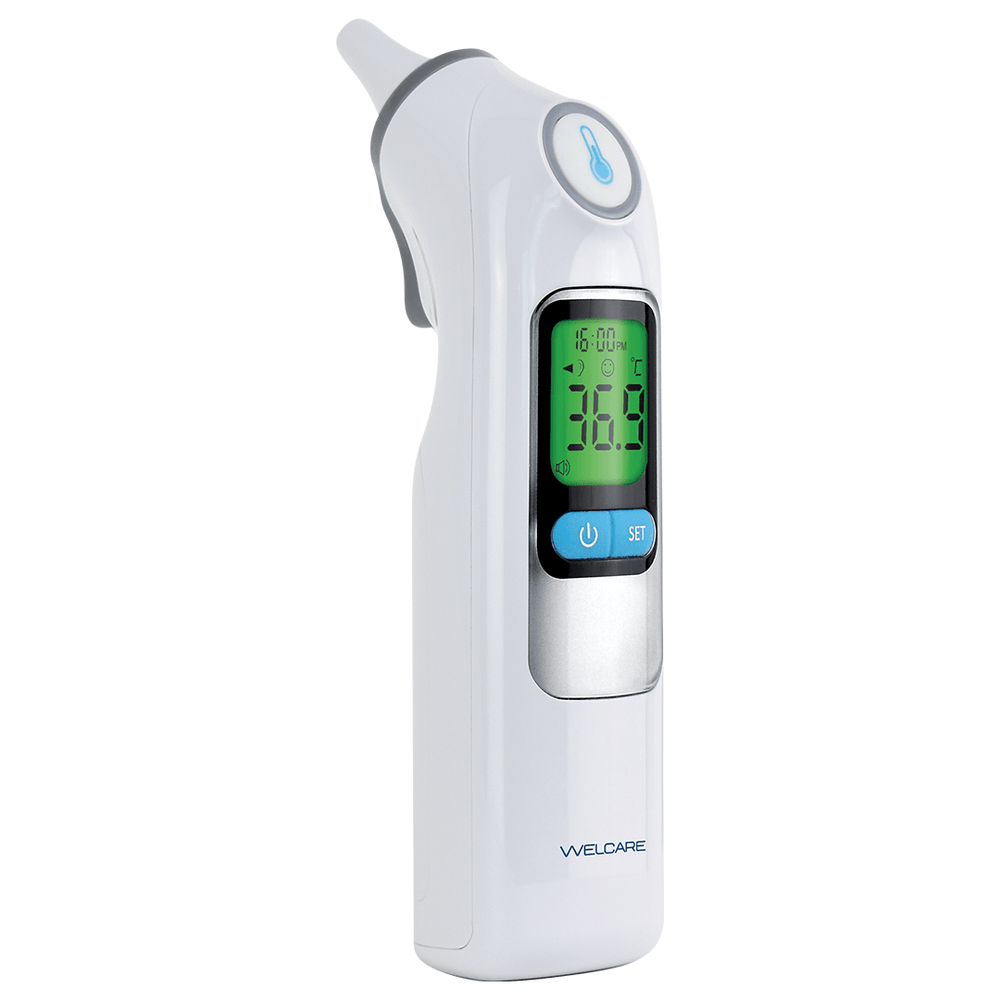
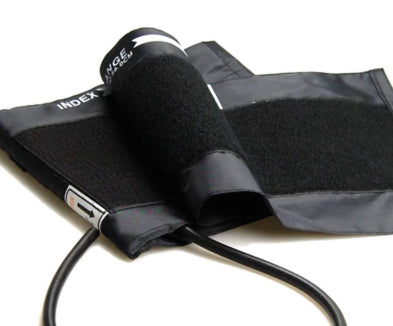
    Diagnostic and vital signs equipment is used to assess a patient’s condition by measuring key indicators such as pulse, oxygen saturation, blood pressure, and temperature. Accurate assessment is a critical first step in effective medical and first aid response.

    This collection includes medical-grade diagnostic equipment designed for use in first aid, emergency response, workplace safety, and clinical environments. These products support patient assessment and monitoring, rather than treatment or complete medical kits.
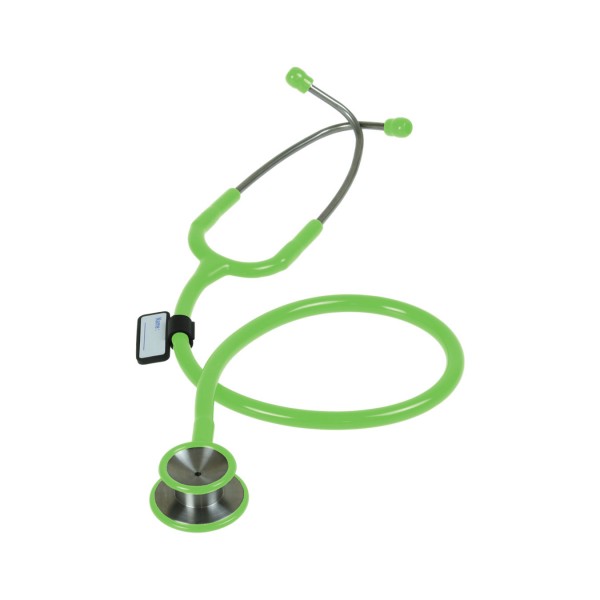
    What This Equipment Is Used For

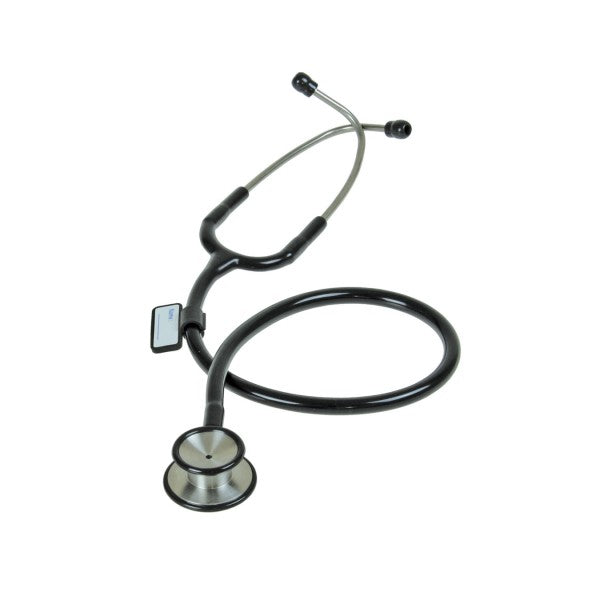
    Diagnostic and vital signs equipment is used to gather objective information about a patient’s condition. This includes monitoring circulation, breathing, and overall physiological status during assessment and ongoing care.

    In emergency and first aid settings, reliable vital signs equipment helps responders identify deterioration, prioritise care, and communicate accurate information to higher levels of medical support.

    Who This Equipment Is For

    Diagnostic and vital signs equipment is used by first aiders, emergency responders, paramedics, healthcare professionals, and organisations responsible for medical readiness.

    It is commonly found in workplaces, ambulances, medical bags, training environments, and first aid rooms. If your role involves assessing patients or monitoring their condition, diagnostic equipment forms an essential part of safe and effective response.

    What to Look For

    Selecting diagnostic and vital signs equipment should be based on reliability, ease of use, and suitability for the environment.

    • Accuracy: Consistent and reliable readings under real-world conditions.
    • Ease of use: Clear displays and simple operation during assessment.
    • Durability: Equipment suitable for regular handling and transport.
    • Portability: Compact design for use in medical bags or kits.
    • Maintenance: Simple cleaning and routine checks to ensure readiness.

    Effective patient assessment relies on equipment that can be trusted when decisions matter.

    Common Mistakes We See

    A common mistake is relying on poorly maintained or low-quality diagnostic equipment, which can lead to inaccurate readings.

    We also see equipment selected without considering the environment it will be used in, resulting in damage or unreliable performance. Another issue is failing to regularly check batteries, calibration, or cleanliness.

    Diagnostic equipment should be maintained and checked regularly to ensure accurate patient assessment.

    Questions We Get Asked

    What is diagnostic and vital signs equipment?

    It includes medical devices used to measure and monitor indicators such as pulse, oxygen levels, blood pressure, and temperature.

    Who uses vital signs equipment?

    Vital signs equipment is used by first aiders, emergency responders, paramedics, and healthcare professionals.

    Is this equipment suitable for workplace first aid?

    Yes. Diagnostic equipment is commonly used in workplaces to support patient assessment and monitoring.

    Does using diagnostic equipment require training?

    Basic equipment can be used with first aid training, while more advanced devices may require additional training.

    Can diagnostic equipment be carried in medical bags?

    Yes. Many diagnostic tools are designed to be portable and carried in medical or first aid bags.

    How often should diagnostic equipment be checked?

    Equipment should be checked regularly for battery life, cleanliness, and functionality to ensure accurate readings.