What is the difference between a splint and a traction splint?
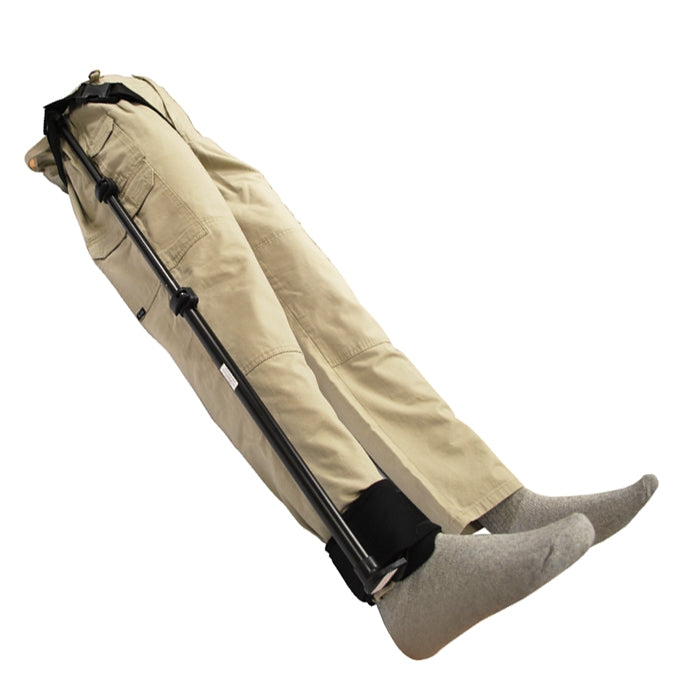
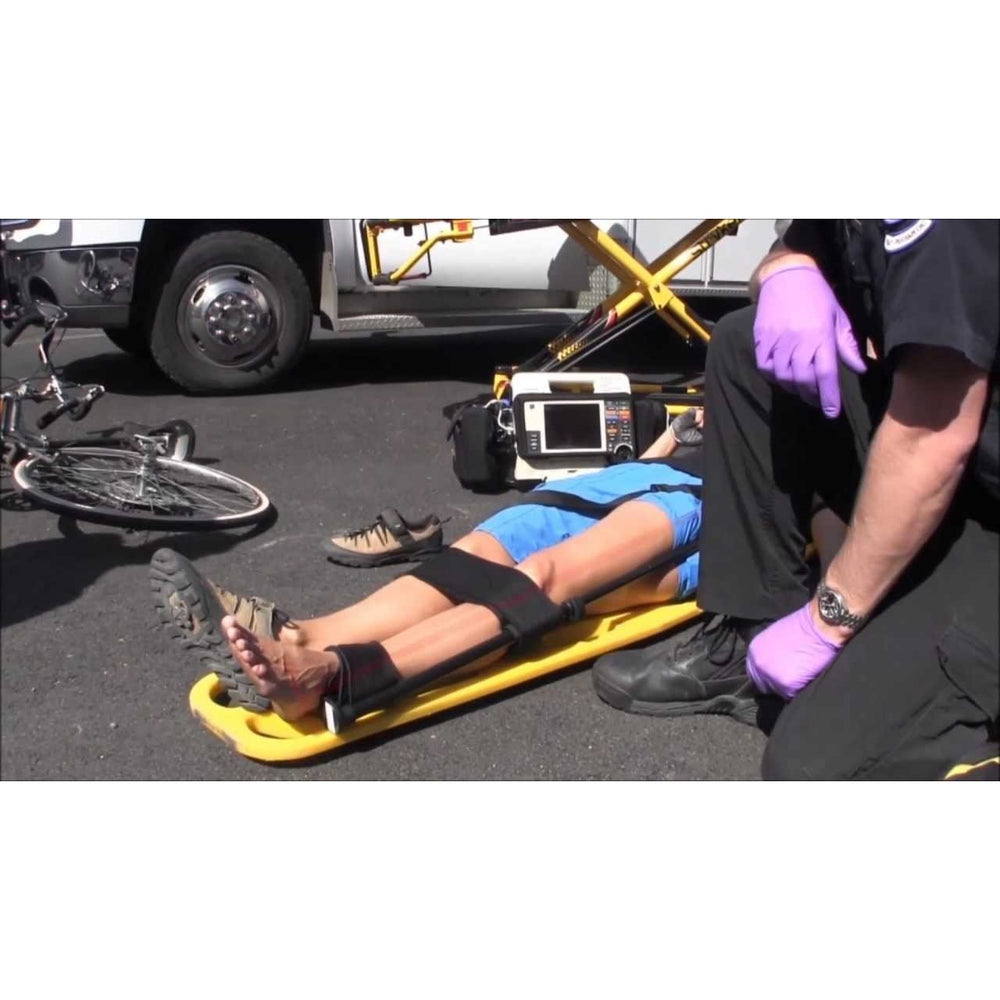
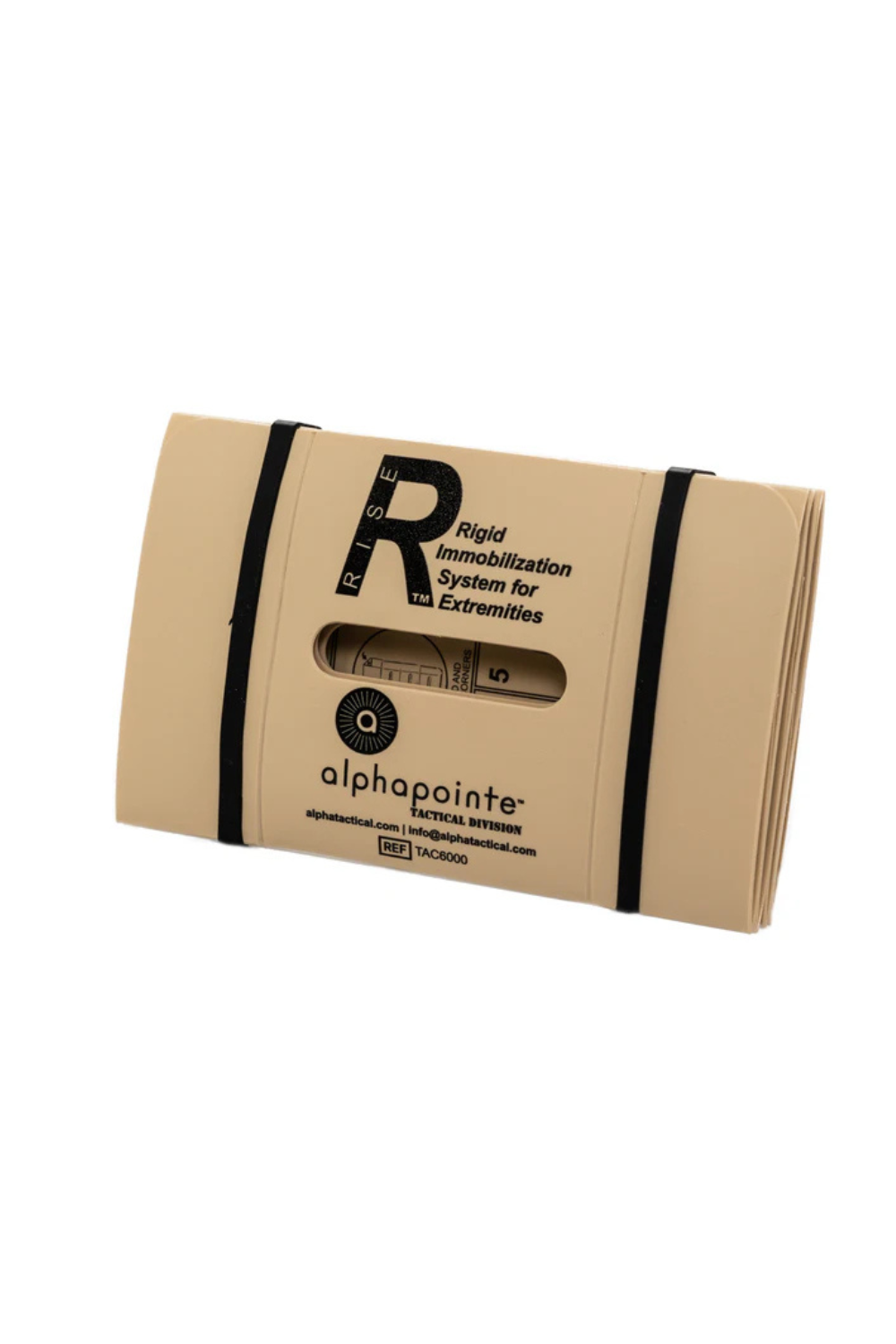
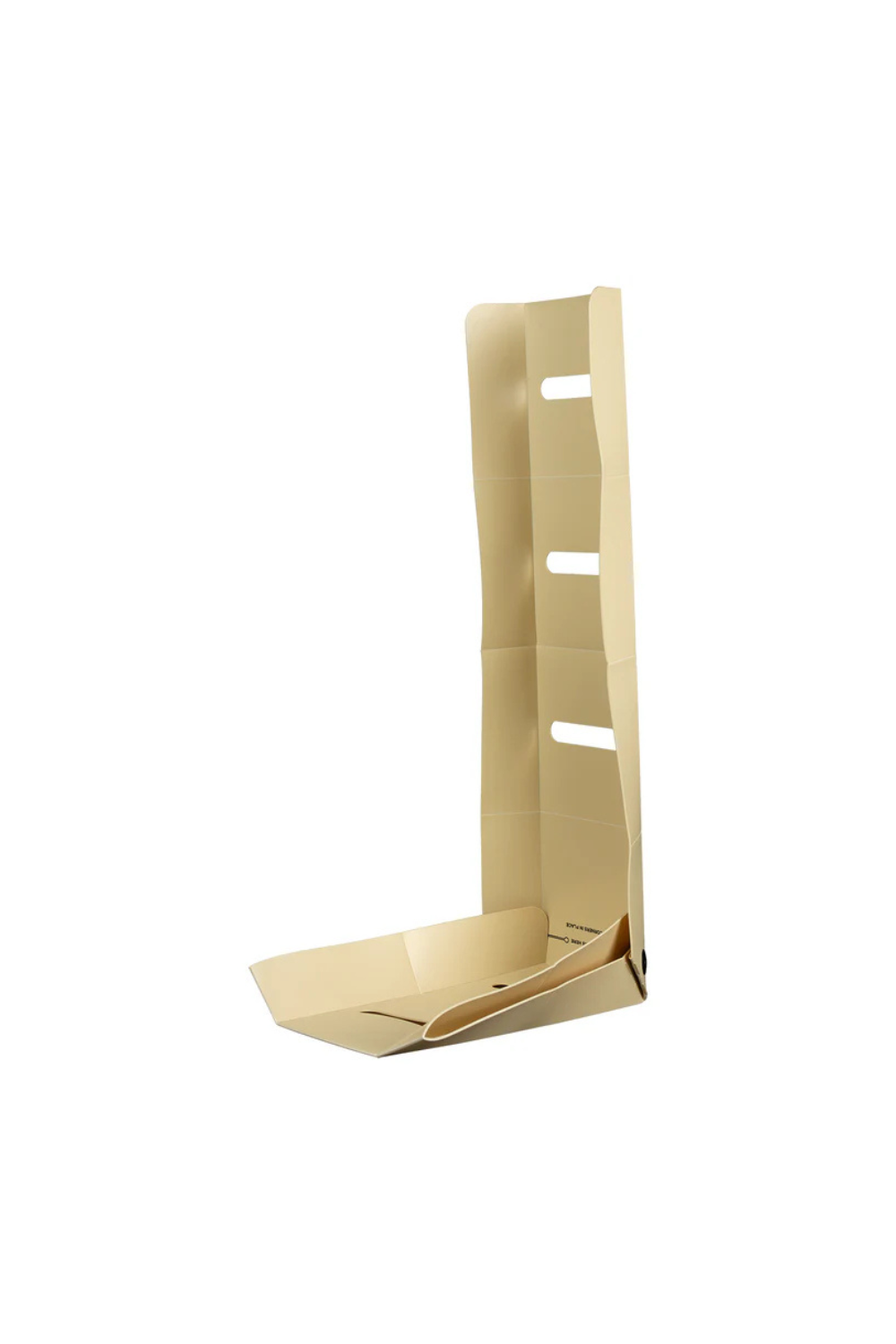
A standard splint — formable or rigid — immobilises a limb by preventing movement. A traction splint applies a sustained pull force along the axis of the limb to reduce a fracture and hold the bone ends in alignment. Traction splints are specifically for mid-shaft femur fractures, where simple immobilisation without traction allows ongoing muscle spasm, pain, and haemorrhage. For all other fractures, a standard formable splint is the correct tool.
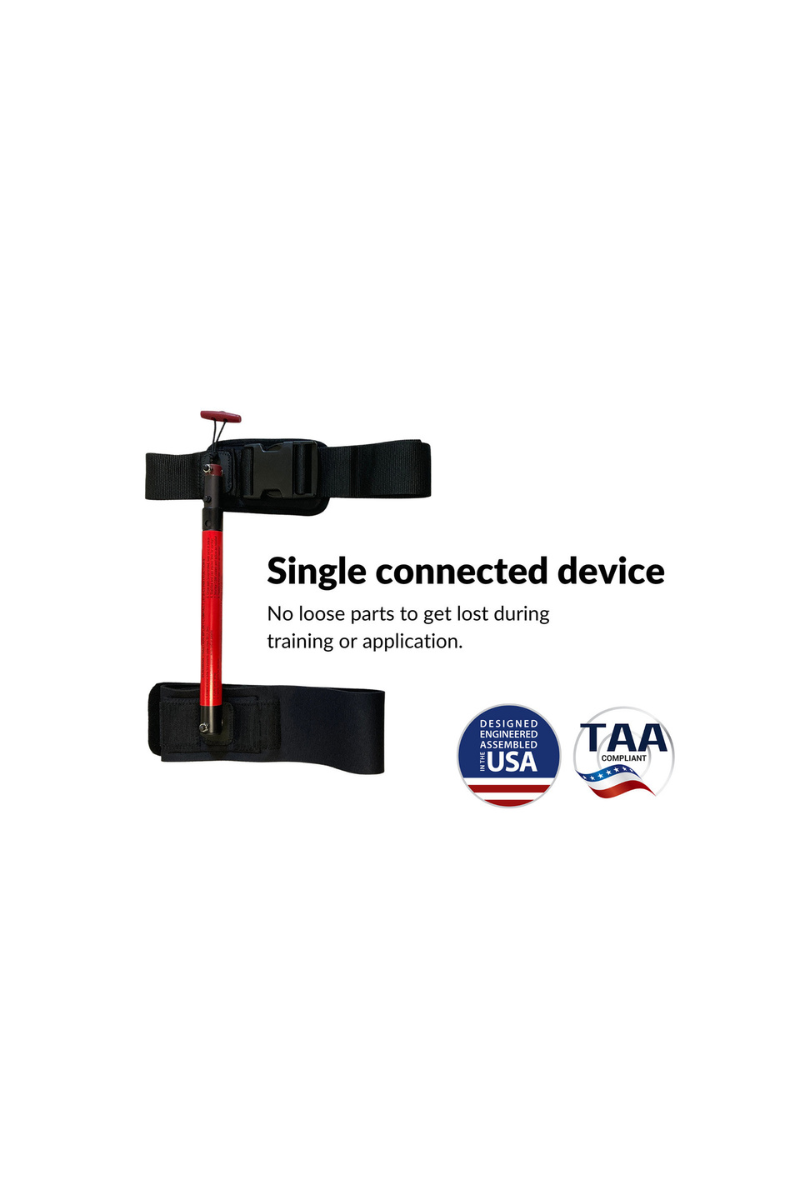
What is the Slishman Traction Splint?
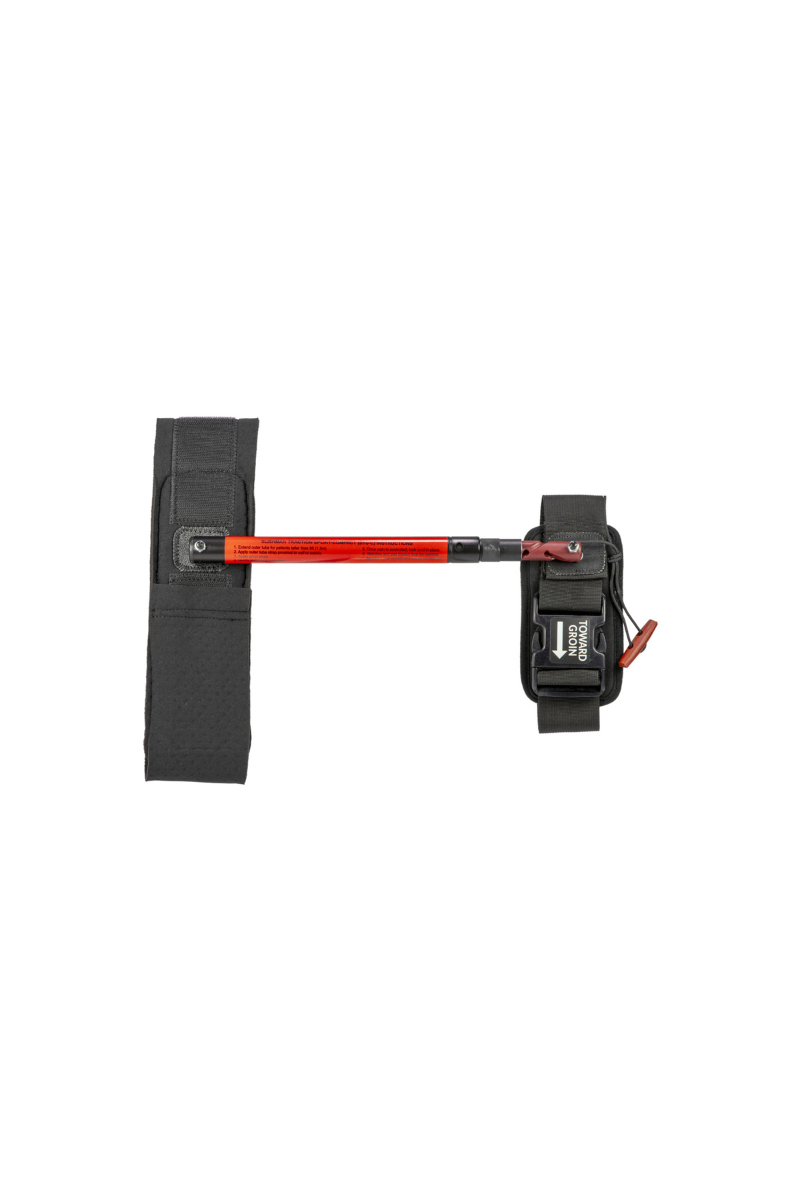
The Slishman Traction Splint (STS) is a compact, one-piece traction splint designed for pre-hospital use in environments where space and weight are limited. It applies and maintains controlled traction for mid-shaft femur fractures without requiring multiple components or assembly under pressure. Available in the original version, the Gen 2 (updated design), and the Compact version.
What is a pelvic splint?
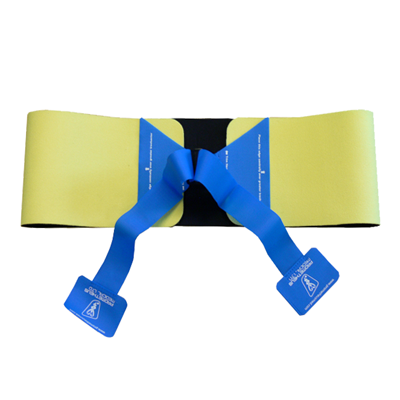
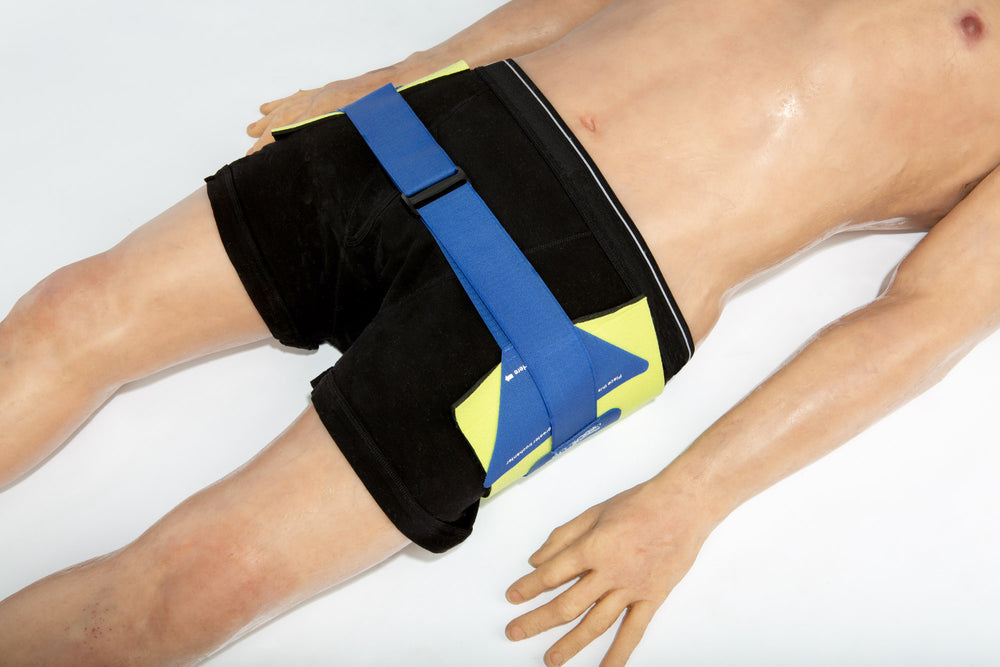
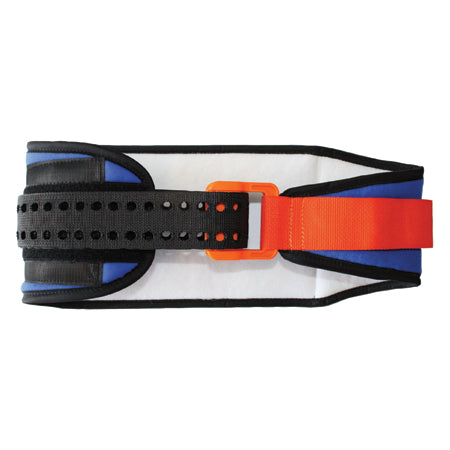
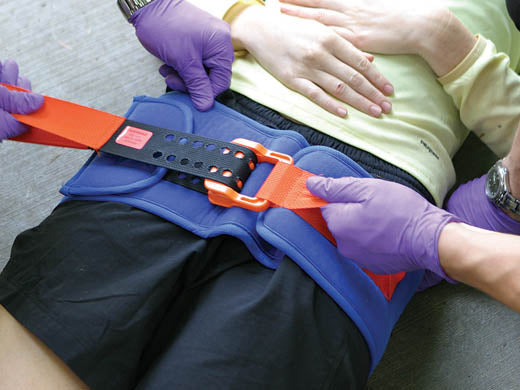
A pelvic splint is a device that applies controlled circumferential compression around the pelvis to stabilise an open-book pelvic fracture. Open-book fractures — where the pelvic ring opens at the pubic symphysis — allow significant internal haemorrhage into the pelvic cavity. Closing the pelvis reduces the haemorrhage space and provides pain relief and stability during transport. The Prometheus Pelvic Splint is the dedicated pelvic stabilisation device in TacMed's range.
What is the Prometheus Pelvic Binder?
The Prometheus Pelvic Binder applies targeted circumferential force at the correct anatomical location for pelvic fracture management — the greater trochanters, not the iliac crests. It is designed for consistent application regardless of patient size or operator experience, with clear force indicators. Widely used in pre-hospital and emergency department settings in Australia. For the full Prometheus pelvic product range, see the Prometheus product page.
What is an Aerosplint?
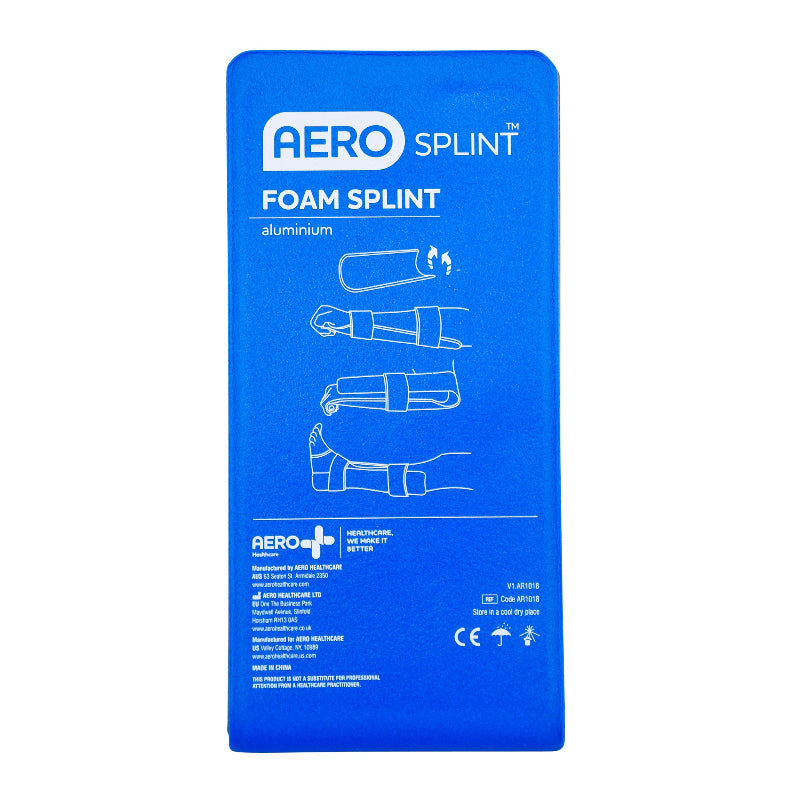
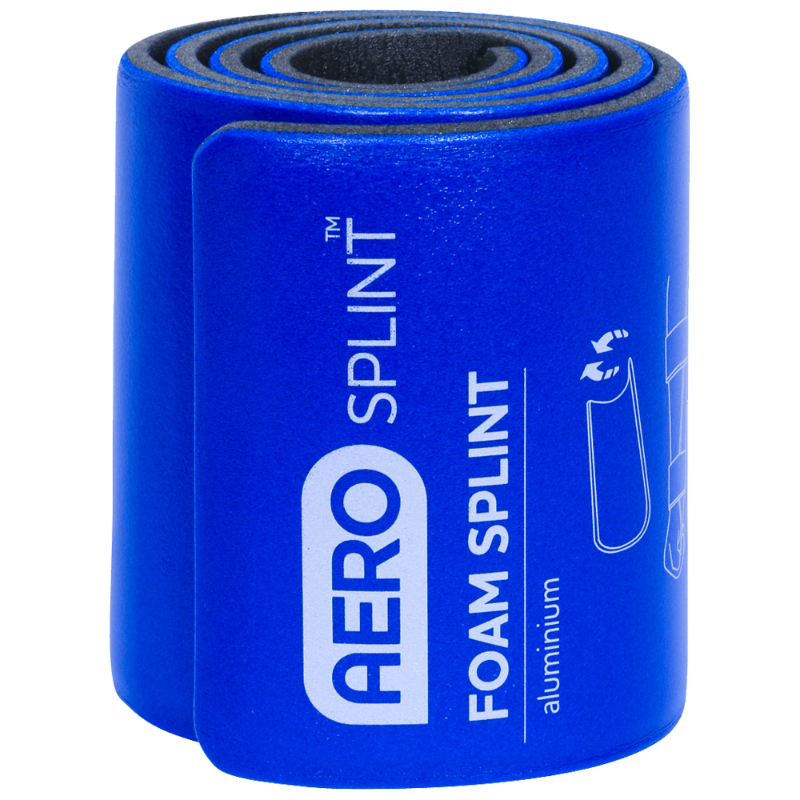
The Aerosplint is a flat aluminium and foam emergency splint — similar in function to a SAM Splint but with a flat profile that stores compactly. Available in limb and finger sizes. Lightweight, malleable, and radiolucent. Suited to workplace kits, sports medicine, and clinical environments where a compact single-use splint is needed without the SAM Splint's rolled format.
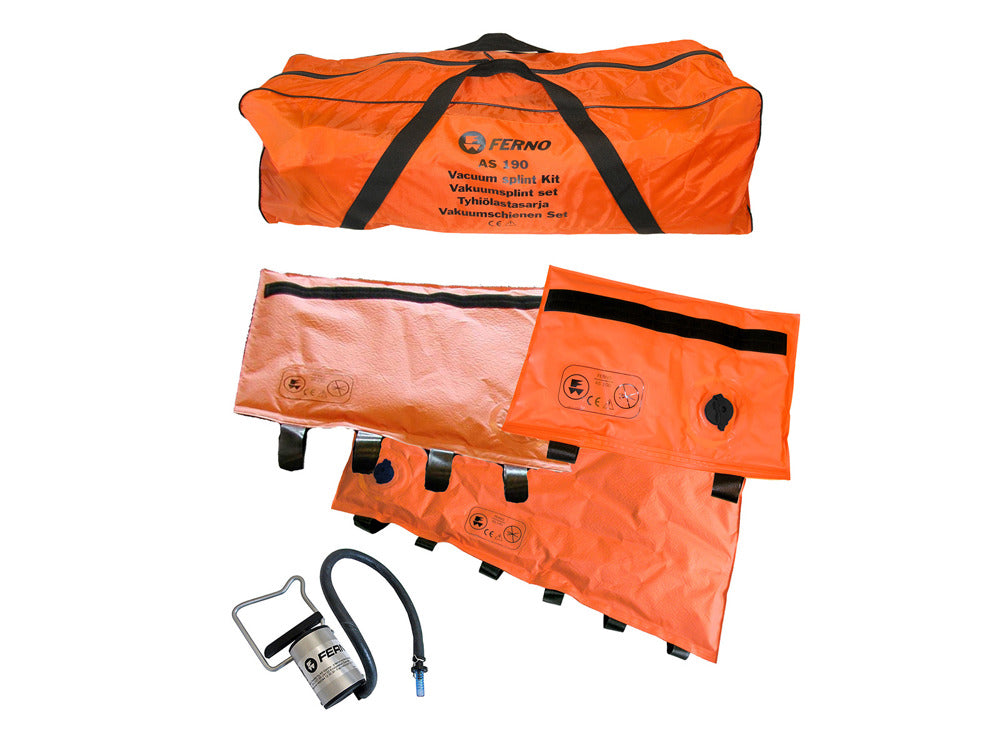
What is a vacuum splint?
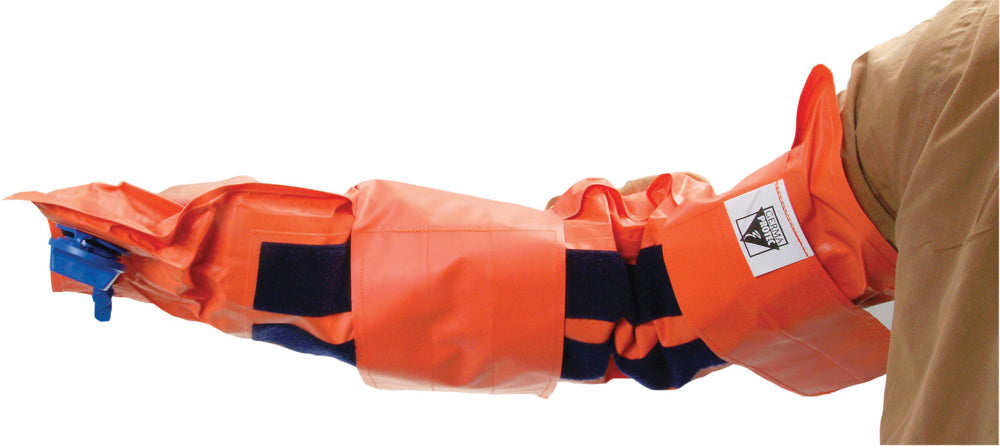
A vacuum splint is a bag filled with small polystyrene beads that wraps around the injured limb. When air is evacuated, the beads lock together and the splint rigidifies into a custom mould conforming exactly to the limb shape. Provides excellent support for complex fractures and joint dislocations. Commonly used in ambulance and emergency department settings where a rigid custom mould is preferred over a formable splint.
Are these splints suitable for workplace first aid kits?
SAM Splints and Aerosplints are widely used in workplace first aid kits. Their compact format and versatility across multiple injury types make them practical for any workplace where musculoskeletal injuries are a risk. Traction splints and pelvic binders are appropriate for high-risk workplaces — mining, construction, and remote operations — where femur fractures or high-energy pelvic trauma are realistic injury scenarios.
Do I need training to use a traction splint or pelvic binder?
Yes. Both traction splinting and pelvic binder application require specific training to apply correctly and safely. Incorrect traction splint application can worsen a femur fracture. Incorrect pelvic binder placement at the iliac crests rather than the greater trochanters is a common error that reduces effectiveness. SAM Splints and Aerosplints can be applied with basic first aid training.