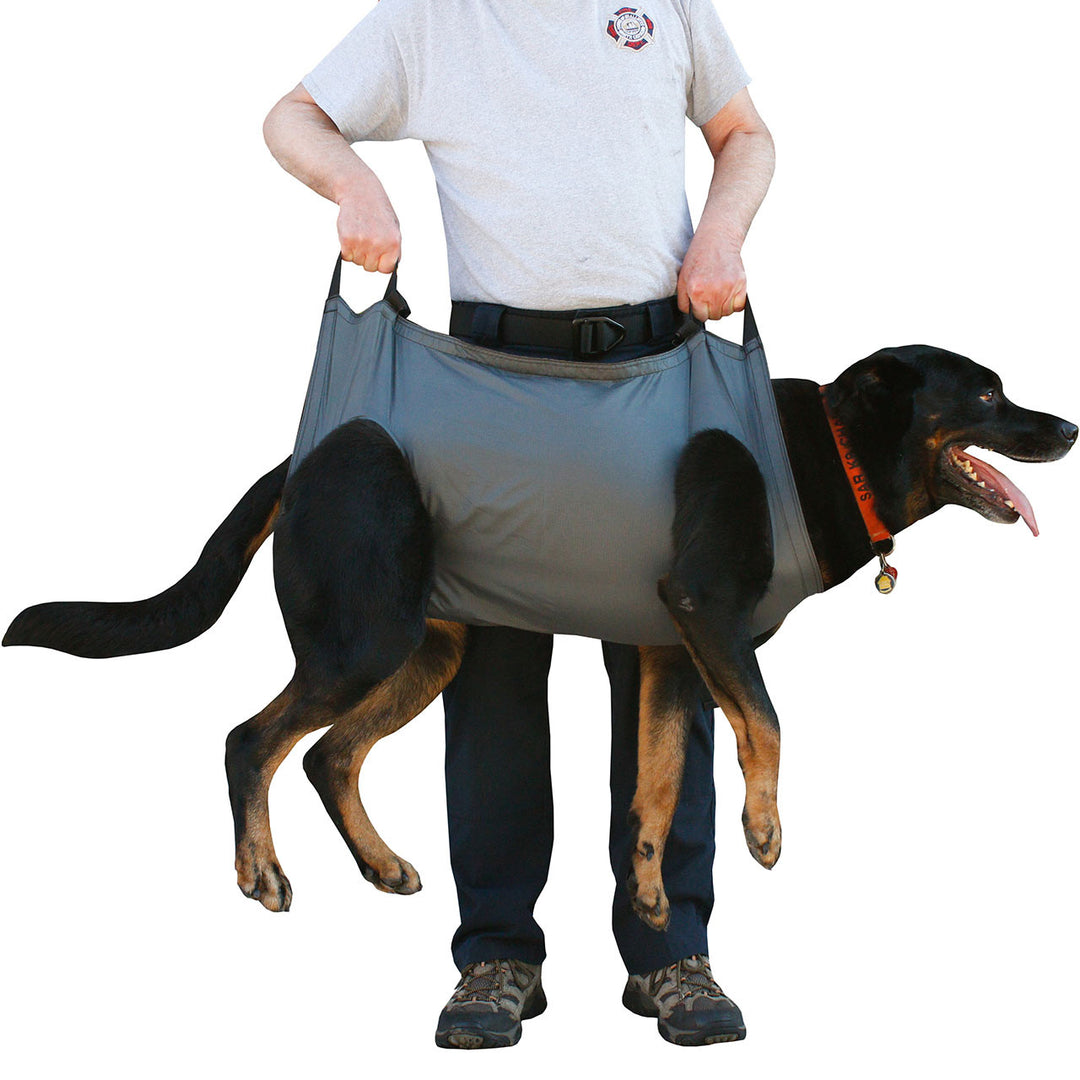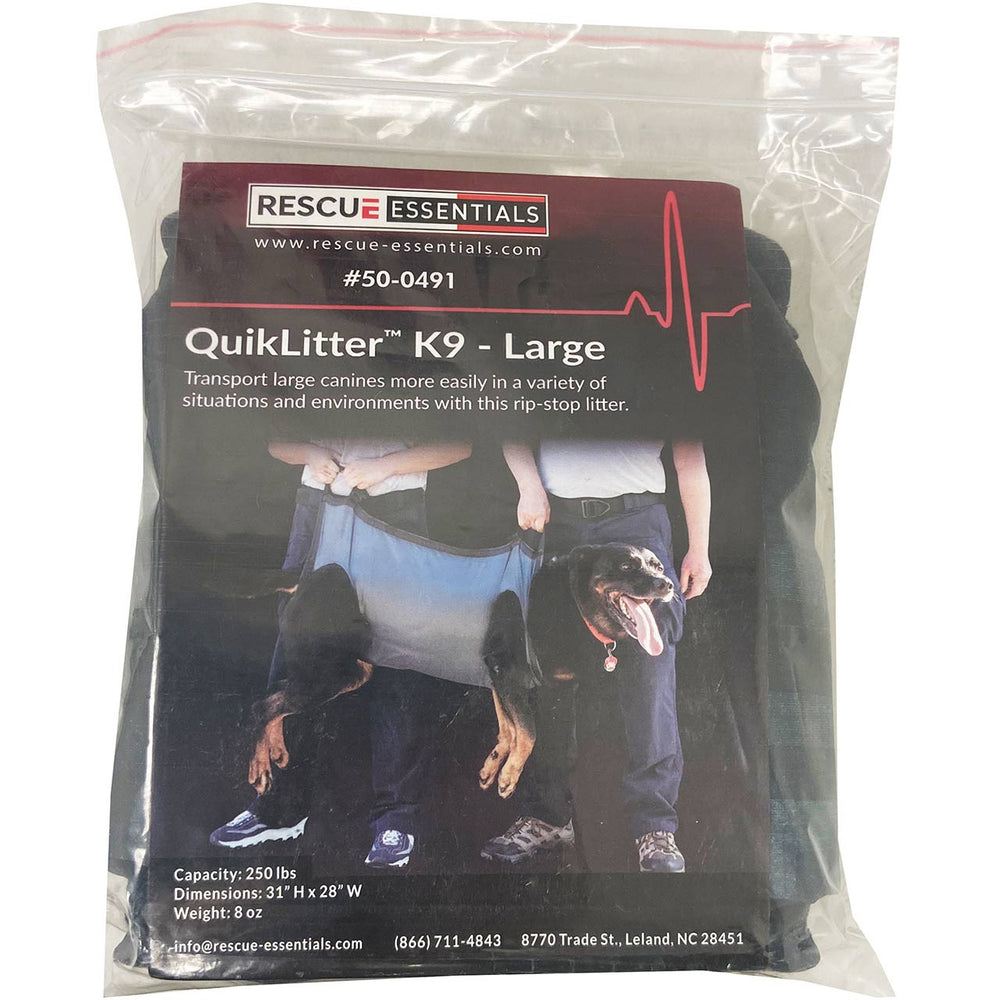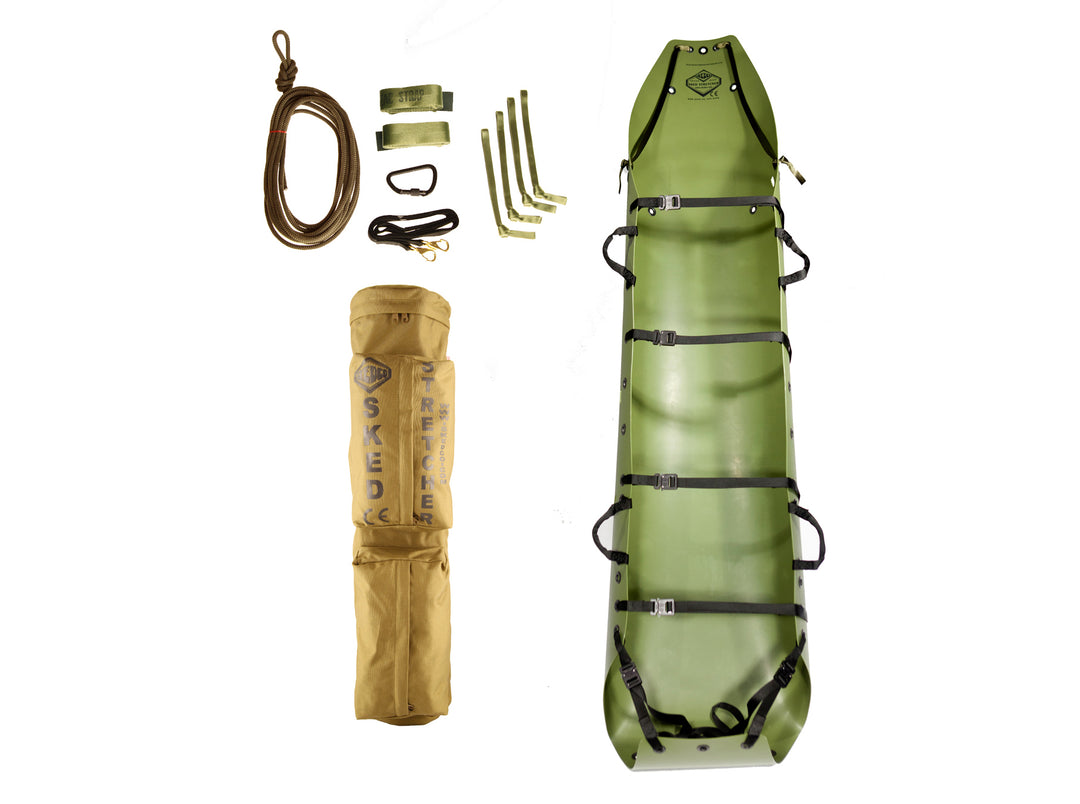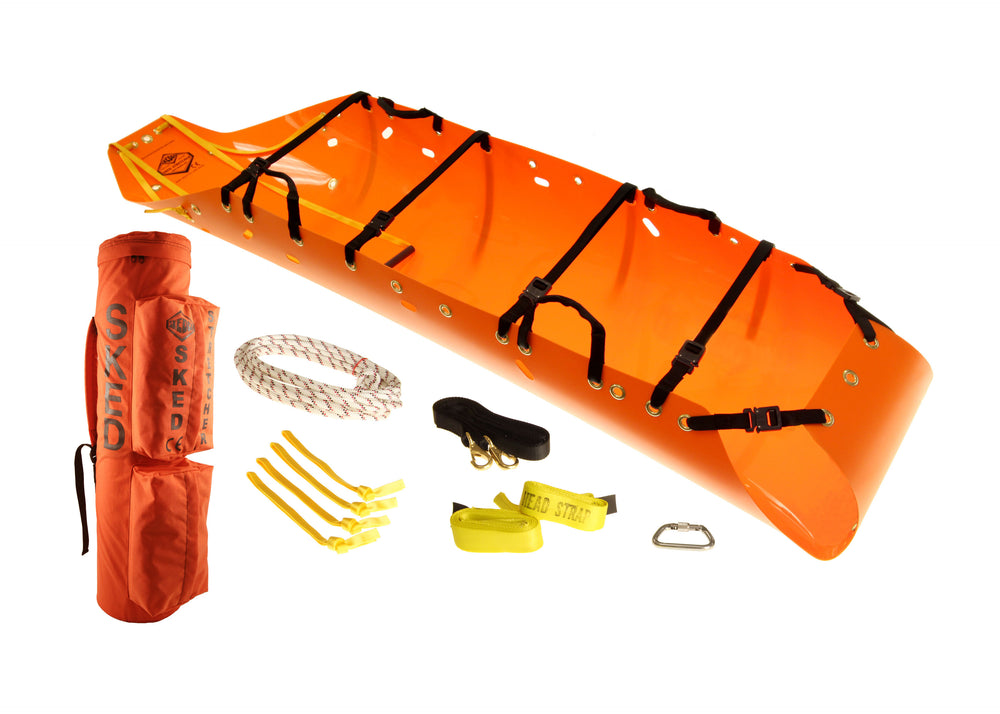



Stretchers & Litters

Filter

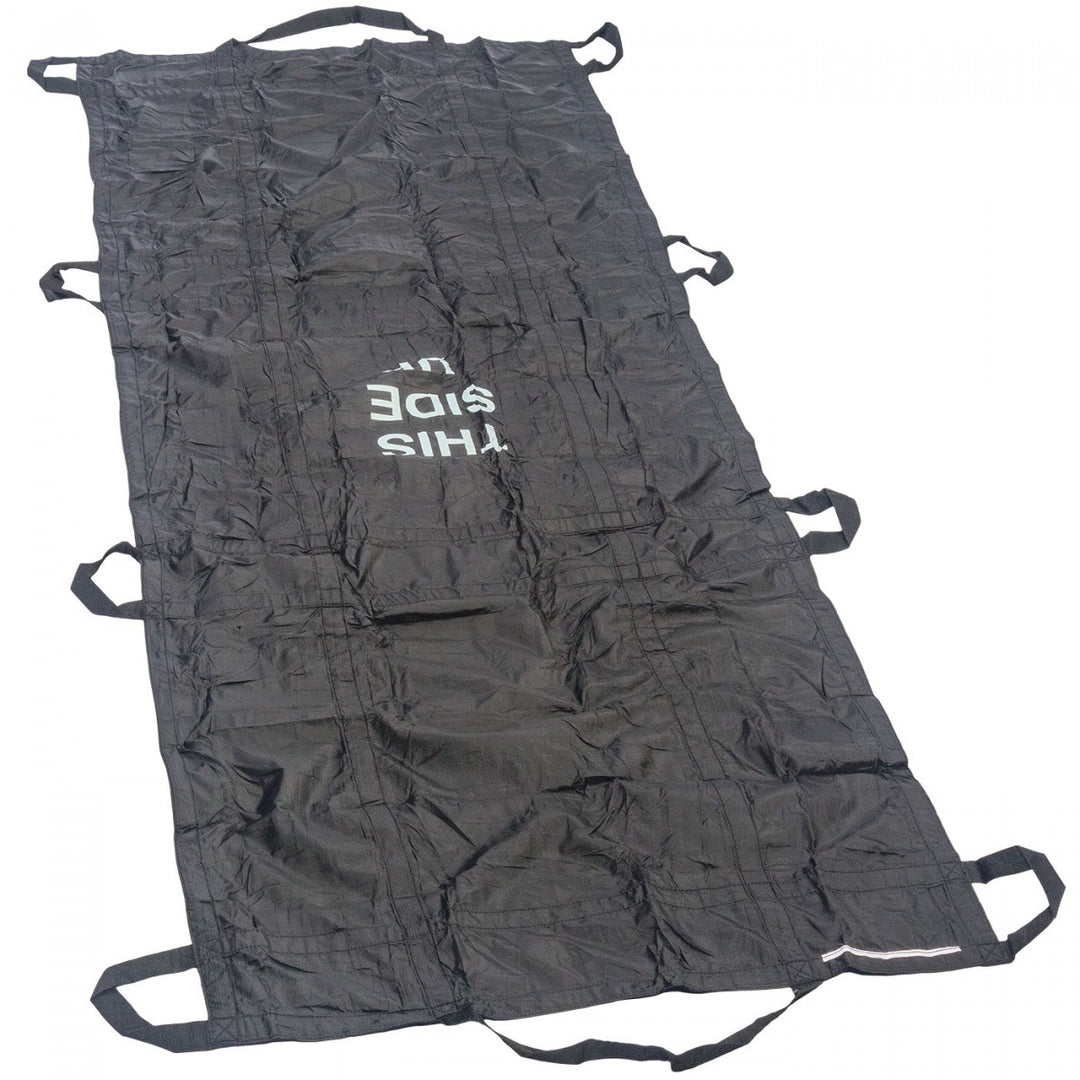
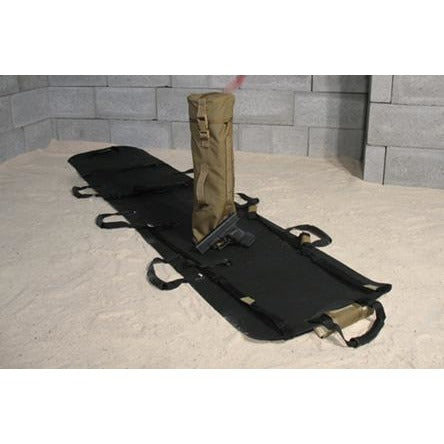
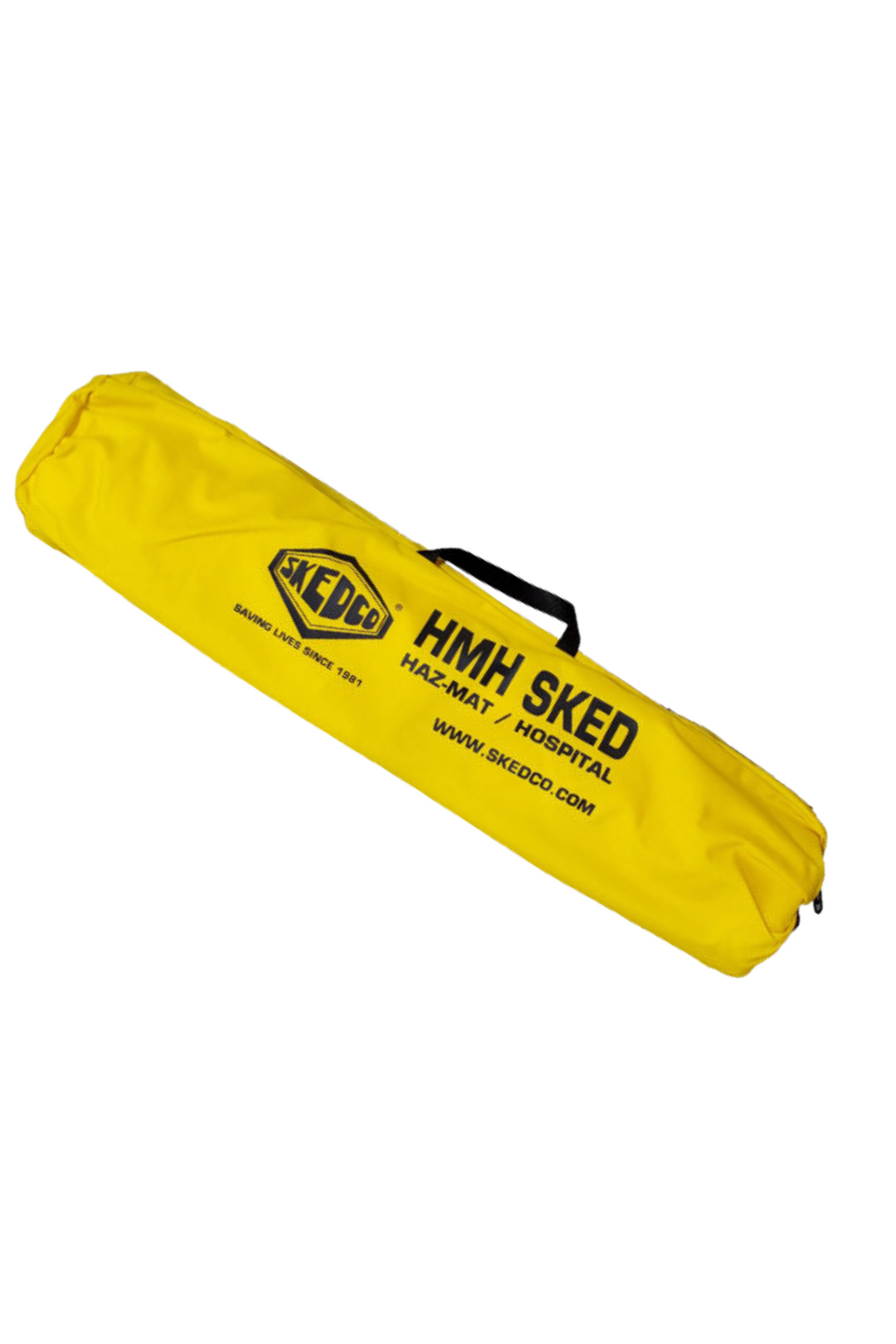
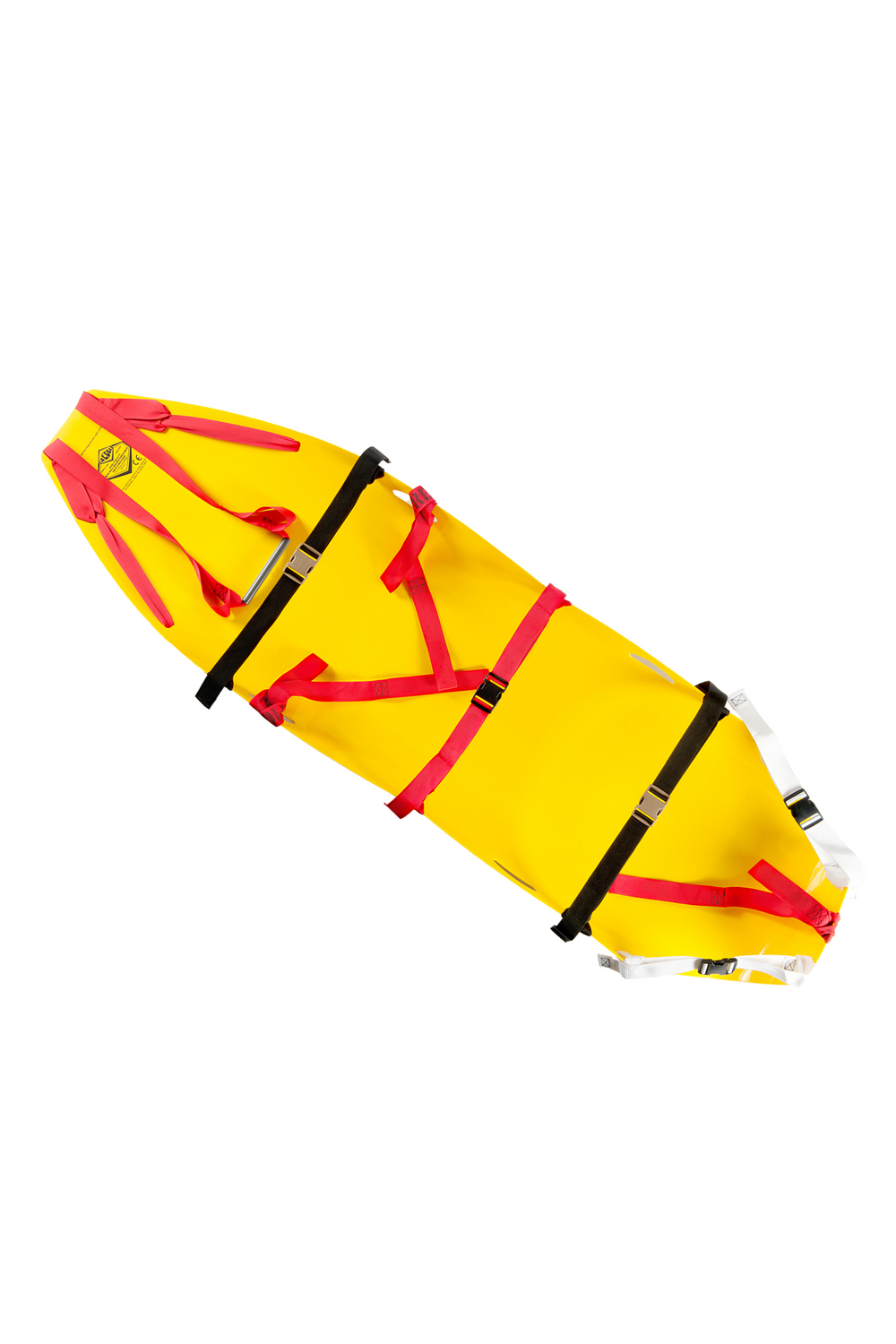
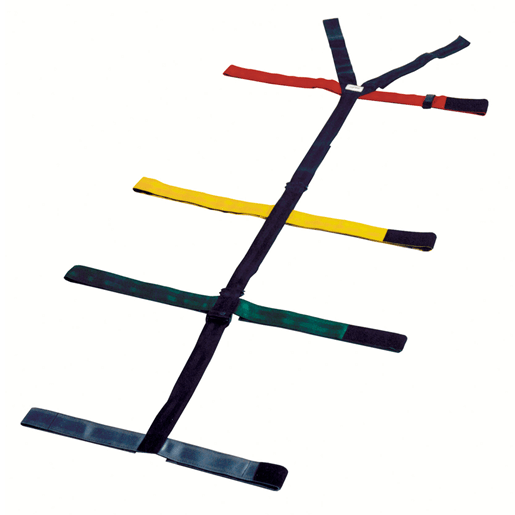
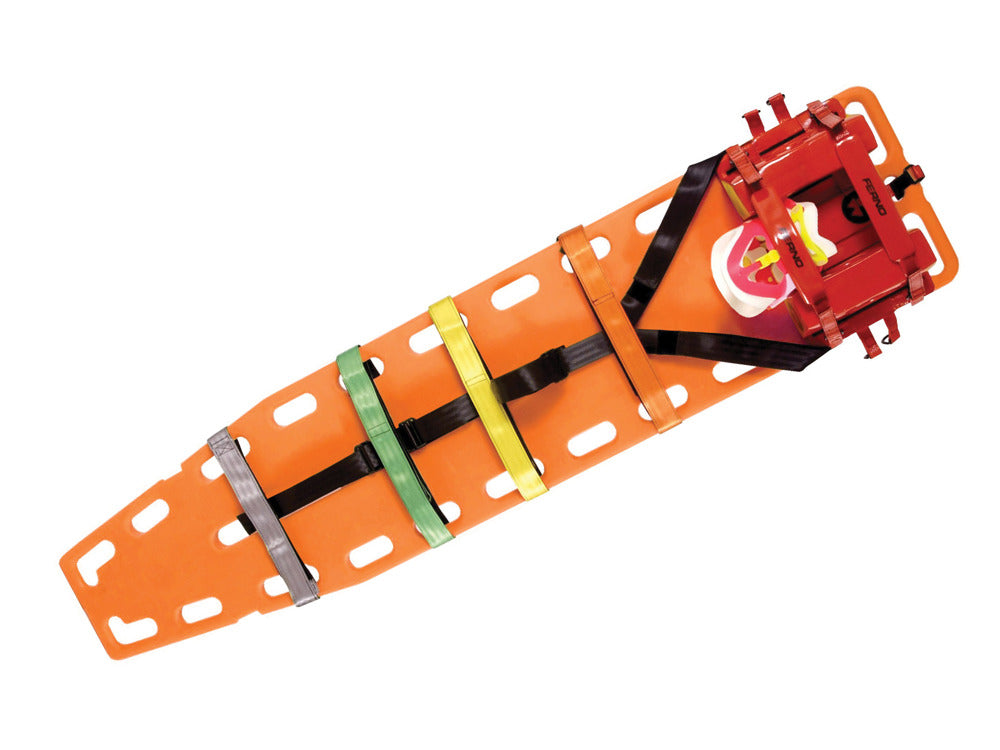
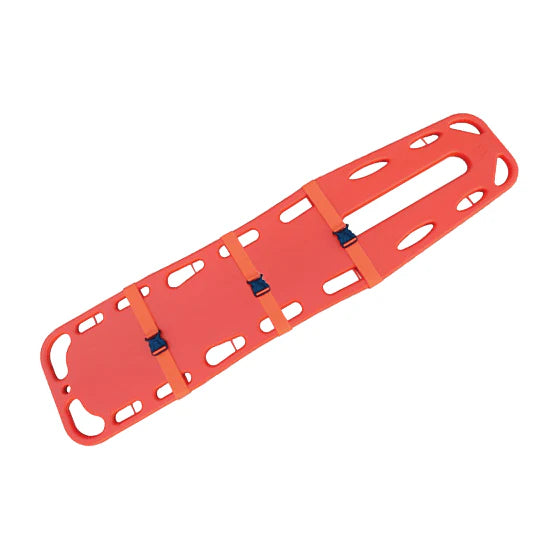
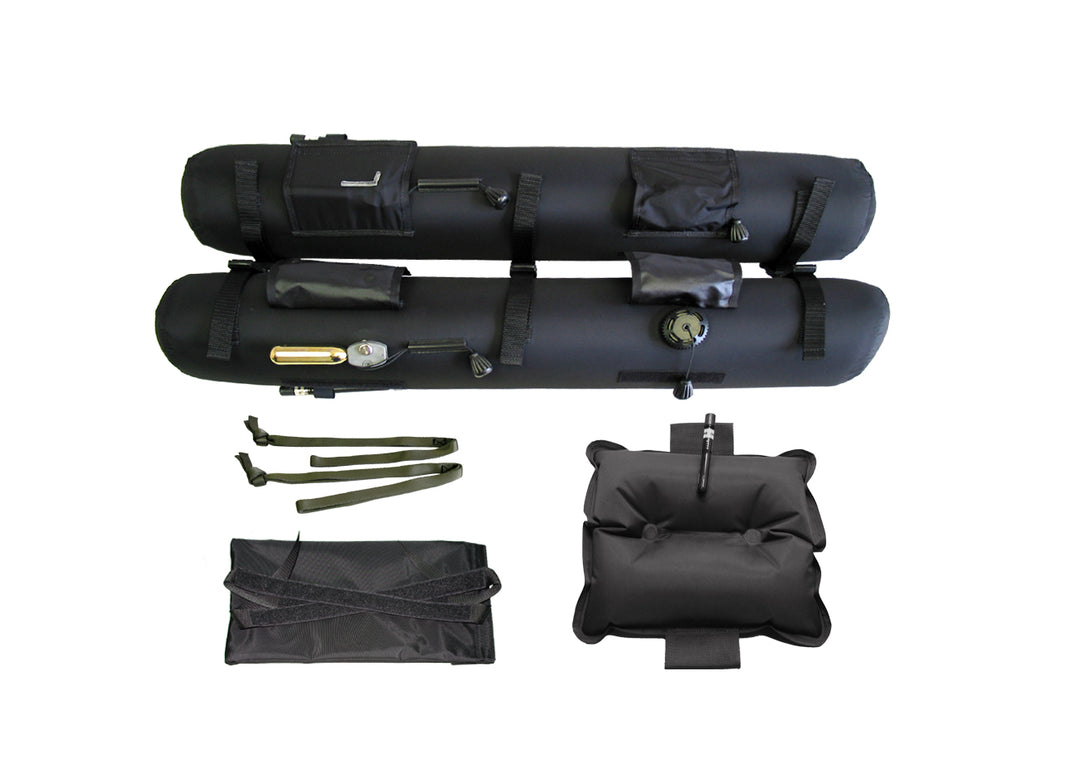
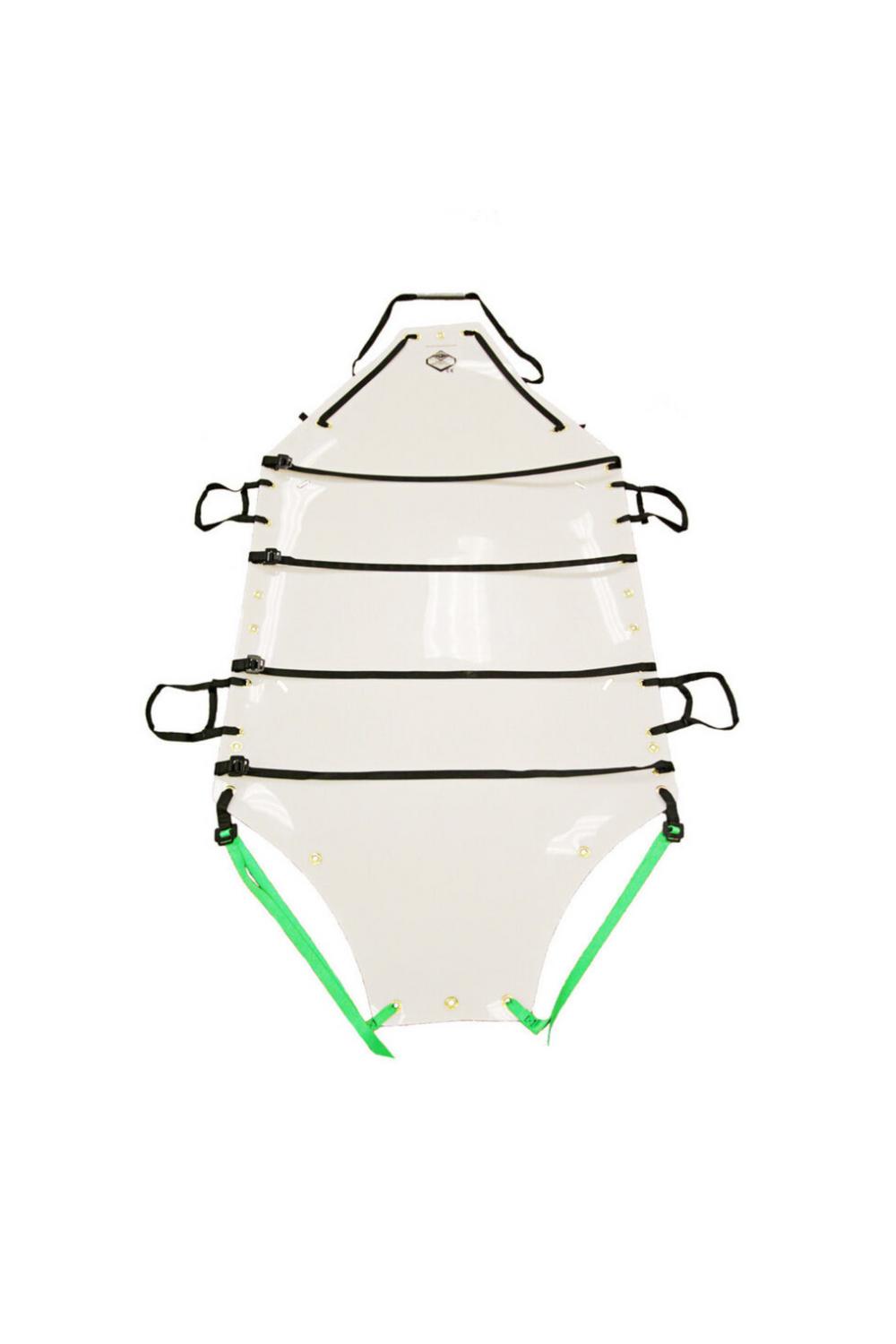
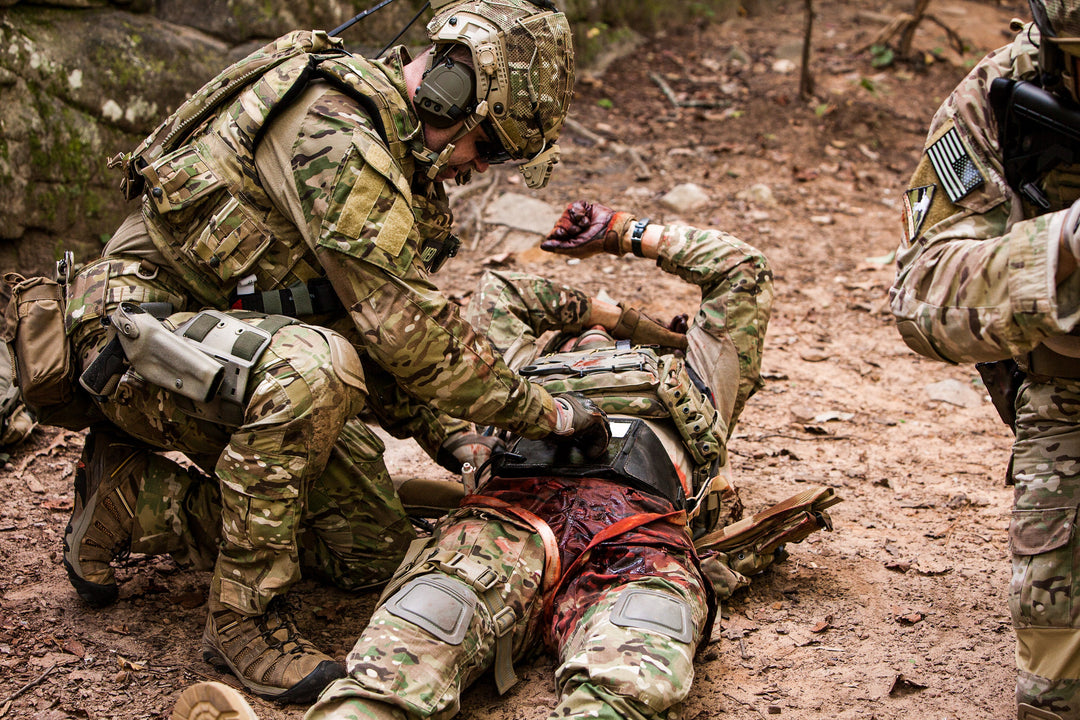
    Stretchers and litters are used to move and transport injured or unwell patients safely during medical response, rescue, and evacuation. They play a critical role in reducing further injury while enabling responders to relocate patients efficiently.

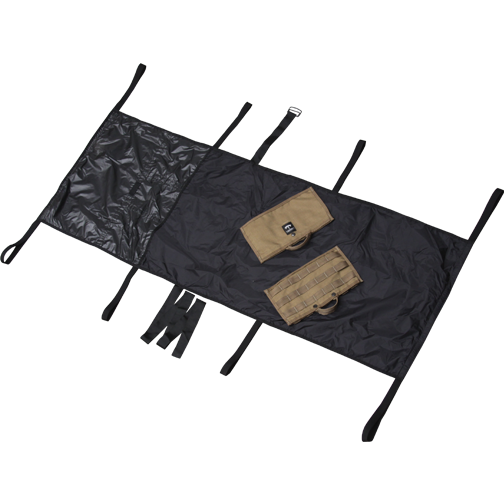
    This collection includes stretchers and litters designed for use in emergency services, rescue operations, workplaces, and remote environments. These products focus on patient handling and transport rather than medical treatment or complete care systems.
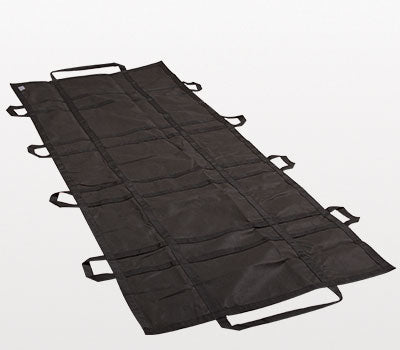
    What This Equipment Is Used For

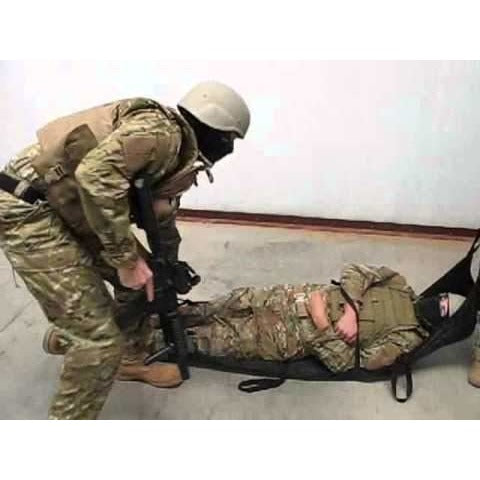
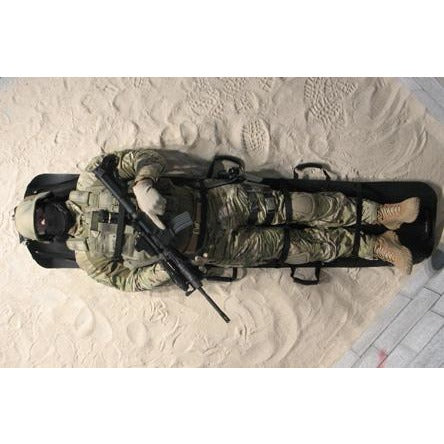
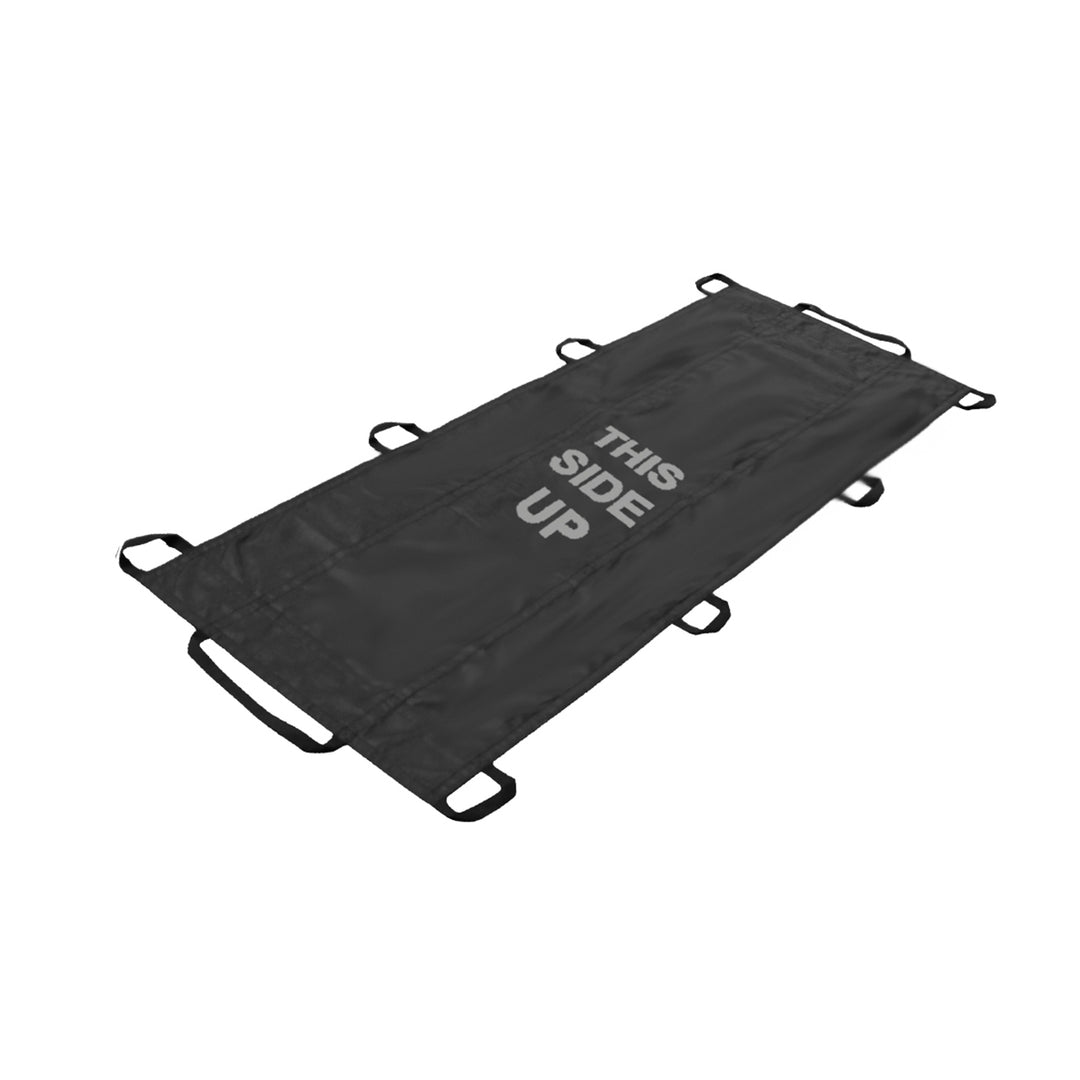
    Stretchers and litters are used to carry patients when they are unable to move safely on their own. They support patient stabilisation during movement and help responders transport casualties over short or extended distances.

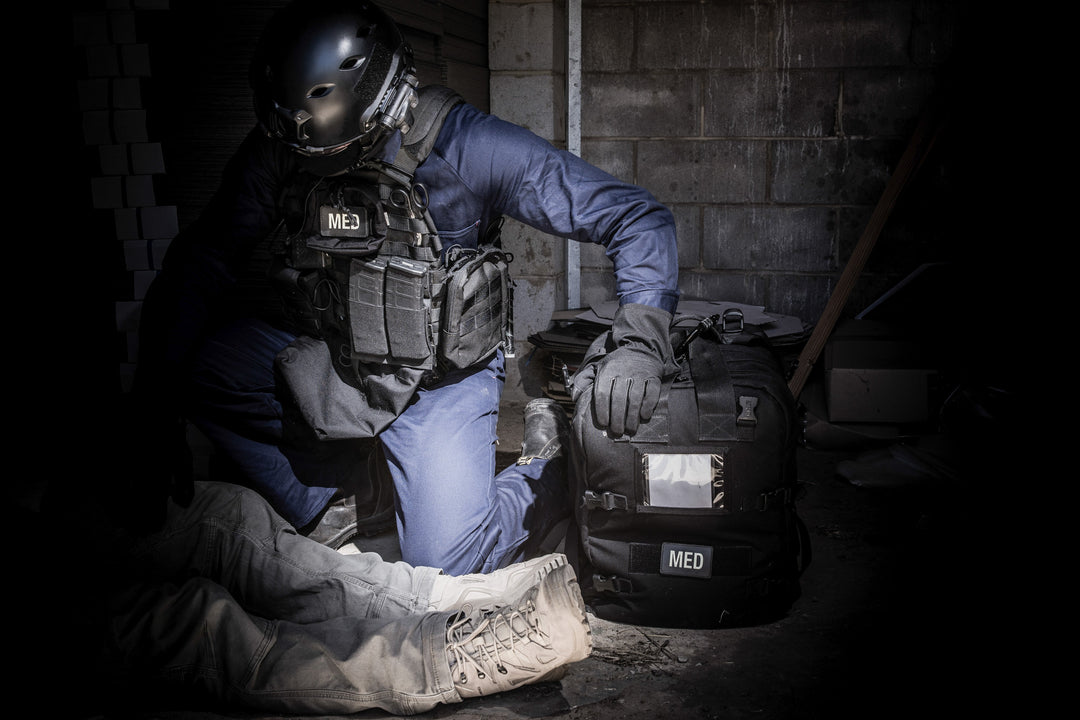
    In emergency and rescue scenarios, effective patient transport equipment allows responders to move casualties through confined spaces, uneven terrain, or challenging environments while minimising additional risk.

    Who This Equipment Is For

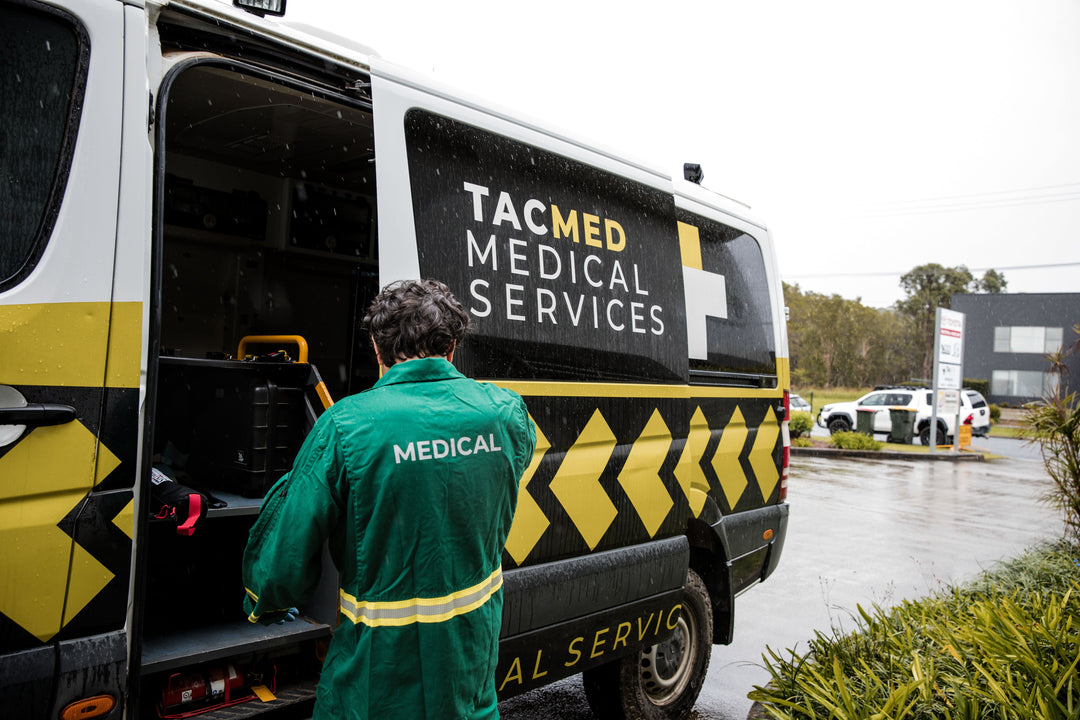
    Stretchers and litters are used by emergency responders, paramedics, rescue teams, and trained personnel involved in patient transport and evacuation.

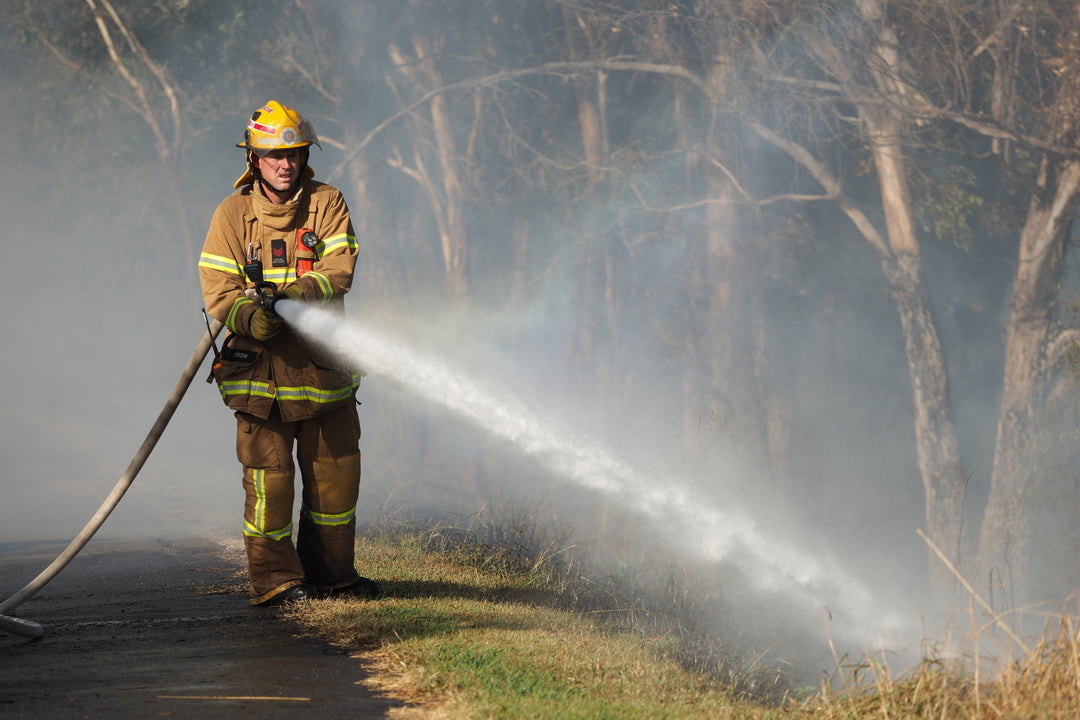
    They are commonly used in ambulance services, search and rescue, fire and rescue operations, workplaces, and remote or outdoor response settings. If your role involves moving injured patients as part of an organised response, stretcher and litter systems are essential equipment.

    What to Look For

    Selecting the right stretcher or litter depends on the environment, patient needs, and method of transport.

    • Load capacity: Suitable for the expected patient weight.
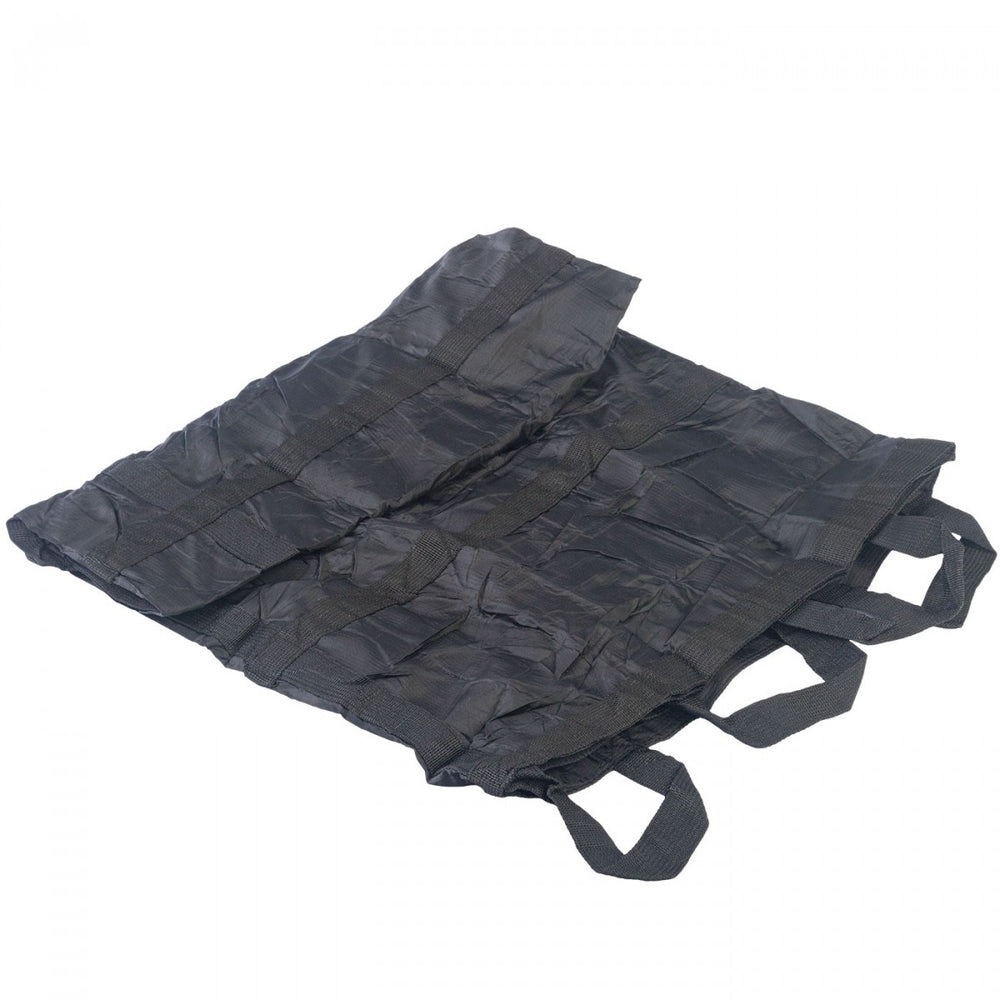
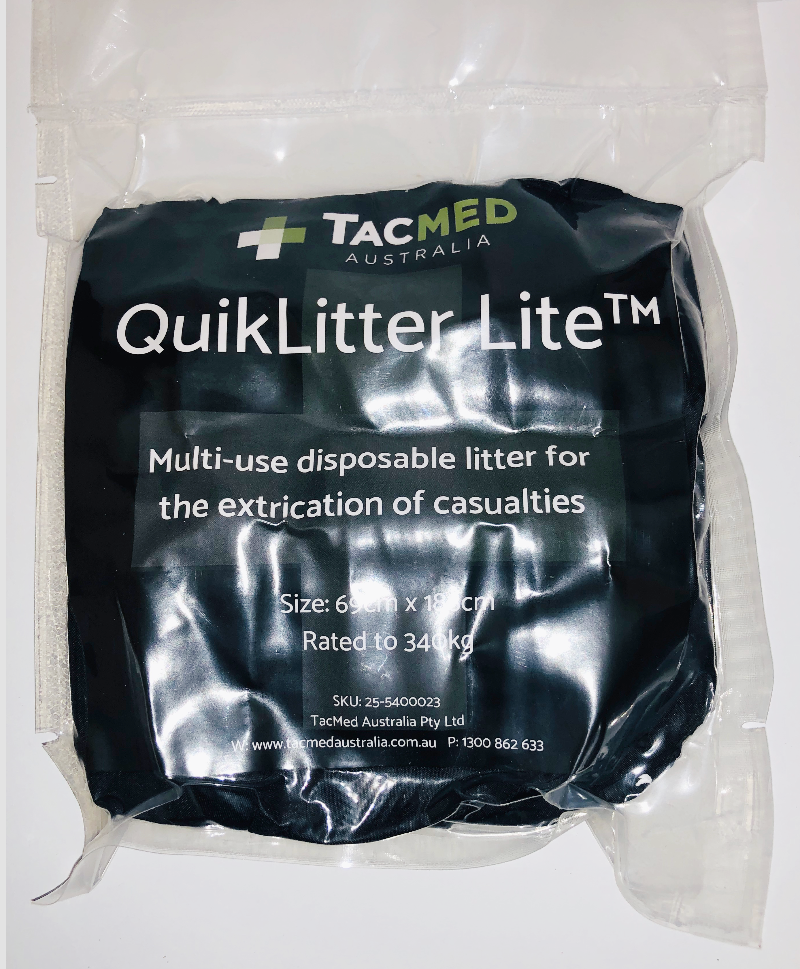
    • Portability: Foldable or compact designs for transport and storage.
    • Terrain suitability: Designed for indoor, outdoor, or rugged environments.
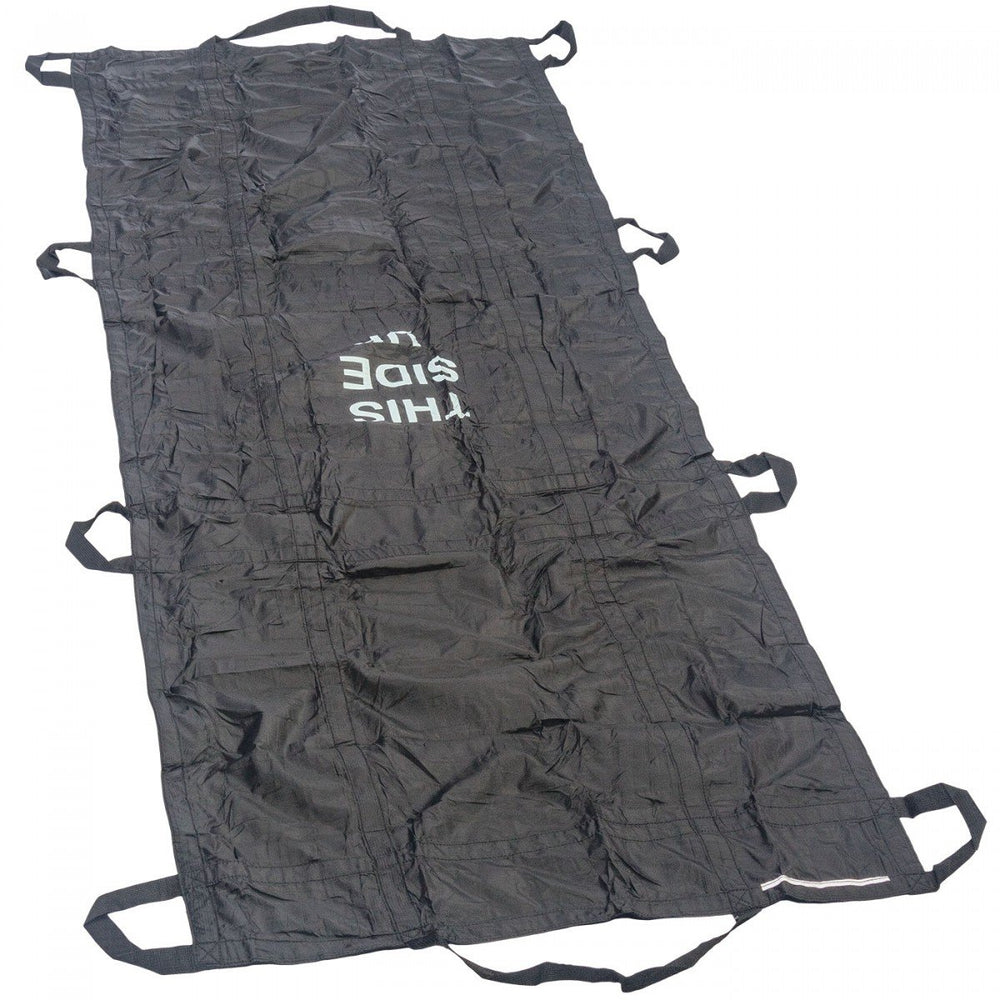
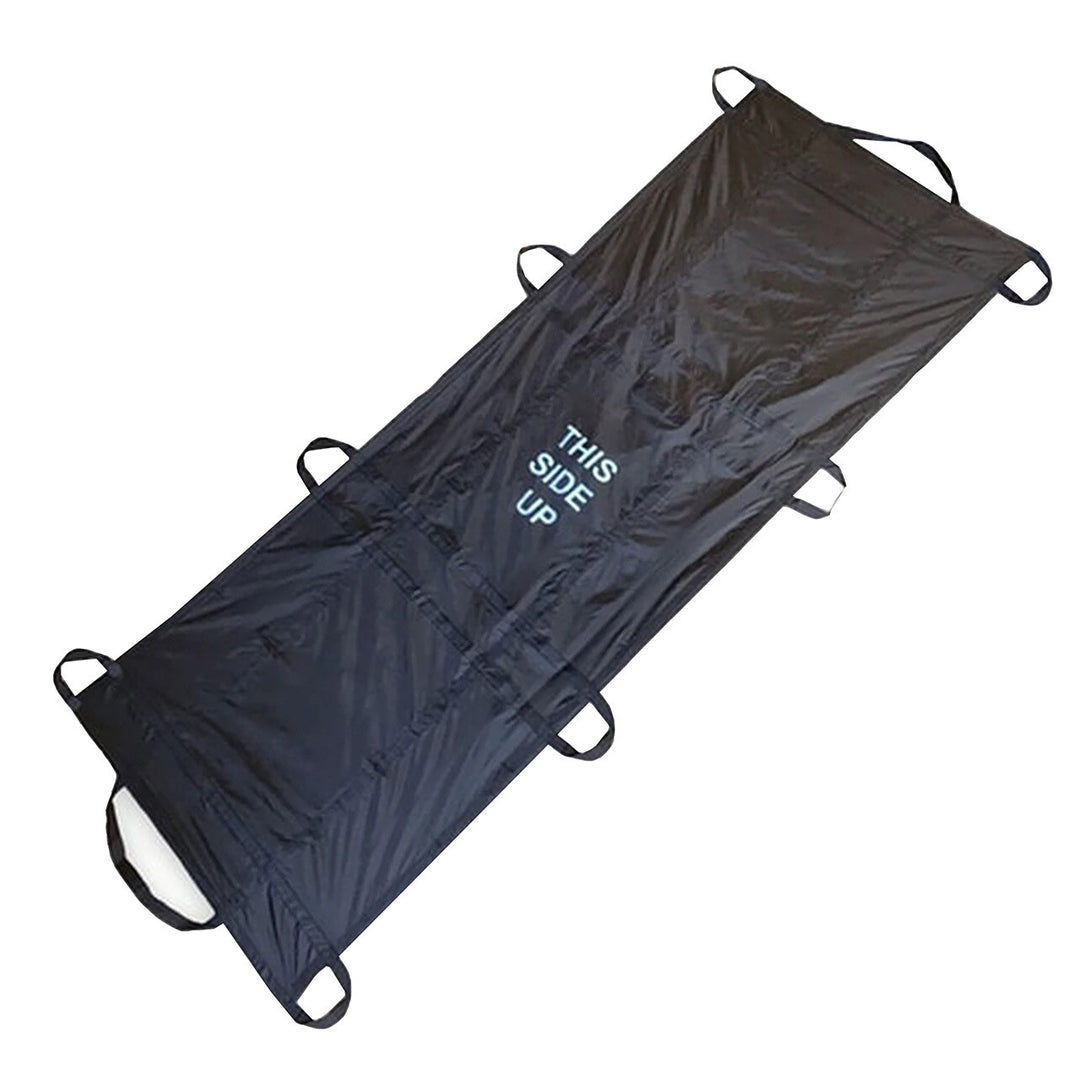
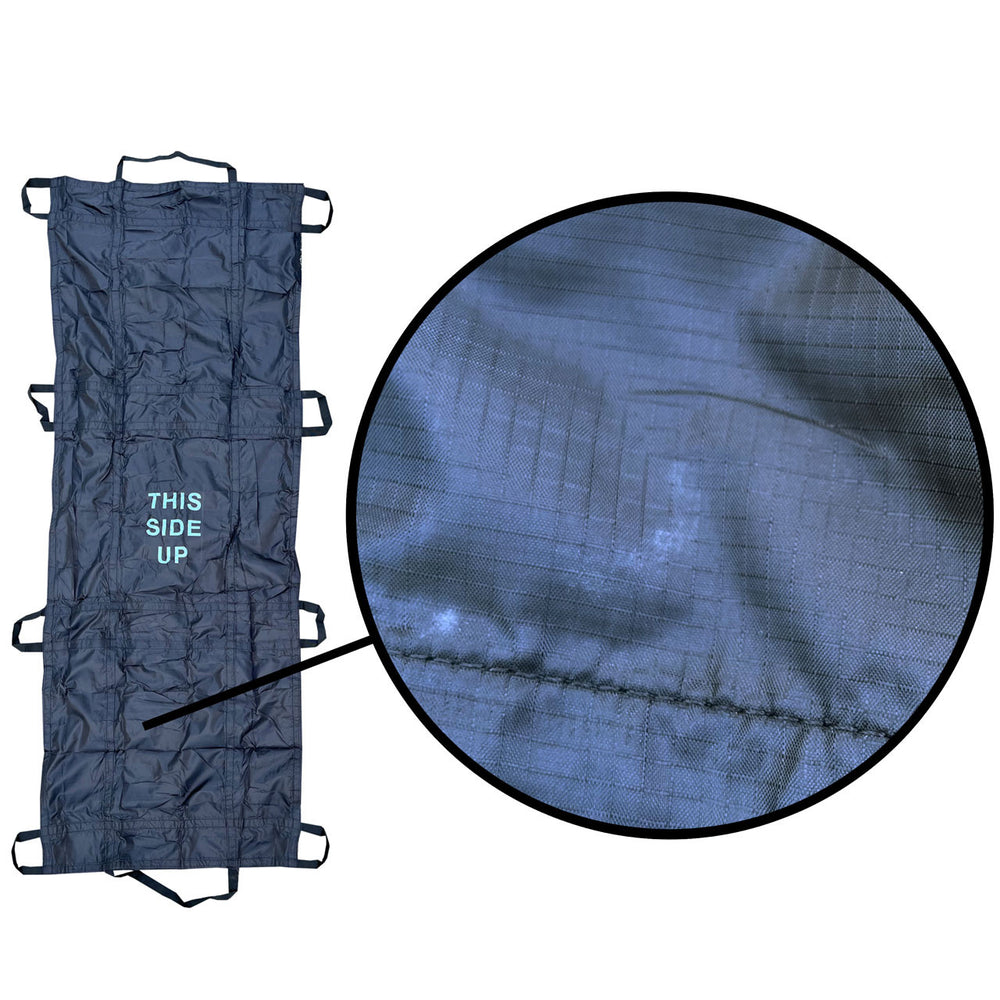
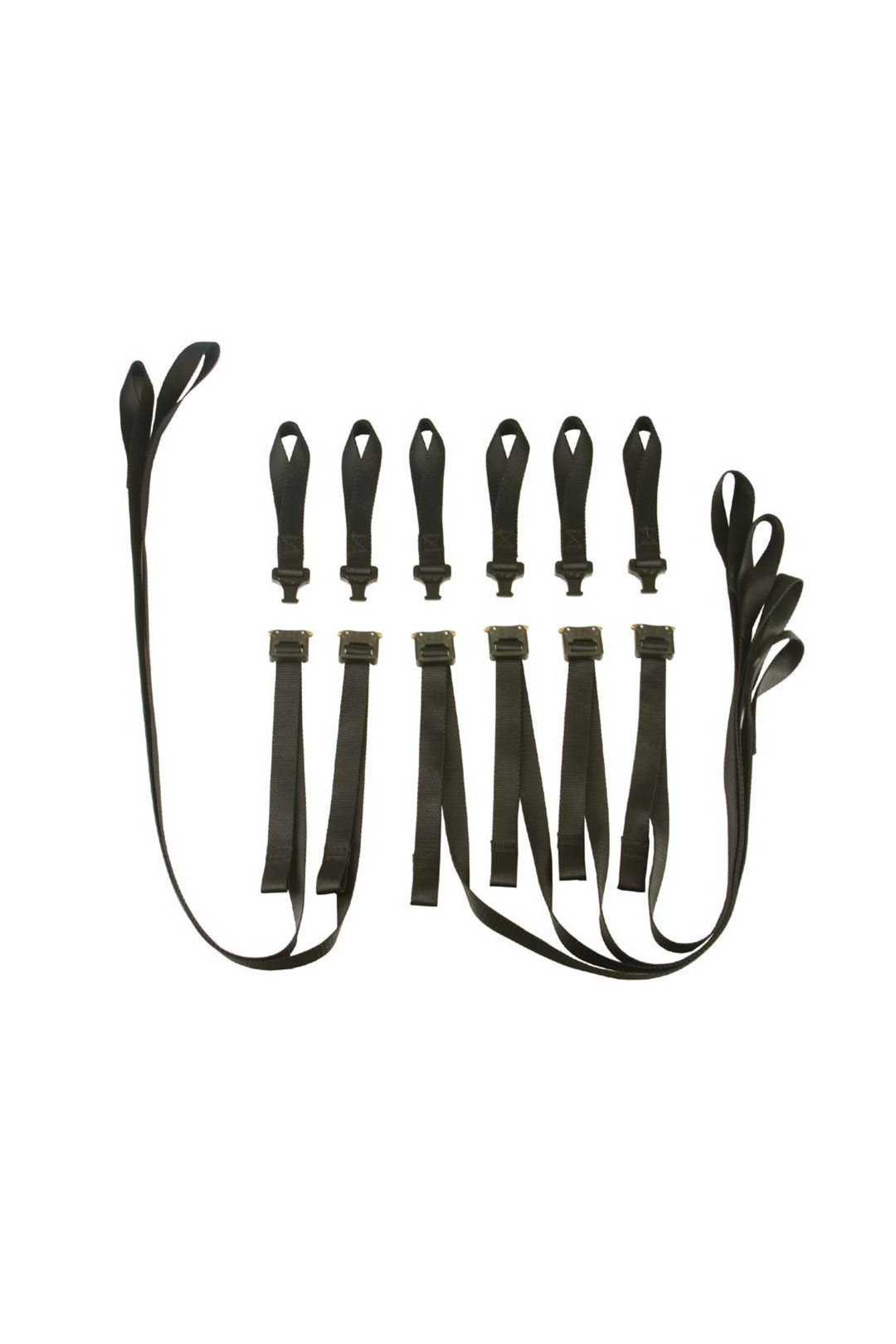
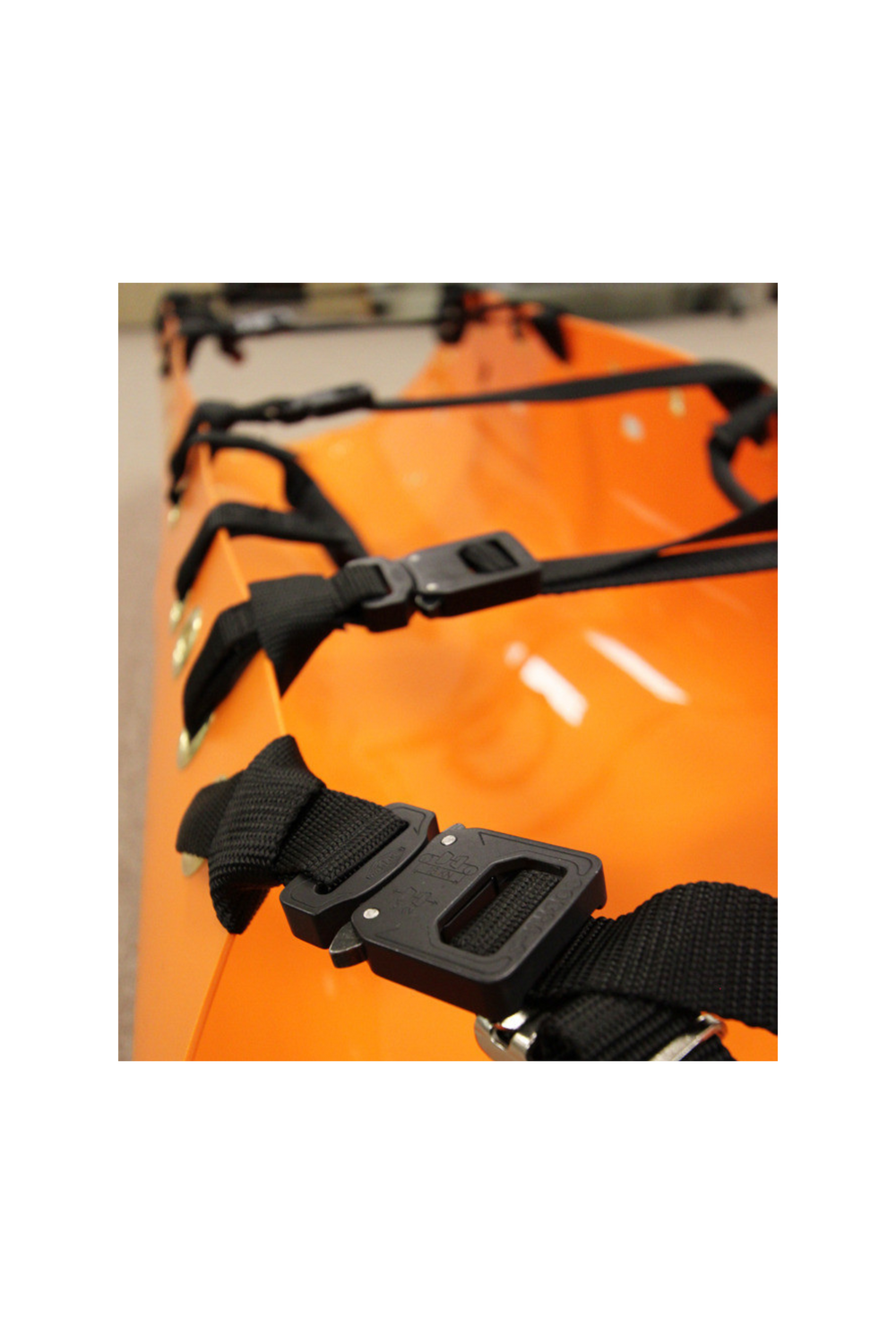
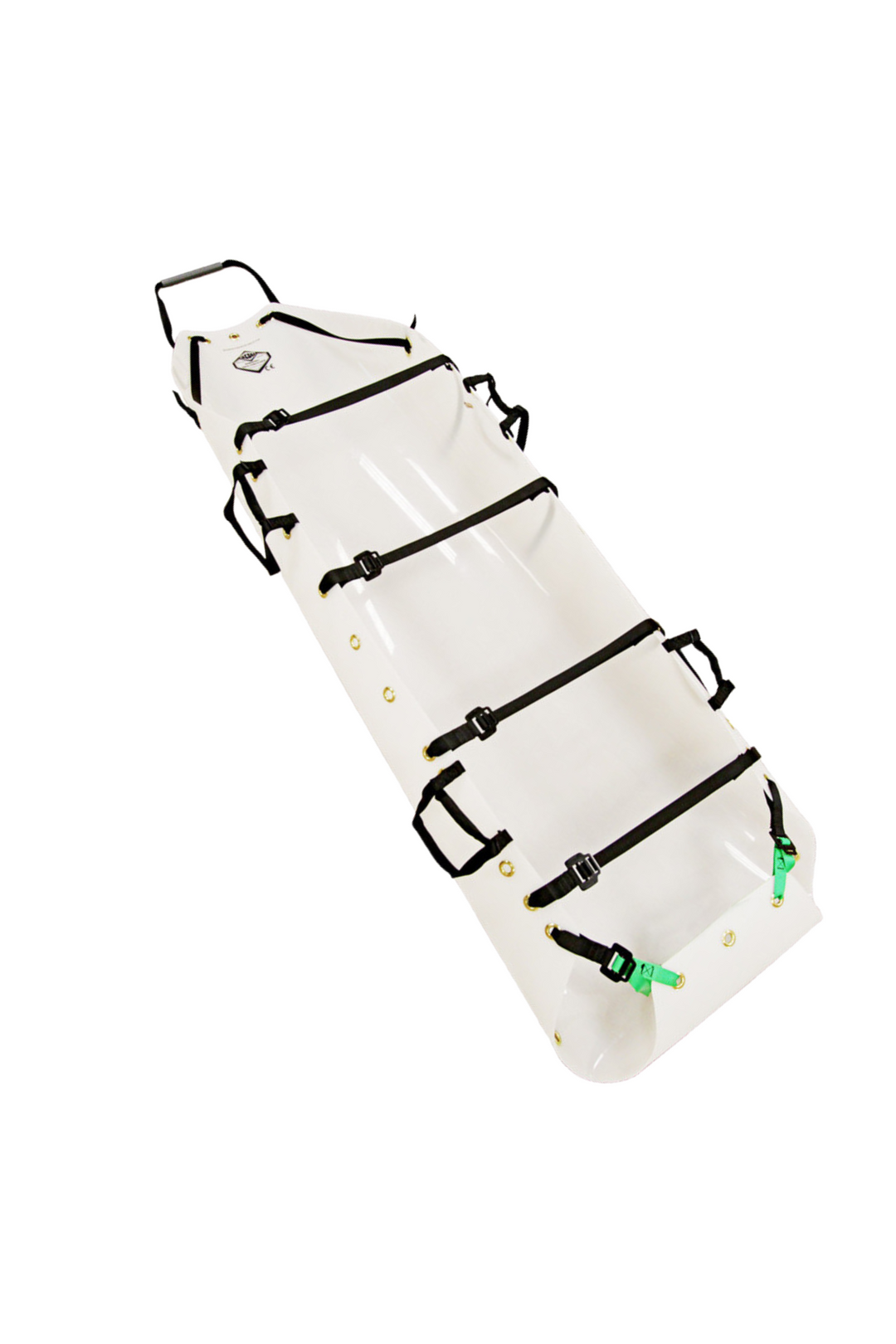
    • Handling features: Carry handles, straps, or lifting points for safe movement.
    • Durability: Materials capable of withstanding repeated use and cleaning.

    A well-chosen stretcher or litter supports safe patient movement without adding unnecessary complexity.

    Common Mistakes We See

    A common mistake is selecting patient transport equipment that is unsuitable for the environment, such as using lightweight stretchers in rugged terrain.

    We also see improper handling or overloading, which increases risk to both patients and responders. Another issue is insufficient training or familiarity with the equipment, leading to delays during deployment.

    Stretchers and litters should be selected, maintained, and used in line with operational requirements and training.

    Questions We Get Asked

    What is the difference between a stretcher and a litter?

    A stretcher is typically a rigid or wheeled patient transport device, while a litter is often a lightweight or flexible system designed for carrying over terrain.

    Who uses stretchers and litters?

    They are used by paramedics, emergency responders, rescue teams, and trained personnel.

    Are stretchers suitable for remote or outdoor use?

    Some stretchers and litters are specifically designed for remote, outdoor, or rugged environments.

    Do stretchers include patient restraint systems?

    Many stretchers and litters include straps or restraint systems to help secure the patient during transport.

    Is training required to use stretchers and litters?

    Yes. Proper training is recommended to ensure safe patient handling and responder safety.

    Can stretchers be used in workplaces?

    Yes. In certain workplaces, stretchers and litters are used as part of emergency preparedness and response planning.