


First Aid Kits

Filter

    Preparedness Starts Here

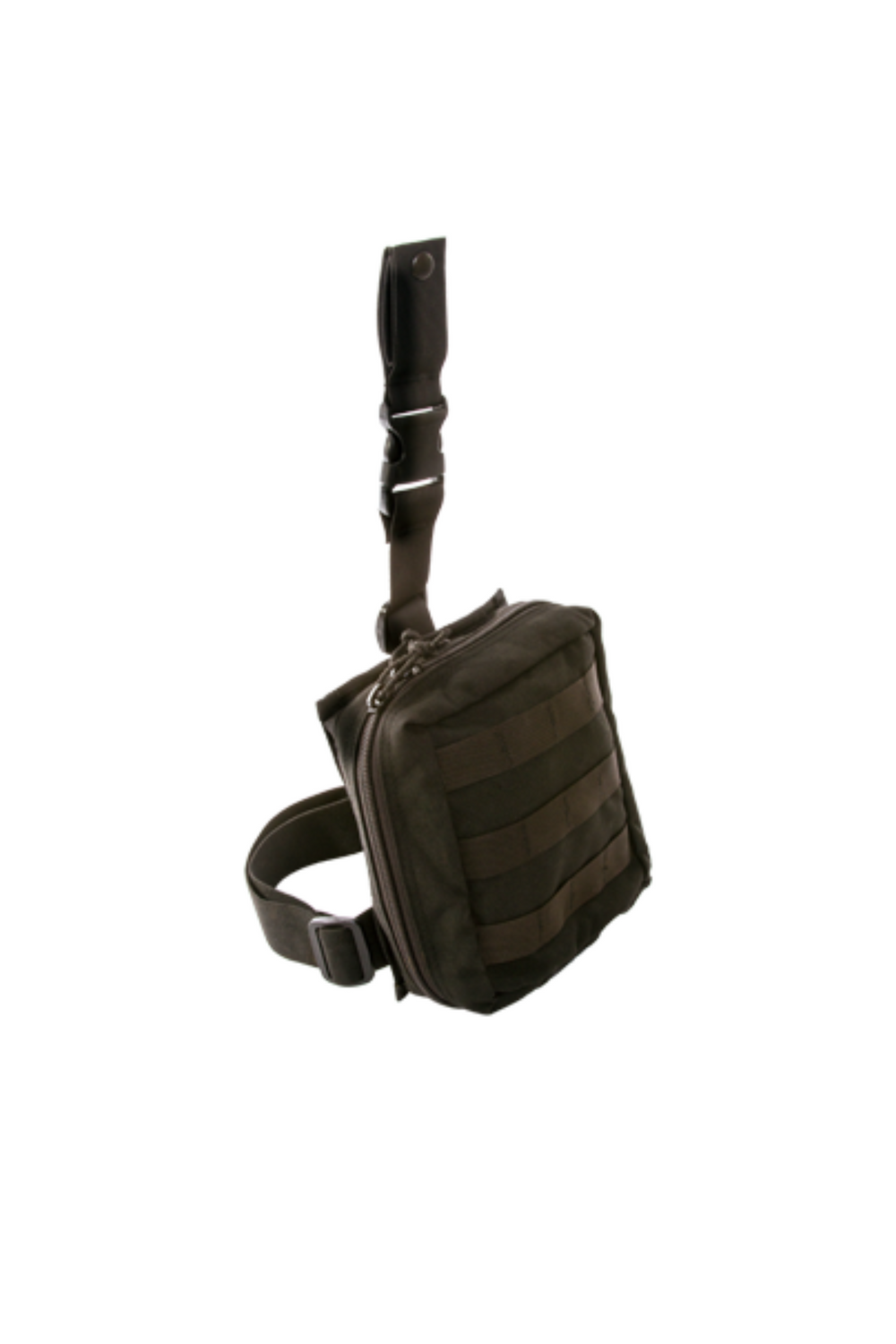
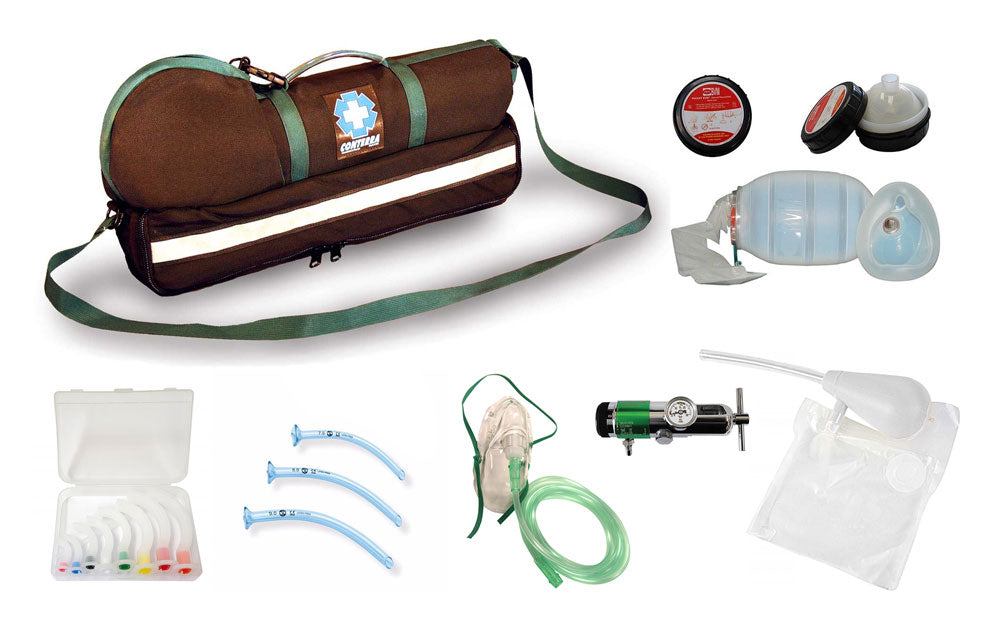
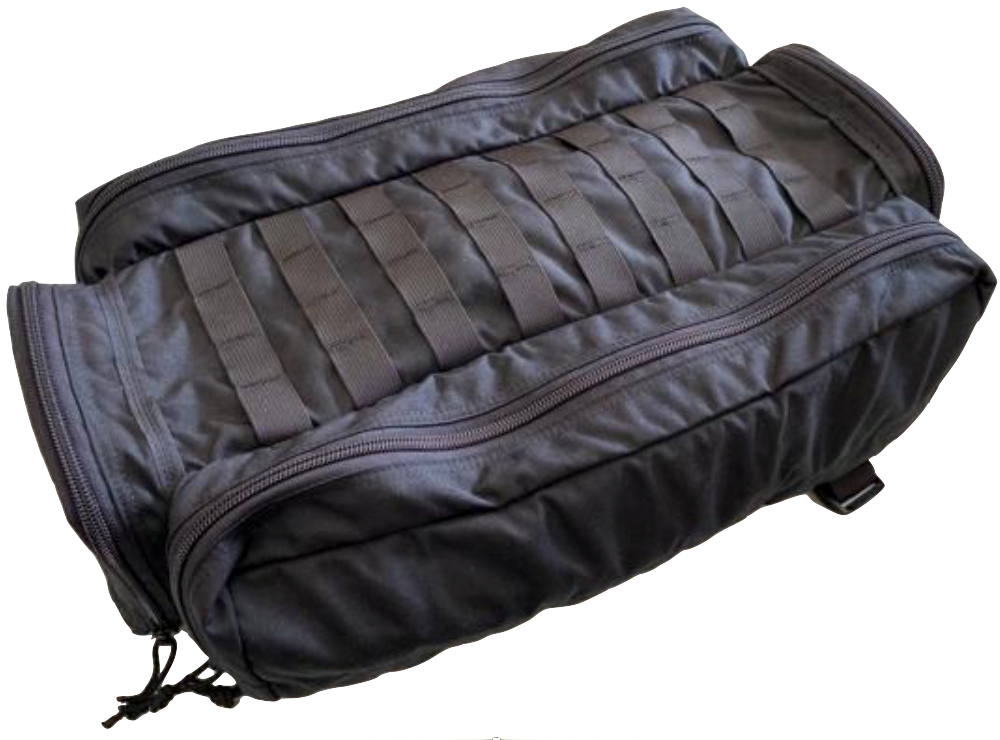
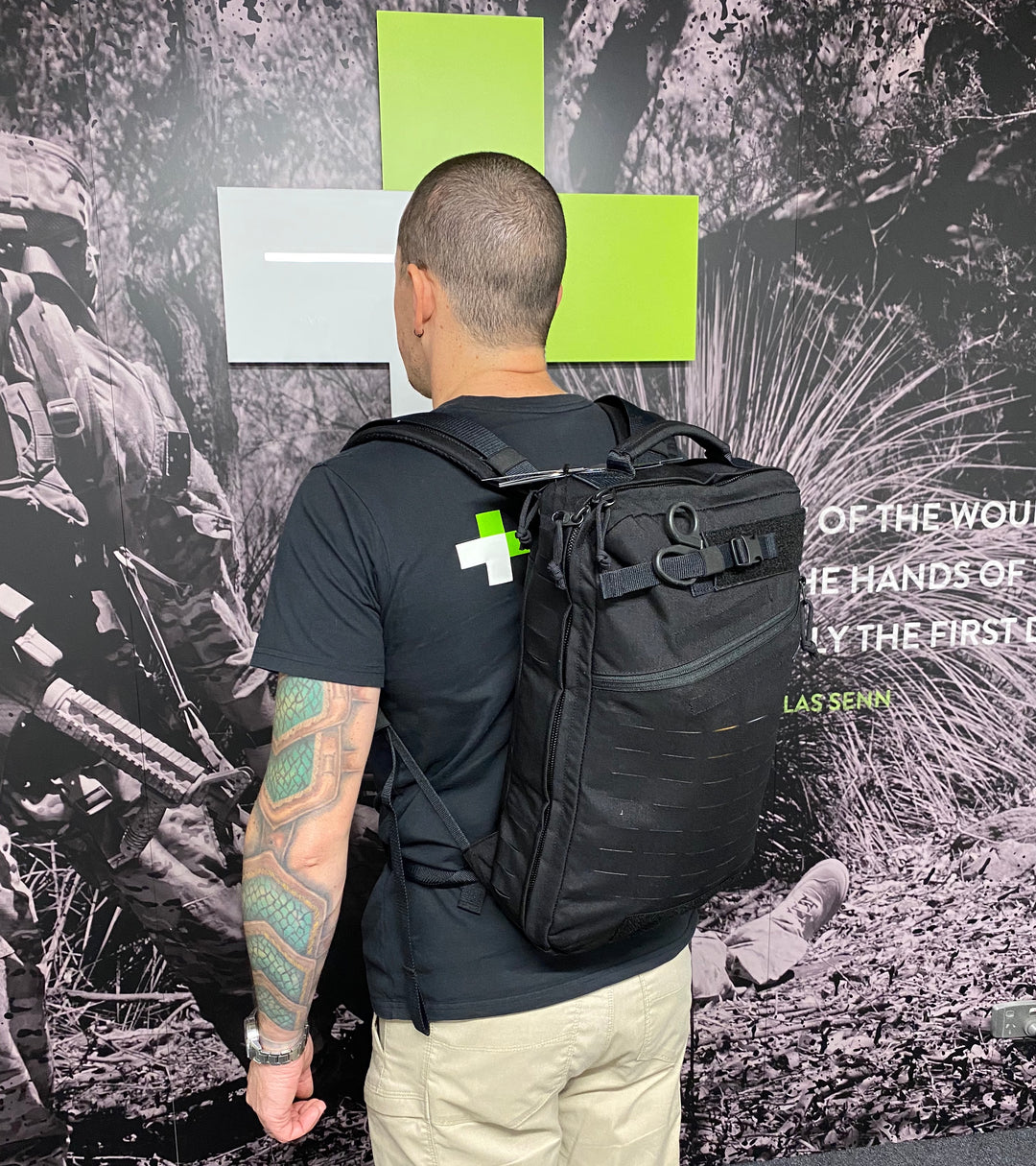
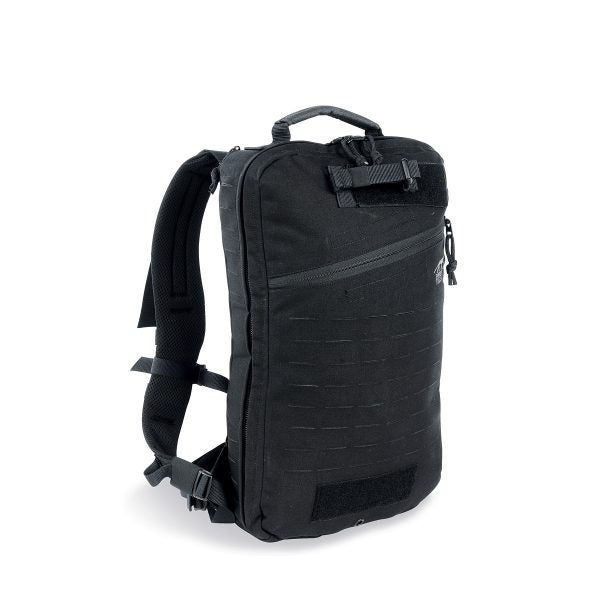
    A well-built first aid kit gives you the basics to treat common injuries quickly and confidently — whether it’s at home, on the road, at work, or outdoors. This collection includes reliable first aid kits suited to Australian conditions, with options for different environments and risk levels.

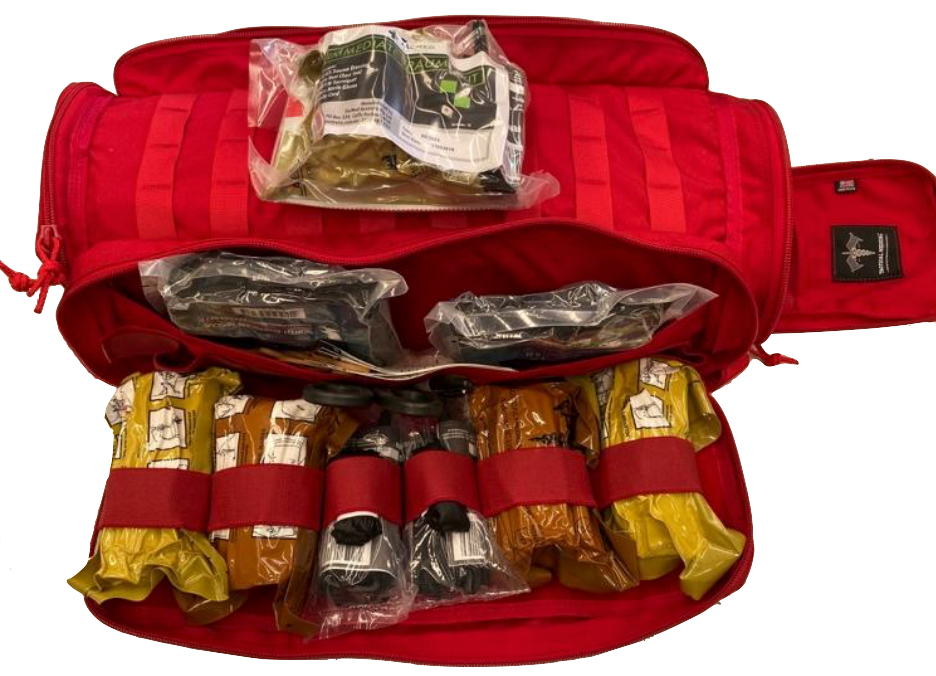
    If you’re looking for a general kit for everyday injuries, you’re in the right place. If you need trauma-focused gear for major bleeding, these kits can also be paired with purpose-built bleeding control equipment or an IFAK for more serious scenarios.

    What These Are Built to Handle

    First aid kits are designed for the immediate treatment of common injuries and medical issues. That includes cuts and grazes, burns, sprains, blisters, minor bleeding, allergic reactions, and everyday incidents that happen at home, work, in vehicles, or during travel.

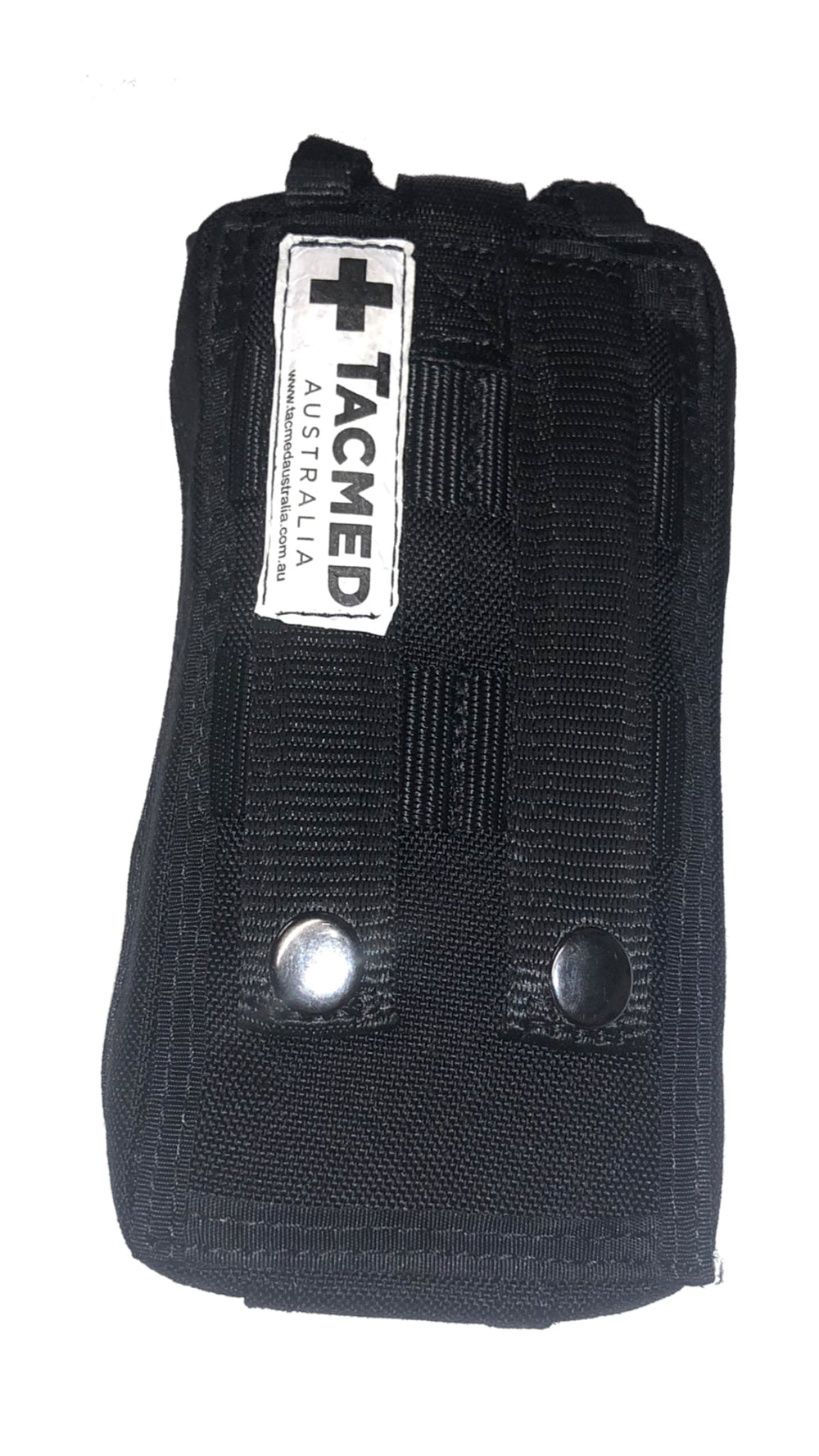
    A quality kit makes it easy to respond fast, keep wounds clean, reduce infection risk, and support someone until further care is available. The kits in this collection range from compact carry options through to more complete setups for workplaces, vehicles, and higher-use environments.

    For high-risk settings or remote areas, a standard first aid kit is a starting point — but it should be supplemented with trauma and bleeding control capability when major injury is a realistic risk.

    Who These Are Commonly Used By

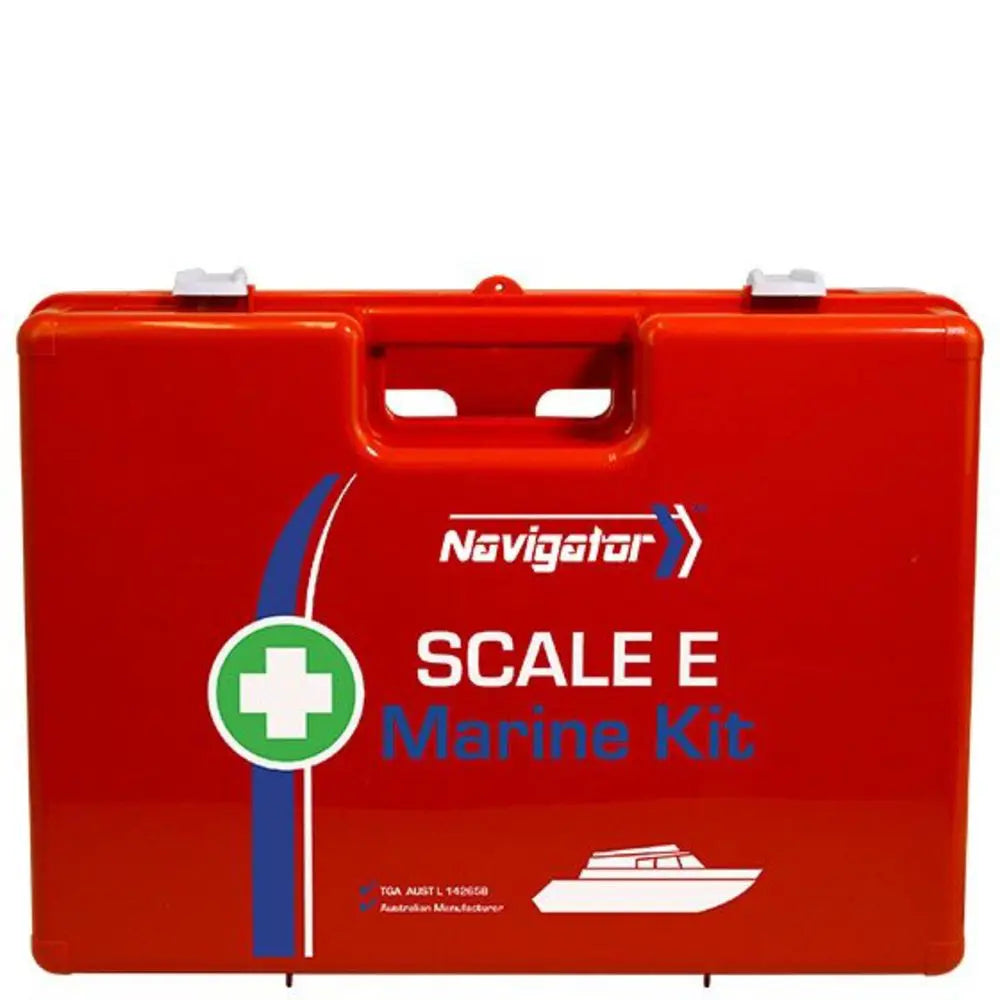
    First aid kits are used by households, workplaces, schools, community groups, and anyone responsible for people in everyday environments. They’re also commonly kept in vehicles, boats, caravans, and travel bags where minor incidents can happen far from a chemist or clinic.

    For businesses and worksites, first aid kits support workplace readiness and are often selected based on risk level and the environment. For families and travellers, the best kit is one that suits how you actually live — accessible, easy to use, and stocked with the essentials you’re most likely to reach for.

    What Matters When It Counts

    The best first aid kit is the one that matches your environment and can be accessed quickly when you need it. When choosing a kit, focus on practical usability and the right level of coverage rather than excessive “item counts”.

    • Use case: Home, vehicle, workplace, travel, outdoor use, or higher-risk environments.
    • Accessibility: Easy to open, clearly organised, and simple for others to find what they need.
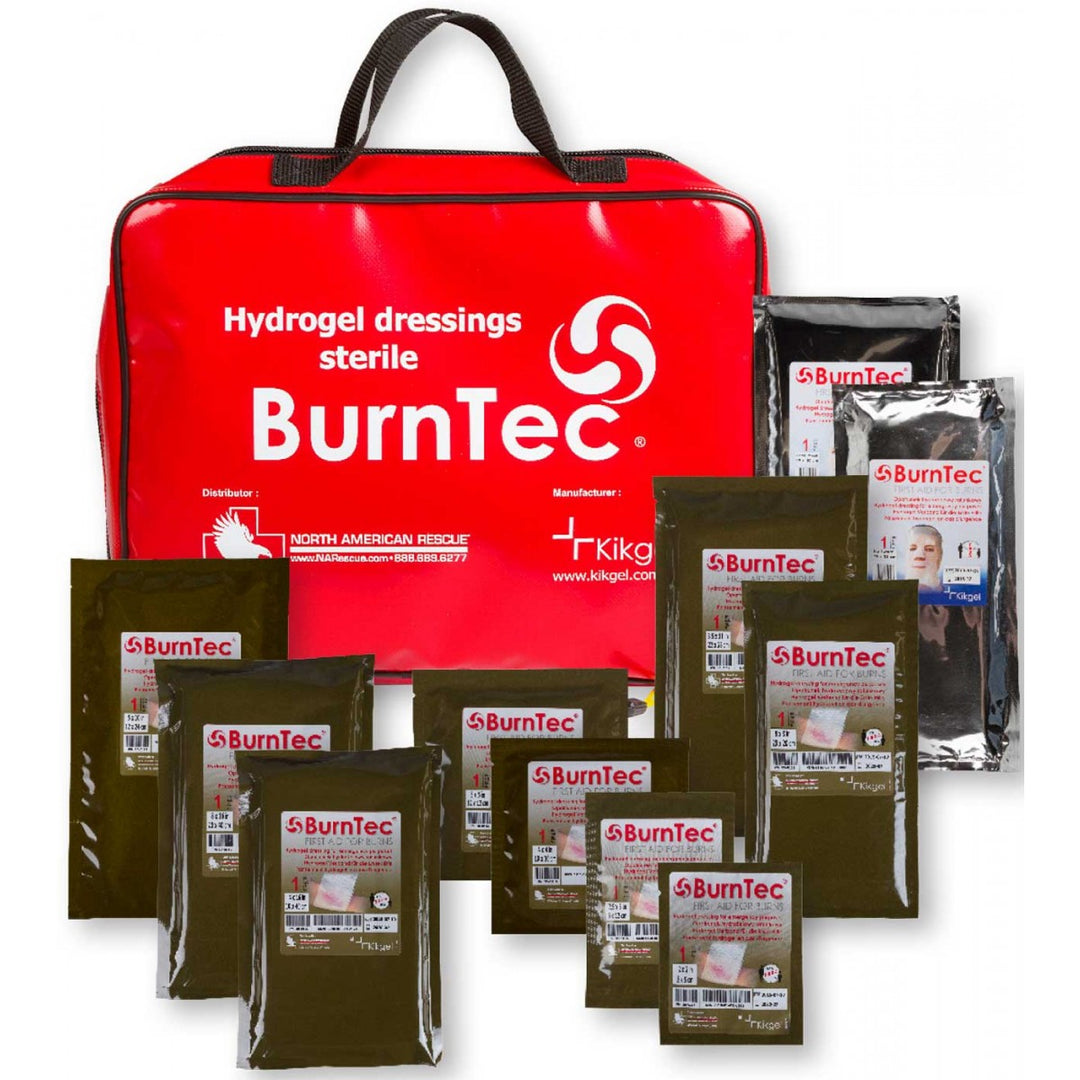
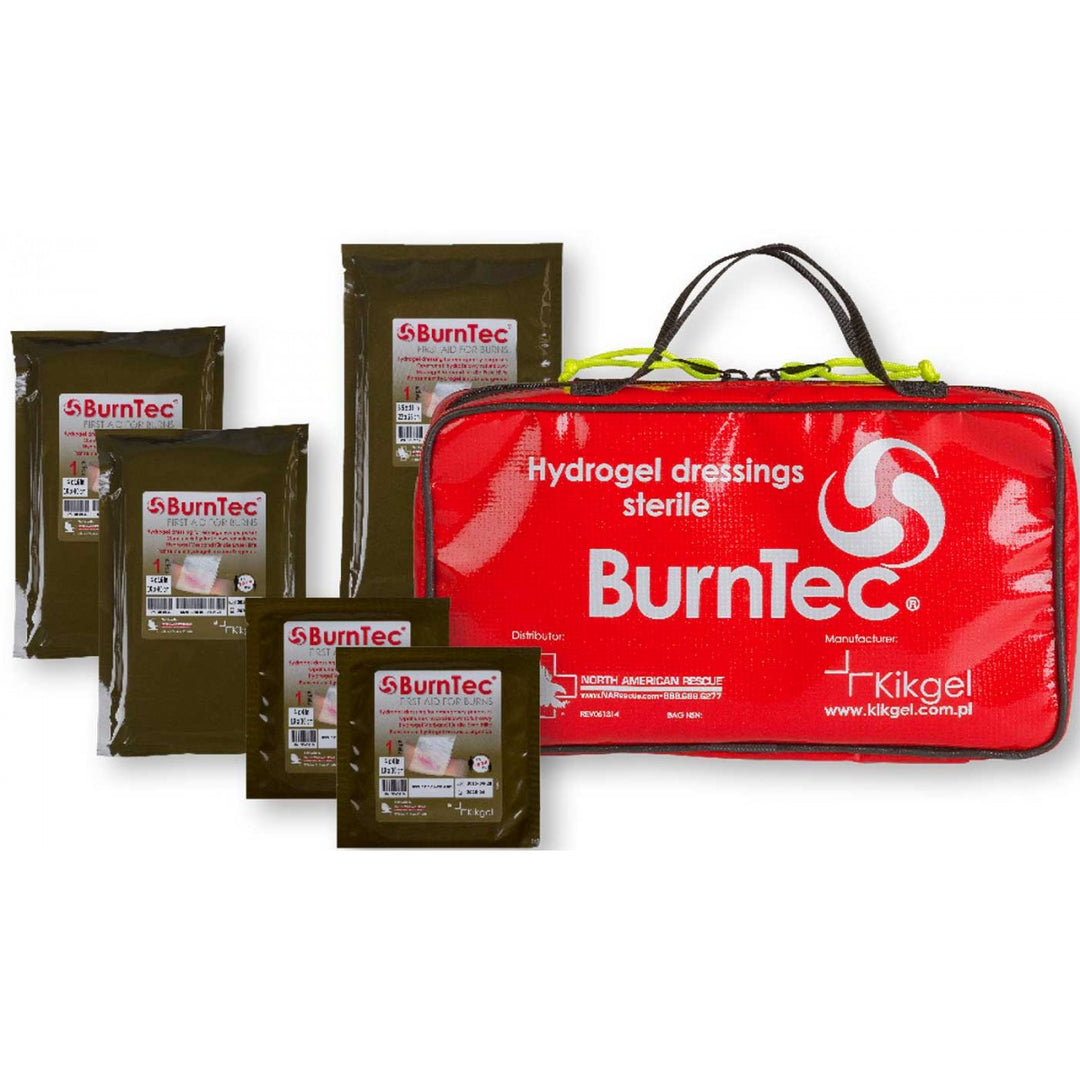
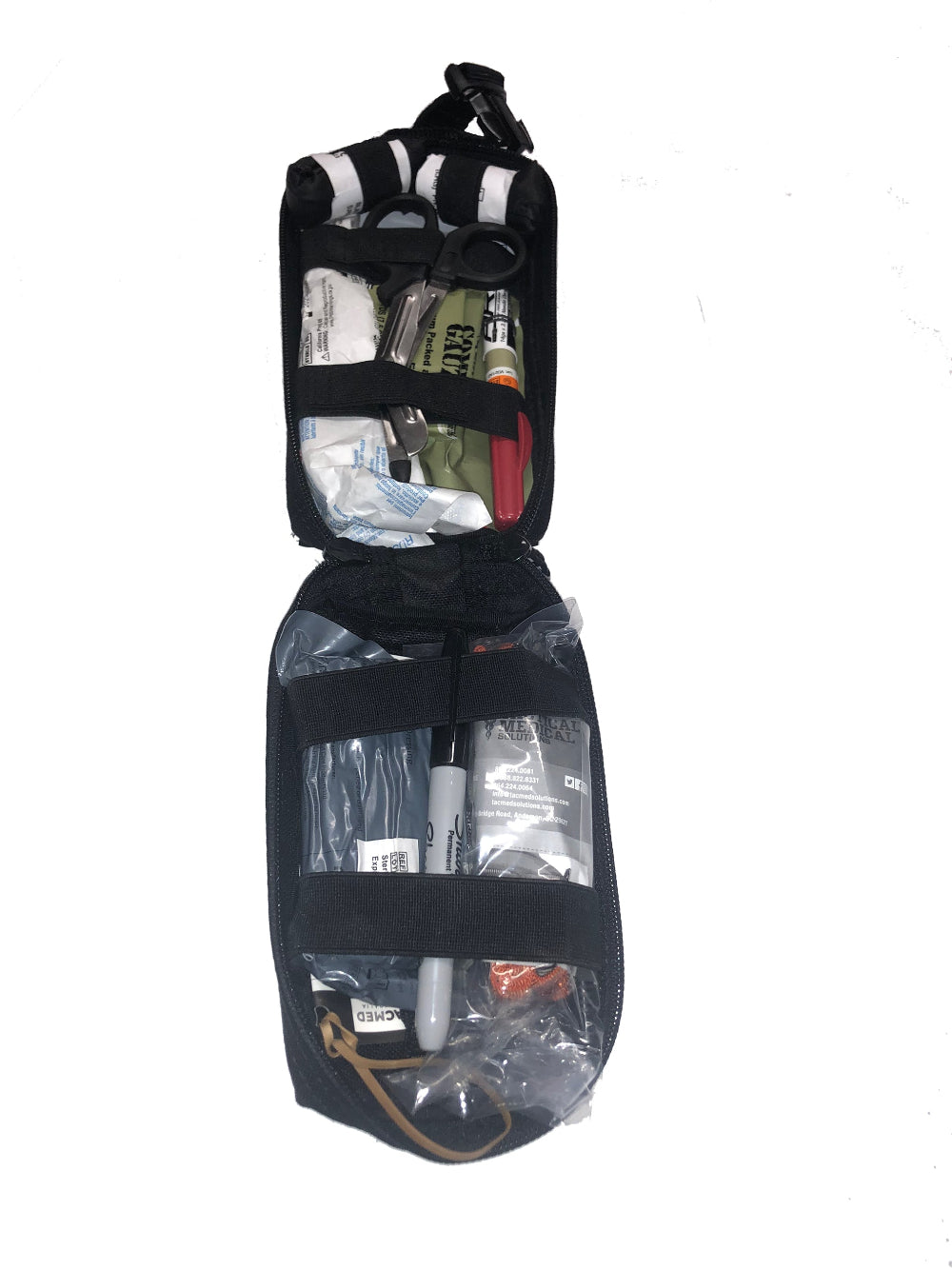
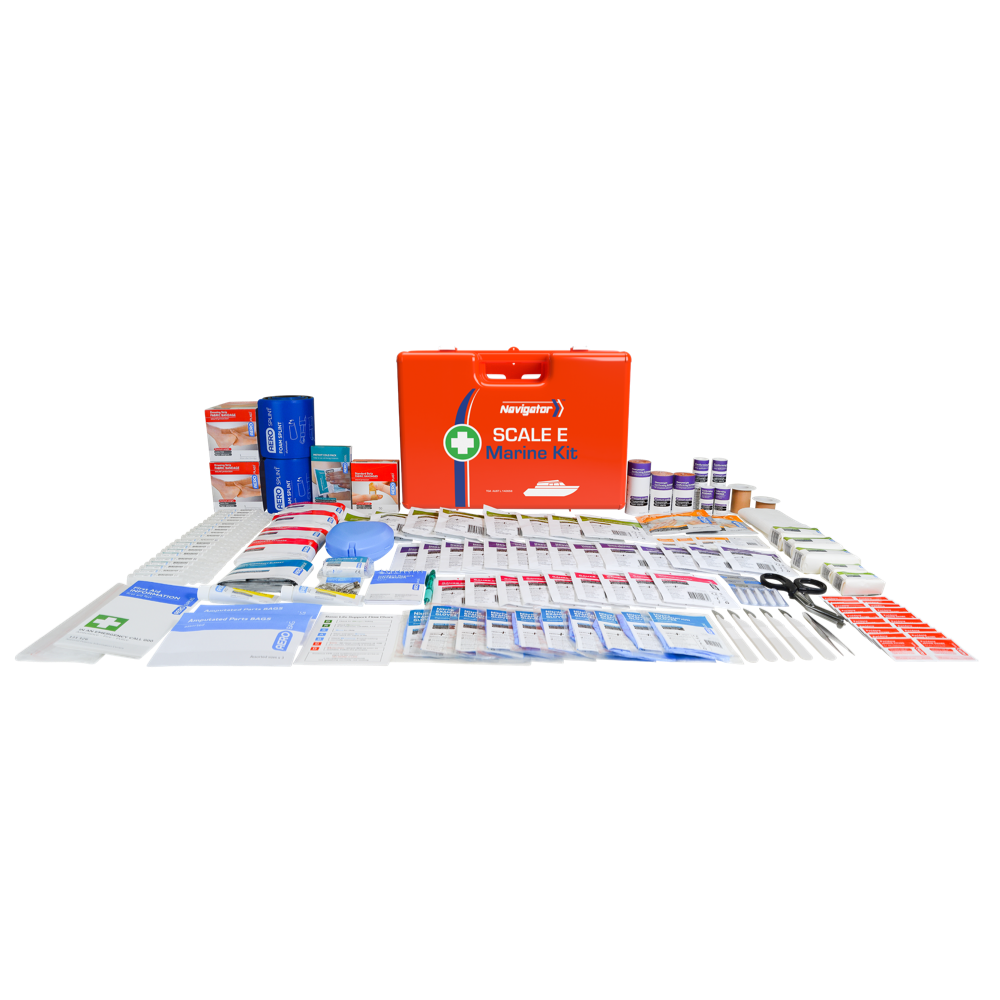
    • Core essentials: Wound care, dressings, antiseptics, bandages, burn treatment, and basic tools.
    • Durability: A bag or case that suits heat, dust, moisture, and regular handling.
    • Restocking: Components that are easy to replace so the kit stays ready.

    If your environment includes machinery, remote travel, or higher-risk activity, consider pairing your first aid kit with a bleeding control kit or tourniquet capability for major incidents.

    Common Mistakes We See

    One of the most common mistakes is buying a kit once and never checking it again. Over time, supplies get used, misplaced, or expire — and the kit stops being reliable when it matters.

    Another issue is choosing a kit based on item count rather than usefulness. Many cheap kits include low-value components while missing the practical essentials people actually use. We also see kits stored where they’re hard to access — buried in a cupboard, boot, or shed — which delays response.

    A good first aid kit should be accessible, familiar, and kept ready through basic inspection and restocking.

    What is a first aid kit?

    A first aid kit contains medical supplies used to treat common injuries and manage emergencies until further medical help is available.

    What should a basic first aid kit include?

    Most first aid kits include bandages, wound dressings, antiseptic supplies, gloves, and basic first aid equipment. Contents vary depending on the intended environment.

    Which first aid kit do I need?

    The right kit depends on where it will be used. Home, workplace, vehicle, and outdoor environments all have different risk profiles and requirements.

    What is the difference between a first aid kit and a trauma kit?

    A first aid kit is designed for general injury management, while trauma or IFAK kits focus on life-threatening injuries such as severe bleeding.

    Are first aid kits required in Australian workplaces?

    Australian workplaces are required to provide appropriate first aid equipment based on the type of work, number of workers, and level of risk.

    Can first aid kits include bleeding control equipment?

    Some first aid kits include bleeding control items, while higher-risk environments may require dedicated bleeding control or trauma kits.