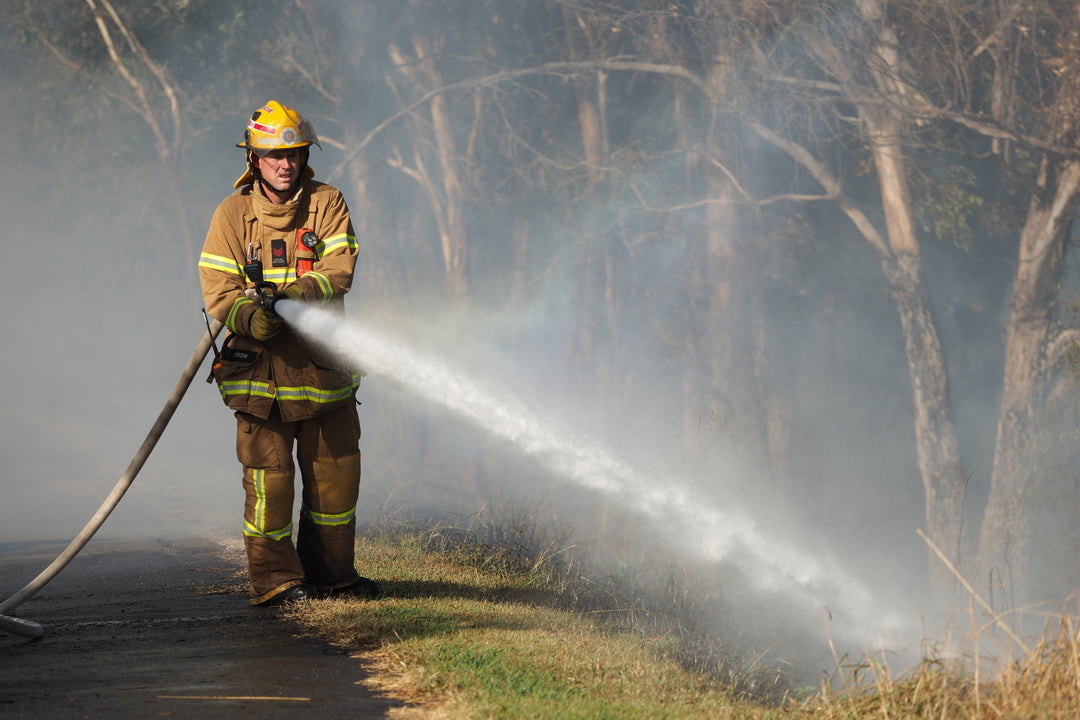



First Aid Training Equipment

Filter

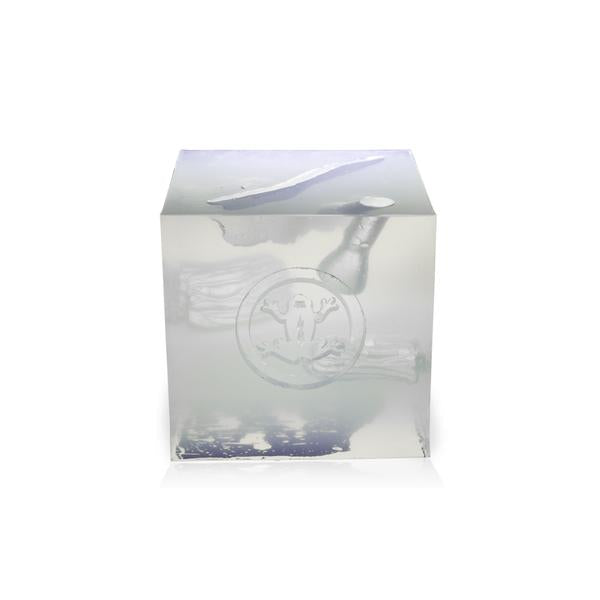
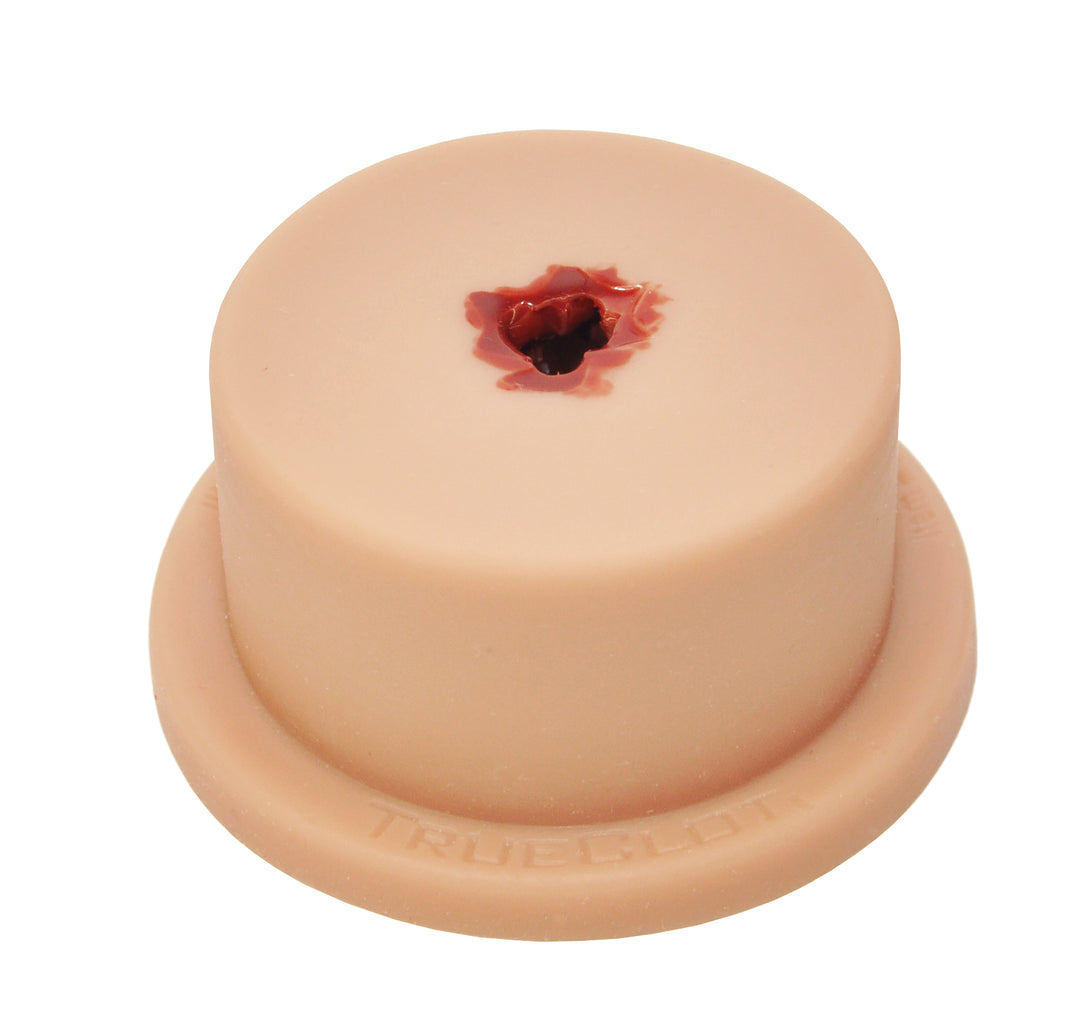
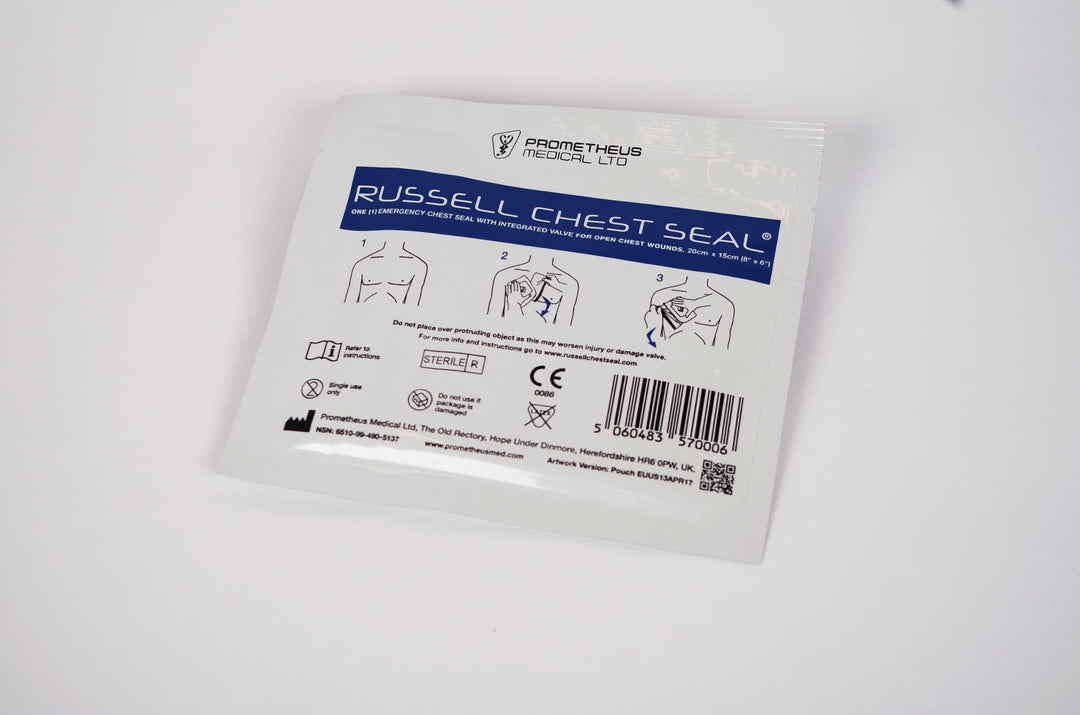
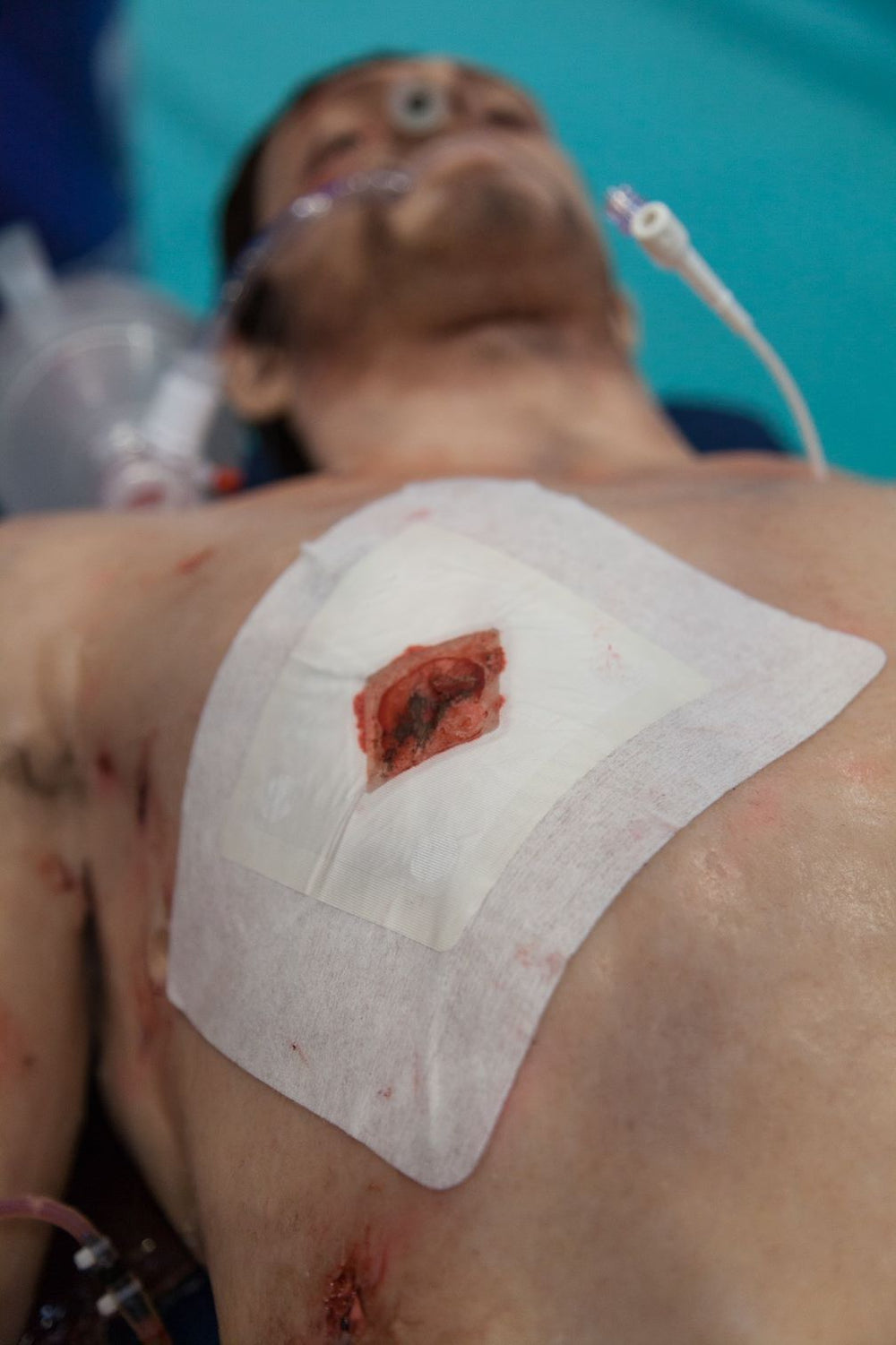
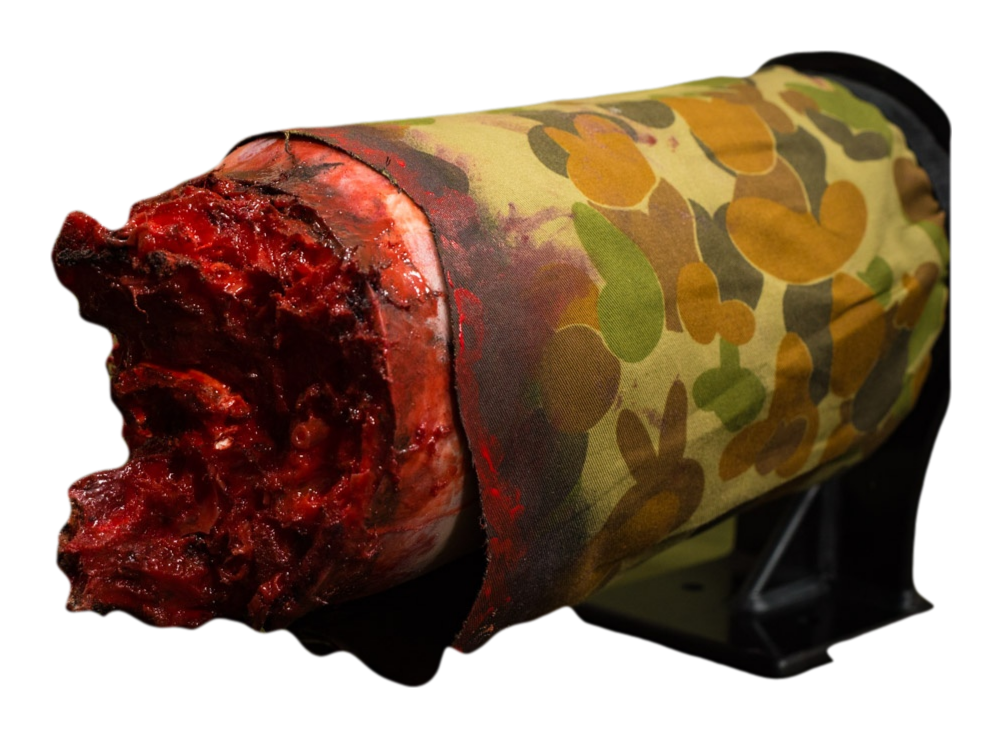
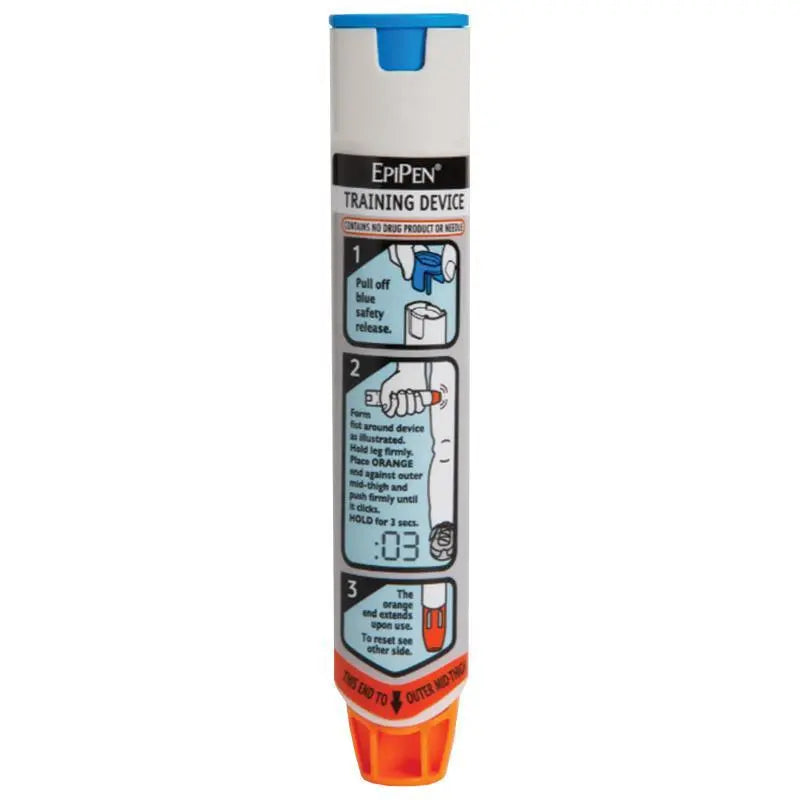
    Training and simulation equipment is used to support the teaching, practice, and reinforcement of first aid and medical response skills. Realistic training tools allow individuals and organisations to build confidence and competence before real-world emergencies occur.

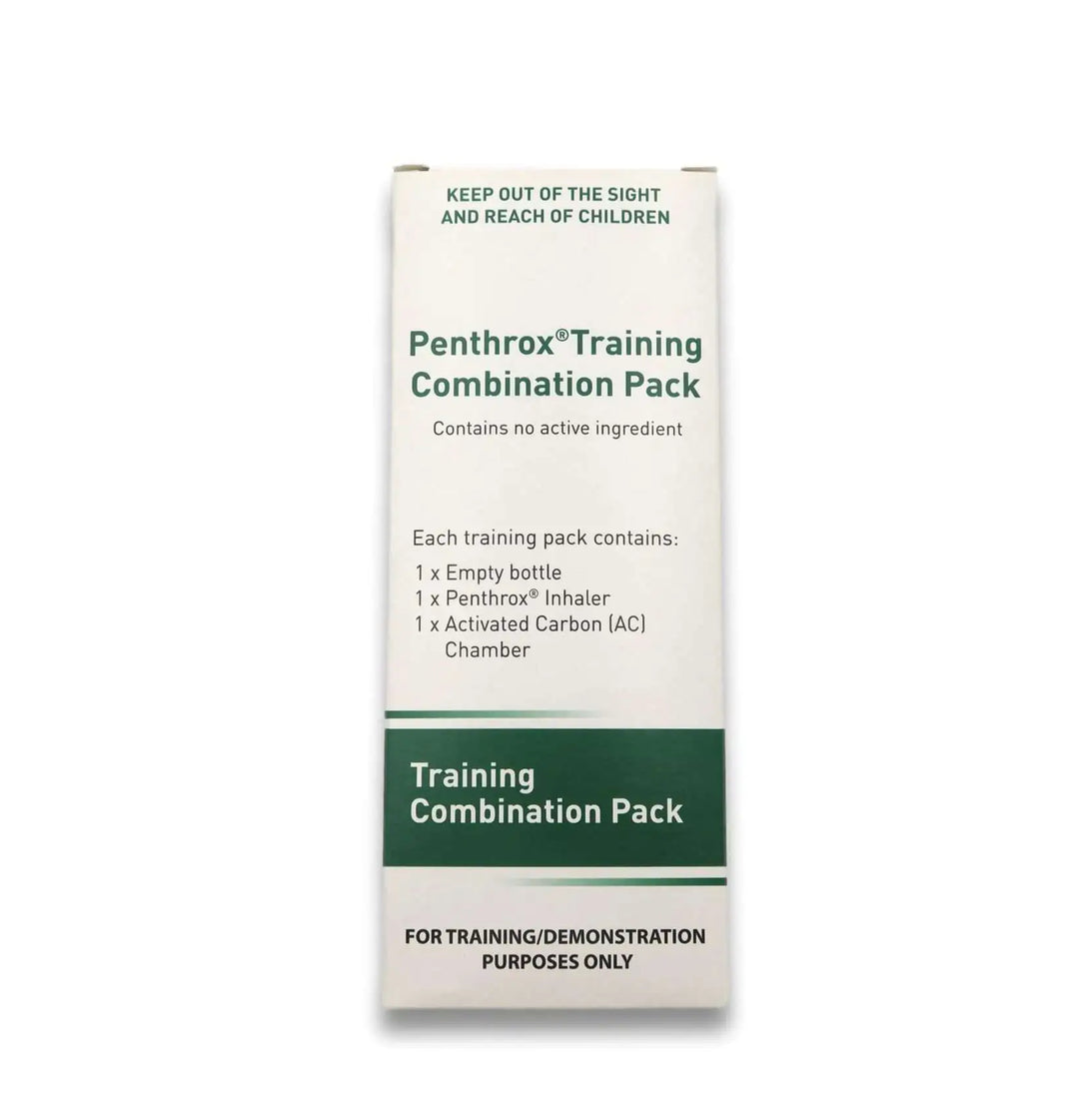
    This collection brings together training-specific equipment designed for education, simulation, and skill development. These products are intended for training purposes only and are not used for live patient care.
    What This Category Is Used For

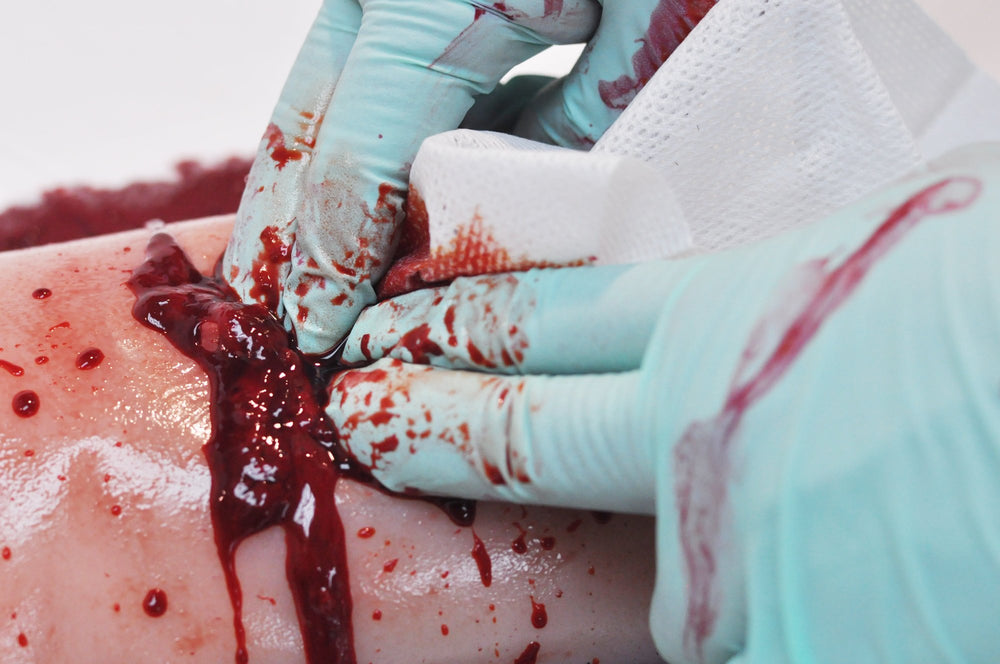
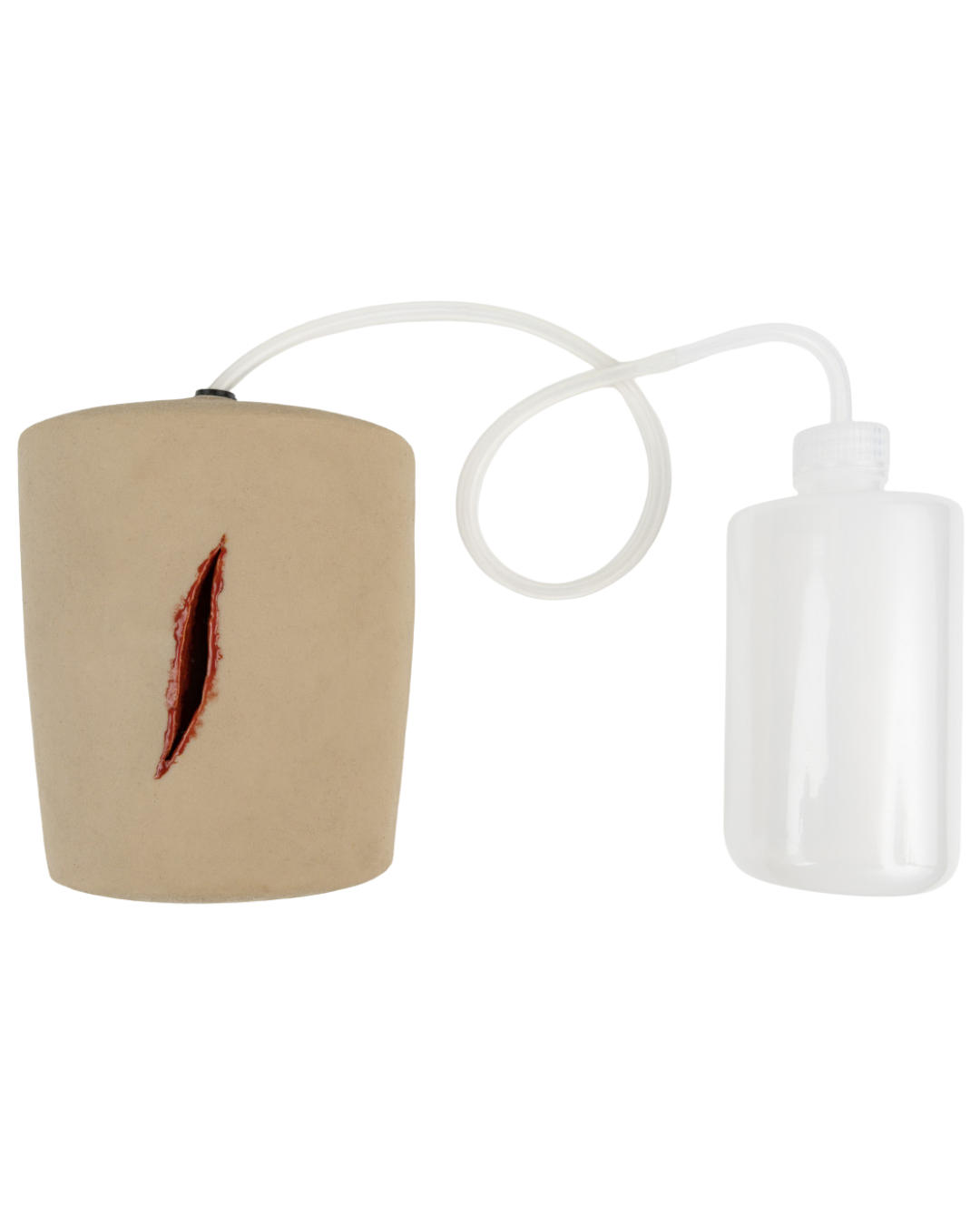
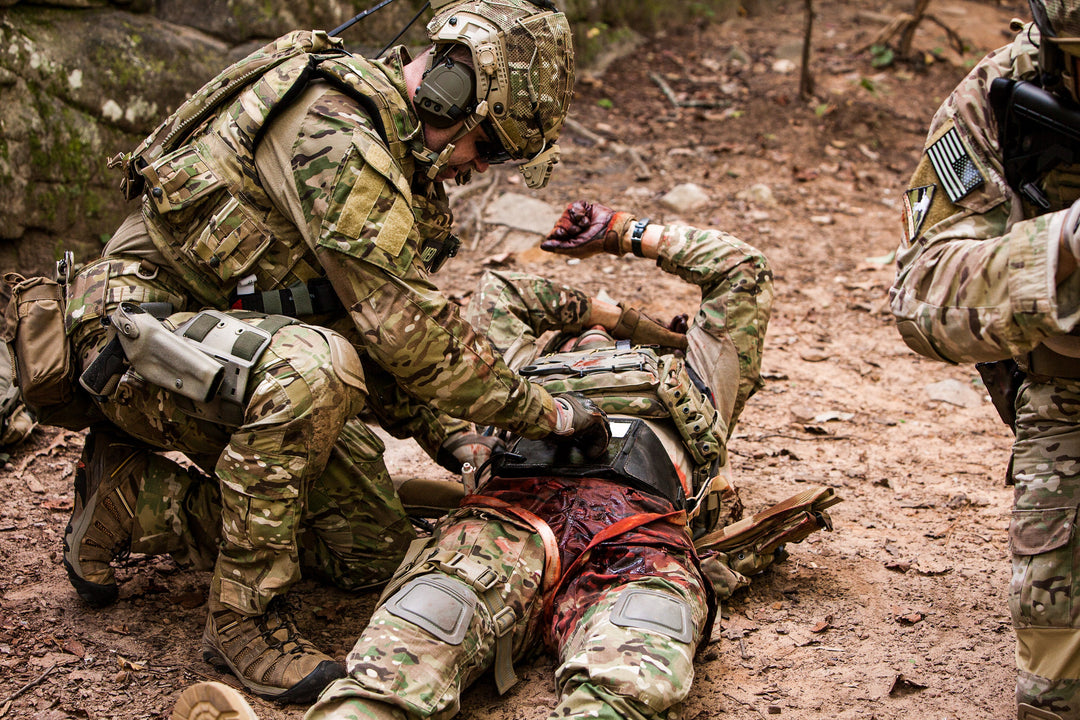
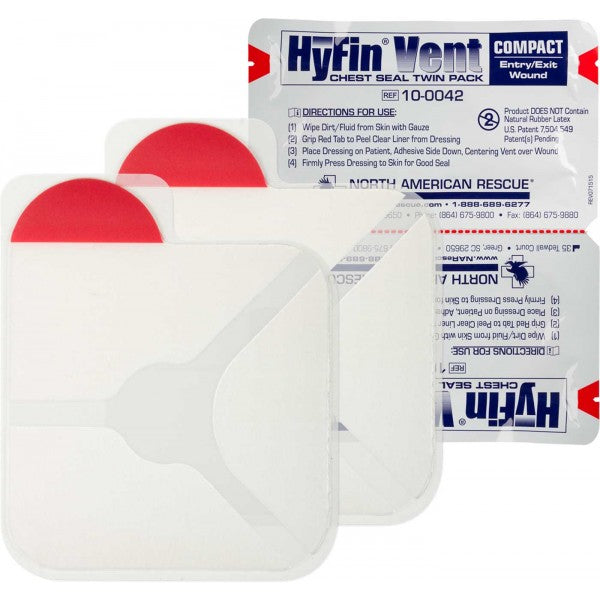
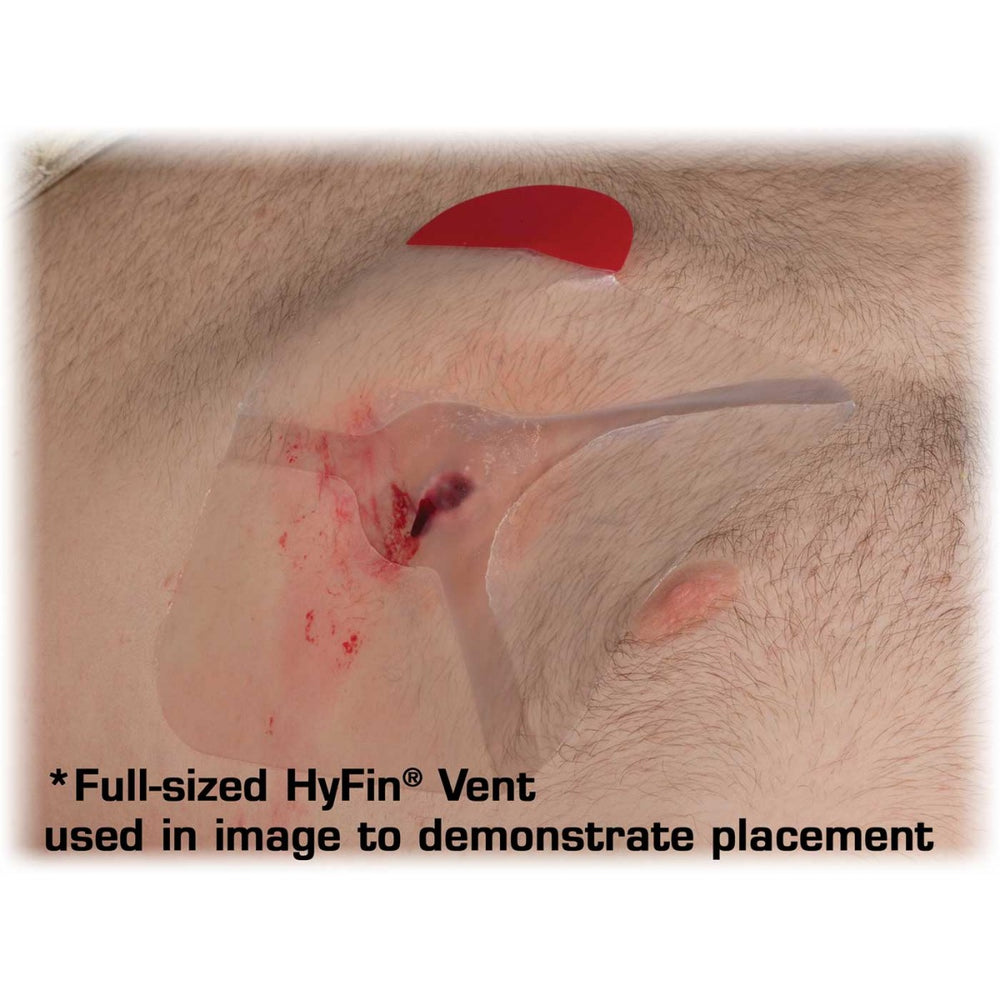
    Training and simulation equipment is used to replicate medical scenarios in a controlled environment, allowing learners to practise techniques, decision-making, and teamwork.

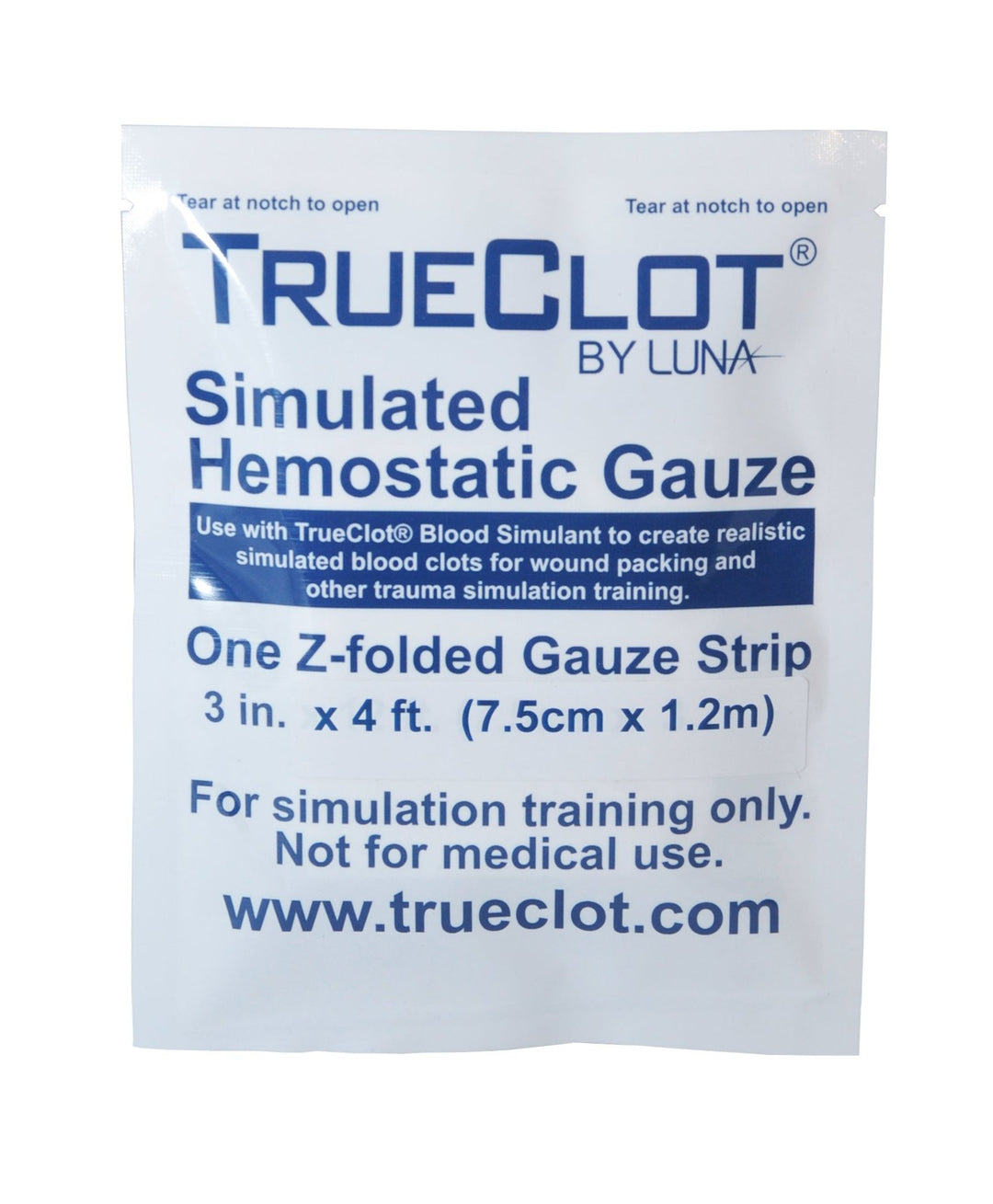
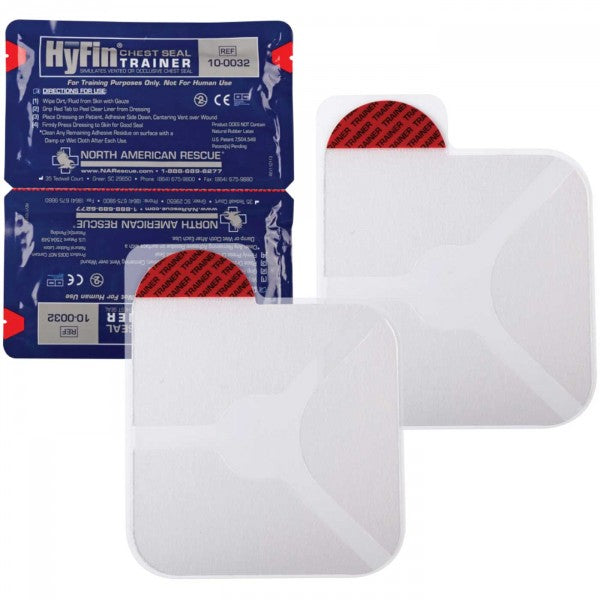
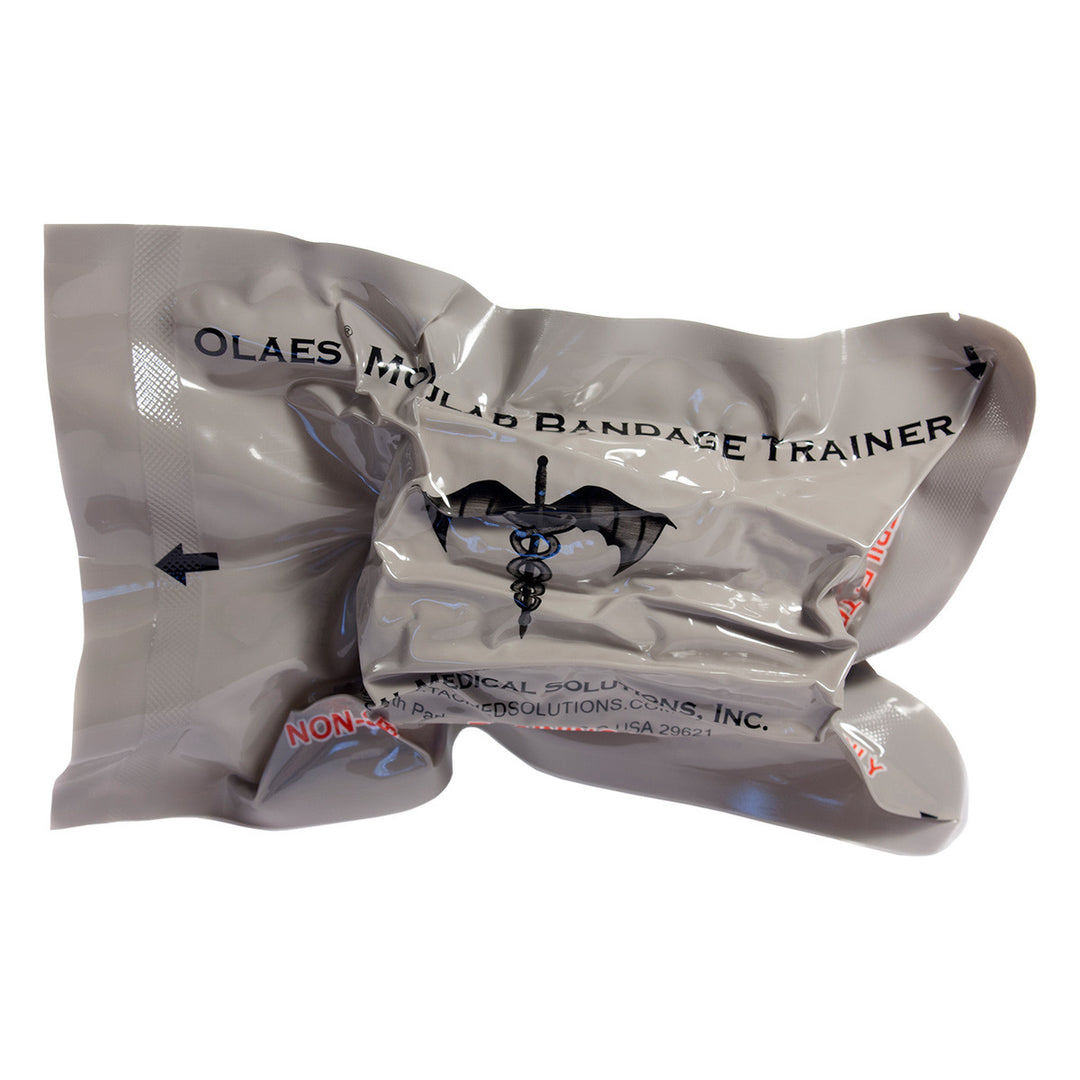
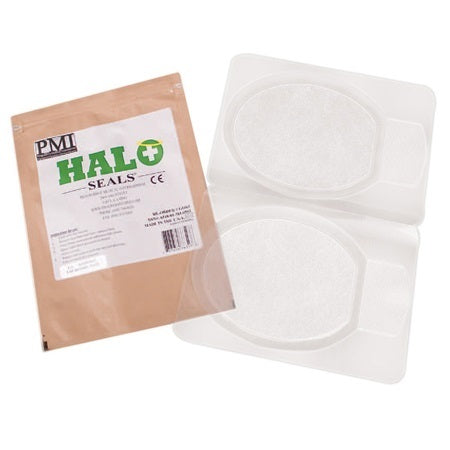
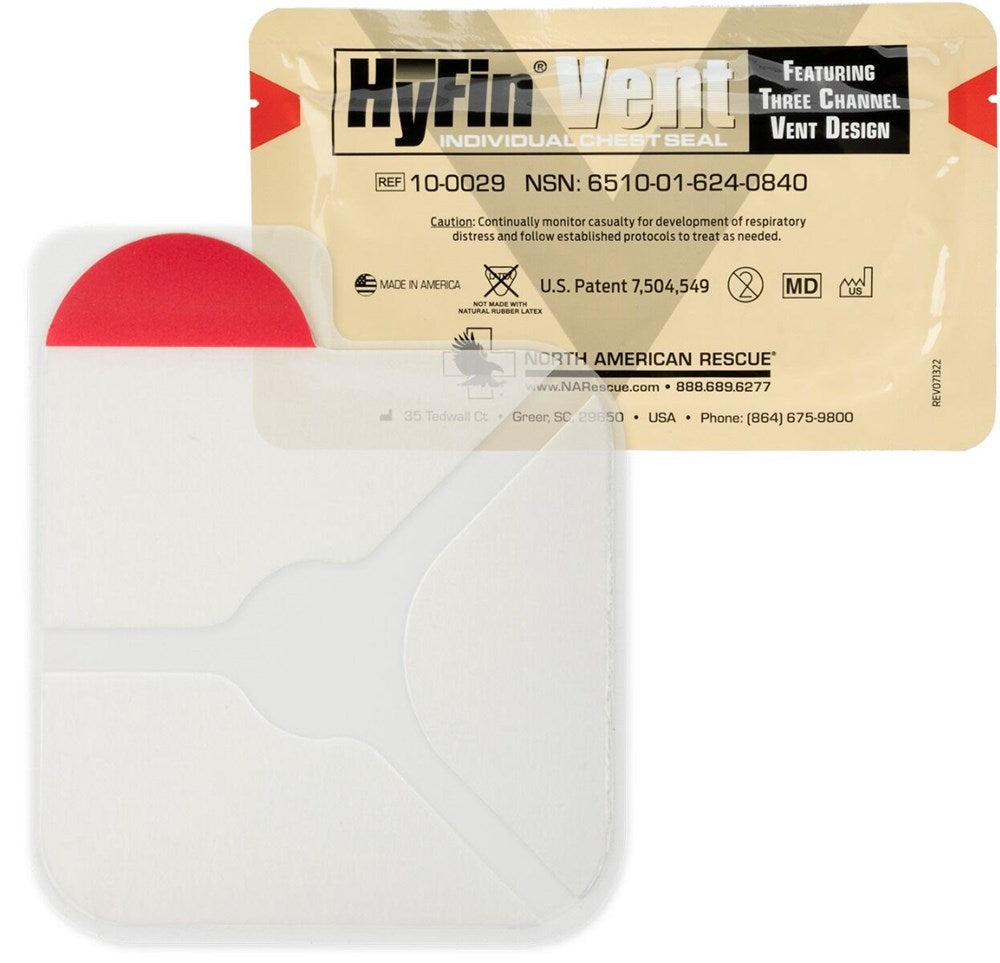
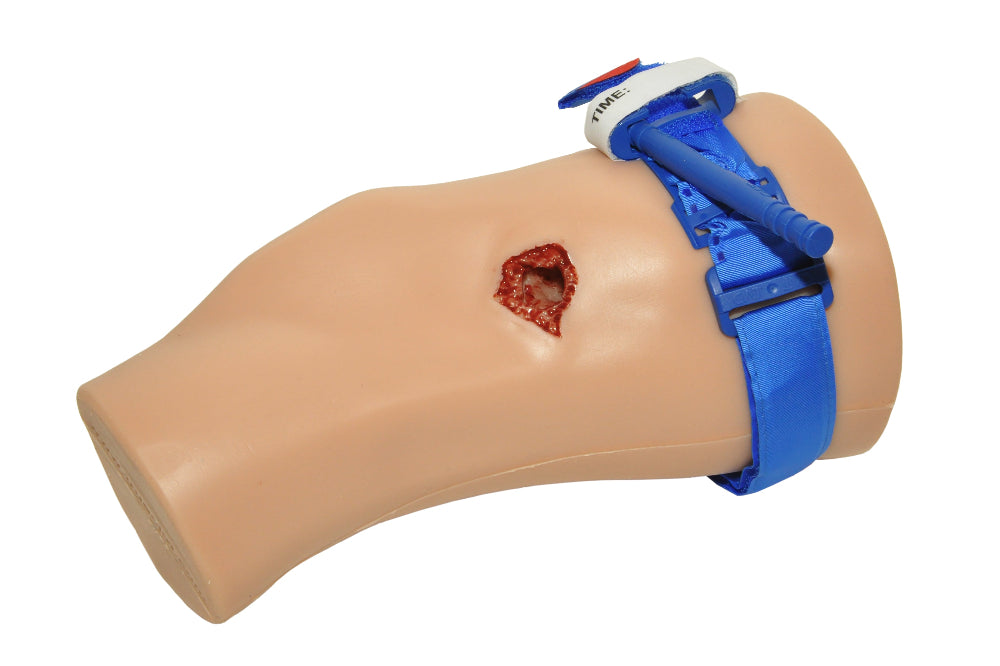
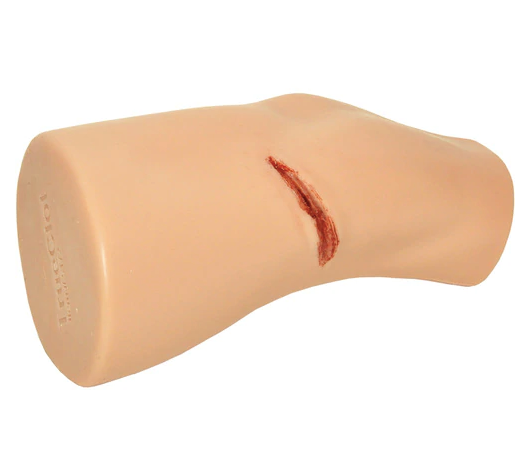
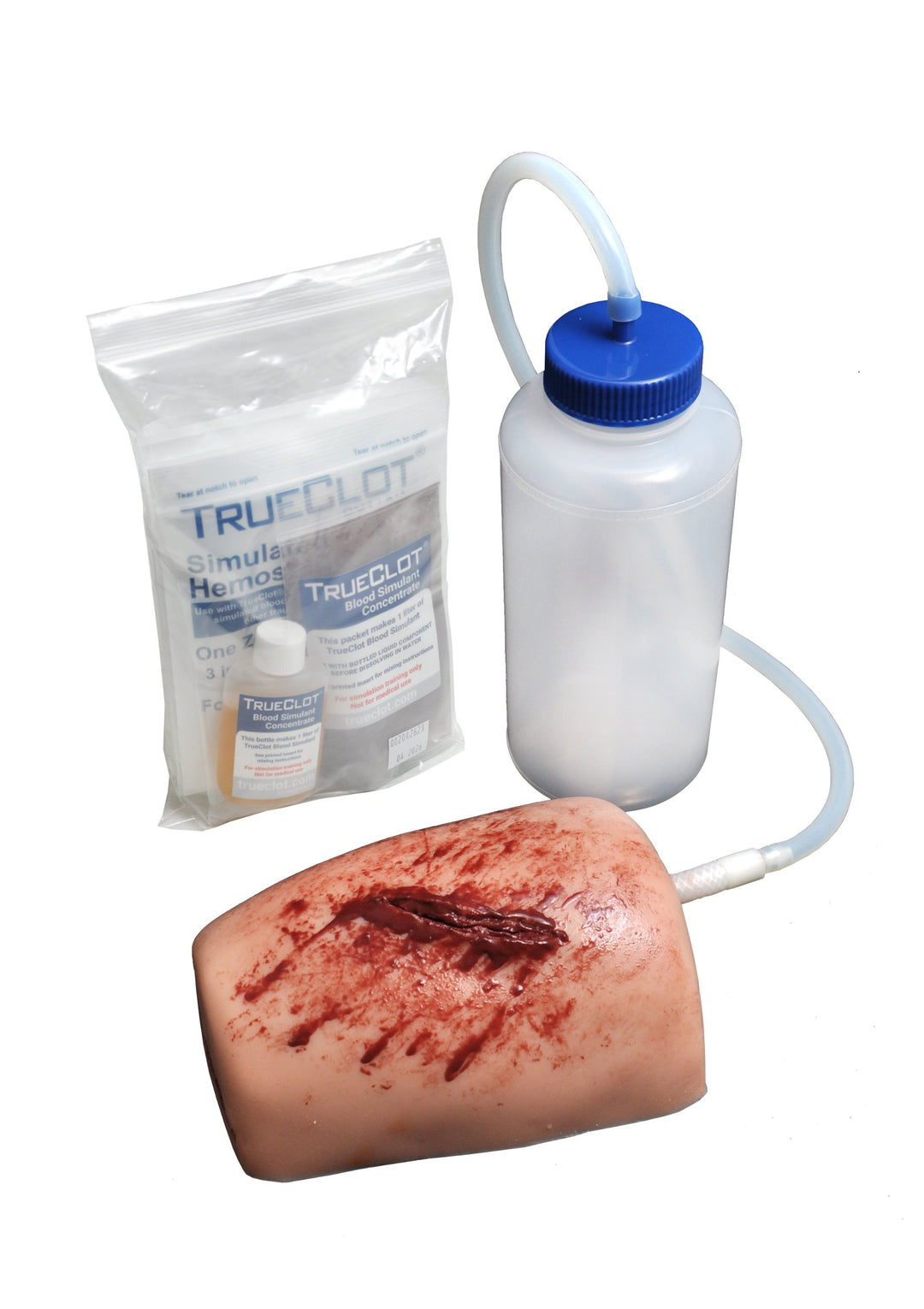
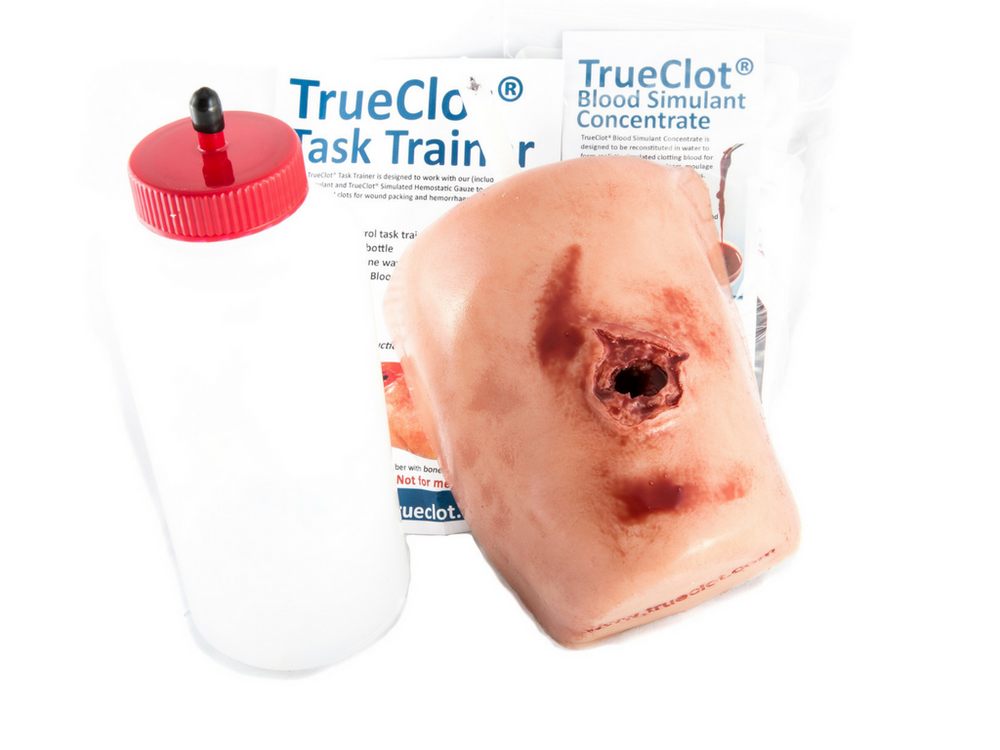
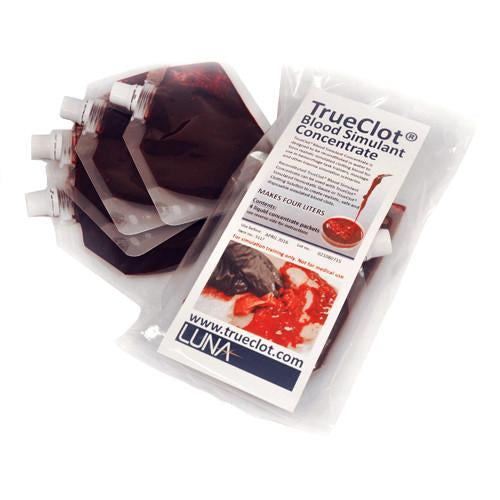
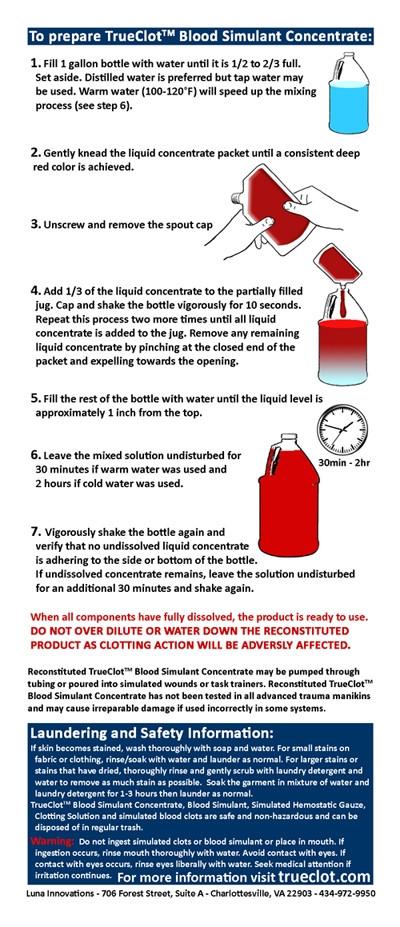
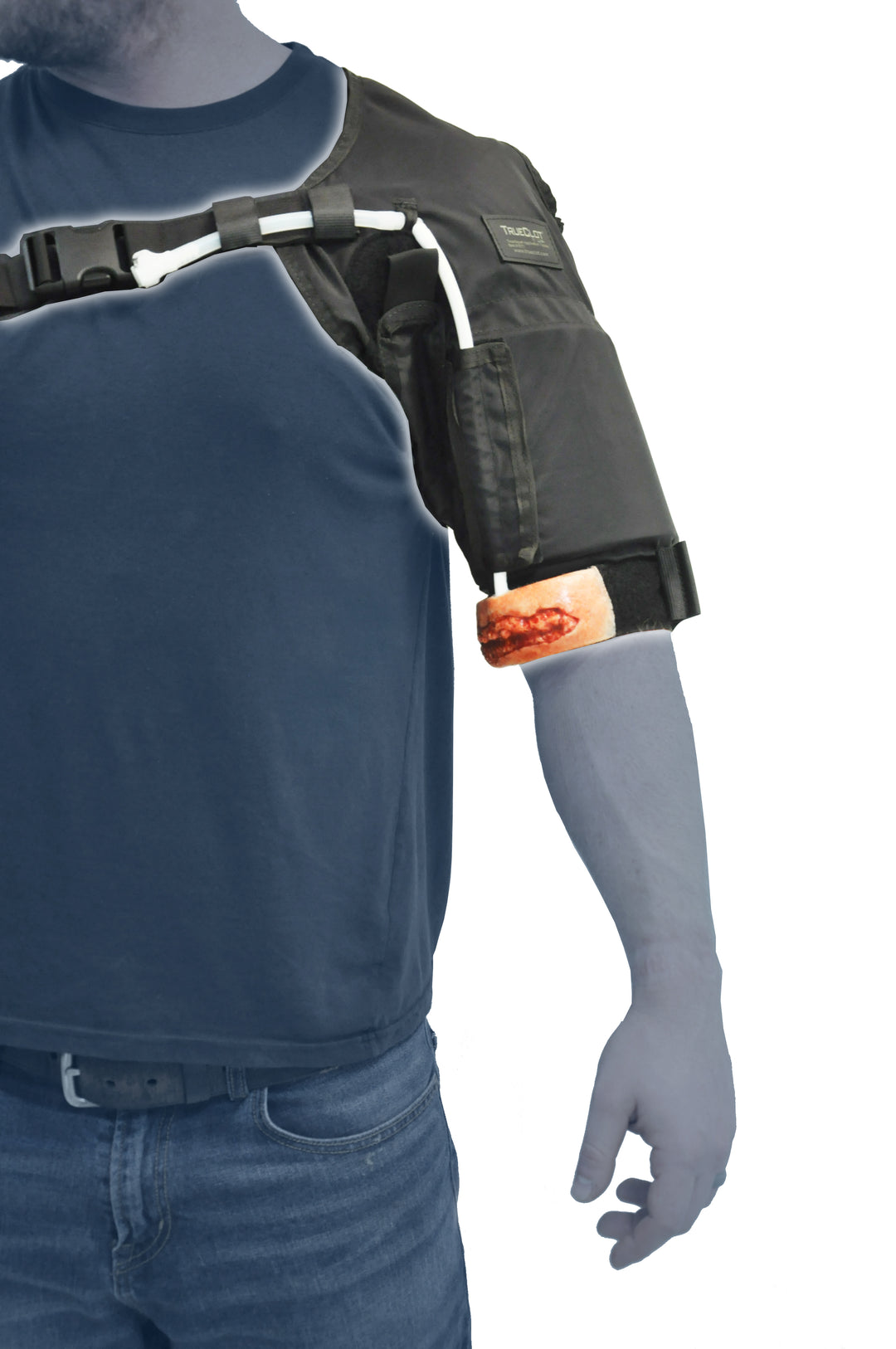
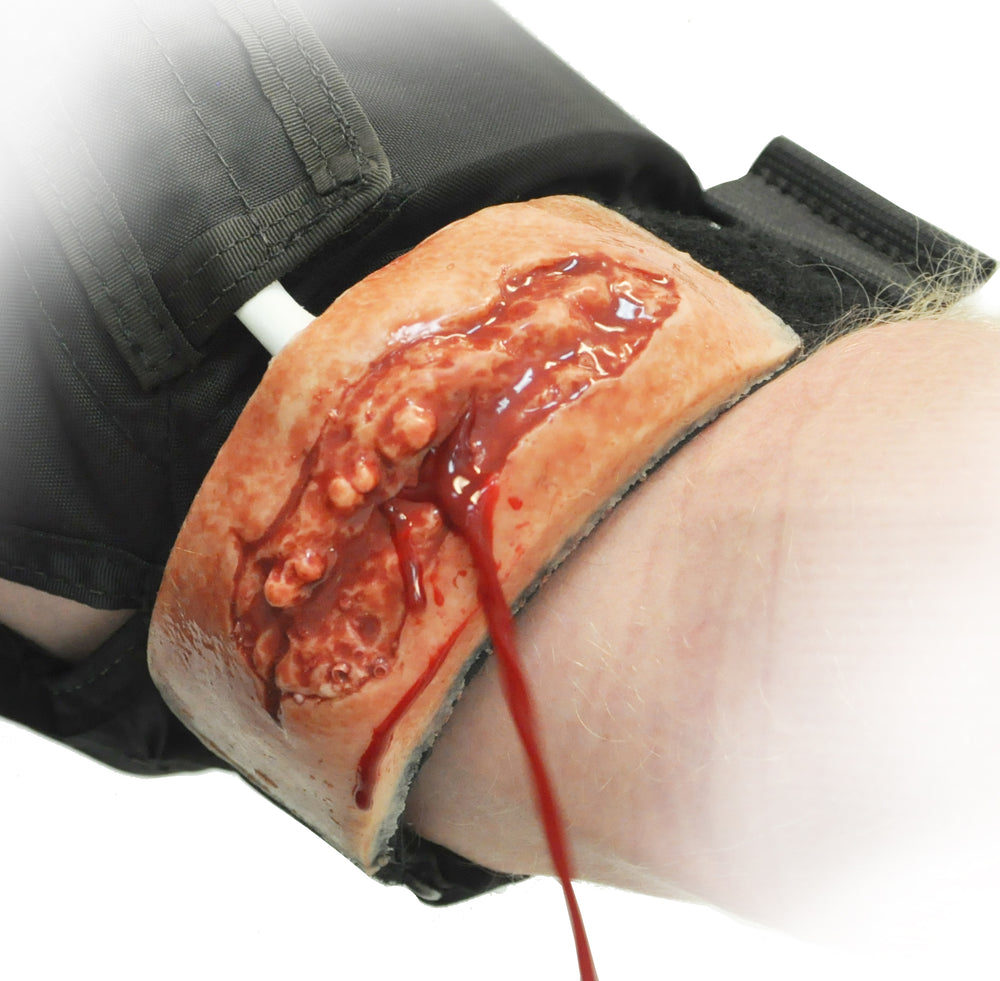
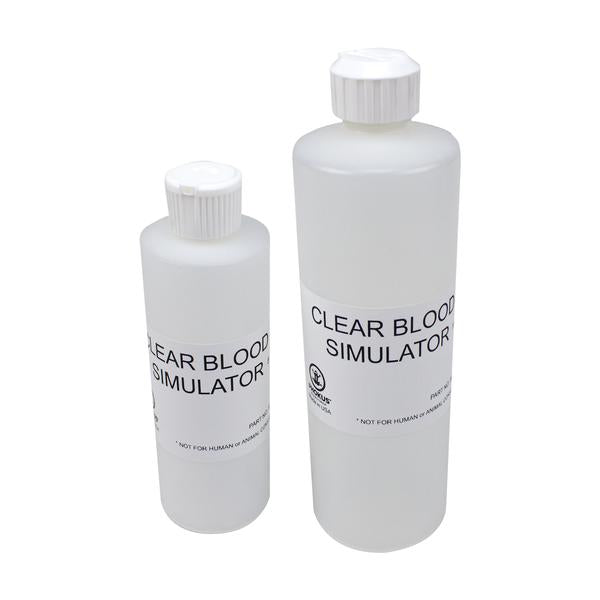
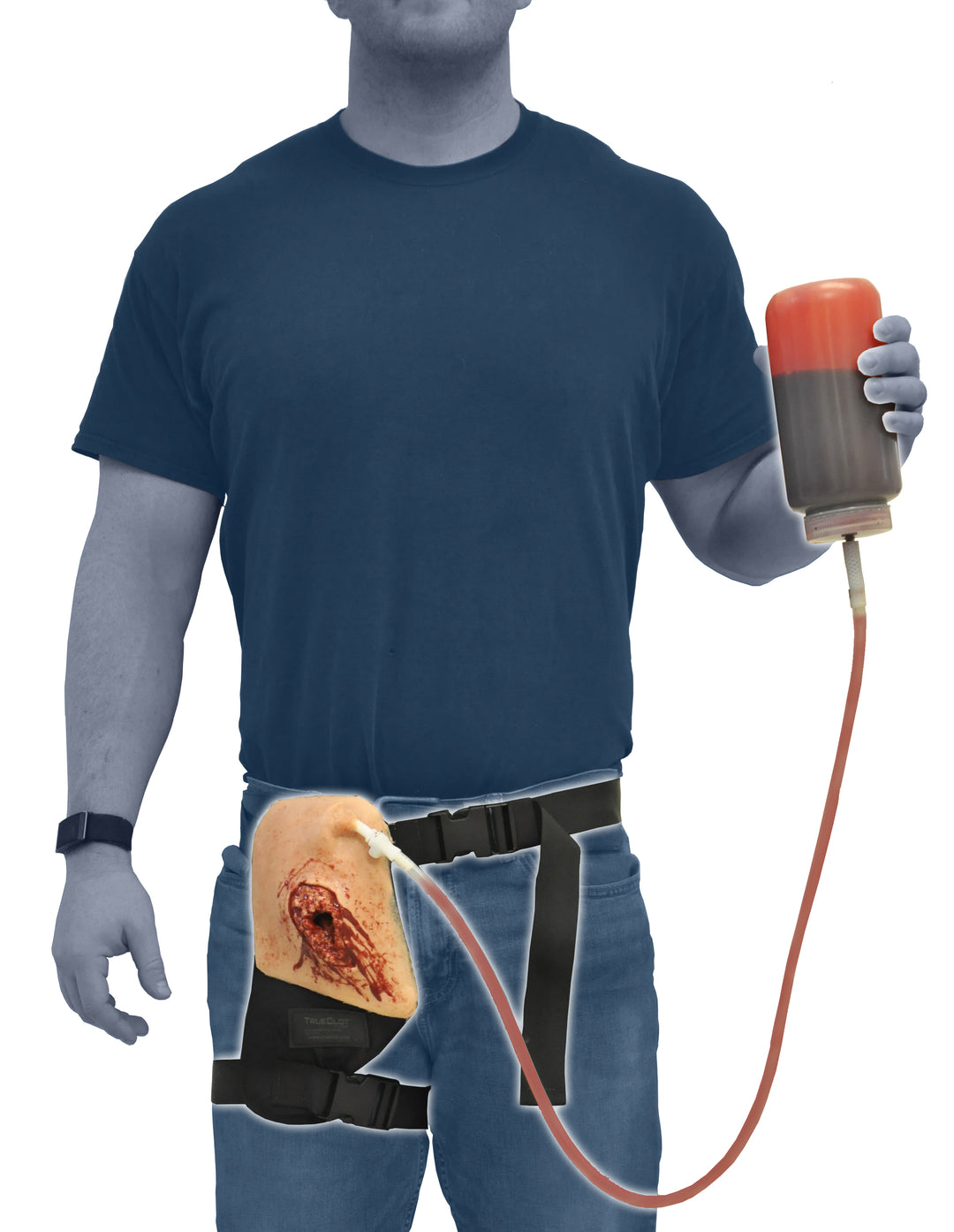
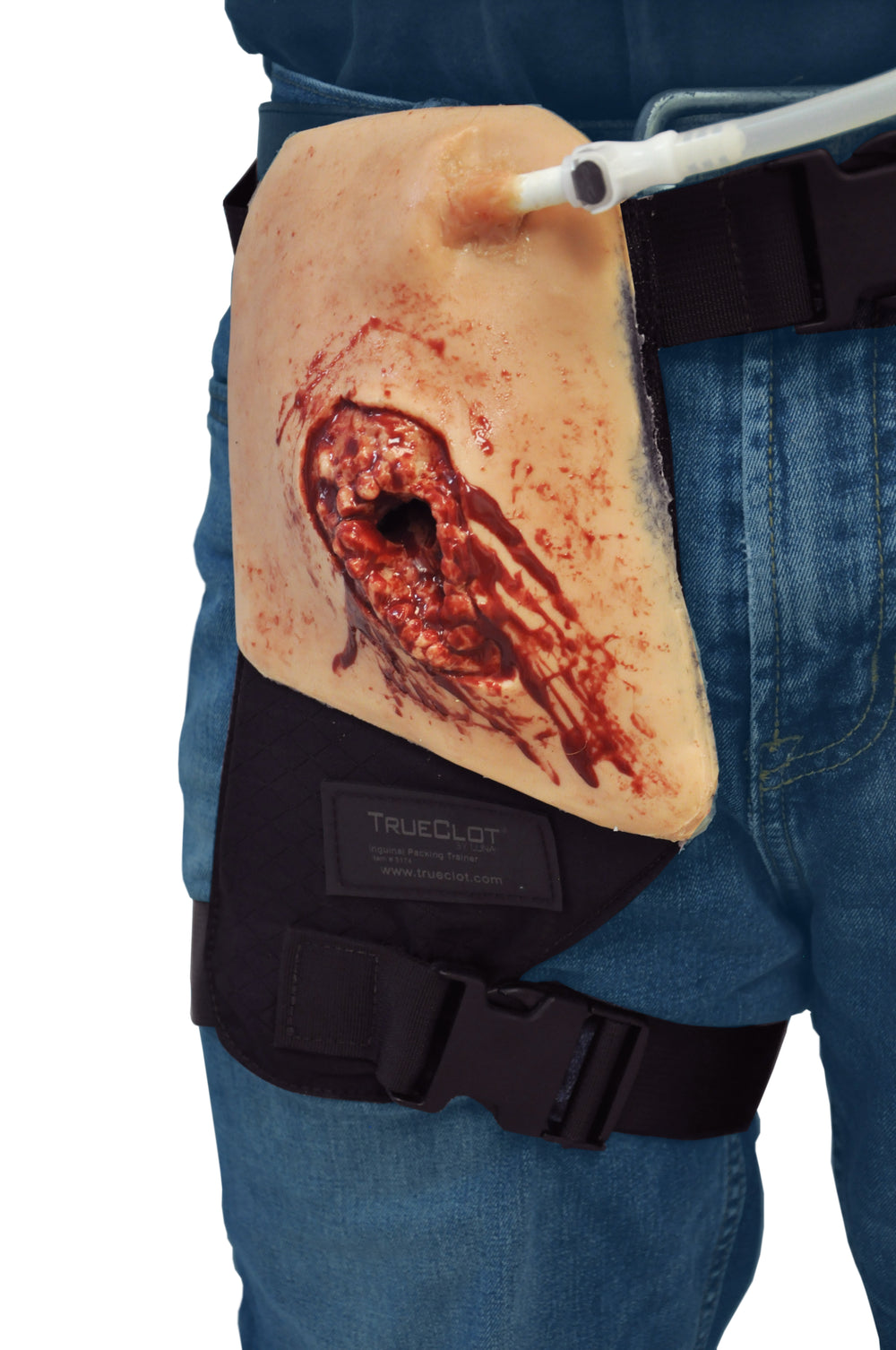
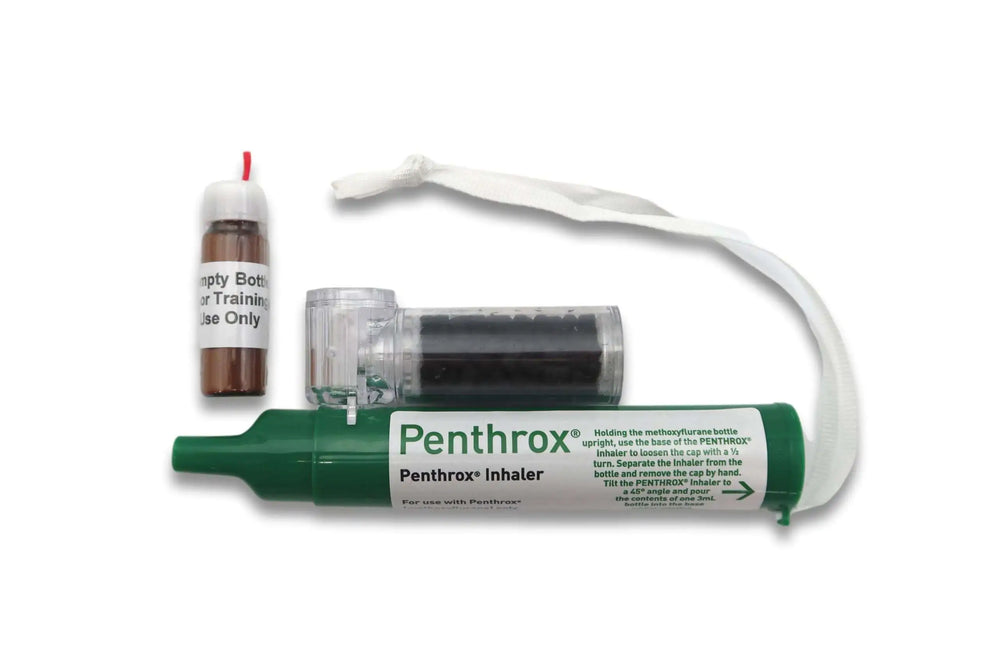
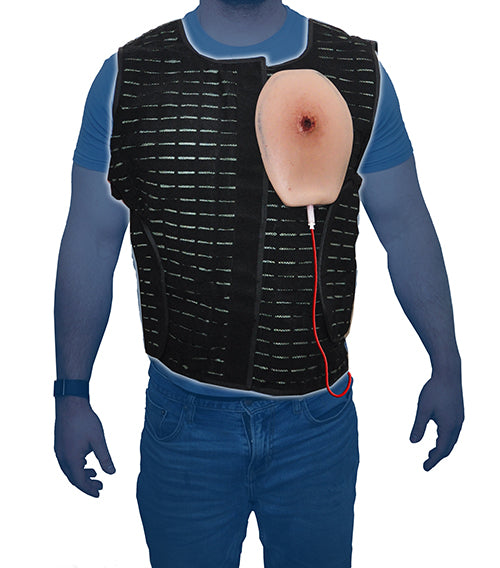
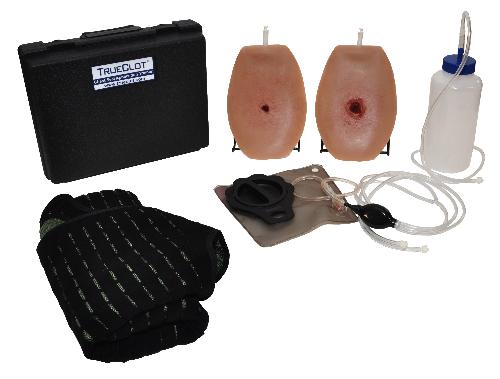
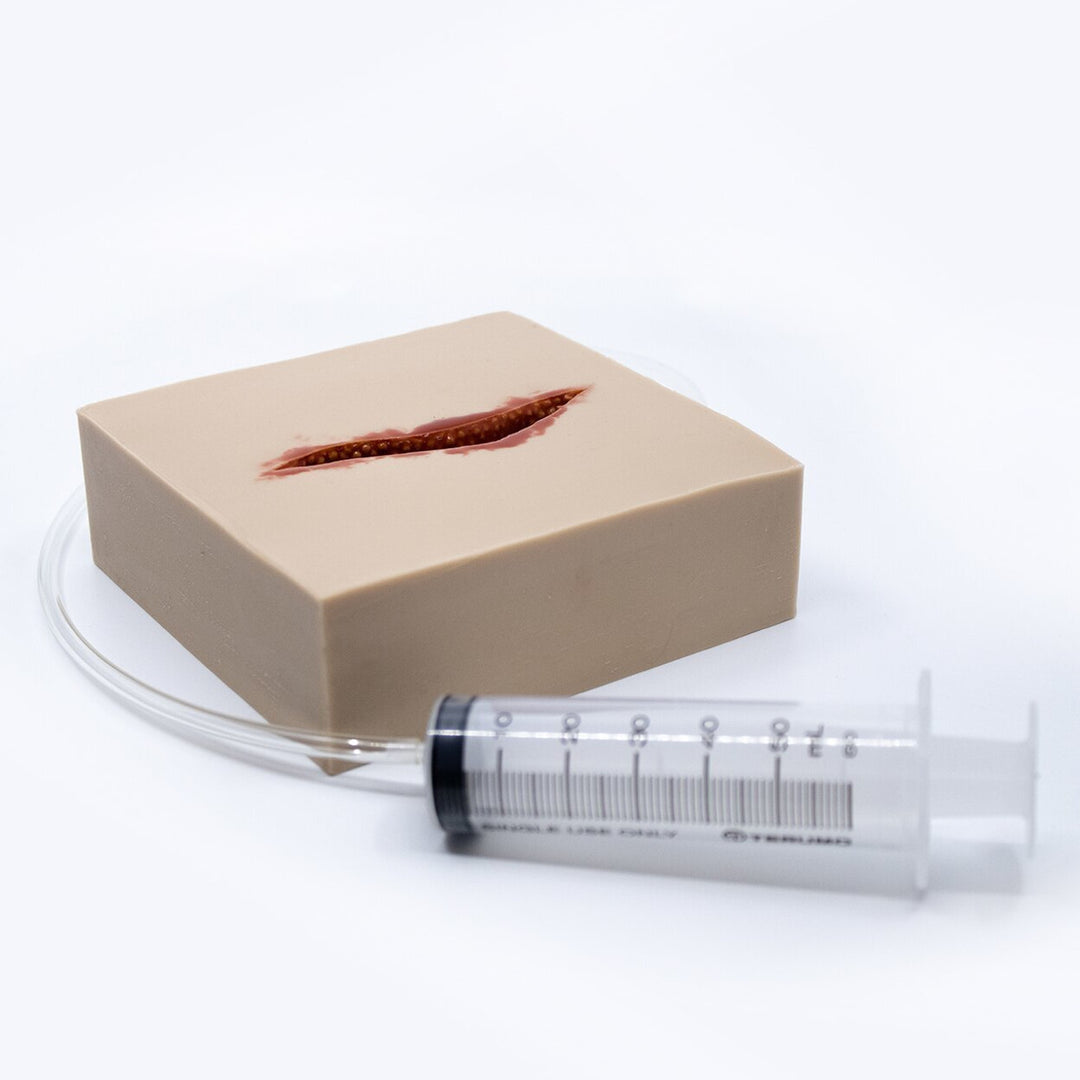
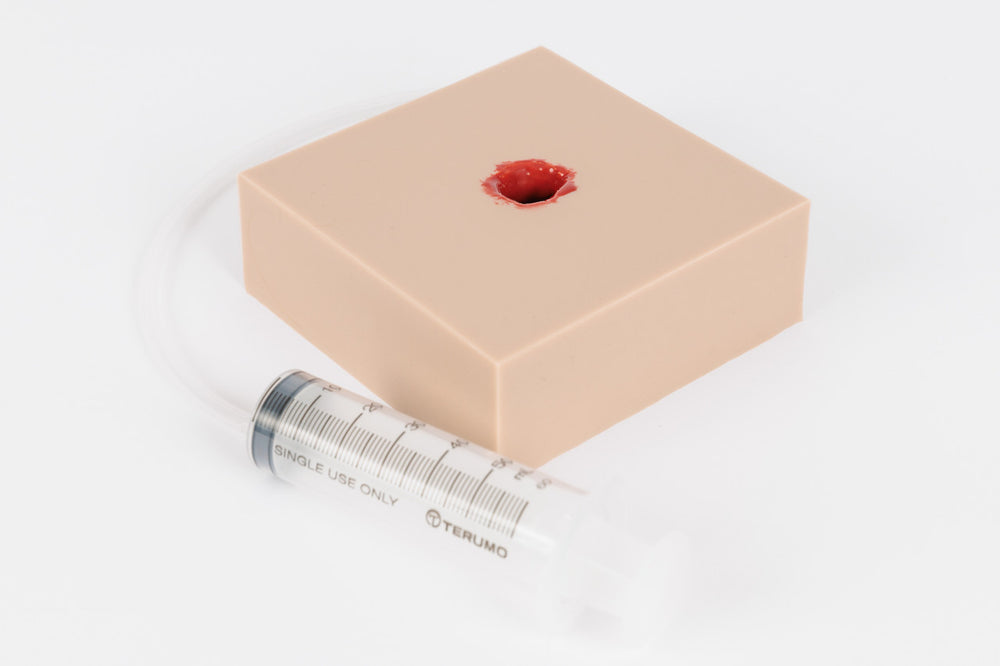
    This includes trauma trainers, CPR and AED trainers, mannequins, wearable simulators, and consumable training supplies. These tools support structured learning and ongoing skill maintenance across a wide range of first aid and emergency response disciplines.

    Who This Equipment Is For

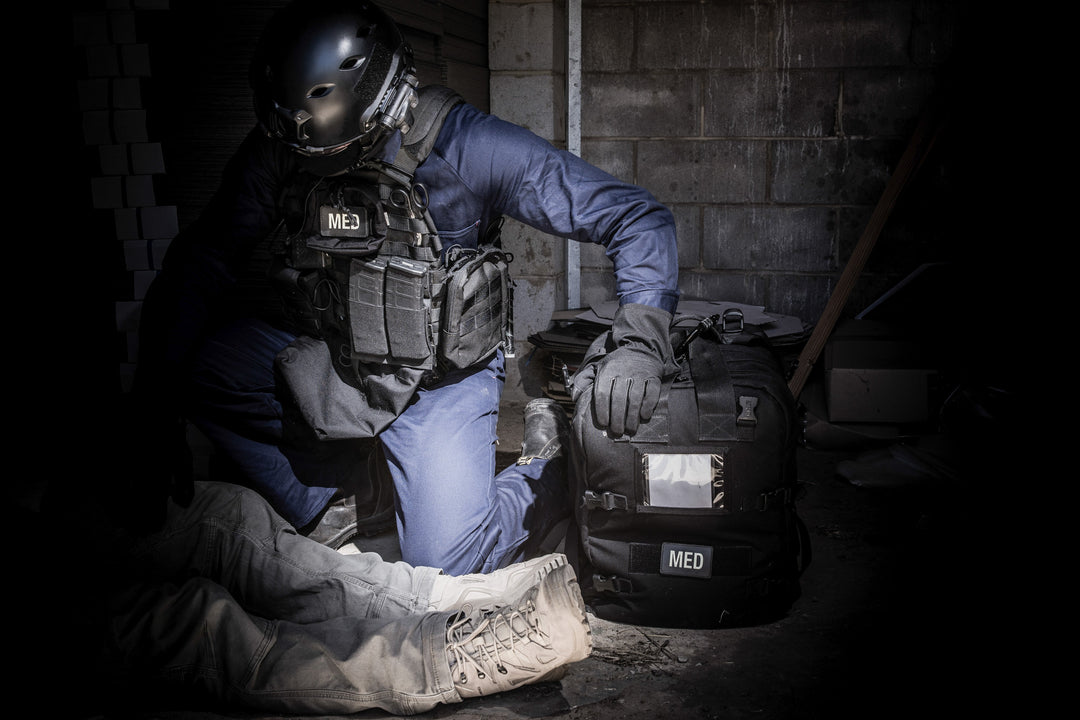
    Training and simulation equipment is used by instructors, training organisations, emergency services, workplaces, schools, and individuals responsible for first aid education.

    It is commonly used in classrooms, training facilities, workplaces, and simulation environments. If your role involves teaching, learning, or maintaining first aid and emergency response skills, training equipment is essential.

    What to Look For

    Selecting training and simulation equipment should be based on realism, durability, and suitability for the learning environment.

    • Training relevance: Aligns with the skills and scenarios being taught.
    • Realism: Provides accurate feedback or simulation of real-world conditions.
    • Durability: Suitable for repeated use by multiple learners.
    • Ease of setup: Simple to deploy and reset during training sessions.
    • Compatibility: Works with existing training programs and curricula.

    Effective training equipment enhances learning without adding unnecessary complexity.

    Common Mistakes We See

    A common mistake is attempting to use live medical equipment for training, which can lead to damage or unsafe practices.

    We also see training equipment selected without considering learner level or training objectives, reducing its effectiveness. Another issue is inadequate maintenance of training gear, resulting in unrealistic or inconsistent simulations.

    Training equipment should be purpose-built and maintained to ensure safe and effective learning.

    Questions We Get Asked

    What is training and simulation equipment?

    It includes tools designed specifically for teaching and practising first aid and medical response skills.

    Is this equipment used for real medical treatment?

    No. Training and simulation equipment is for educational use only.

    Who uses first aid training equipment?

    Instructors, students, workplaces, emergency services, and training organisations commonly use this equipment.

    Does training equipment replace formal first aid courses?

    No. Training equipment supports learning but does not replace accredited training or instruction.

    Can training equipment be used in workplaces?

    Yes. Many workplaces use training equipment to support first aid education and skill refreshers.

    How should training equipment be maintained?

    Training equipment should be cleaned, inspected, and stored according to manufacturer guidance.