Bleeding Control

Filter

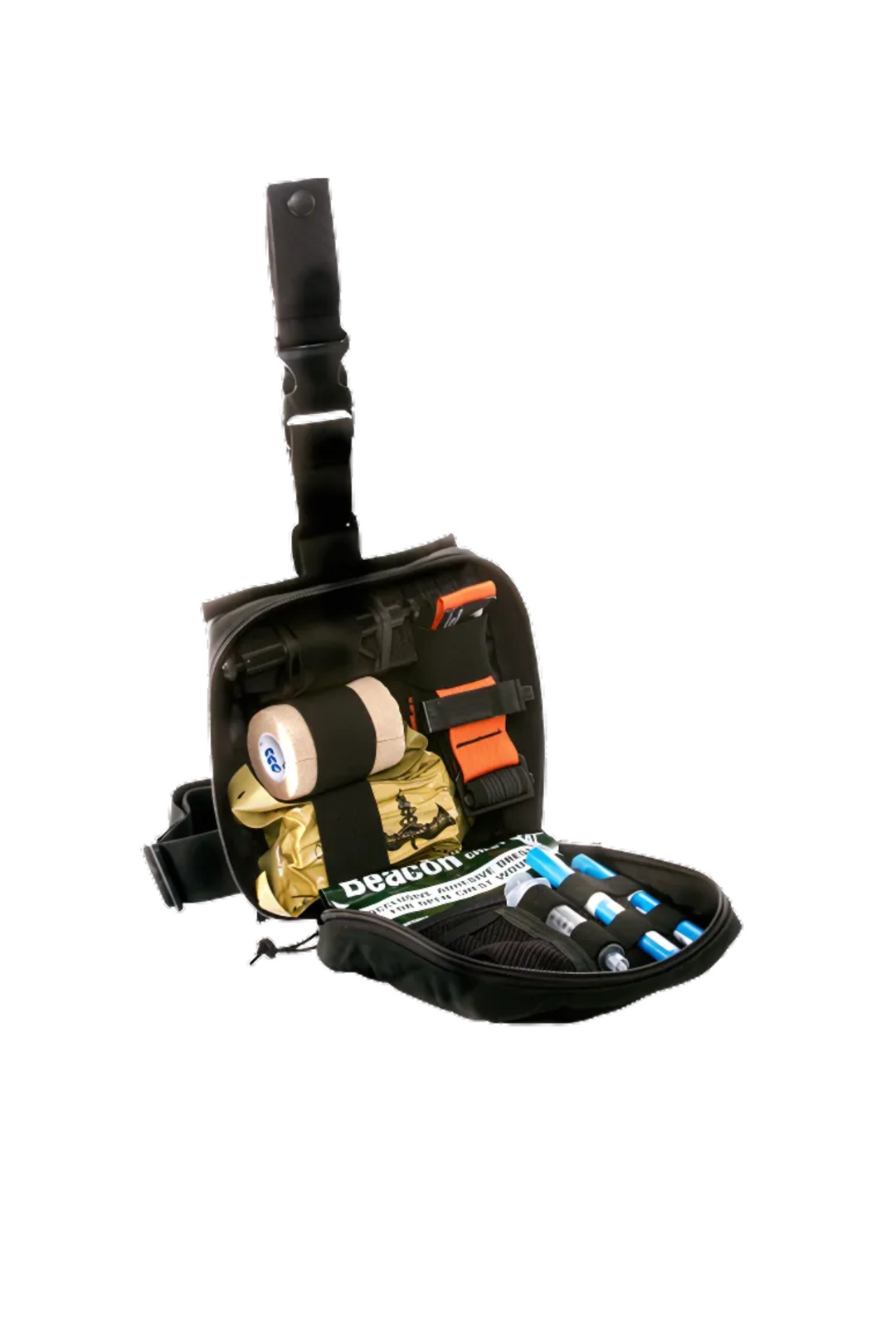
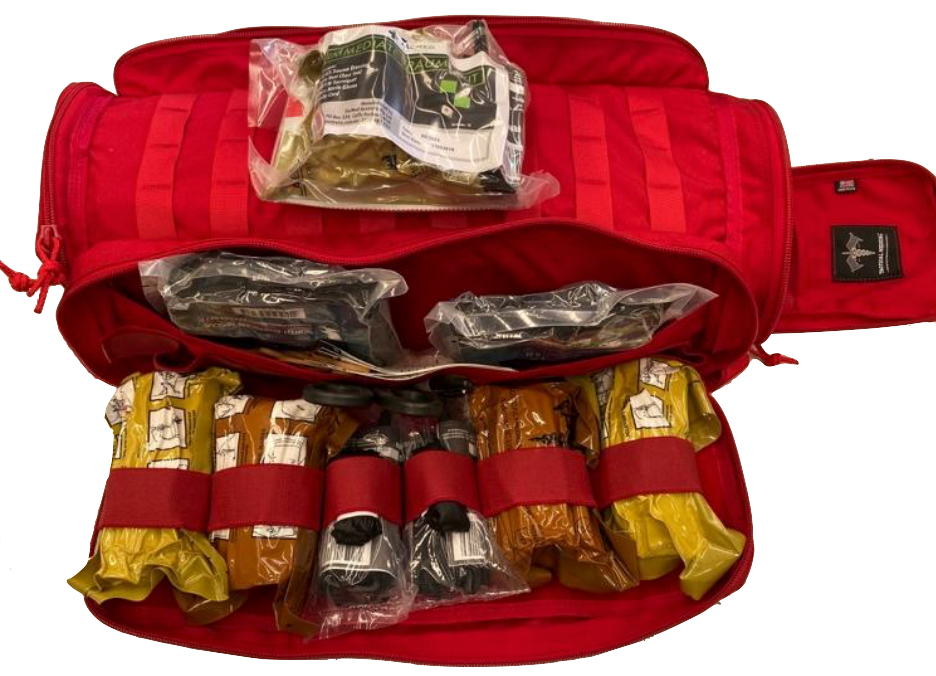
    Individual bleeding control components — the clinical-grade supplies used to build, customise, and restock a bleeding control kit. This collection covers the core items for haemorrhage management: tourniquets, haemostatic wound packing gauze, chest seals, pressure dressings, and supporting supplies, available individually.

    Buy individual components to restock a used kit, upgrade specific items in an existing setup, or configure exactly what you need for your environment. All products are TGA-compliant and selected for proven performance.

    If you want a pre-assembled bleeding control kit rather than individual components, see the bleeding control kits collection.

    What This Collection Covers

    The core individual components for haemorrhage control and serious wound management:

    Tourniquets

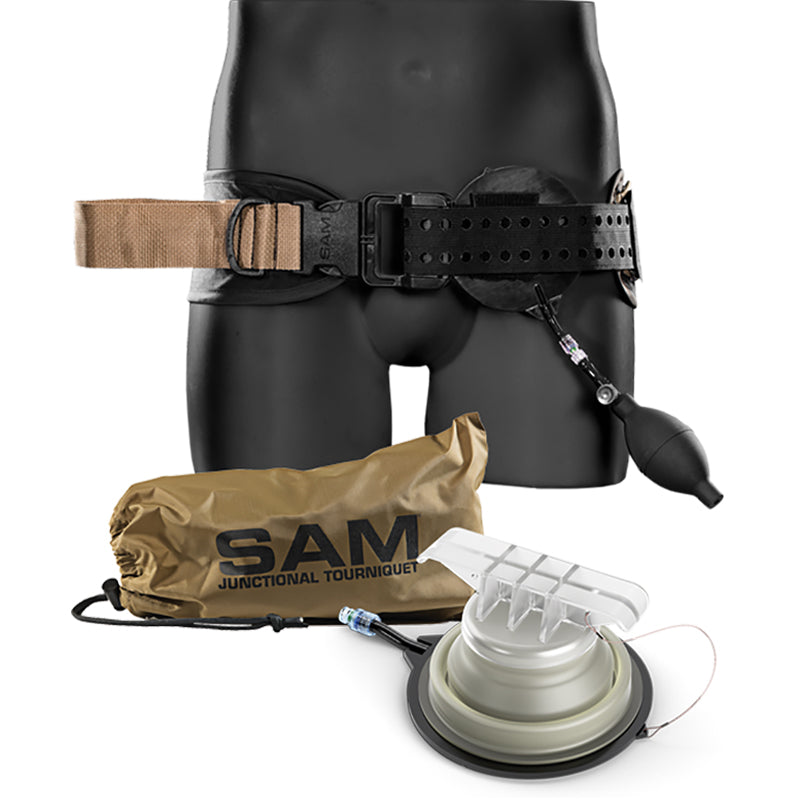
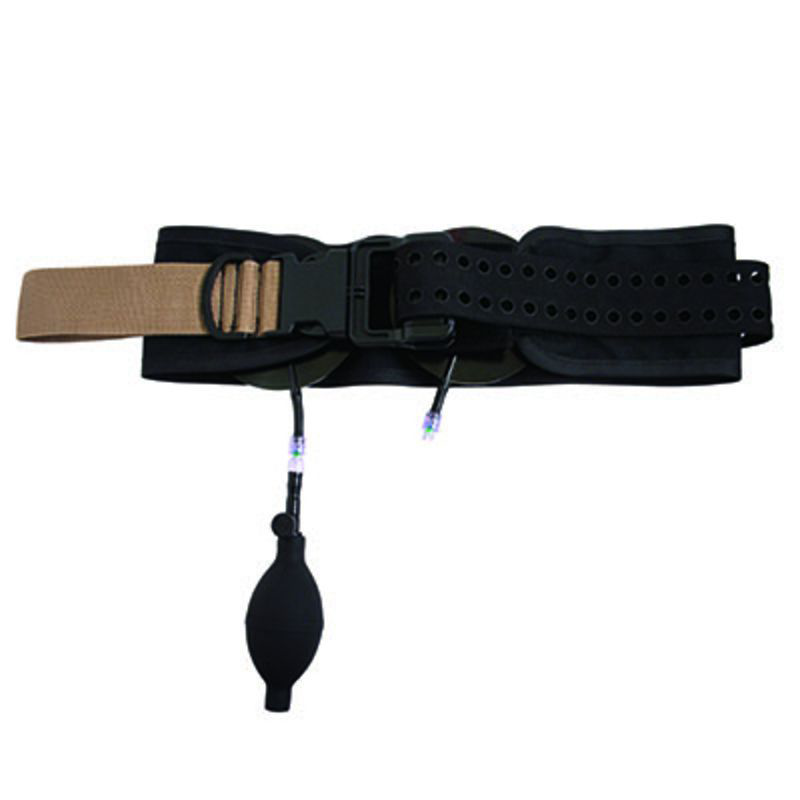
    CAT Gen 7, SOF-T Wide, SWAT-T, and junctional tourniquets for arterial limb haemorrhage. The primary intervention for life-threatening limb bleeding. See the tourniquets collection for the full range and buying guide.

    Haemostatic wound packing gauze

    QuikClot Combat Gauze, Celox Gauze, and haemostatic dressings for deep wound packing. Used when surface pressure alone cannot control haemorrhage from penetrating wounds. QuikClot uses kaolin to accelerate clotting; Celox uses chitosan. Both are effective — choose based on training protocol.

    Chest seals

    Vented chest seals — including the Hyfin Vent Compact — for penetrating chest wounds. A vented chest seal allows air to escape the pleural space while preventing air entry, addressing tension pneumothorax in penetrating chest trauma. Standard in military and pre-hospital trauma kits.

    Pressure dressings

    Israeli Bandages (Emergency Bandages) and OLAES Modular Trauma Dressings for haemorrhage control at non-tourniquet wound sites — torso, head, neck, and groin. The Israeli Bandage is faster and simpler; the OLAES adds wound packing capability for deeper wounds.

    Supporting components

    Nitrile gloves, trauma shears, nasopharyngeal airways, decompression needles, and other individual components for restocking and custom configurations.

    Who Buys Individual Components

    • Kit restockers — replacing used, expired, or damaged components in an existing IFAK, trauma kit, or bleed kit without buying a whole new kit
    • Custom kit builders — selecting specific products by brand, model, or specification for a bespoke configuration
    • Paramedics and first responders — replacing deployed components in service kits between responses
    • Military and tactical operators — maintaining issued kit with genuine, TGA-compliant replacements
    • Law enforcement — duty kit maintenance and upgrade with specific approved products
    • Training organisations and instructors — sourcing individual components in volume for participant training kits
    • Workplace safety officers — restocking workplace trauma kits and bleeding control stations after use or expiry

    Choosing Individual Components

    Tourniquet

    CAT Gen 7 for most users — the most widely issued and trained-on device globally. SOF-T Wide for high-mass limbs or where metal windlass hardware is preferred. Match your choice to your training. See the tourniquets collection for a full comparison.

    Haemostatic gauze — QuikClot vs Celox

    Both are effective haemostatic agents when used correctly. QuikClot Combat Gauze (kaolin-impregnated) is the US military standard and the most widely trained-on product globally. Celox Gauze (chitosan-based) works independently of the clotting cascade — relevant for patients on anticoagulants. Choose based on your training protocol and organisation's standard. If in doubt, QuikClot is the baseline recommendation.

    Chest seal

    Use a vented chest seal for penetrating chest wounds — the vents allow air to escape during exhalation while preventing entry. The Hyfin Vent Compact is the current standard for compact kit carry. Apply to both entry and exit wounds if both are accessible.

    Pressure dressing

    Israeli Bandage for wounds requiring fast, simple surface pressure — torso, head, neck, groin. OLAES for wounds requiring both surface pressure and packing capability. If you are unsure, the Israeli Bandage is faster to use under stress; the OLAES provides more capability for complex wounds. Many kits carry both.

    Wound packing

    Haemostatic gauze requires technique to be effective — packing must be firm and deliberate to apply internal pressure at the bleeding source.

    Common Mistakes We See

    The most common mistake when buying individual components is purchasing counterfeit or unverified products to save cost. Counterfeit CAT Gen 7 and SOF-T Wide tourniquets are widely available online — they look identical to genuine products but fail under the mechanical stress of real application. Haemostatic gauze from unverified sources may contain insufficient active agent. TacMed supplies only genuine, TGA-compliant products from authorised distributors.

    We also see people substitute components that are not like-for-like. Replacing a QuikClot Combat Gauze with a plain gauze roll, or a vented chest seal with a non-vented one, changes the clinical performance of the kit. Replace components with the same product or an equivalent that matches your training protocol.

    Carrying haemostatic gauze without training in wound packing technique is another common issue. The gauze only works if packed firmly into the wound cavity — applying it loosely over a surface wound is ineffective. Train the skill before you rely on the equipment.

    For more on bleeding control technique and equipment selection, see our guides on indirect pressure in bleeding control and life-saving decisions in bleeding control equipment.

    What is bleeding control equipment?

    Bleeding control equipment refers to the individual medical components used to manage severe haemorrhage — the specific items that go inside a bleeding control kit or IFAK. This includes tourniquets, haemostatic wound packing gauze, pressure dressings, chest seals, and supporting supplies. This collection sells these items individually rather than as pre-assembled kits.

    What is haemostatic gauze?

    Haemostatic gauze is wound packing gauze impregnated with an agent that accelerates blood clotting when packed into a wound. It is used for deep or penetrating wounds where surface pressure alone cannot control haemorrhage. QuikClot Combat Gauze uses kaolin (a mineral that activates the clotting cascade) and is the US military standard. Celox uses chitosan (derived from shellfish) and works independently of the clotting cascade. Both require wound packing technique to be effective.

    What is a chest seal?

    A chest seal is an occlusive dressing applied to penetrating chest wounds to prevent air entry into the pleural space. A vented chest seal has one-way valves that allow air to escape during exhalation — this is important for managing tension pneumothorax, where air builds up in the chest cavity. Non-vented chest seals are used where vented seals are unavailable. Vented seals are the current standard for most clinical protocols.

    What is an OLAES bandage?

    The OLAES (Olaes Modular Bandage) is a trauma dressing that combines surface pressure application with wound packing capability. It includes a removable pressure cup for compression and contains wound packing gauze for deep wound management — making it more versatile than a standard Israeli Bandage. It is used for complex wounds where both surface pressure and packing are required.

    What is the difference between QuikClot and Celox?

    QuikClot (kaolin-based) activates the body's natural clotting factors — it is the most widely trained-on haemostatic agent globally and the US military standard. Celox (chitosan-based) acts directly on red blood cells independently of clotting factors — it may be preferable for patients on anticoagulant medication. Both are effective when used correctly. Choose based on your training protocol. If you have been trained on one, use that.

    How is this different from the bleeding control kits collection?

    This collection is for individual components only — a single tourniquet, a pack of haemostatic gauze, a chest seal. The bleeding control kits collection contains pre-assembled complete kits with all components included and ready to deploy. If you need to restock or build a custom setup, use this collection. If you want a complete ready-to-use kit, use the kits collection.

    Do bleeding control components expire?

    Yes. Sterile dressings, haemostatic gauze, and chest seals all have printed expiry dates. Tourniquets do not have a strict expiry but should be replaced when elastic or materials show degradation. Check all components in your kit regularly and replace approaching or expired items. A kit with expired components is unreliable in a real emergency.

    Do I need training to use these products?

    Strongly recommended for haemostatic gauze and chest seals. Tourniquet application and pressure dressings can be learned with basic first aid training, but correct technique for wound packing and chest seal placement requires practice.