What are trauma shears used for?
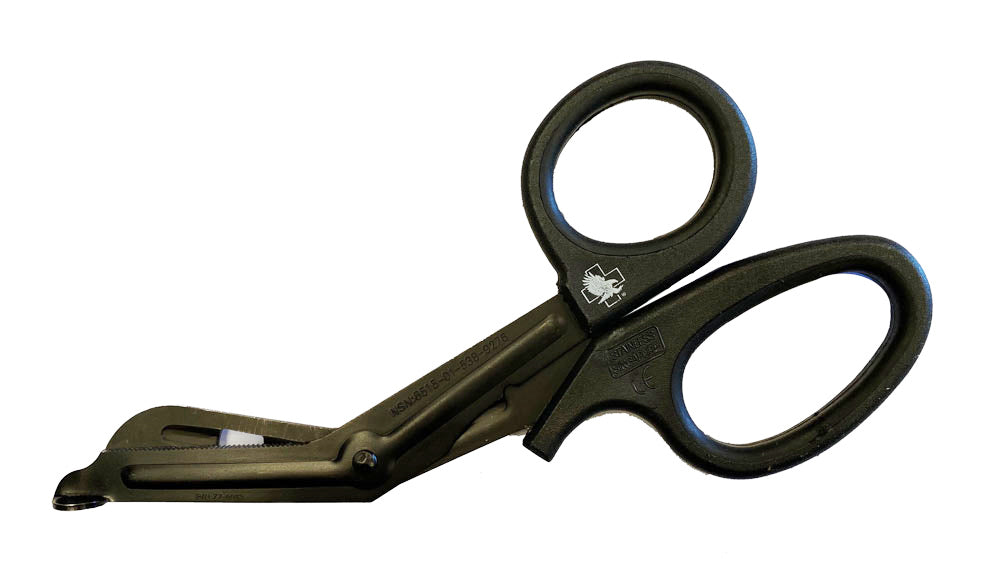
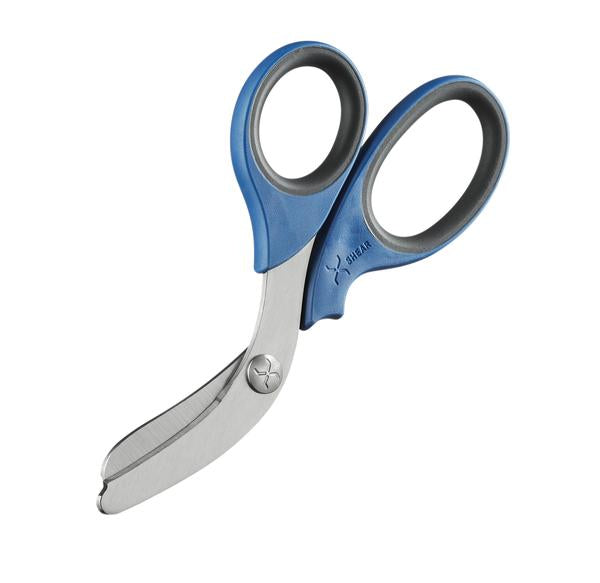
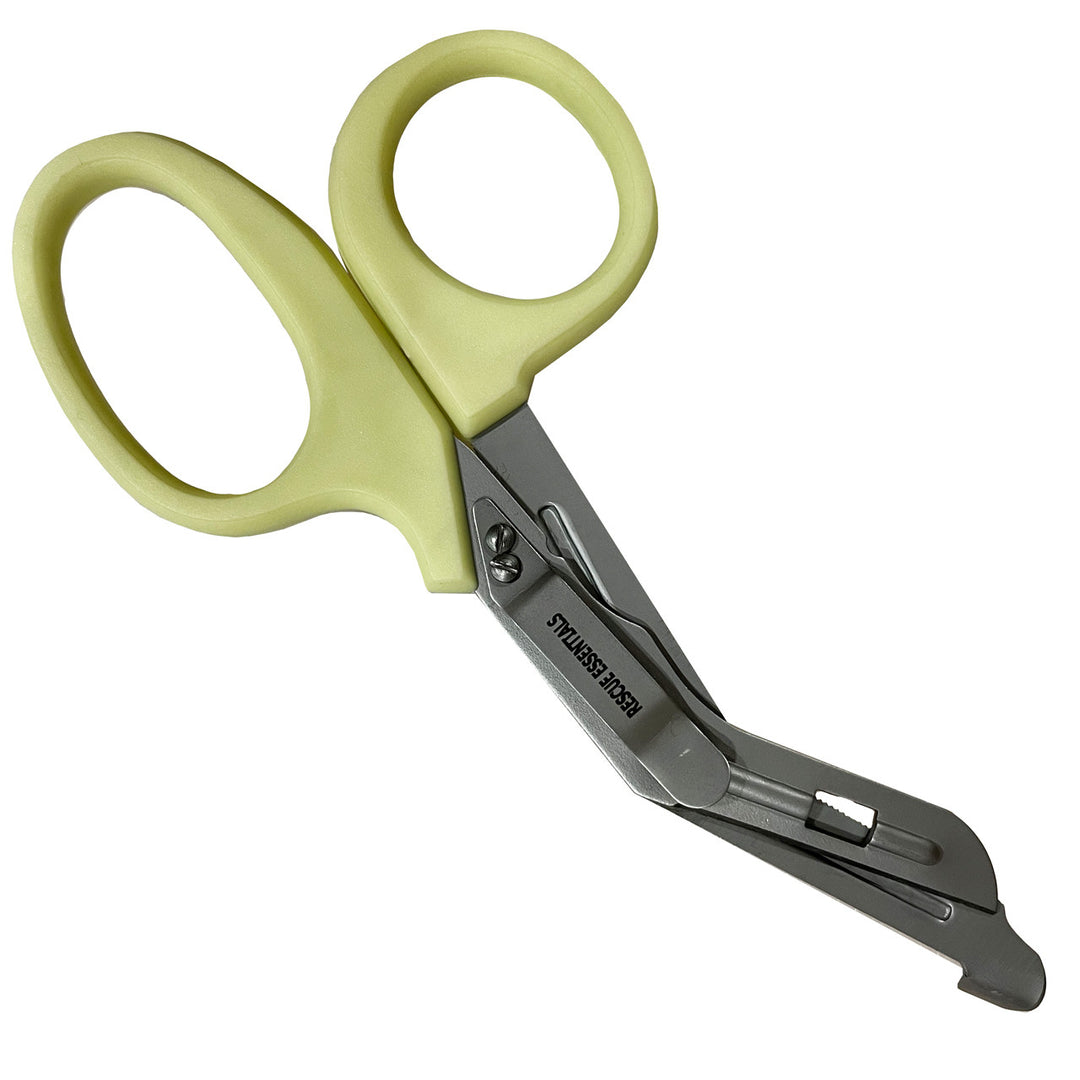
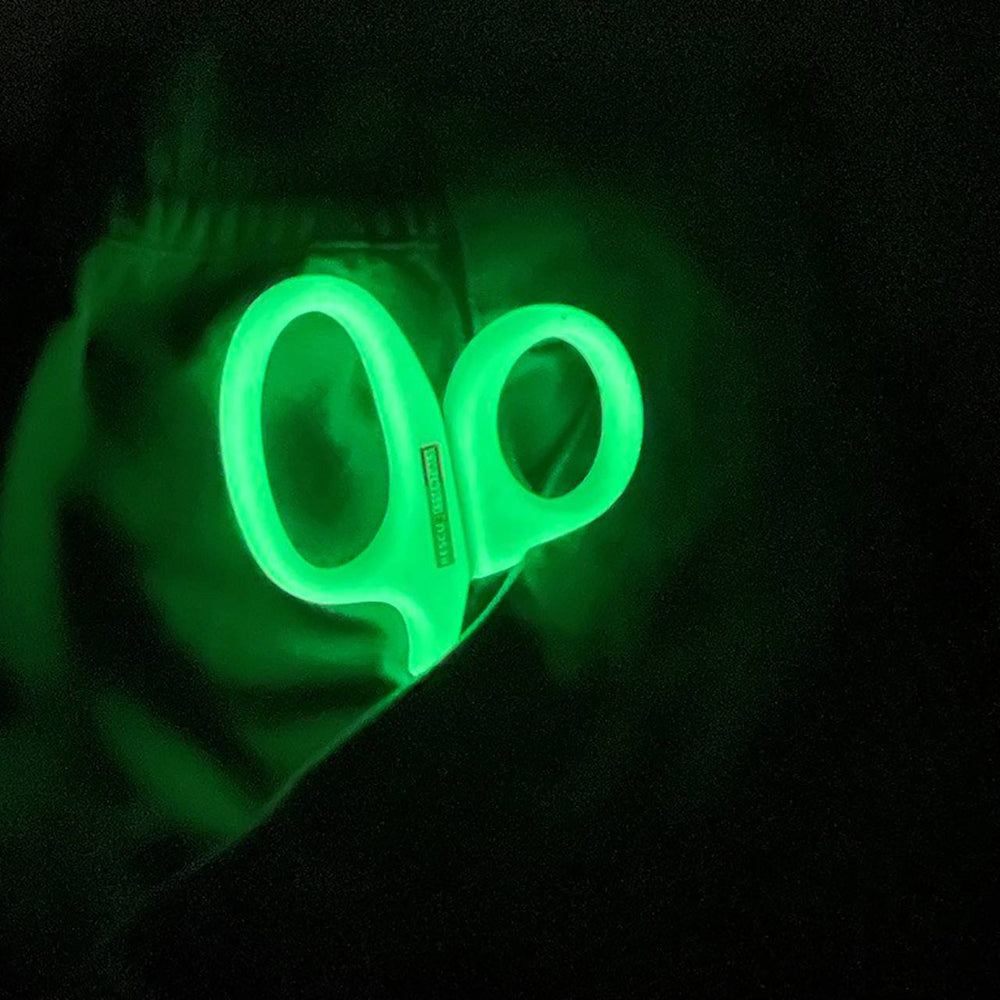
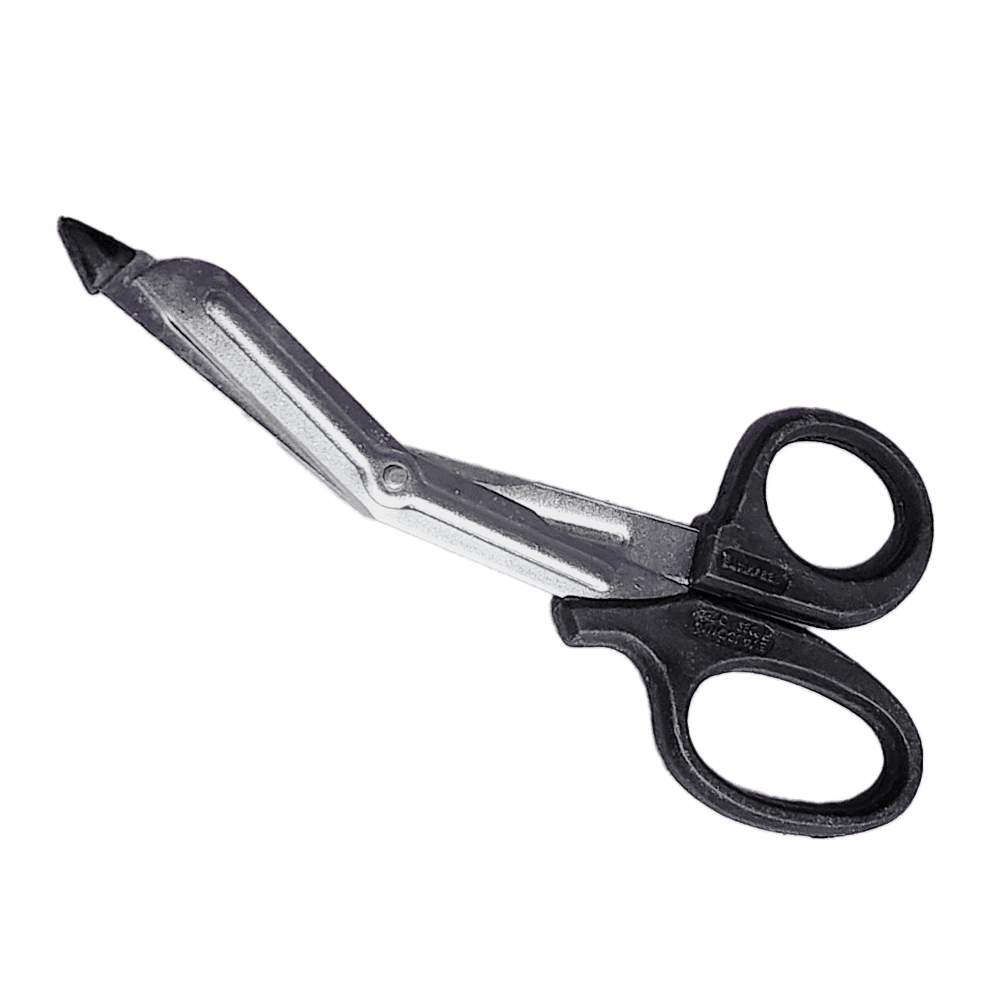
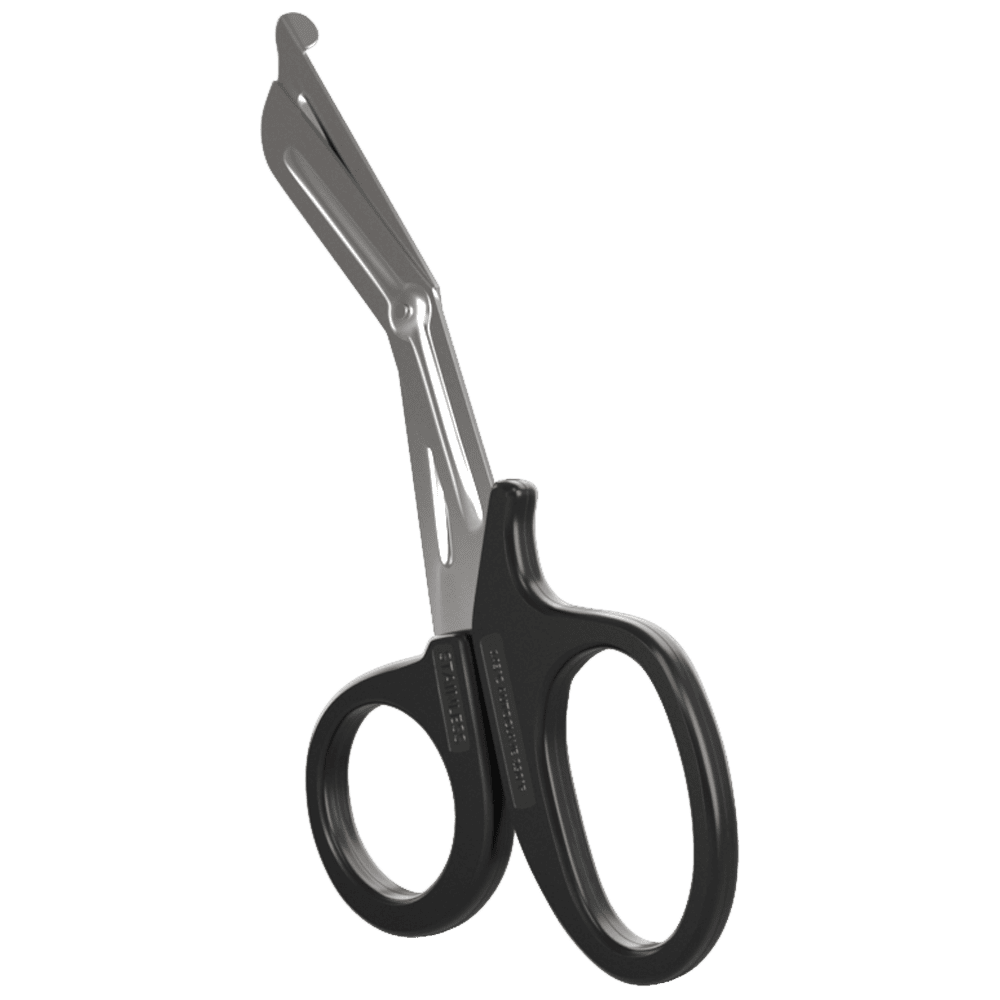
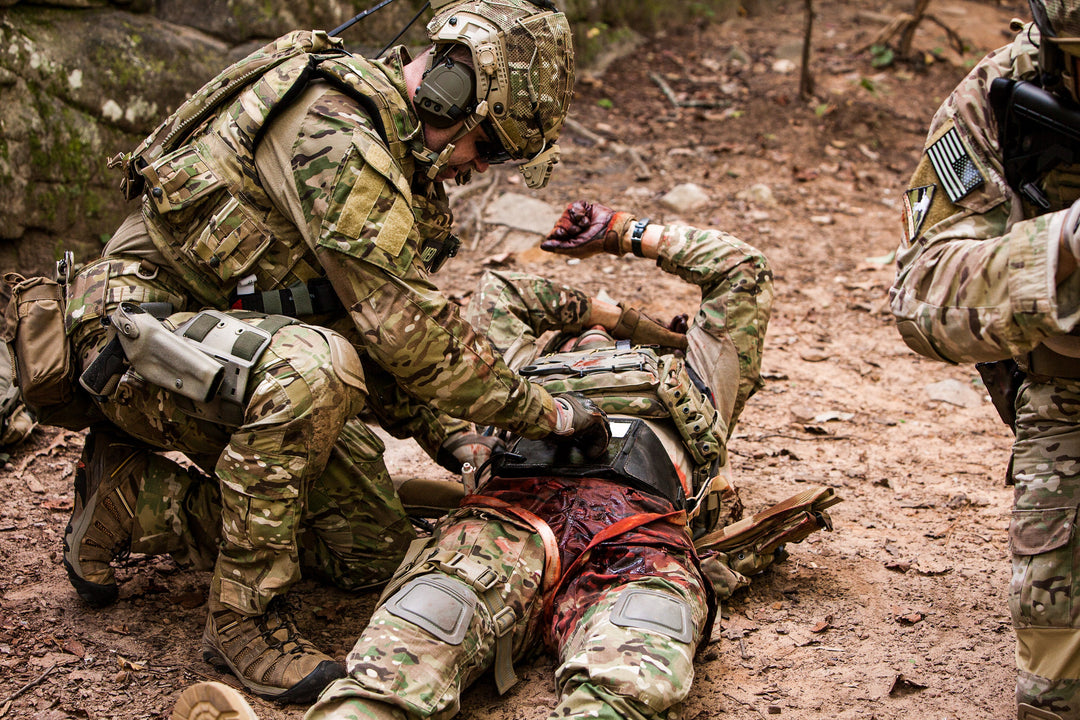
Trauma shears are used to cut clothing, footwear, webbing, bandages, and seatbelts to expose injuries quickly and safely during patient assessment and treatment. The blunt lower blade tip allows them to be slid against skin without cutting the patient underneath.
What is the difference between trauma shears and regular scissors?
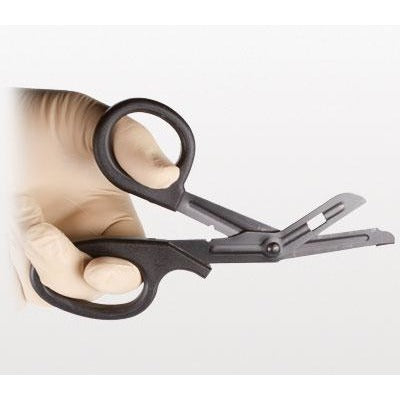
Trauma shears are specifically designed for medical use — they have a blunt lower tip for patient safety, stronger blades for cutting through thick materials like denim and leather, and handles sized for use with gloves. Regular scissors lack these design features and should not be used as a substitute in trauma situations.
Are safety shears the same as trauma shears?
Yes. Safety shears, trauma shears, medical scissors, paramedic scissors, and EMT shears all refer to the same category of tool — medical-grade cutting shears with a blunt lower tip. The terminology varies by industry and region but the function is the same.
What are the best trauma shears?
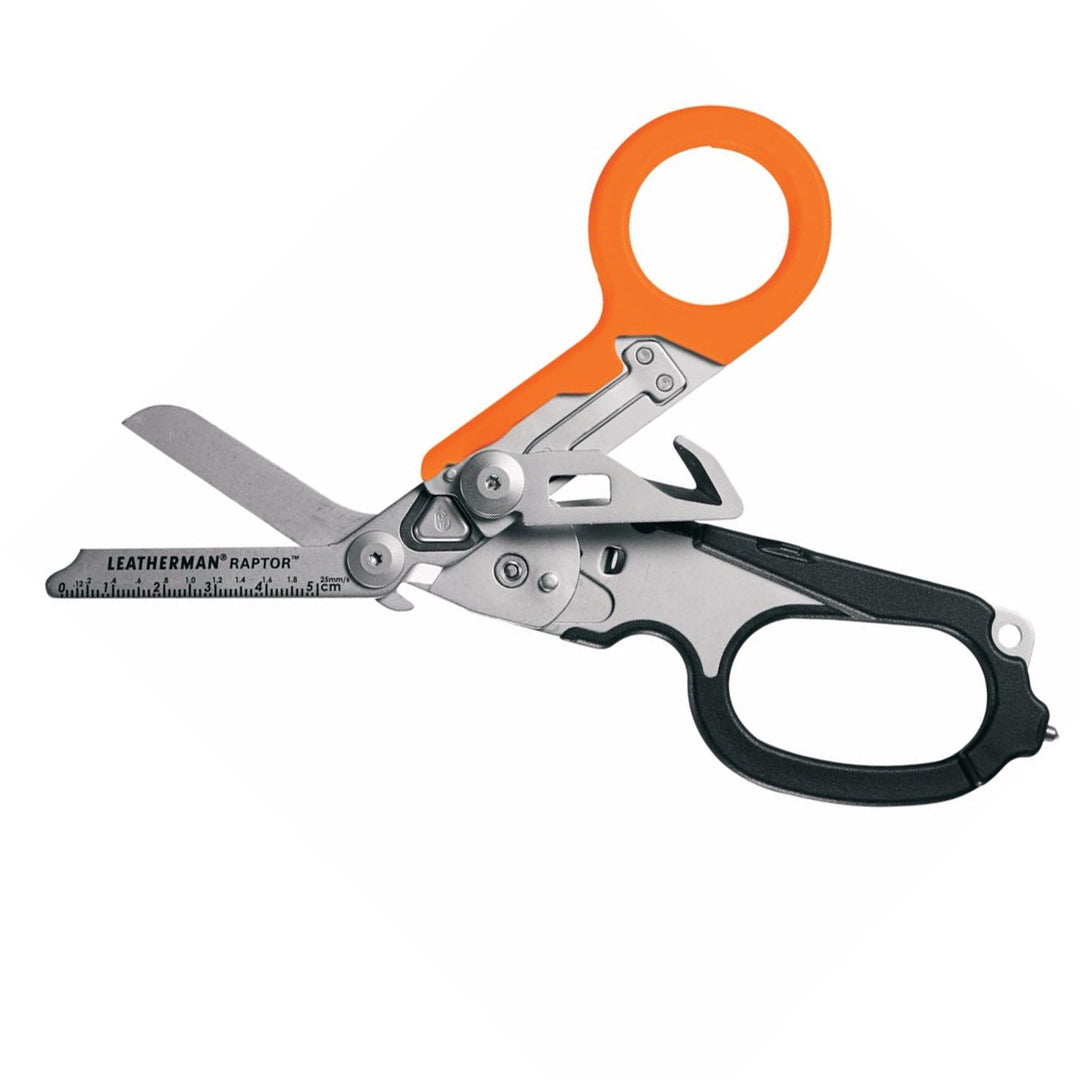
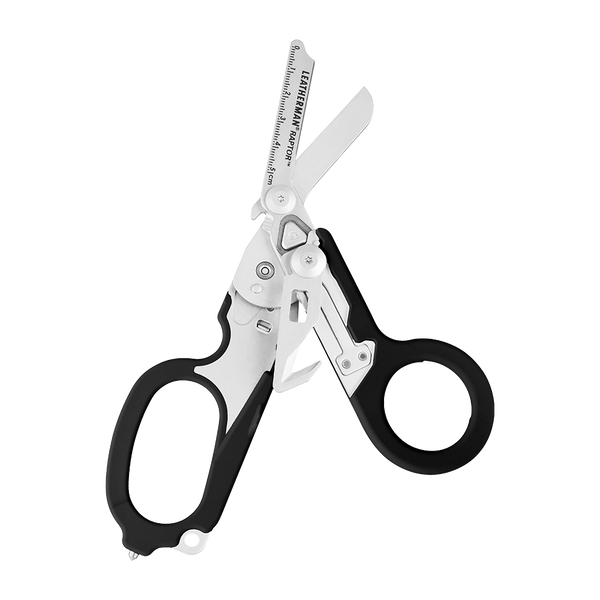
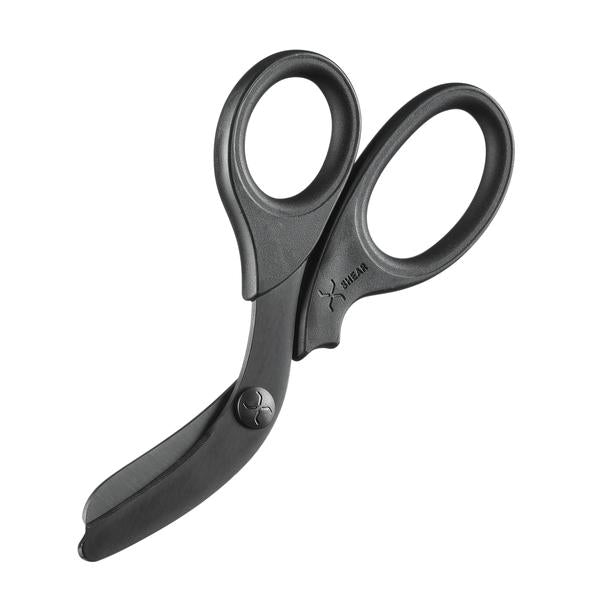
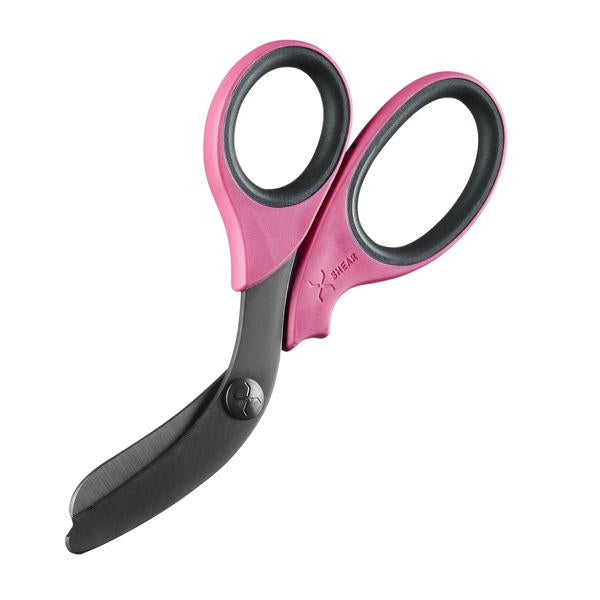
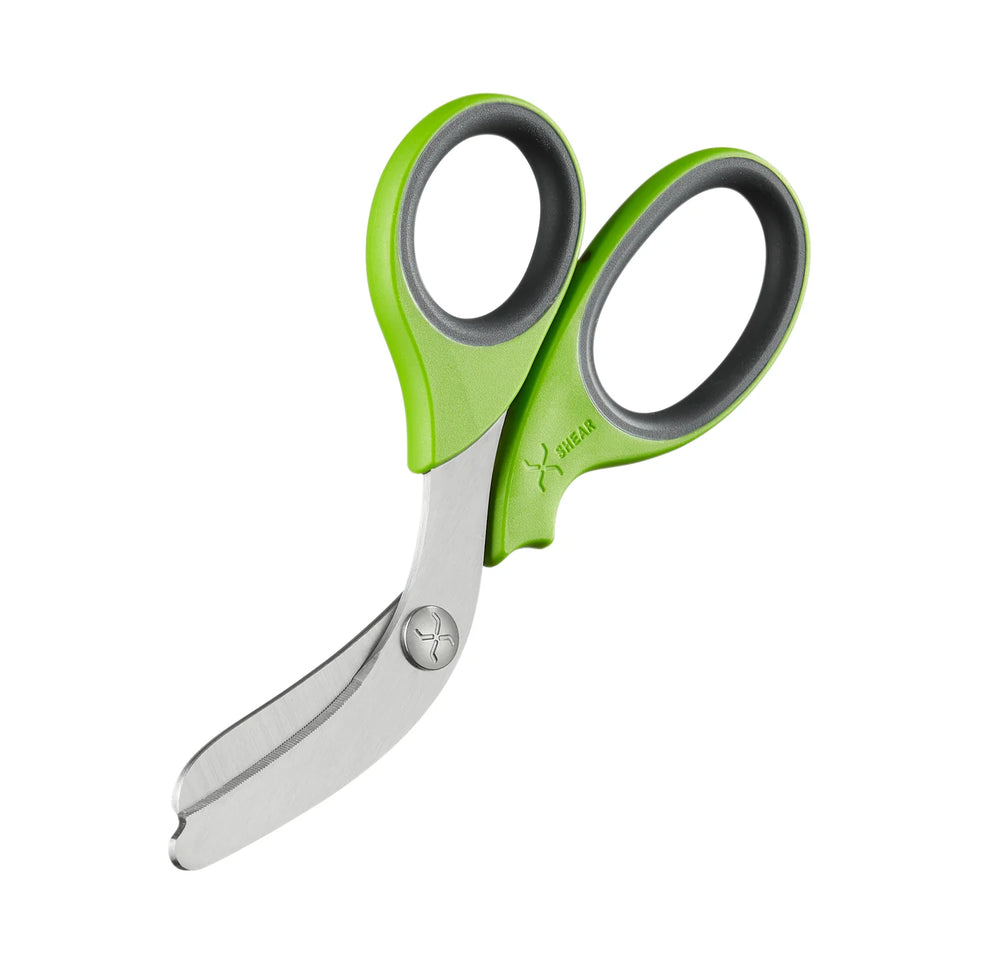
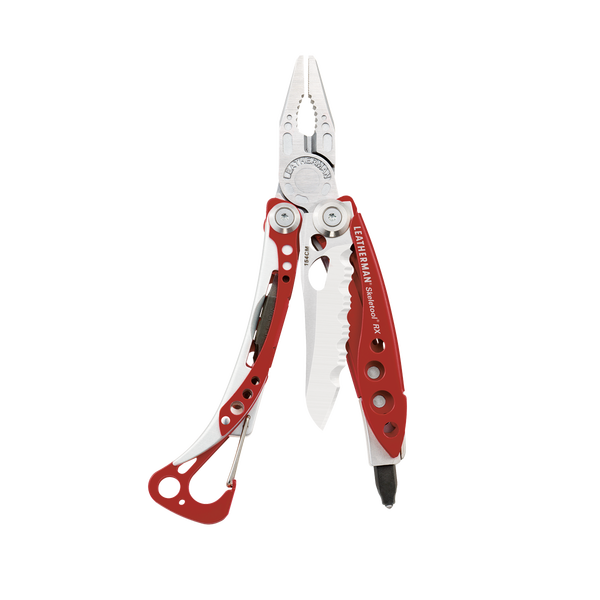
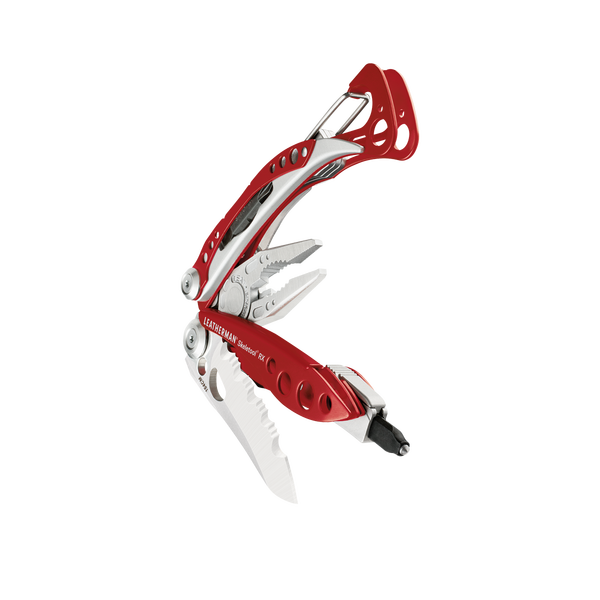
It depends on your use case. For standard IFAK and kit use, any professional-grade fixed-open shear works reliably — NAR Trauma Shears are a solid baseline. For heavy-duty cutting where standard shears struggle, X Shears provide superior mechanical advantage. For duty belt or plainclothes carry where a fixed-open shear is impractical, the Leatherman Raptor Rescue or Raptor Response is the standard professional choice. See the comparison table in the selection criteria above for a full breakdown.
What is the difference between the X Shears and the X Shears Mini?
The X Shears Mini is a compact version of the standard X Shears — shorter overall length for IFAK carry where space is limited. The cutting mechanism is the same; the Mini trades some handle leverage for a smaller footprint. If space in your kit is tight, the Mini is the right choice.
What is the Leatherman Raptor Rescue vs the Raptor Response?
Both are the same core multi-function folding shear. The Raptor Response includes a dedicated holster for belt or vest mounting. If you need rapid draw access from a duty belt or chest rig, the Response is the better choice. If you're carrying the Raptor in a kit or bag, the standard Rescue version is sufficient.
Are folding trauma shears as good as standard shears?
For most cutting tasks, yes. Folding trauma shears like the Leatherman Raptor close to a compact profile for safe carry and open to a functional cutting position. The trade-off is slightly more steps to deploy compared to a fixed-open shear. For duty belt or plainclothes carry, the folding format is a practical advantage. For kit storage where the shear stays open and ready, a standard fixed-open shear is marginally faster to use.
Do trauma shears come with a holster?
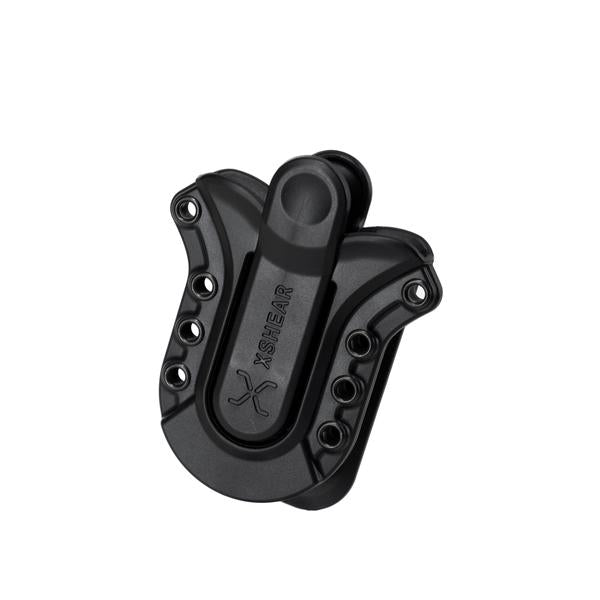
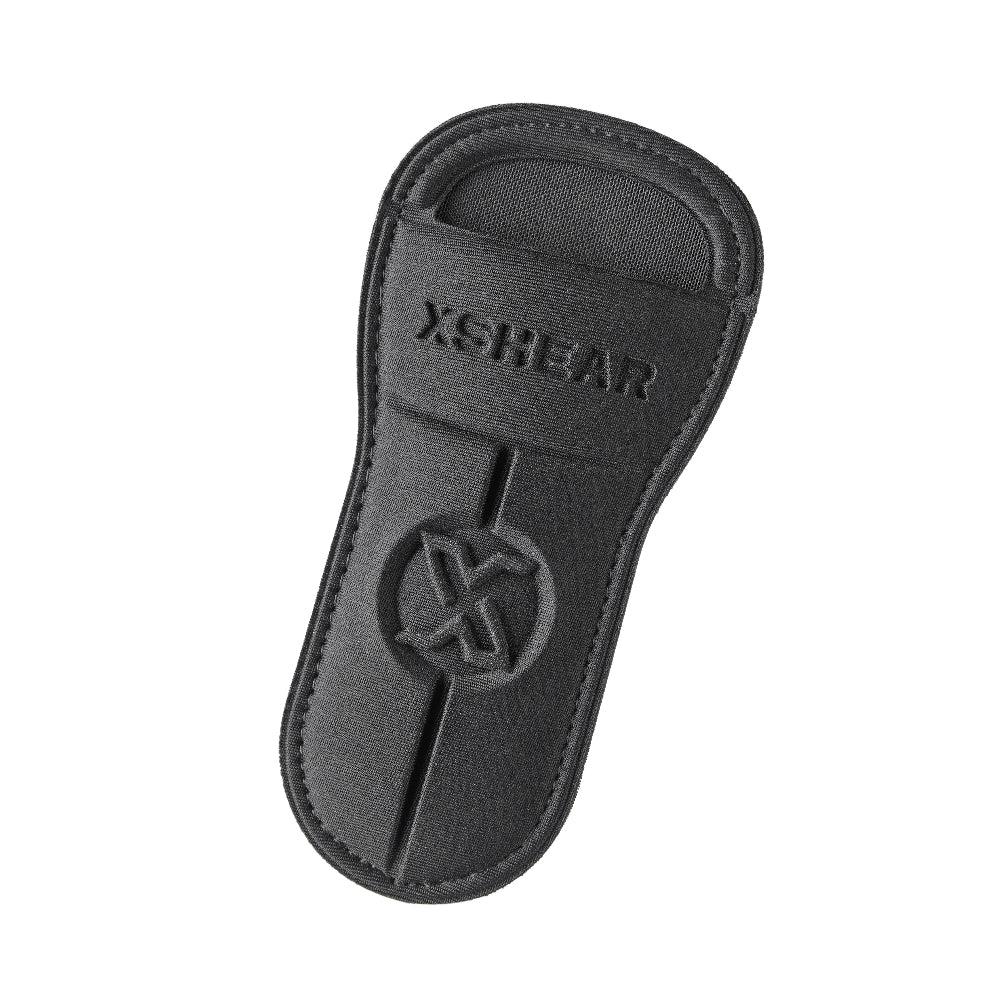
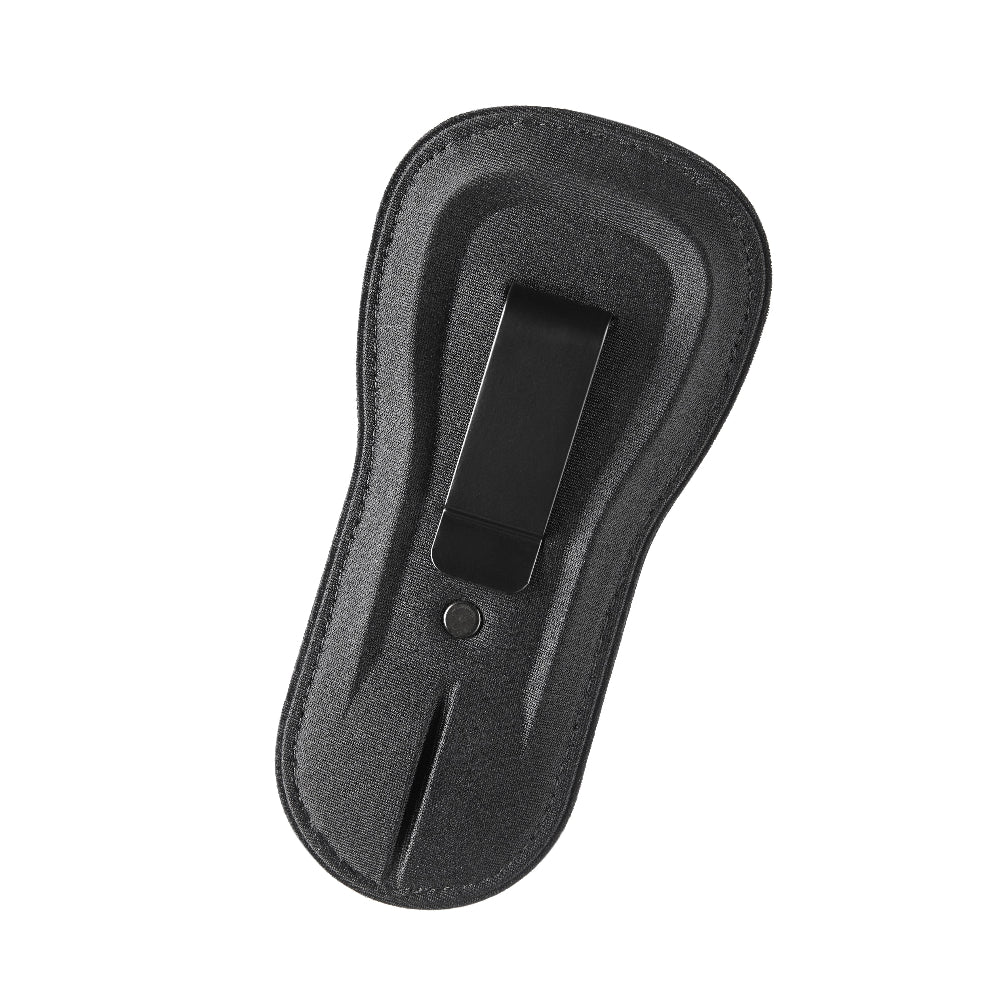
Some do, some don't. The Leatherman Raptor Response includes a holster. X Shears holsters are available separately. If rapid-draw access from a belt or vest is important for your role, check the individual product listings for holster compatibility.
Can trauma shears cut through seatbelts?
Quality trauma shears can cut through standard vehicle seatbelts, though blade strength varies between products. X Shears are specifically engineered for high-resistance materials including seatbelts and heavy webbing. If seatbelt cutting is a likely use case — for example in vehicle accident response — X Shears are the recommended choice.
How should trauma shears be maintained?
Wipe blades clean after each use to remove blood, fluids, and debris. Check the pivot point for stiffness and lubricate if needed. Inspect blades for nicks or corrosion and replace when blade quality degrades. Trauma shears are relatively low-maintenance tools, but stiff or corroded blades are slow and unreliable under stress.