Vehicle First Aid Kits

Filter

    Vehicle and motorcycle first aid kits configured for on-road trauma response — not general consumer first aid. TacMed stocks kits built for the specific injury patterns of vehicle accidents, motorcycle crashes, 4WD and off-road incidents, mine site vehicles, and emergency response vehicles across Australia.

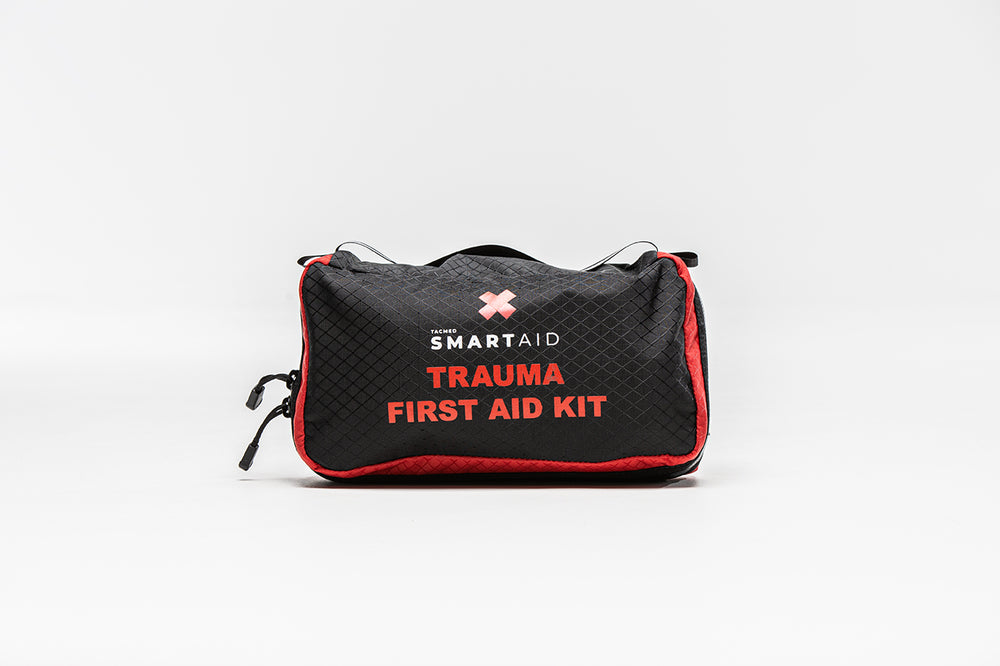
    This collection includes the TacMed Motorcycle Trauma Kit, Vehicle Trauma Kit, the TacMed Responder Vehicle First Aid Kit, and trauma-capable vehicle kits for law enforcement, emergency services, and professional vehicle fleets. All kits are TGA-compliant and configured for Australian conditions.

    If you are looking for a standard car first aid kit for minor injuries, a general first aid kit from our first aid kits collection will suit that need. If you are preparing for a serious vehicle accident, motorcycle crash, or remote breakdown where major trauma is a realistic risk — you are in the right place.

    What These Are Built to Handle

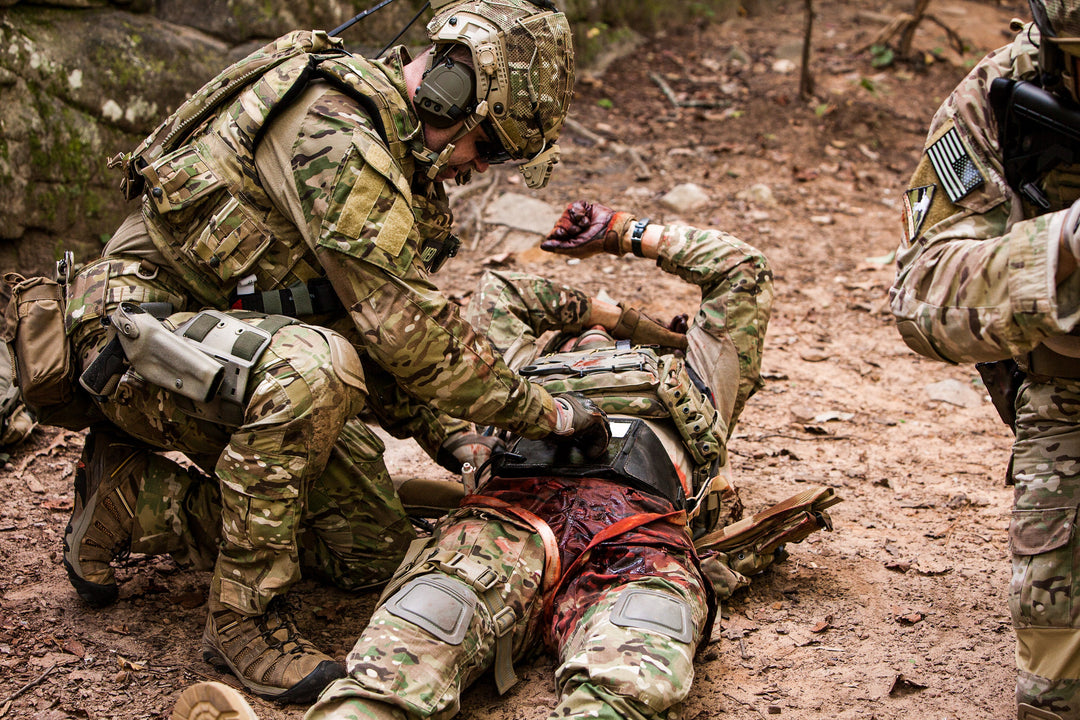
    Vehicle accidents and motorcycle crashes are among the most common causes of serious traumatic injury in Australia. The injury patterns — penetrating trauma, limb injuries, haemorrhage, head injuries — require more than a standard consumer first aid kit to address. These kits are built for that reality.

    Motorcycle trauma kits

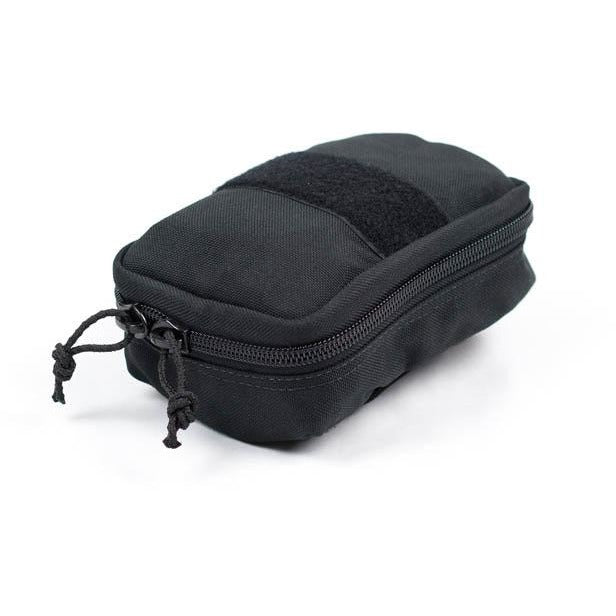
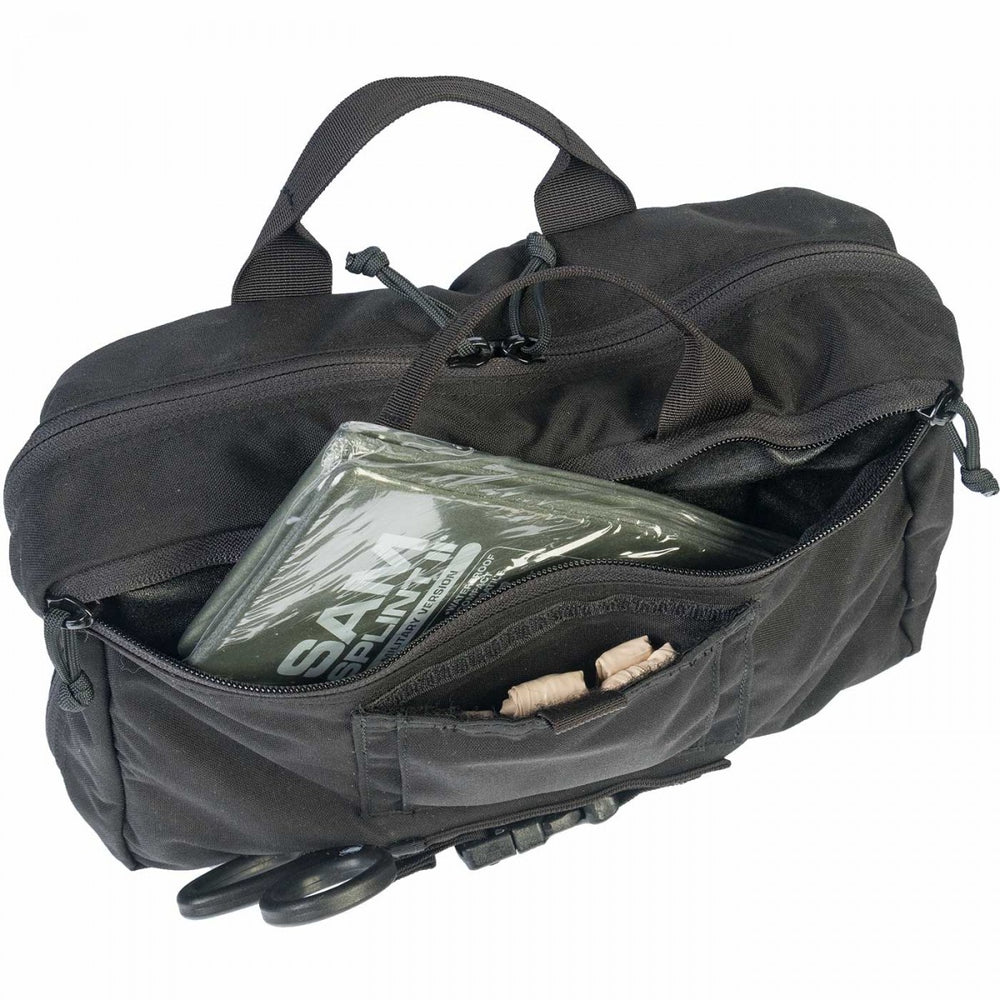
    Motorcycle trauma kits are compact and configured for the specific injury patterns of motorcycle accidents: road rash and skin avulsion, limb fractures, impact trauma, and haemorrhage. Designed to be mounted on the bike, carried in a tail bag, jacket pocket, or backpack — accessible without removing gear from the bike first.

    Vehicle trauma kits

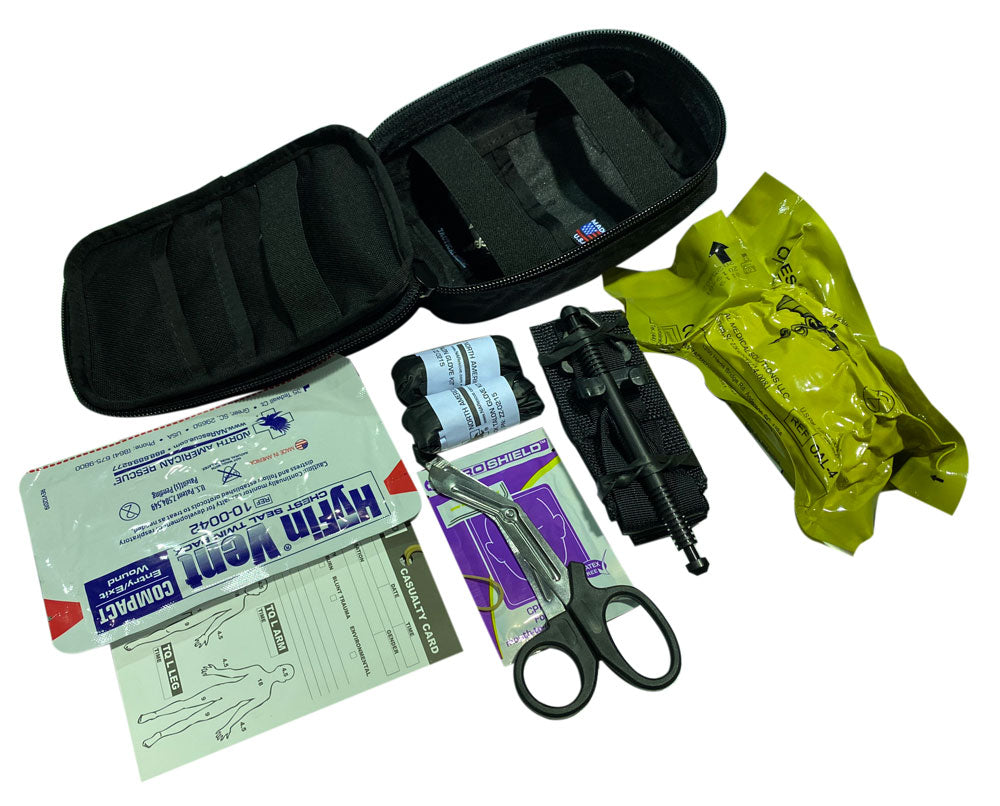
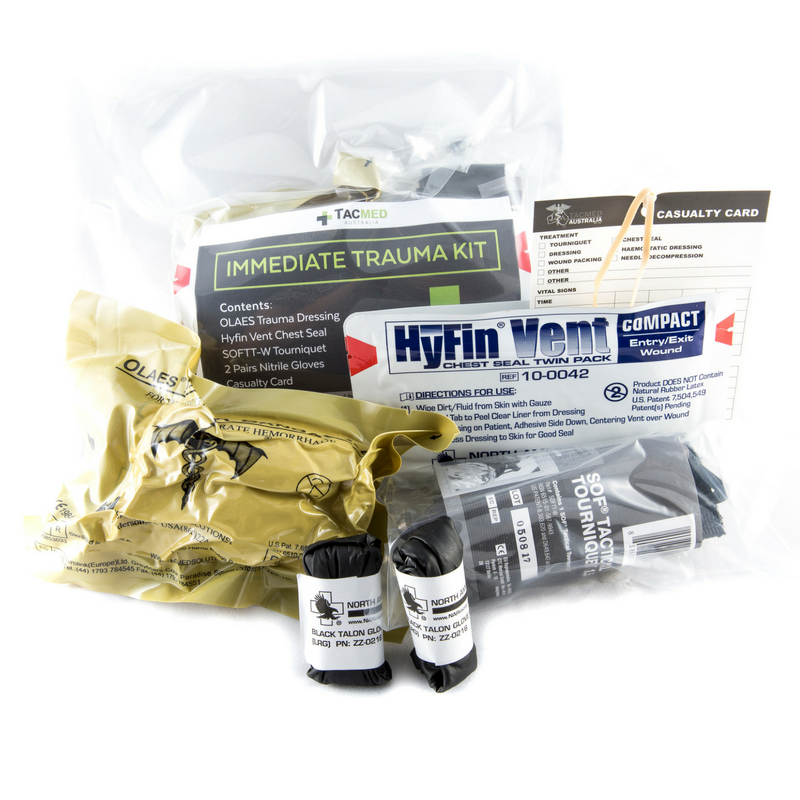
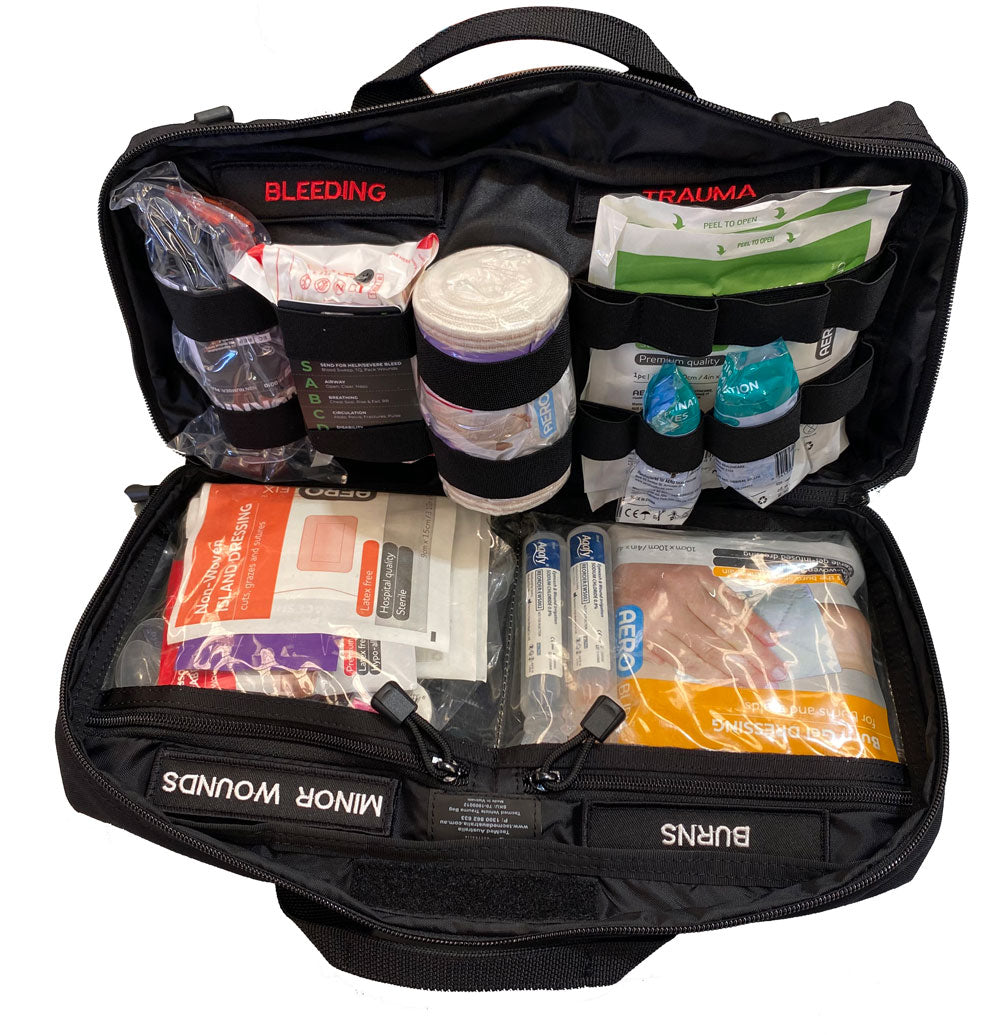
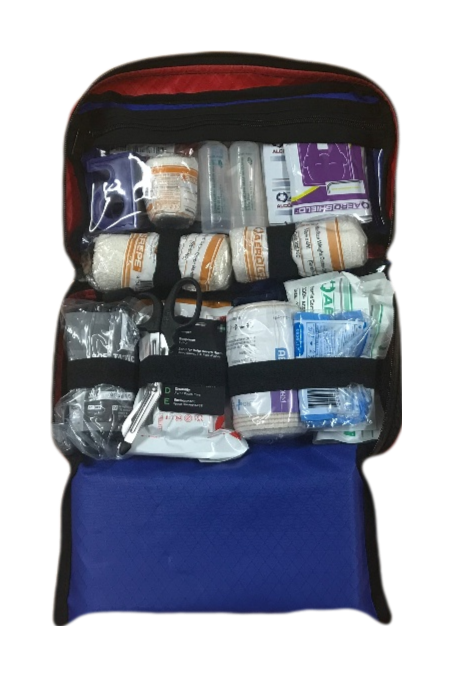
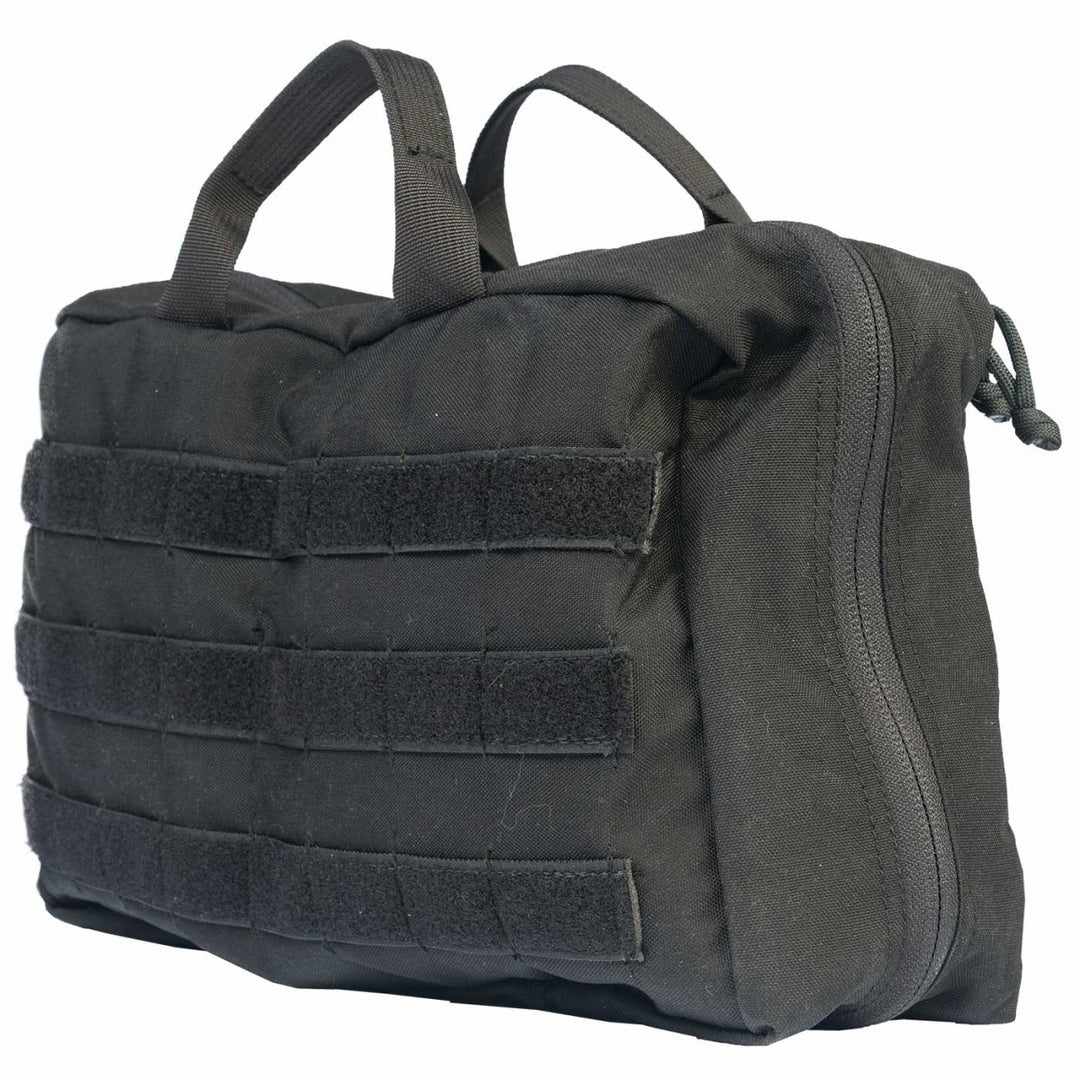
    Vehicle trauma kits are configured for on-road accident response — tourniquet, pressure dressing, and trauma shears as the primary components alongside general first aid capability. The trauma shears allow clothing and seatbelt removal during patient access. Designed for accessible mounting inside the vehicle, not stored in the boot under other gear.

    Responder and fleet vehicle kits

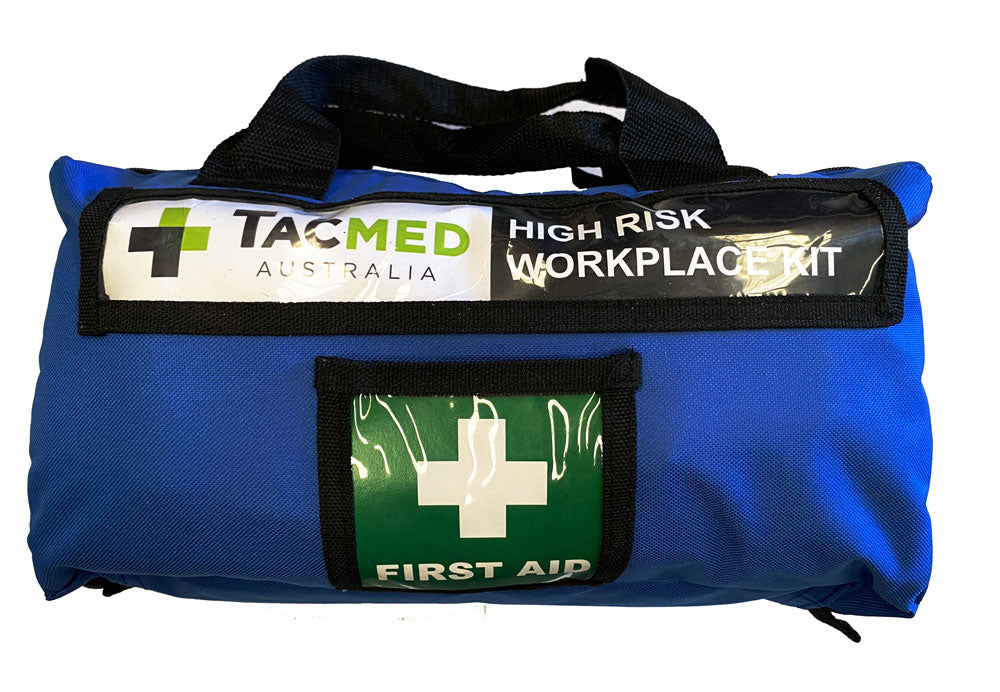
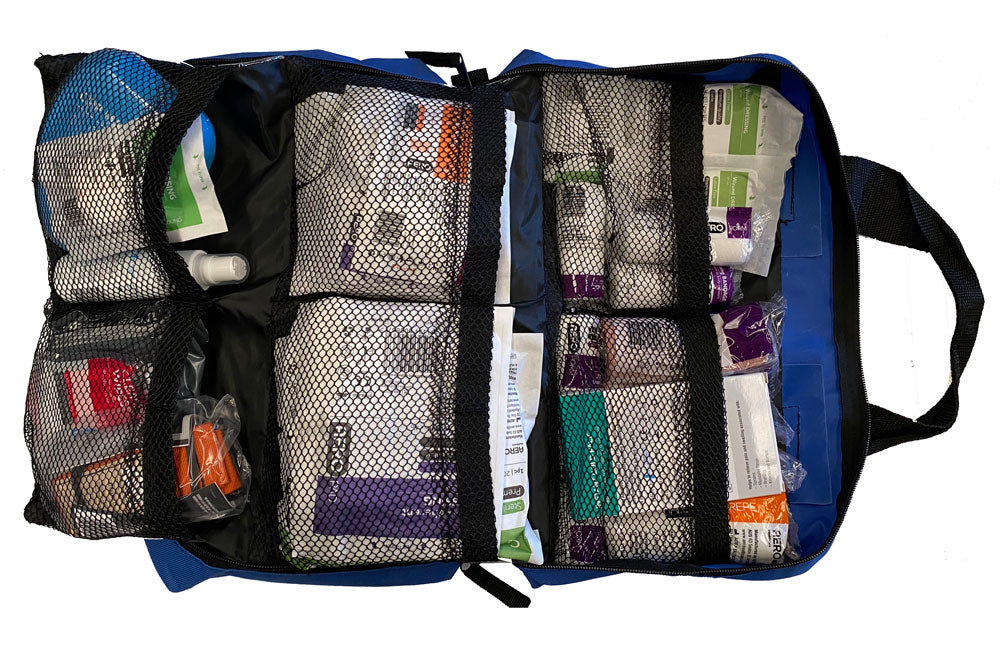
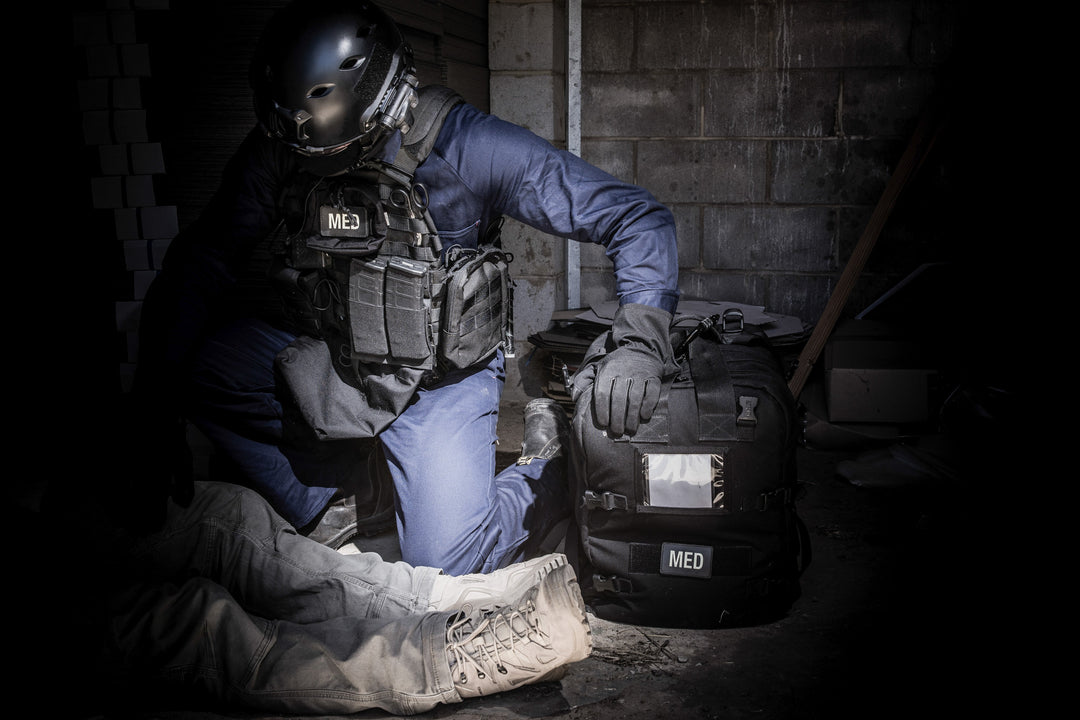
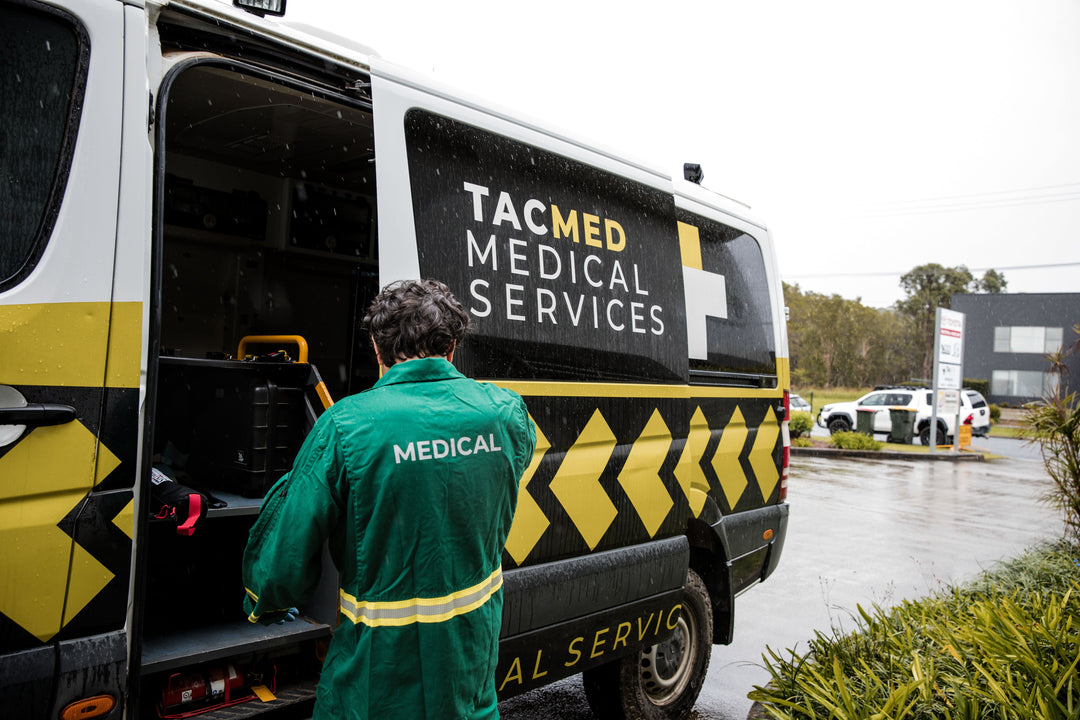
    Larger vehicle first aid kits for emergency response vehicles, mine site vehicles, fleet vehicles, and law enforcement setups. Configured with both general first aid and trauma capability for responders who may encounter both minor and major incidents.

    4WD and remote travel kits

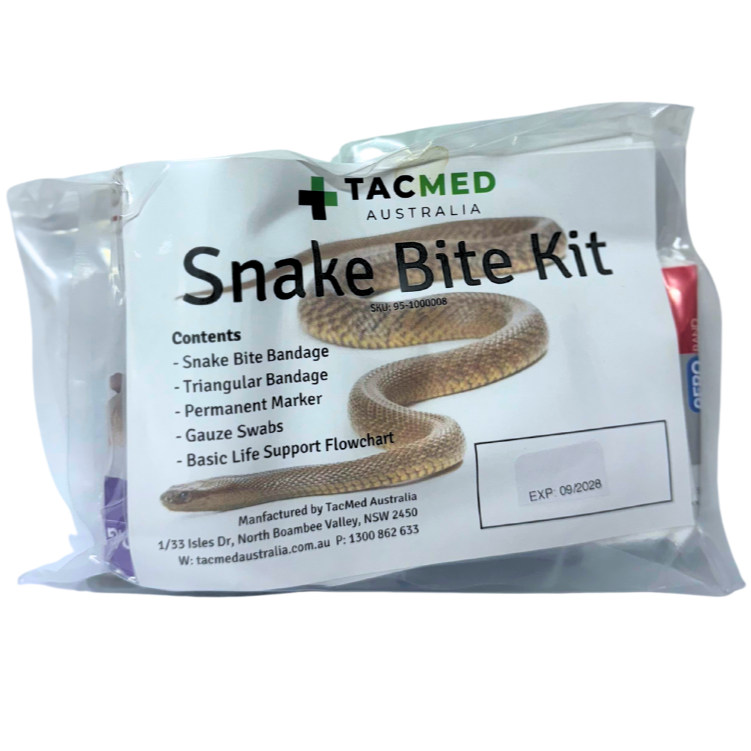
    For remote or off-road travel where evacuation takes hours, a standard vehicle first aid kit is a starting point. Supplement with a dedicated trauma kit or bleeding control kit for any scenario where major trauma is a realistic risk.

    Who Uses These Kits

    • Motorcycle riders and motorsport — from commuters who want serious trauma capability on the bike, to off-road and adventure riders in remote terrain
    • 4WD and off-road travellers — remote travel, touring, and overland setups where distance from medical care requires self-sufficiency
    • Mine site and industrial vehicles — site vehicles, haul trucks, and plant equipment in remote industrial environments where on-site trauma response is essential
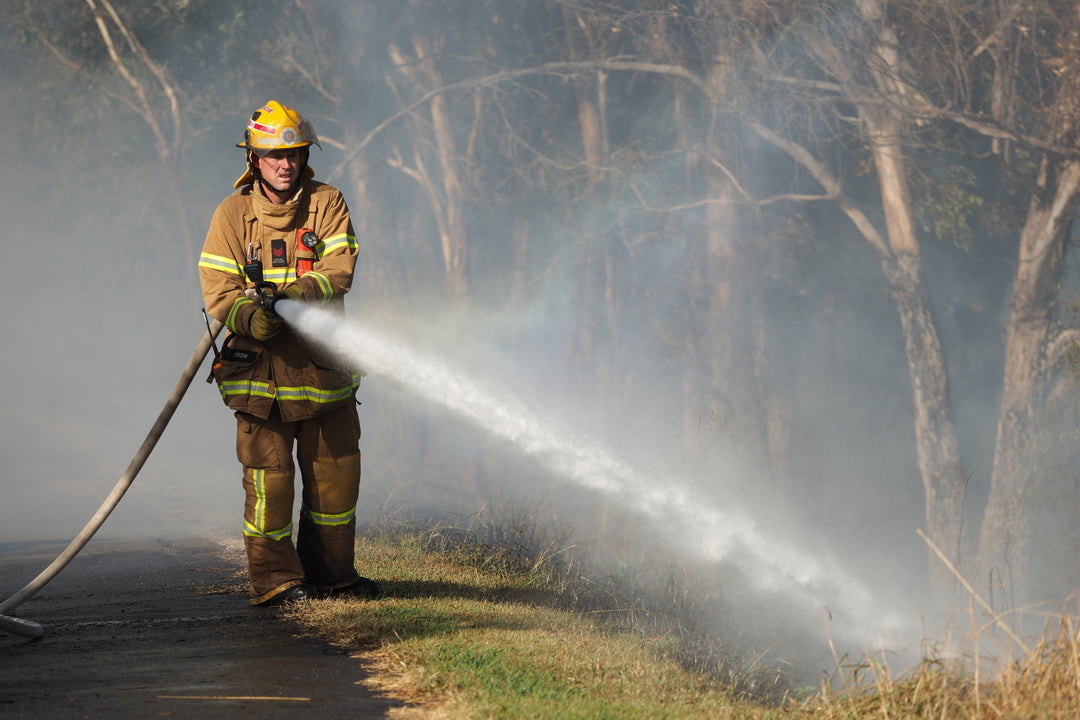
    • Emergency response and law enforcement vehicles — police, fire, and SES vehicles requiring a compliant and capable vehicle medical kit
    • Fleet operators and tradespeople — work vehicle fleets, delivery vehicles, and service vehicles across Australia
    • Farmers and rural workers — vehicles operating far from immediate medical assistance in remote agricultural environments
    • Everyday drivers — for a general car first aid kit for minor injuries, see the first aid kits collection for standard options

    Choosing the Right Kit for Your Vehicle

    The right kit depends on the vehicle, the environment, and the severity of incident you are preparing for.

    • Motorcycle: Compact and mountable. Should include tourniquet, pressure dressing, gloves, and trauma shears at minimum. Consider the Motorcycle Trauma Kit for a purpose-built configuration.
    • 4WD and remote travel: A vehicle first aid kit plus a supplementary trauma kit or bleeding control kit. Distance from medical care justifies broader capability than a standard kit provides.
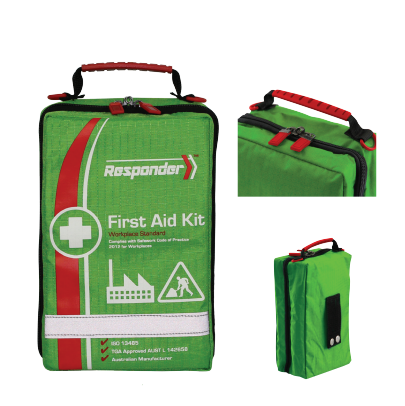
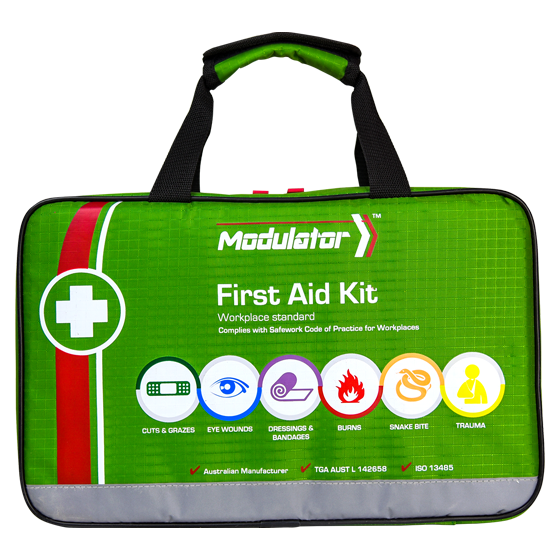
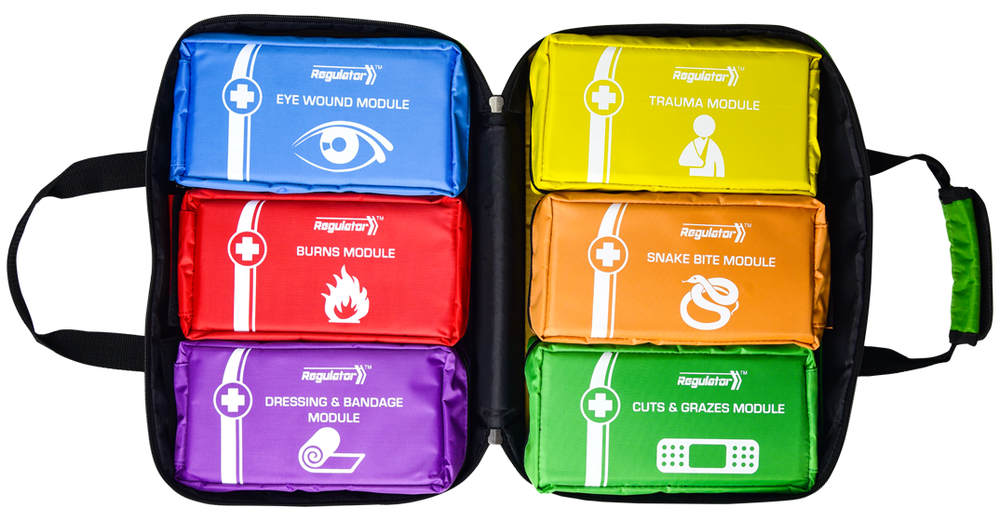
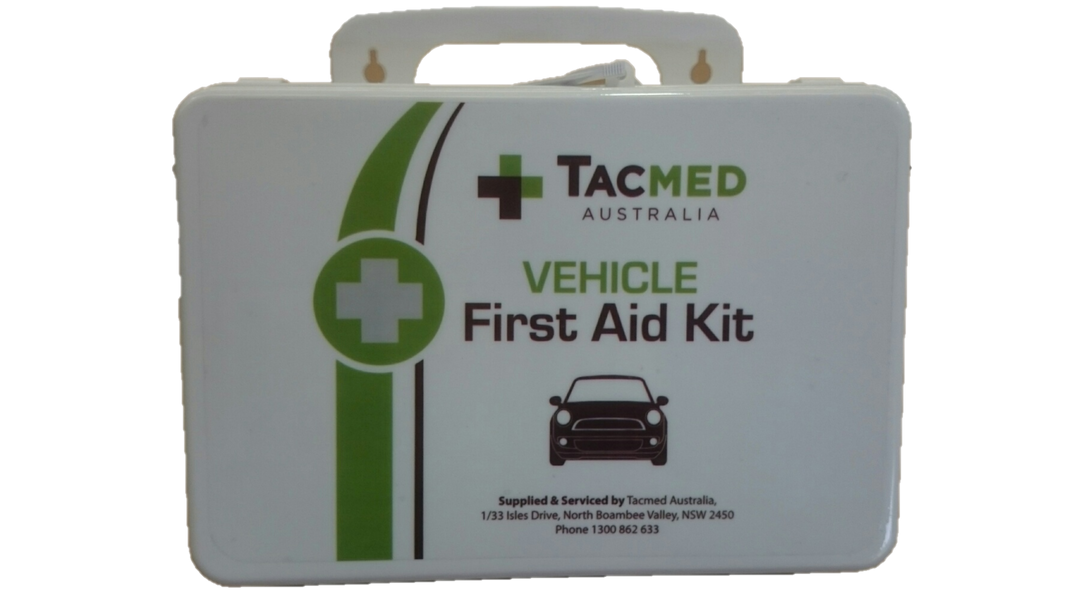
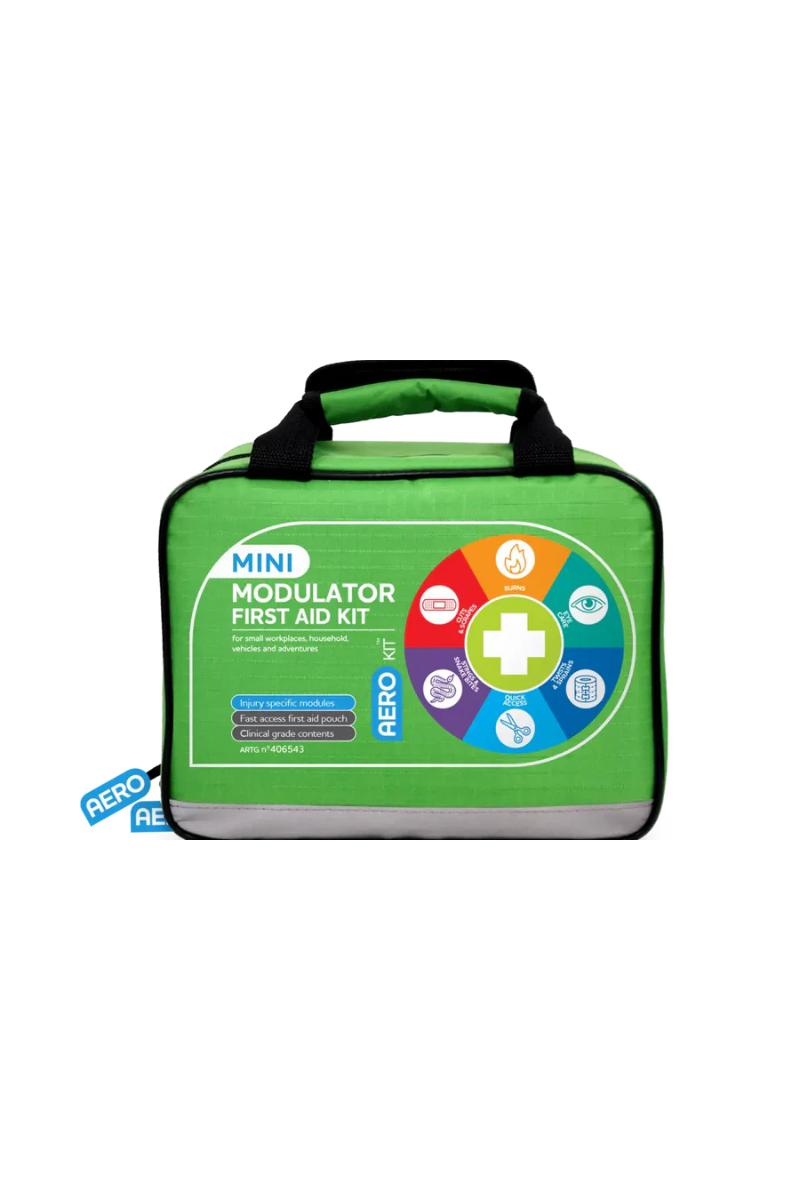
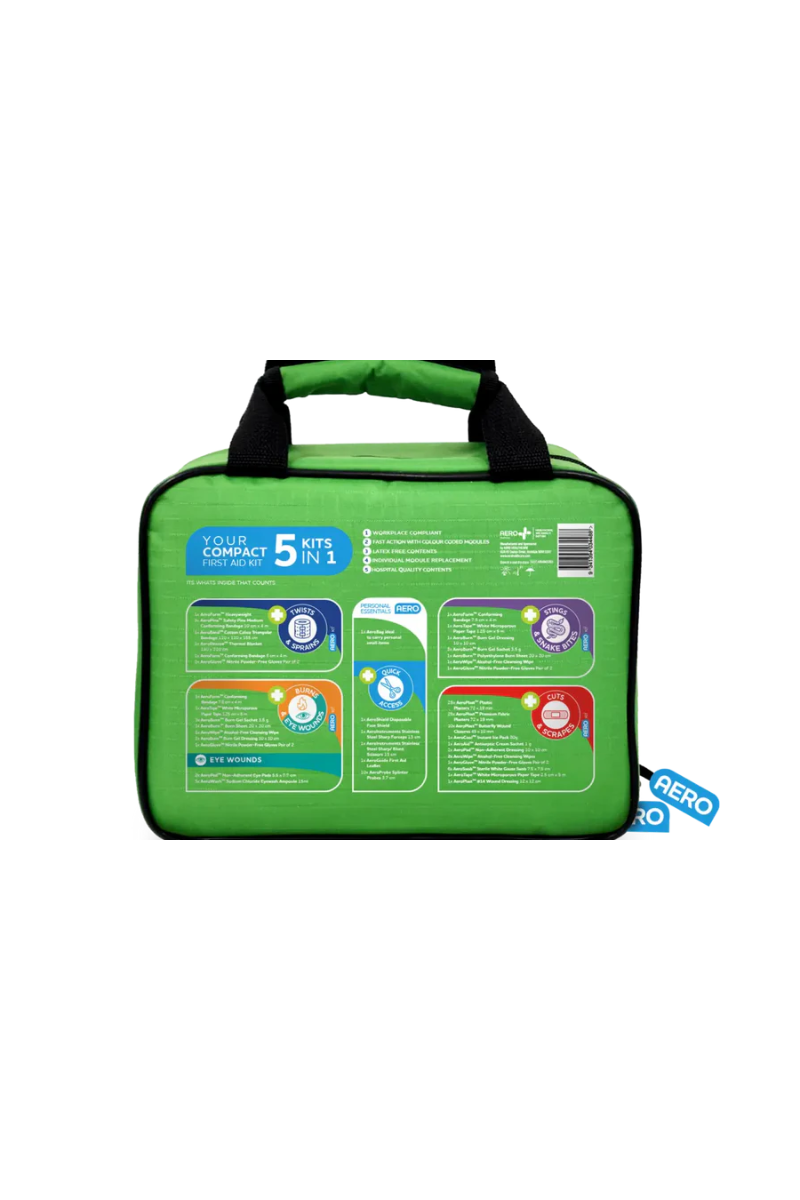
    • Work and fleet vehicles: A compliant, full-specification first aid kit with trauma capability. The Responder Vehicle First Aid Kit suits work vehicle and fleet requirements.
    • Mine site and industrial: Typically requires both a standard compliant kit and dedicated bleeding control or trauma capability staged separately and accessibly.
    • Emergency response and law enforcement: Full trauma kit configuration. See the trauma kits collection for purpose-built response kit options.

    Storage and staging

    Vehicle kits must withstand Australian conditions — extreme heat, UV exposure, dust, and vibration. Cheap plastic cases and low-quality components degrade quickly in a vehicle left in the sun. Choose kits with durable packaging rated for vehicle storage.

    Stage the kit where it can be accessed immediately — glovebox or under the seat for small kits, a dedicated panel mount for larger vehicle kits. A kit in the boot under other gear is not accessible in an emergency.

    Common Mistakes We See

    The most common mistake is using a general consumer first aid kit in a vehicle where serious trauma is a realistic risk. A kit designed for minor household injuries does not contain the components needed for motorcycle crash or vehicle accident response — no tourniquet, no haemostatic gauze, no trauma dressings. Match the kit to the actual risk, not the minimum requirement.

    Storing the kit somewhere inaccessible is the second most common issue. A first aid kit in the boot under camping gear, or in a locked toolbox, is not accessible in an emergency. In a vehicle accident, the responder is often stressed, time-pressured, and may be injured themselves. The kit needs to be reachable in seconds.

    Heat damage is a significant and underappreciated issue in Australian vehicles. Interior temperatures can reach 70-80°C in summer sun — well above the threshold that degrades adhesives, elastic bandages, and plastic components. Check components regularly and replace anything that shows signs of heat damage or age.

    Finally, restocking after use. A kit that was used for a minor incident and never replaced is incomplete when the serious incident happens.

    What is a motorcycle first aid kit?

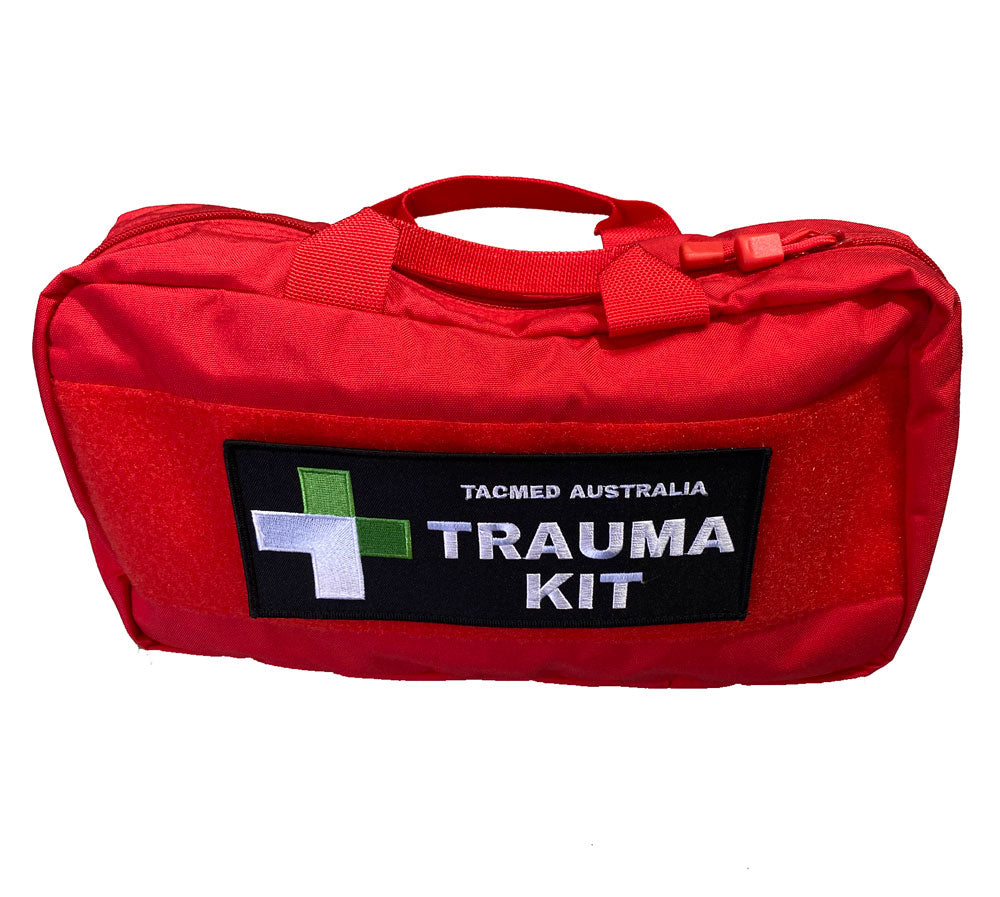
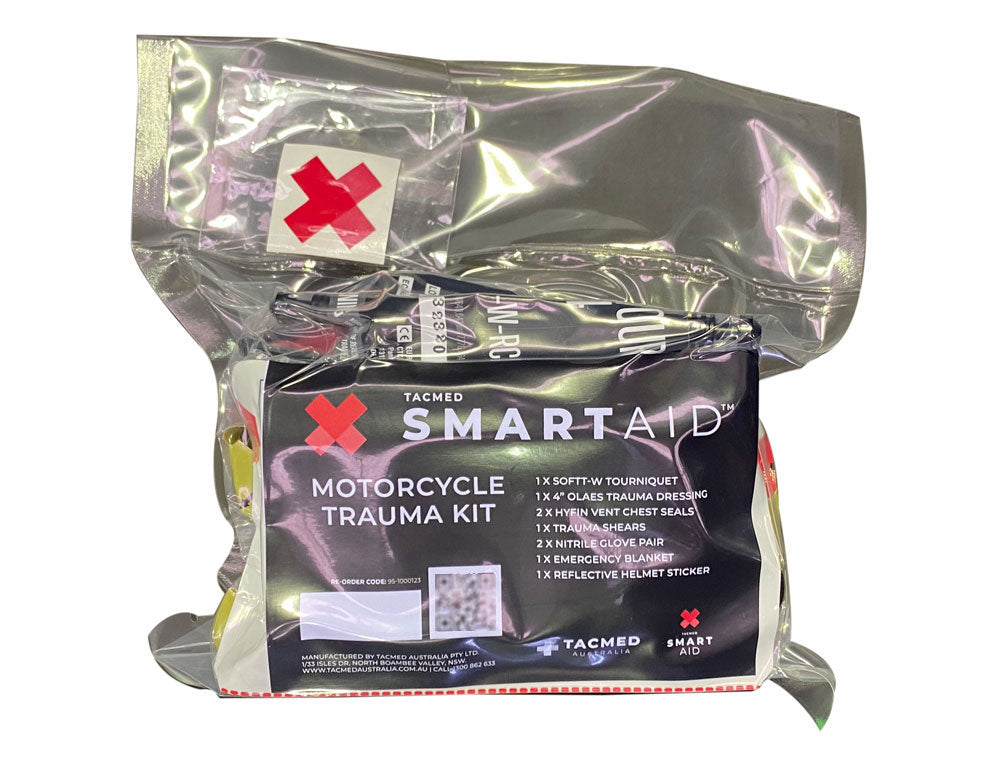
    A motorcycle first aid kit is a compact, purpose-built kit configured for the specific injuries of motorcycle accidents — haemorrhage, limb fractures, road rash, and impact trauma. It is designed to be mounted on the bike or carried on the rider, not stored in a car boot. The TacMed Motorcycle Trauma Kit includes tourniquet, pressure dressing, gloves, and trauma-capable components in a compact mountable format.

    What is the best motorcycle first aid kit in Australia?

    The best motorcycle first aid kit matches the rider's risk profile and carry setup. For most riders, a kit that includes at minimum a tourniquet, Israeli Bandage, trauma shears, and gloves addresses the primary injury patterns of motorcycle accidents. TacMed's Motorcycle Trauma Kit is purpose-built for this use case and is configured specifically for Australian conditions and riding environments.

    What is a vehicle trauma kit?

    A vehicle trauma kit is configured for on-road accident response — trauma-capable components for haemorrhage control, wound management, and initial patient care at the scene of a vehicle accident. Unlike a standard car first aid kit, it includes a tourniquet, pressure dressing, haemostatic gauze, and trauma shears. Designed to be mounted accessibly inside the vehicle.

    Do I legally need a first aid kit in my car in Australia?

    Private vehicles are not legally required to carry a first aid kit under general road rules, though some commercial vehicle and fleet requirements may apply. Regardless of legal requirement, carrying a trauma-capable kit in any vehicle driven in regional, remote, or high-risk environments is strongly recommended. A vehicle accident is one of the most common causes of serious traumatic injury in Australia.

    What should a vehicle first aid kit include?

    At minimum, a vehicle first aid kit should include standard wound care (dressings, bandages, antiseptic, gloves) and trauma capability (tourniquet, pressure dressing, trauma shears). For remote or high-risk travel, add haemostatic gauze and a chest seal. The kit contents should match the realistic injury risk for the environment you are driving in.

    Can vehicle first aid kits include trauma equipment?

    Yes — and for most situations beyond suburban driving, they should. A kit that only covers minor injuries is inadequate preparation for a vehicle or motorcycle accident. TacMed vehicle and motorcycle kits include trauma components as standard. For higher-risk environments, supplement with a bleeding control kit or full trauma kit.

    How do I store a first aid kit in my vehicle in Australian heat?

    Store the kit out of direct sunlight where possible — under a seat, in a glovebox, or in a shaded side storage area rather than on a rear parcel shelf or in a boot that gets full sun. Check components annually for heat damage — look for degraded elastic bandages, dried antiseptic wipes, and cracked plastic. Replace any heat-affected components. Choose kits with durable packaging rated for vehicle storage conditions.

    Are these kits suitable for mine site and work vehicles?

    Yes. Fleet and work vehicle kits — including the TacMed Responder Vehicle First Aid Kit — are configured for professional vehicle use. Mine site vehicles typically also require a dedicated bleeding control or trauma kit staged separately. If you are specifying first aid kits for a mine site, construction, or industrial fleet, contact us for volume and compliance guidance.