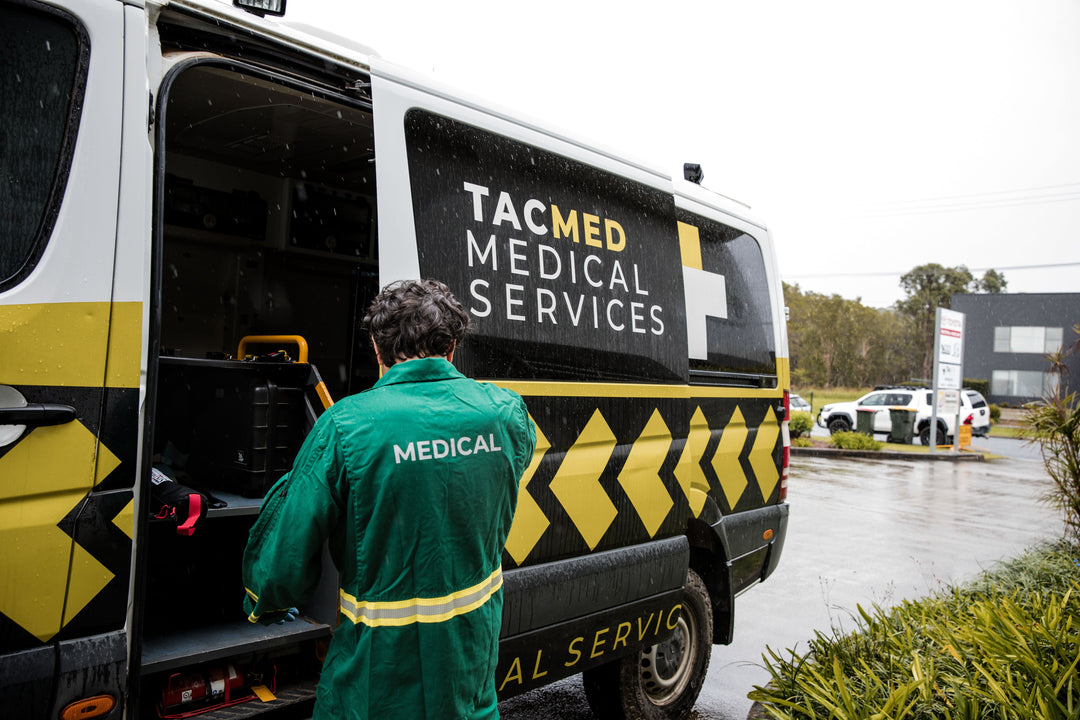
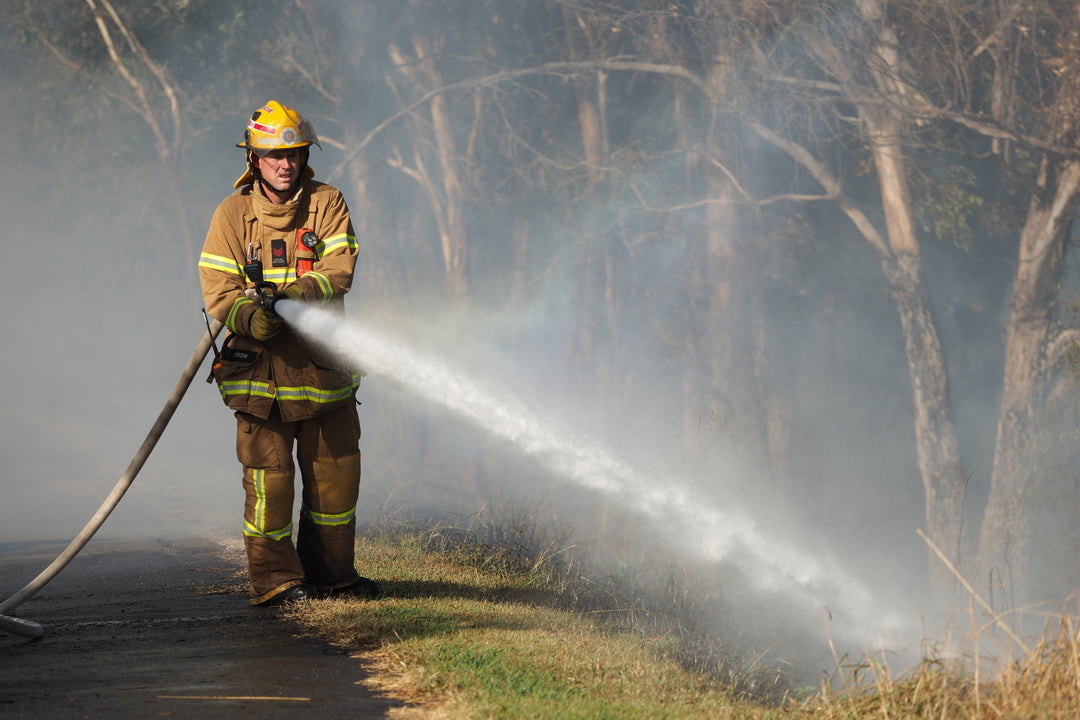
Fire + Rescue Equipment

Filter

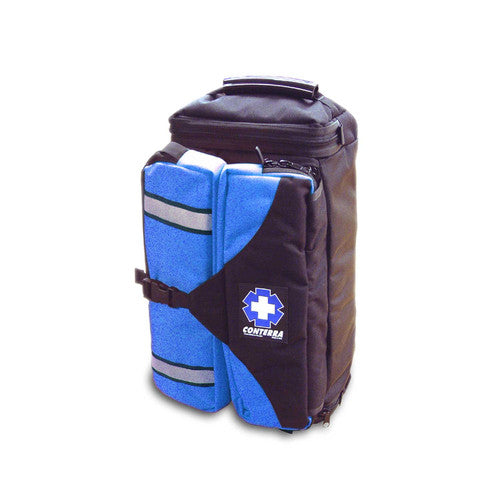
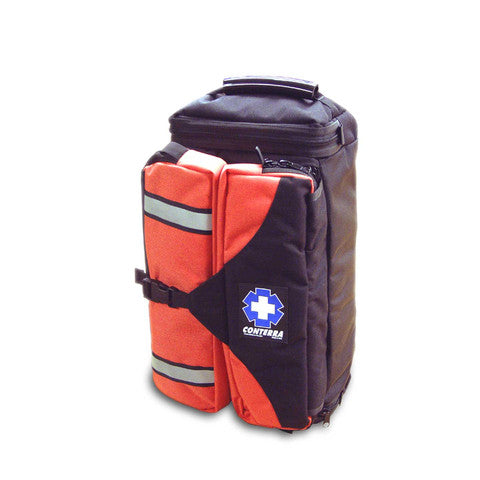
    Equipment for fire crews, rescue teams, and emergency services — including Cyalume chemlights, tactical lighting, rescue knives, trauma shears, SAR bags, and medical response gear configured for fire and rescue operations across Australia.

    TacMed supplies fire and rescue teams with the cutting tools, lighting, and medical equipment needed for patient access, extrication, casualty management, and scene operations. The collection includes Cyalume chemlights in standard and tactical configurations, folding rescue knives, Leatherman multi-tools, trauma shears, stretchers and litters, bleeding control equipment, and EMS radio harnesses.

    What This Equipment Is Built to Handle

    Fire and rescue operations involve some of the most demanding conditions for medical and rescue equipment — heat, smoke, confined spaces, debris, low visibility, and time pressure. Equipment in this collection is selected for reliability in these environments, supporting scene operations as well as casualty care.

    Key equipment categories

    Chemlights and tactical lighting

    Cyalume chemlights are the professional standard for emergency scene lighting — chemical light sticks that provide reliable, flame-free illumination for up to 12 hours without batteries or ignition risk. Used for casualty marking, scene delineation, appliance identification, and confined space lighting. Available in standard (6-hour, 12-hour) and high-intensity tactical configurations. See the torches and lighting collection for the full Cyalume and LED Lenser range.

    Rescue knives

    Folding rescue knives for seatbelt cutting, rope cutting, hose cutting, and extrication tasks. The Leatherman Raptor, Rescue 911 emergency knife, and Spyderco rescue knife are popular options for fire and rescue — all designed for one-handed opening and reliable cutting of synthetic materials. See the rescue knives collection for full specifications.

    Multi-tools

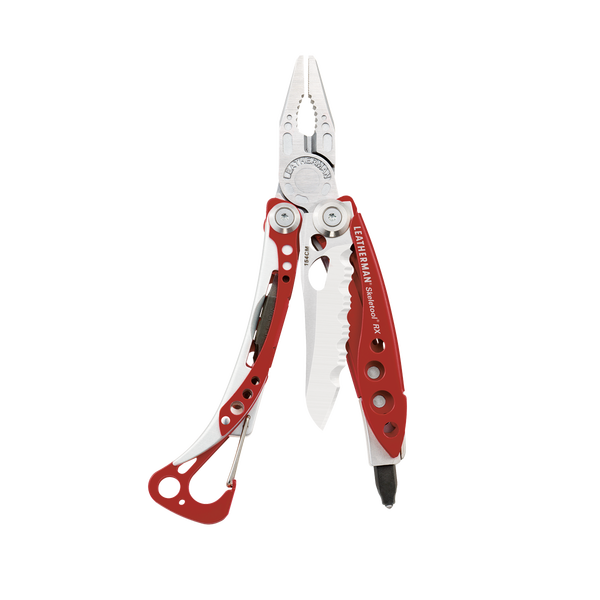
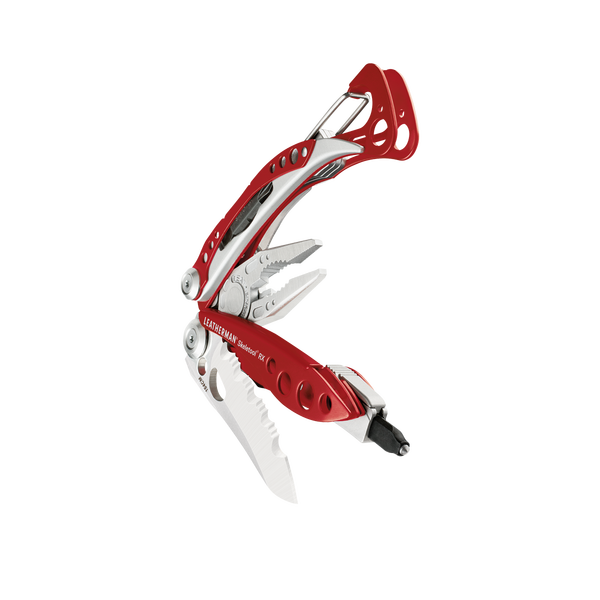
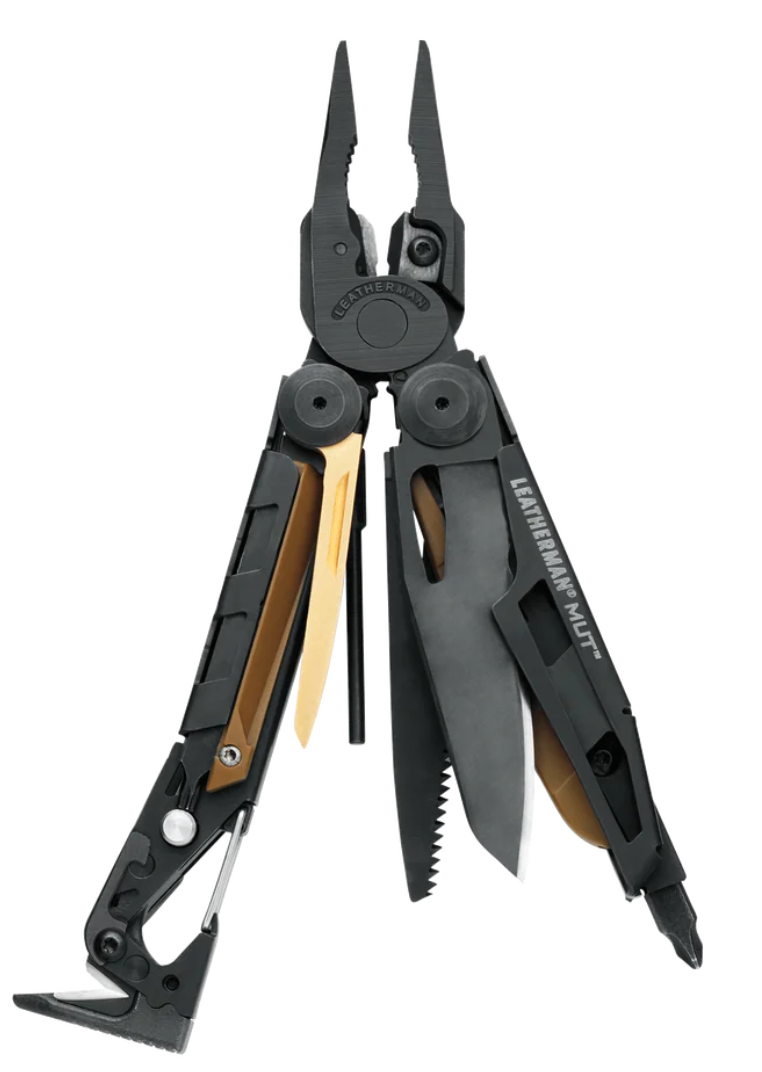
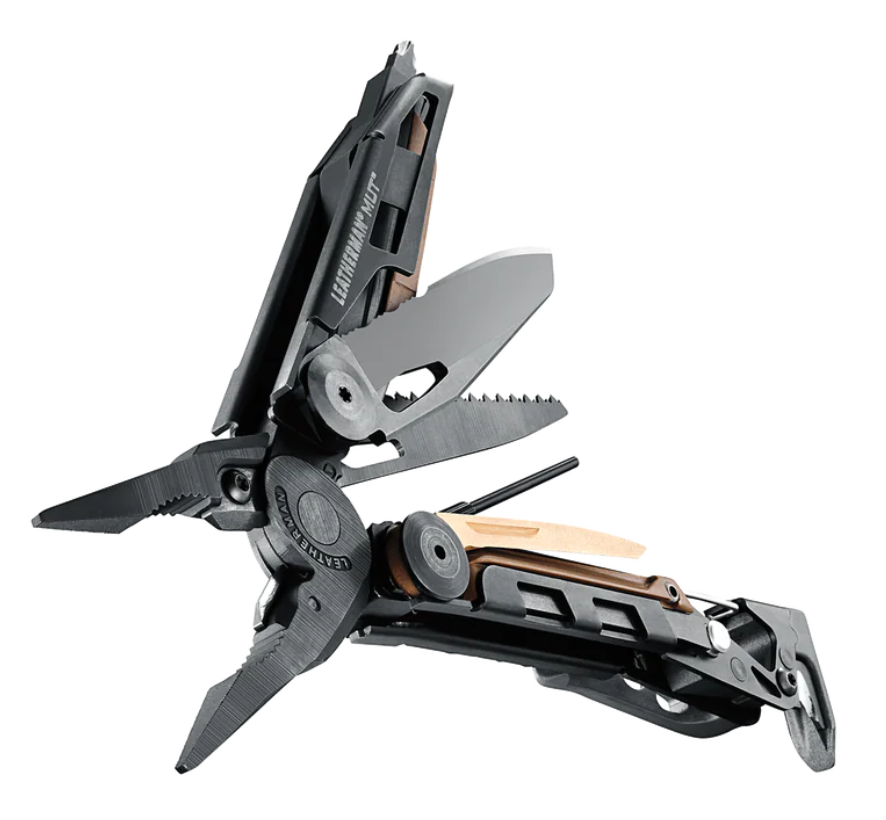
    Leatherman multi-tools for fire and rescue operations where a versatile, compact tool is required alongside dedicated rescue equipment. The multi-tools collection includes firefighter-relevant configurations.

    Trauma shears

    Trauma shears for rapid clothing and equipment removal during patient assessment. X Shears and Leatherman Raptor are designed to cut through heavy materials including webbing, leather, and seatbelts — relevant for fire ground and extrication scenarios.

    Medical and casualty management

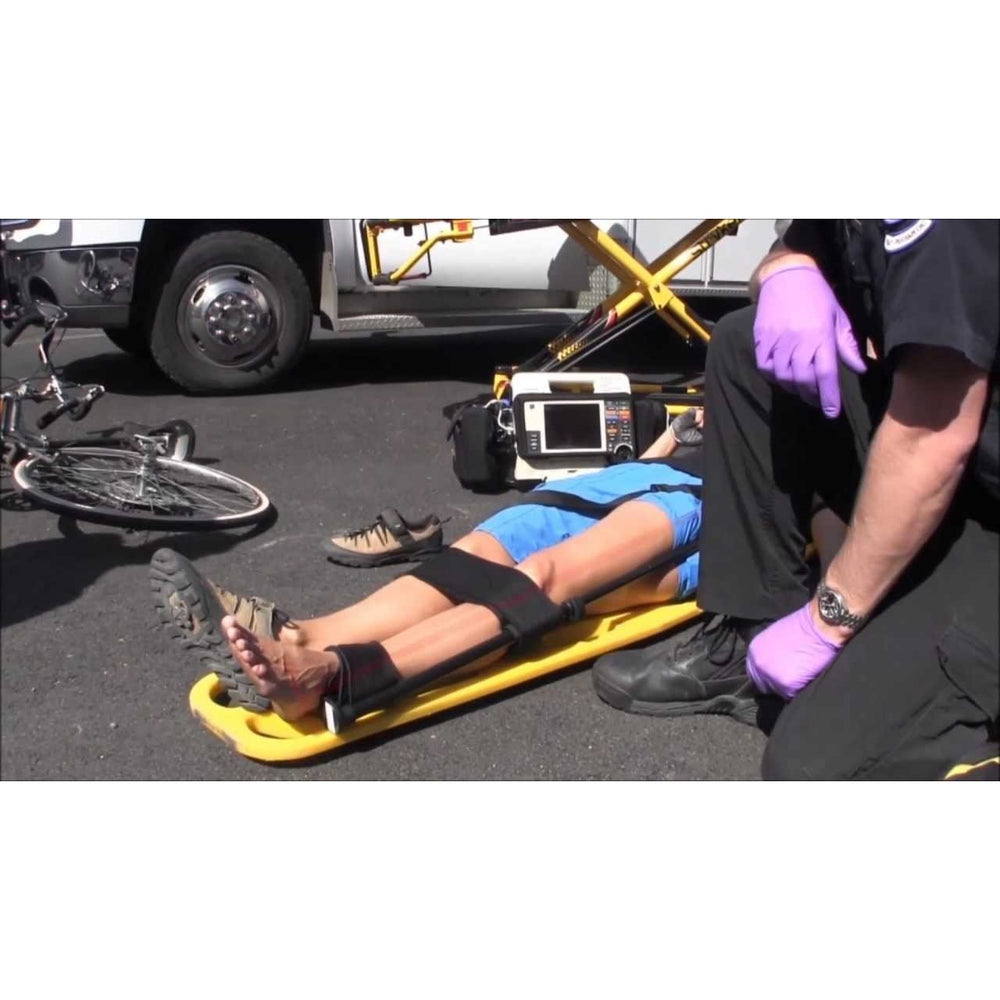
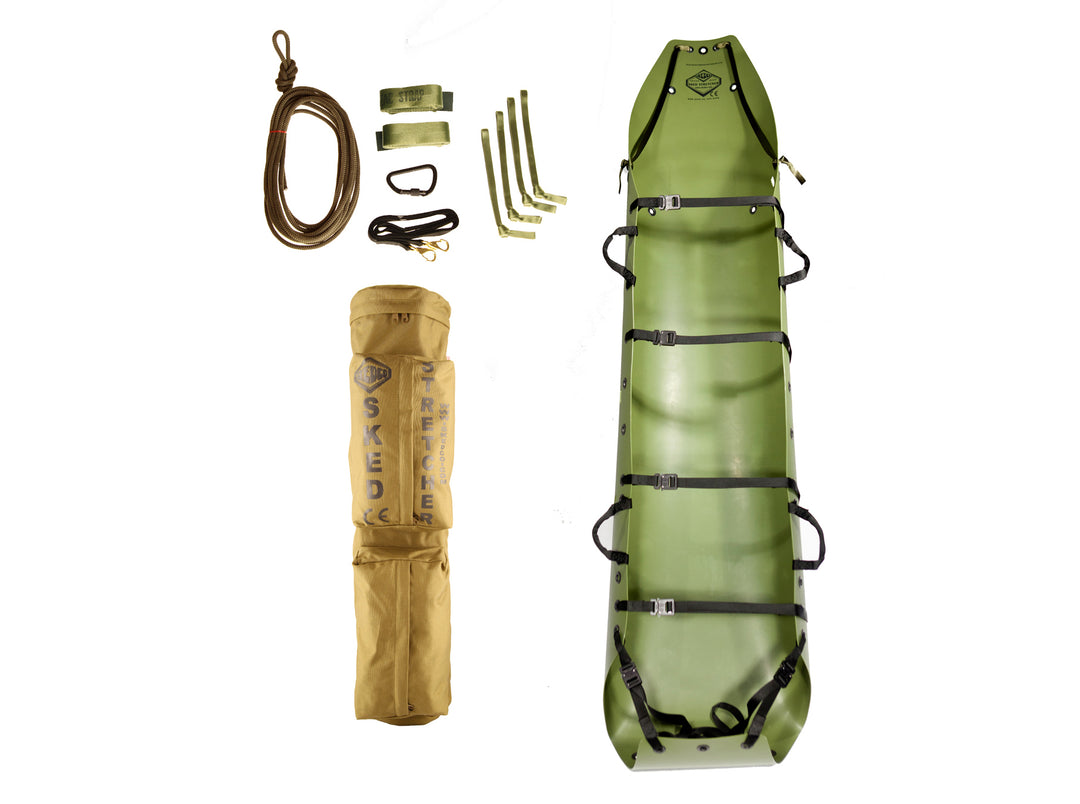
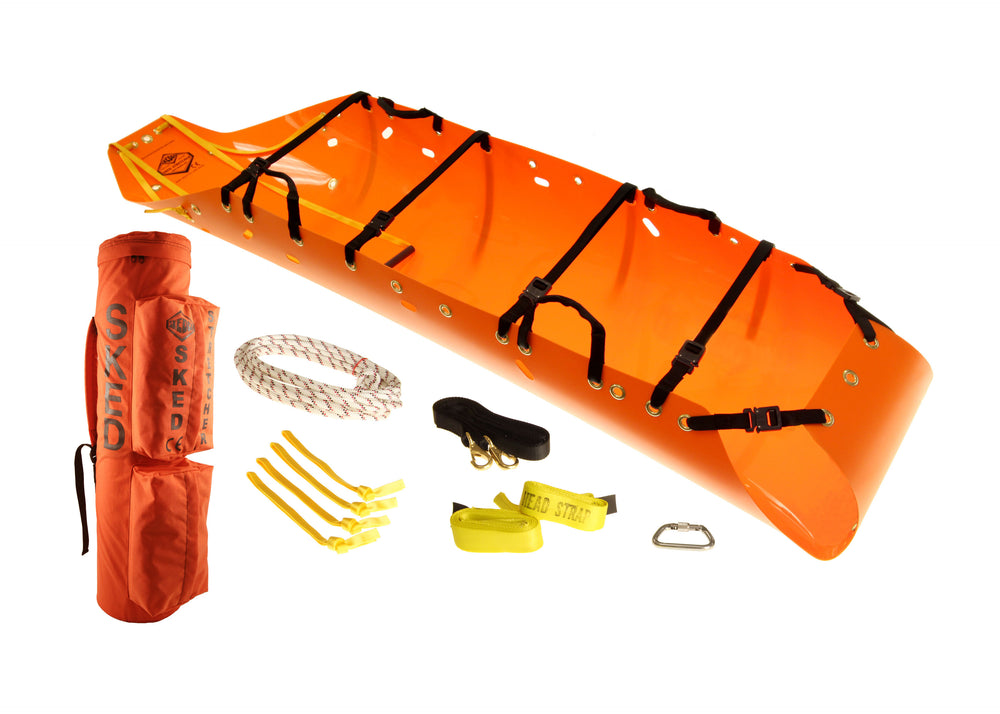
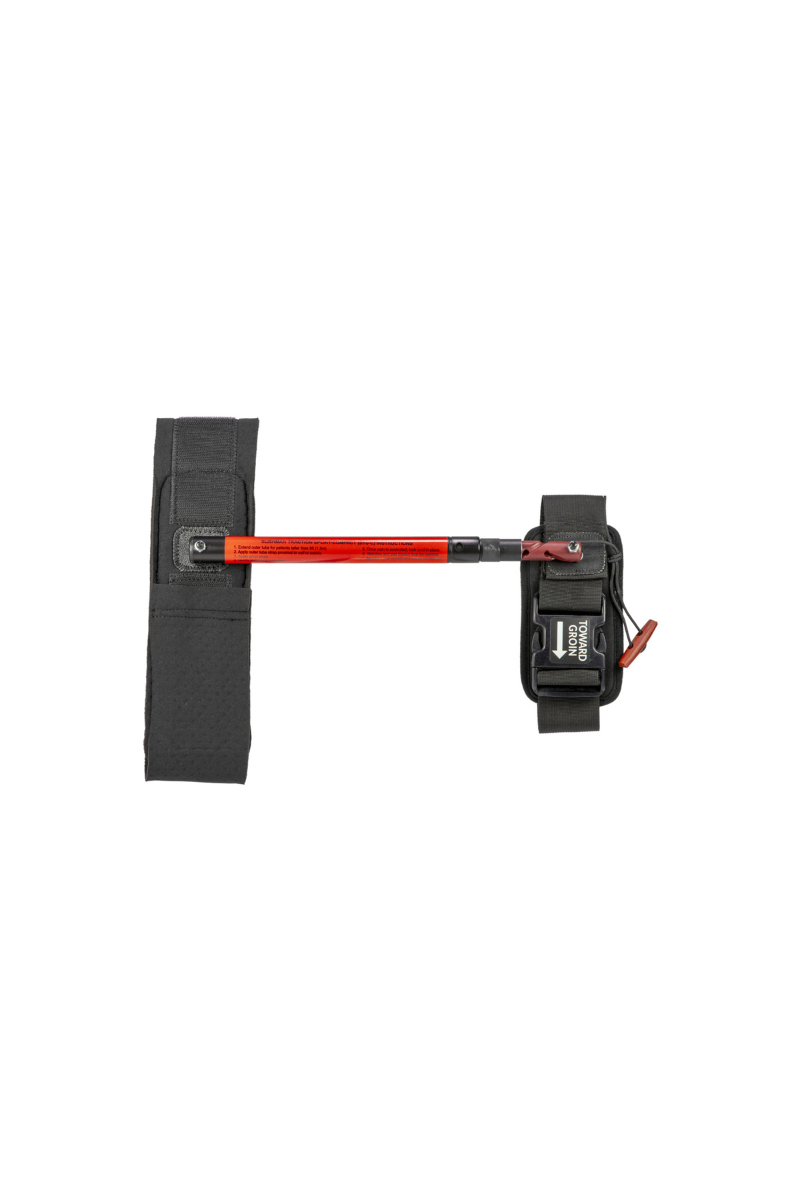
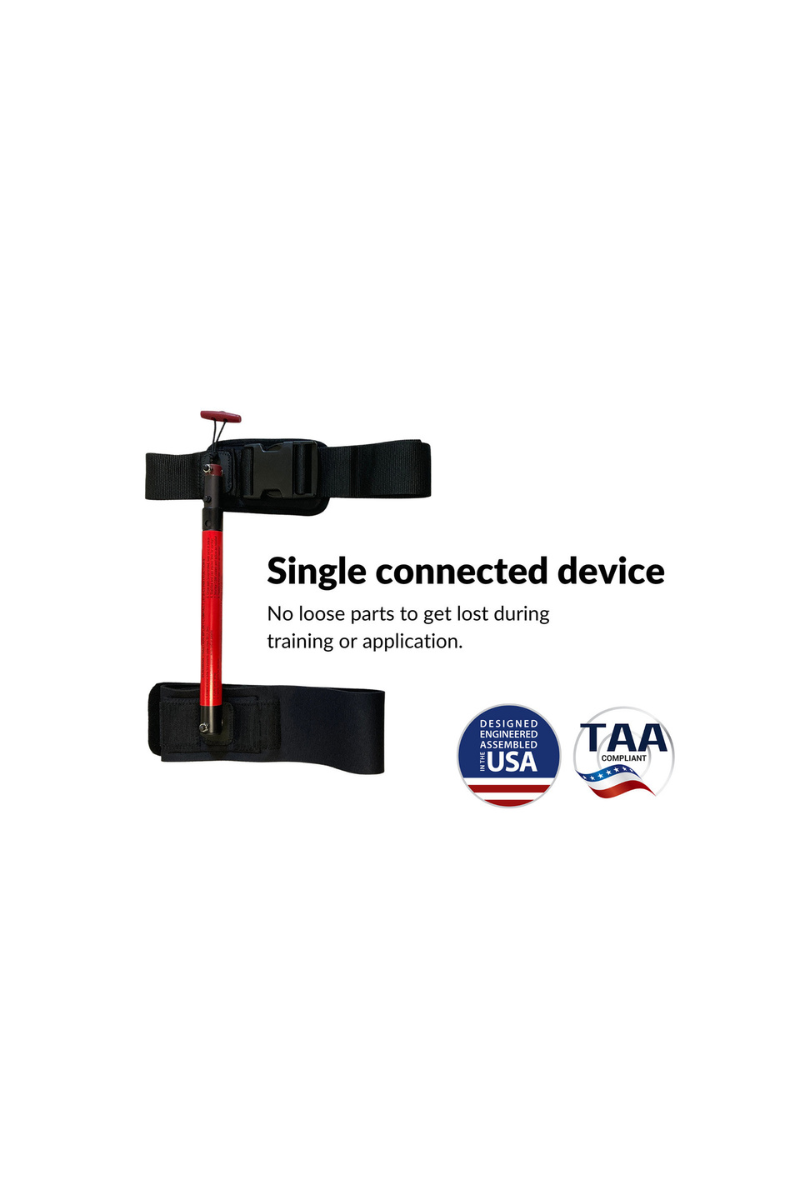
    Bleeding control equipment — tourniquets, haemostatic gauze, and pressure dressings for haemorrhage management at the scene. Stretchers and litters for casualty evacuation from confined space, technical rescue, and fire ground scenarios. EMS radio harnesses for hands-free radio carry during operations.

    Who This Equipment Is For

    Fire crews, technical rescue teams, volunteer fire and rescue organisations across Australia. Also suitable for SES members, marine rescue teams, and any emergency service operating in environments where chemlights, cutting tools, and casualty management capability are required.

    Also used by station officers, trainers, and organisations responsible for equipping appliances, response vehicles, and personal loadouts for fire and rescue operations.

    What Matters When It Counts

    Fire and rescue equipment must perform in harsh, unpredictable conditions. Durability and ease of use under stress — including with gloves — are critical selection factors.

    • Glove compatibility: Many fire and rescue operations require thick gloves. Ensure cutting tools, tourniquet mechanisms, and equipment pouches can be operated with gloved hands before deploying them operationally.
    • Chemlight duration and intensity: Standard Cyalume chemlights are available in 6-hour and 12-hour variants. High-intensity tactical chemlights provide brighter output for shorter duration. Match to the expected operation length and visibility requirements.
    • Rescue knife blade type: Serrated or blunt-tip rescue knife blades suit seatbelt and rope cutting. Consider a knife with a window punch for vehicle extrication scenarios.
    • Rapid access: Equipment must be reachable and deployable quickly, even in confined spaces or when wearing structural firefighting gear.
    • Bleeding control capability: Tourniquets, pressure bandages, and wound packing materials are essential for casualty care at the scene.
    • Scene integration: Match equipment format to appliance staging, response bags, or personal carriage based on how your crew deploys.
    • Training alignment: Components should match established rescue medical training and station procedures.

    Common Mistakes We See

    The most common mistake is relying on general first aid equipment for rescue environments where injuries are more severe and conditions more challenging. A standard workplace first aid kit does not contain the haemorrhage control capability needed for serious trauma at a road crash rescue or structural collapse.

    With chemlights, we see crews carry too few — or only one duration variant for all scenarios. A confined space operation has different lighting needs to a major incident scene. Carrying a mix of 6-hour and 12-hour Cyalume chemlights in different colours for casualty marking versus general scene use is the better approach.

    For rescue knives, the mistake is choosing a general-purpose knife rather than a purpose-built rescue blade. Rescue knives have specific blade geometry for seatbelt and synthetic rope cutting that standard folding knives lack. Test your cutting tool on the materials you expect to encounter before relying on it operationally.

    Poorly staged equipment is the final consistent issue — stored in locations that are difficult to access in the dark, with gloves on, or during active extrication. Every piece of equipment on an appliance should have a consistent, known location and be reachable without searching.

    What are chemlights and how are they used in fire and rescue?

    Chemlights — also called chem lights, chemical light sticks, or glowsticks — are sealed tubes containing chemical compounds that react on bending to produce reliable light without flame, heat, or electrical components. Cyalume chemlights are the professional standard used by fire, military, and rescue services globally. In fire and rescue operations they are used for: marking casualty locations, scene perimeter delineation, appliance identification in low visibility, confined space lighting, and marking hazards during operations. They require no batteries, can't create ignition risk, and function in wet conditions.

    What is the difference between 6-hour and 12-hour chemlights?

    Cyalume chemlights are available in multiple duration variants — 6-hour chemlights provide brighter output for shorter operations; 12-hour chemlights provide sustained lower-intensity lighting for extended incidents. High-intensity tactical variants provide maximum brightness for a shorter period. Most crews carry a mix of variants — shorter duration for active scenes, longer duration for extended operations and marked casualties awaiting transport.

    What rescue knife do you recommend for fire crews?

    The most popular rescue knife options for fire crews are the Leatherman raptor, the rescue 911 emergency knife, and the Spyderco rescue knife. All are designed with rescue-specific blade geometry for seatbelt, rope, and synthetic material cutting — tasks that standard folding knives are not optimised for. See the rescue knives collection for full specifications and comparisons.

    Do you stock Leatherman tools for firefighters?

    Yes. Leatherman multi-tools including the MUT and Leatherman Raptor (medical shears) are available. The Leatherman Raptor is particularly relevant for fire and rescue as it combines trauma shears with a strap cutter, ring cutter, and oxygen wrench — standard fire and rescue tasks in a single tool. See the multi-tools collection and trauma shears collection.

    What medical equipment do fire and rescue teams commonly carry?

    Common equipment includes tourniquets, pressure bandages, haemostatic gauze, chest seals, airway adjuncts, and trauma kits for bleeding control and casualty stabilisation. Fire and rescue teams are frequently first on scene at road crash and trauma incidents and must provide initial care before ambulance services arrive.

    Is this equipment suitable for appliance and vehicle-based kits?

    Yes. Chemlights, rescue knives, trauma shears, stretchers, and bleeding control equipment are all suitable for appliance staging. Most items are available in quantities suited to equipping multiple appliances or a station's fleet. Contact us for volume requirements.
    Does TacMed supply fire services and rescue organisations?

    Yes. TacMed supplies fire services, SES units and rescue organisations across Australia. Contact us for volume orders or procurement requirements.