Hardware & Accessories

Filter

    Tools, equipment, and accessories for emergency response, patient care, and operational readiness. This section covers the hardware that supports medical response — stretchers and evacuation equipment, splinting, trauma shears, rescue knives, multi-tools, lighting, AEDs, protective cases, and reference resources.
    Sold Out

    Browse by Category

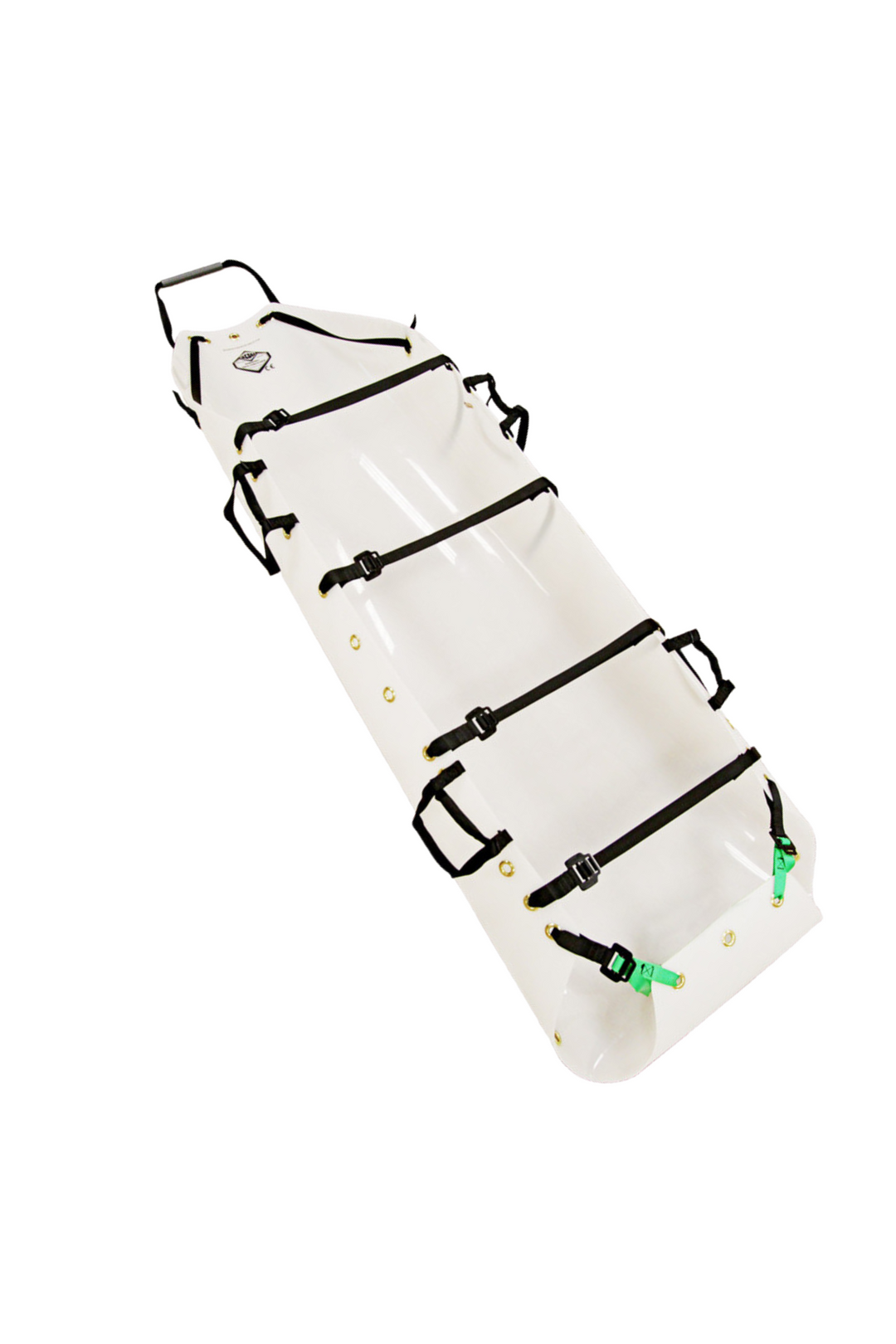
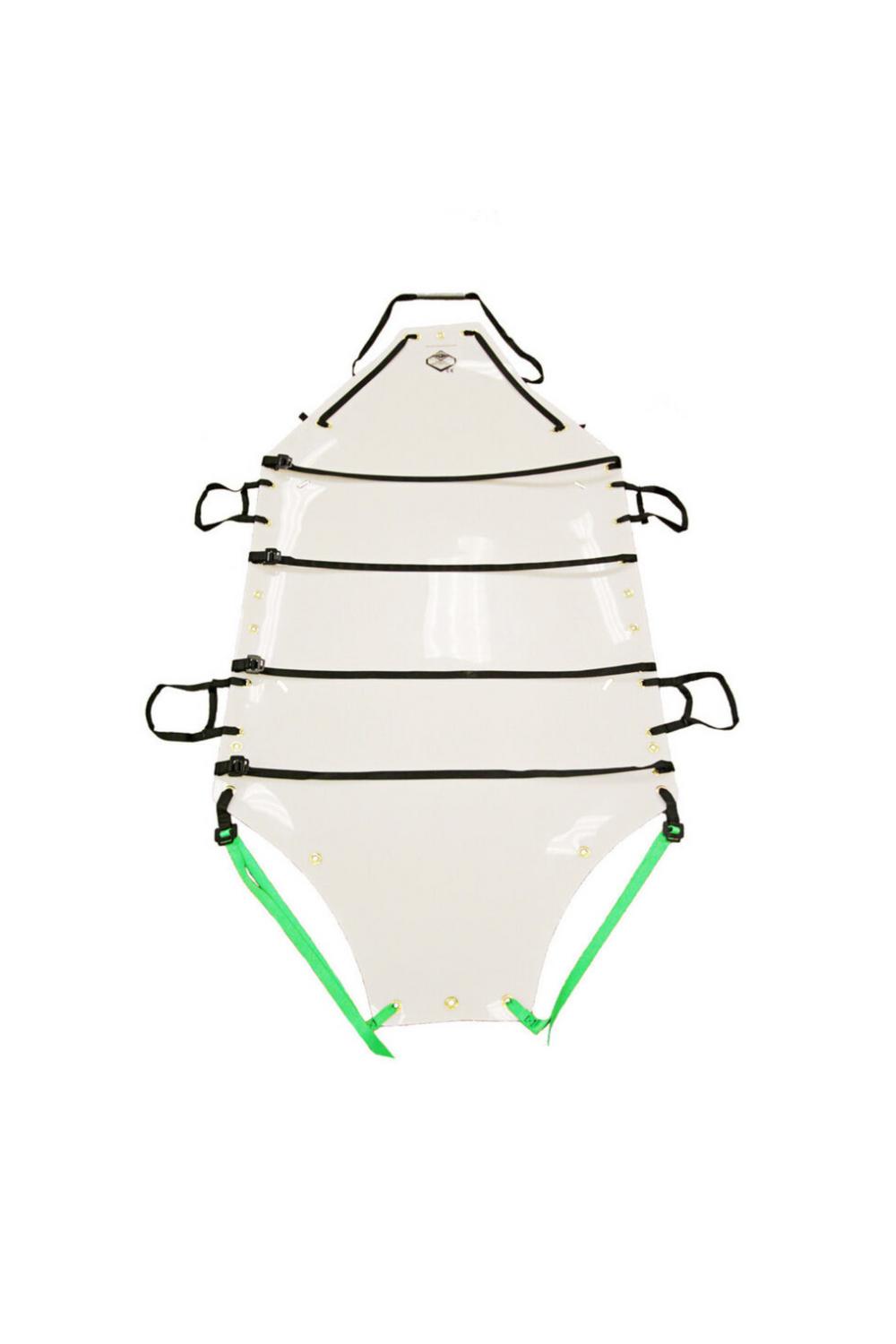
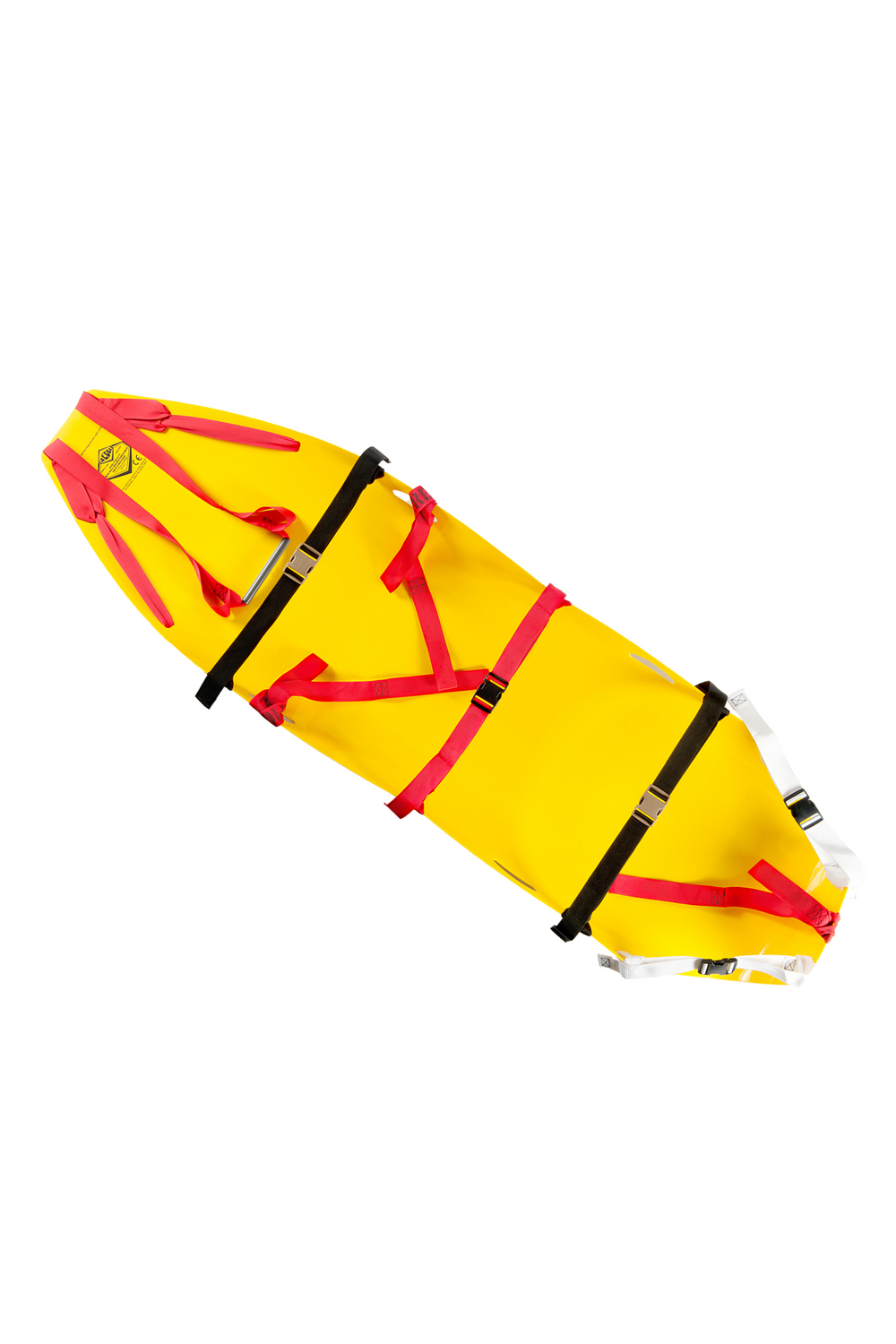
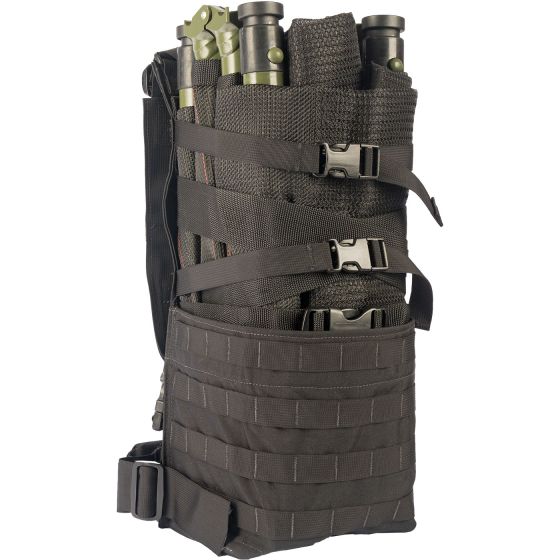
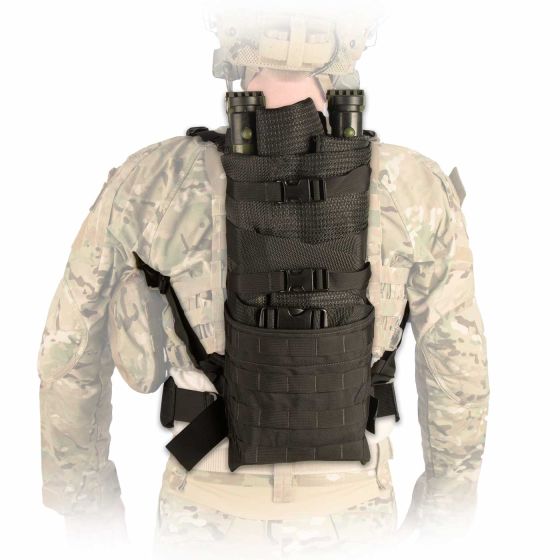
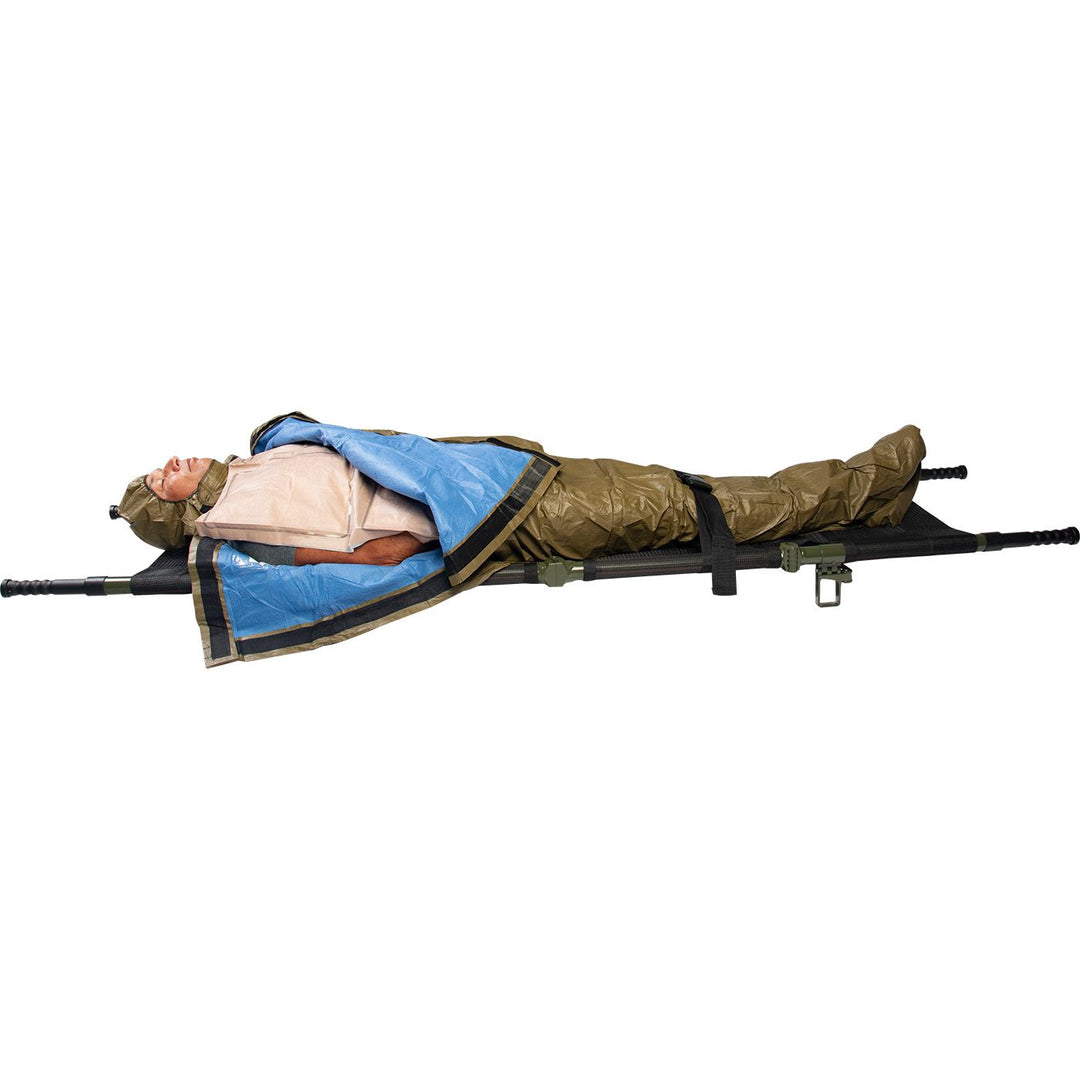
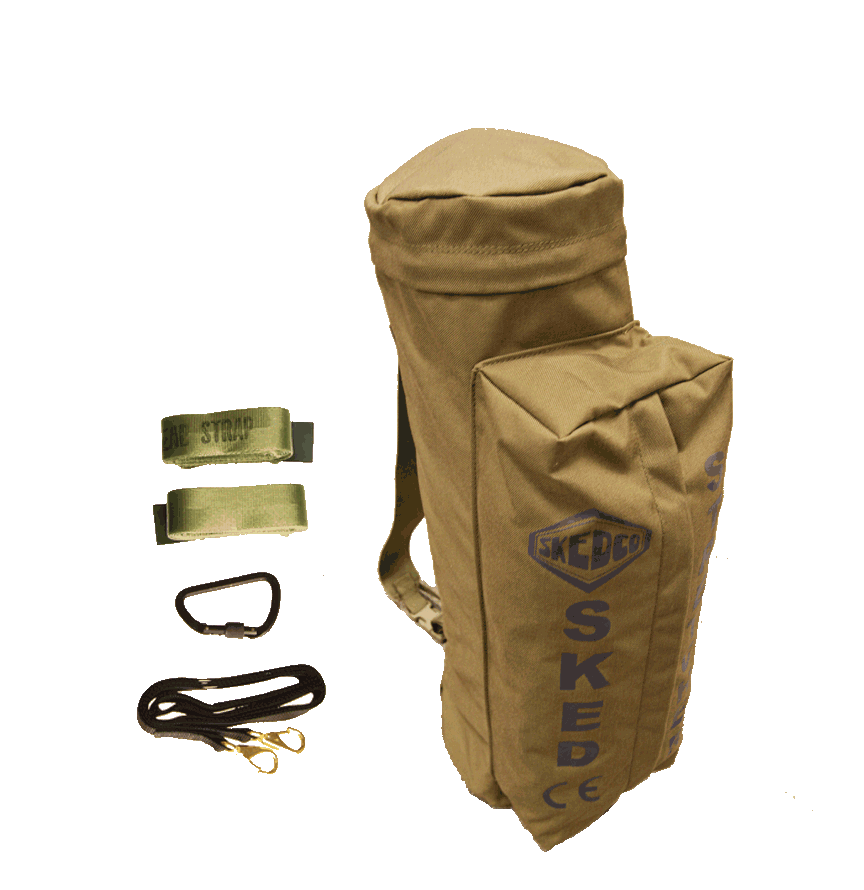
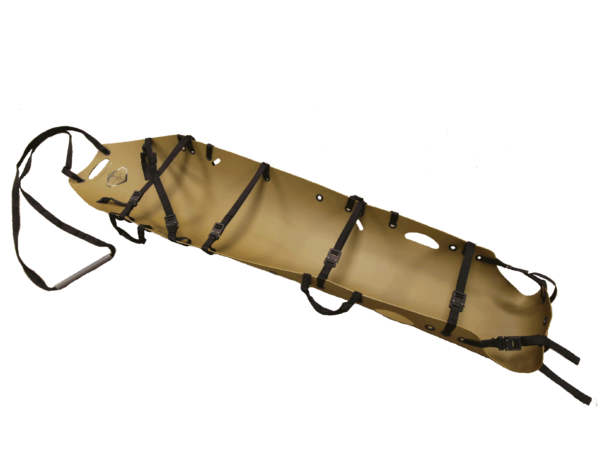
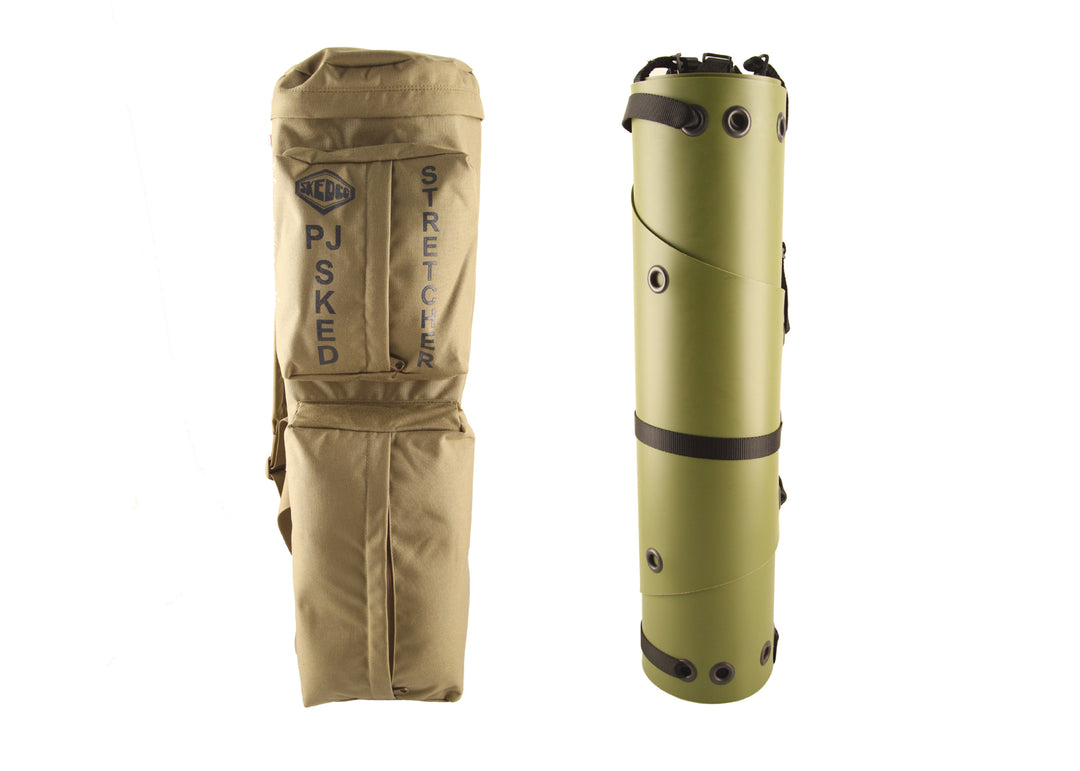
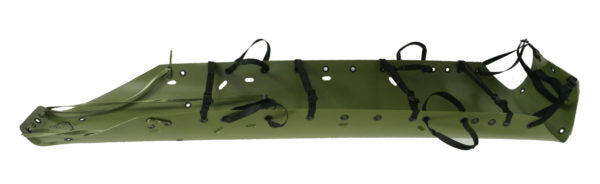
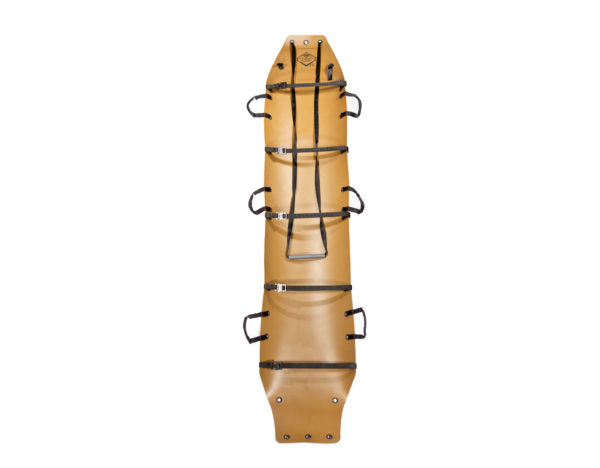
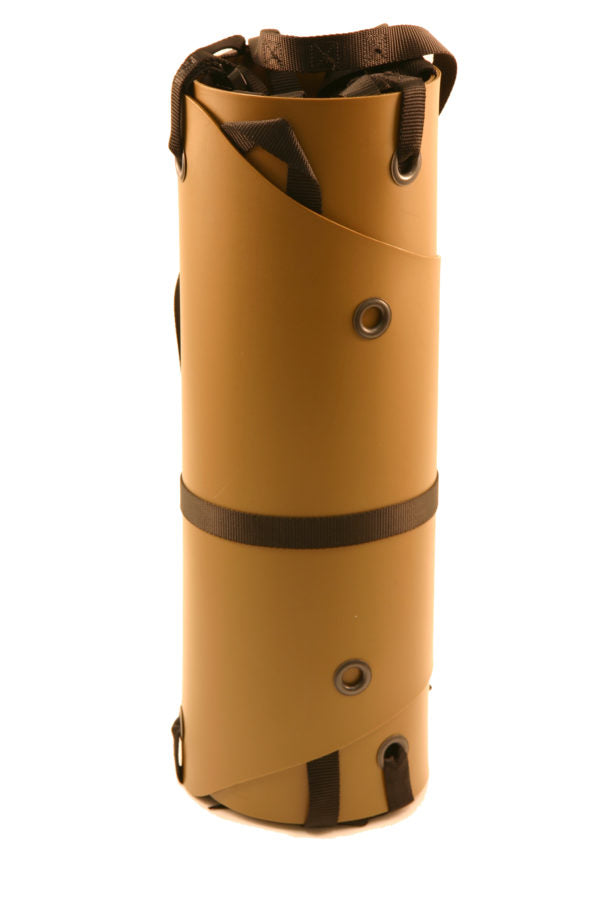
    • Stretchers & Litters — Flexible rescue stretchers, basket litters, portable stretchers, and casualty evacuation equipment for SAR, technical rescue, and emergency response. Includes the Sked Basic Rescue System.
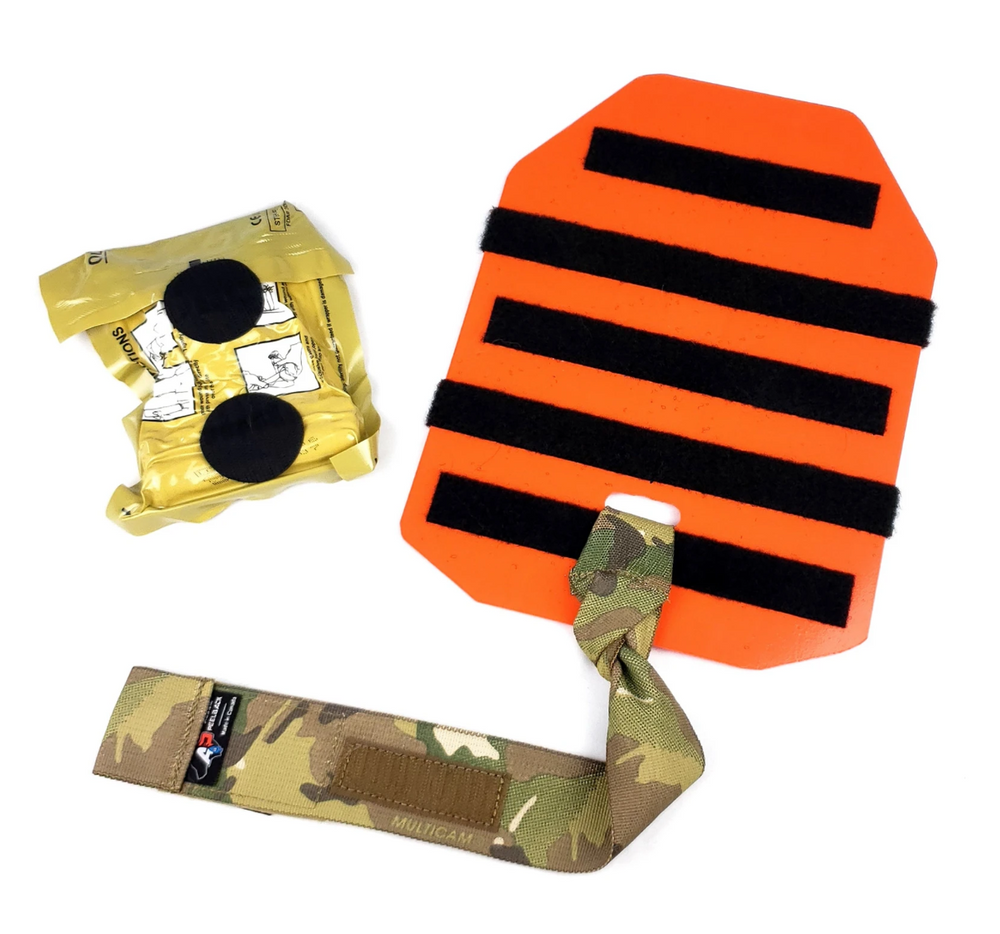
    • Splints — SAM Splints, Slishman Traction Splints, Prometheus Pelvic Splints and Binders, Aerosplints, and vacuum splints for fracture and pelvic injury management.
    • Trauma Shears — X Shears, Leatherman Raptor, NAR trauma shears, and medical scissors for patient access and clothing removal. Standard and folding formats with holster options.
    • Multi Tools — Leatherman multi-tools and tactical multi-tools suited to emergency response, medical, and operational use.
    • Rescue Knives — Folding rescue knives and emergency cutting tools for vehicle extrication, rope cutting, and operational use. Includes Honey Badger, Pacific Cutlery, and 5.11 Tactical options.
    • Torches & Lighting — LED Lenser torches, pen lights, chem lights, and emergency lighting for first responders, paramedics, and operational use.
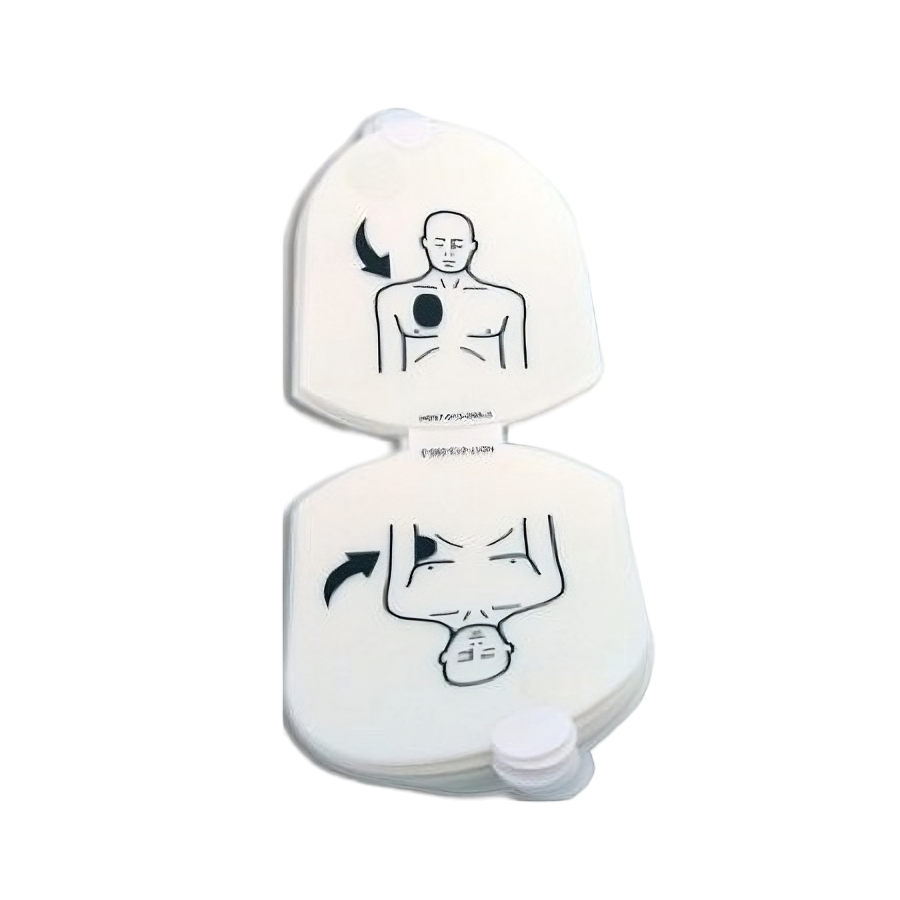
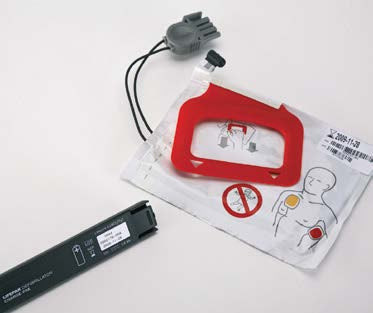
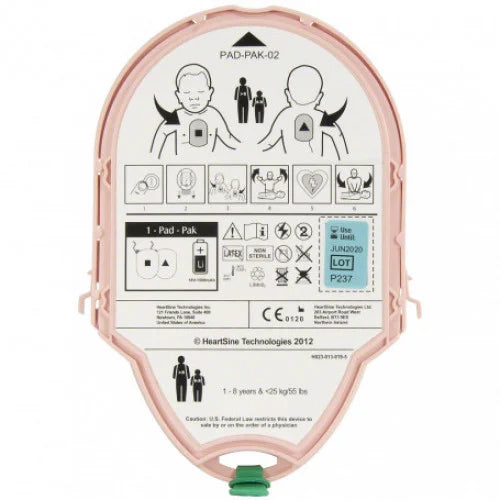
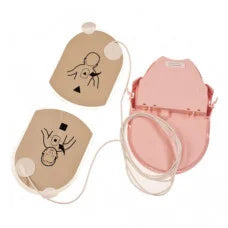
    • AEDs — Automated external defibrillators and AED accessories for workplace, public access, and emergency response. Includes AED trainers and CPR training equipment.
    • Protective Cases — Pelican and hard-shell protective cases for medical equipment, fragile supplies, and operational gear storage and transport.
    • Books & CAS Cards — Casualty assessment cards, trauma reference guides, first responder handbooks, and clinical reference resources.
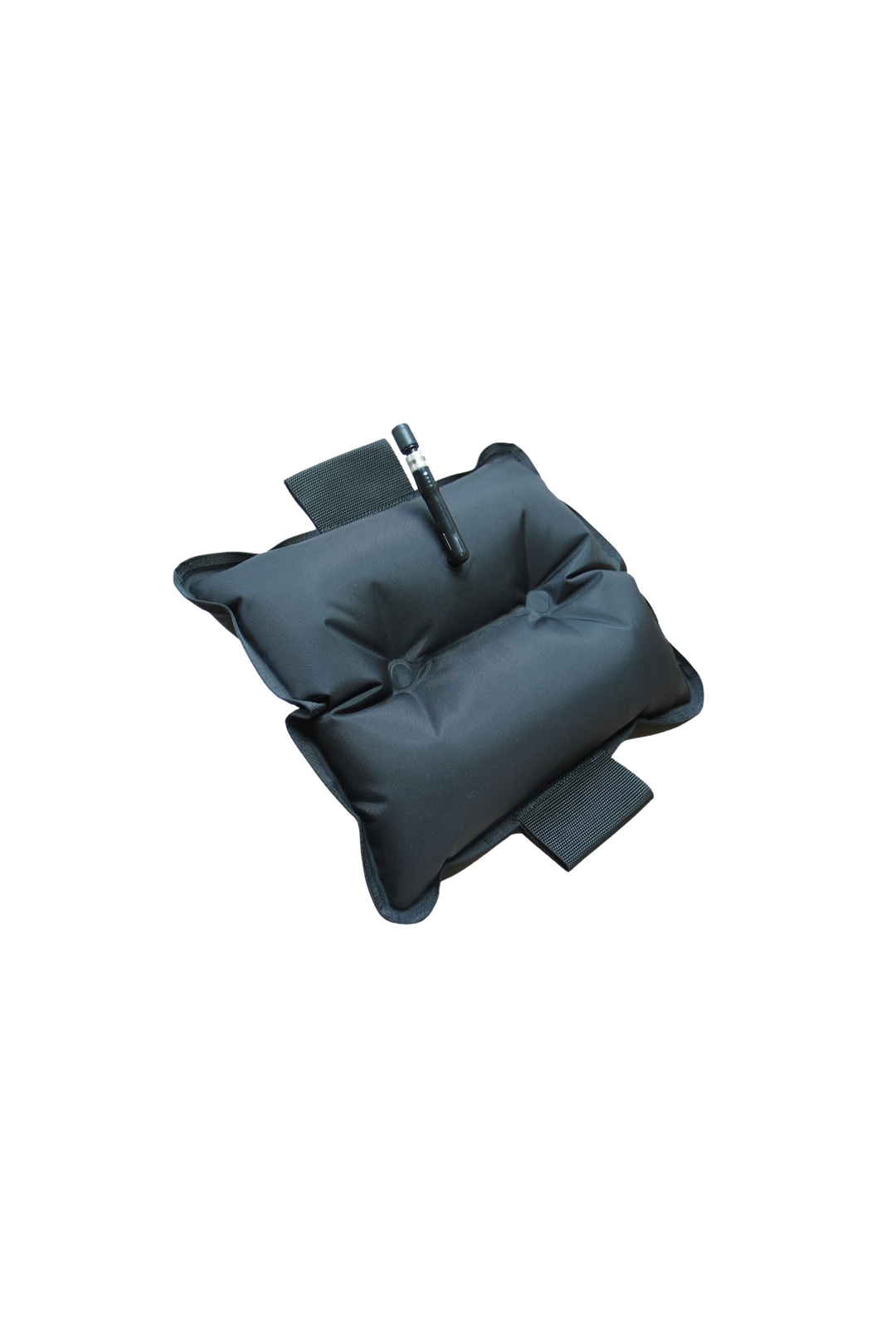
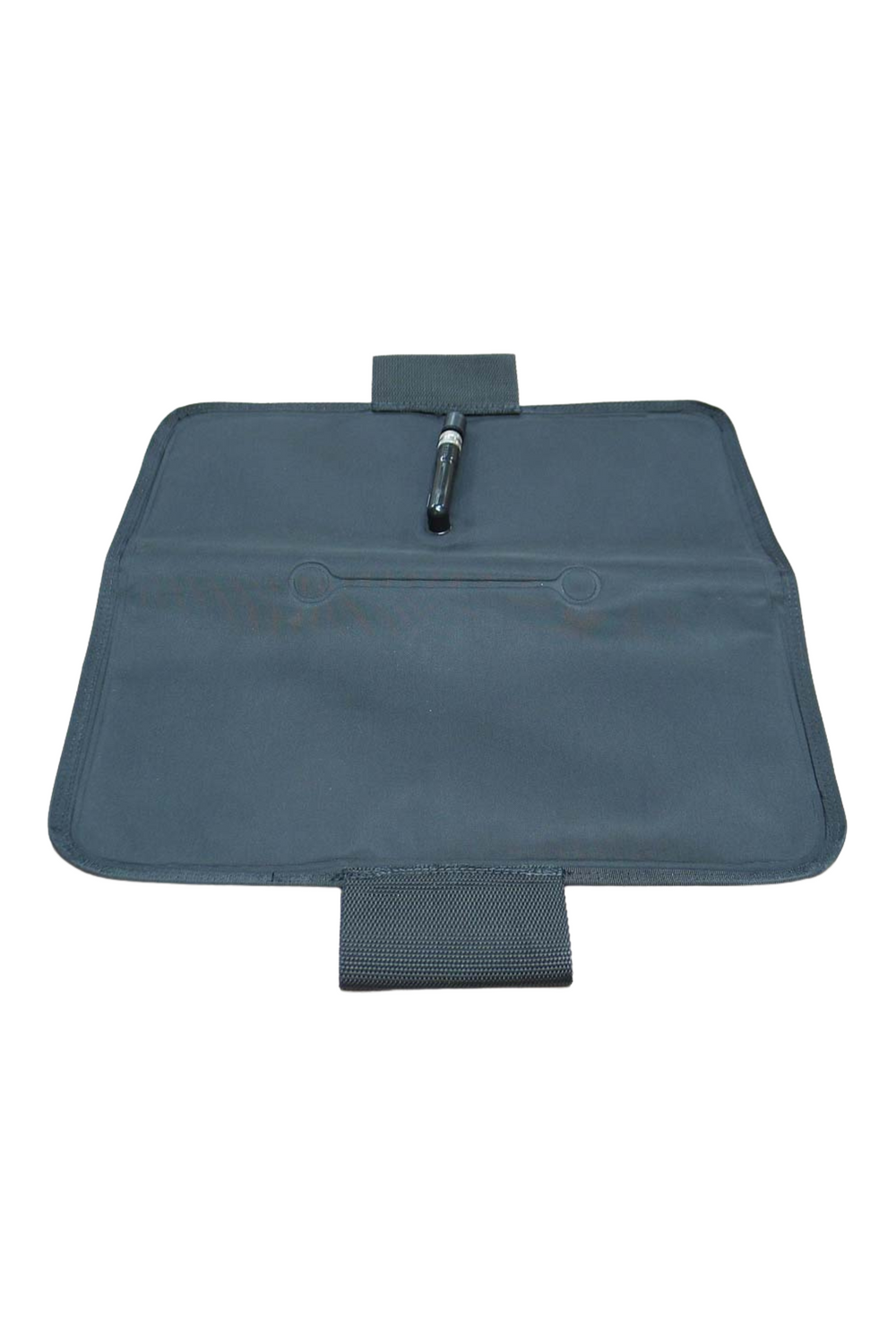
    • Misc — Additional accessories and supporting items for emergency response and medical kit configurations.

    Who This Equipment Is For

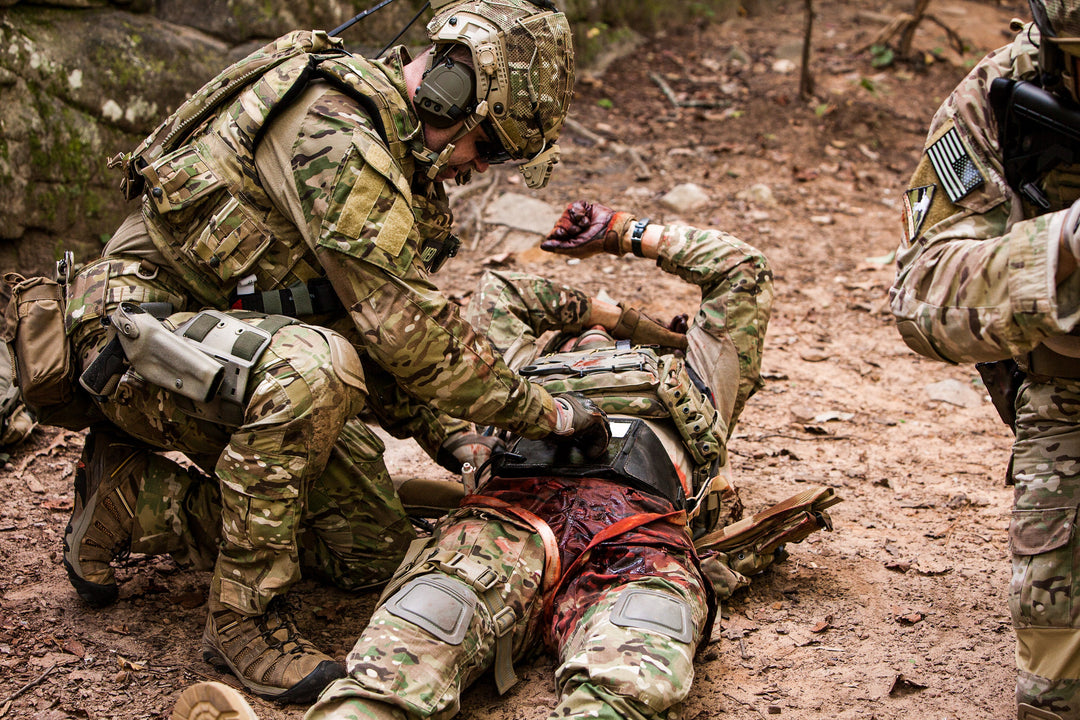
    Medical hardware and accessories are used by emergency responders, paramedics, first aiders, rescue teams, and organisations responsible for emergency preparedness.

    They are commonly deployed in workplaces, ambulances, vehicles, training environments, and field operations. If your role involves responding to incidents or managing medical readiness, hardware and accessories form a critical support layer.

    What to Look For

    Selecting medical hardware and accessories should be based on operational needs, environment, and compatibility with existing equipment.

    • Function: Clearly supports a specific response task or requirement.
    • Durability: Suitable for repeated use in emergency or field environments.
    • Compatibility: Works alongside kits, bags, and medical supplies.
    • Ease of use: Can be deployed quickly under pressure.
    • Storage and transport: Practical to carry, store, and maintain.

    Well-selected hardware improves response capability without adding unnecessary complexity.

    Common Mistakes We See

    A common mistake is underestimating the importance of support equipment and focusing only on medical supplies.

    We also see hardware selected without considering the environment it will be used in, leading to poor performance or damage. Another issue is overlapping equipment roles, where accessories duplicate rather than support existing gear.

    Hardware and accessories should be selected to complement medical capability, not clutter it.

    Questions We Get Asked

    What are medical hardware and accessories?

    They are tools and support equipment used to assist medical response, patient handling, and operational efficiency.

    Are these items medical devices?

    Some items support medical care, but many are accessories rather than treatment devices.

    How do hardware and accessories support first aid kits?

    They enable kits to be used more effectively by improving access, safety, visibility, and patient handling.

    Who typically uses this equipment?

    Emergency responders, first aiders, rescue teams, and organisations responsible for emergency preparedness.

    Are these items used in workplaces?

    Yes. Many hardware and accessories are used as part of workplace emergency response planning.

    Should hardware be selected before or after medical supplies?

    Hardware should be selected to support the medical supplies and response capability required.