Mining

Filter

    Mining environments present a unique combination of heavy machinery, remote locations, and high-risk work activities. When injuries occur, immediate access to appropriate medical equipment is critical — particularly where emergency response times are extended by distance, access, or operating conditions.

    This collection includes high-risk workplace first aid kits, trauma kits, bleeding control equipment, and medical storage suited to mining and resources operations across Australia — open-cut and underground mines, processing plants, exploration camps, and FIFO operations. 

    What This Equipment Is Built to Handle

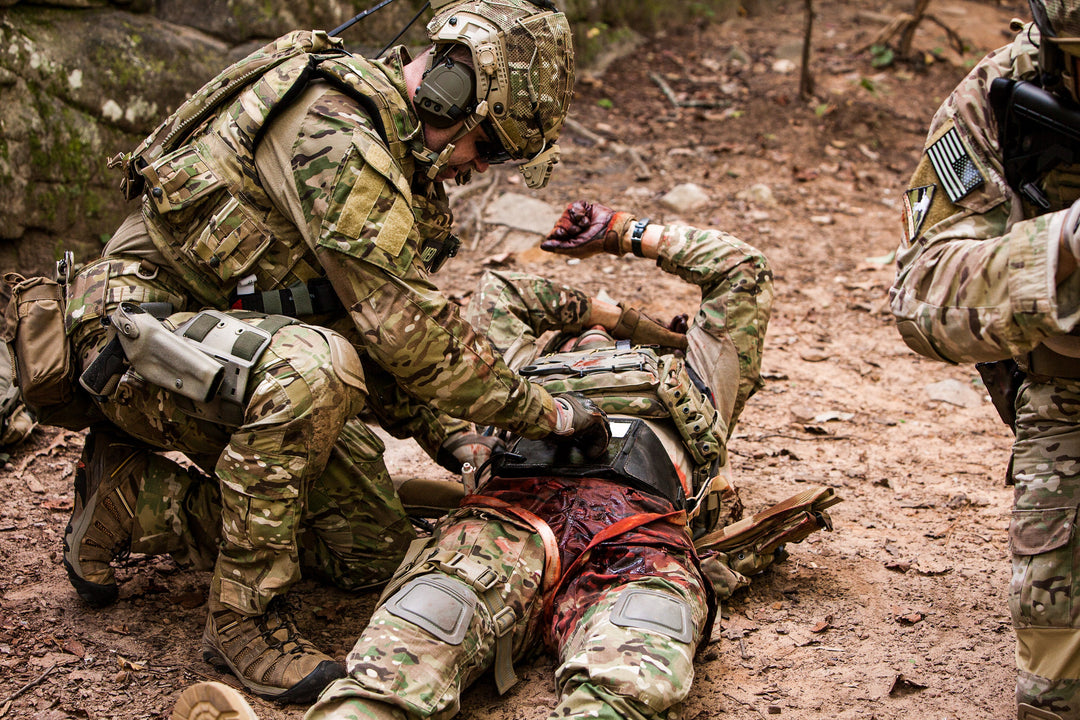
    Medical equipment used in mining is designed to manage injuries commonly encountered in resource and extraction environments — lacerations, crush injuries, amputations, burns, eye injuries, and severe bleeding from machinery, vehicles, tools, and falls. In many mining settings, responders must provide care well before advanced medical services arrive.

    Equipment must support rapid bleeding control, basic trauma management, and casualty stabilisation until evacuation or handover is possible. For remote and fly-in fly-out operations, this may mean sustaining a casualty for an extended period — the kit capability must reflect that reality.

    Key equipment for mine sites

    Workplace first aid kits

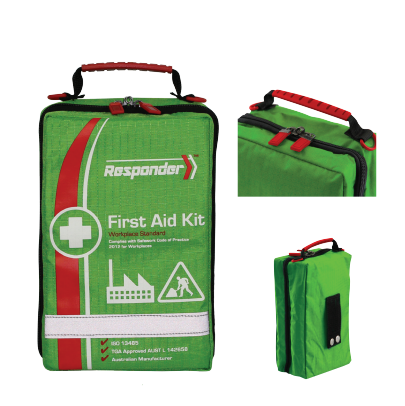
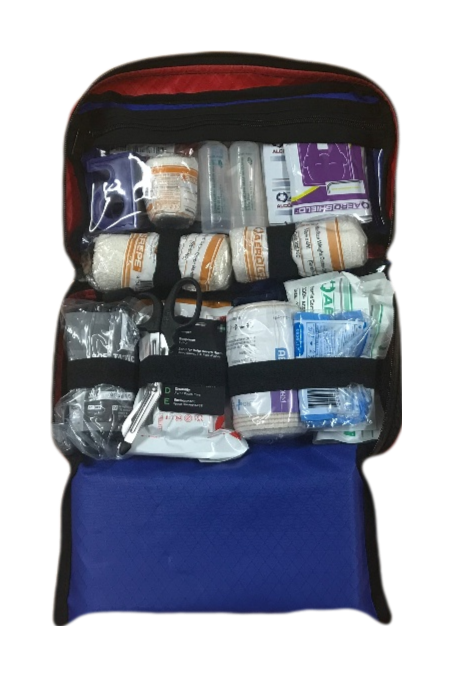
    High-risk workplace first aid kits configured for mining, construction, and industrial environments under Safe Work Australia requirements. Select kit size and configuration based on the number of workers, risk level, and distance from emergency services — as specified in your site first aid needs assessment.

    Trauma and bleeding control

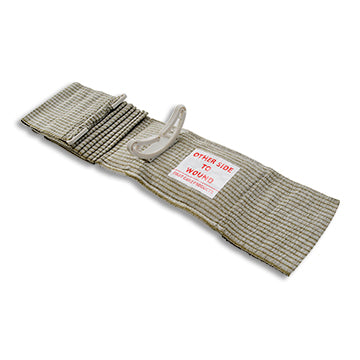
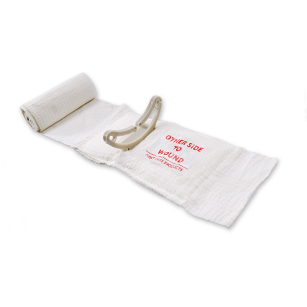
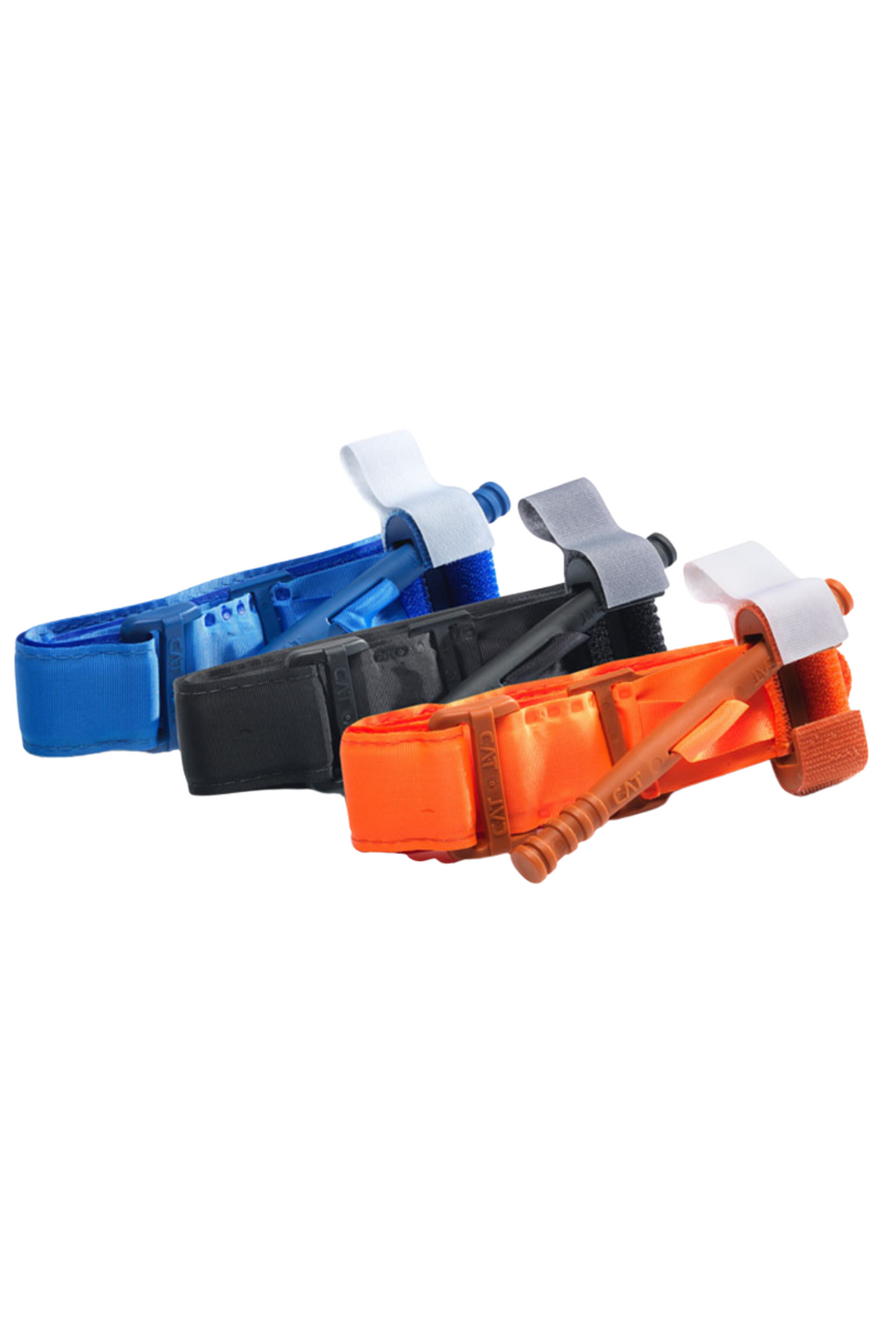
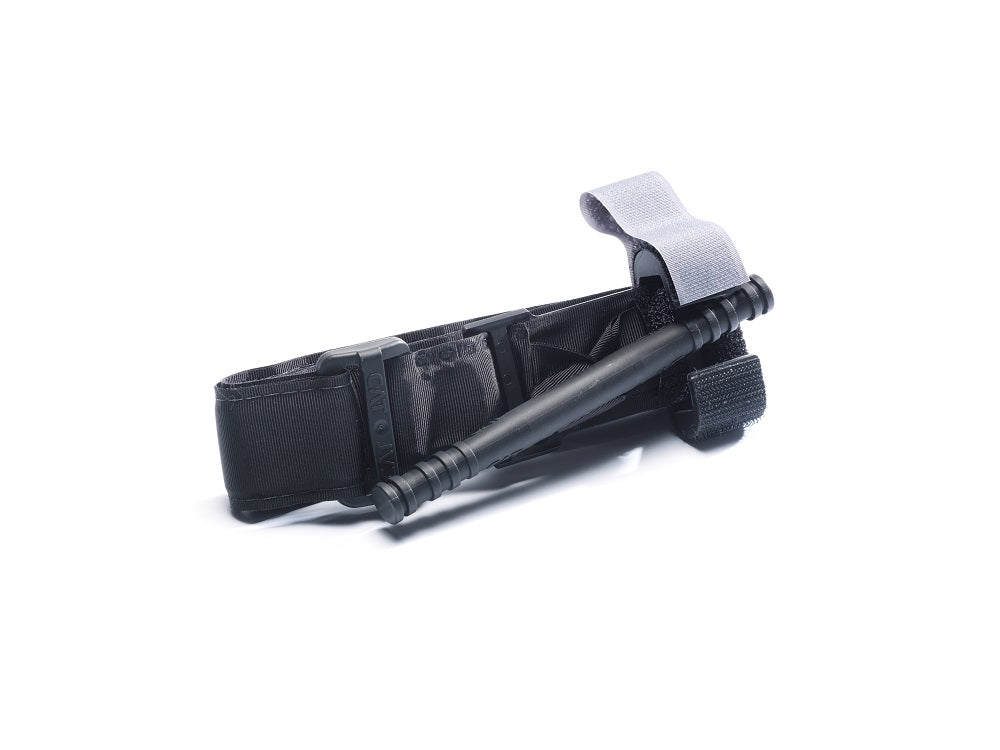
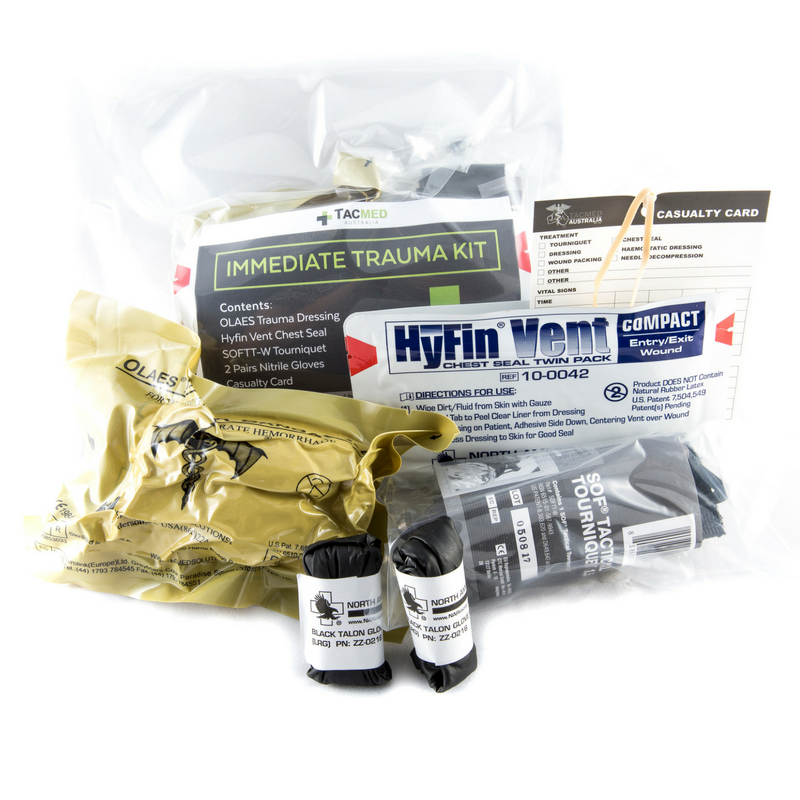
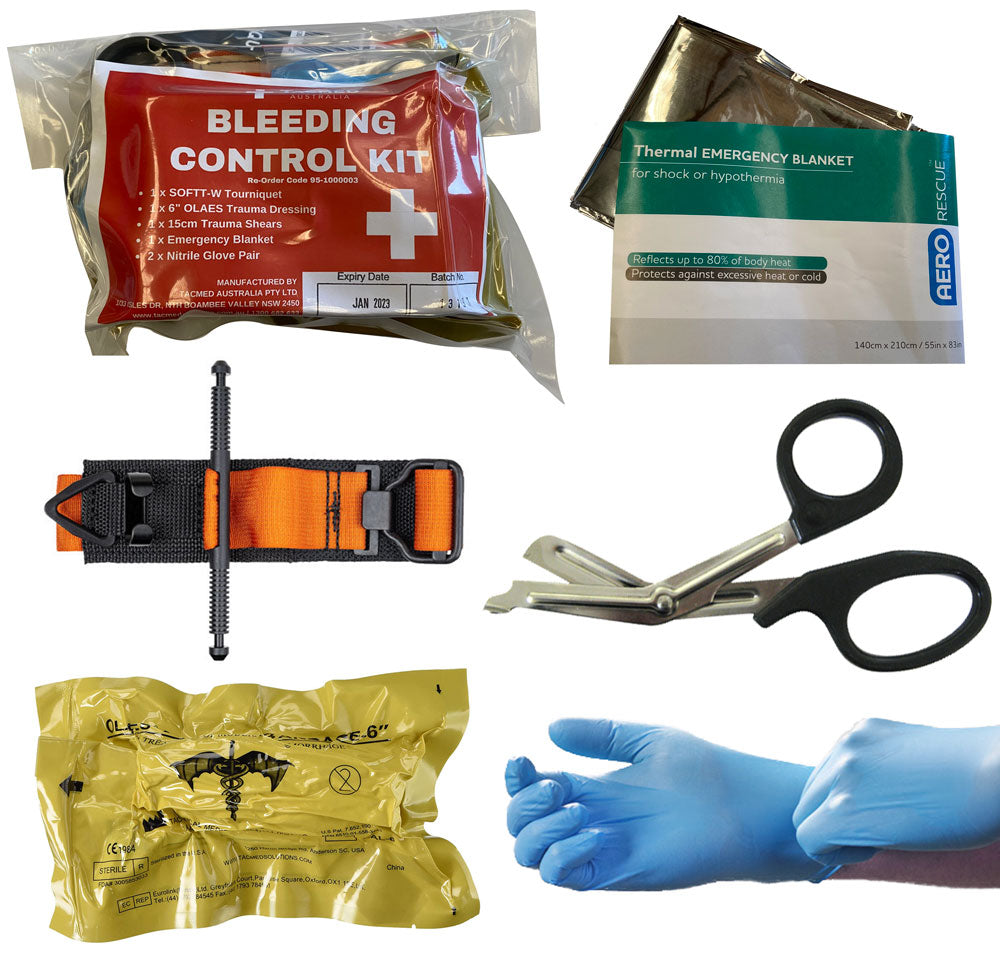
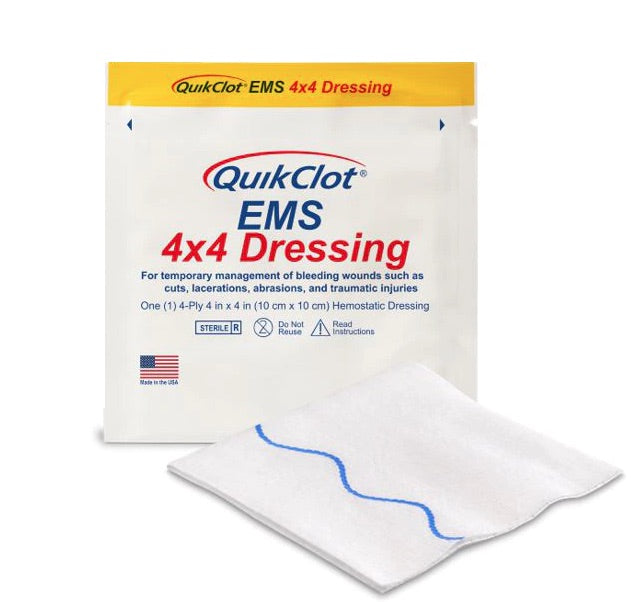
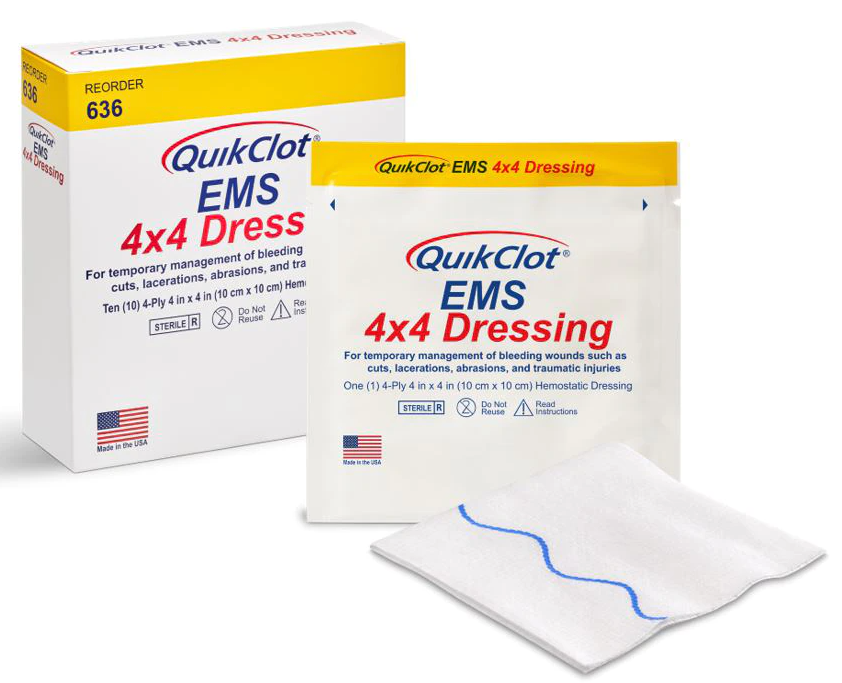
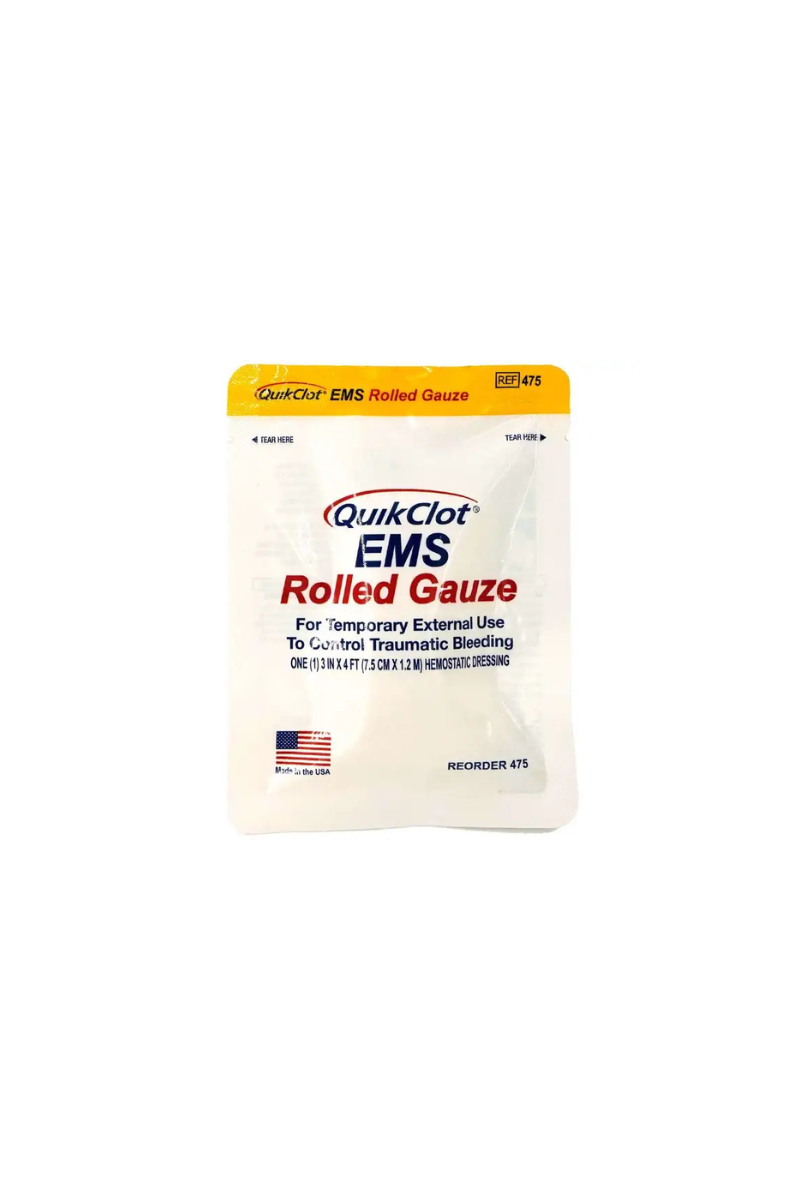
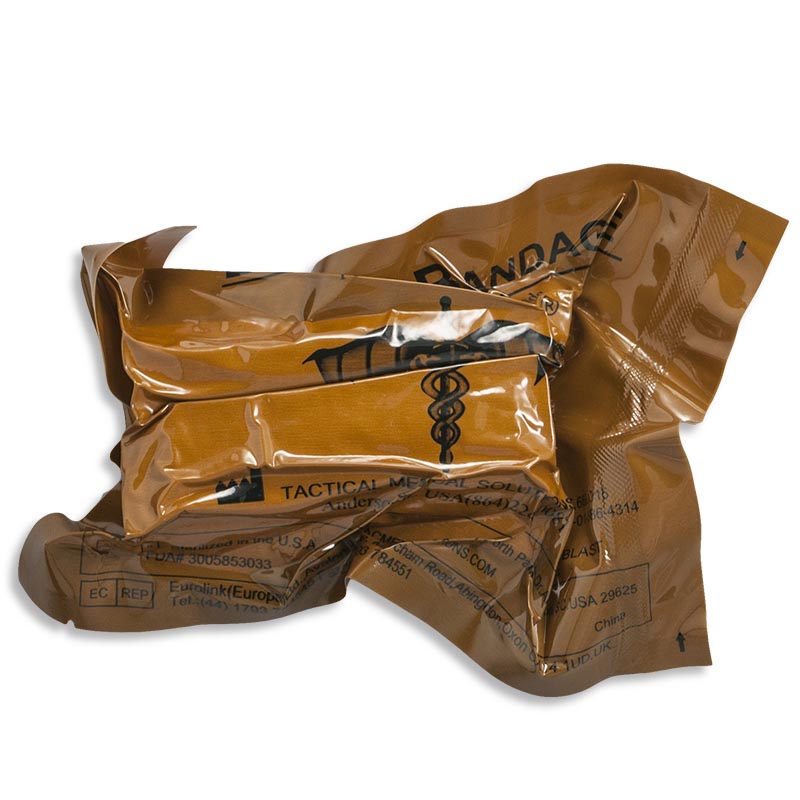
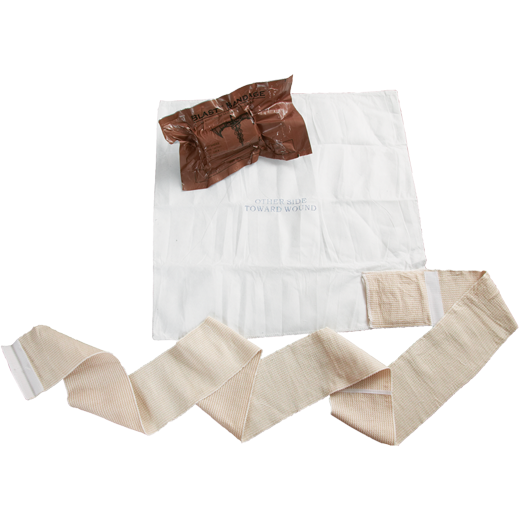
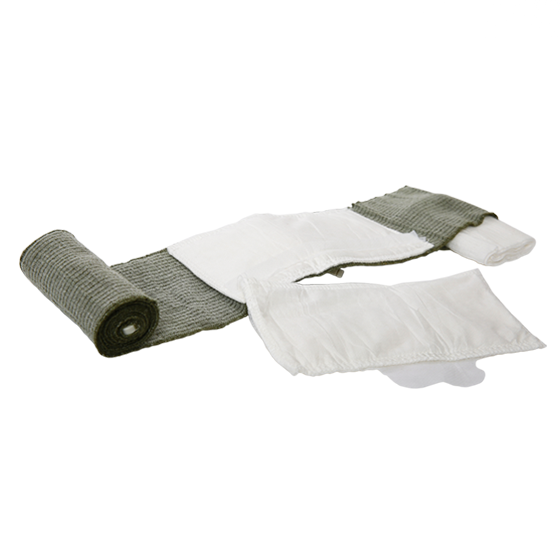
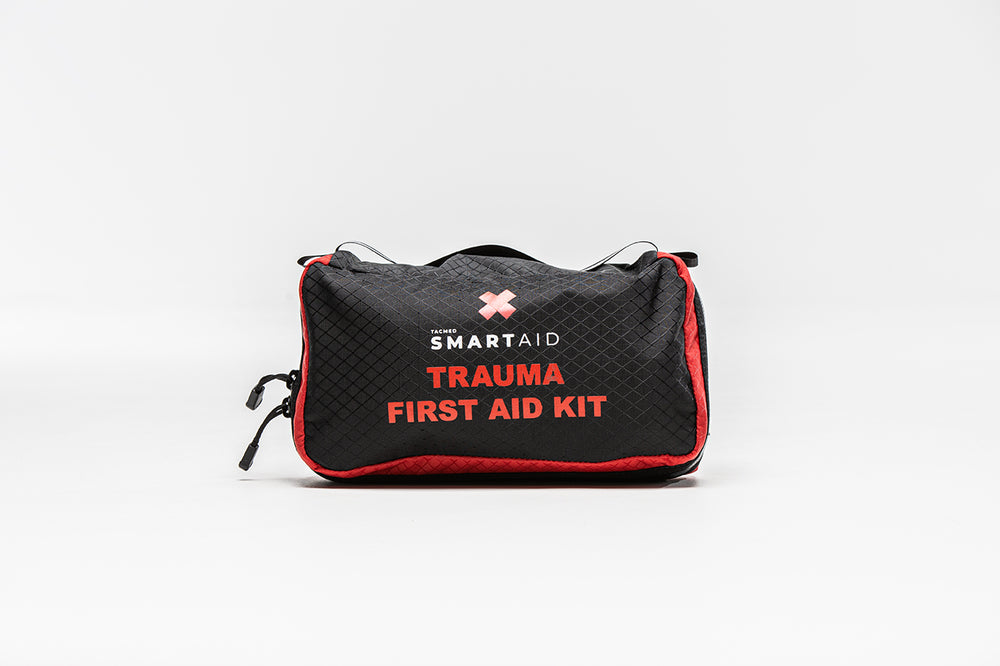
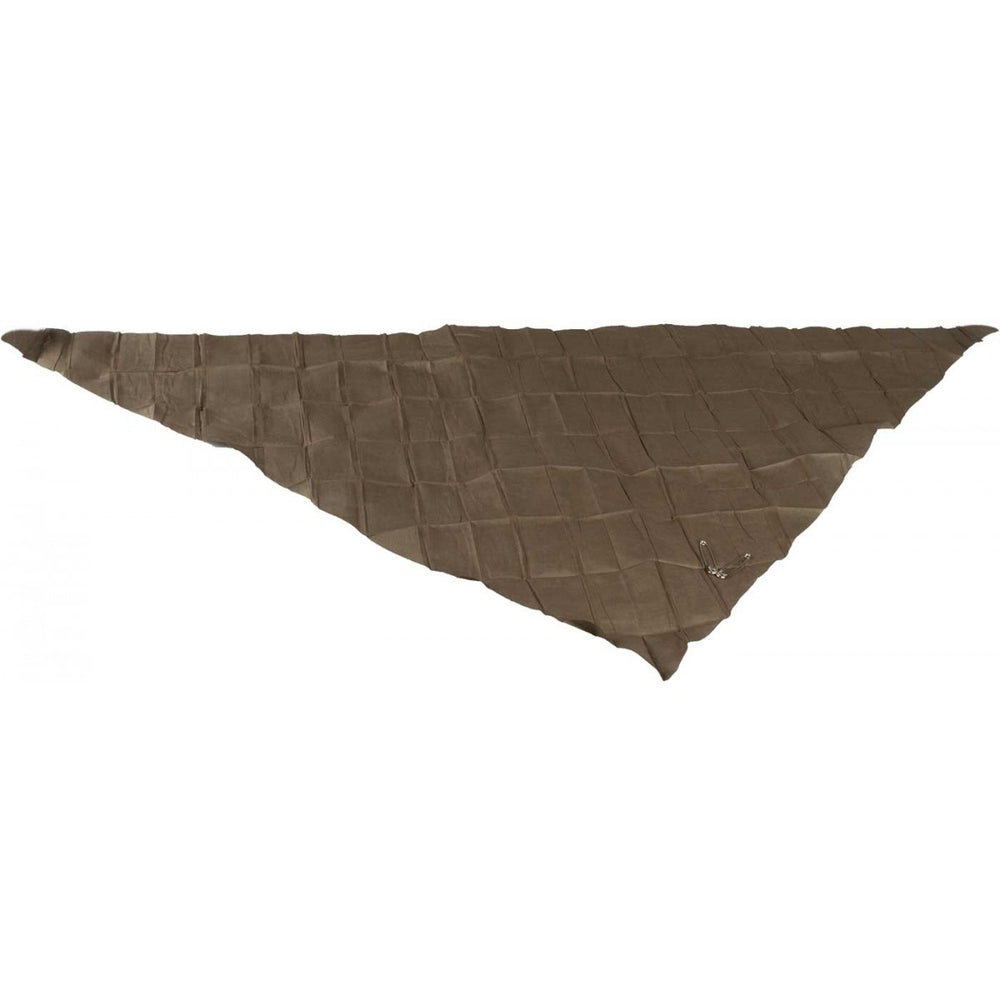
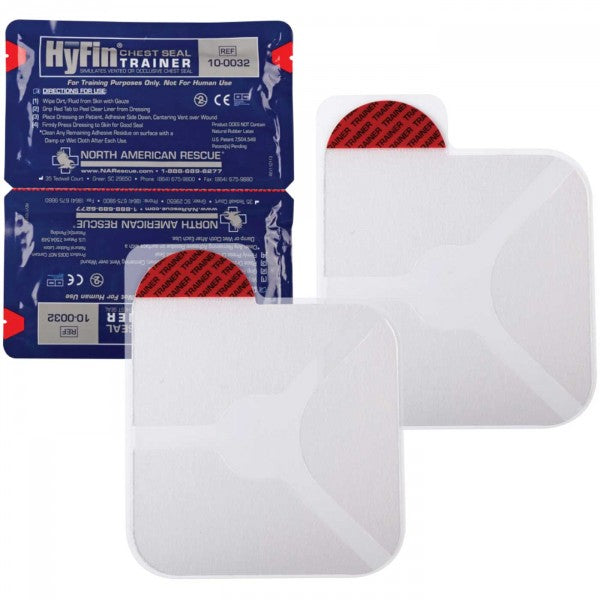
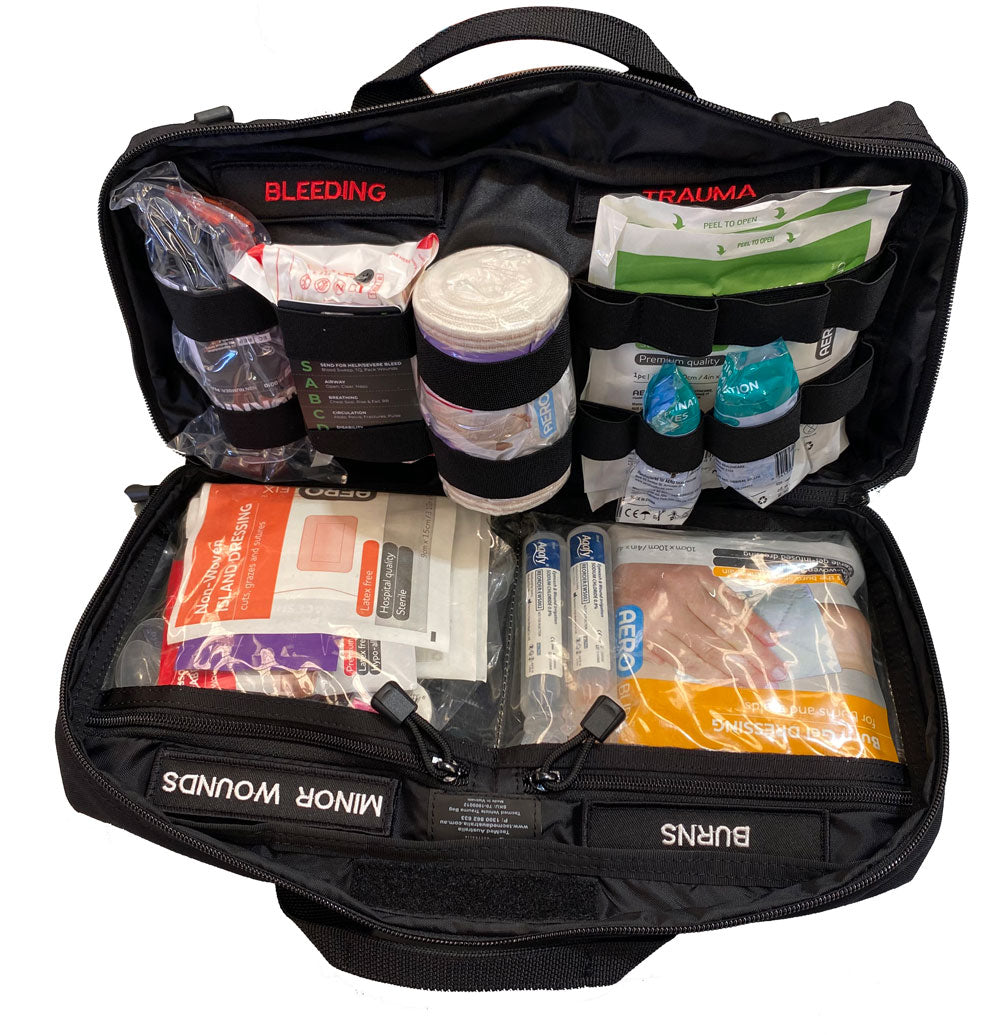
    A standard workplace first aid kit is not sufficient for serious trauma at a mine site. Supplement with dedicated bleeding control equipment — CAT Gen 7 tourniquets, QuikClot haemostatic gauze, Israeli Bandages, and chest seals — staged separately and accessibly for major incident response. Trauma kits are suitable for mine rescue teams and site medical rooms.

    Vehicle and plant kits

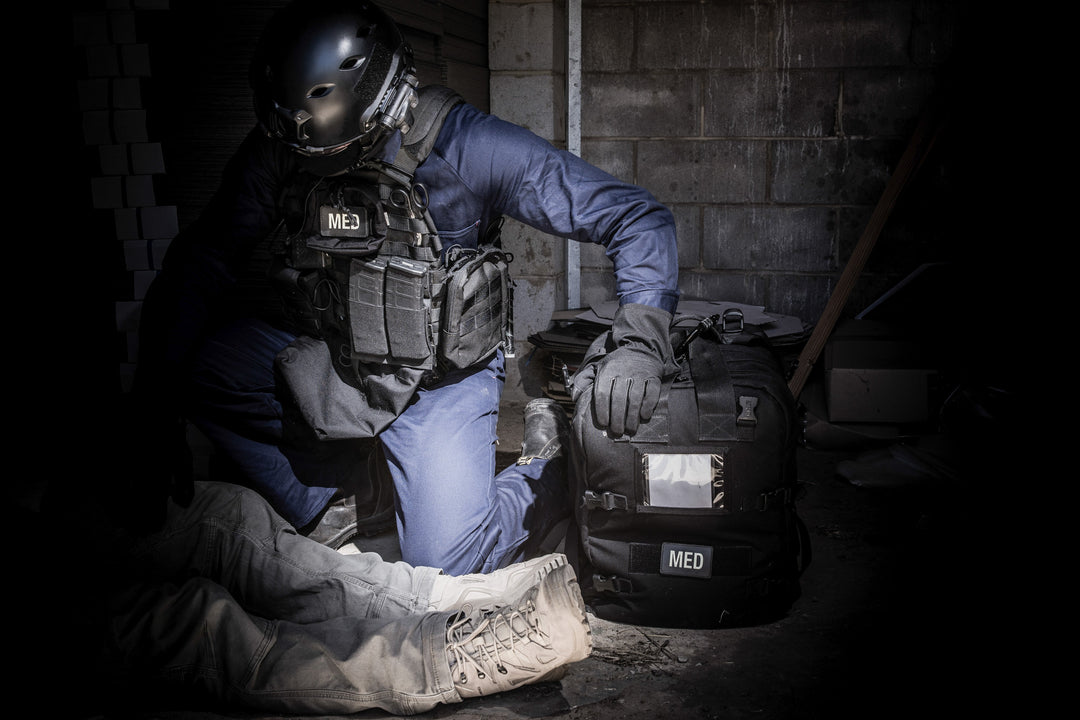
    Vehicle first aid kits for haul trucks, light vehicles, and plant equipment. These should be mounted accessibly in the cab — not in the boot or under gear — and include trauma capability for vehicle accident response.

    Medical storage and site medical rooms

    Medical storage boxes, drug boxes, and first aid cabinets for site medical rooms, crib rooms, and fixed installations. Wall-mountable cabinets and AED housing for public access defibrillation capability.

    Splints and immobilisation

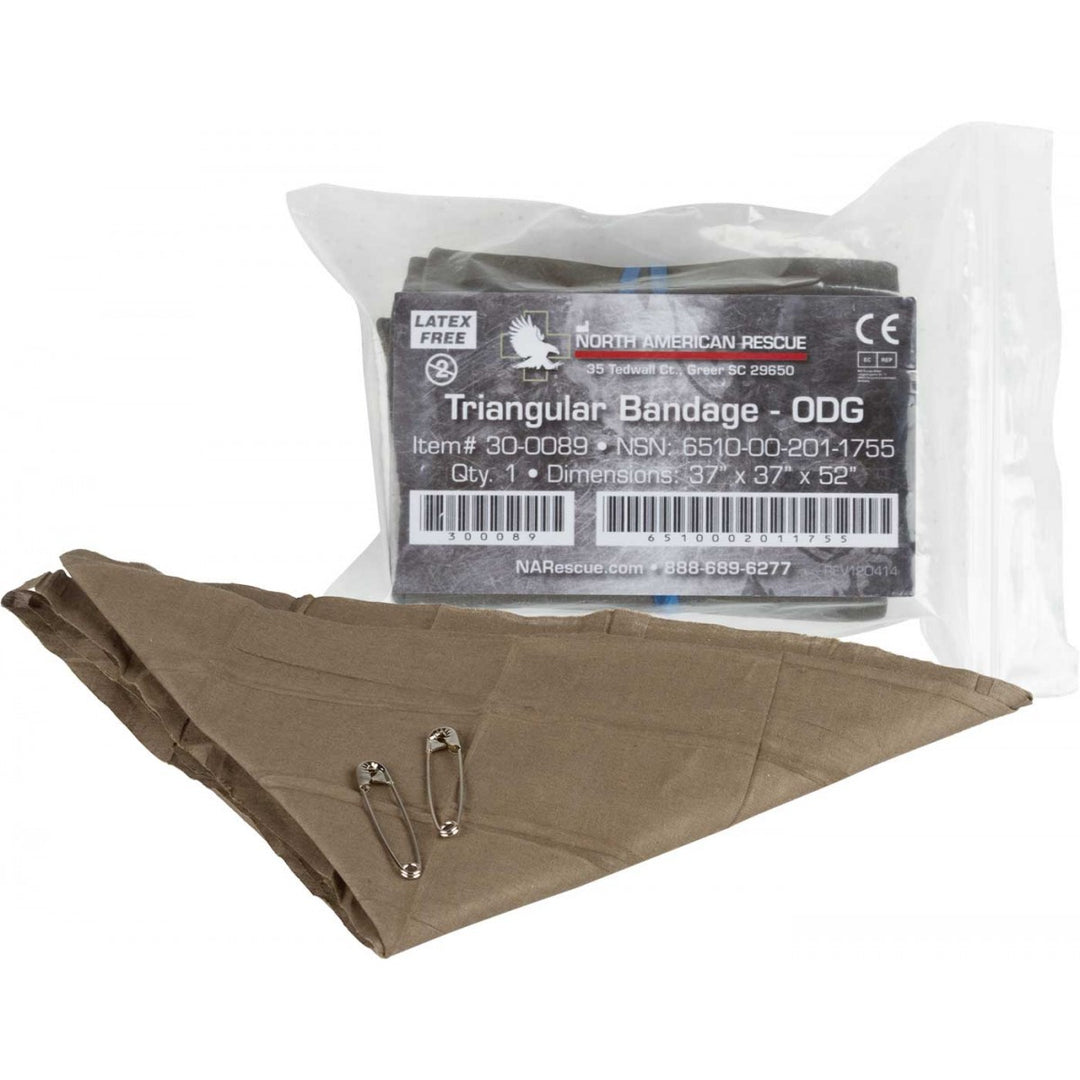
    SAM Splints, traction splints, and pelvic binders for the musculoskeletal injury risk specific to mining and heavy industry — crush injuries, vehicle rollovers, and falls from height.

    Who This Equipment Is For

    Mine site health and safety officers, site medical teams, mine rescue teams, resources sector HSE managers, and employers responsible for first aid and medical preparedness across surface and underground mining operations — including open-cut sites, processing plants, exploration teams, remote camps, and FIFO operations.

    Also used by safety officers at construction, offshore, and heavy industrial sites with similar risk profiles where high-risk workplace compliance and trauma capability are required alongside standard first aid.

    What Matters When It Counts

    Mining medical equipment must perform in harsh conditions and support effective response when access to care is delayed. The Safe Work Australia First Aid in the Workplace Code of Practice requires a first aid needs assessment — equipment selection should follow from that assessment, not from a minimum compliance checklist.

    • Risk-based kit selection: High-risk sites require higher-specification kits than low-risk office environments. Match the kit to your site's specific hazards, injury risk profile, and distance from emergency services.
    • Trauma capability beyond the standard kit: Mine sites should stage dedicated bleeding control and trauma equipment separately from the standard workplace first aid kit — accessible for major incidents without searching through general first aid supplies.
    • Durable packaging: Equipment must tolerate heat, dust, UV exposure, moisture, and rough handling in Australian mining conditions. Kits stored in vehicles or outdoors need packaging rated for those conditions.
    • Accessibility: Kits must be clearly located and reachable quickly. In a vehicle accident or machinery incident, response time matters. Every worker on site should know where the nearest kit is staged.
    • Scalability: Larger sites and multi-casualty risk environments need equipment staged at multiple locations and in sufficient quantities to support more than one casualty.
    • Training alignment: Equipment should match your site emergency response plan and the training your first aiders and emergency response team have completed.

    Common Mistakes We See

    The most common mistake is treating a standard workplace first aid kit as sufficient for a high-risk mine site. Under Safe Work Australia's code of practice, high-risk workplaces require higher-specification provisions — and a standard kit does not contain the haemorrhage control capability needed for serious machinery or vehicle trauma. A dedicated bleeding control kit or trauma kit should be staged separately for major incident response.

    Equipment stored in non-accessible locations is the second most common issue — locked in the safety office, in the back of a vehicle, or without clear signage. Every worker on site should know where the nearest medical kit is and be able to reach it quickly. First aid kits and AEDs should be in prominent, clearly marked locations, not administrative convenience locations.

    Kits that are never checked between audits are frequently incomplete when needed. An incident that depletes a kit is often followed by the kit being left unreplaced until the next scheduled inspection. Build a post-use restocking procedure into your site emergency response plan.

    Finally, equipment that hasn't been trained on. Mine site first aiders and emergency response team members should train specifically on the equipment staged at their site — not on generic first aid kits if the site uses trauma-specific supplies.

    What medical equipment is required on Australian mine sites?

    Under Safe Work Australia's First Aid in the Workplace Code of Practice, mine sites must provide first aid equipment appropriate to the site's risk level, number of workers, and distance from emergency services. High-risk workplaces like mine sites require more than a basic first aid kit — including trauma and bleeding control capability for serious injuries. A site-specific first aid needs assessment determines the exact requirements. TacMed can advise on site-appropriate configurations.
    Do mine sites need bleeding control equipment?

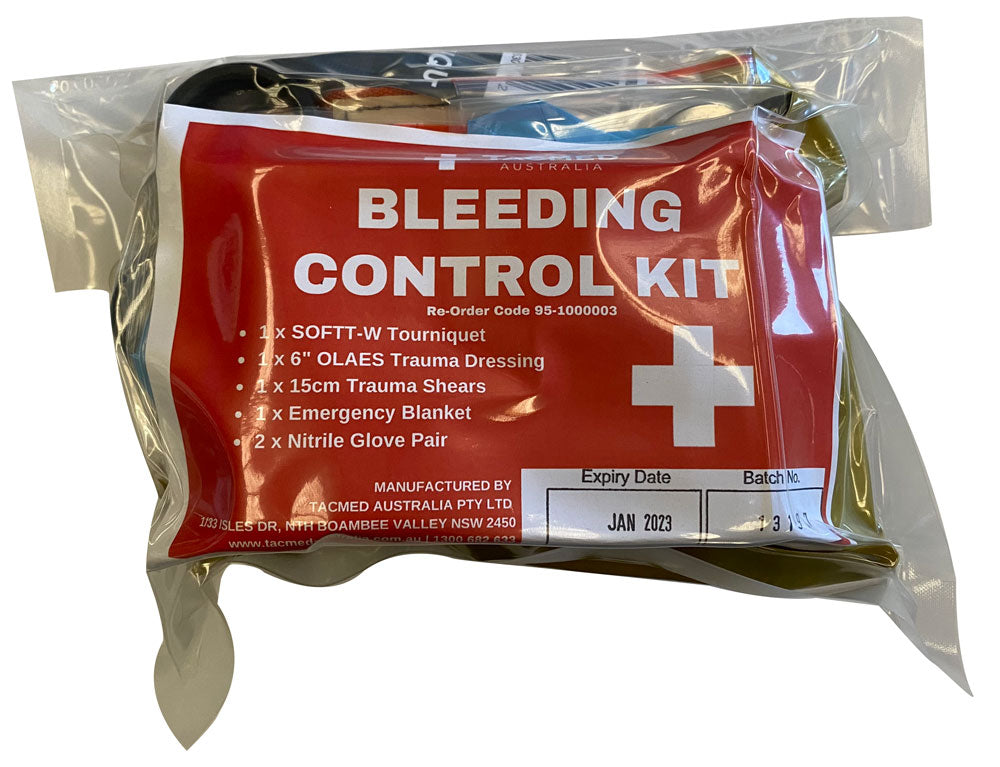
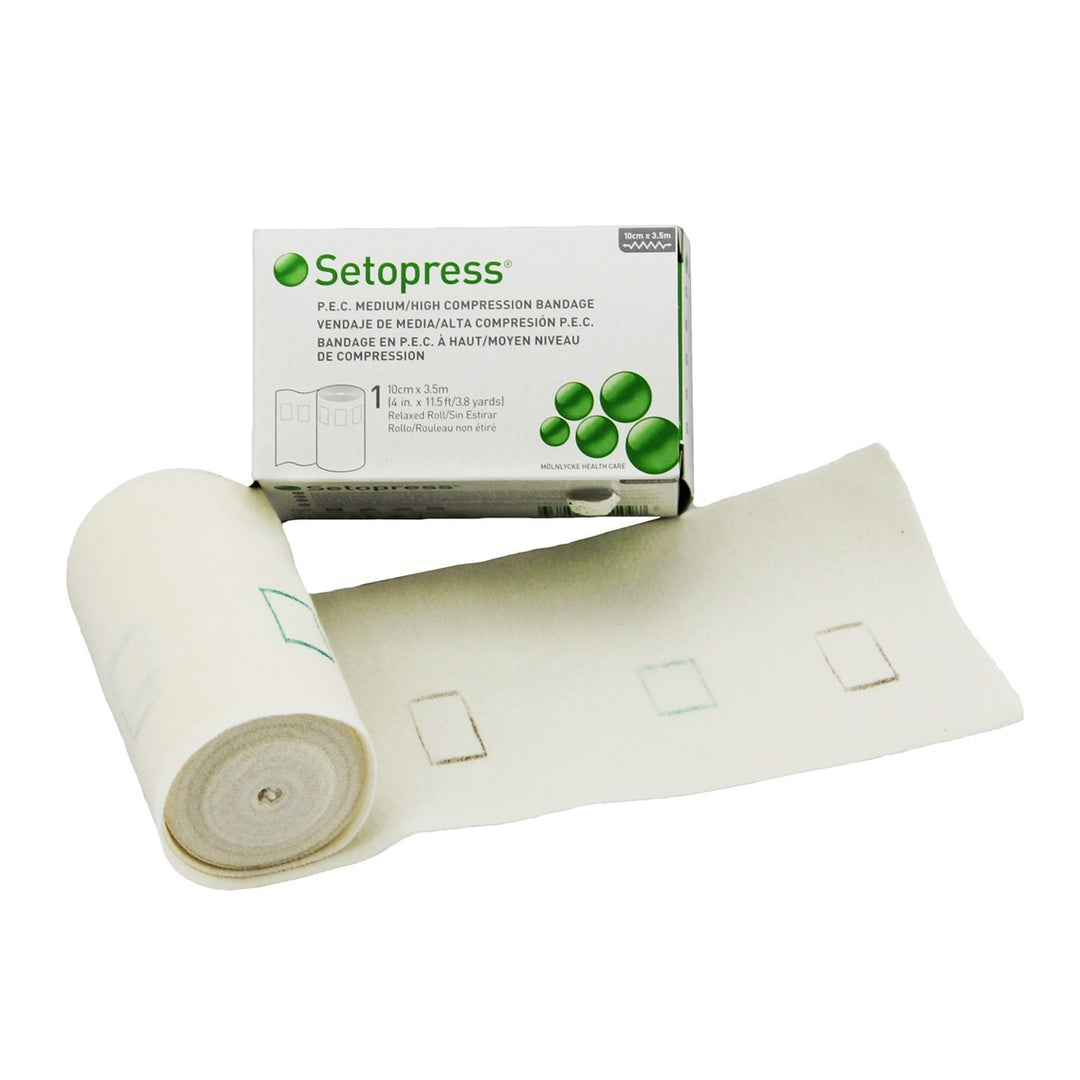
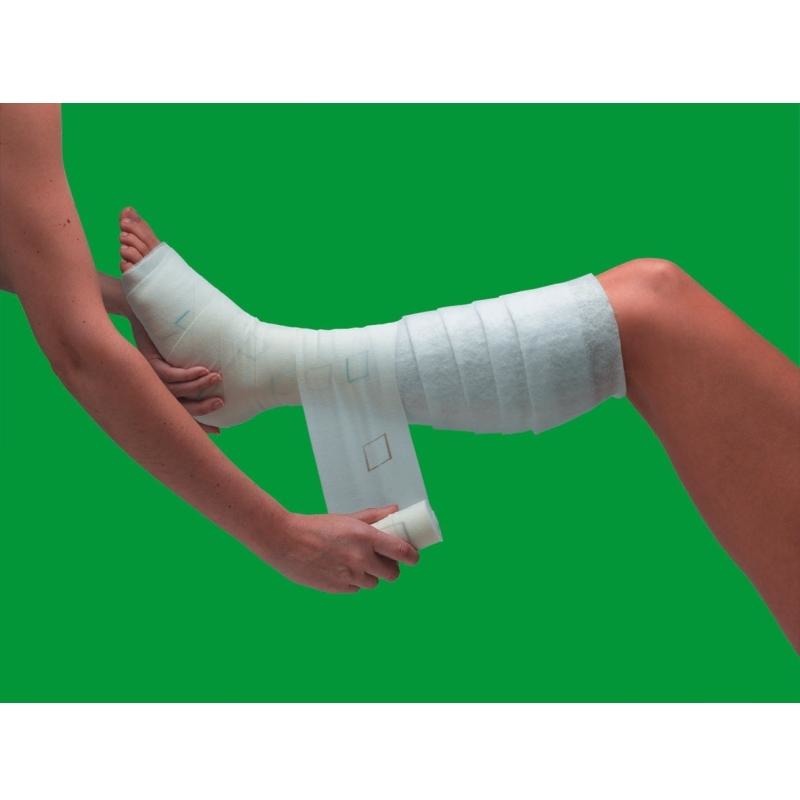
    Yes. The injury risk profile of mine sites — heavy machinery, vehicles, tools, and falls — makes severe haemorrhage a realistic scenario. A standard workplace first aid kit is not configured for serious bleeding control. Dedicated bleeding control equipment — tourniquets, haemostatic gauze, and pressure dressings — should be staged separately at mine sites. See the bleeding control collection.
    Are trauma kits used in mining environments?

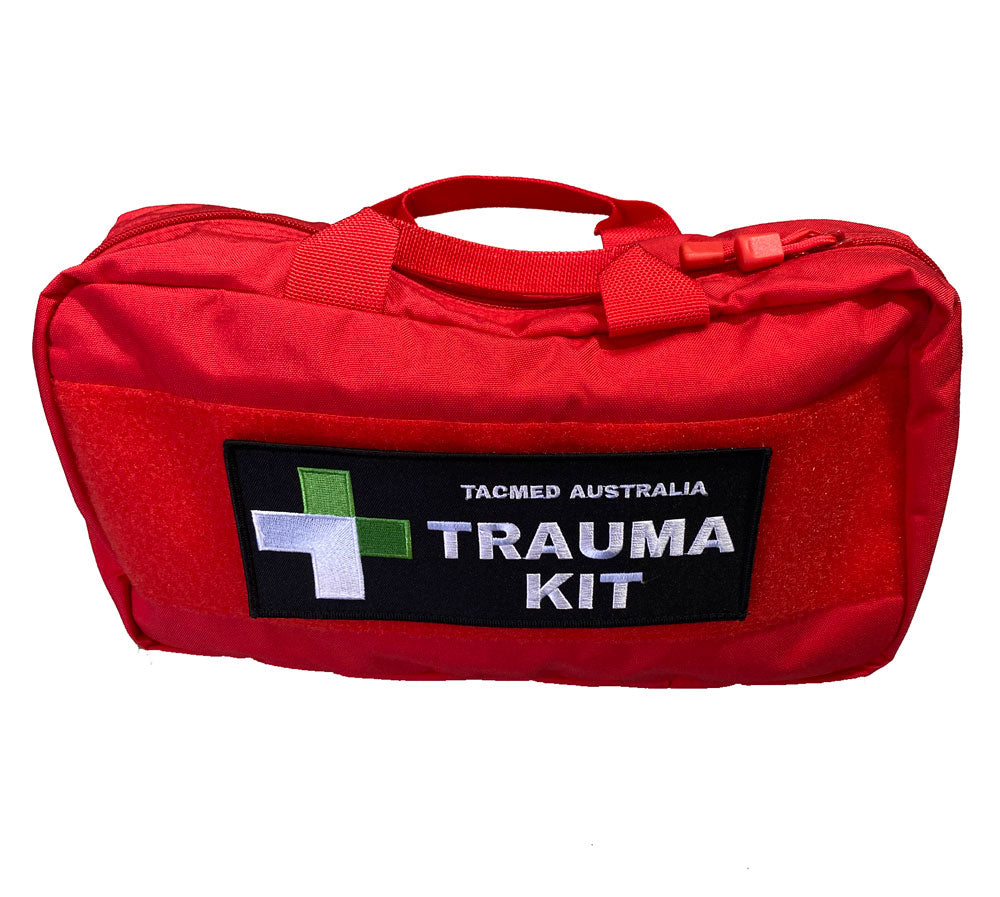
    Yes. Trauma kits are used by mine rescue teams, site medical teams, and emergency response vehicles at mine sites. For environments where evacuation may take time, a trauma kit provides broader capability than a standard first aid kit for managing serious injuries during the wait for advanced care. See the trauma kits collection.

    What first aid requirements apply to FIFO operations?

    FIFO and remote operations face extended emergency response times, which increases the first aid provision requirement under Safe Work Australia guidelines. Remote sites should have higher-capability kits, trained first aiders at an appropriate ratio, and where possible, a site medical officer. Kits should include extended trauma capability and sufficient supplies for sustained casualty care before evacuation.

    Where should medical kits be located on a mine site?

    Kits should be staged in workshops, plant areas, crib rooms, control rooms, and response vehicles — wherever workers are present and incidents are most likely. Vehicle kits should be mounted in the cab for immediate access. All locations should be clearly signposted and known to every worker on site. Large sites should have multiple kit locations so no area is more than a short walk from medical supplies.

    How often should mining medical kits be checked?

    Monthly as a minimum for active high-risk sites, and after every use. Assign a named person responsible for each kit location, maintain a checking log, and build post-incident restocking into your site emergency response procedures.

    Can TacMed supply mine sites and resources operations?

    Yes. TacMed supplies mine sites, resources companies, and industrial operators across Australia. Contact us for volume orders, site-specific configuration advice, or procurement requirements.