


C.A.T Tourniquet Gen7
- Australian veteran owned since 2010
- Free AU shipping over $250
- 99% orders shipped within 24 hours
- 14-day change-of-mind returns
- In stock, ready to ship
- Backordered, shipping soon
Here’s the C.A.T® Tourniquet Gen 7 description, features and FAQs together, ready to copy across.
C.A.T® Tourniquet Gen 7 — Combat Application Tourniquet
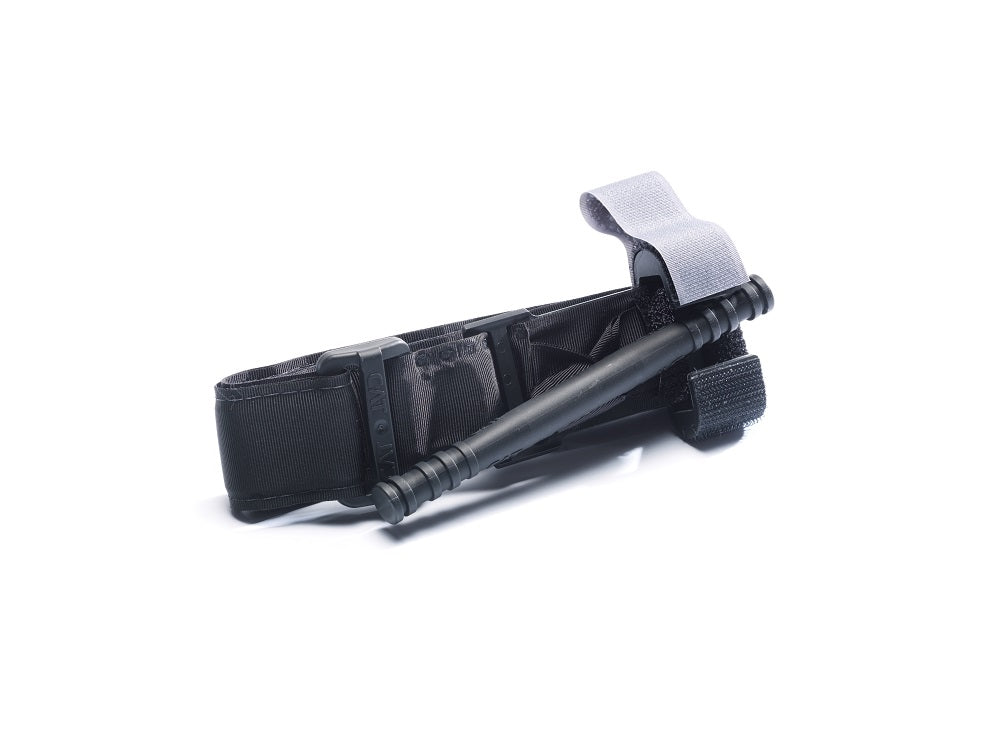
The Combat Application Tourniquet® Gen 7, commonly known as the C.A.T®, is a windlass tourniquet designed to control life-threatening bleeding from an arm or leg.
Manufactured by North American Rescue, the C.A.T® is used by military personnel, emergency responders and other trained users around the world. Its compact design makes it suitable for personal carry, IFAKs, vehicle trauma kits and professional response bags.
The C.A.T® Gen 7 uses a self-adhering strap, single-routing buckle and windlass system. It is designed for both one-handed self-application and two-handed use when assisting another person.
Designed for Rapid Application
The C.A.T® Gen 7 features a free-moving internal band that applies pressure around the limb as the windlass is tightened. Once tightened, the windlass is secured in the Windlass Clip and held in place with the Windlass Strap.
The single-routing buckle provides one consistent routing method for application. The red elliptical tip provides a visual cue and helps guide the strap through the buckle.
Hands-on training and familiarity with your equipment are important for effective use under pressure.
C.A.T® Gen 7 vs SOF® Tourniquet
| Feature | C.A.T® Tourniquet Gen 7 | SOF® Tourniquet |
|---|---|---|
| Manufacturer | North American Rescue | TacMed Solutions |
| Listed strap width | 1.5 inches (approximately 38 mm) | 1.5 inches (approximately 38 mm) |
| Strap design | Self-adhering strap with a free-moving internal band | Reinforced, low-stretch polyester strap |
| Buckle system | Single-routing buckle | Detachable friction-lock buckle |
| Windlass retention | Windlass clip and securing strap | TRAC™ clip and Tri-Ring Lock™ |
| Application | Designed for one-handed and two-handed use | Designed for one-handed and two-handed use |
| Intended purpose | Control of life-threatening limb bleeding | Control of life-threatening limb bleeding |
| Choosing your model | Consider your training, organisational requirements and preferred application system |
Consider your training, organisational requirements and preferred application system |
Both tourniquets are designed to control life-threatening limb bleeding. The right choice depends on the model you are trained and confident using, your organisation’s requirements, and how you intend to carry it.
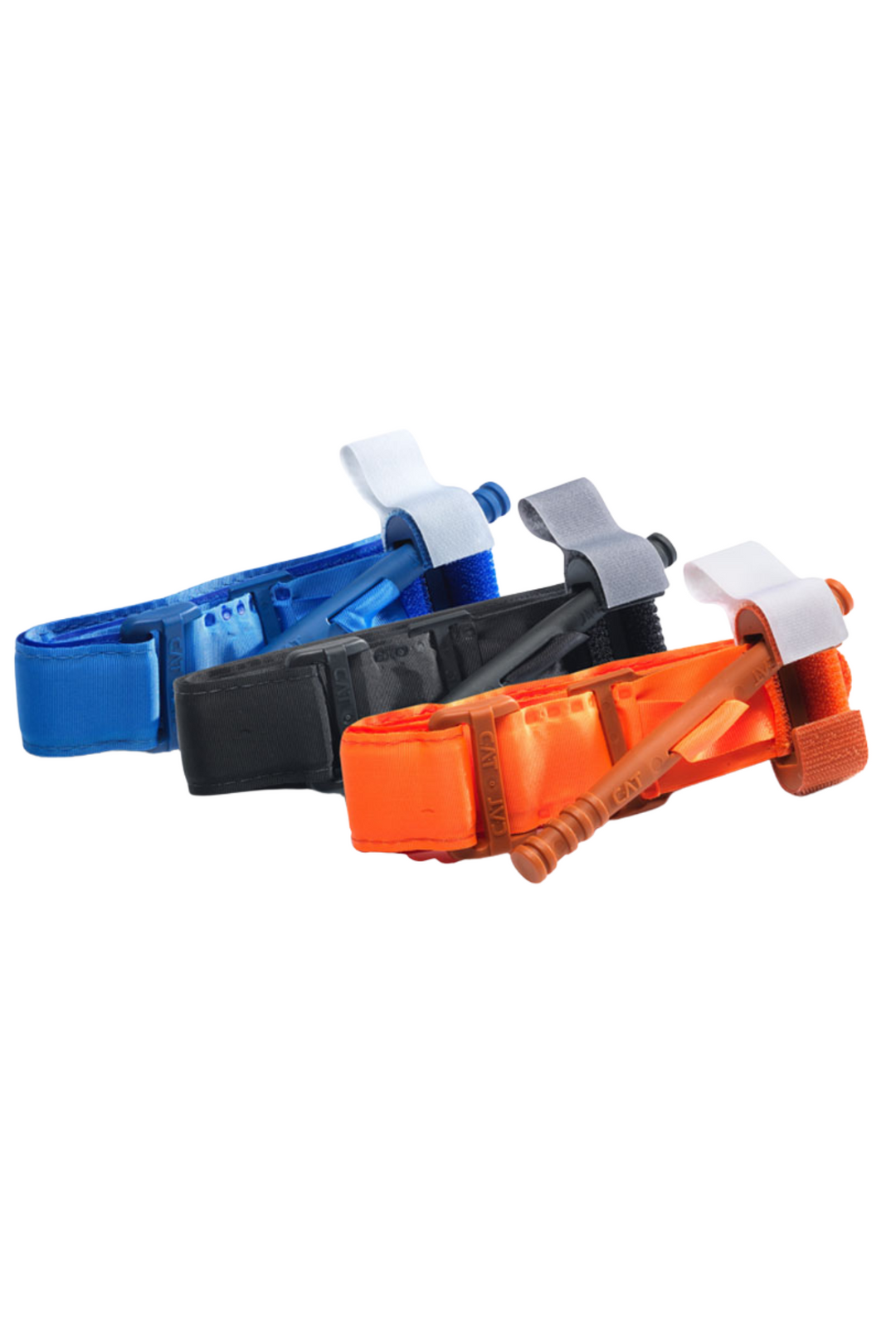
Training: The blue C.A.T® variant is intended for training. Use a dedicated training tourniquet for repeated practice and keep your operational tourniquet separate, protected and ready for use.
1.5-inch strap — Self-adhering strap with a free-moving internal band designed to distribute pressure around the limb.
Single-routing buckle — Provides one consistent routing method for application.
Windlass system — Allows the strap to be tightened to help control life-threatening limb bleeding.
Windlass clip and strap — Secure the windlass after tightening.
Reinforced stabilisation plate — Provides a stable base beneath the windlass.
Red Tip Technology® — The red elliptical tip provides a visual cue and helps guide the strap through the buckle.
One-handed application — Designed for self-application as well as use when assisting another person.
Compact design — Suitable for storage in a compatible holder, IFAK, vehicle kit or trauma bag.
Training option — The blue variant provides a clearly identifiable tourniquet for hands-on training.
What is the C.A.T® Gen 7 used for?
The C.A.T® Gen 7 is designed to control life-threatening bleeding from an arm or leg by applying pressure around the limb.
In Australian civilian first aid, ANZCOR suggests using an arterial tourniquet for life-threatening limb bleeding that is not controlled by direct pressure, if a tourniquet is available and the first aider is trained in its use.
What makes the C.A.T® Gen 7 different from earlier versions?
The Gen 7 uses a single-routing buckle, providing one consistent routing method for application. It also features a reinforced windlass, stabilisation plate, windlass clip and securing strap.
Features can vary between generations, so follow the instructions supplied with your specific tourniquet.
Can the C.A.T® Gen 7 be applied one-handed?
Yes. The C.A.T® Gen 7 is designed for one-handed self-application as well as two-handed application when assisting another person.
Practise with a dedicated training tourniquet and become familiar with the model and carry setup you use.
How does the C.A.T® tourniquet work?
The C.A.T® uses a strap and windlass to apply pressure around an injured limb. The windlass is tightened until the bleeding stops, then secured in the clip and held in place with the Windlass Strap.
Follow the manufacturer’s instructions and your training.
What’s the difference between the C.A.T® Gen 7 and the SOF® Tourniquet?
Both are designed to control life-threatening limb bleeding and can be applied one-handed. Their strap, buckle and windlass-retention systems differ.
The C.A.T® Gen 7 uses a self-adhering strap and windlass clip. The SOF® Tourniquet uses a low-stretch strap, detachable buckle and Tri-Ring Lock™. Both manufacturers list a strap width of 1.5 inches.
Choose according to your training, organisational requirements and preferred carry setup.
Where should a tourniquet be placed?
Follow the manufacturer’s instructions and your training. For civilian first aid, ANZCOR advises applying the tourniquet above the bleeding point according to the manufacturer’s instructions, or 5 cm above the bleeding point if instructions are unavailable. Ideally, avoid placing it over a wound or joint.
Placement in tactical or professional settings may differ according to the situation and applicable clinical protocol. Seek emergency medical assistance immediately.
How tight should a tourniquet be?
The tourniquet should be tightened until the bleeding stops, following the manufacturer’s instructions. Proper application can be painful.
If bleeding continues, check its position and application. ANZCOR advises applying a second tourniquet, if available, preferably above the first, if bleeding continues.
How long can a tourniquet stay on?
There is no guaranteed safe time limit that applies to every situation. A tourniquet is a temporary measure for life-threatening bleeding and the person needs urgent medical care.
Call 000, note the time of application and tell emergency personnel. Once applied, the tourniquet should not be removed until the person receives specialist care.
Can the C.A.T® Gen 7 be used on a large thigh?
The C.A.T® Gen 7 is designed for use on arms and legs. Correct placement and application are essential, and effectiveness can depend on the circumstances.
If bleeding continues, check the tourniquet’s position and application. A second tourniquet may be needed. Follow the manufacturer’s instructions, your training and applicable clinical protocols.
Can a tourniquet be used on a child?
ANZCOR’s bleeding guideline applies to adults, children and infants. For life-threatening limb bleeding that cannot be controlled by direct pressure, it suggests using an arterial tourniquet if one is available and the first aider is trained in its use.
Whether a particular tourniquet can be applied effectively depends on its fit and the size of the limb. Follow the manufacturer’s instructions and seek emergency medical assistance immediately.
Is the C.A.T® tourniquet reusable?
The C.A.T® is intended as a single-use medical device for operational use. After use in an emergency, it should be replaced.
For repeated practice, use a dedicated training tourniquet and keep your operational tourniquet separate and ready for use.
Is the blue C.A.T® a training tourniquet?
Yes. The blue C.A.T® variant is intended for training and is visually distinct from operational tourniquets. Use it for hands-on practice and carry a separate operational tourniquet for emergencies.
Does the C.A.T® Gen 7 fit in an IFAK?
Its compact design makes it suitable for many IFAKs and trauma kits. Check the dimensions and compatibility of your chosen pouch or holder before ordering.
Do I need training to use a tourniquet?
Hands-on training is strongly recommended. It helps you practise placement, removing slack, tightening and securing the windlass, and recognising whether bleeding has stopped.
Practise with a dedicated training tourniquet and follow your organisation’s requirements where applicable.
📦 Shipping Overview
- Flat rate: $12.95 Australia-wide
- Free shipping: Orders over $250
- Dispatch time: 99% orders shipped within 24 hours (Mon–Fri)
🚚 Delivery Estimates
- Metro areas: 3–7 business days
- WA & NT: Up to 10 business days
- During peak or promo periods: Please allow additional time
📍 Delivery Instructions
Please provide a delivery address where someone is available during business hours. PO Boxes are accepted. If unattended, your order may be left in a secure location or taken to the nearest post office or depot.
Build out your bleeding control kit
Add practical equipment for managing serious bleeding and trauma.
Choose any extras below. Your main product is added separately.