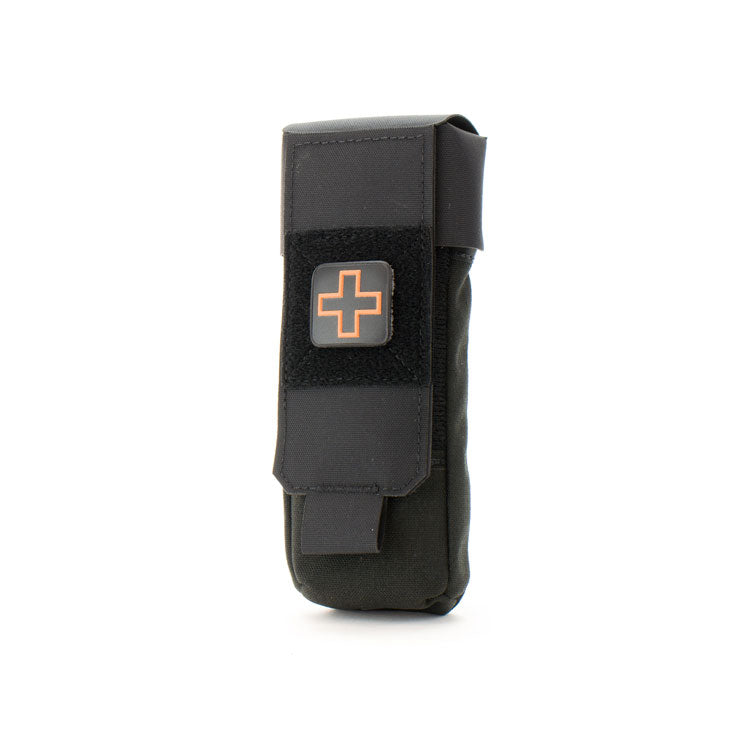
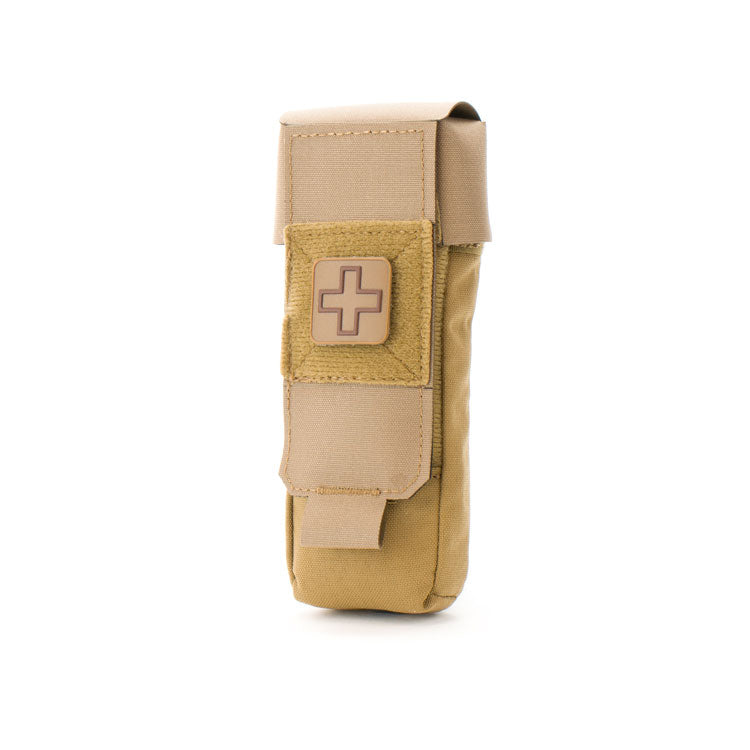
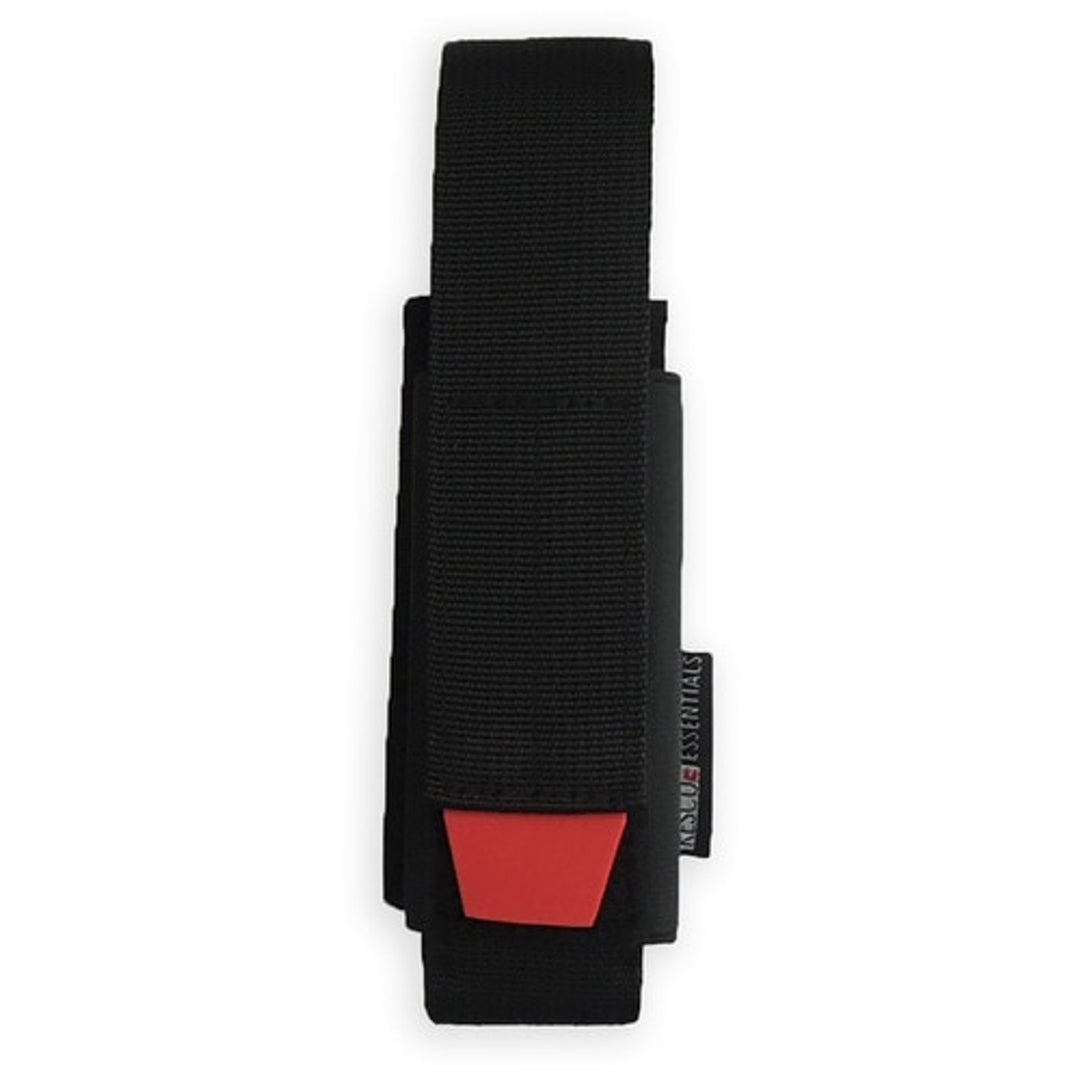
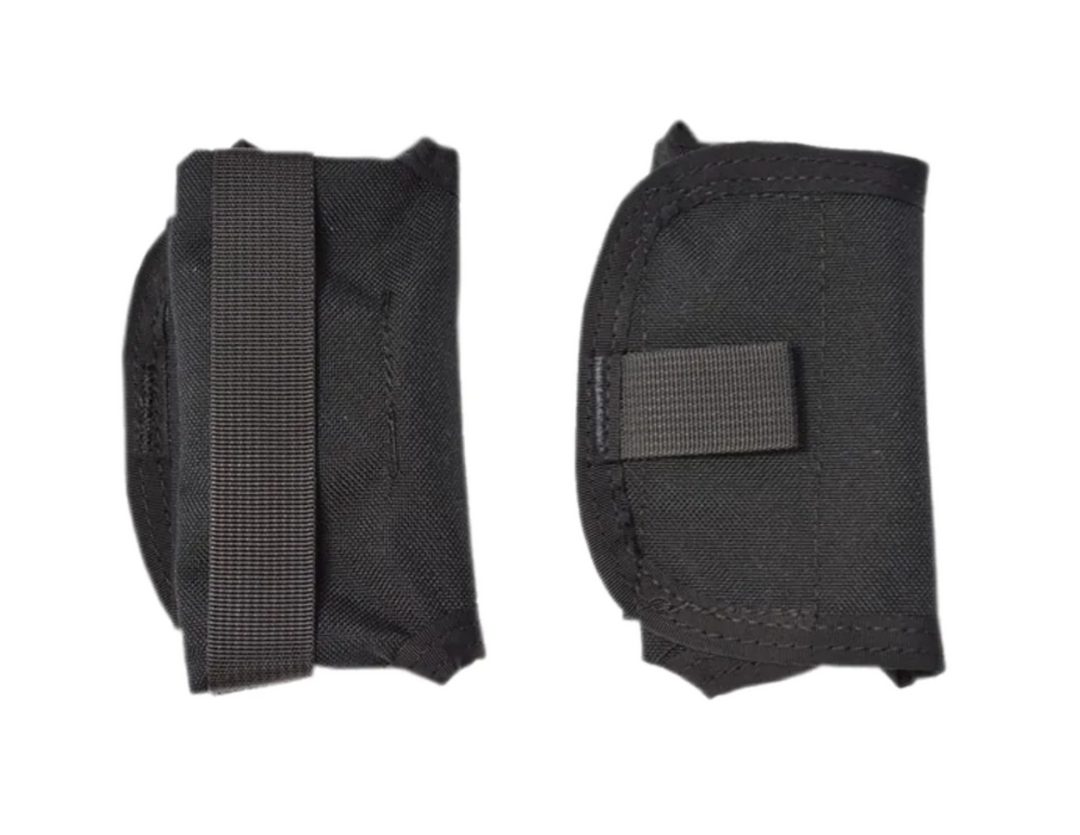
What is the difference between a tourniquet pouch, holder, and case?
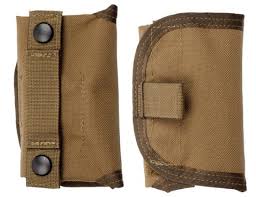
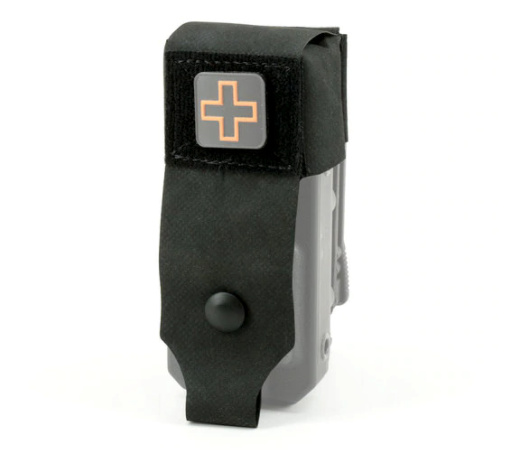
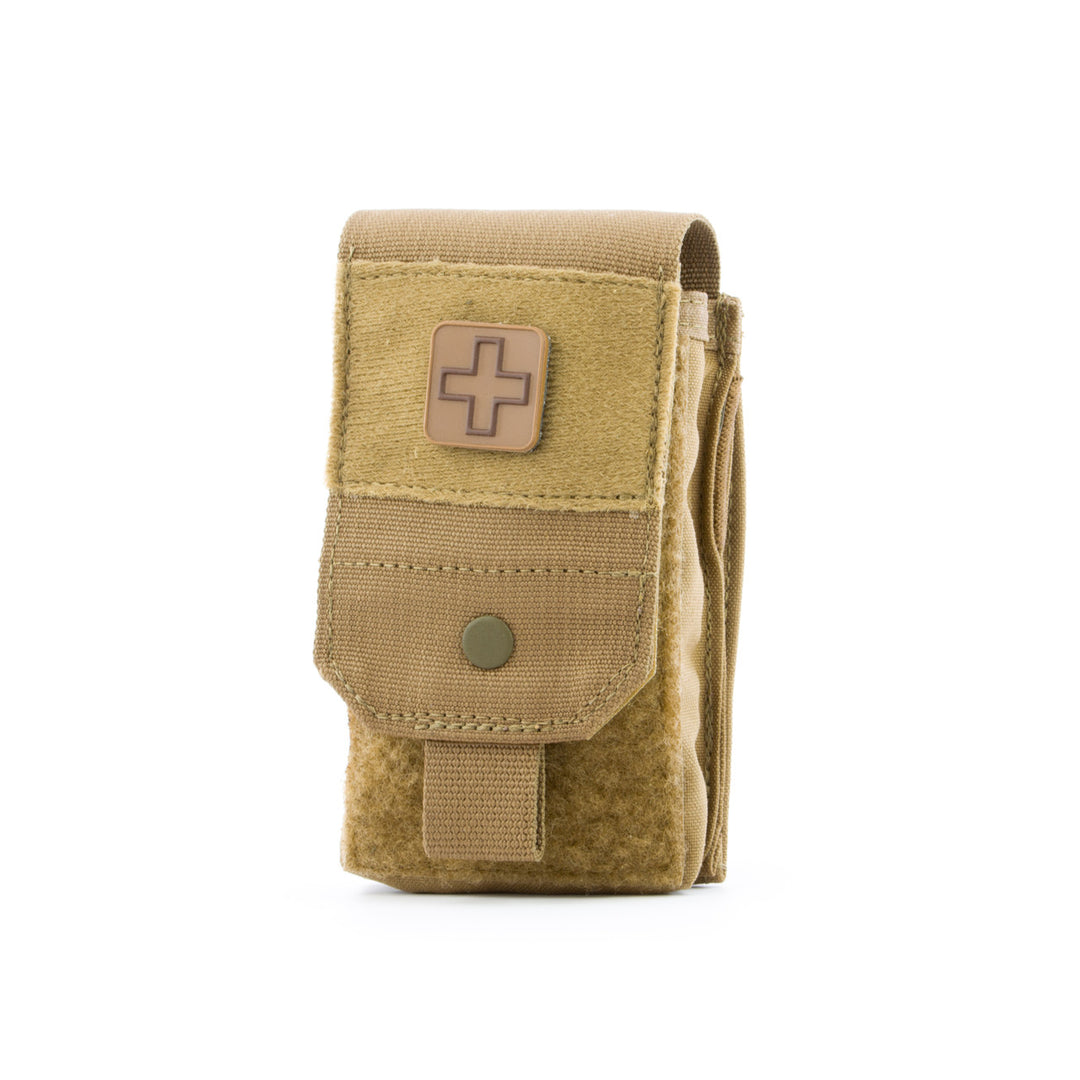
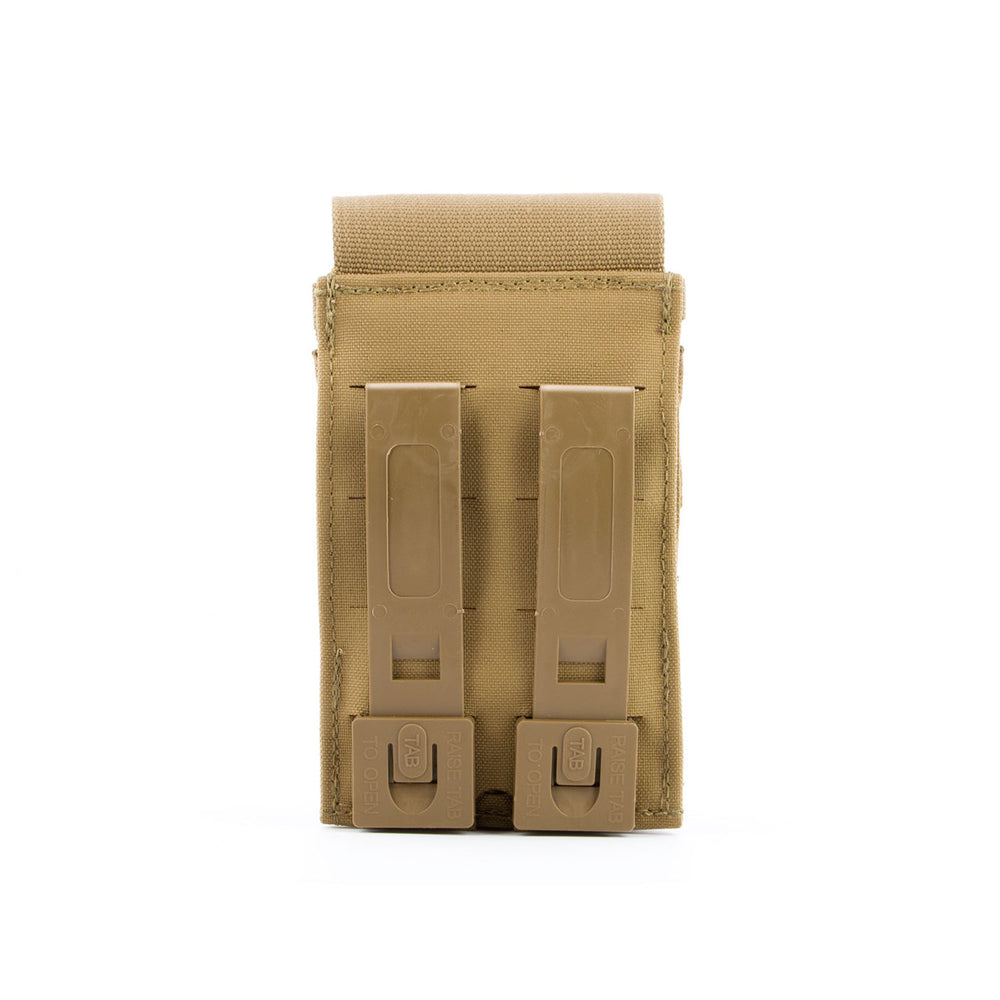
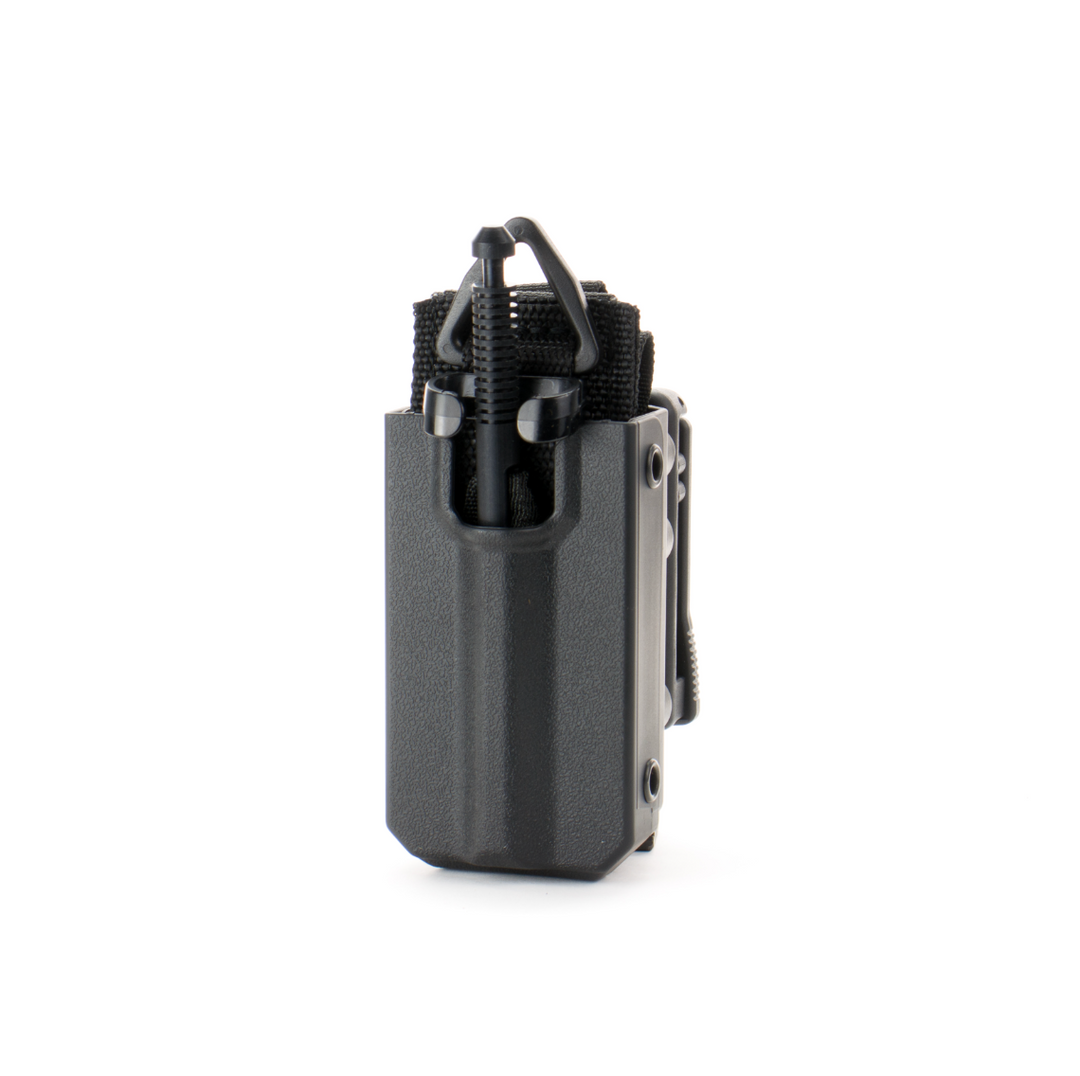
These terms are used interchangeably but generally refer to different formats. A pouch is a soft fabric carrier — usually MOLLE-compatible and often part of an IFAK or vest setup. A holder typically refers to a belt-mounted or platform-specific carrier with a retention system designed for rapid draw. A case usually refers to a rigid or semi-rigid protective shell — suited to vehicle mounting or pack storage where the tourniquet needs protection from compression or environmental damage.
What tourniquet holder works best on a duty belt?
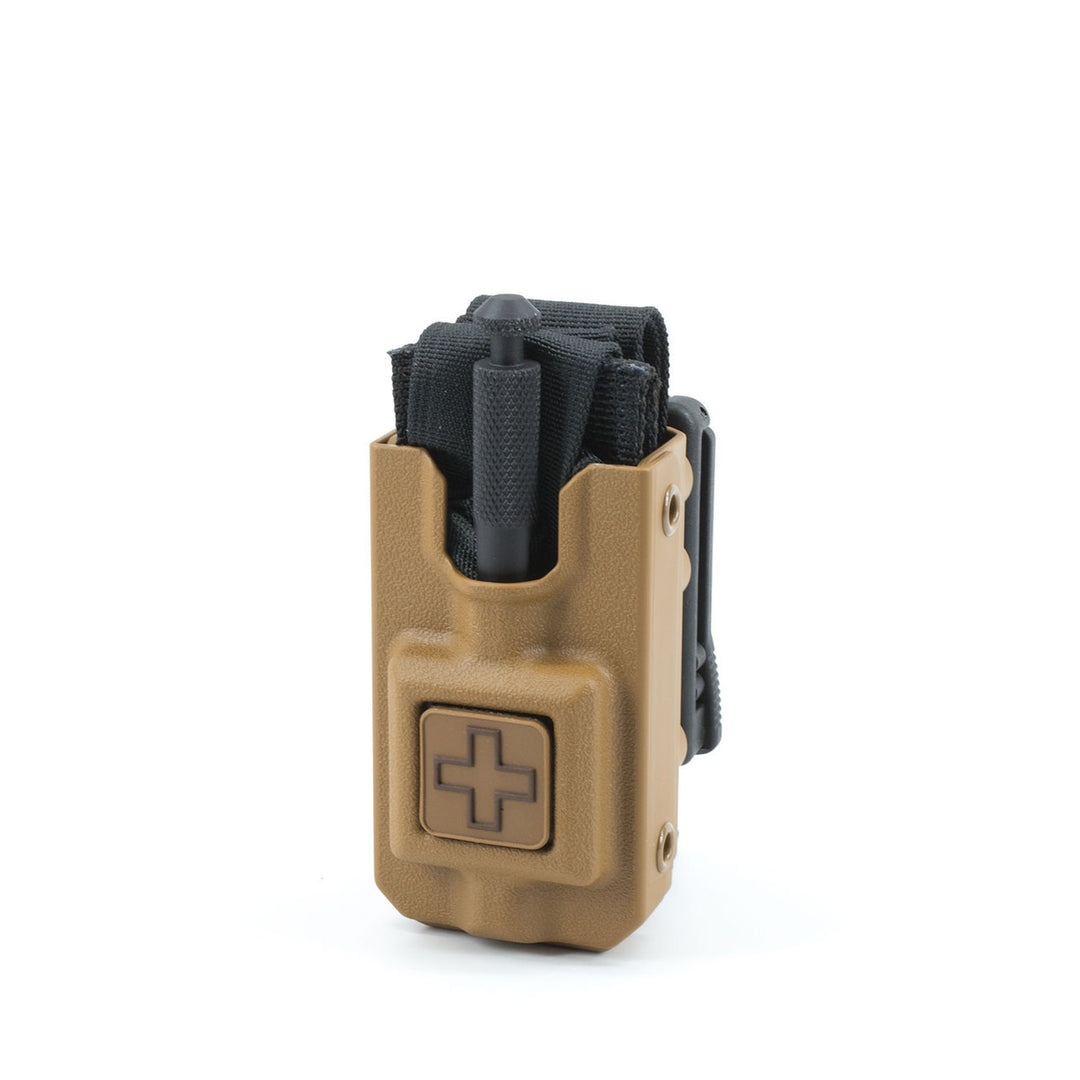
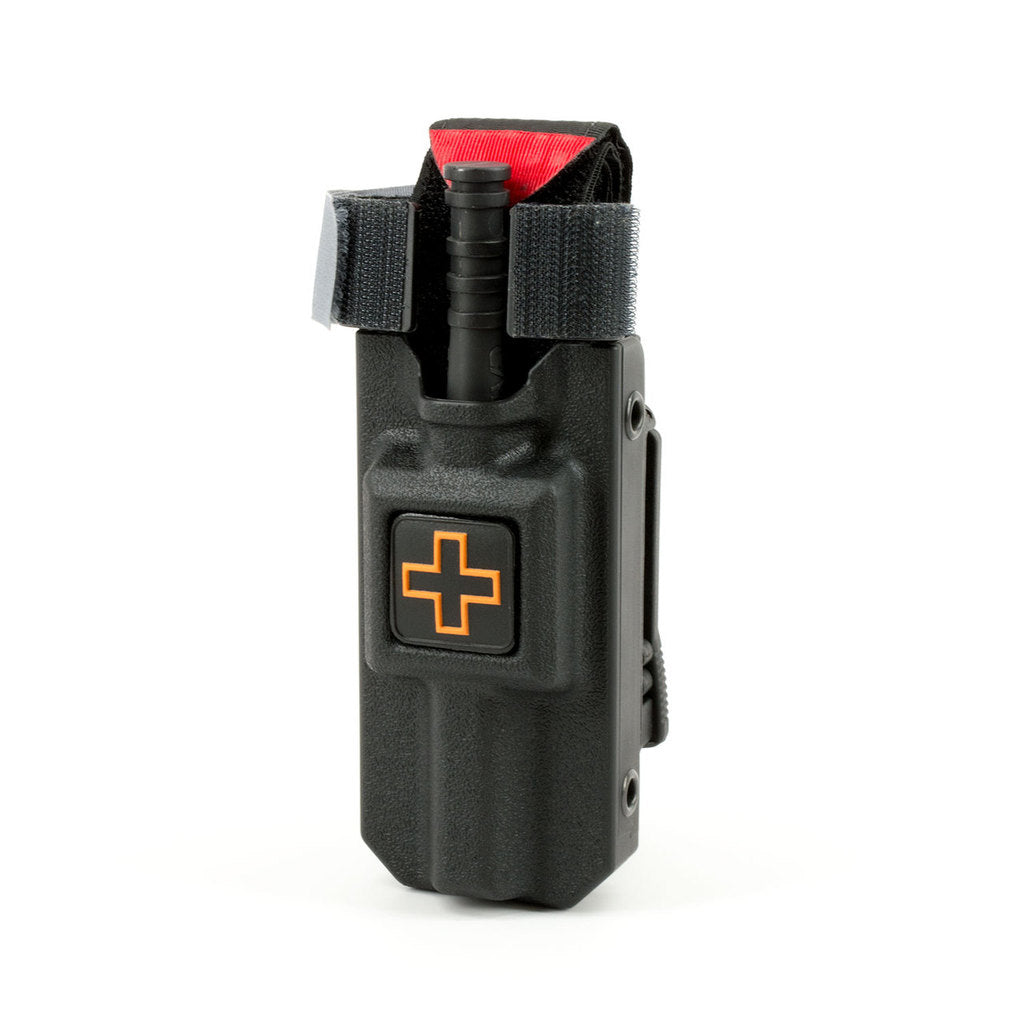
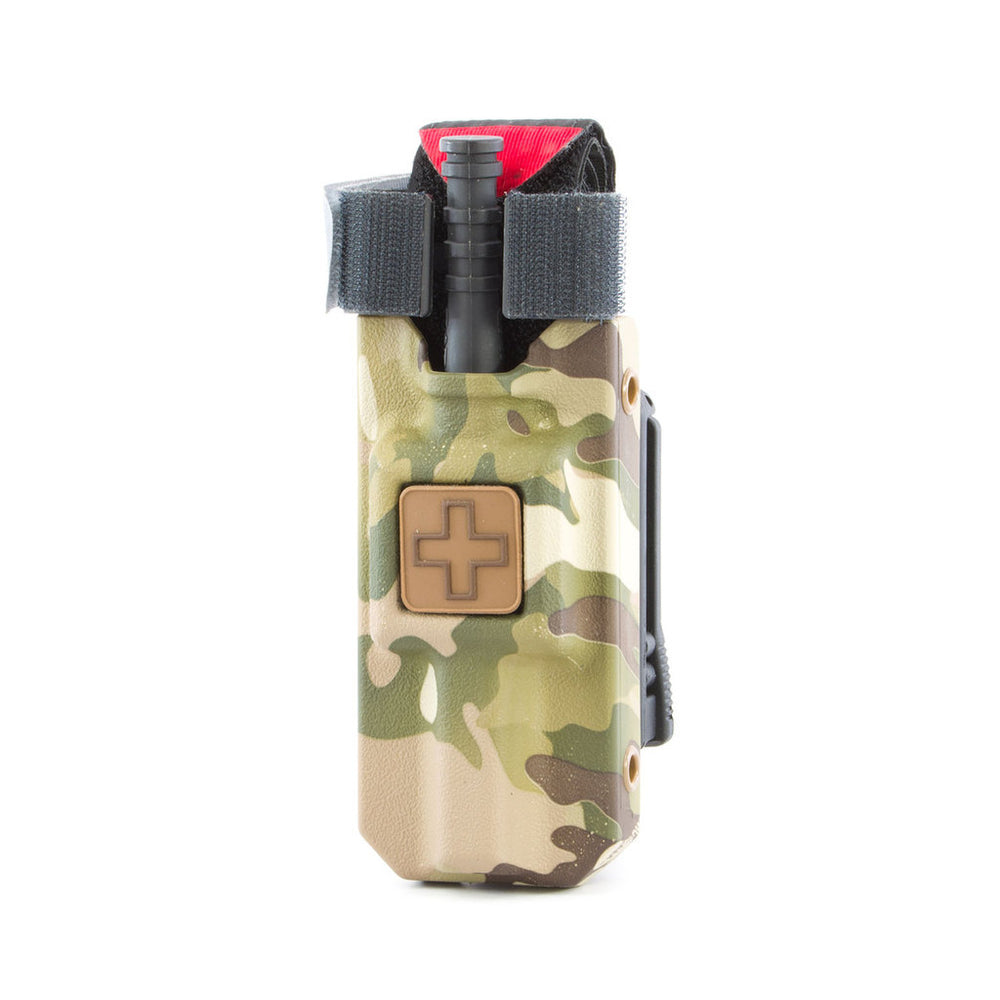
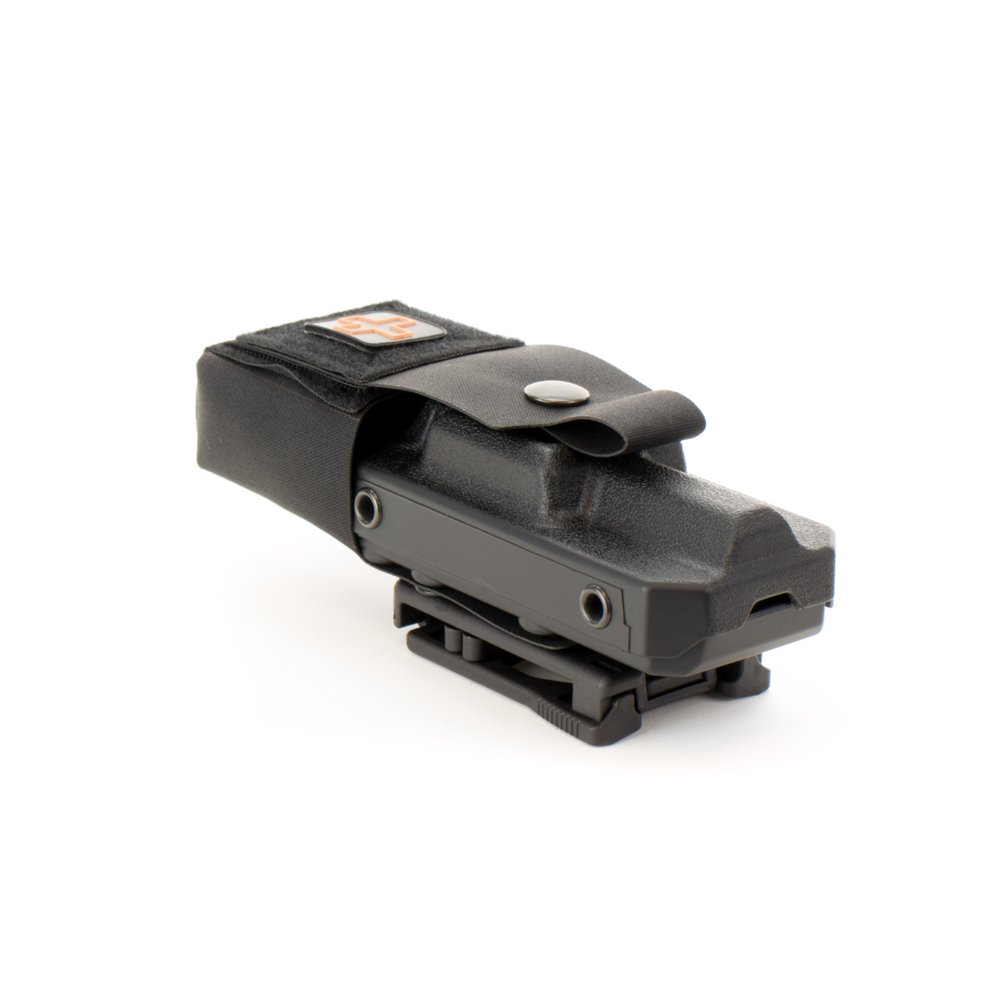
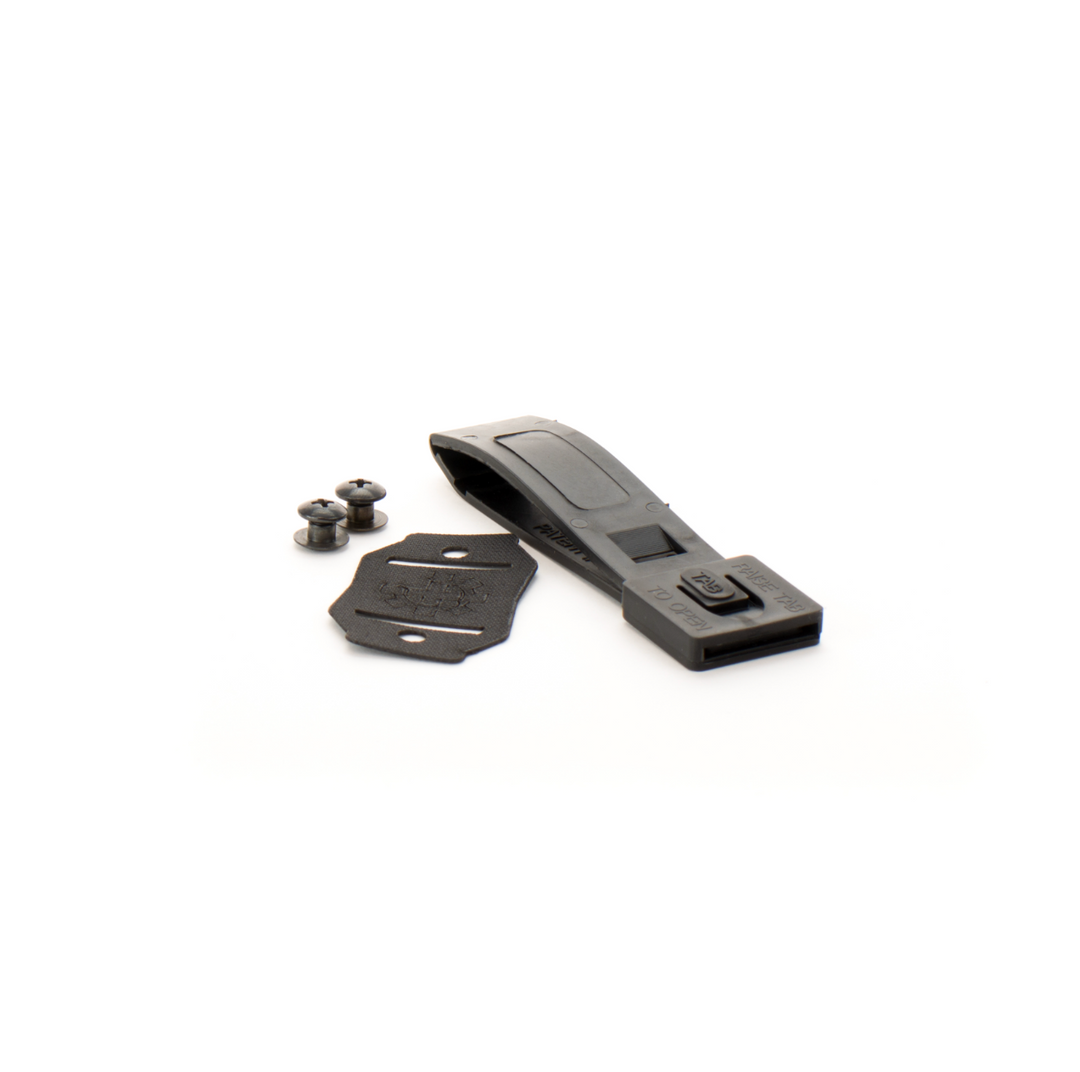
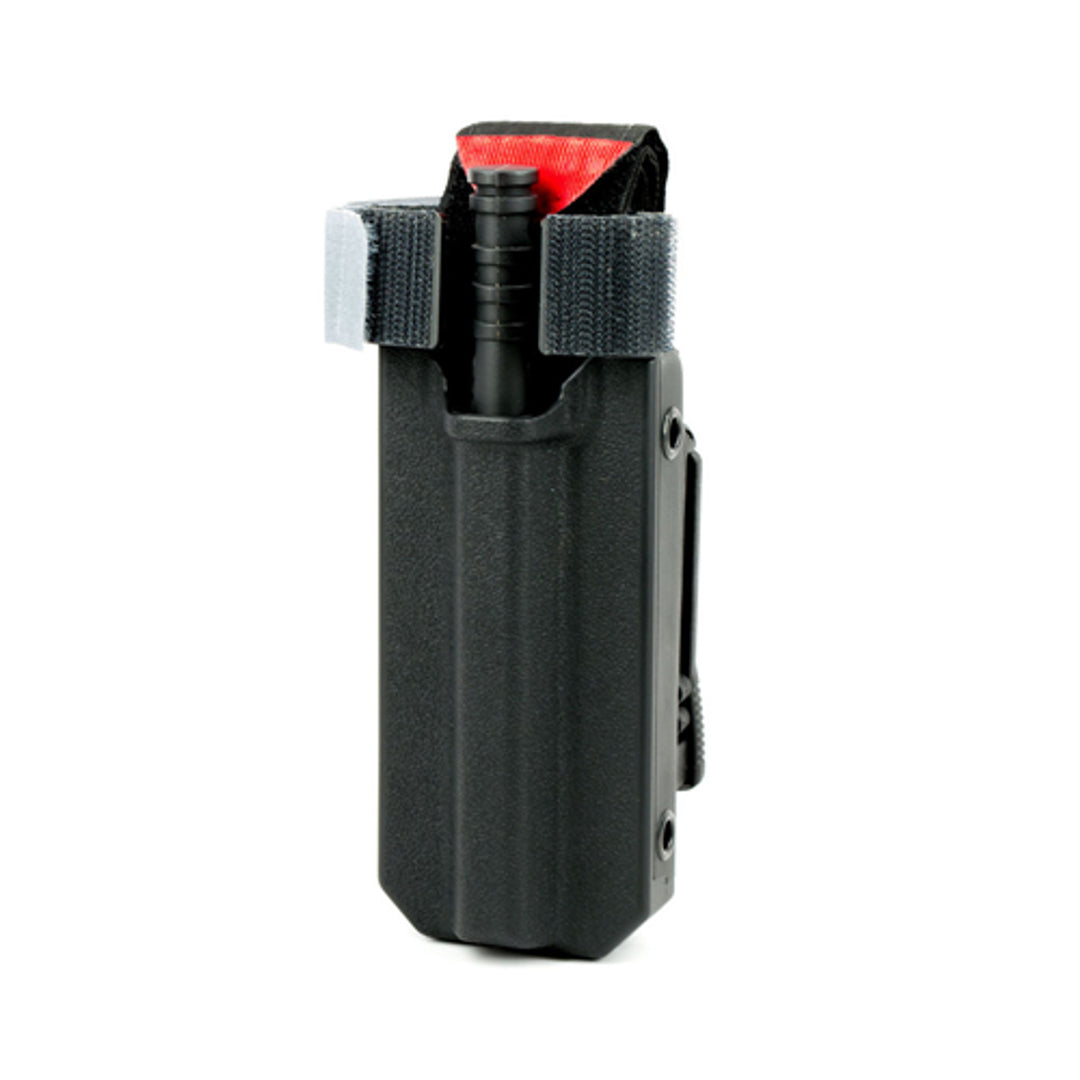
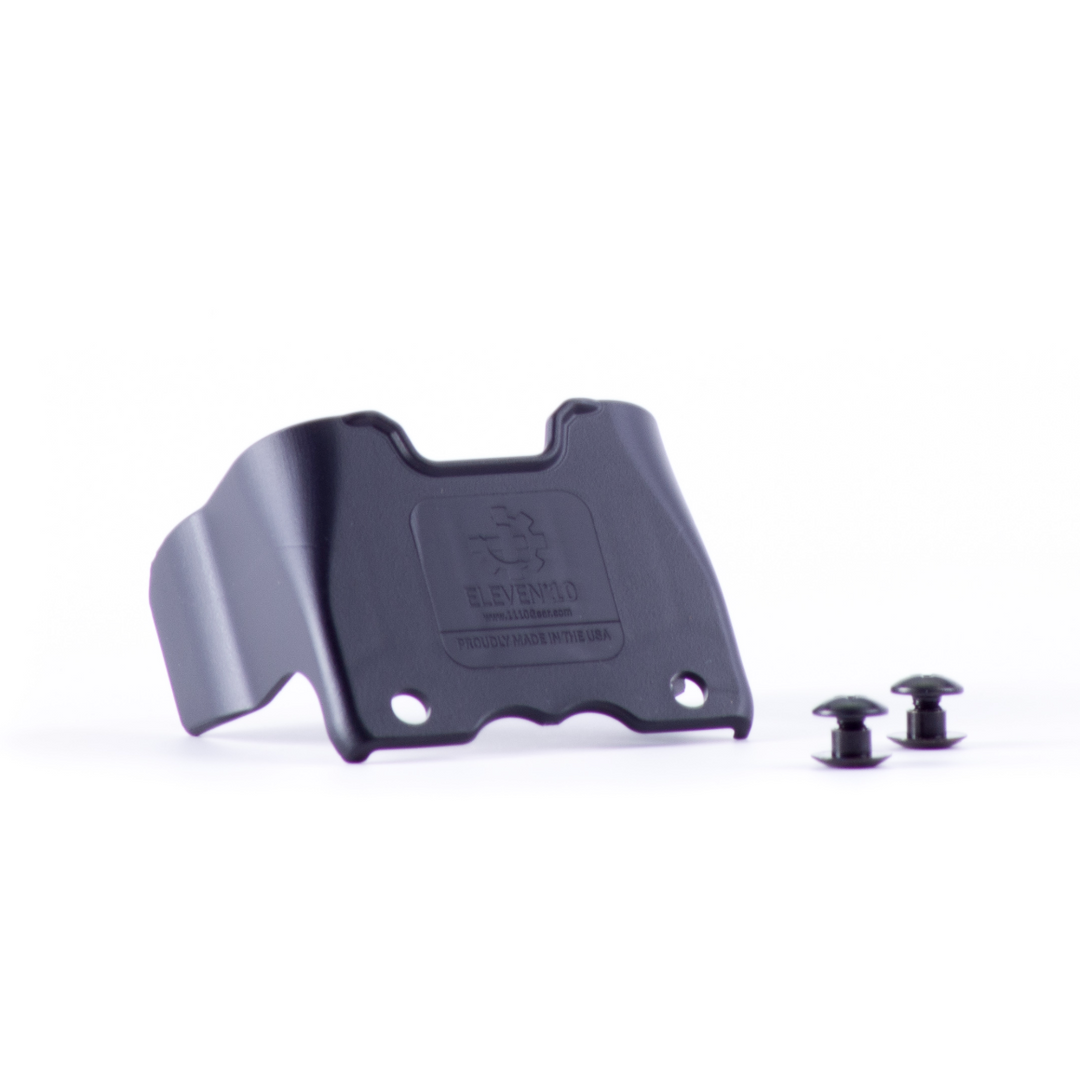
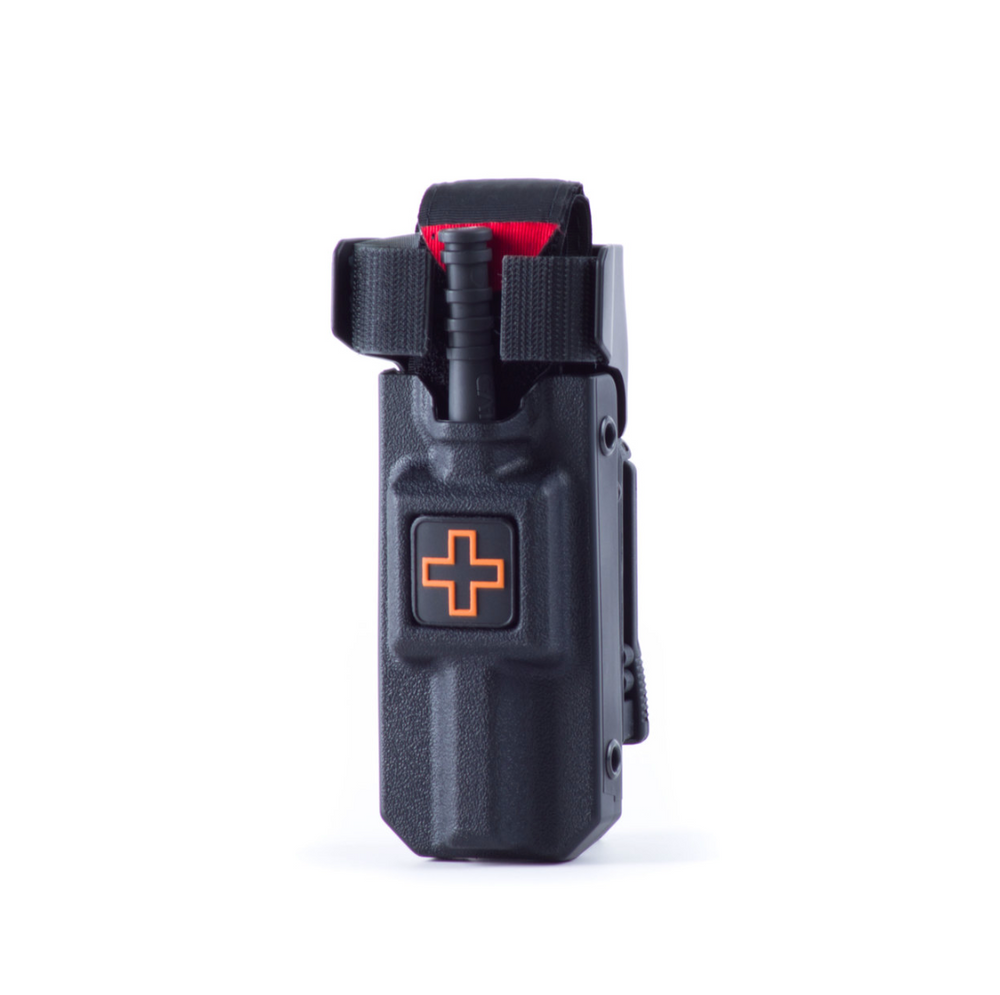
Duty belt tourniquet holders are designed to mount directly to a standard belt and retain the tourniquet securely during movement. Horizontal orientation is popular for duty belt carry as it keeps a lower profile. Eleven 10 tourniquet holders are a widely used option in law enforcement for their reliable retention and single-hand deployment design. Check individual product listings for belt width compatibility.
What is a horizontal tourniquet holder?
A horizontal tourniquet holder positions the tourniquet lying flat — parallel to the belt — rather than standing upright. This gives a lower overall profile on the belt and suits a horizontal draw motion. It is particularly popular with law enforcement who need the tourniquet accessible on a loaded duty belt without the height of a vertical pouch.
Will a tourniquet pouch fit both a CAT Gen 7 and a SOF-T Wide?
Not always. The CAT Gen 7 and SOF-T Wide have different dimensions and some pouches are designed specifically for one or the other. Check the product description for compatibility information before ordering. If you are unsure which tourniquet you have or which pouch fits it, contact us and we can advise.
Can I mount a tourniquet holder on a gun holster or duty belt alongside my sidearm?
Yes. Several tourniquet holders are designed specifically to attach to a duty belt or integrate near a holster — positioning the tourniquet for coordinated access in a critical incident. This setup is increasingly common among armed law enforcement and security professionals who want the tourniquet within the same draw arc as their firearm.
What is a rigid tourniquet case?
A rigid tourniquet case is a hard-shell carrier that protects the tourniquet from being crushed, contaminated, or damaged in harsh environments. They are particularly suited to vehicle mounting — where a soft pouch may be compressed or exposed to UV and heat — and to pack storage where other gear may press against the tourniquet. The Phantom Tourniquet Case is a common example.
What is the Eleven 10 tourniquet holder?
Eleven 10 is a US-based manufacturer specialising in duty gear and tactical medical carriers. Their tourniquet holders are widely used by law enforcement for their retention system, low-profile design, and compatibility with CAT Gen 7 tourniquets. If you are looking for a duty belt tourniquet holder used by police, the Eleven 10 range is a commonly recommended option.
How should a tourniquet be staged in a carrier?
The tourniquet should be pre-staged in the carrier ready to deploy — band looped, windlass at the top (or configured per your training protocol), windlass clip open if applicable. The carrier should be positioned where you can reach it with either hand. Practice your draw from the specific carrier and position you use — staging is only effective if you can access it reliably under stress.
Do these carriers come with a tourniquet included?
No. Tourniquet carriers are sold separately from the tourniquet itself. To purchase a CAT Gen 7 or SOF-T Wide tourniquet, see the tourniquet collection.