Trauma Kits

Filter

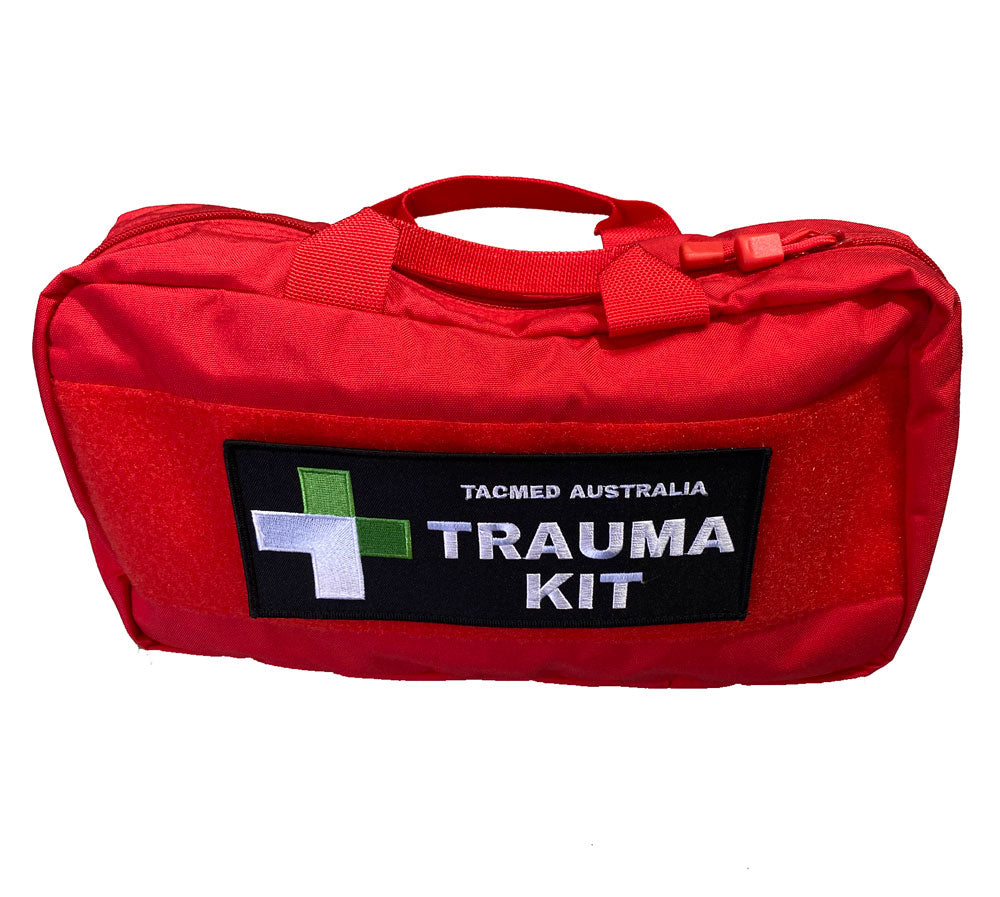
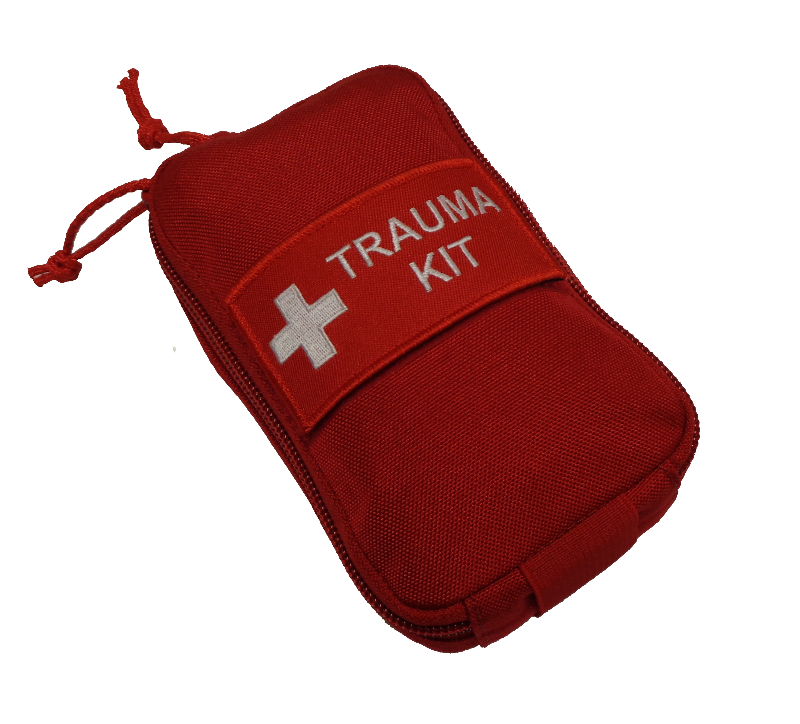
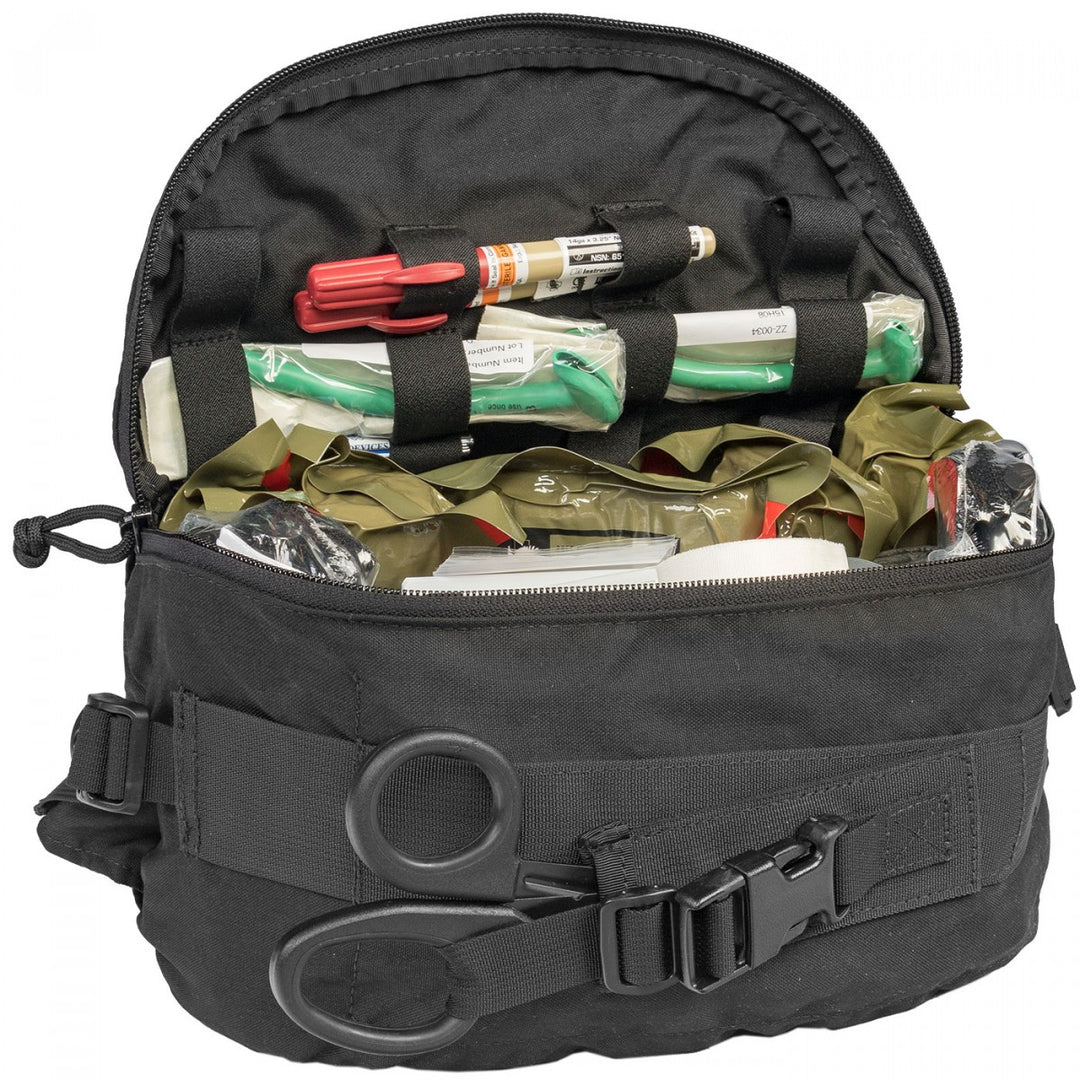
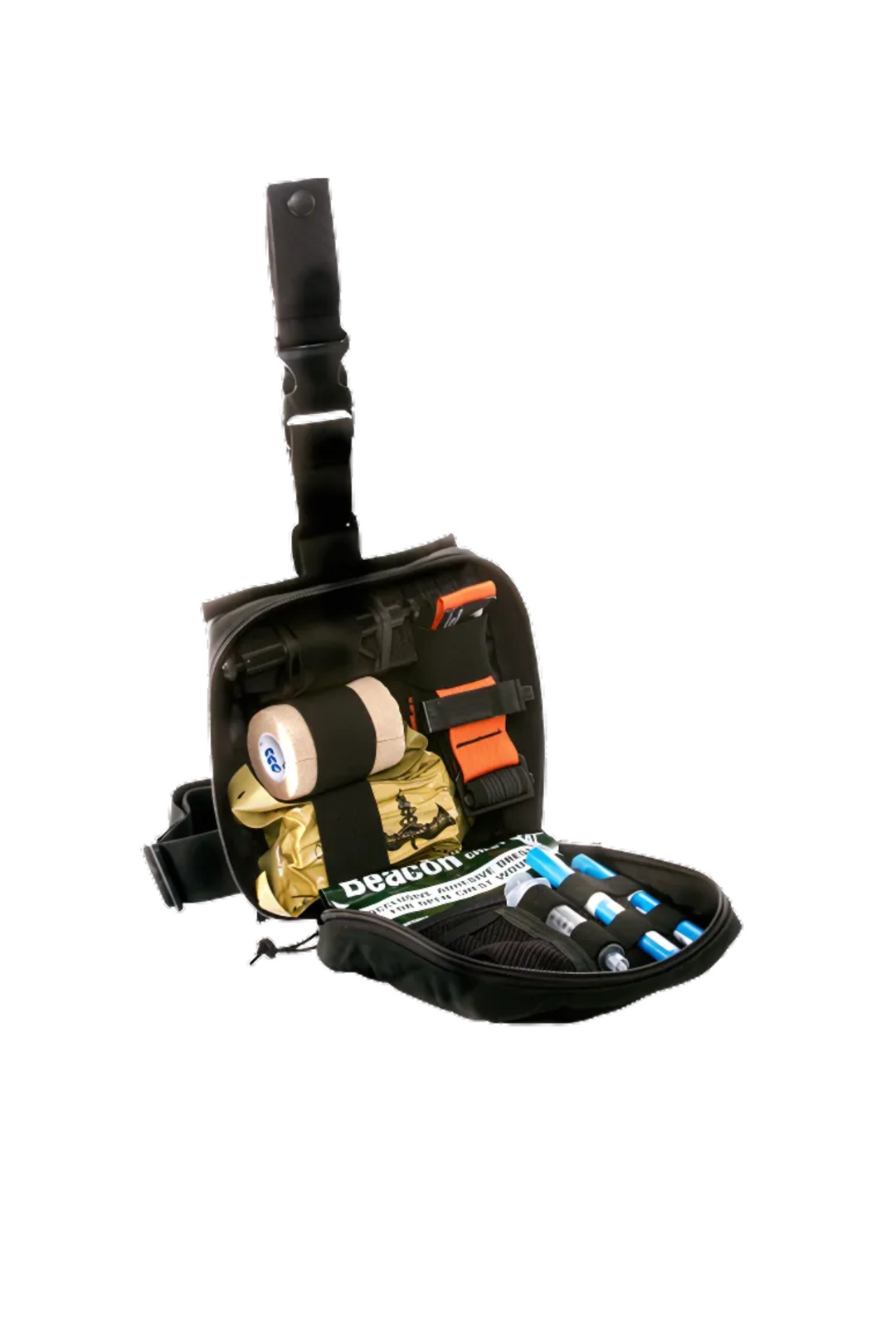
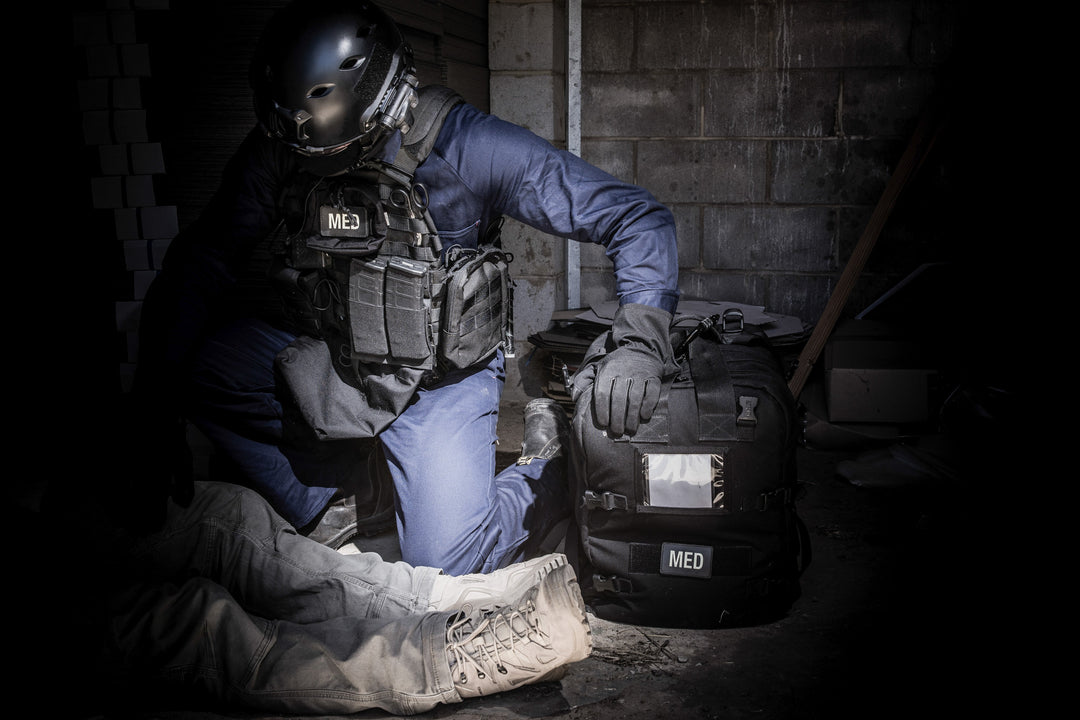
    TacMed Australia's trauma kits are designed to manage life-threatening injuries in the critical minutes before advanced medical care is available. These kits focus on controlling severe bleeding, managing airway and chest injuries, and stabilising casualties in high-risk environments — not general first aid.

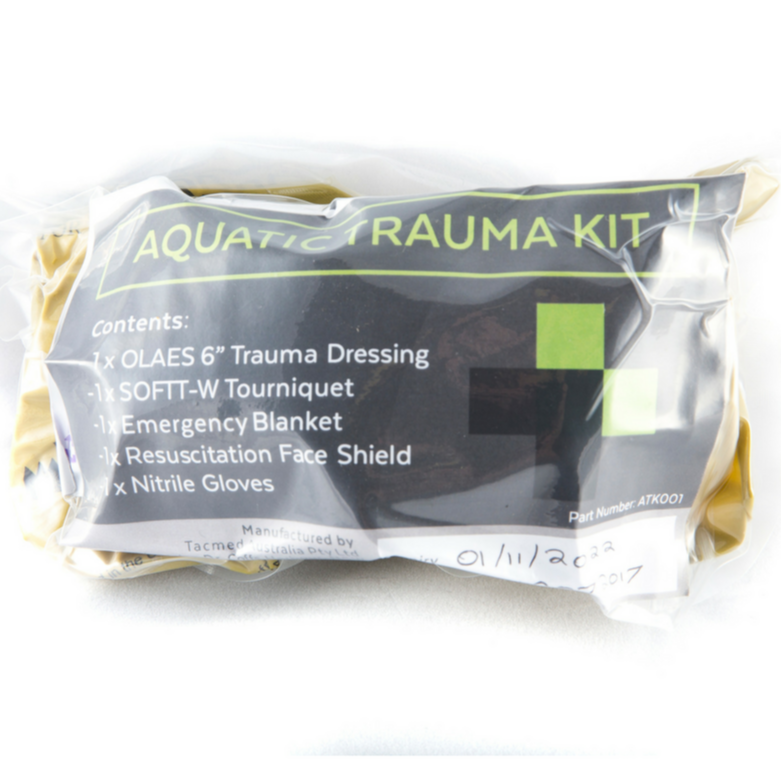
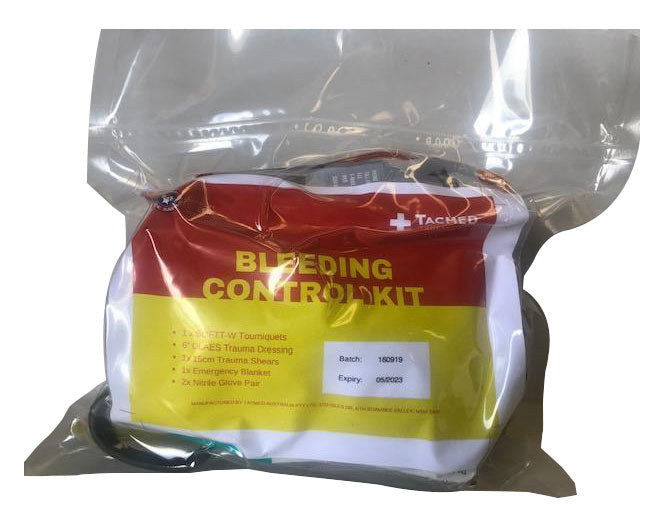
    The collection includes pre-configured trauma kits for a range of specific environments and use cases: vehicle trauma kits for on-road emergency response, motorcycle trauma kits for riders and motorsport, aquatic and surf trauma kits for waterway operations and surf lifesaving, K9 handler trauma kits for working dogs, immediate response trauma kits for first responders, and community and workplace trauma kits for trained first aiders in high-risk environments.

    Every kit is TGA-compliant, pre-configured with clinical-grade components, and built for Australian conditions. For individual trauma components, see the bleeding control collection or individual product pages.

    What These Are Built to Handle

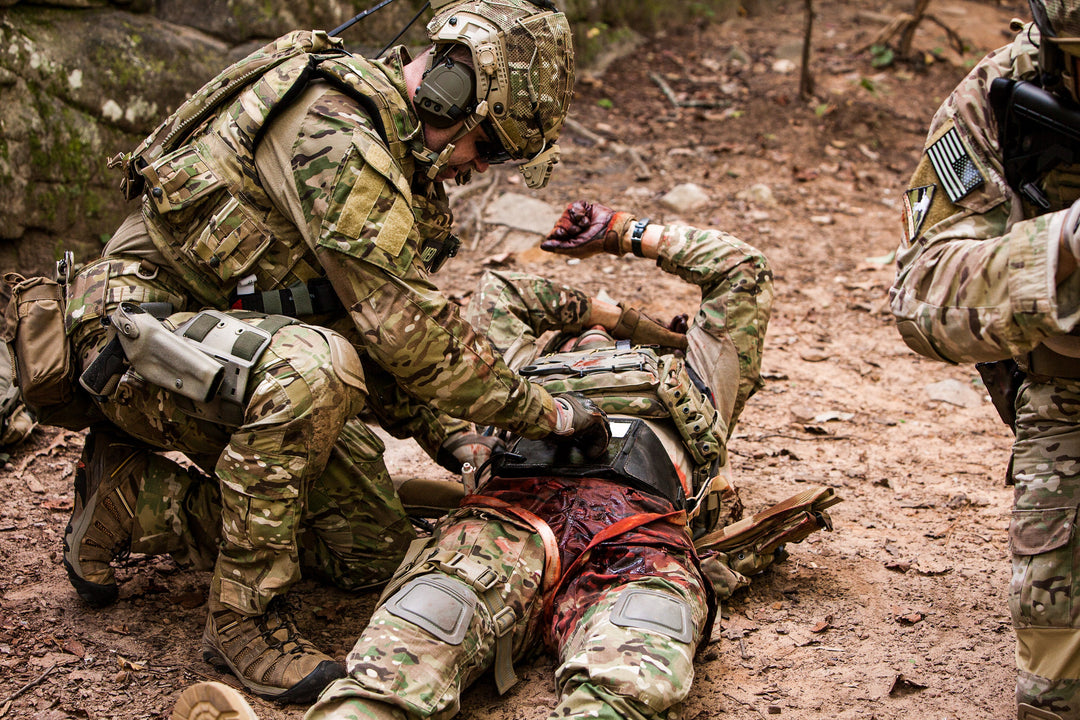
    Trauma kits are intended for serious, time-critical injuries — major bleeding, penetrating wounds, chest trauma, and severe accidents where immediate intervention is required. These are the situations where a standard first aid kit is not enough.

    In real-world trauma scenarios, treatment often begins before a full assessment is possible. Trauma kits are built around a small number of high-impact interventions that can be performed quickly under stress.
    What a Trauma Kit Should Contain

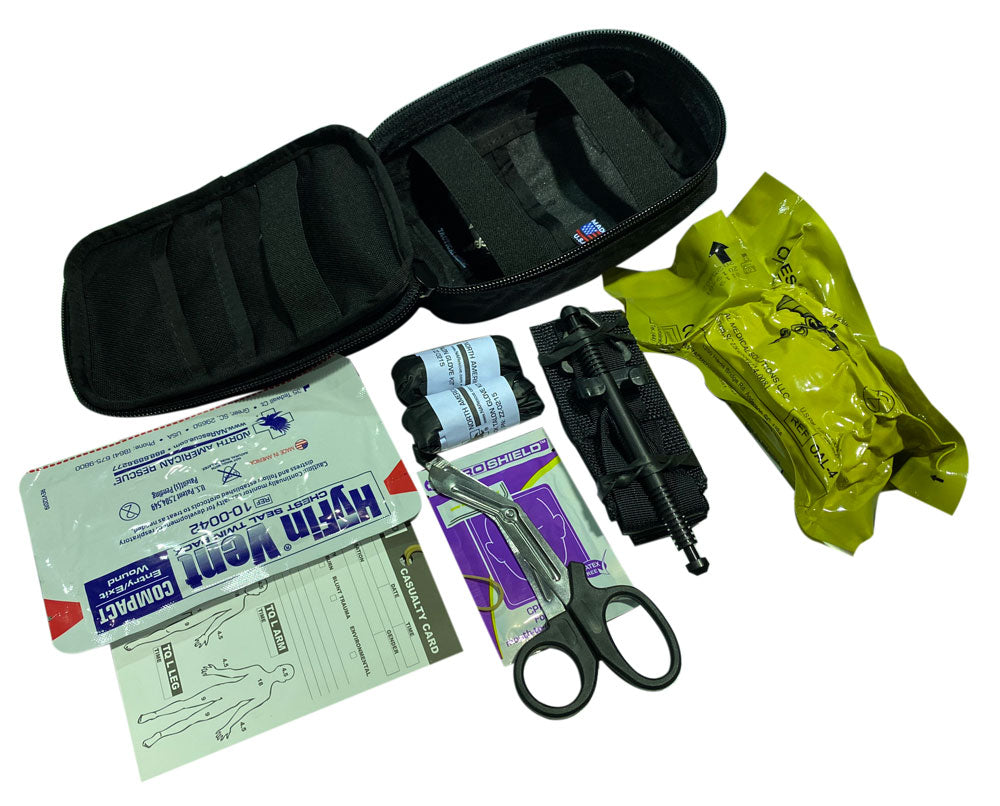
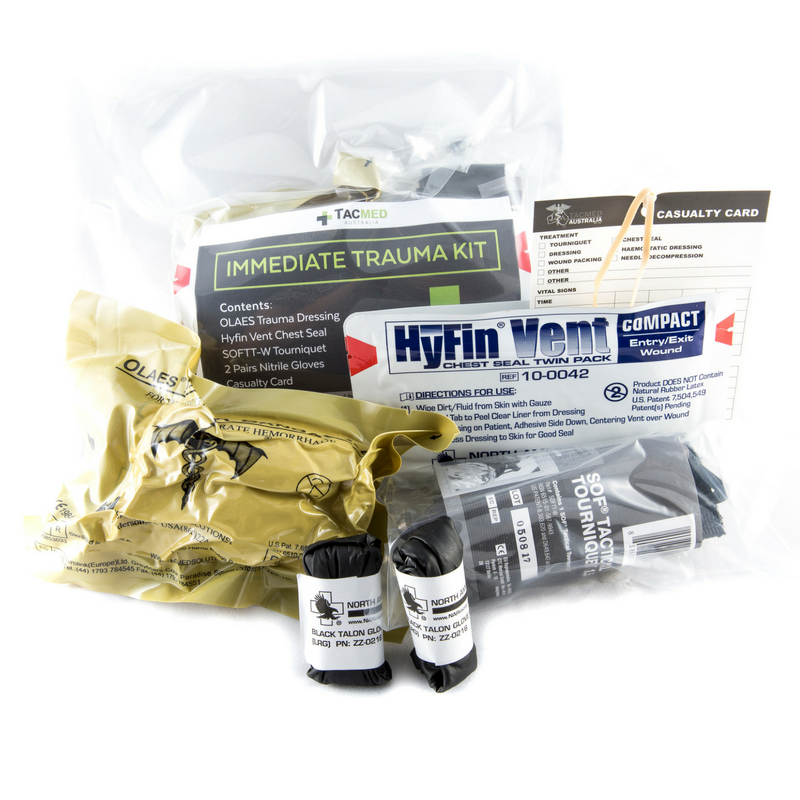
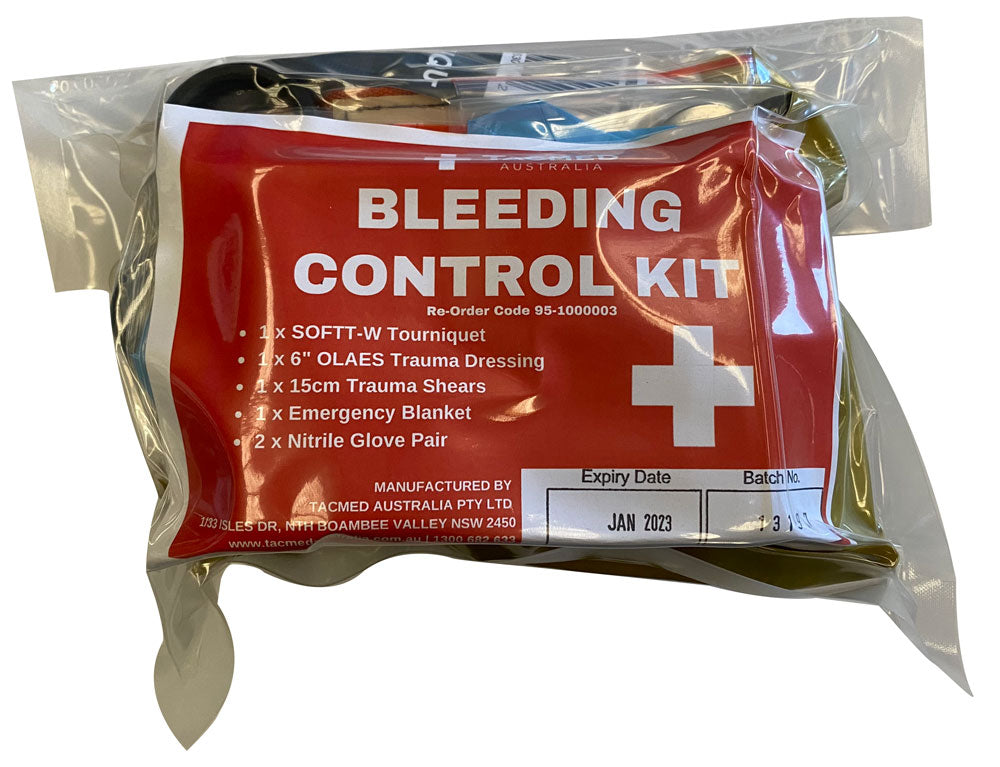
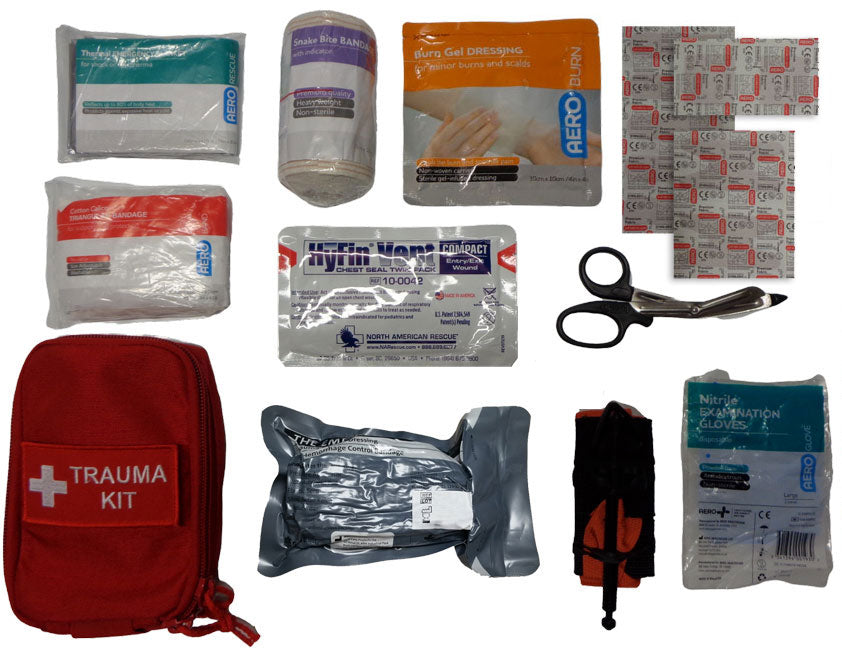
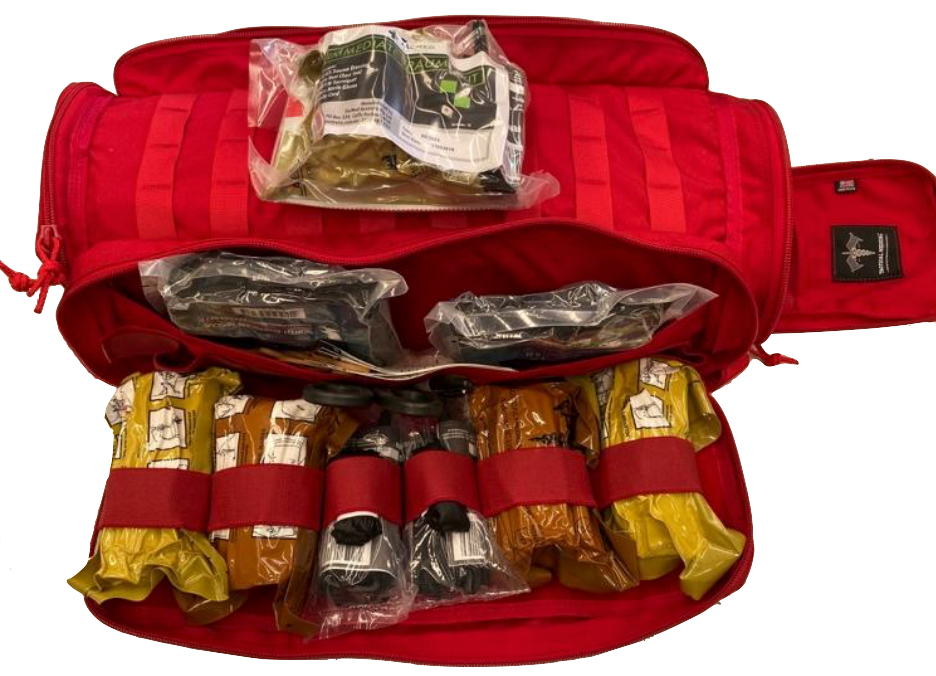
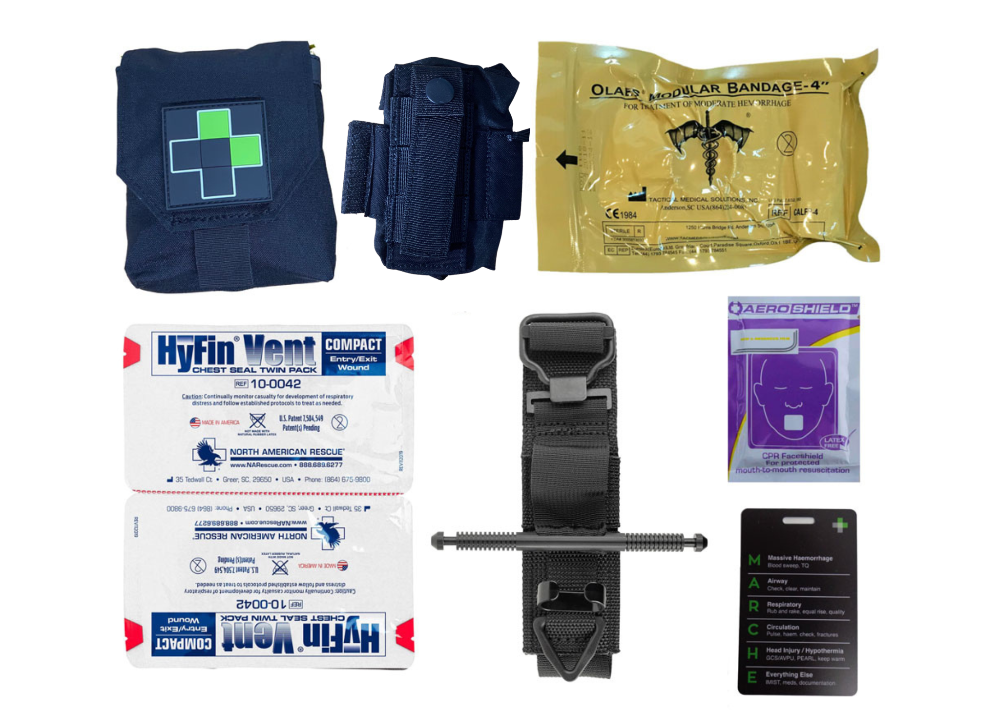
    A properly configured trauma kit for haemorrhage control and major trauma management should include at minimum:

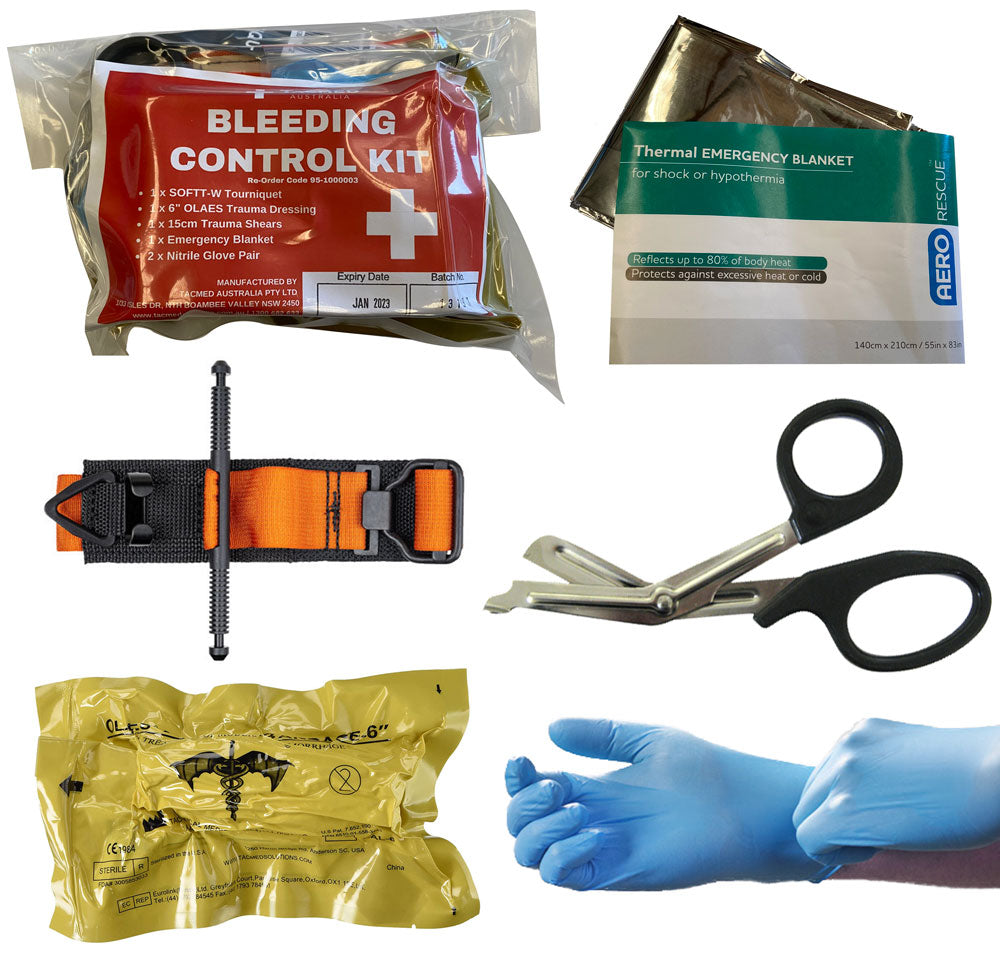
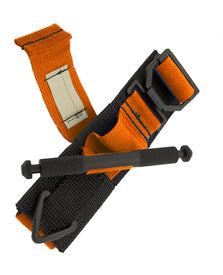
    • Tourniquet — CAT Gen 7 or SOF-T Wide for arterial limb bleeding
    • Haemostatic wound packing gauze — QuikClot or equivalent for deep wound management
    • Pressure dressing — Israeli Bandage or OLAES for haemorrhage control at non-tourniquet sites
    • Chest seal — vented chest seal (Hyfin or equivalent) for penetrating chest wounds
    • Trauma shears — for clothing access and patient exposure
    • Nitrile gloves — infection control for the responder
    • Nasopharyngeal airway (NPA) — in major trauma configurations for airway management

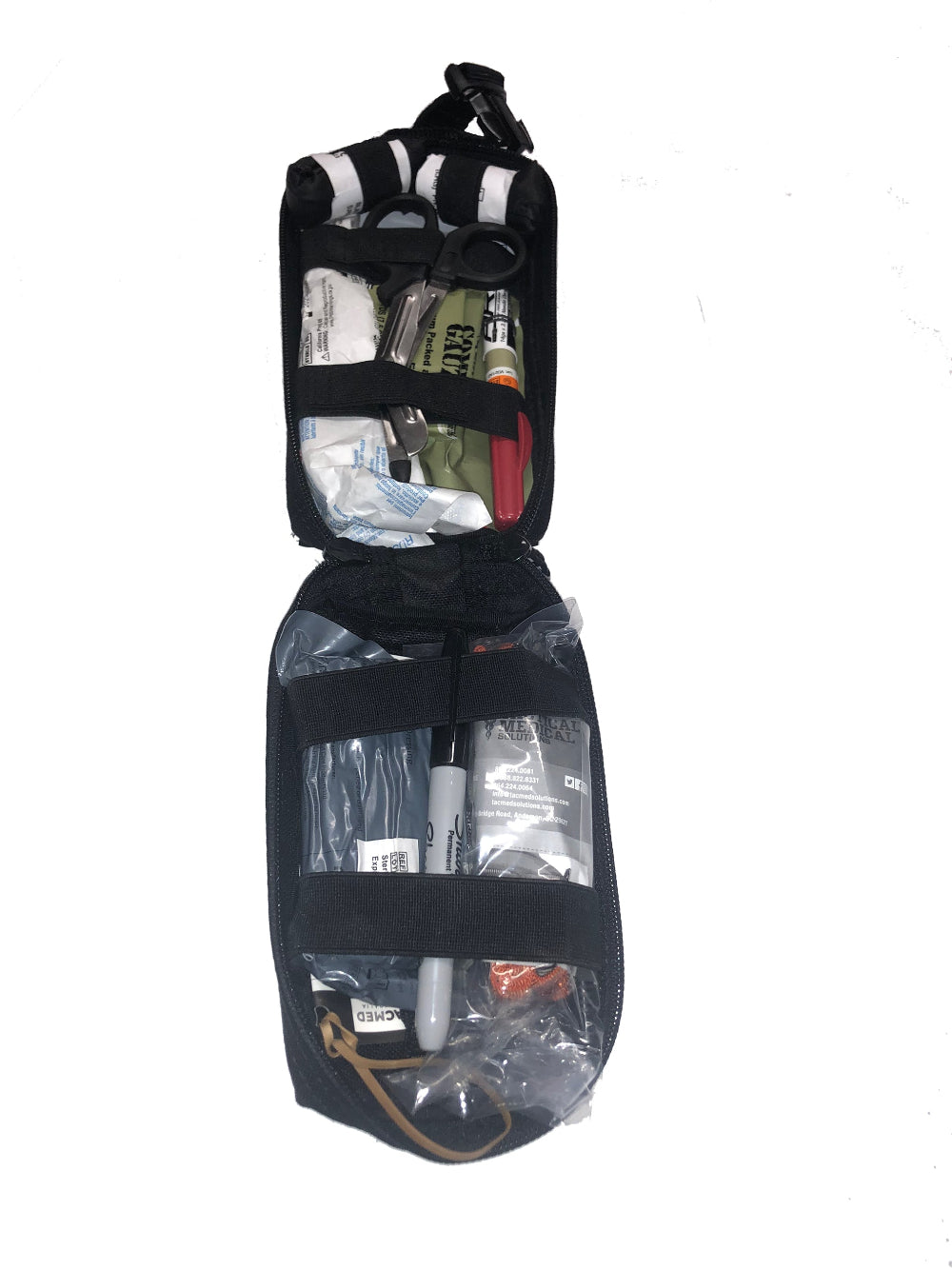
    Major trauma kits and extended-use configurations may also include a decompression needle, space blanket, and additional dressings. Kit contents vary by configuration — see individual product pages for exact contents lists.

    Who Uses These Kits

    Trauma kits are routinely used by paramedics, police, military personnel, fire and rescue teams, and security professionals operating in higher-risk environments. They are also increasingly carried by individuals and organisations where distance from medical care makes rapid trauma response essential:

    • First responders and emergency services — immediate response trauma kits and major trauma configurations for pre-hospital care
    • Military and tactical personnel — combat-grade trauma kits with haemostatic gauze, chest seals, and airway management
    • Motorcycle riders and motorsport — motorcycle trauma kits designed for on-road and off-road accident response
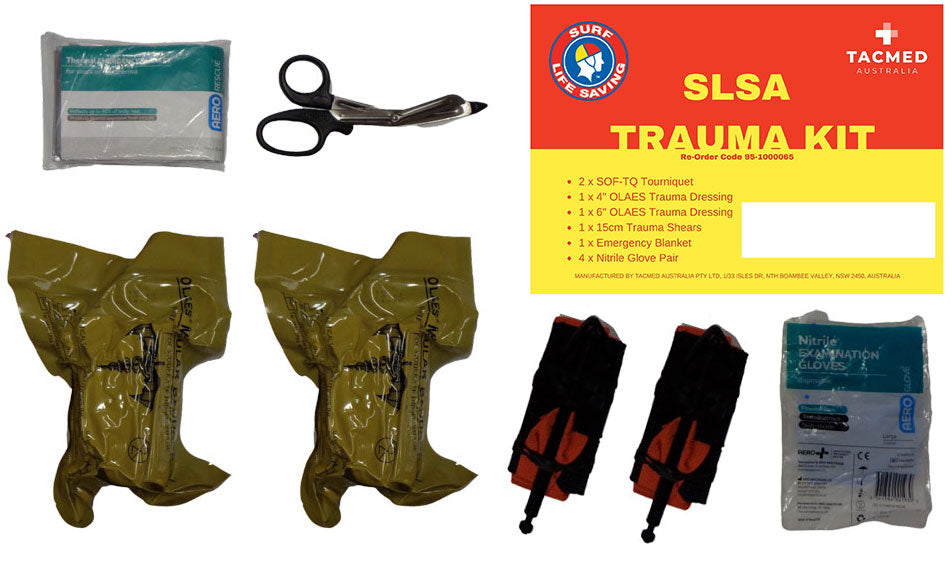
    • Aquatic professionals and surf lifesavers — aquatic trauma kits and SLSA-configured kits for waterway and beach operations
    • K9 handlers and working dog operators — K9 handler trauma kits including canine-specific wound care capability
    • Remote and offshore workers — vehicle and worksite trauma kits for environments where evacuation takes time
    • High-risk workplace first aiders — community and workplace trauma kits for mine sites, construction, and industrial environments
    • Trained civilians — 4WD travellers, farmers, and outdoor professionals who want serious trauma capability beyond a standard first aid kit

    What Matters When It Counts

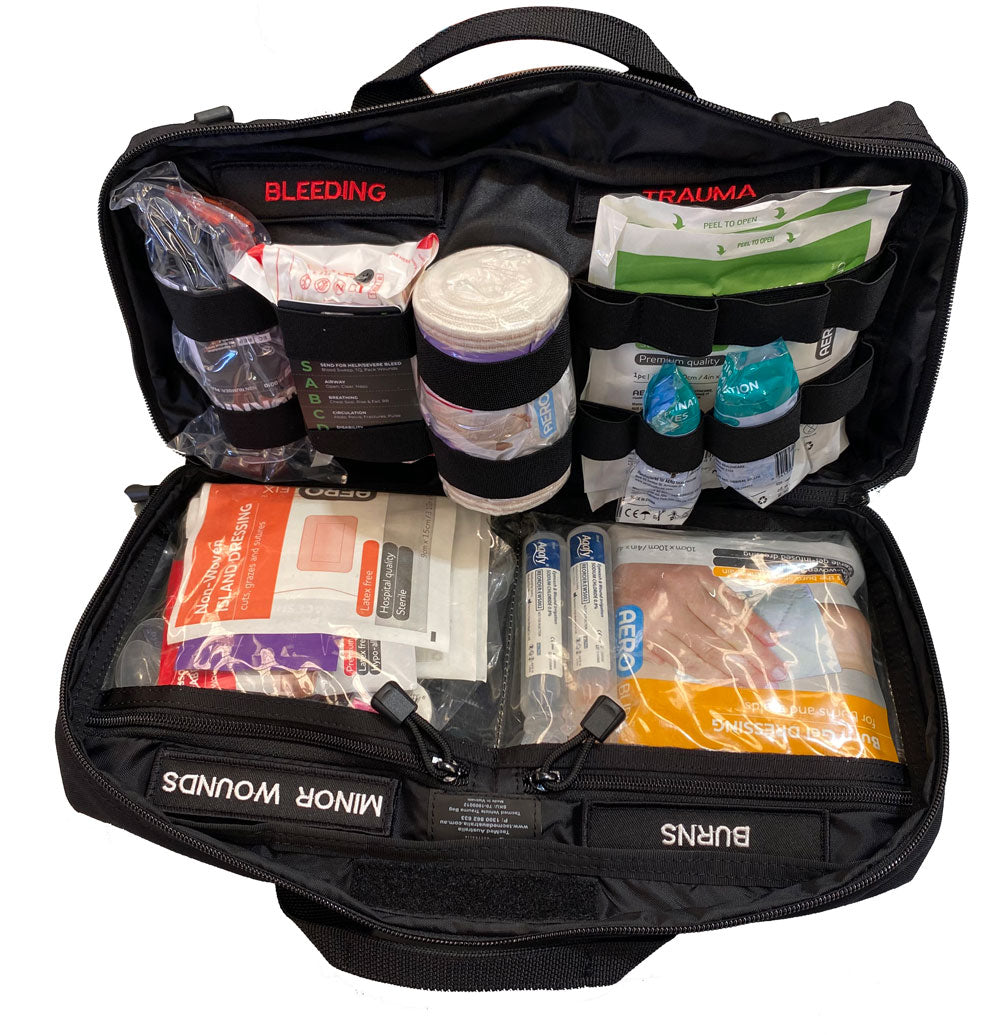
    An effective trauma kit is defined by speed, organisation, and component quality. When selecting a kit, focus on how it supports correct action under pressure rather than how many items it contains.

    • Staged layout: Critical items should be easy to identify and access quickly — tourniquet first, then dressings.
    • Bleeding control capability: Tourniquet, wound packing gauze, and pressure dressing are non-negotiable for a trauma kit.
    • Chest and airway support: Vented chest seal and airway adjunct for major trauma configurations.
    • Durability: Packaging that withstands heat, dust, moisture, and rough handling in Australian conditions.
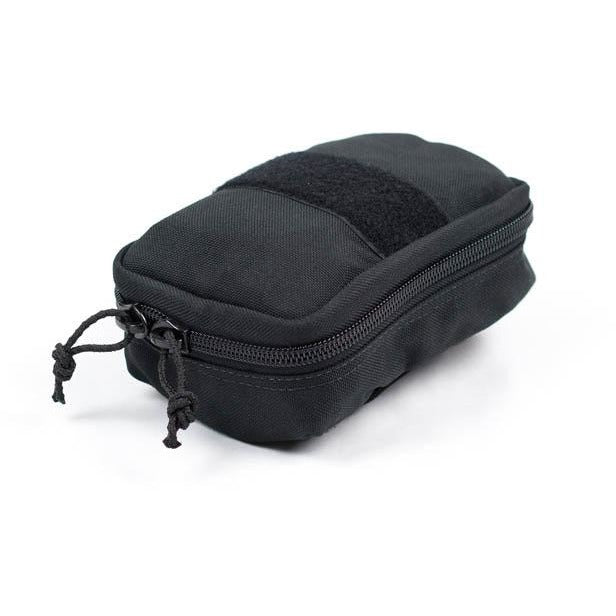
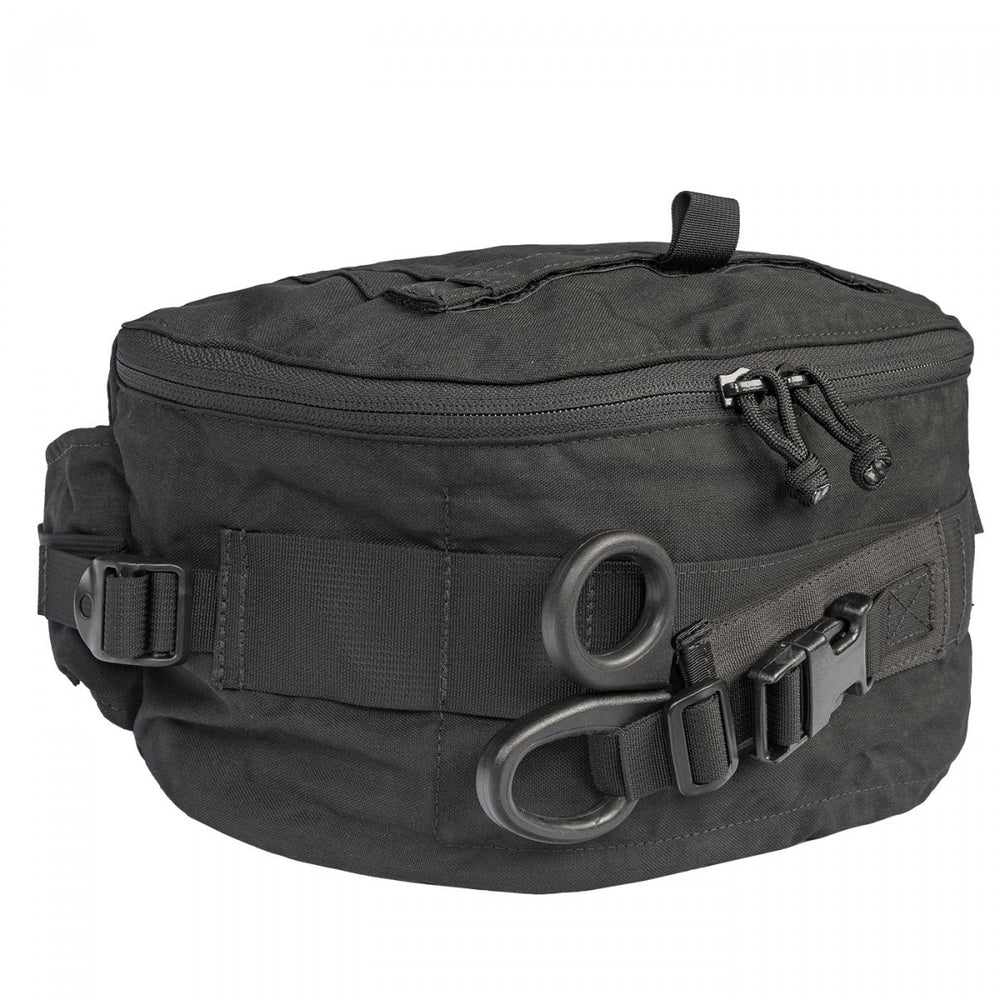
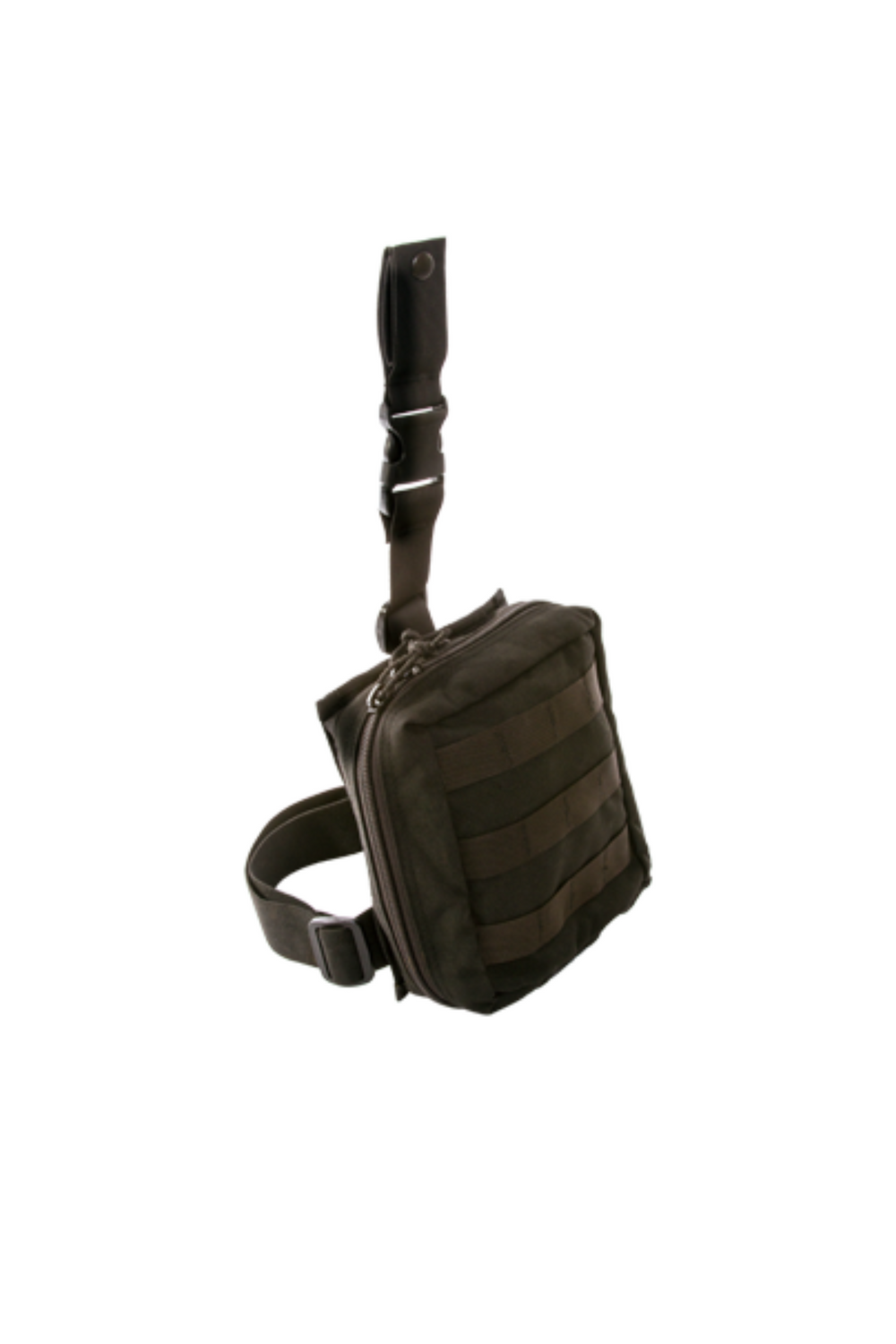
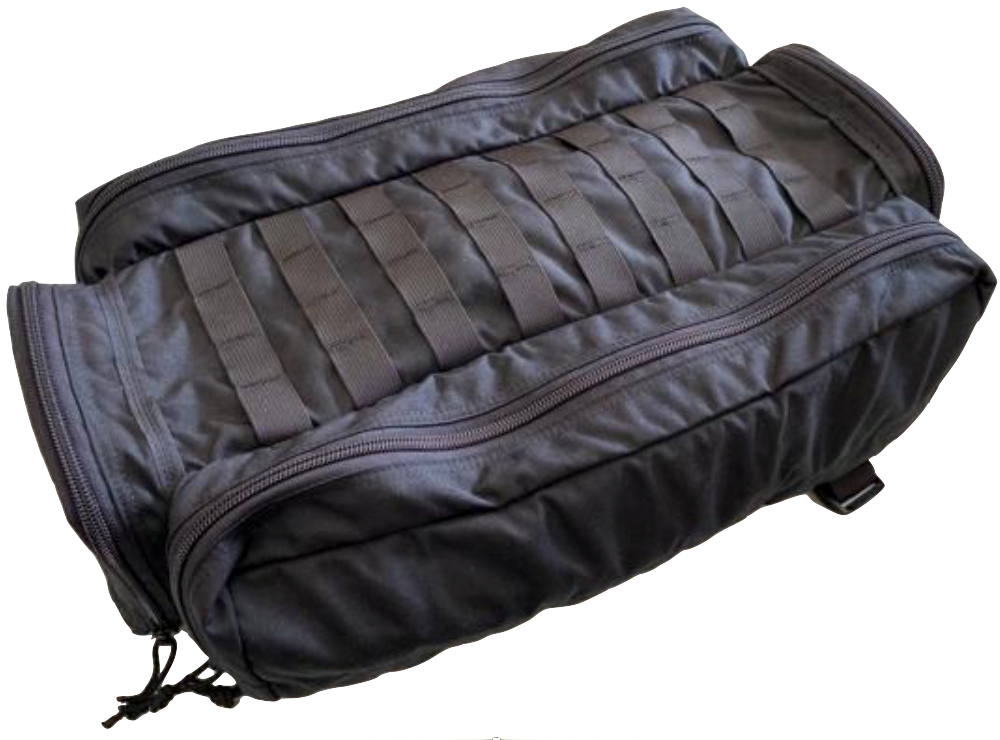
    • Carry and placement: Vehicle-mount, bag-integrated, belt-carry, or response kit — match the format to how you operate.
    • Training alignment: Components should match what you've been trained to use.

    Choosing by Environment

    Vehicle and on-road use

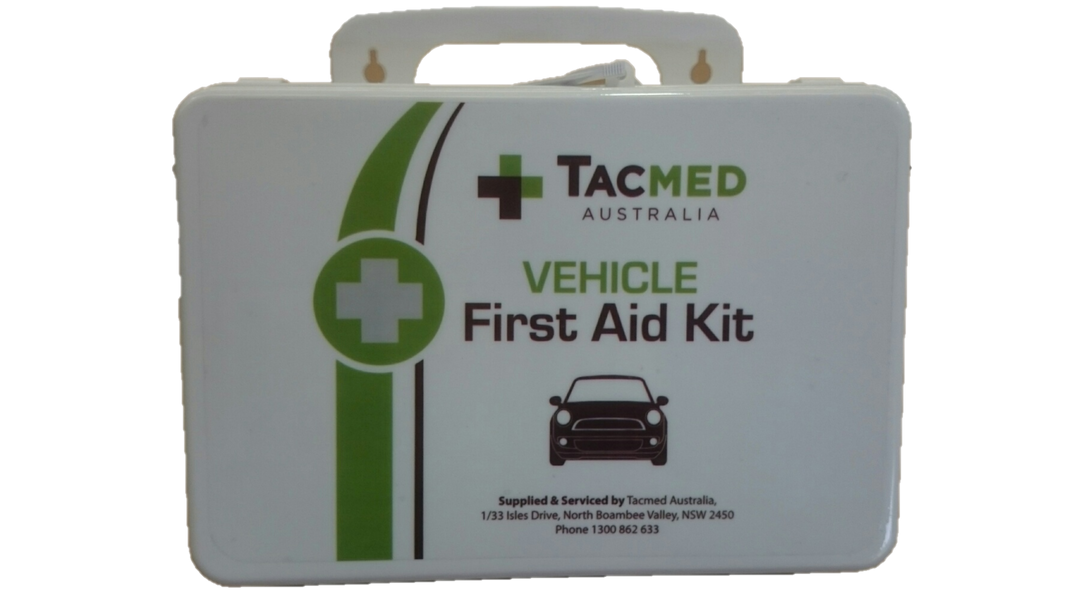
    Vehicle trauma kits are configured for on-road accident response — seatbelt cutting, penetrating trauma, and haemorrhage management. A vehicle trauma kit should be mounted accessibly, not buried in the boot. Consider a rigid case or panel-mount format.

    Motorcycle and off-road use

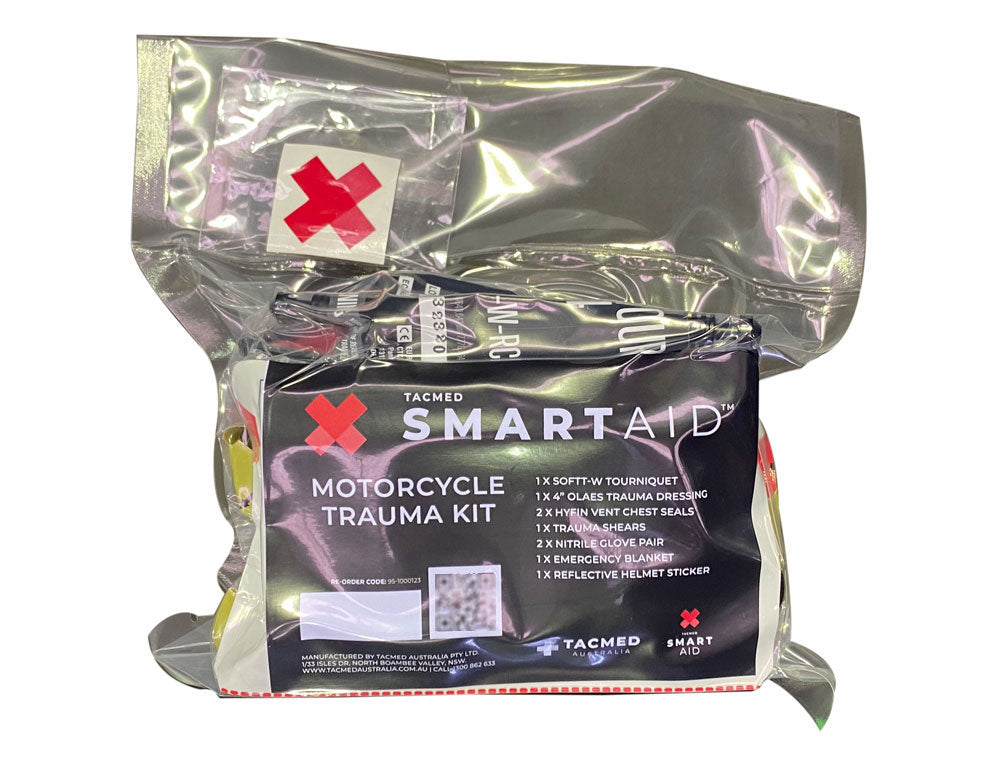
    Motorcycle trauma kits are compact and configured for the specific injury patterns of motorcycle accidents — road rash, limb fractures, and impact trauma. Often mounted to the bike or carried in a tail bag or jacket pocket.

    Remote and extended operations

    For remote areas, extended operations, or environments where evacuation takes hours — a major trauma kit with broader capability is appropriate. Include additional dressings, an NPA, space blanket, and consider a wound packing trainer to practise under realistic conditions.

    Workplace and industrial use

    High-risk workplaces need a trauma kit positioned alongside (not inside) the standard workplace first aid kit — accessible to anyone who might respond to a major incident. Community first responder and immediate trauma kits are well-suited to this purpose.

    Common Mistakes We See

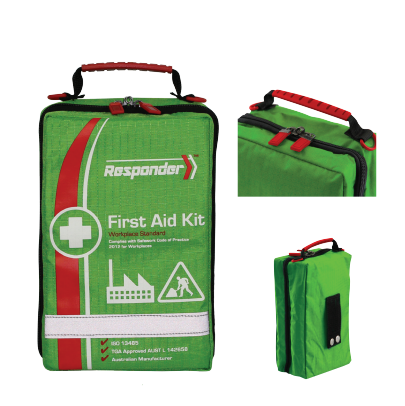
    A common mistake is assuming a standard first aid kit can manage serious trauma. While first aid kits are important, they are not designed for catastrophic bleeding, penetrating wounds, or complex injuries. A trauma kit is a supplement to — not a replacement for — a standard first aid kit.

    We also see trauma kits overfilled with unnecessary items that slow access to critical tools. Poor organisation, unfamiliar layouts, or low-quality components can all delay care when seconds matter. A trauma kit should have a clear order of use — tourniquet accessible first, dressings second.

    Another issue is lack of training or practice. Trauma kits are most effective when users understand the sequence of care and are familiar with the equipment they carry. Owning the equipment is not the same as being able to use it under stress.
    Finally, kits that aren't checked, restocked, or replaced after use become unreliable. Inspect expiry dates on sterile components regularly and replace tourniquets or dressings that have been deployed. A used trauma kit is not a functioning trauma kit.

    What is in a trauma kit?

    A correctly configured trauma kit for haemorrhage control and major injury management should contain: a tourniquet (CAT Gen 7 or SOF-T Wide), haemostatic wound packing gauze (QuikClot or equivalent), a pressure dressing (Israeli Bandage or OLAES), a vented chest seal (Hyfin or equivalent), trauma shears, and nitrile gloves. Major trauma kits may also include a nasopharyngeal airway, decompression needle, and space blanket. Exact contents vary by kit configuration — see individual product pages for full contents lists.
    What is a trauma kit?

    A trauma kit is a medical kit designed to manage life-threatening injuries — severe bleeding, penetrating wounds, chest trauma, and major accident injuries — until advanced medical care is available. Unlike standard first aid kits, trauma kits contain clinical-grade components for haemorrhage control and serious wound management.

    How is a trauma kit different from a first aid kit?

    First aid kits are intended for minor injuries and general wound care. Trauma kits focus on life-threatening injuries and include specialised components — tourniquets, haemostatic gauze, chest seals — that are not found in standard first aid kits. A trauma kit is a complement to a first aid kit, not a replacement for it.

    How is a trauma kit different from an IFAK?

    An IFAK (Individual First Aid Kit) is compact, personal-carry, and designed for self-aid or buddy-aid for one casualty. A trauma kit is typically larger and designed to provide broader capability — sometimes for multiple casualties or extended scenarios. If you need personal carry, look at IFAKs. If you are equipping a vehicle, worksite, or response setup, a trauma kit is usually more appropriate.

    What is a vehicle trauma kit?

    A vehicle trauma kit is configured for on-road accident response — the specific injury patterns of vehicle accidents, including penetrating trauma, limb injuries, and haemorrhage from high-energy impacts. Vehicle trauma kits are typically mounted inside the vehicle in an accessible location — not buried in the boot. See the Vehicle Trauma Kit product page for configuration details.

    What is a motorcycle trauma kit?

    A motorcycle trauma kit is a compact trauma kit configured for the specific injury patterns of motorcycle accidents — road rash management, limb fractures, and blunt/penetrating trauma. Designed to be mounted on the bike, carried in a tail bag, or stored in a jacket. See the Motorcycle Trauma Kit product page for details.

    What is a K9 handler trauma kit?

    The TacMed K9 Handler Trauma Kit is configured for working dog emergency care — canine-specific wound management, haemorrhage control, and first response capability for K9 handlers, security dog operators, and police dog units. It is a unique product in the Australian market designed specifically for this use case.

    Do trauma kits include a tourniquet?

    Most trauma kits in this collection include a tourniquet or are designed to incorporate one. Tourniquet selection and configuration varies by kit. Check individual product pages for contents, or contact us if you need a specific tourniquet brand or model in your kit.

    Are trauma kits legal to carry in Australia?

    Yes. Trauma kits and their components are legal to carry and are widely used across professional, workplace, and personal preparedness contexts in Australia.

    Do I need training to use a trauma kit?

    Training is strongly recommended. Correct tourniquet application, wound packing technique, and chest seal placement all require practice to perform effectively under stress.