Workplace

Filter

    Medical Equipment for Workplace Safety

    Workplaces present a wide range of risks, from minor injuries in office environments to serious incidents in industrial and high-risk settings. Having appropriate medical equipment on site supports early treatment, reduces risk, and improves response when injuries occur.

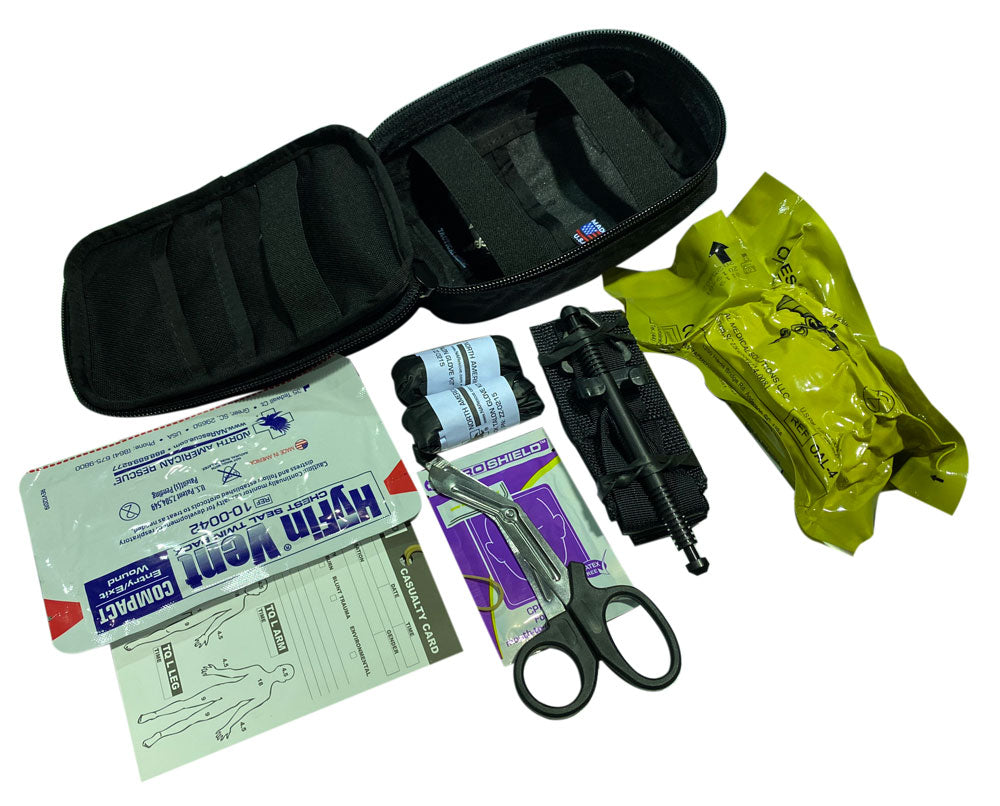
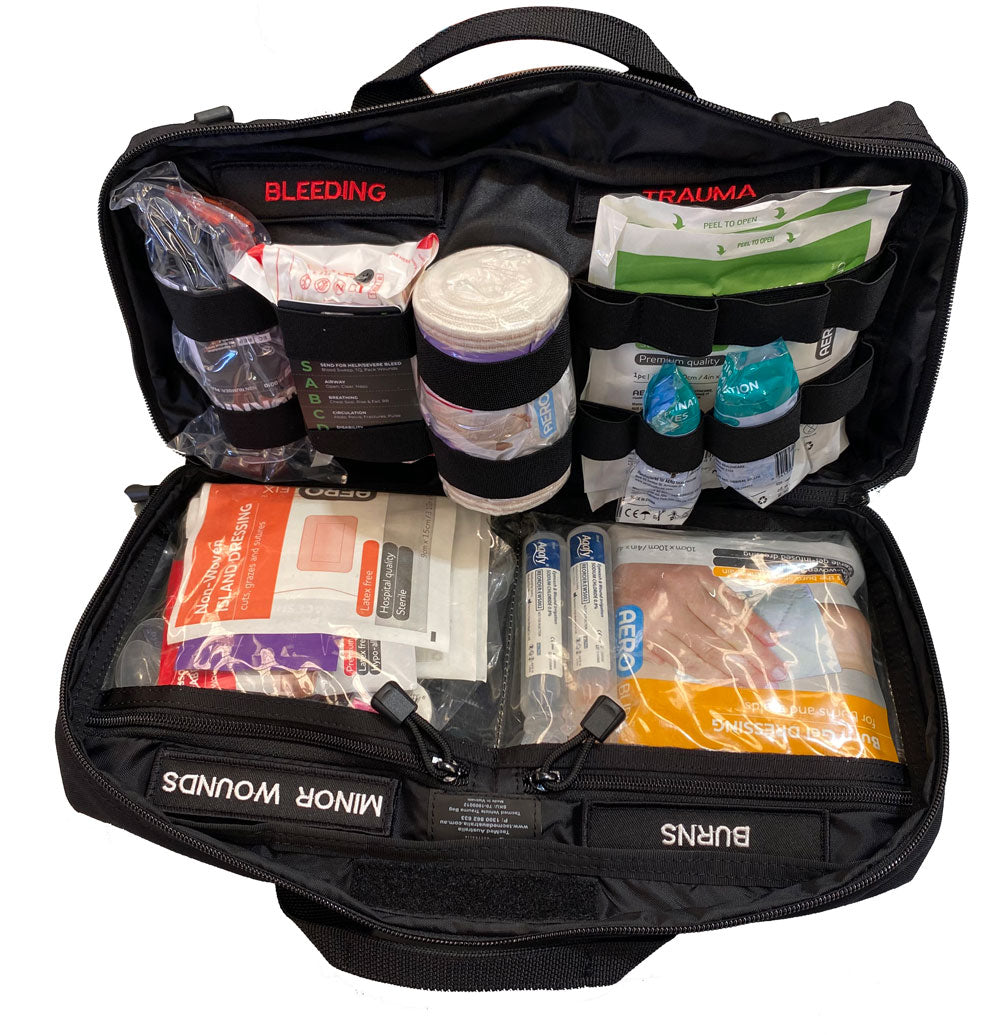
    This collection includes first aid, trauma, and bleeding control equipment suitable for Australian workplaces across different industries and risk profiles. The focus is on practical, accessible gear that supports everyday injury management and preparedness for more serious incidents.

    What These Are Built to Handle

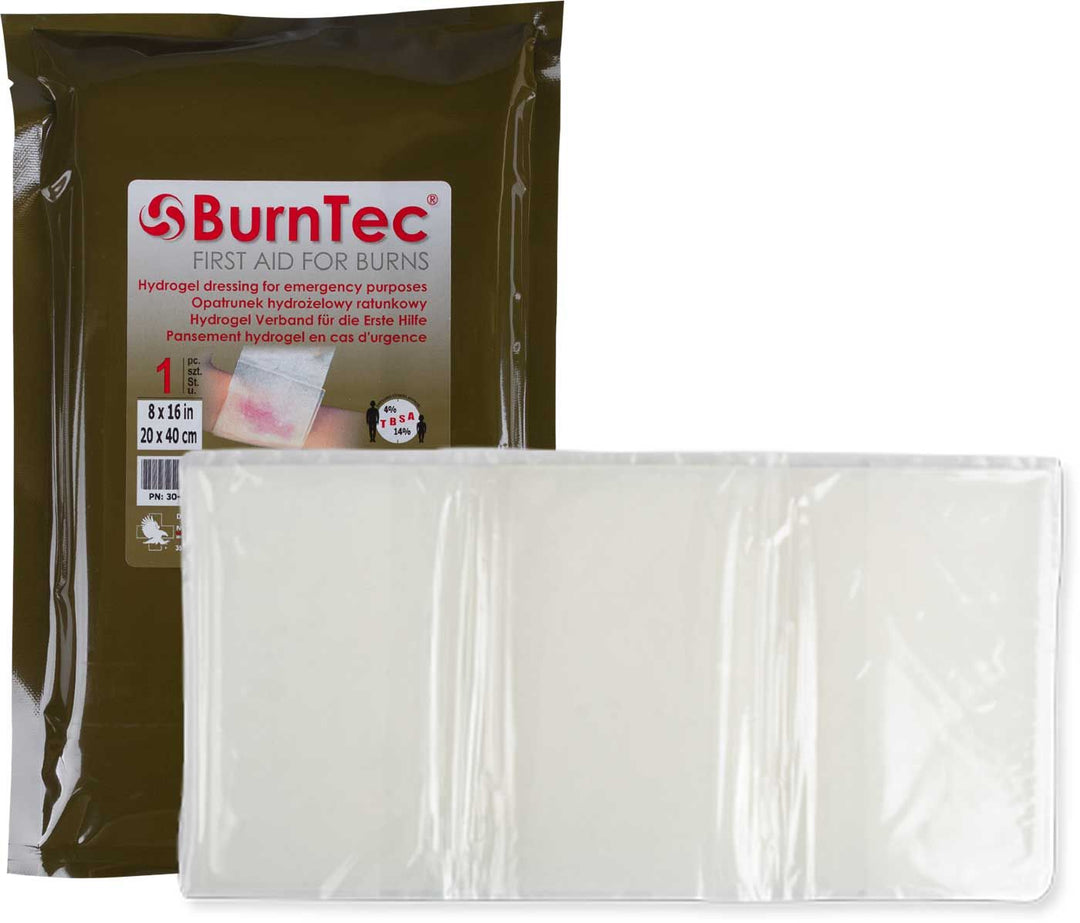
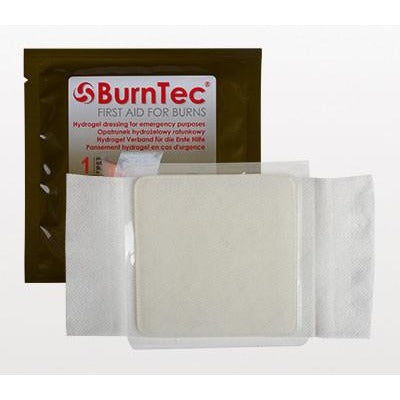
    Workplace medical equipment is designed to support the treatment of injuries and medical issues that occur during normal work activities. This includes cuts, burns, eye injuries, sprains, minor bleeding, and general first aid needs.

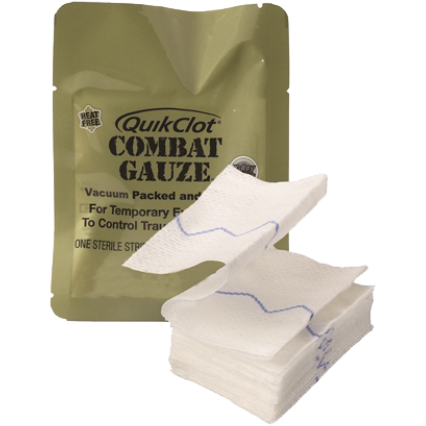
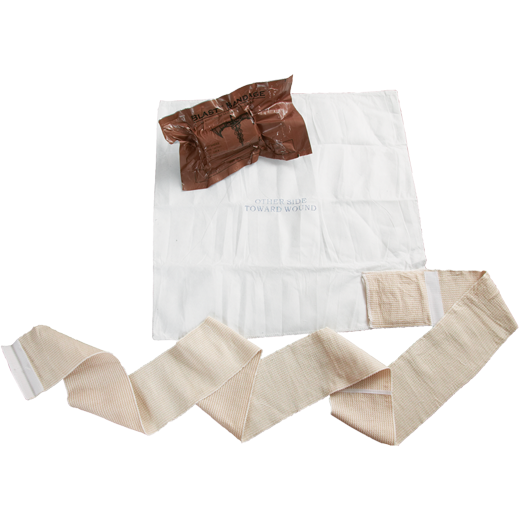
    In higher-risk workplaces, equipment may also be required to support early response to serious injuries such as major bleeding or trauma before emergency services arrive. The items in this collection provide a foundation for workplace preparedness and can be tailored to suit the specific risks of each environment.

    Who These Are Commonly Used By

    This equipment is used across a broad range of workplaces, including offices, warehouses, manufacturing facilities, workshops, construction sites, farms, and remote operations.

    It is commonly selected by employers, safety officers, site managers, and first aiders responsible for maintaining workplace readiness. Whether supporting a low-risk office or a high-risk industrial site, appropriate medical equipment helps ensure staff can respond effectively when injuries occur.

    What Matters When It Counts

    Choosing workplace medical equipment requires consideration of the environment, workforce size, and risk level. Equipment should be easy to access, simple to use, and suitable for the conditions it will be stored in.

    • Workplace risk profile: Different environments require different levels of medical capability.
    • Accessibility: Equipment should be clearly located and easy to reach.
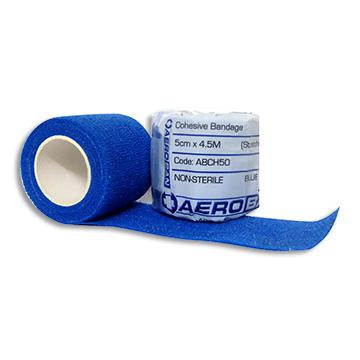
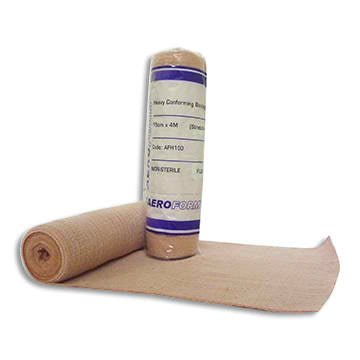
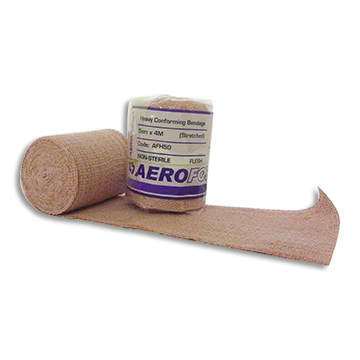
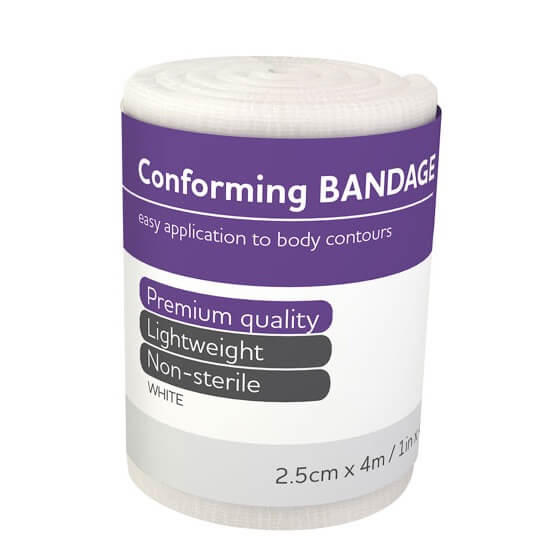
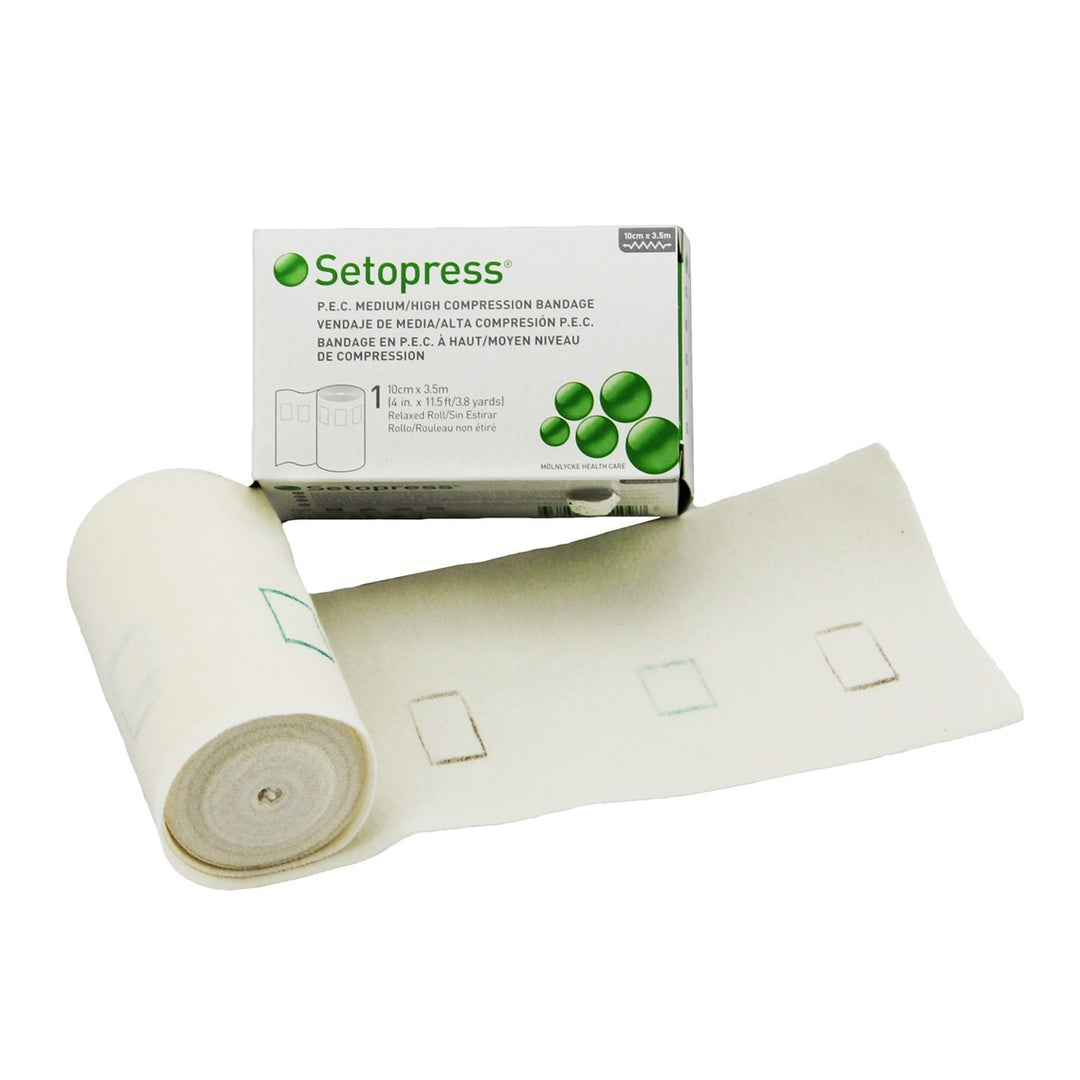
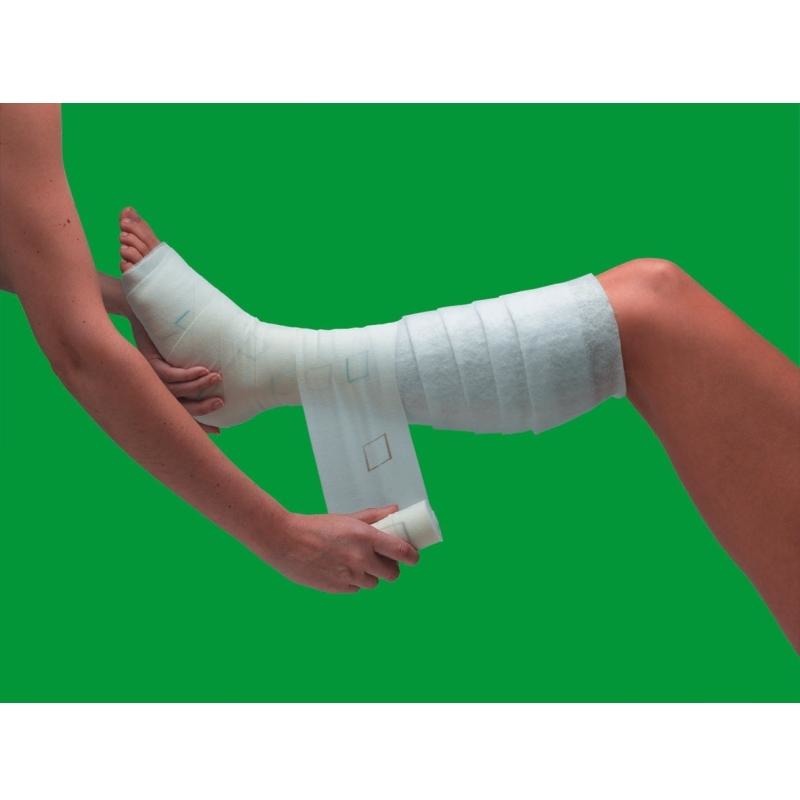
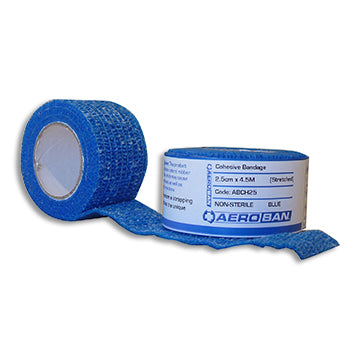
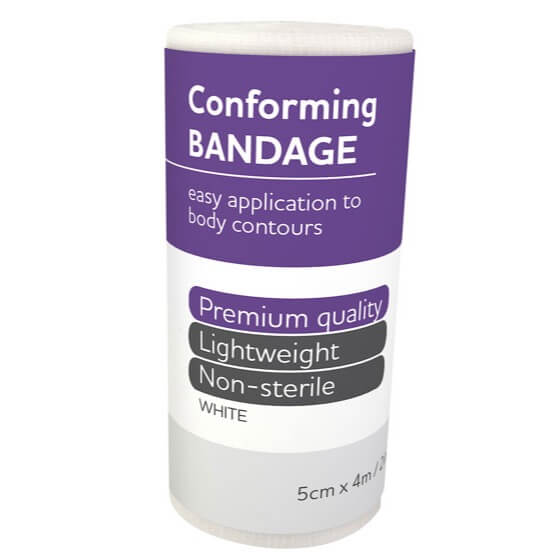
    • Core coverage: Dressings, bandages, gloves, and basic medical supplies.
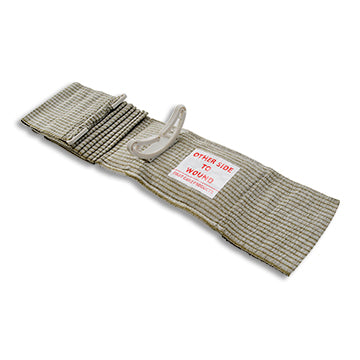
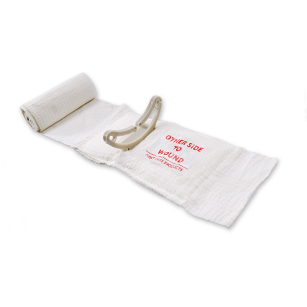
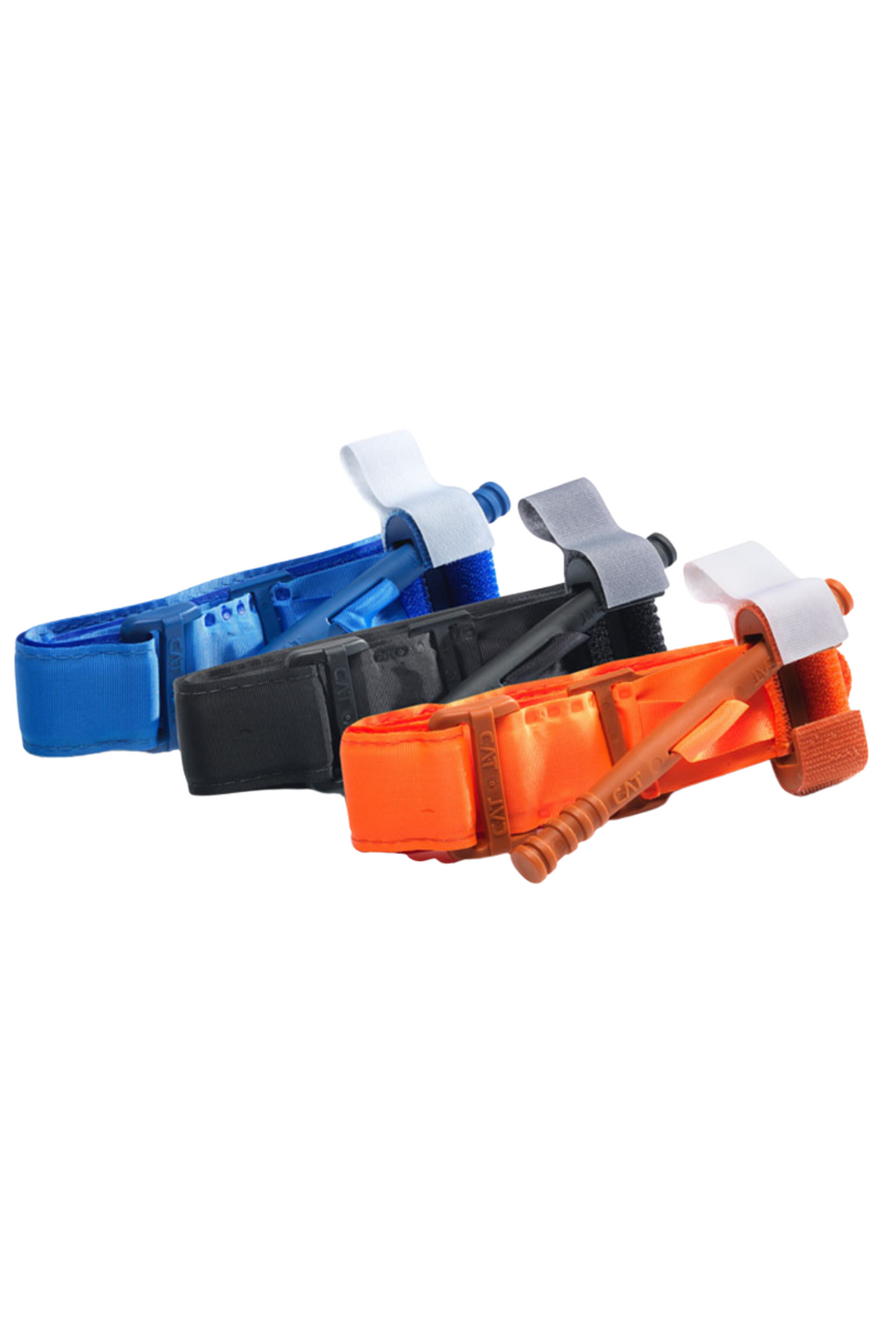
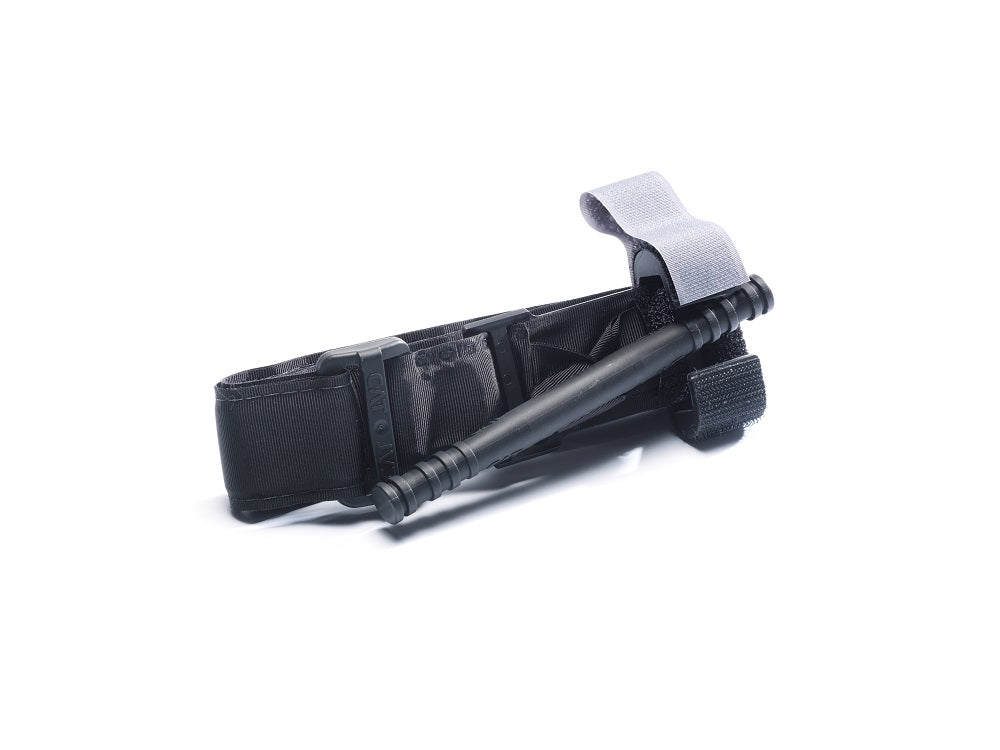
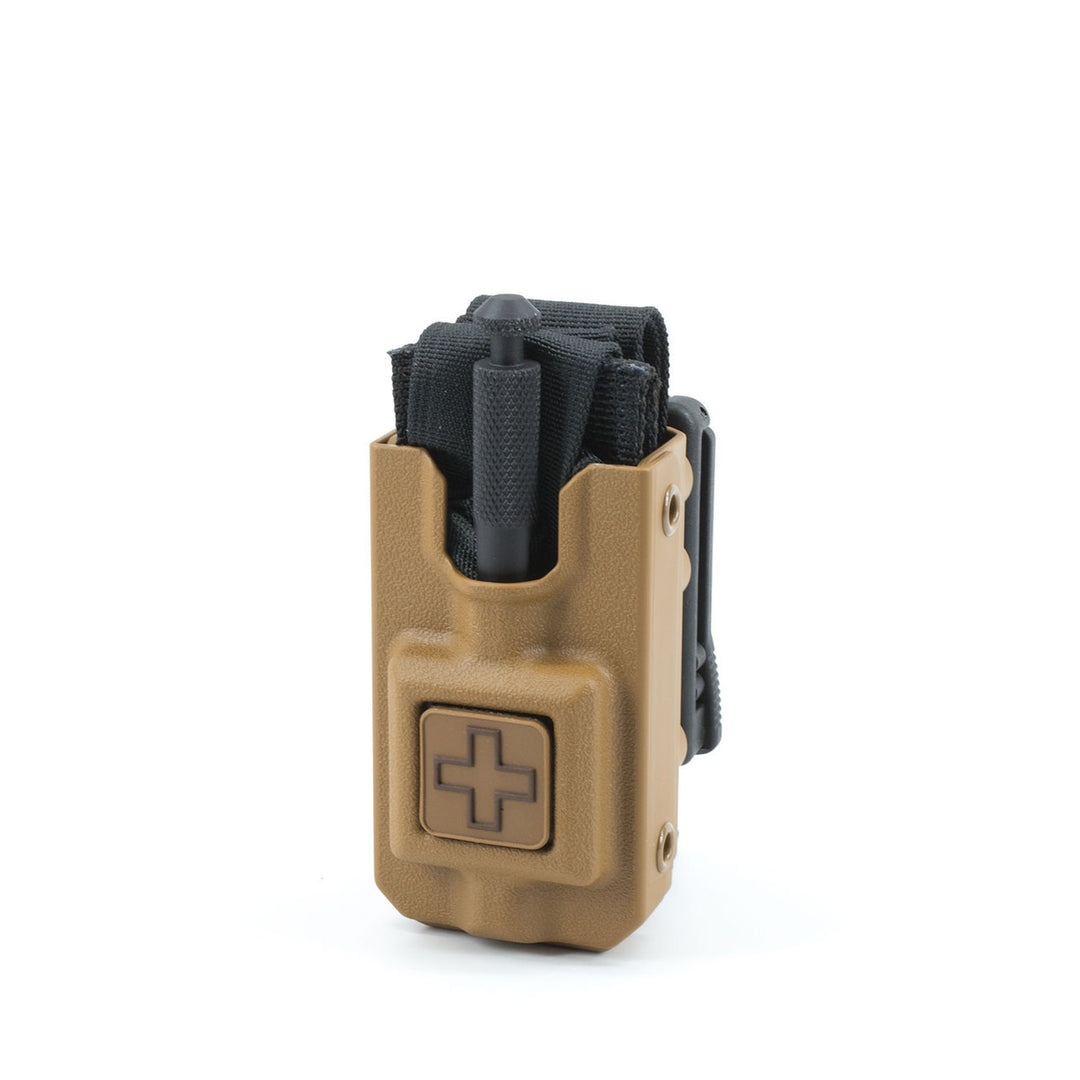
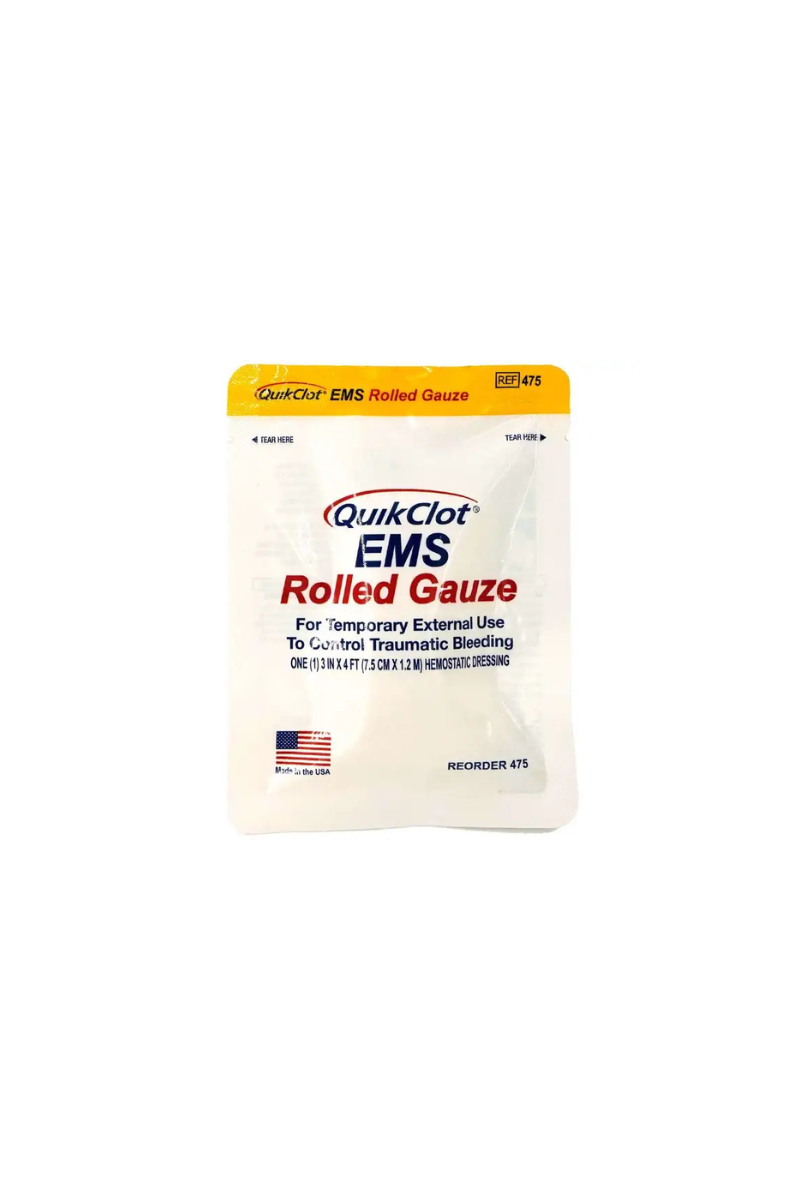
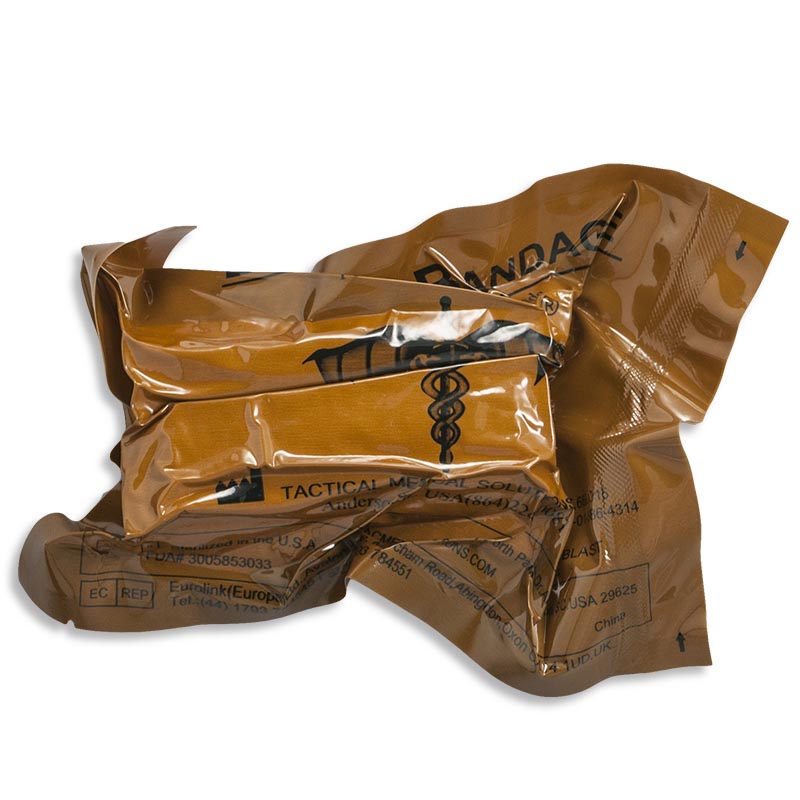
    • Bleeding control capability: Important for higher-risk workplaces.
    • Maintenance: Equipment that can be easily checked and restocked.

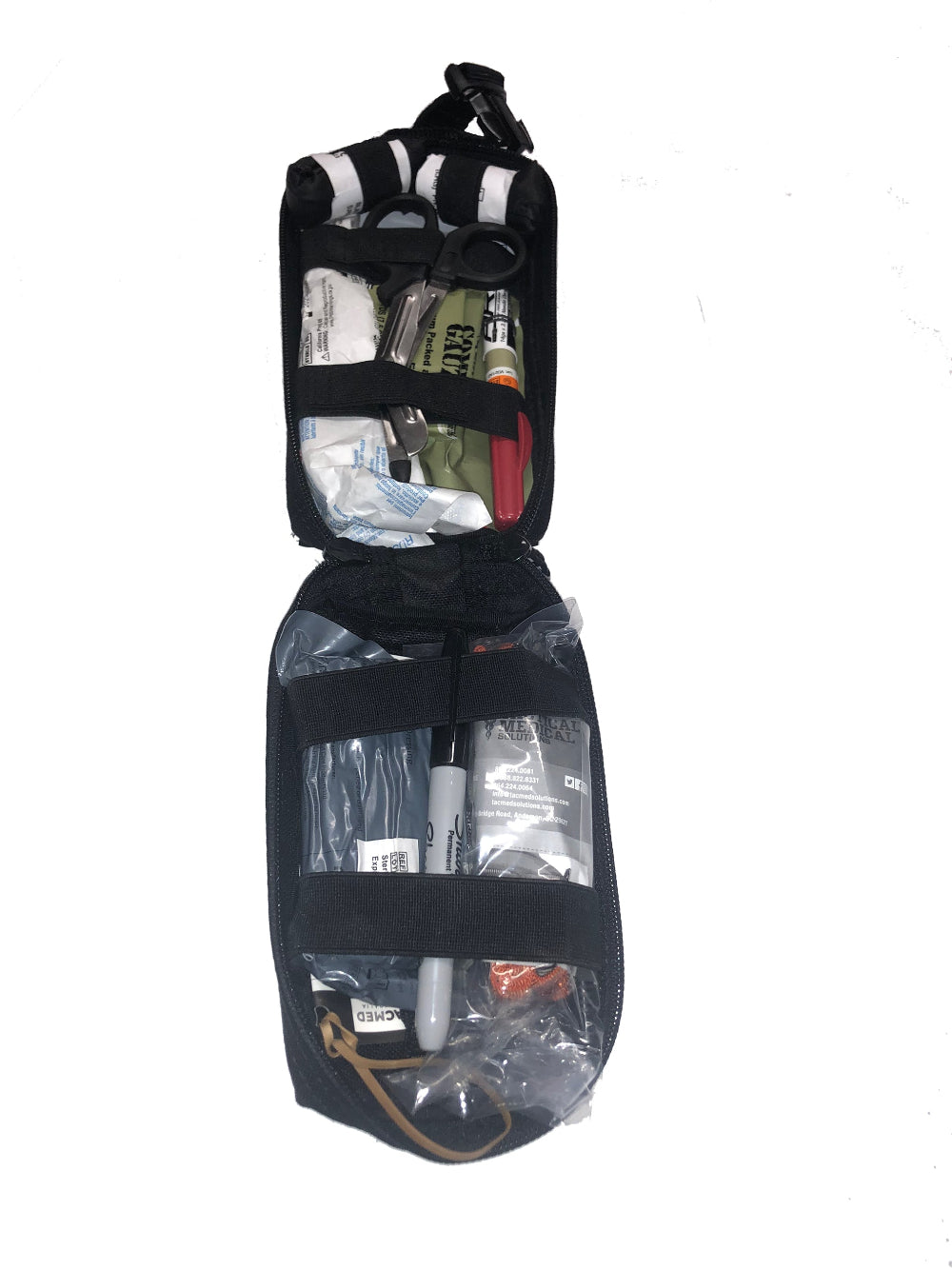
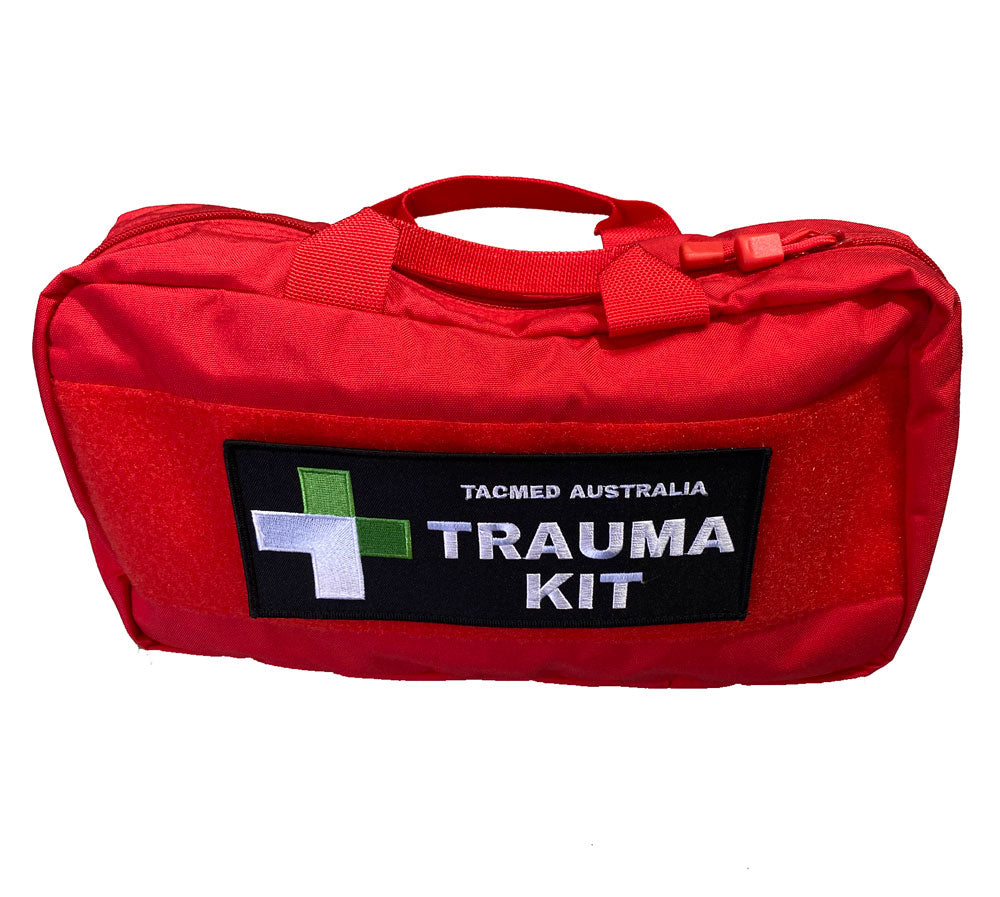
    In higher-risk environments, pairing general first aid equipment with trauma or bleeding control capability improves preparedness and response options.

    Common Mistakes We See

    A common mistake is assuming that one type of kit suits every workplace. Offices, workshops, and industrial sites have very different risk profiles and medical needs.

    We also see equipment placed in locations that are difficult to access or not clearly marked, delaying response during incidents. Another issue is poor maintenance — kits that are never checked or restocked can become ineffective over time.

    Workplace medical equipment should be selected deliberately, staged for access, and maintained as part of regular safety processes.
    Questions We Get Asked

    What medical equipment should workplaces have?

    Most workplaces require first aid equipment suitable for their environment and risk level. Higher-risk workplaces may also require bleeding control or trauma-capable equipment.

    Are workplaces required to provide first aid equipment?

    Many workplaces have obligations to provide first aid resources under workplace health and safety frameworks. Requirements vary depending on industry and risk.

    What’s the difference between workplace first aid kits and trauma kits?

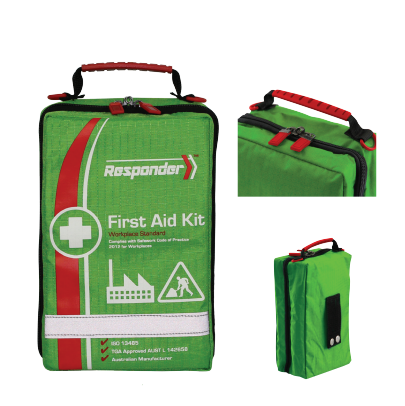
    Workplace first aid kits are designed for common injuries, while trauma kits focus on serious, life-threatening injuries.

    How often should workplace medical equipment be checked?

    Equipment should be inspected regularly and after any use to ensure contents are complete and serviceable.

    Where should workplace medical kits be located?

    Kits should be placed in clearly marked, accessible locations known to staff.

    Can workplace kits be customised?

    Yes. Many workplaces tailor their medical setups based on risk assessments, workforce size, and environment.

    Is this equipment legal to use in Australia?

    Yes. First aid and medical equipment is legal to purchase and use in Australian workplaces.