Wound Dressings & Bandages

Filter

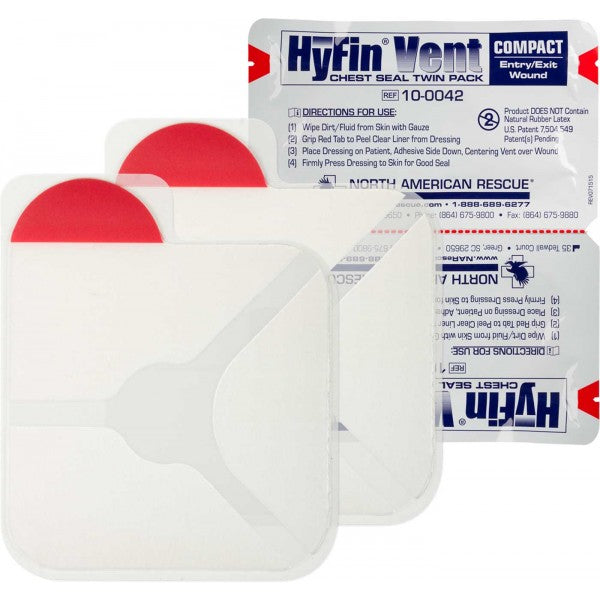
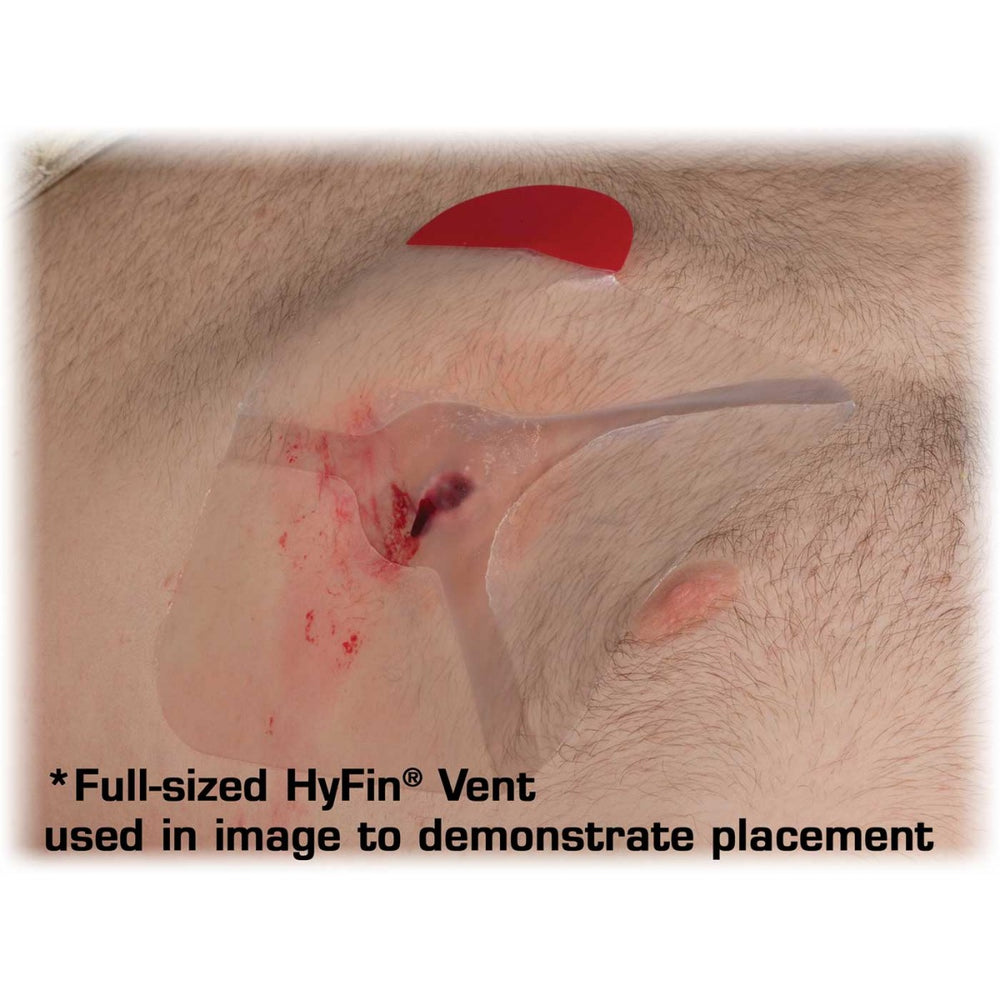
    TacMed's wound dressings and bandages collection covers emergency bandages, trauma dressings, haemostatic wound care, and pressure dressings for professional and high-risk use. This includes Israeli Bandages (Emergency Bandages), OLAES Modular Trauma Dressings, QuikClot haemostatic gauze, wound packing supplies, blast bandages, and related trauma wound care components.

    These are clinical-grade products for first responders, paramedics, military, and trained civilians — not consumer wound care. If you are looking for general first aid bandages for cuts and grazes, a standard first aid kit will serve that need. If you are managing haemorrhage, packing wounds, or treating serious trauma injuries, you are in the right place.

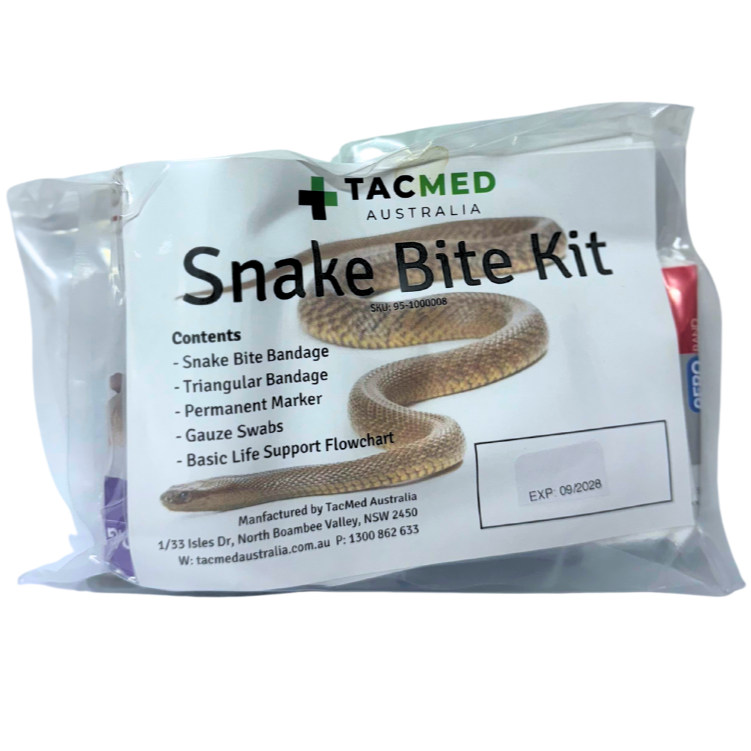
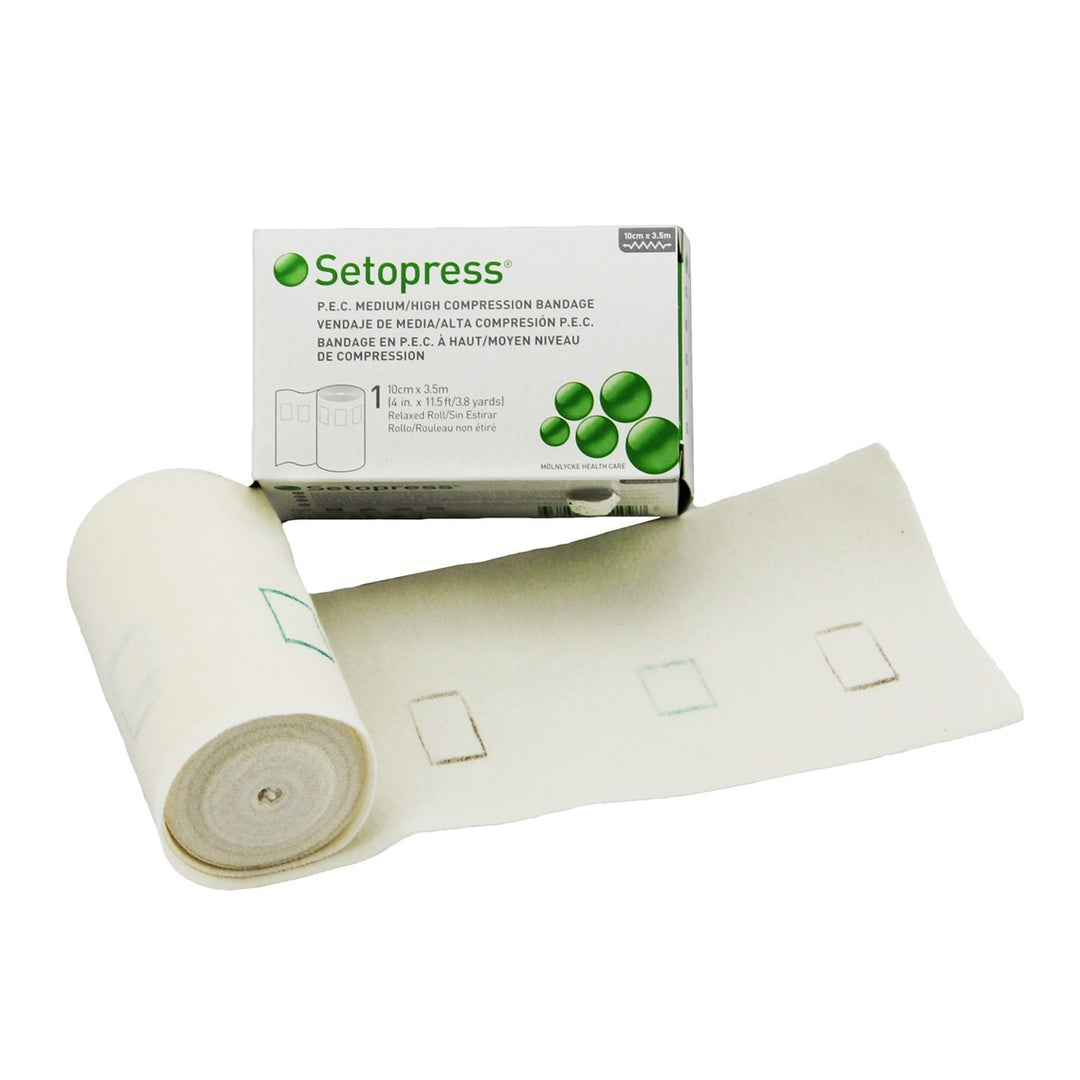
    For snake bite bandages (Setopress pressure immobilisation), see the dedicated snake bite kit. For complete bleeding control setups, see bleeding control kits.

    What This Collection Covers

    This collection is focused on trauma and emergency wound management. The main product categories are:

    Israeli Bandages and Emergency Pressure Dressings

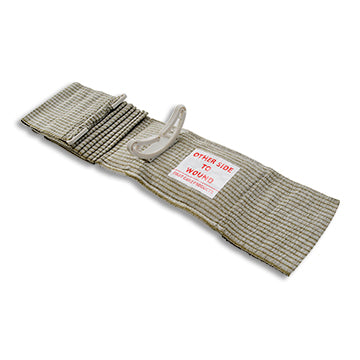
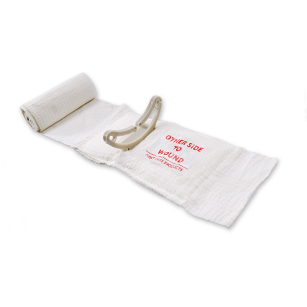
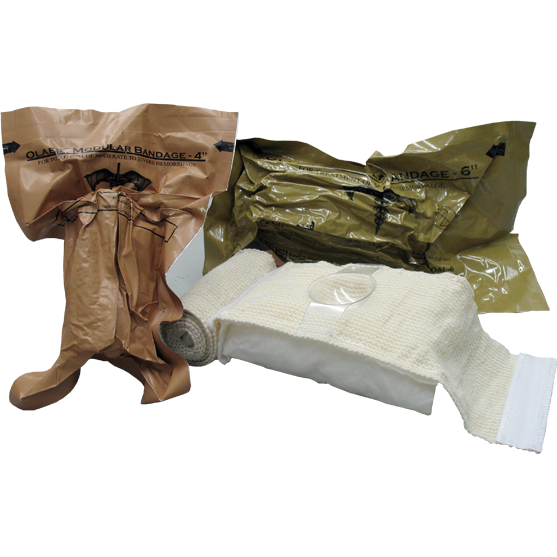
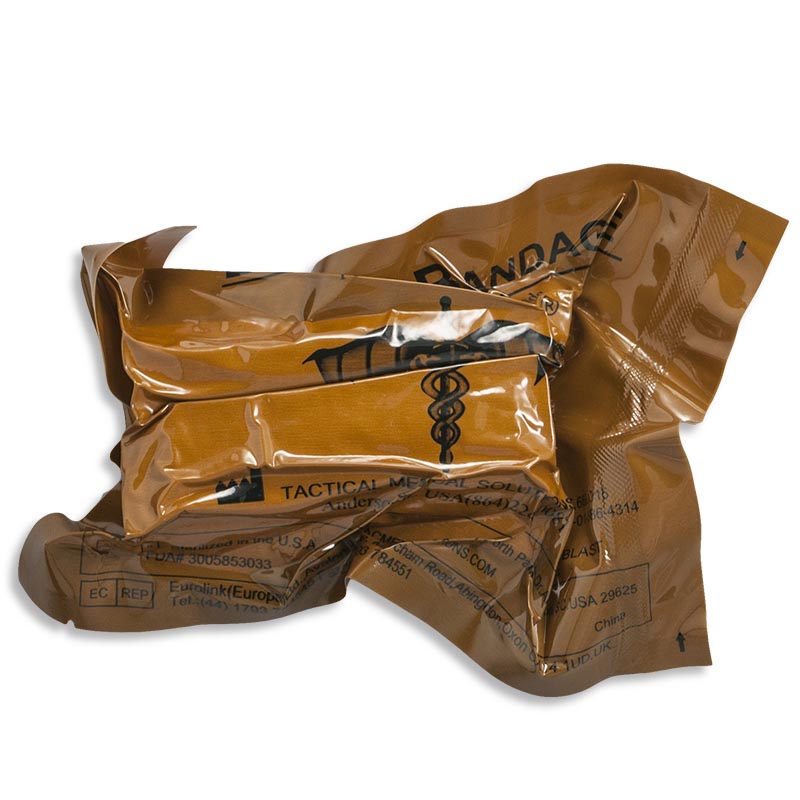
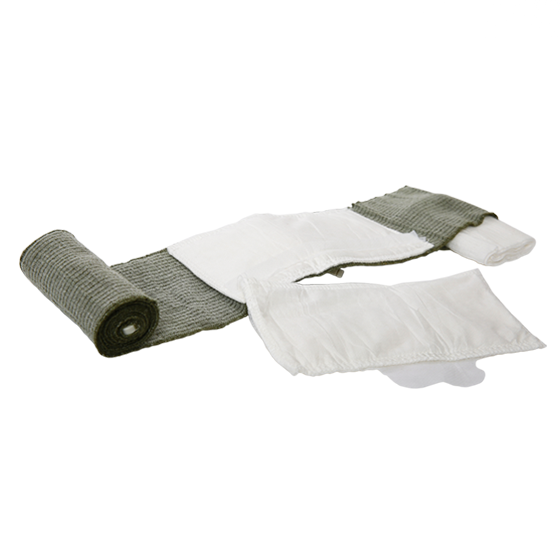
    The Israeli Bandage (formally the Emergency Bandage) is the benchmark haemorrhage control dressing for wounds where a tourniquet cannot be applied — torso, head, neck, and groin injuries. Used by military, paramedics, and emergency services worldwide. The OLAES Modular Trauma Dressing is the more versatile alternative, adding wound packing capability. See individual product pages for detailed comparison.

    Haemostatic Dressings and Wound Packing Gauze

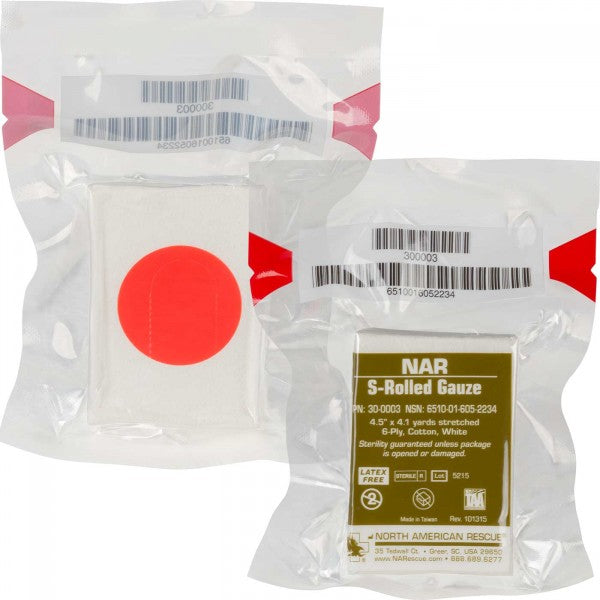
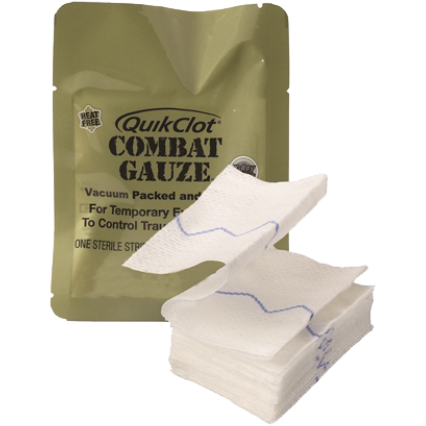
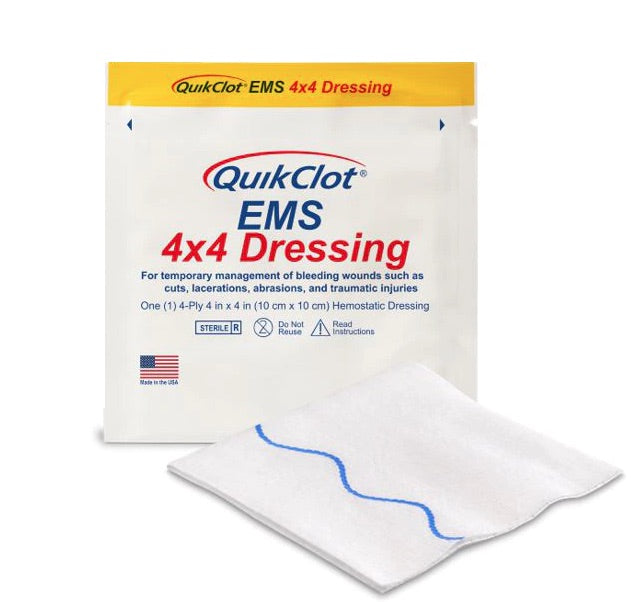
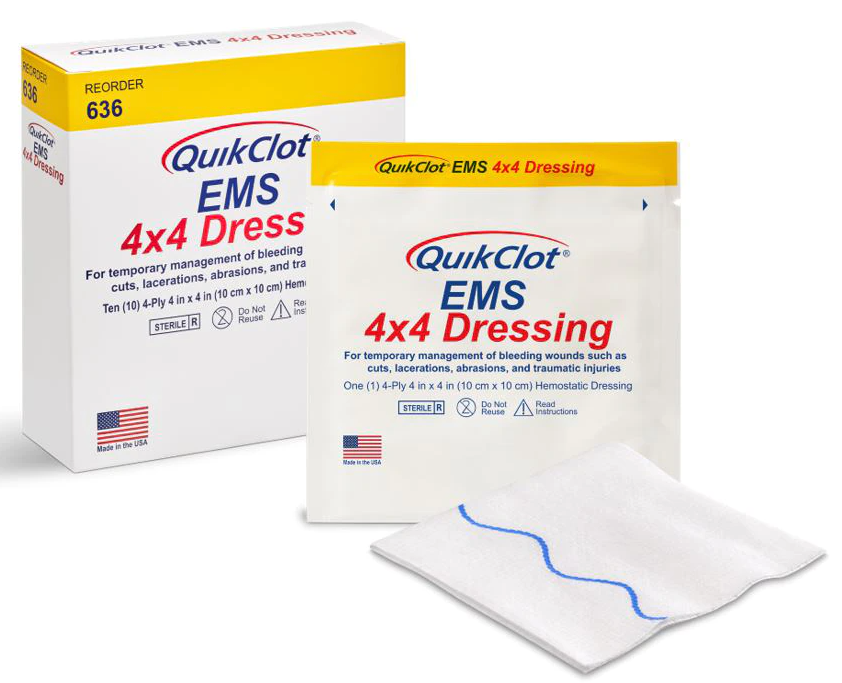
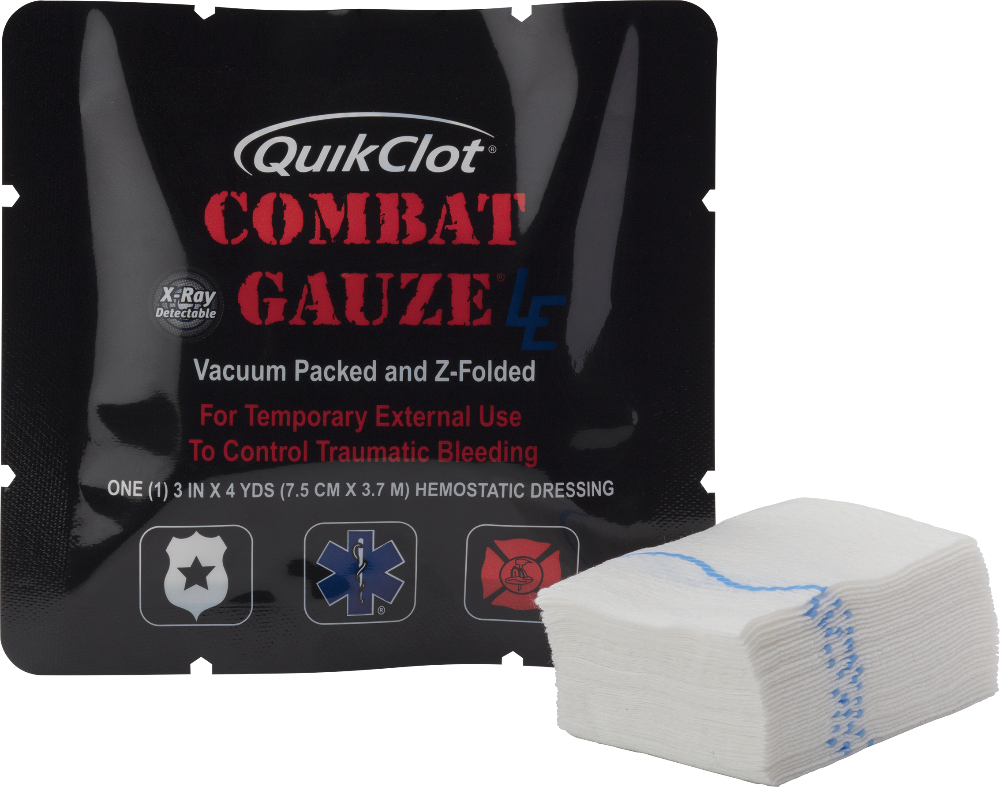
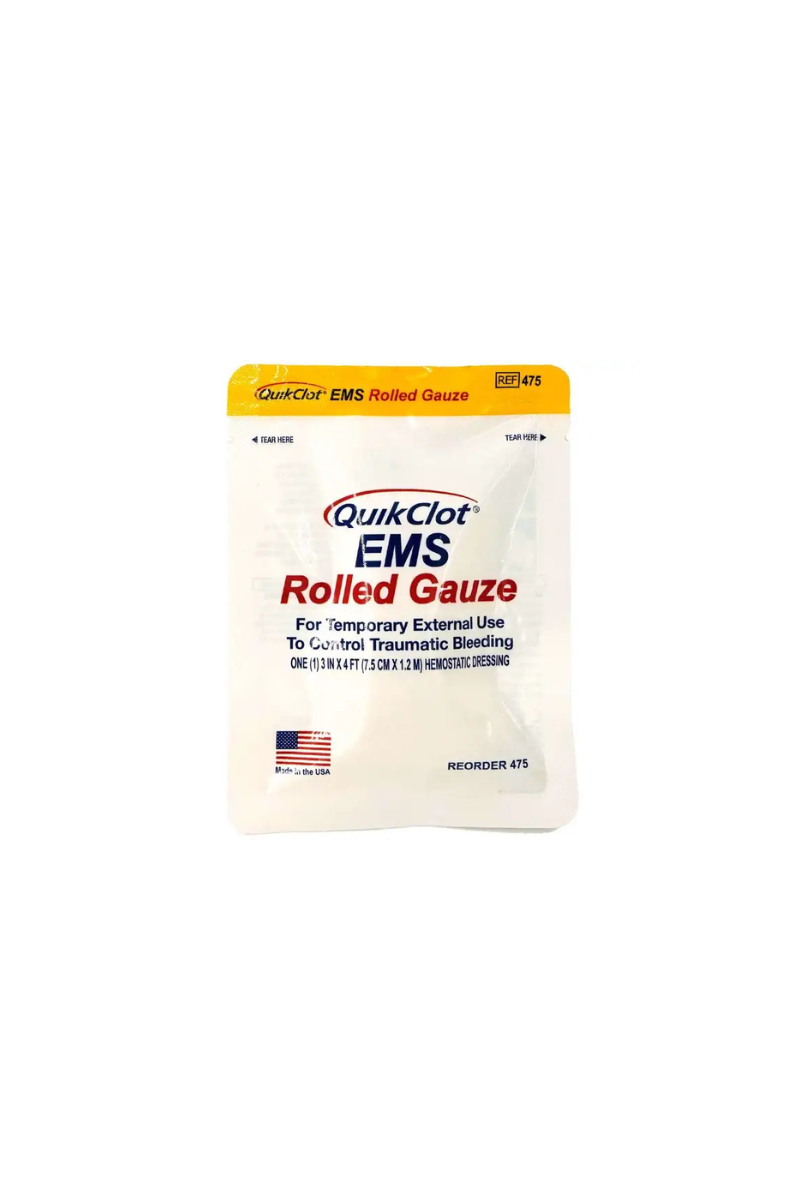
    Haemostatic dressings and gauze contain agents (QuikClot, Celox, or equivalent) that accelerate clotting to control severe haemorrhage from wounds that cannot be tourniqueted. Used for wound packing — the technique of packing gauze firmly into a deep wound to apply internal pressure and initiate clotting. Standard in military and pre-hospital trauma care.

    Blast Bandages

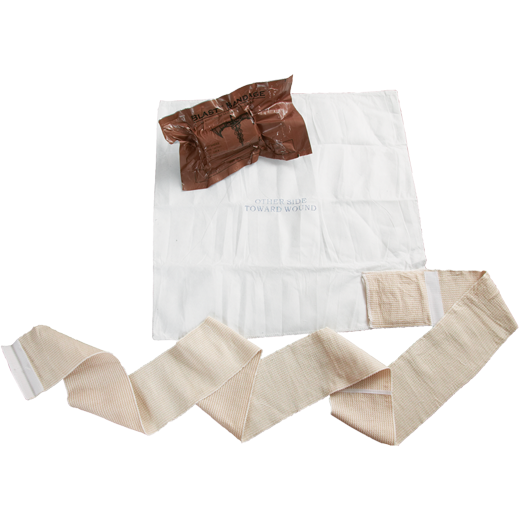
    Blast bandages are heavy-duty emergency dressings designed for large, irregular blast and fragmentation wounds. They combine a large-area absorbent pad with an elastic bandage for rapid coverage of extensive injuries. Used by military and tactical medical teams.

    Compression and Conforming Bandages

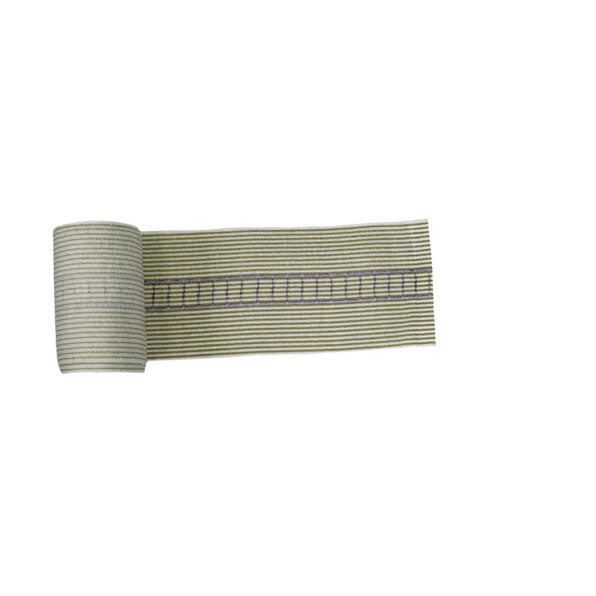
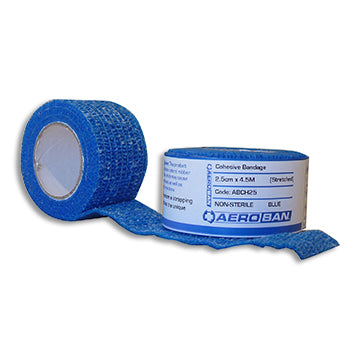
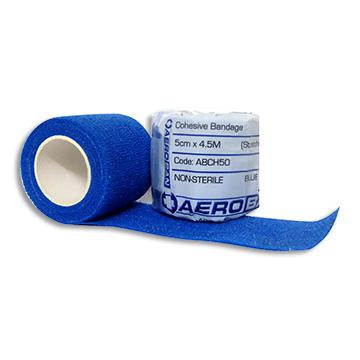
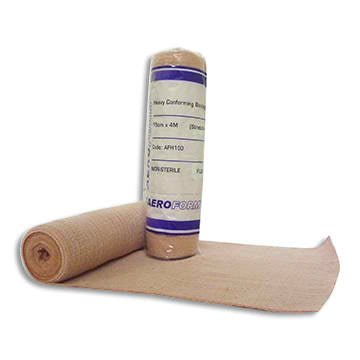
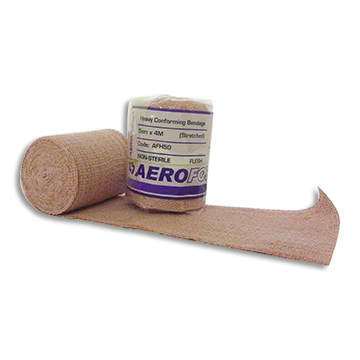
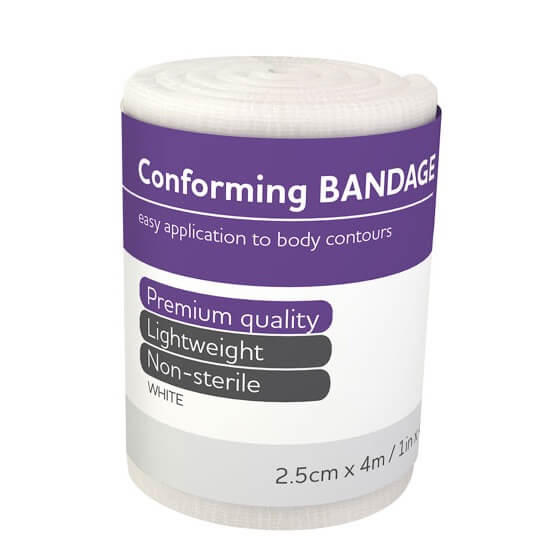
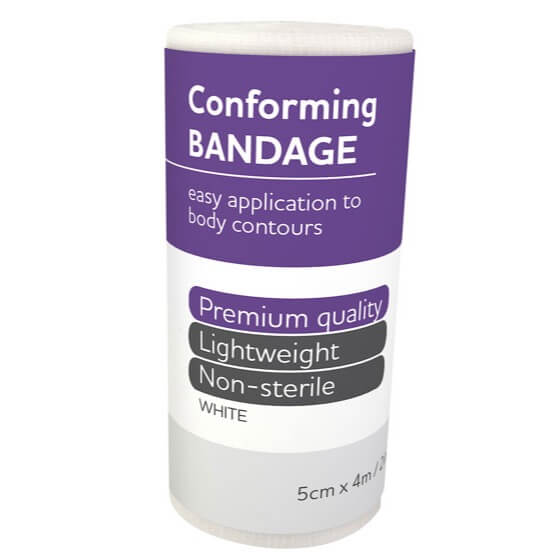
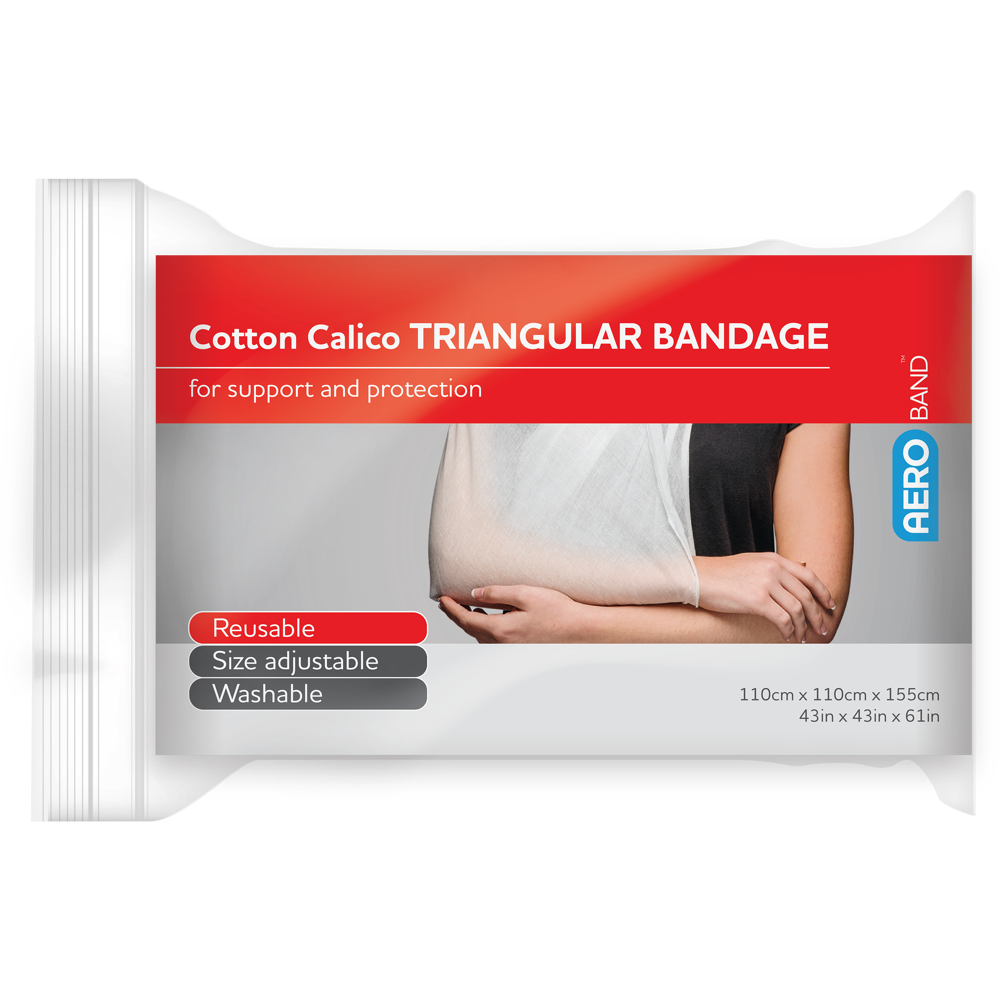
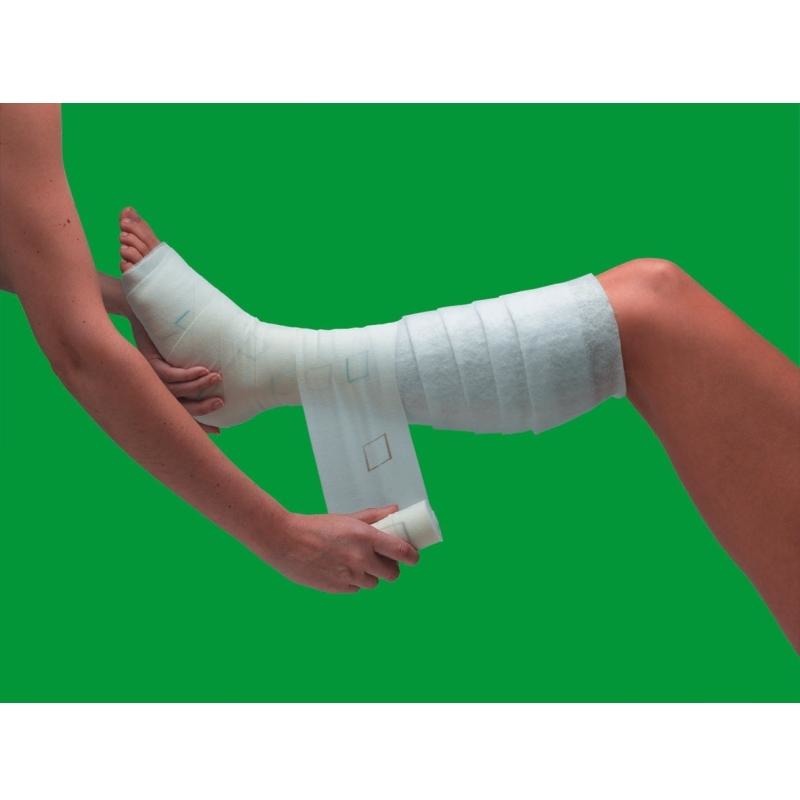
    Conforming and compression bandages are used to secure dressings, apply pressure, and support injured limbs. Available in various widths for different applications — from wrist and forearm to thigh and torso coverage.

    Who Uses These Dressings

    Trauma dressings and emergency bandages are used by anyone responsible for managing serious wounds in environments where major injury is possible:

    • Paramedics and pre-hospital care providers — Israeli Bandages, haemostatic gauze, and OLAES dressings are standard components of paramedic response kits
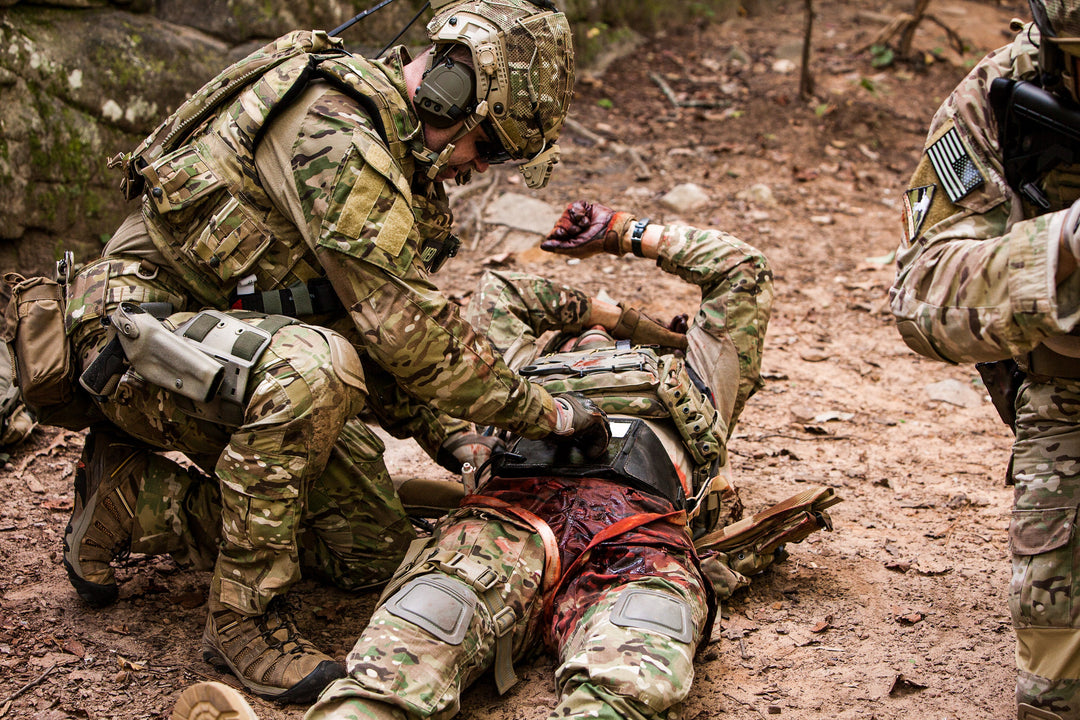
    • Military and tactical medics — haemostatic dressings, blast bandages, and wound packing gauze for combat and tactical casualty care
    • Law enforcement and security — Israeli Bandages and haemostatic gauze in IFAKs and duty kits
    • Remote and offshore workers — serious wound management capability for environments where evacuation takes hours
    • High-risk workplace first aiders — mining, construction, and industrial sites where trauma capability supplements standard workplace kits
    • Trained civilians — individual kit builders and anyone restocking an IFAK, trauma kit, or vehicle emergency kit with individual components

    Choosing the Right Dressing

    The right dressing depends on the wound type, location, and severity. A quick decision guide:

    Limb wound with severe bleeding — tourniquet first

    For arterial bleeding from an arm or leg, a tourniquet is the primary intervention. See the tourniquet collection. A pressure dressing may be used in addition to a tourniquet but does not replace it for arterial limb haemorrhage.

    Wound on torso, neck, head, or groin — Israeli Bandage or OLAES

    Where a tourniquet cannot be applied, an Israeli Bandage (Emergency Bandage) or OLAES dressing is used to apply direct pressure. The Israeli Bandage is faster and simpler — apply, wrap, secure. The OLAES adds wound packing capability for deeper wounds. If in doubt, carry both.

    Deep or penetrating wound requiring packing — haemostatic gauze

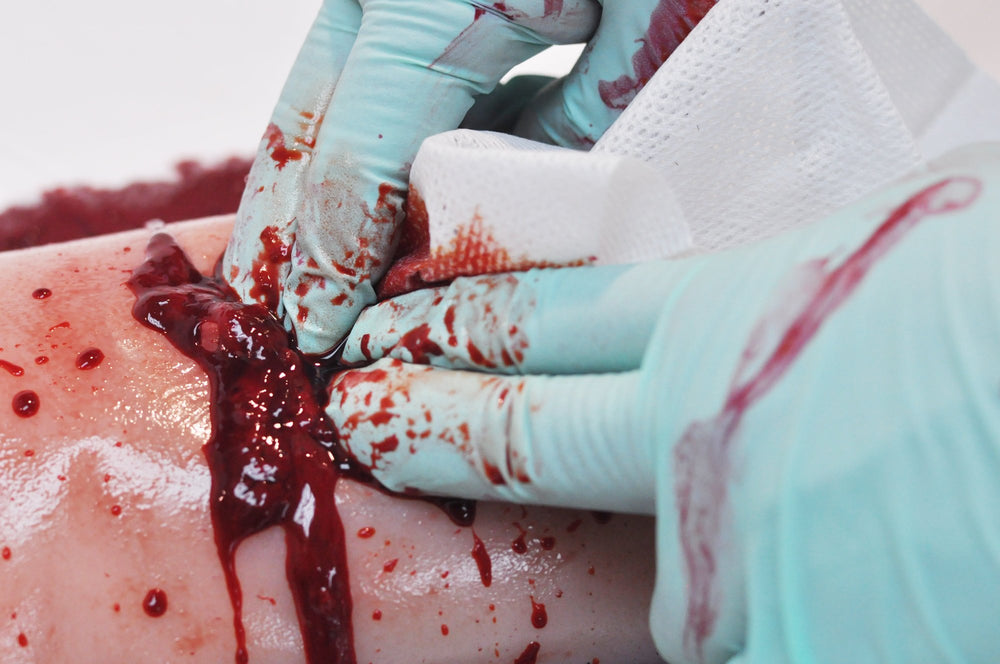
    For deep wounds where surface pressure alone is insufficient, wound packing with haemostatic gauze (QuikClot, Celox) is the appropriate intervention. The gauze is packed firmly into the wound cavity to apply internal pressure and initiate accelerated clotting. This technique requires training — if you carry haemostatic gauze, ensure you or your team know how to use it.

    Large surface wound or blast injury — blast bandage

    For large, irregular wounds covering significant surface area — blast injuries, significant degloving, or major lacerations — a blast bandage provides broad coverage in a single application.

    Securing dressings and supporting limbs — conforming bandage

    Conforming bandages are used over primary dressings to secure them and maintain pressure. They are not a primary haemorrhage control dressing — they support and secure other dressings after application.

    Common Mistakes We See

    The most common mistake is carrying a pressure dressing for a wound that requires a tourniquet, or applying a tourniquet where a pressure dressing is the right tool. Knowing when to use each intervention — and practising the decision — is as important as carrying the equipment. Our Learning Centre cover wound assessment and dressing selection.

    We also see people carry haemostatic gauze without having trained in wound packing technique. Haemostatic gauze requires firm, deliberate packing to be effective — applying it loosely over a wound does not achieve the intended result.

    Another issue is stocking a trauma kit with consumer wound dressings — standard adhesive plasters, sterile gauze pads, or non-adherent dressings — for serious wound scenarios. These products have their place in general first aid but are not substitutes for Israeli Bandages, haemostatic gauze, or OLAES dressings in a trauma context.

    Finally, for snake bite situations — the correct dressing is a pressure immobilisation bandage, not a wound dressing. See the snake bite kit for Setopress and PIT-specific supplies.
    What is the difference between an Israeli Bandage and a tourniquet?

    A tourniquet stops blood flow entirely by applying circumferential pressure around a limb — it is the primary intervention for arterial bleeding from arms or legs. An Israeli Bandage (Emergency Bandage) applies direct pressure over a wound using a built-in pressure bar — it is used for wounds on the torso, head, neck, groin, or axilla where a tourniquet cannot be applied. In a complete trauma kit, you carry both. They address different wound locations and are not interchangeable.

    What is a haemostatic dressing?

    A haemostatic dressing contains an agent — typically QuikClot (kaolin) or Celox (chitosan) — that accelerates the blood clotting process when packed into a wound. Used for deep or penetrating wounds where direct surface pressure alone is insufficient to control haemorrhage. Haemostatic dressings are standard in military trauma care and increasingly used in pre-hospital and civilian trauma settings. Wound packing technique is required for effective use.

    What is wound packing and when is it used?

    Wound packing is the technique of firmly packing gauze into a deep wound cavity to apply internal pressure directly at the bleeding source. It is used for penetrating wounds — gunshot wounds, stab wounds, blast injuries — where the wound is too deep for surface pressure to reach the bleeding point. Haemostatic gauze (QuikClot or Celox) is typically used to enhance clotting during packing. This technique requires training.

    What is an OLAES bandage?

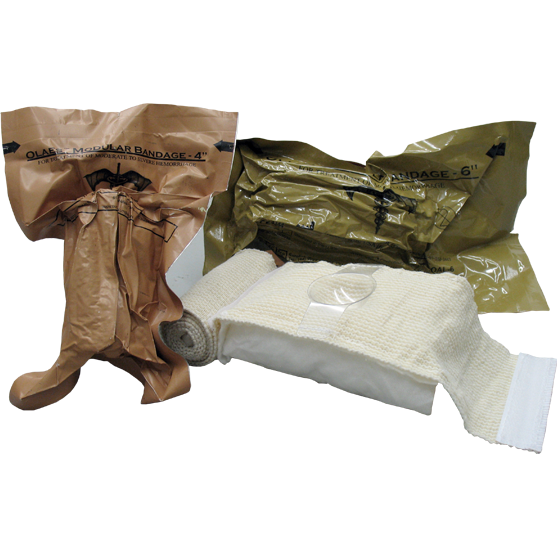
    The OLAES Modular Trauma Dressing is a combined pressure dressing and wound packing system. It includes a removable pressure cup for surface compression and wound packing gauze for deep wound management — making it more versatile than a standard Israeli Bandage for complex wounds. The trade-off is a more involved application process. For most IFAK configurations, both an Israeli Bandage (for speed) and an OLAES (for versatility) are recommended.

    What is a blast bandage?

    A blast bandage is a large-format emergency dressing designed for the extensive, irregular wounds caused by blast and fragmentation injuries. It combines a large absorbent pad with an elastic bandage for rapid coverage of injuries covering significant surface area. Standard in military medical kits. For civilians, it is useful for major lacerations, degloving injuries, and large wound areas where a standard Israeli Bandage would provide insufficient coverage.
    Are these dressings suitable for restocking an IFAK or trauma kit?

    Yes. Individual dressings and bandages are available to restock used or expired kit components without replacing the entire kit. Check expiry dates on existing components and replace on a like-for-like basis. If you are unsure which replacement component your kit requires, check the original kit product page or contact us.
    Do I need training to use these products?

    Haemostatic gauze and wound packing technique require training to use effectively. Israeli Bandages and pressure dressings can be applied with basic first aid knowledge, though training significantly improves outcomes. See our training courses for wound care and trauma management options.

    Are these suitable for snake bite treatment?

    No. Snake bite treatment in Australia requires a pressure immobilisation bandage — a specific bandage type calibrated for the Pressure Immobilisation Technique. Standard wound dressings are not appropriate for snakebite first aid. See the snake bite kit for the correct supplies.