Outdoor / Remote First Aid Kits

Filter

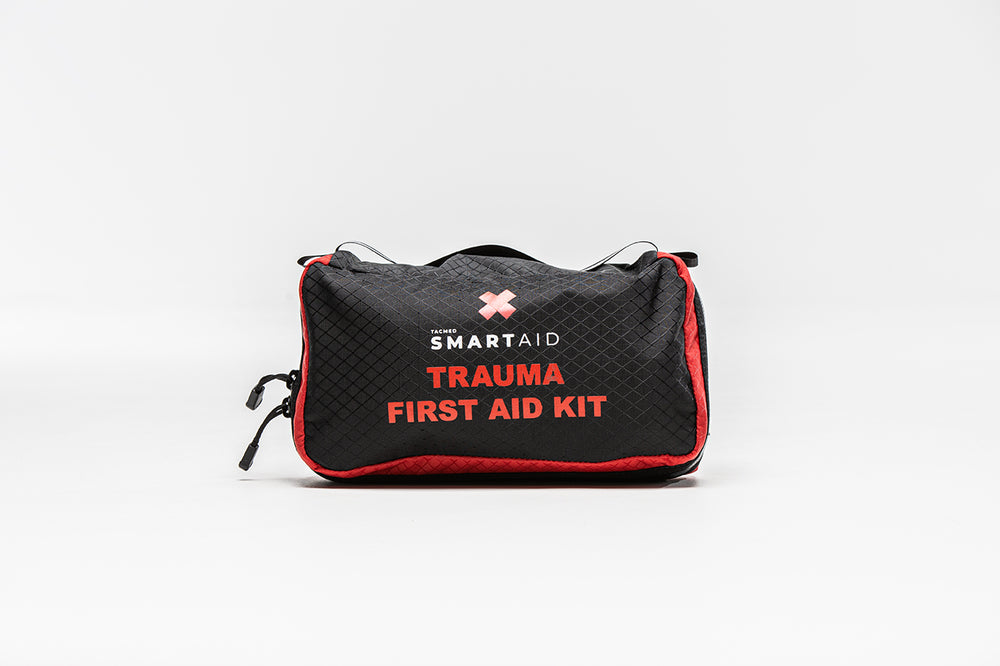
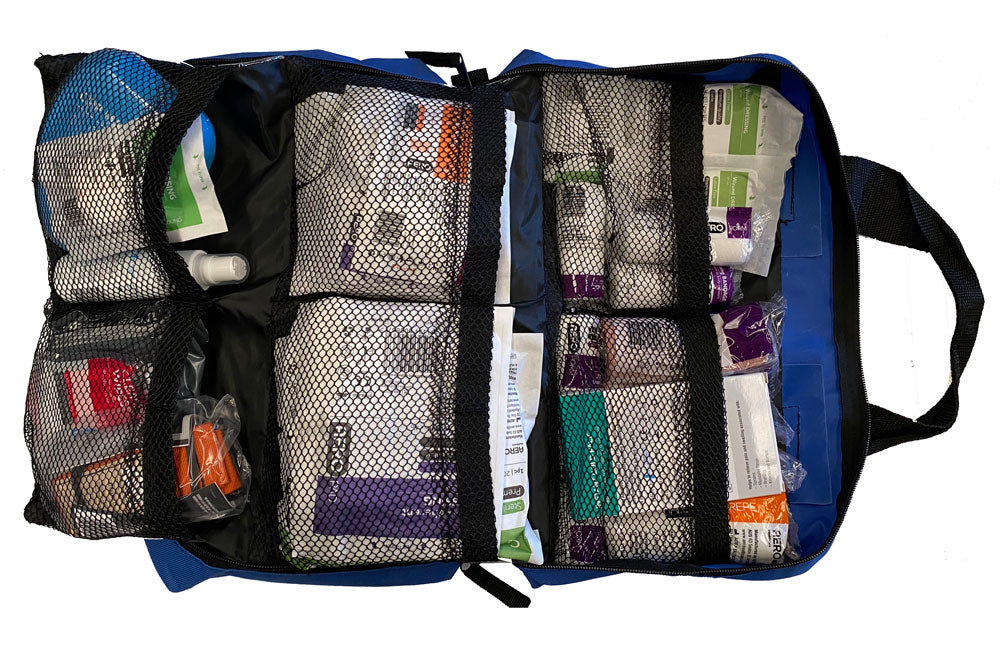
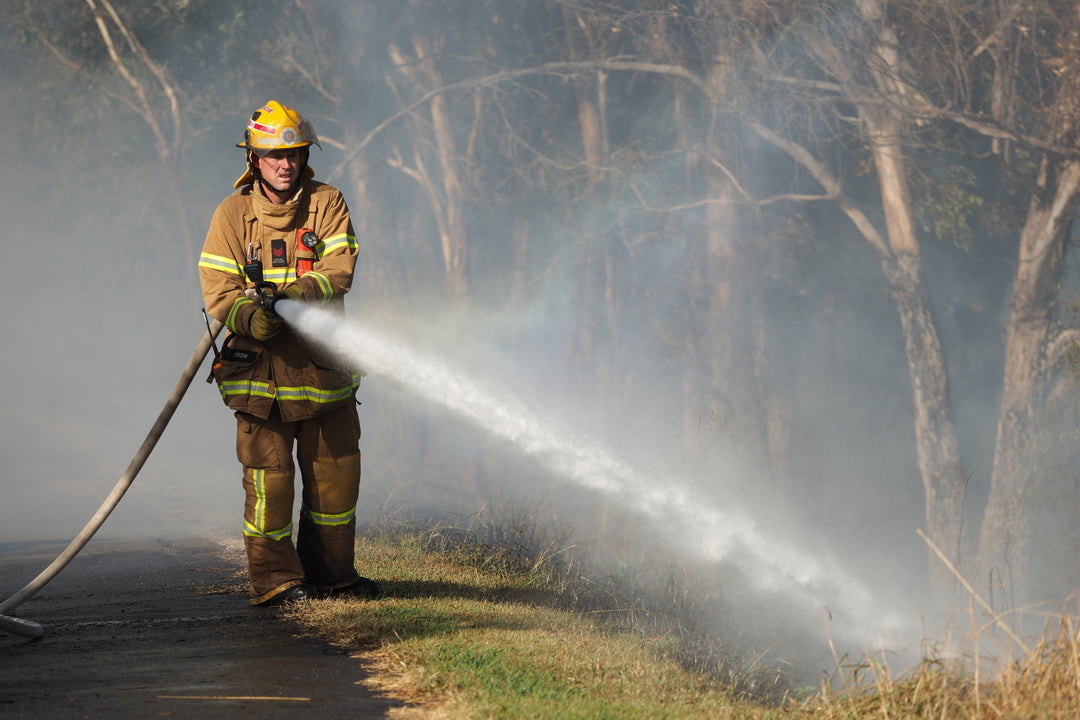
    Remote area first aid kits and wilderness first aid kits for travel, work, and adventure in areas of Australia where medical help may be hours away. These kits go beyond a standard first aid kit — built for self-reliance, extended care, and the specific hazards of remote Australian environments.
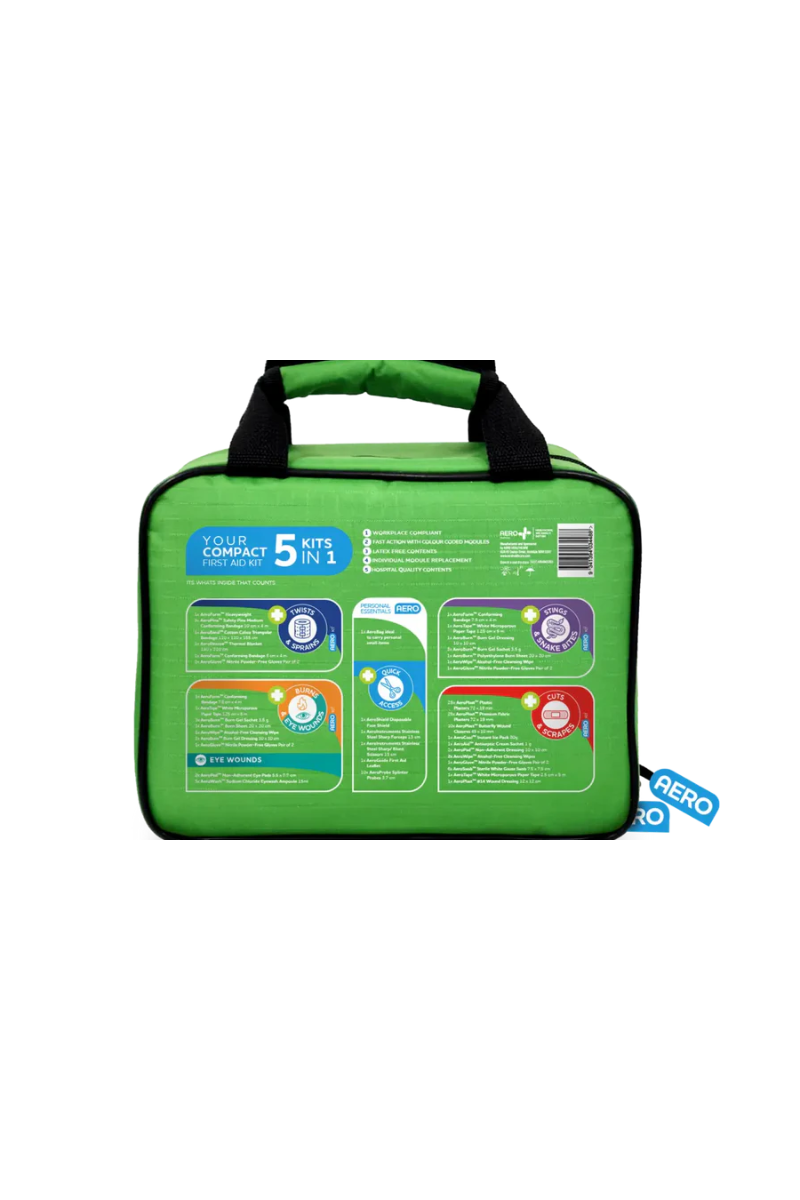
    This collection covers kits for 4WD travel, hiking, camping, station and farm work, expedition, and professional outdoor operations across Australia. All kits are TGA-compliant and configured for durability in heat, dust, and rough handling.

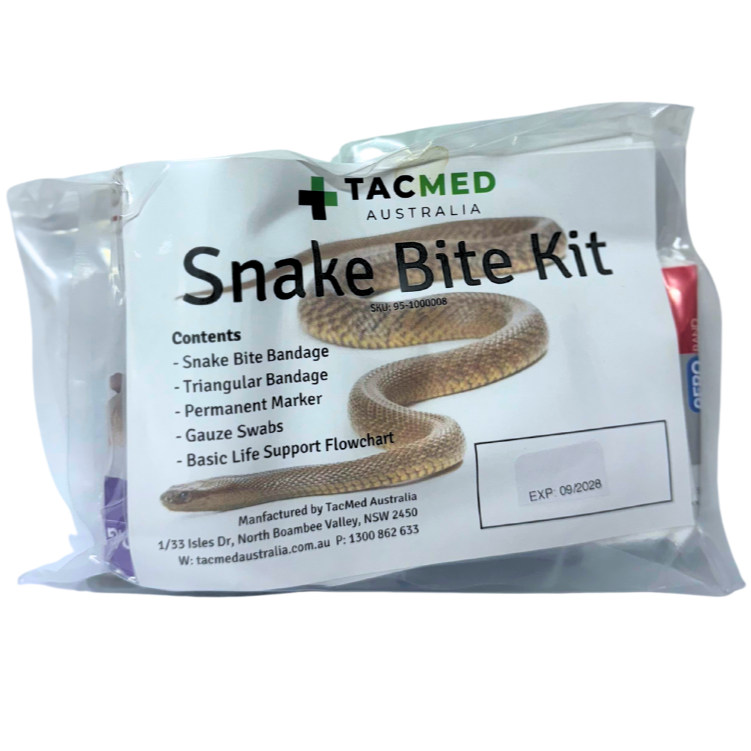
    If you are also preparing for snake encounters, a dedicated snake bite kit should be carried separately alongside your first aid kit in any Australian bush, farm, or remote environment.

    For a standard first aid kit for home or low-risk travel, see the first aid kits collection.

    Sold Out

    What These Kits Are Built to Handle

    In remote Australian environments, injuries that are manageable with immediate medical care can become life-threatening when evacuation takes hours. A remote area first aid kit or wilderness first aid kit is built around this reality — providing the capability to stabilise, treat, and sustain a casualty for the time it takes to reach definitive care.

    These kits cover a broader range of situations than a standard first aid kit:

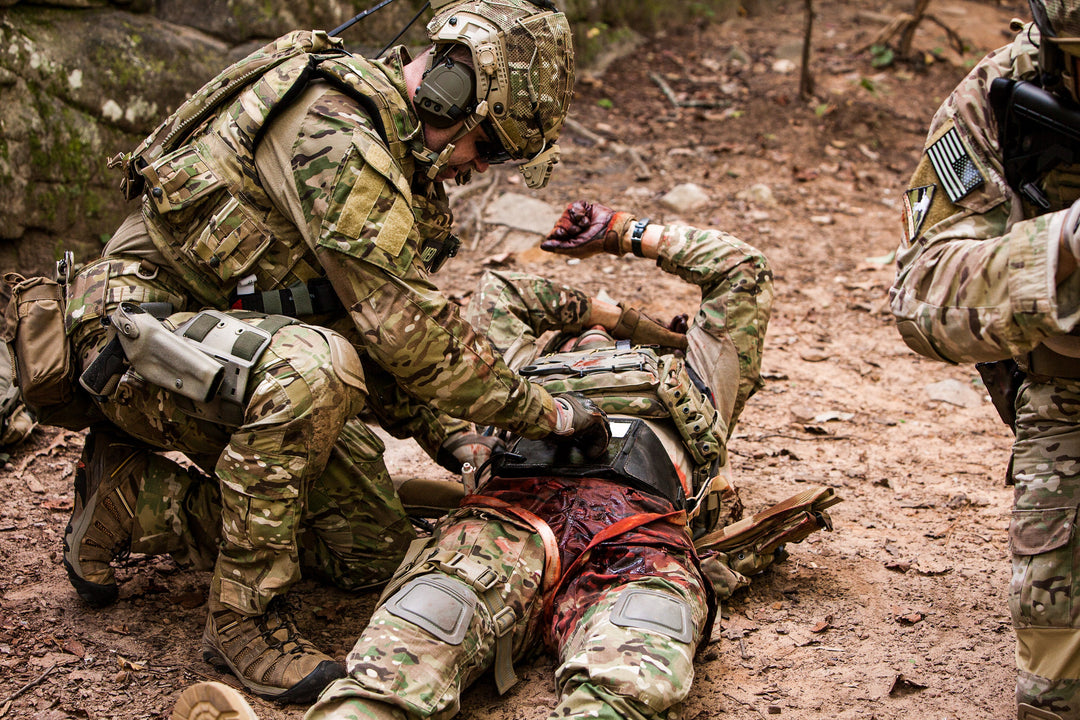
    • Trauma injuries — haemorrhage control, wound management, and fracture stabilisation from vehicle accidents, falls, machinery, and farm incidents
    • Environmental injuries — heat illness, sunburn, dehydration, hypothermia, and cold exposure specific to Australian conditions
    • Bites and stings — wound management for spider bites, marine stings, and general envenomation (note: a separate dedicated snake bite kit with pressure immobilisation bandages should be carried for snake encounter preparedness)
    • Eye, ear, and airway injuries — dust, debris, and foreign body management in environments without clean facilities
    • Infection prevention — wound care over extended periods without access to clinical facilities
    • Casualty management — stabilisation, monitoring, and sustained care during extended evacuation

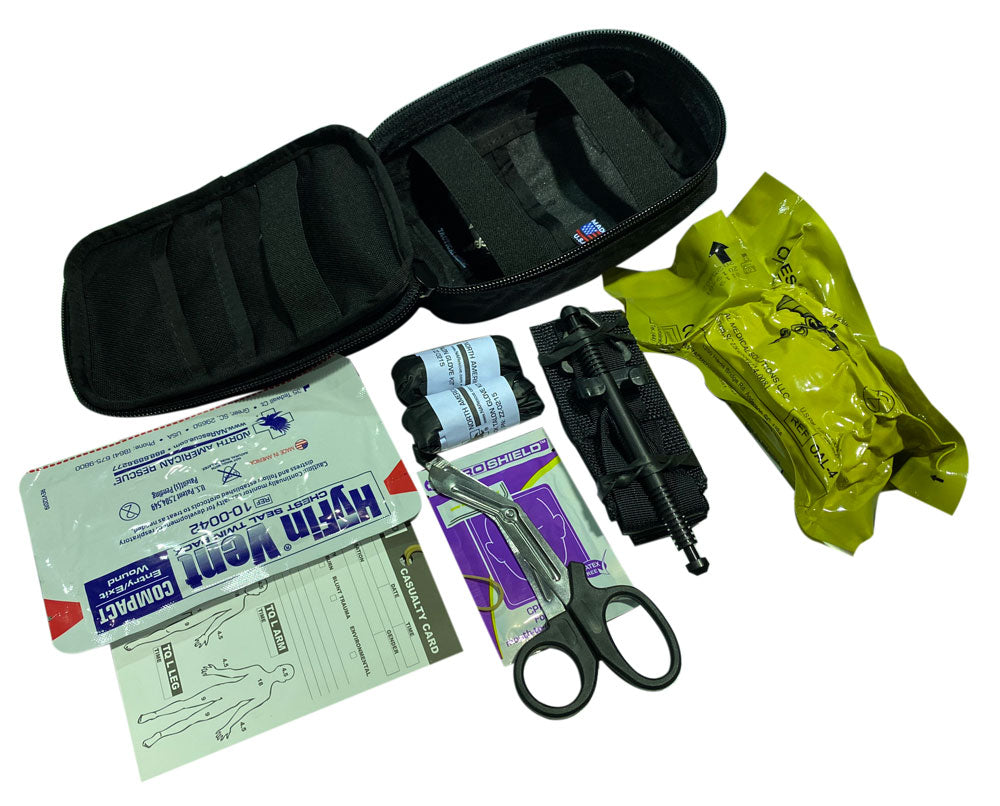
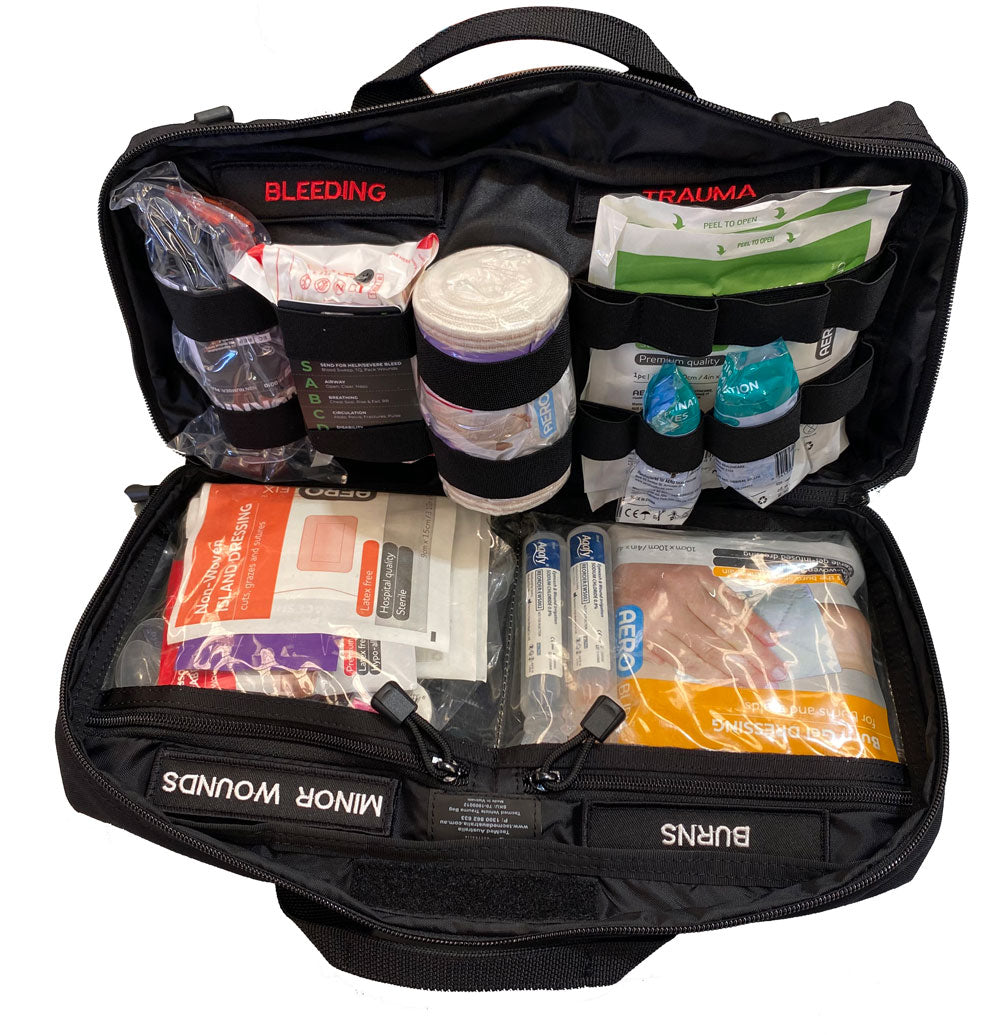
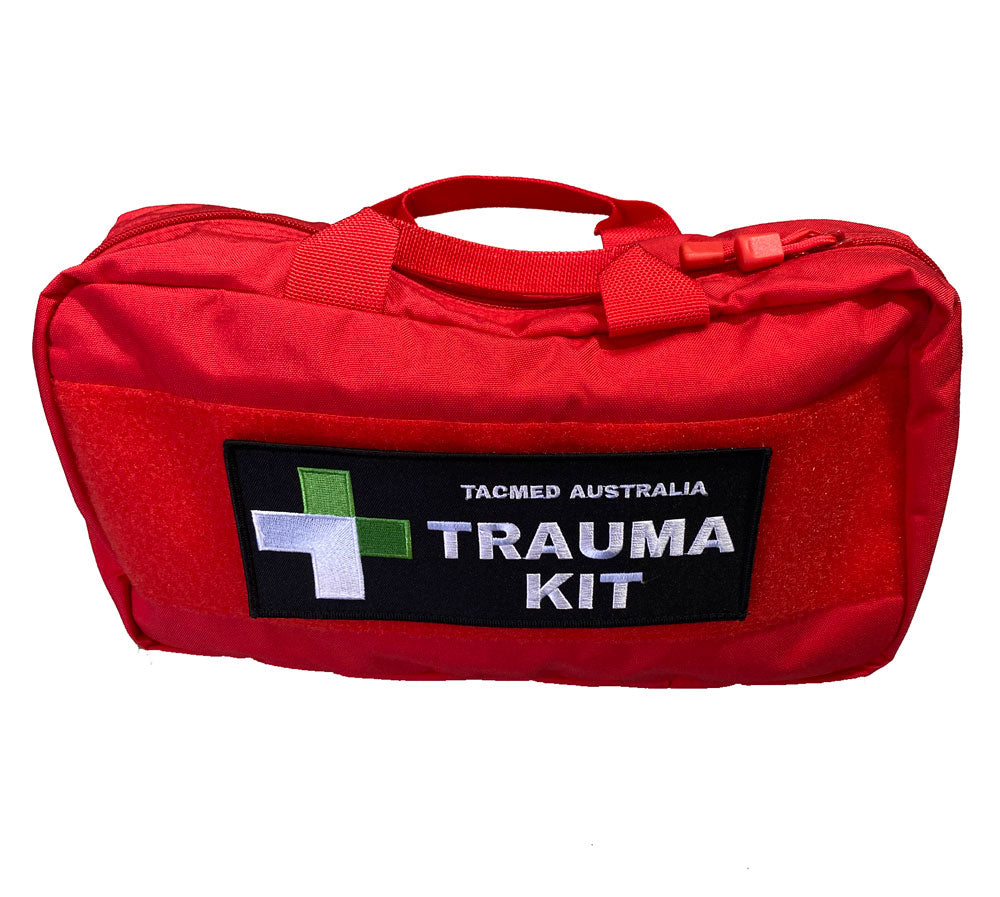
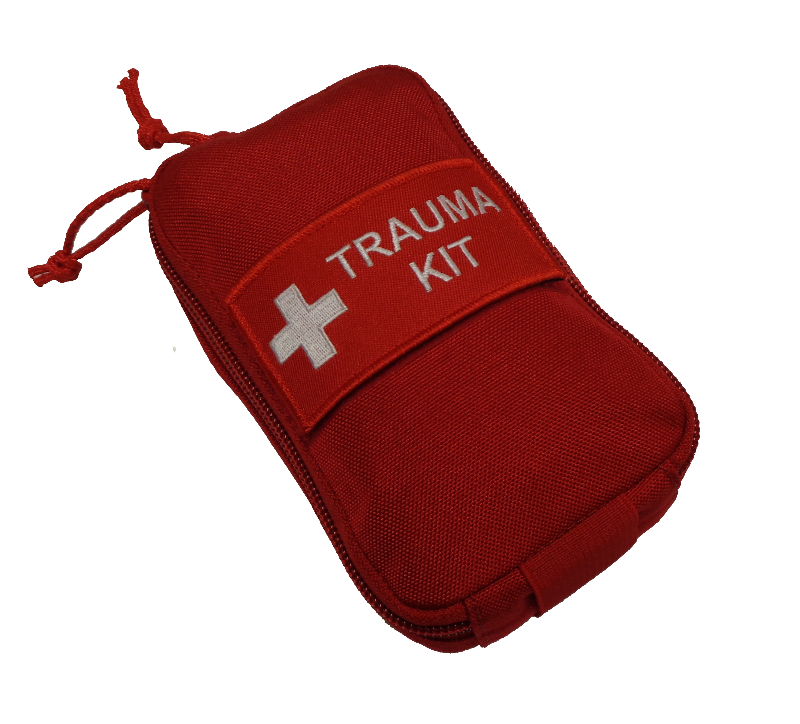
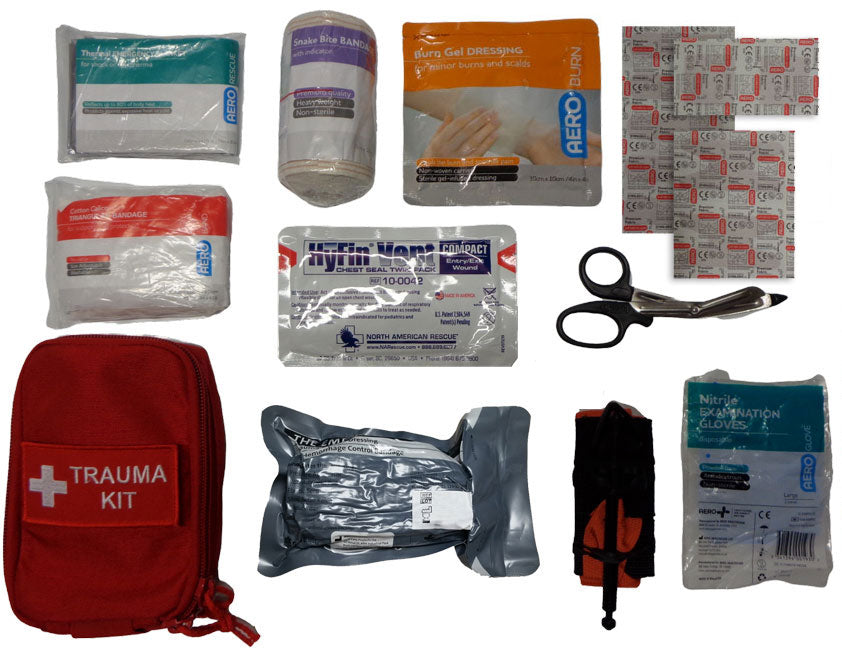
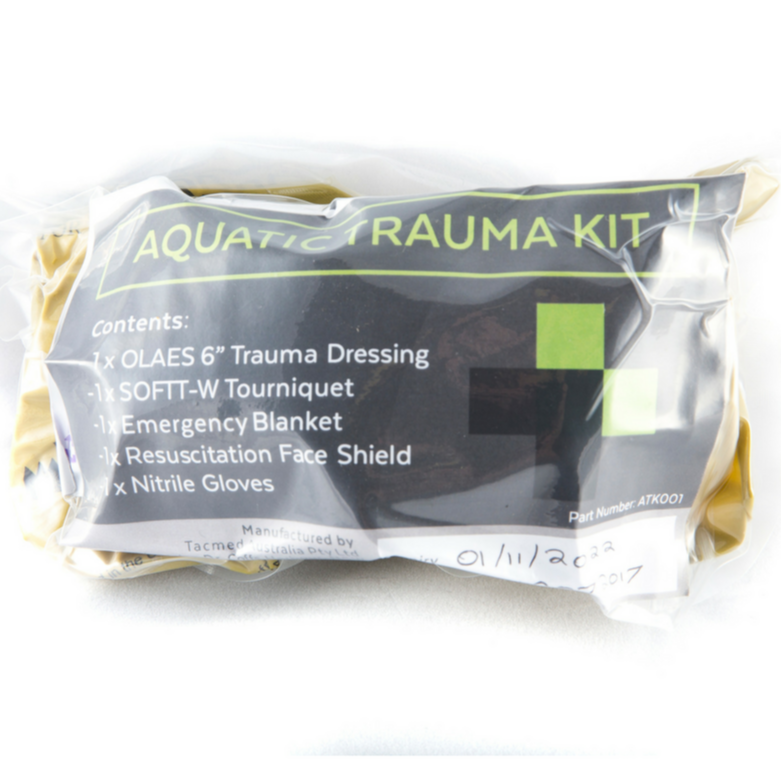
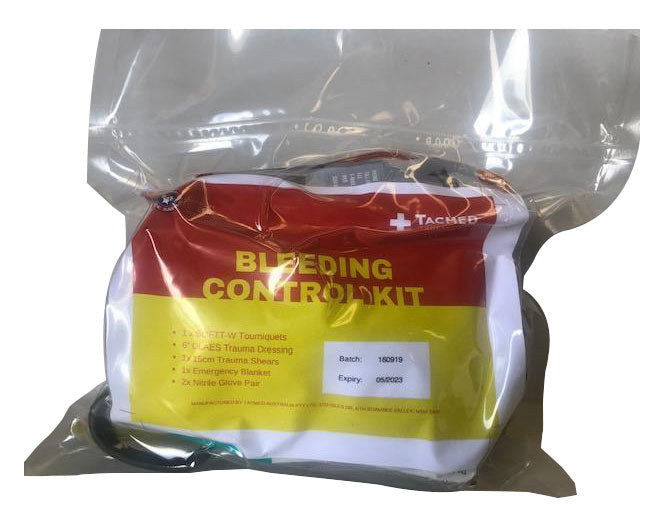
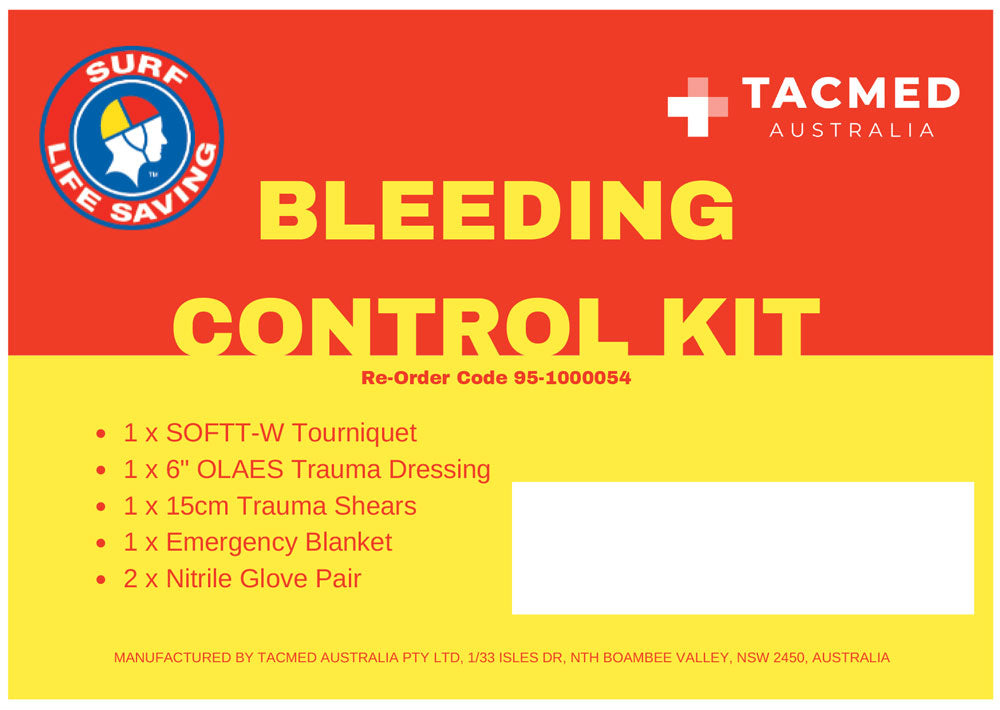
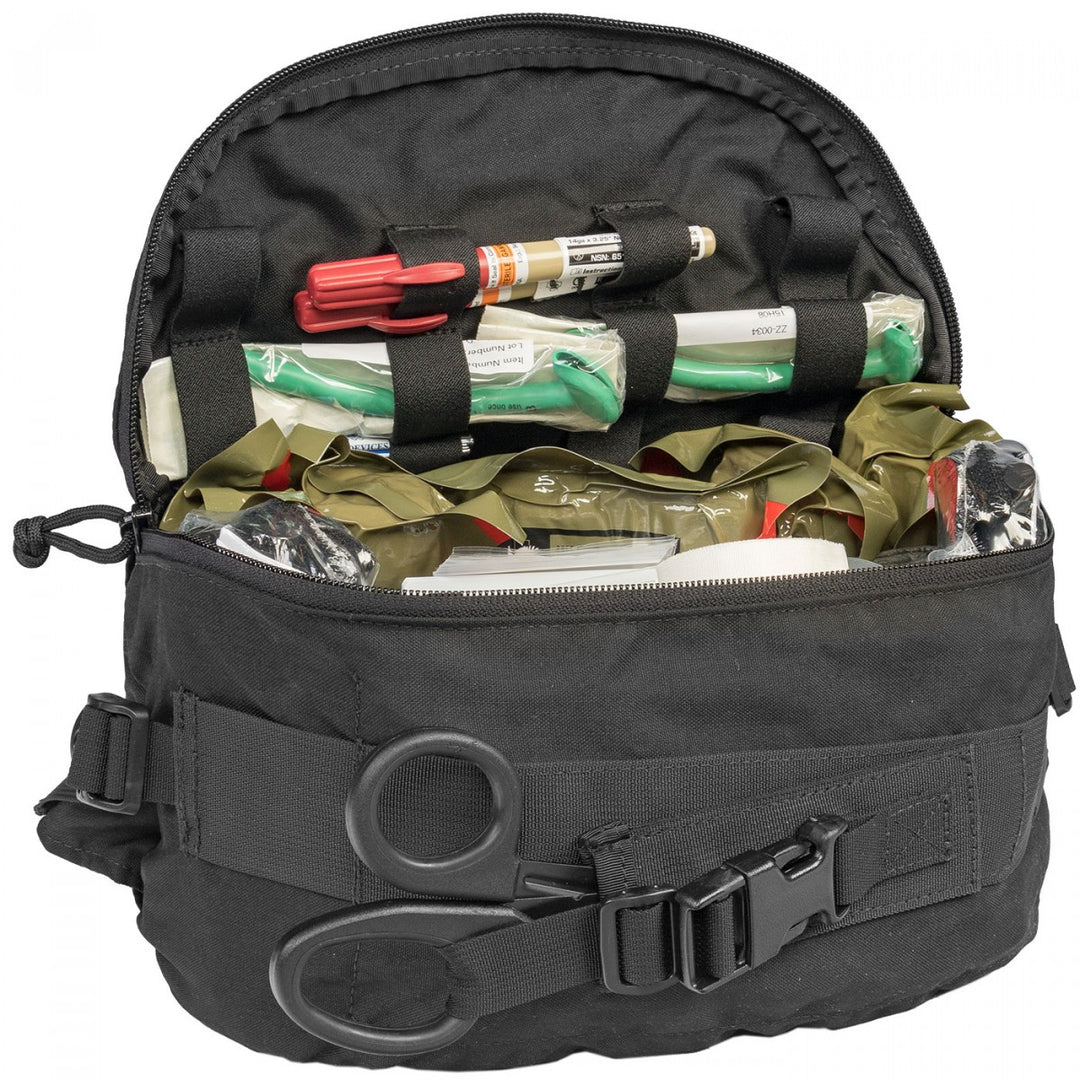
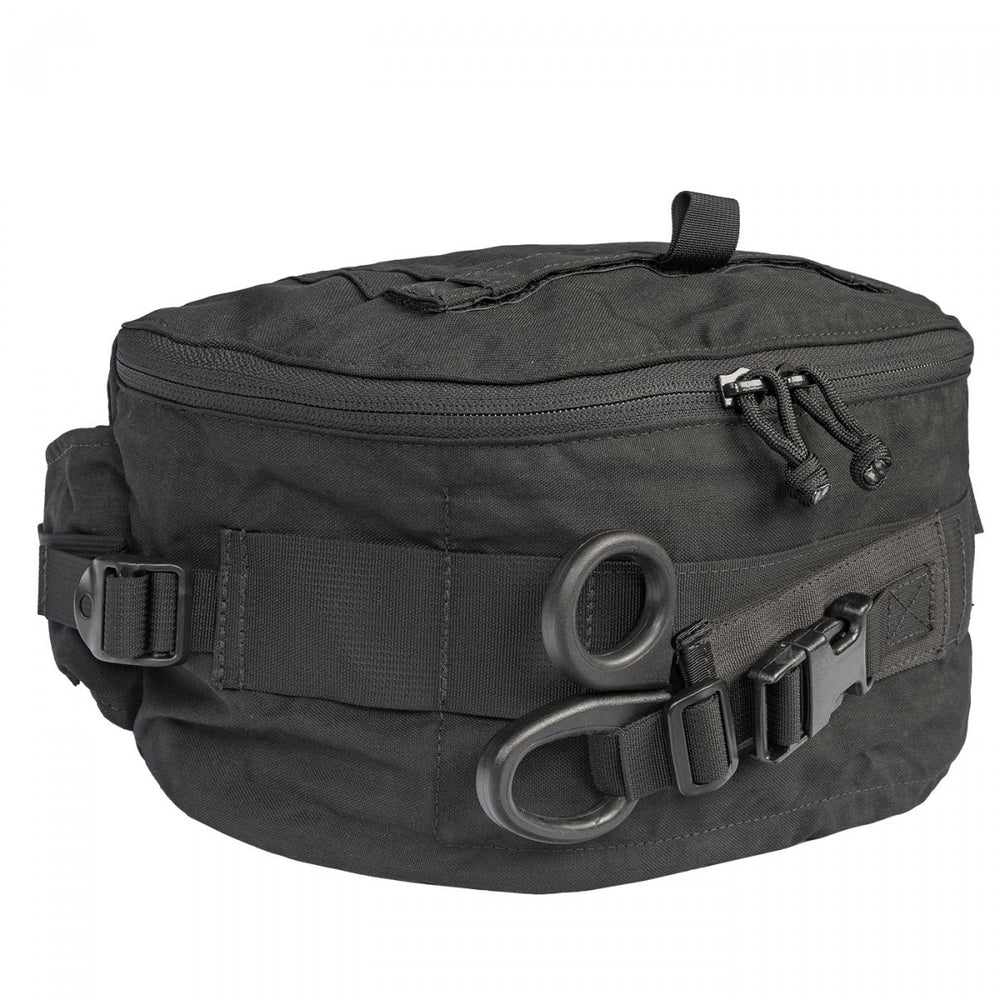
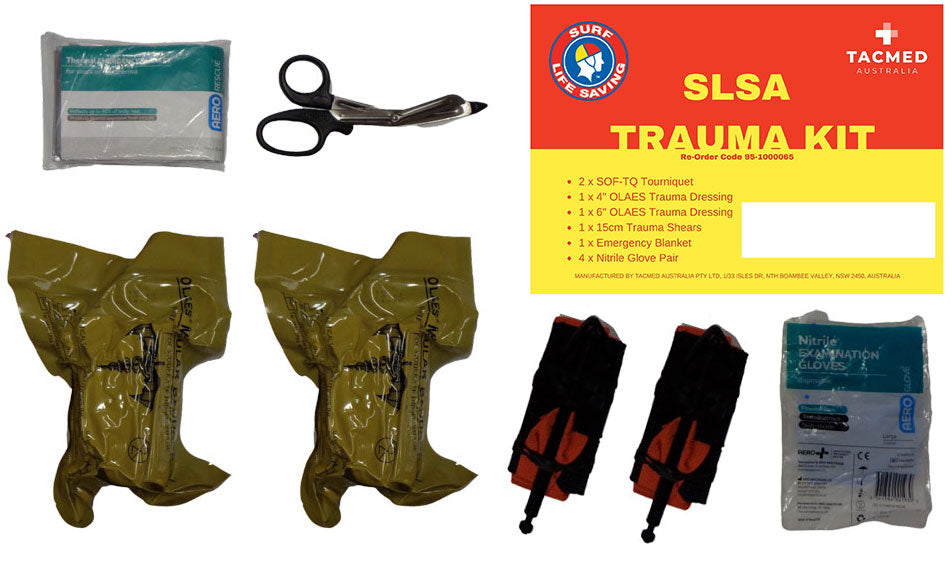
    For remote operations where major trauma is a realistic risk — mine sites, exploration, professional operations — supplement with a trauma kit or bleeding control kit for haemorrhage management capability beyond what a standard remote first aid kit provides.

    Who Uses These Kits

    • 4WD and off-road travellers — remote Australia travel where the nearest hospital may be hours away over unsealed road
    • Hikers and trekkers — multi-day and remote hiking in Australian bushland, national parks, and alpine environments
    • Campers and overlanders — extended camping trips away from towns and emergency services
    • Farmers and station workers — remote agricultural environments where farm injuries occur far from medical assistance
    • Hunters and shooters — remote bush operations, often alone or in small groups away from sealed roads
    • Outdoor guides and tour operators — responsible for participant safety in remote and wilderness environments
    • Marine and coastal operators — offshore and coastal environments where emergency response is delayed
    • Search and rescue and volunteer emergency services — extended field operations requiring self-sufficient first aid capability
    • Expedition and adventure athletes — multi-day wilderness events, ultramarathons, and remote adventure sports

    Choosing a Remote or Wilderness First Aid Kit

    The right remote area first aid kit depends primarily on two factors: how far you are from medical care, and how long you will be away. Match the kit to the realistic risk and duration — a day hike an hour from a town needs less than a week-long 4WD trip through remote outback.

    Day trips and short-range outdoor activities

    A compact, comprehensive kit covering wound care, bleeding control, burns, sprains, and basic trauma capability. Should be lightweight enough to carry in a day pack without being a burden. Include a snake bite bandage if operating in snake habitat.

    Multi-day hiking and camping

    Broader wound care including extended dressing supplies, blister management, infection prevention antibiotics (if prescribed), eye wash, and pain relief. Trauma capability — tourniquet and pressure dressing — for remote terrain where falls and serious injuries are a realistic risk. Consider a Personal Locator Beacon (PLB) as a companion device.

    Remote 4WD and station travel

    Full remote area kit including trauma components (tourniquet, haemostatic gauze, pressure dressing), extended wound care, splinting, and environmental injury management. Vehicle-mounted format or robust case for rough road conditions. Separate snake bite kit. The kit should be able to sustain a casualty for at least 24 hours pending evacuation.

    Extended professional and expedition operations

    Full wilderness first aid kit plus dedicated trauma kit or bleeding control kit. Extended medication supplies, IV access capability (if trained), and advanced assessment tools for environments where evacuation may take multiple days. Professional wilderness first aid training strongly recommended.

    Australian conditions

    Australian remote environments are particularly harsh on medical supplies. Kits stored in vehicles can reach extreme temperatures — choose kits with packaging rated for heat and UV. Check expiry dates before every trip. Adhesives, dressings, and elastic bandages degrade faster in high-heat storage than under controlled conditions.

    Common Mistakes We See

    The most common mistake is taking a standard home or urban first aid kit into remote environments. These kits are sized for minor injuries with immediate medical backup — they are not configured for wound care over 24+ hours, haemorrhage management, or the sustained care required when evacuation takes time. A remote area first aid kit is a different product for a different situation.

    Not carrying a snake bite kit is a significant gap that we regularly see in otherwise well-prepared setups. A remote first aid kit does not include pressure immobilisation bandages by default — you need a dedicated snake bite kit with Setopress bandages alongside your general remote kit in any Australian environment where snakes are present. That includes most of rural and regional Australia.

    Packing the kit at the bottom of a pack or in a hard-to-access compartment is another common issue. In an emergency — particularly if you are injured yourself and operating alone — your first aid kit needs to be reachable immediately. Keep it in an accessible exterior pocket or at the top of the pack.

    Finally, not checking the kit before the trip. Expired dressings, dried antiseptic wipes, and missing items from a previous use are consistently the source of kit failures. Inspect before every significant trip and replace anything expired or consumed.

    What is a remote area first aid kit?

    A remote area first aid kit is designed for environments where professional medical assistance may be hours or days away. It contains broader capability than a standard first aid kit — extended wound care, trauma management, bleeding control, and supplies for sustained casualty care during evacuation. Configured for Australian conditions including heat, dust, and the specific hazards of remote and rural environments.

    What is a wilderness first aid kit?

    A wilderness first aid kit is a comprehensive kit for extended travel in remote terrain — bushwalking, hiking, expedition, and backcountry operations. It covers the full range of wilderness injuries including trauma, environmental conditions (heat illness, hypothermia), bites and stings, and wound management over extended periods. Wilderness first aid kits are typically more comprehensive than standard remote area kits and may include advanced assessment and intervention capability.

    What should a remote first aid kit contain?

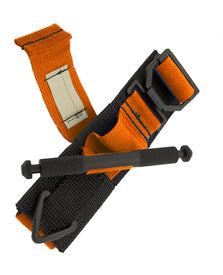
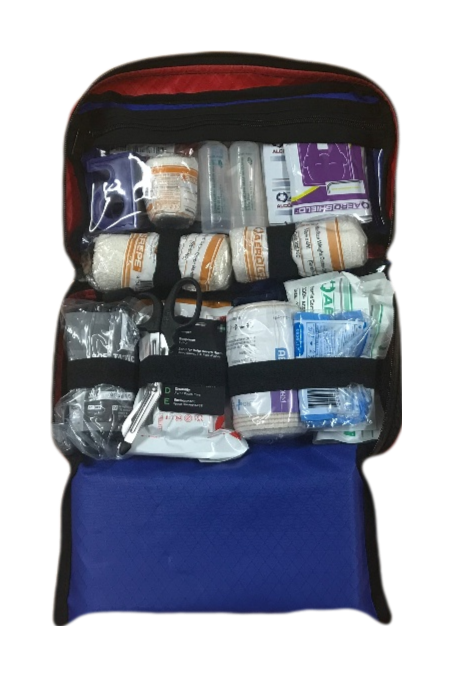
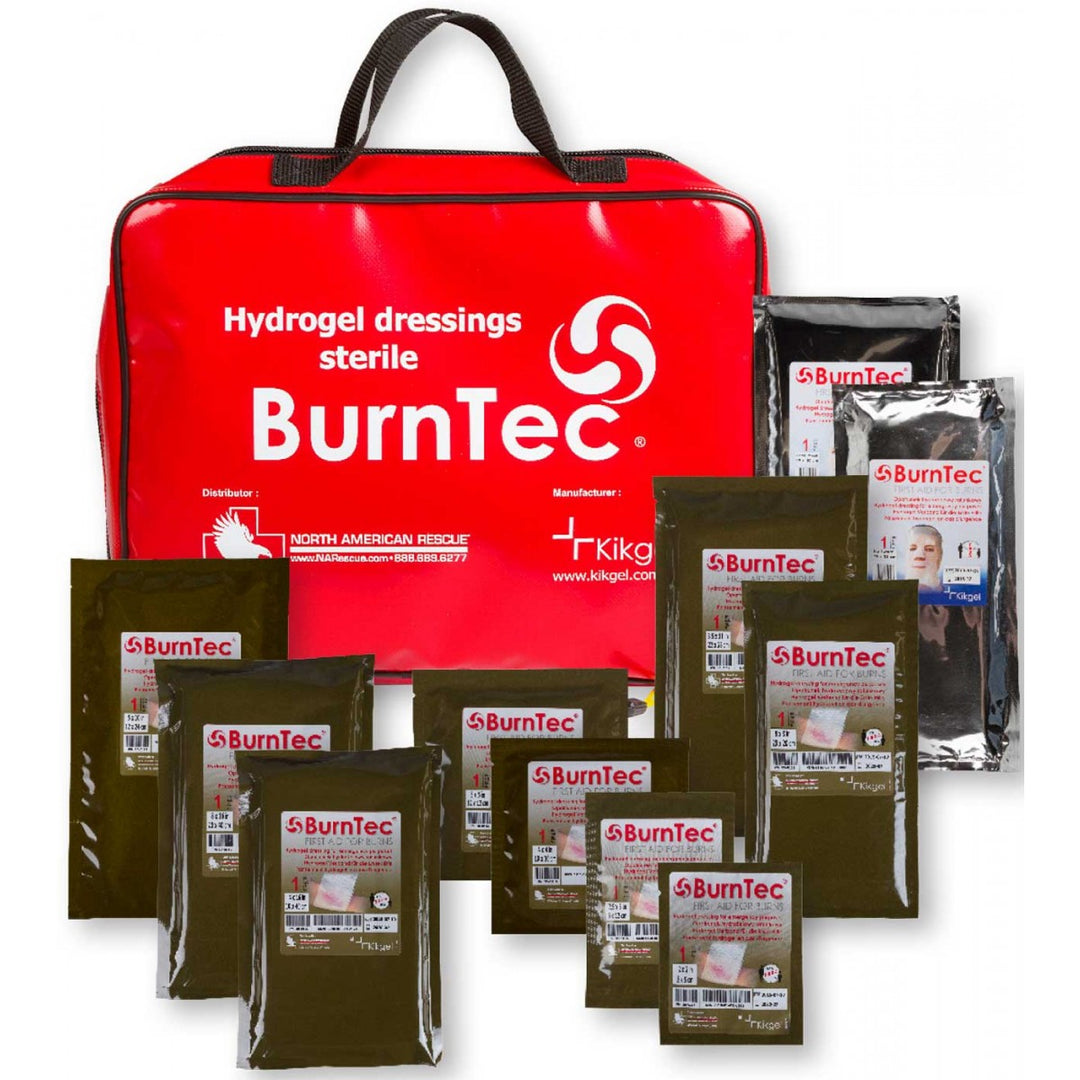
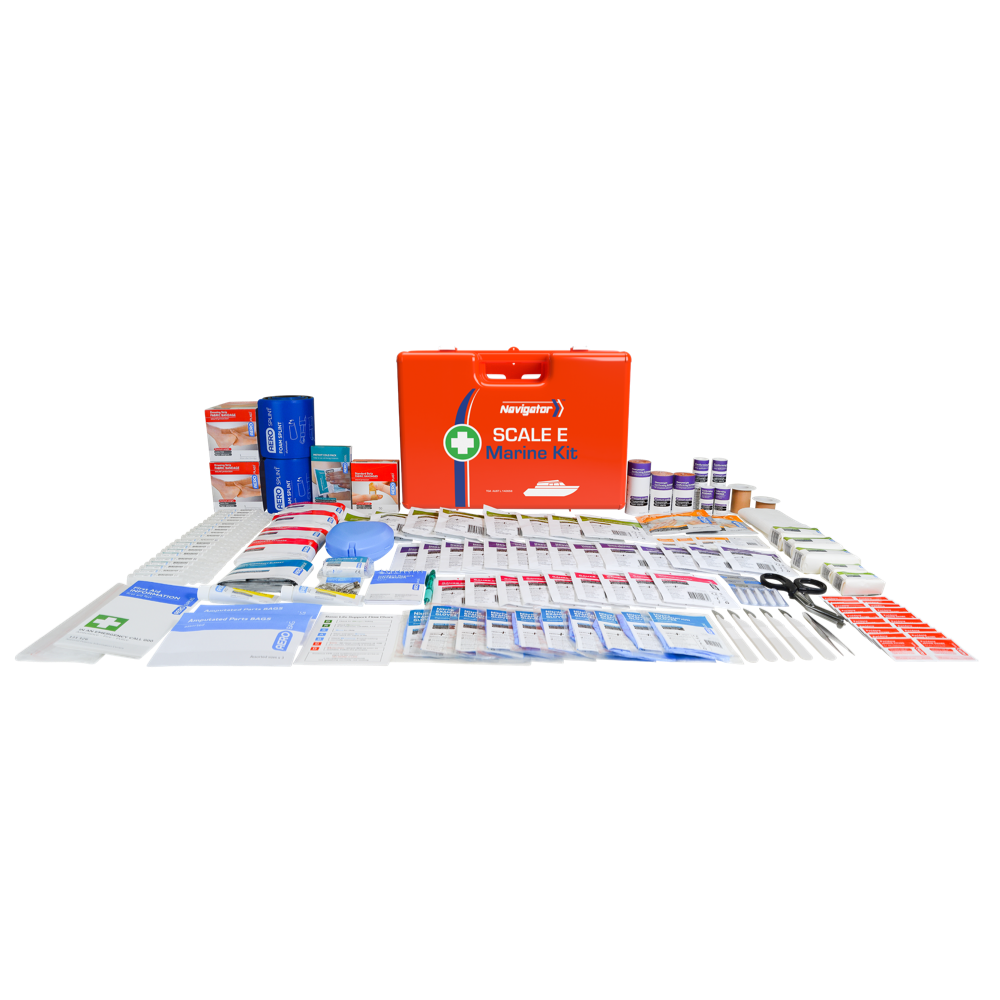
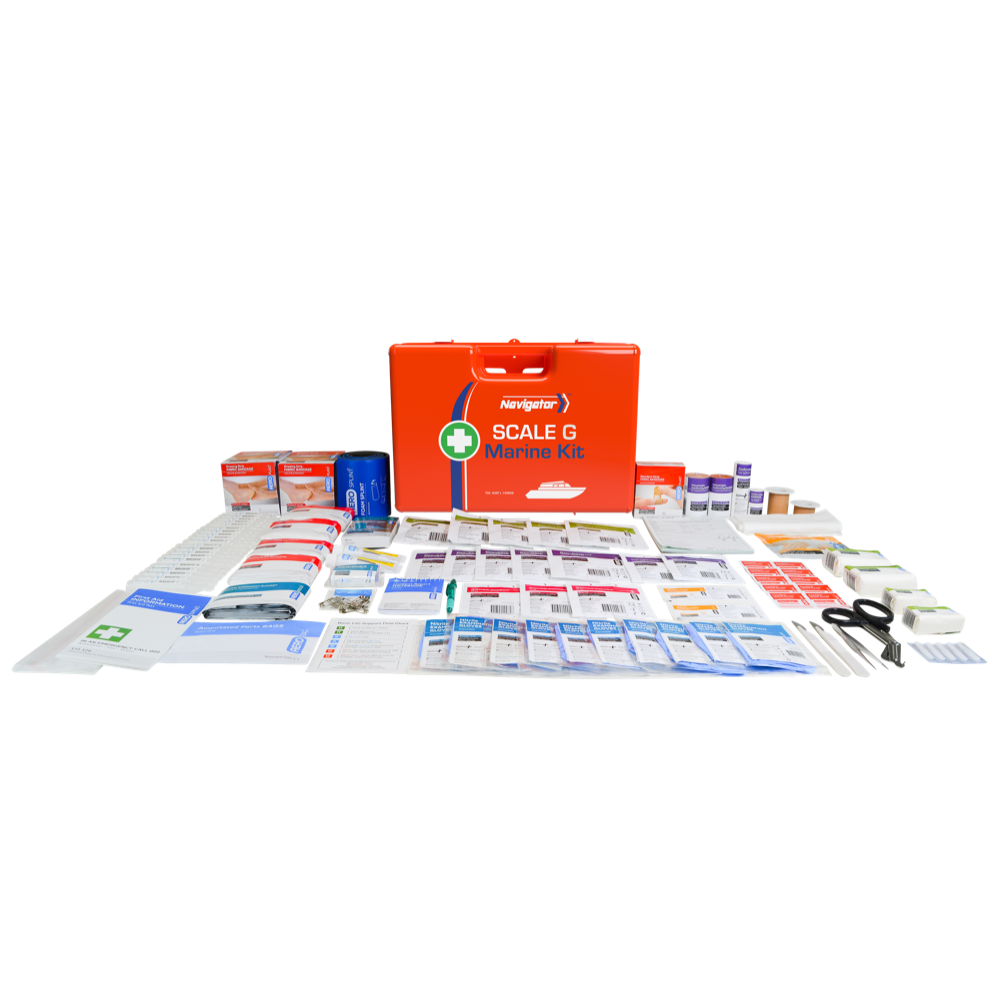
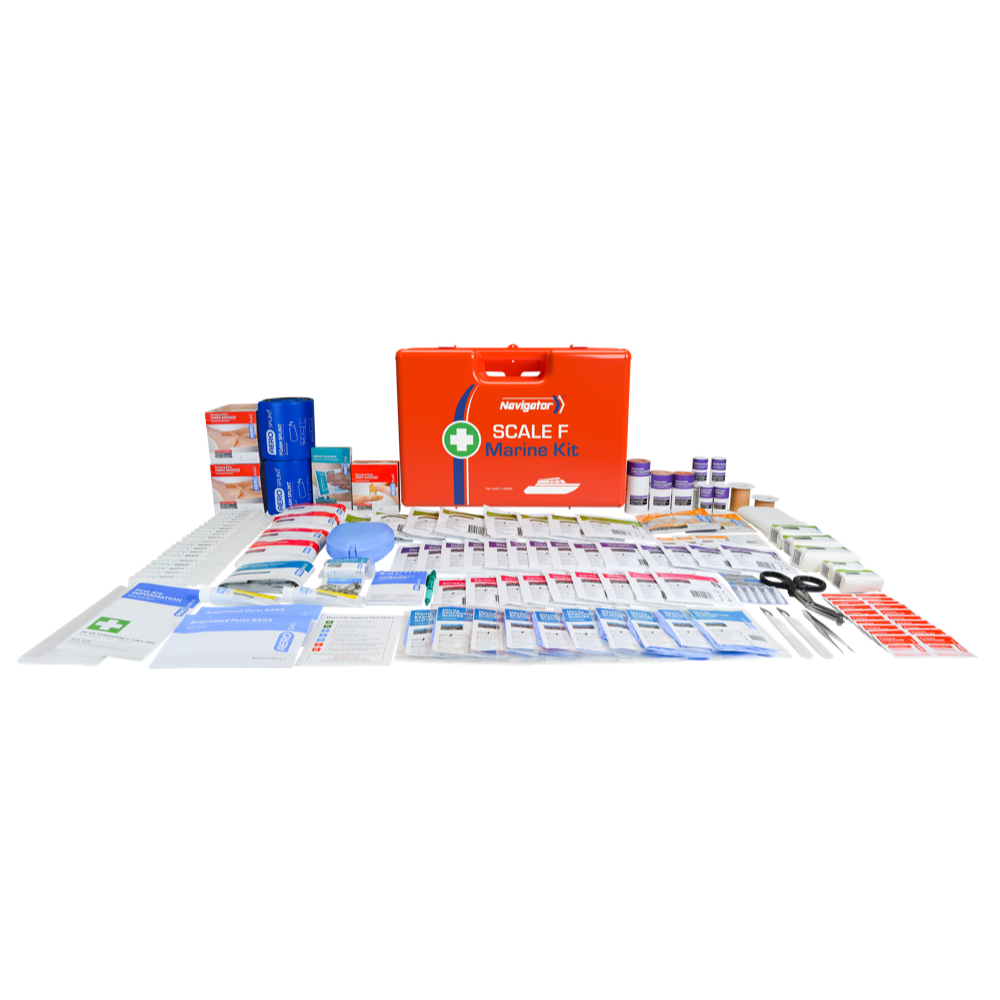
    A properly configured remote area first aid kit should include: tourniquet and pressure dressing for haemorrhage control, wound dressings in multiple sizes, antiseptic and wound irrigation, bandages and triangular bandage, trauma shears, gloves, SAM Splint for fracture management, burn dressings, eye wash, blister treatment, pain relief, and a first aid reference guide. A separate snake bite kit with pressure immobilisation bandages is essential for most Australian remote environments.

    Do I need a snake bite kit in my remote first aid kit?

    Yes — as a separate item. Remote first aid kits do not typically include pressure immobilisation bandages, which are the specific supply required for correct Australian snakebite treatment. Carry a dedicated snake bite kit alongside your remote first aid kit in any Australian environment where snakes may be present. That covers most of rural and regional Australia, including bushland, farmland, and most national parks.

    What is the best hiking first aid kit for Australia?

    The best hiking first aid kit for Australia balances capability with carry weight. For day hikes close to help, a compact trauma-capable kit with wound care, tourniquet, and snake bite bandages covers the primary risks. For multi-day hiking in remote terrain, a more comprehensive remote area kit is appropriate. All kits should include bleeding control capability and be configured for Australian heat storage conditions.

    How is a remote first aid kit different from a standard first aid kit?

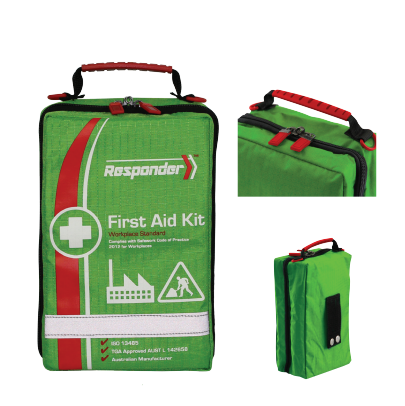
    A standard first aid kit is designed for minor injuries with the assumption that professional medical help is close. A remote area kit is designed for extended self-care when help is delayed — broader wound management, trauma capability, and supplies for sustained care over hours or days rather than minutes. Remote kits also use more durable packaging rated for harsh environmental conditions.

    Do I need first aid training to use a remote kit?

    Basic first aid training is the minimum. For extended remote operations, wilderness or remote area first aid training is strongly recommended — these courses specifically cover casualty management in environments without immediate professional backup. Familiarity with every item in your kit before you rely on it significantly improves outcomes.

    Are these kits suitable for 4WD and off-road travel?

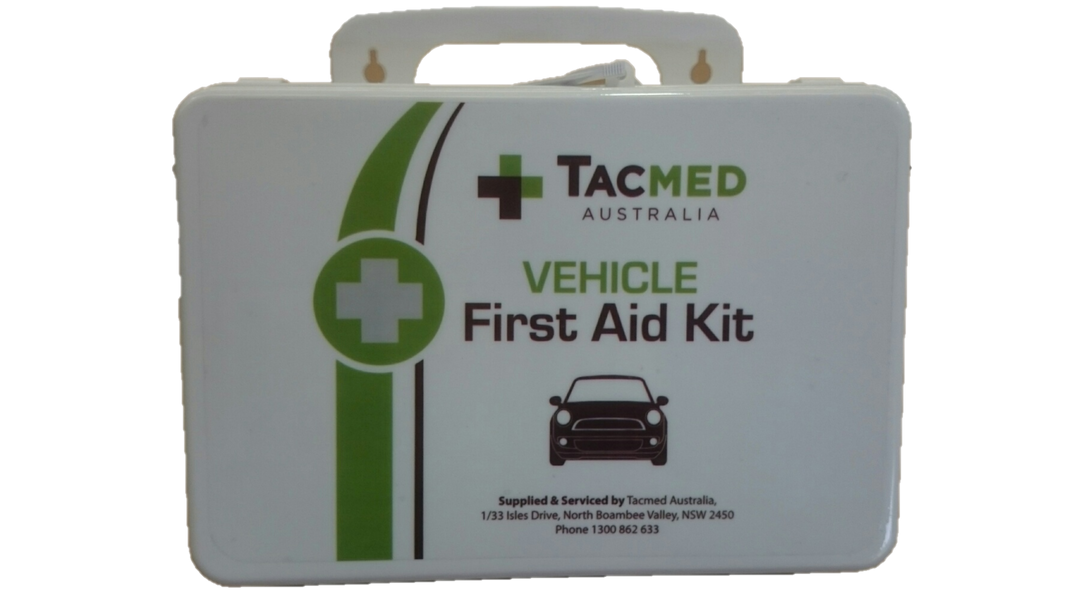
    Yes. Remote area kits are well-suited to 4WD travel in regional and remote Australia. For vehicle-specific configurations — including vehicle-mounted cases and kits sized for vehicle storage — also see the vehicle first aid kits collection. Many 4WD travellers carry both a vehicle trauma kit and a separate remote area kit for extended wilderness travel.