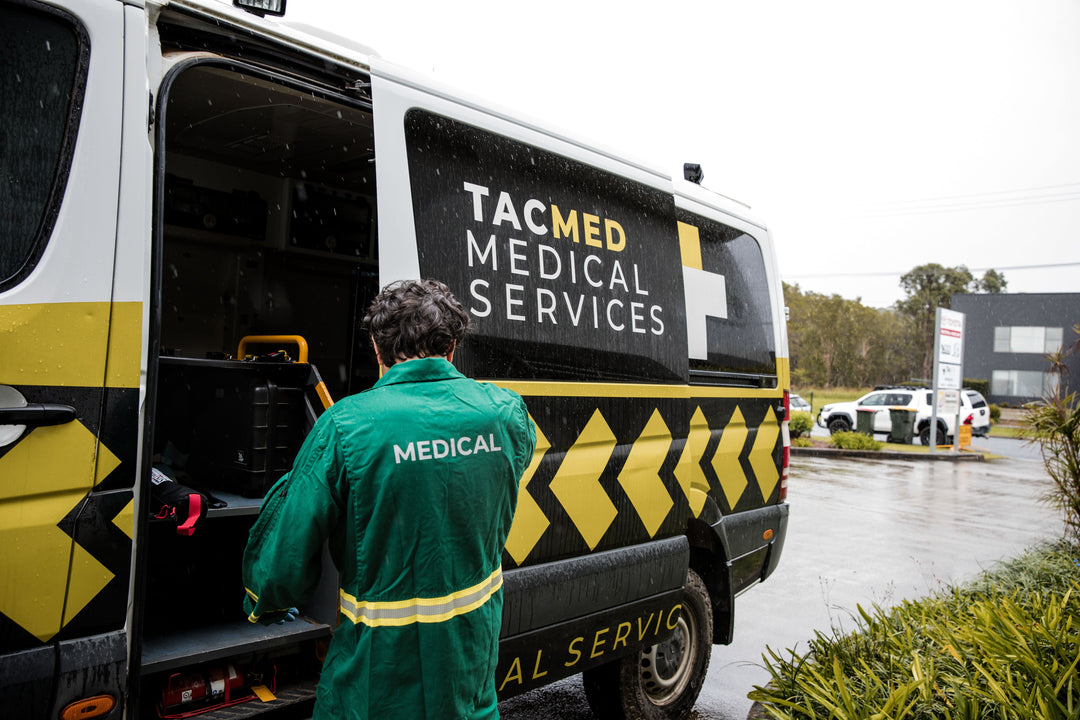
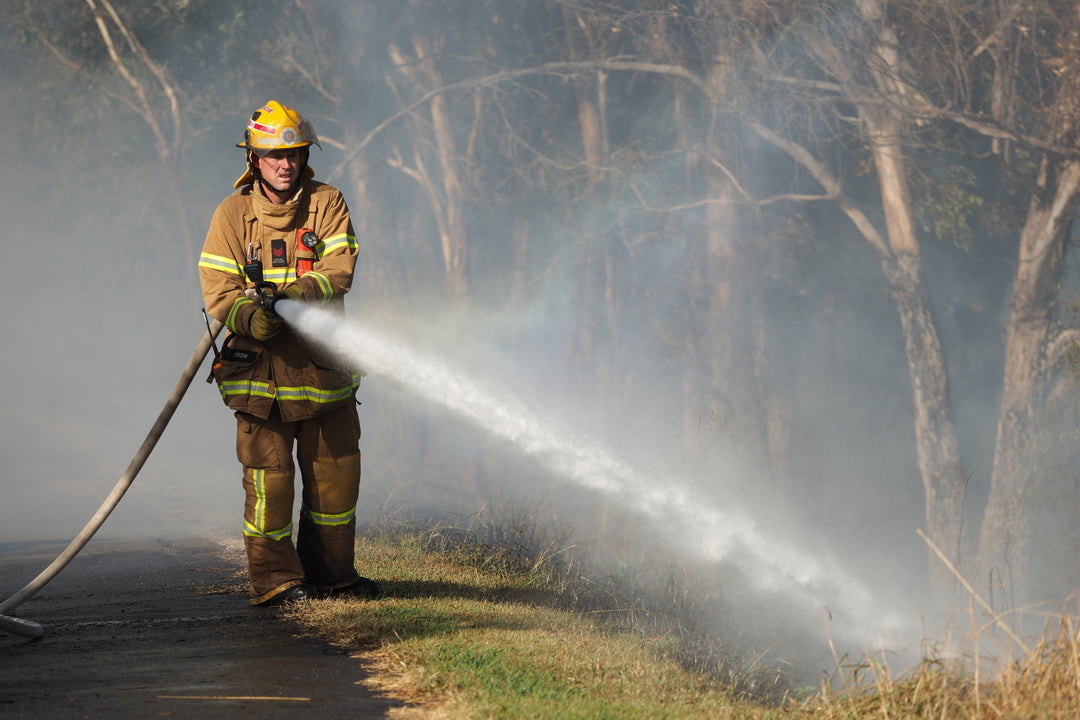
Workplace First Aid Kits

Filter

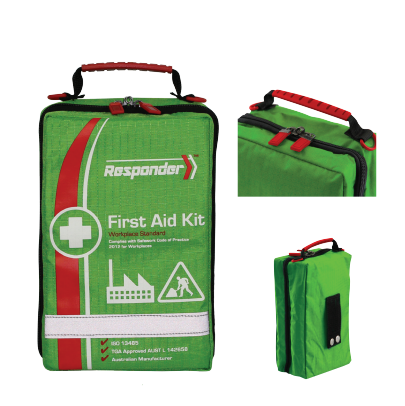
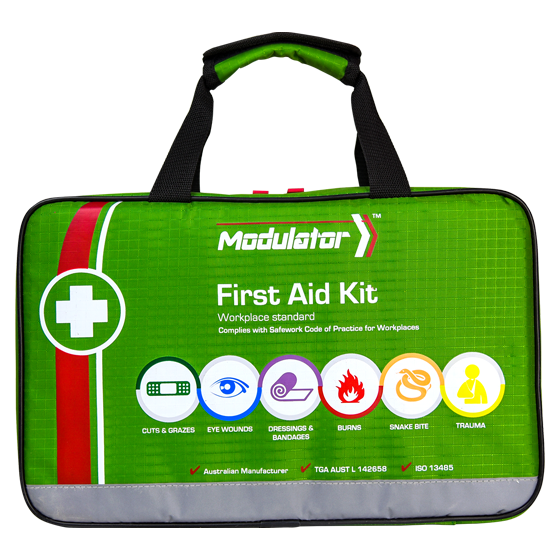
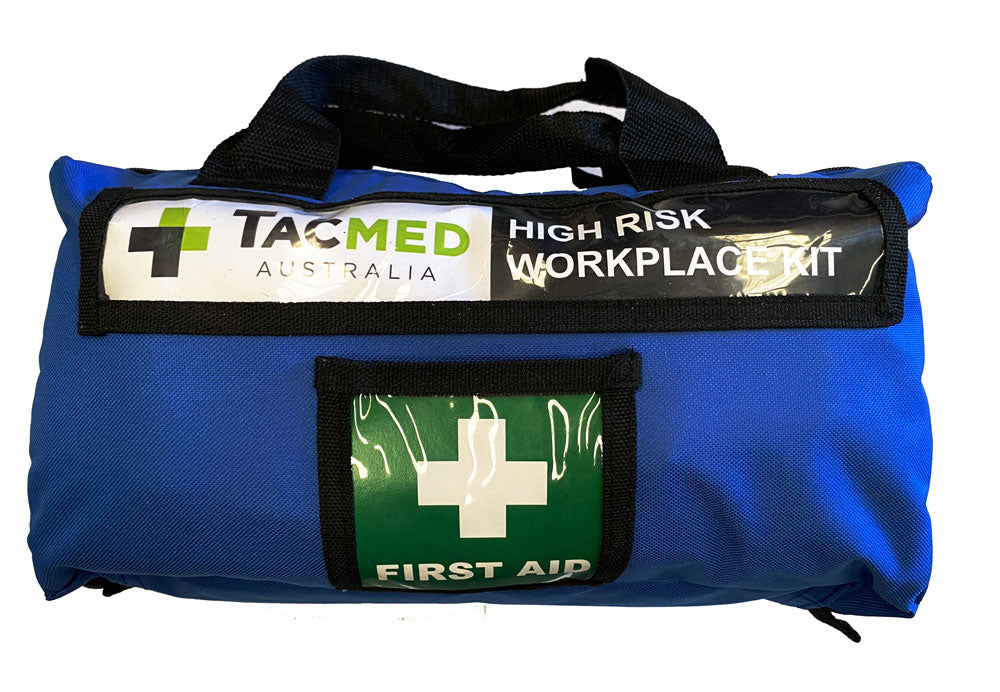
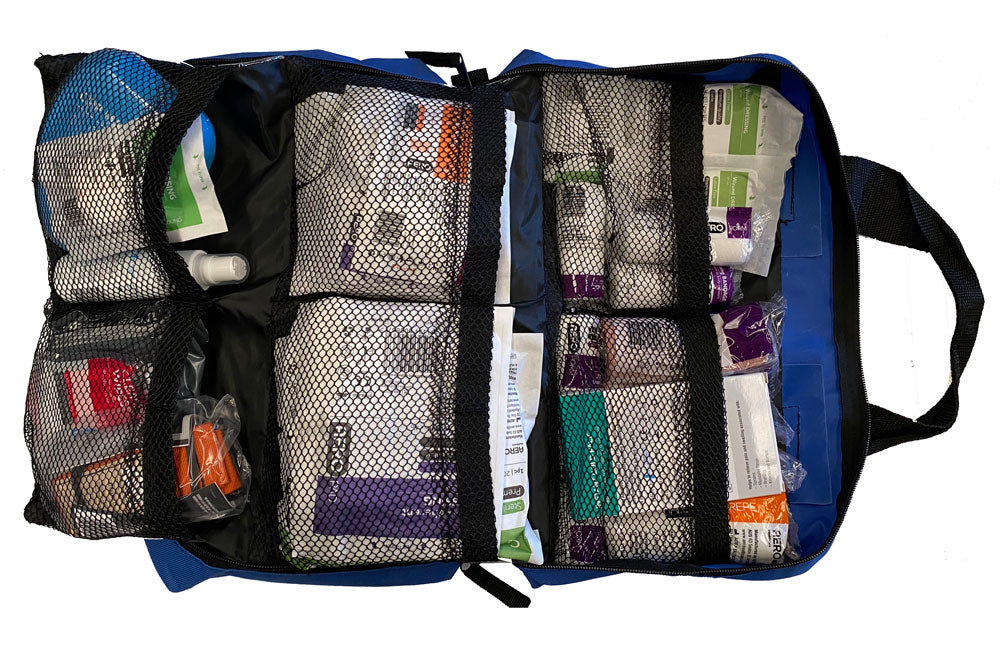
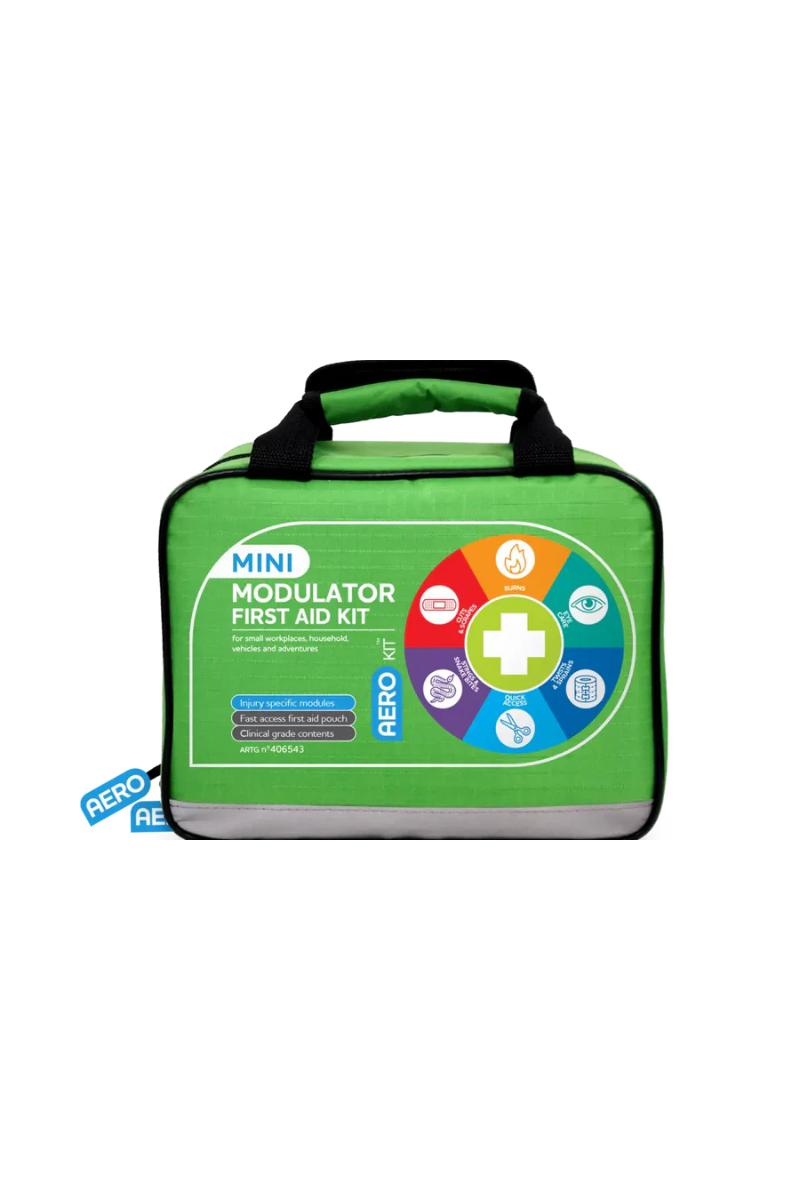
    Workplace first aid kits for high-risk industries — mining, construction, manufacturing, offshore, and industrial environments where a standard office kit is inadequate and trauma capability is a real requirement. These kits are configured for Australian workplace conditions and sized for the injury risk, not the minimum compliance threshold.

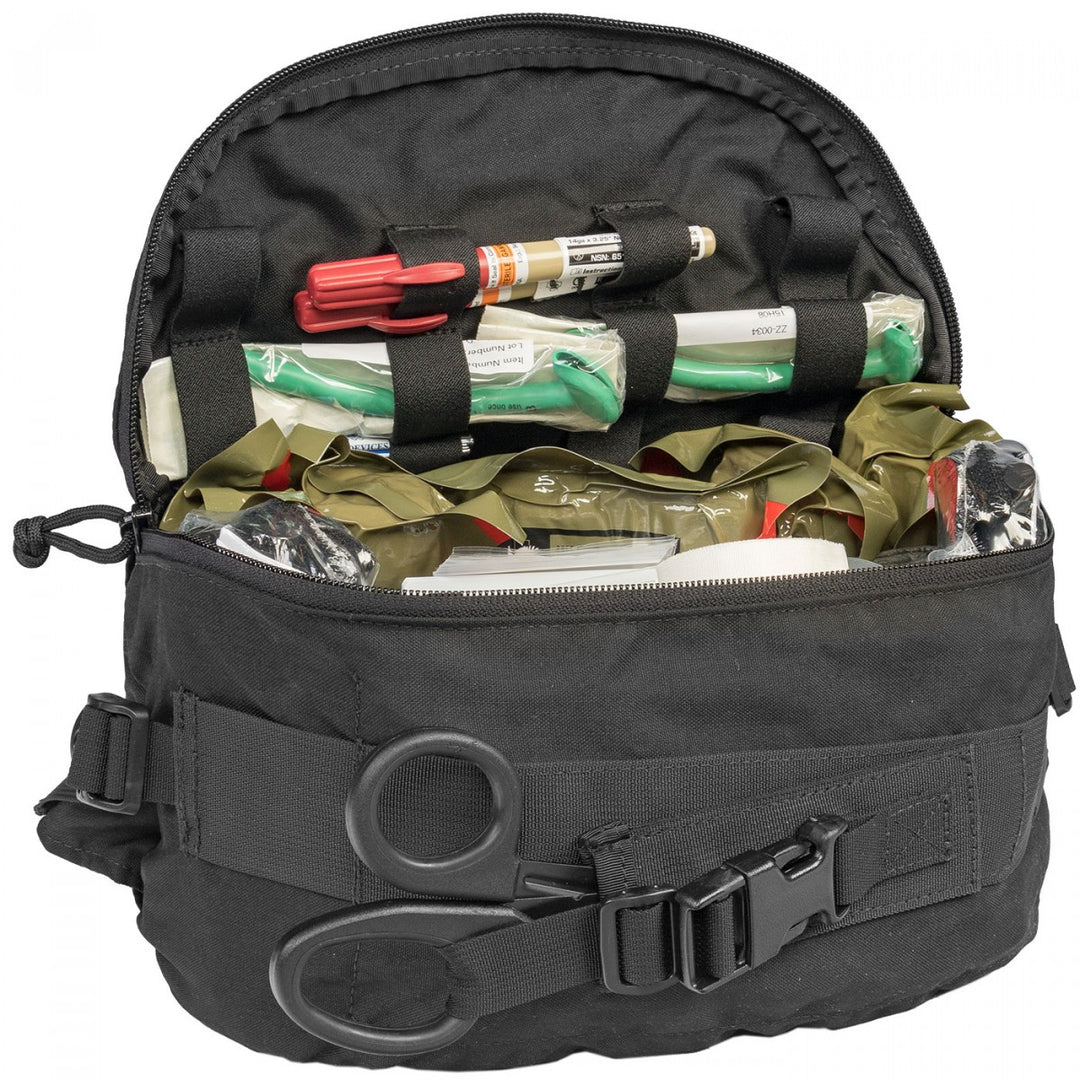
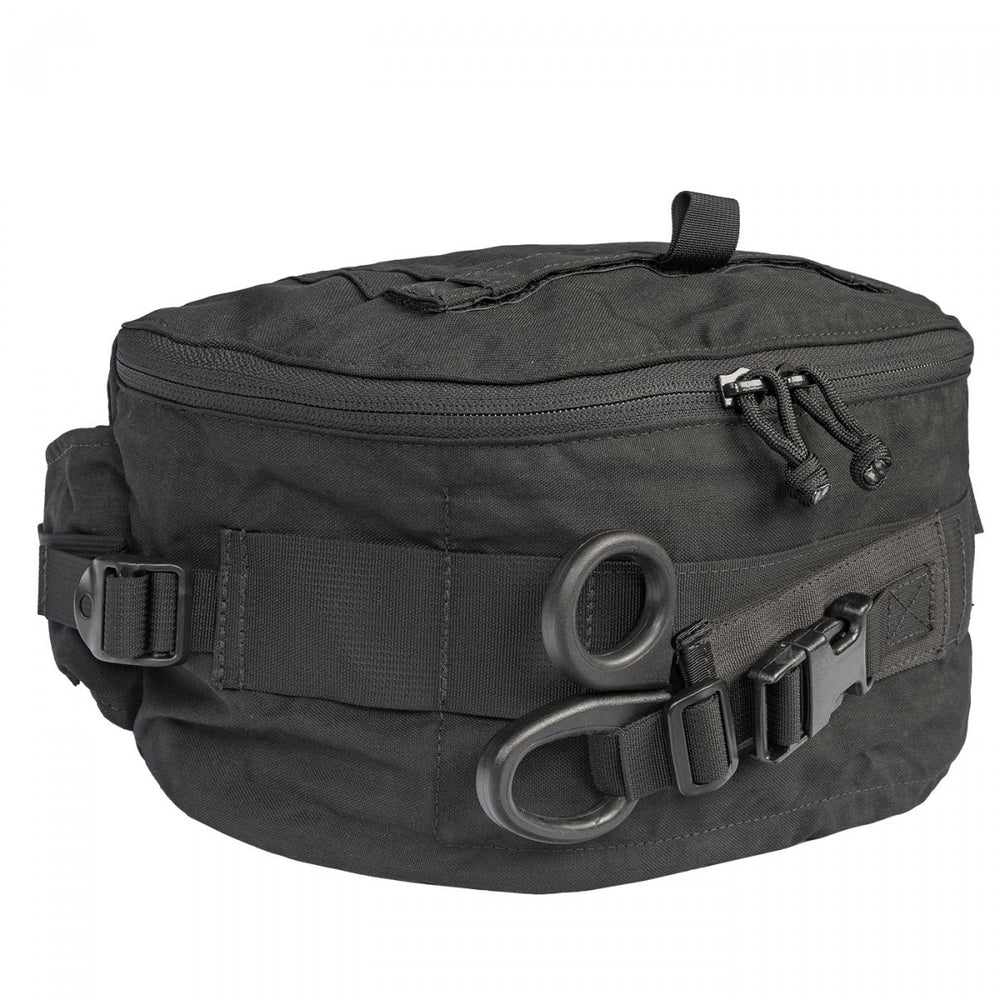
    All kits are TGA-compliant and suited to Safe Work Australia first aid code of practice requirements. For high-risk worksites, most configurations should be paired with dedicated bleeding control or trauma equipment — these kits provide the first aid foundation; the trauma capability is separate.

    If you are looking for a basic office or retail workplace first aid kit, the first aid kits collection includes standard configurations for low-risk environments.

    What These Kits Are Built to Handle

    Under the Safe Work Australia First Aid in the Workplace Code of Practice, the required level of first aid provision scales with workplace risk. A kit appropriate for a low-risk office is insufficient for a high-risk worksite — and underpreparing for the actual injury risk is both a compliance failure and a genuine safety risk to workers.

    Low-risk workplaces — offices, retail, professional services

    Standard first aid kit for cuts, burns, sprains, and general wound care. Compliance is straightforward. For this category, see the first aid kits collection.
    Medium-risk workplaces — warehouses, workshops, light manufacturing

    Larger kit with broader wound care, burn treatment, and eye wash capability. Higher likelihood of lacerations, crush injuries, and eye injuries than a low-risk environment. These kits form the upper end of this collection.

    High-risk workplaces — mining, construction, offshore, heavy industry

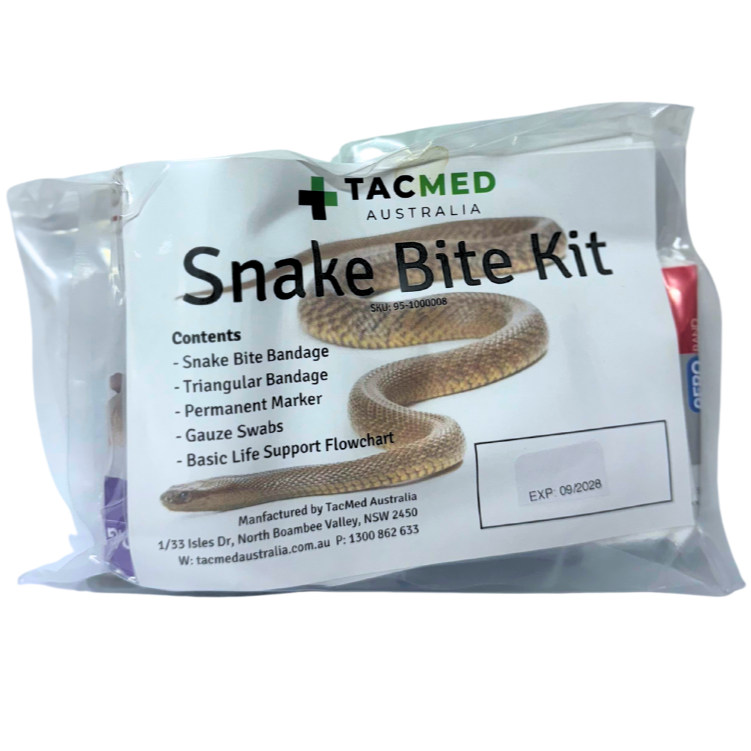
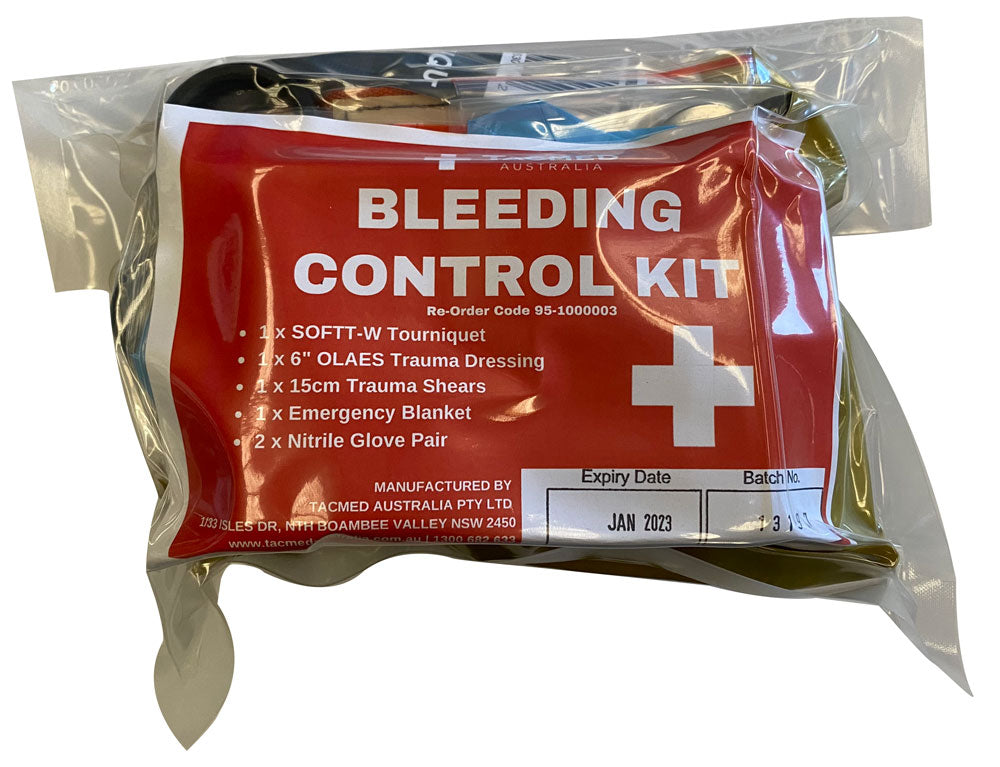
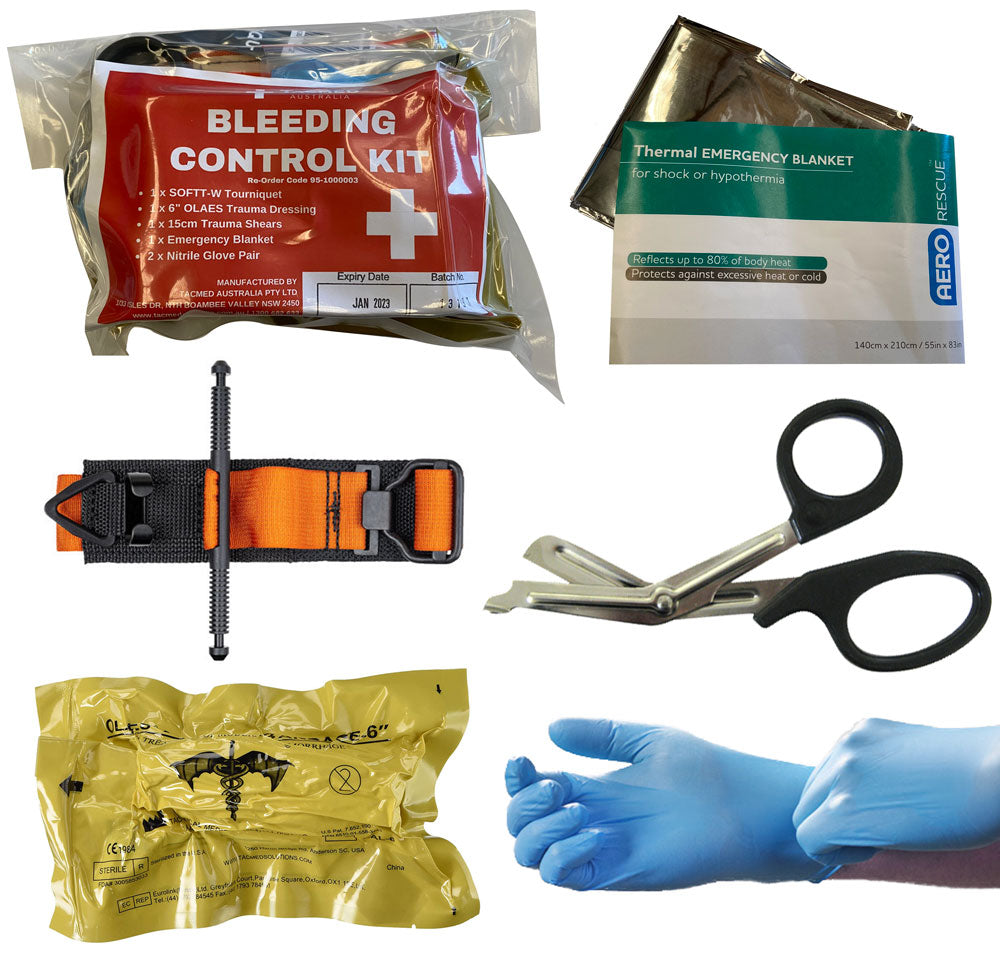
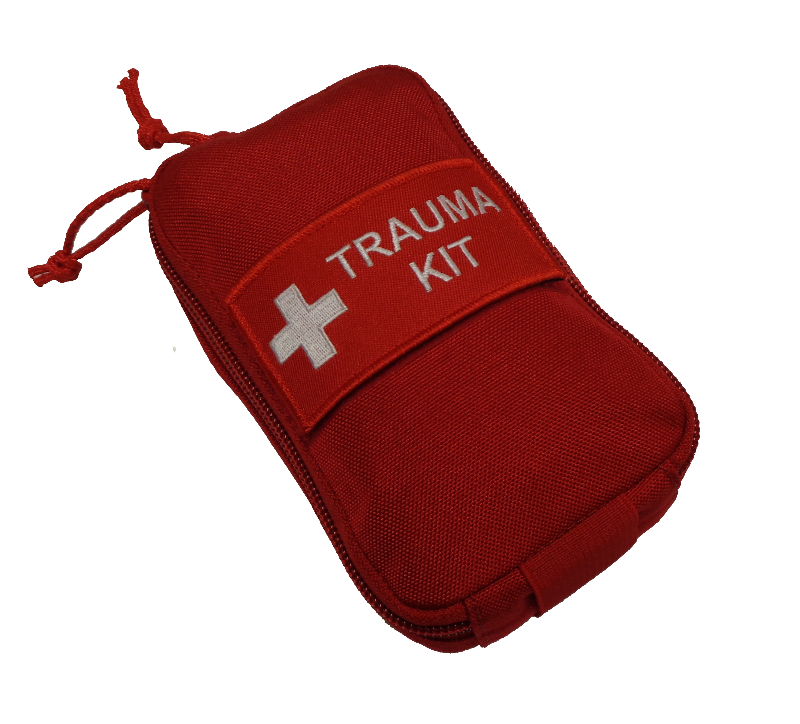
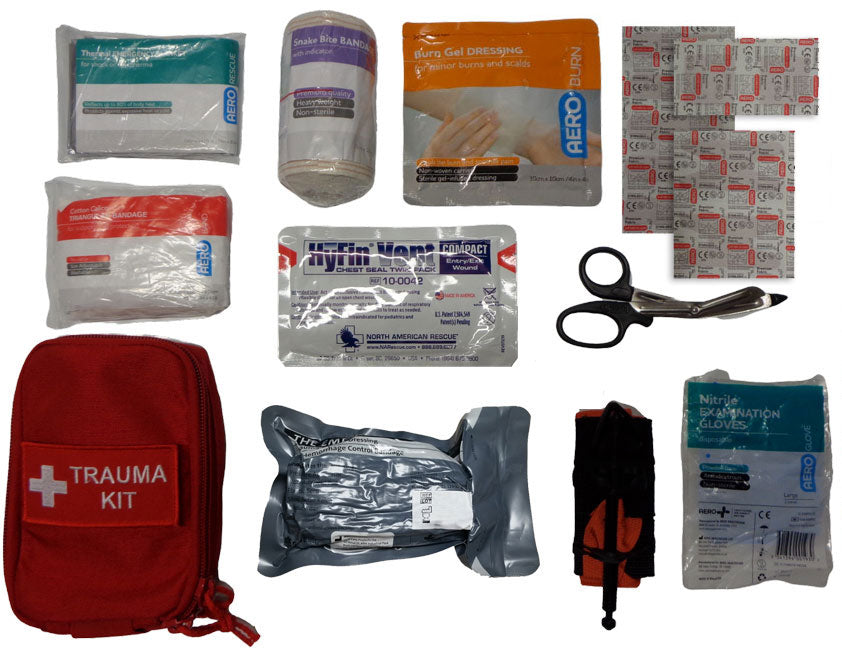
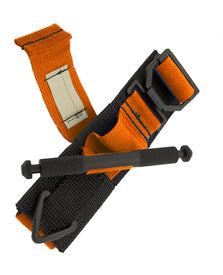
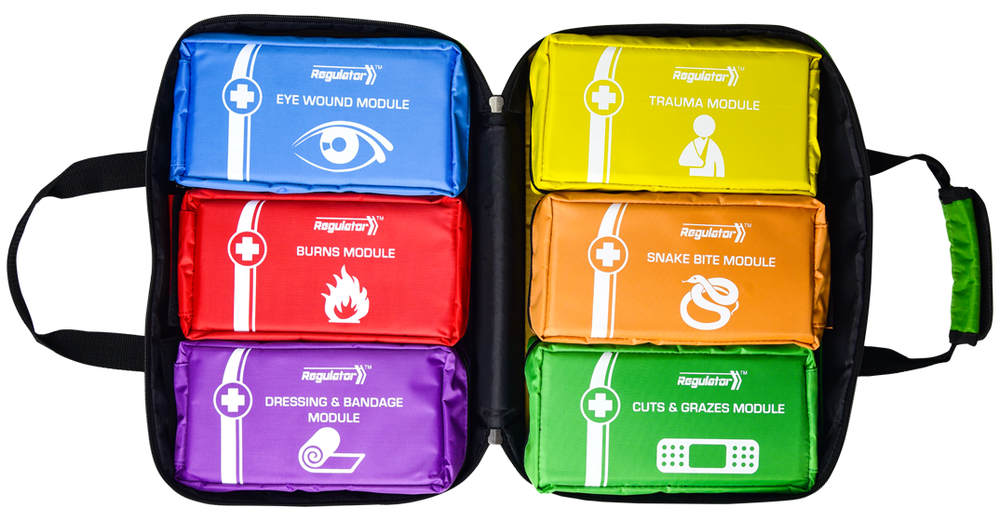
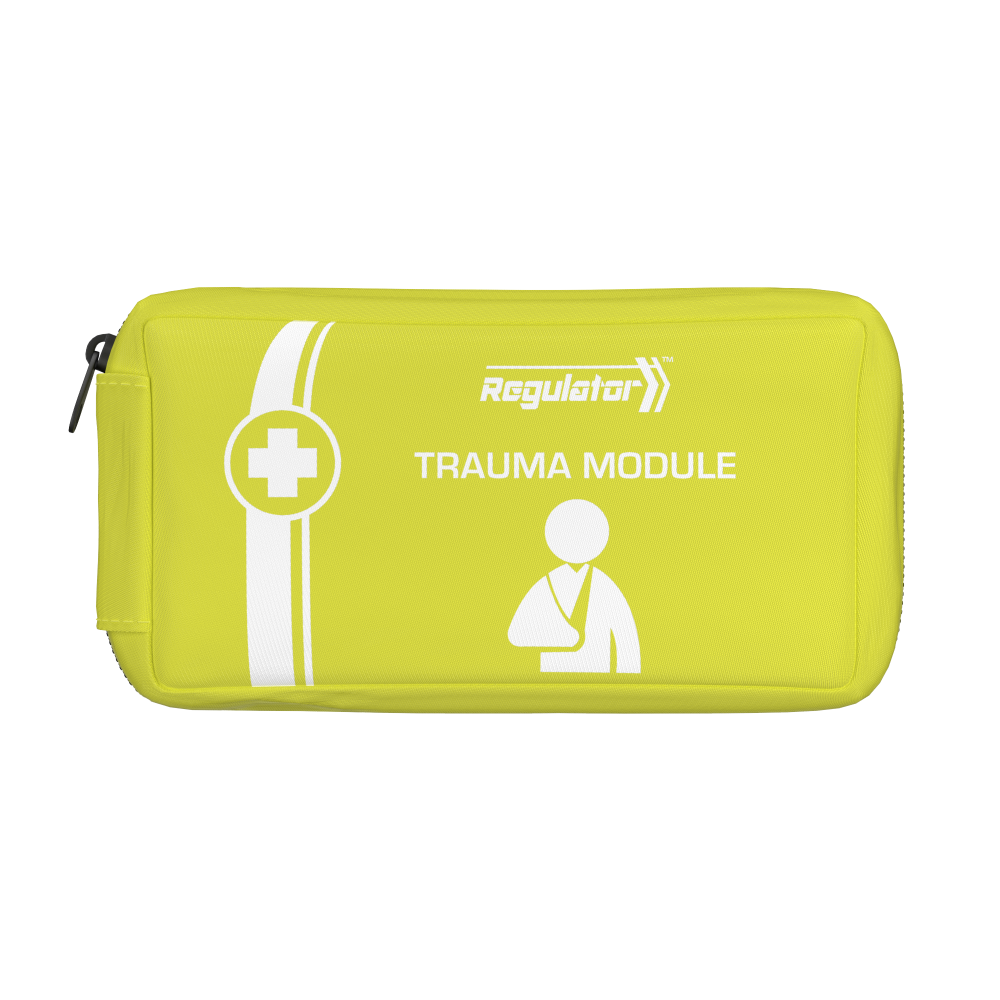
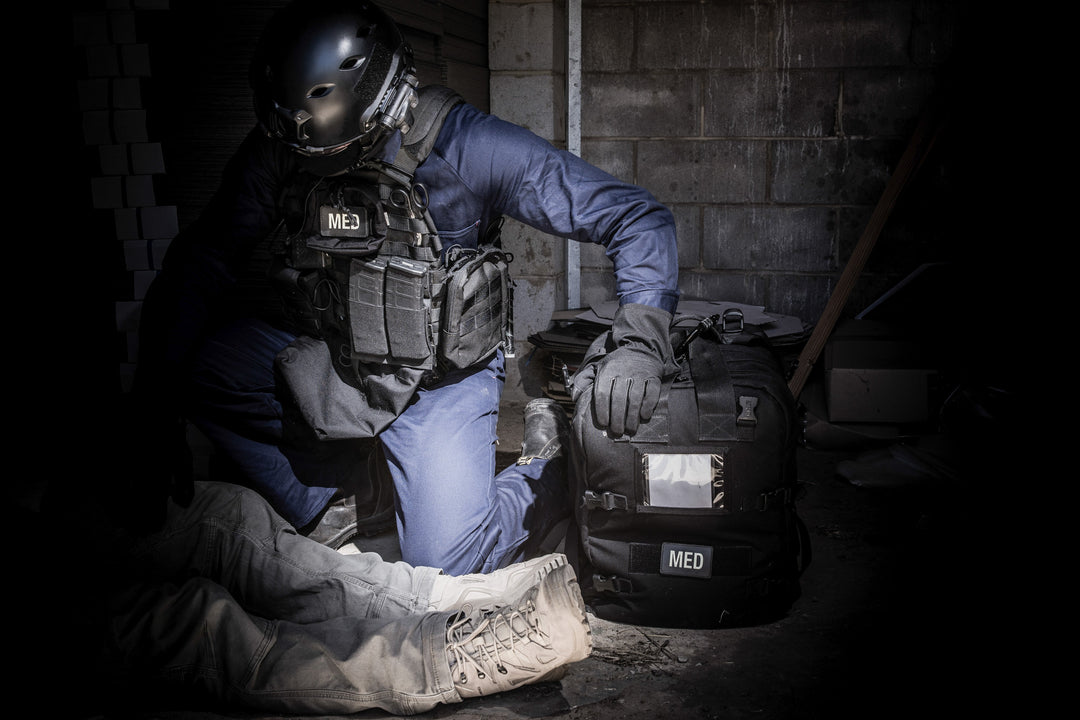
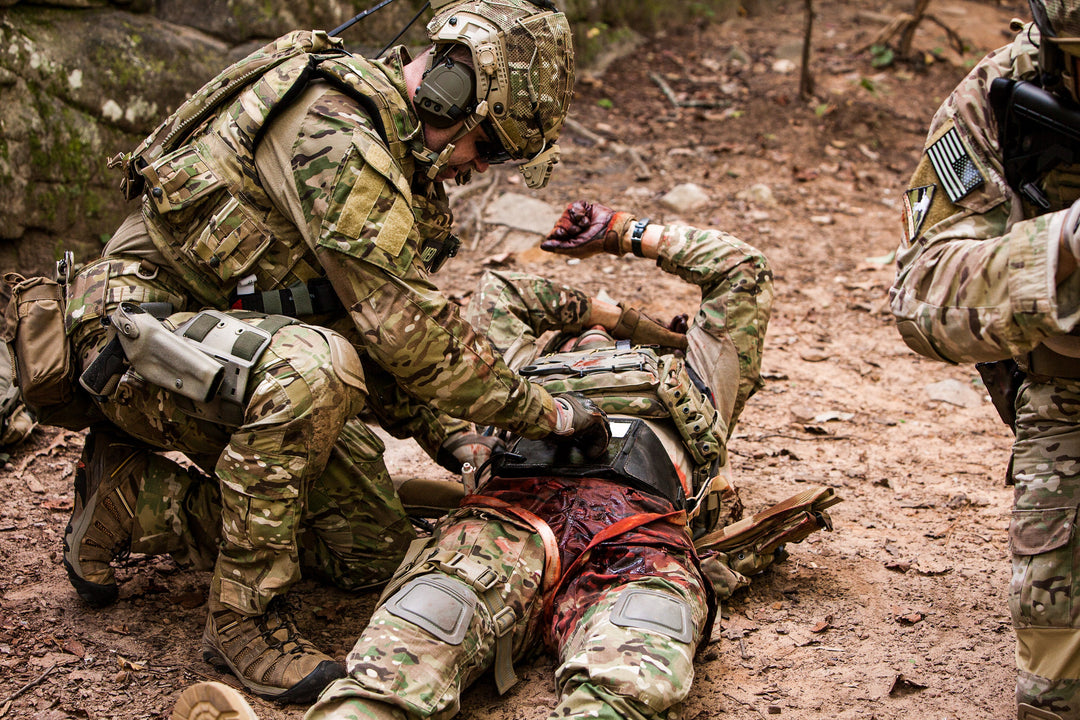
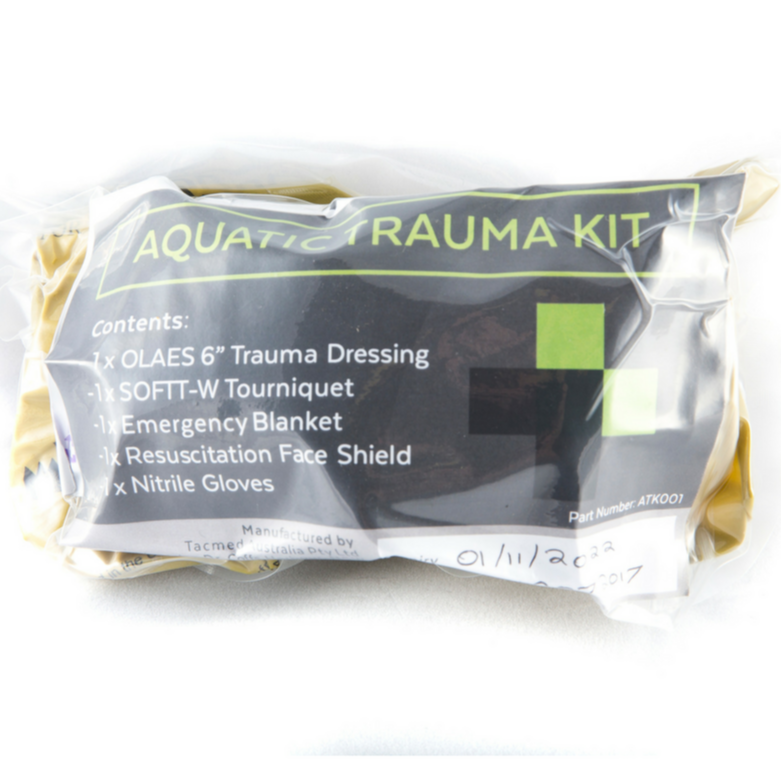
    Full-specification workplace first aid kit plus dedicated bleeding control and trauma capability. High-risk environments must anticipate penetrating injuries, crush injuries, and haemorrhage scenarios — a standard first aid kit alone is not sufficient. TacMed's high-risk workplace kits are configured for these environments and can be supplemented with a bleeding control kit or trauma kit for staged response capability.

    Remote and fly-in fly-out (FIFO) sites

    Extended first aid capability for environments where definitive medical care is hours away. Remote site kits require broader capability than standard workplace kits, including trauma components and extended-use supplies. See the remote and outdoor first aid kits collection for remote site configurations.

    Who Uses These Kits

    • Workplace health and safety officers — specifying and maintaining first aid kits across sites in compliance with Safe Work Australia requirements
    • Mine site and resources sector operators — high-risk site kits for remote and fly-in fly-out operations where the injury risk demands more than a basic kit
    • Construction companies and project managers — site-appropriate kits for construction environments with variable risk levels across the project lifecycle
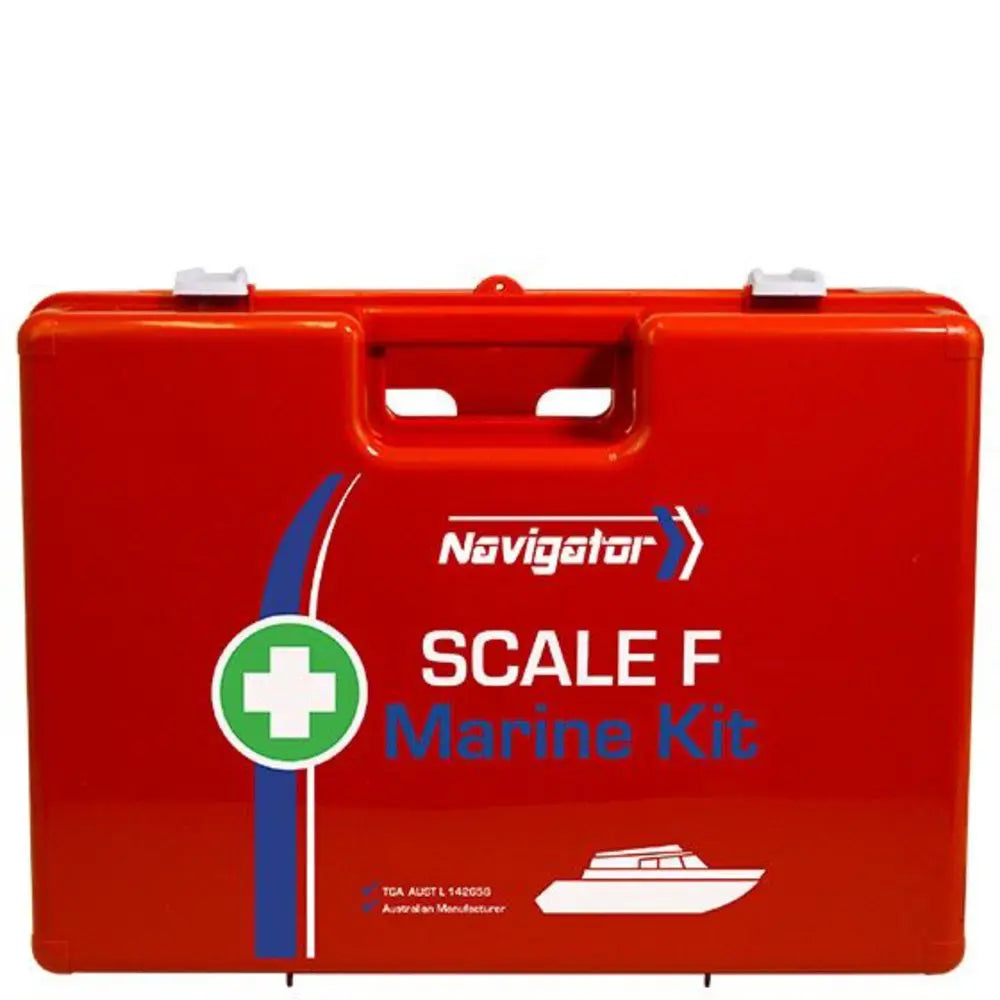
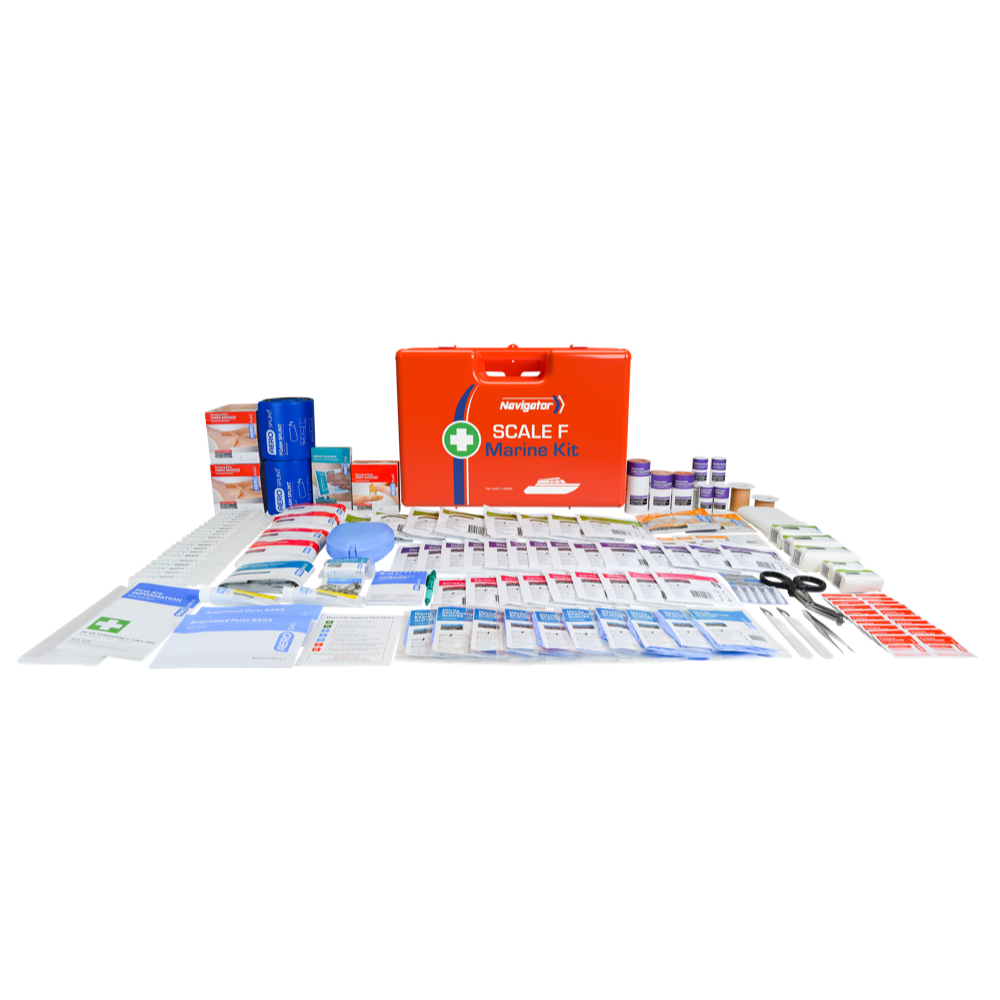
    • Offshore and marine operators — first aid kits rated for maritime environments and extended periods without shore access
    • Manufacturing and industrial facilities — kits configured for the specific injury patterns of factory and industrial environments
    • Agricultural and farming operations — remote rural workplaces where injuries may occur far from immediate medical care
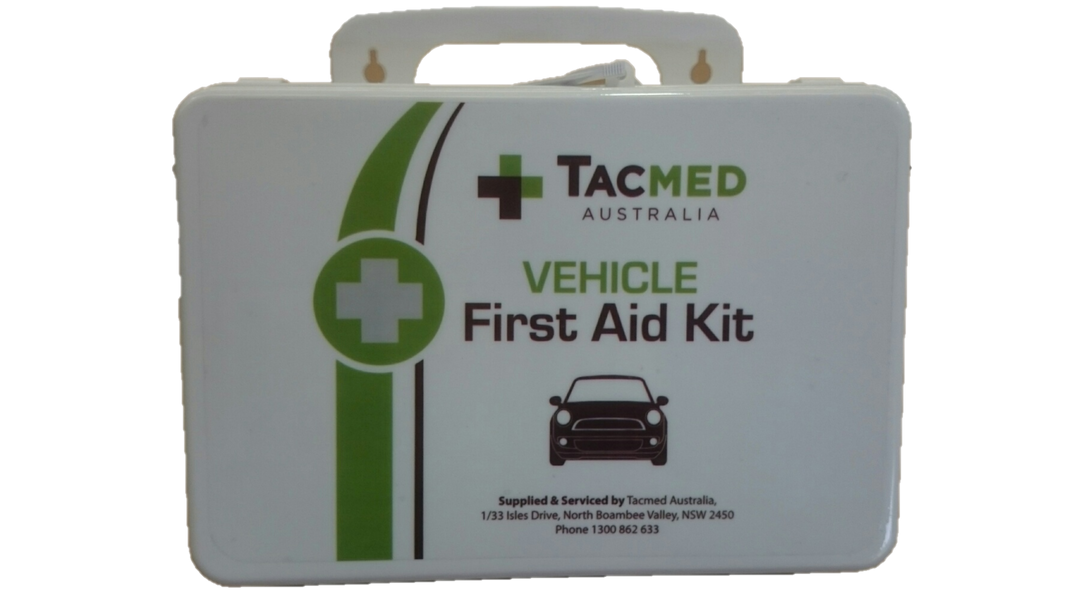
    • Fleet and mobile workforces — vehicle-mounted and portable kits for workers in transit or on-site across multiple locations
    • Small business owners and employers — meeting their first aid compliance obligations under WHS legislation

    Choosing the Right Workplace First Aid Kit

    Safe Work Australia's First Aid in the Workplace Code of Practice sets out a risk-based framework for determining first aid requirements. The key factors are workplace risk level (low, medium, or high), number of workers, and distance from emergency medical services. Your selection should be based on a first aid needs assessment for your specific site — not on a minimum compliance checklist.

    • Workplace risk level: High-risk environments need higher-specification kits. A kit rated for a low-risk office is non-compliant and inadequate for a construction or mining site.
    • Number of workers: Larger workforces require more extensive first aid provisions. Consider multiple kit locations for large sites.
    • Distance from emergency services: Remote sites require broader capability — including extended supplies and trauma capability — because emergency response times are longer.
    • Industry-specific hazards: Mining sites have different injury patterns to manufacturing or construction. Match the kit contents to the realistic injury risk for your industry.
    • Trauma supplement: High-risk sites should stage a dedicated bleeding control kit or trauma kit alongside the workplace first aid kit — accessible separately for major incident response.
    • Durability and environment: Kits used outdoors, in vehicles, or in harsh industrial environments need robust packaging rated for those conditions.
    • Maintenance: Kits that aren't checked and restocked regularly fail compliance audits and are unreliable in emergencies. Choose kits with clearly labelled components and expiry dates.

    Common Mistakes We See

    The most common mistake is applying a single kit across all risk levels on a site. A warehouse, an office, and a plant room have different injury risks — a kit appropriate for one is non-compliant or inadequate for another. Safe Work Australia's code of practice requires a first aid needs assessment, not a one-size-fits-all kit.

    We also see high-risk worksites equipped with generic kits from hardware stores or discount suppliers. These kits meet the minimum item count on paper but often use low-quality components, lack the durability for industrial environments, and don't include the items needed for the site's actual injury risk profile. A kit that looks compliant but fails when used is worse than no kit — it creates false confidence.

    Placing kits in non-accessible locations is another common issue — locked in a manager's office, stored in a back room, or placed without signage. In a real incident, response time matters. First aid kits must be immediately accessible to anyone who might respond.

    Finally, failing to maintain kits between compliance audits. Kits that are checked annually in preparation for an audit but ignored in between will frequently be incomplete, expired, or depleted after a minor incident. Build a regular inspection schedule — monthly for high-use sites, quarterly for lower-use environments.

    Are workplace first aid kits required by law in Australia?

    Yes. Under the Work Health and Safety Act (WHS Act) and Safe Work Australia's First Aid in the Workplace Code of Practice, employers are required to provide first aid equipment suitable for the workplace's risk level, size, and distance from emergency services. The specific requirements vary by state and territory jurisdiction, industry, and number of workers. A first aid needs assessment should determine what is required for your site.

    What is a high risk first aid kit?

    A high risk first aid kit is configured for workplaces where the injury risk is above general office or retail level — typically construction, mining, manufacturing, offshore, agricultural, and industrial environments. These kits contain broader wound care capability, burn treatment, eye wash, and may include trauma components for environments where penetrating injuries or major haemorrhage are realistic risks. Safe Work Australia's code of practice defines high-risk workplaces as those where workers are exposed to hazards that could cause serious injury.

    What should a workplace first aid kit contain?

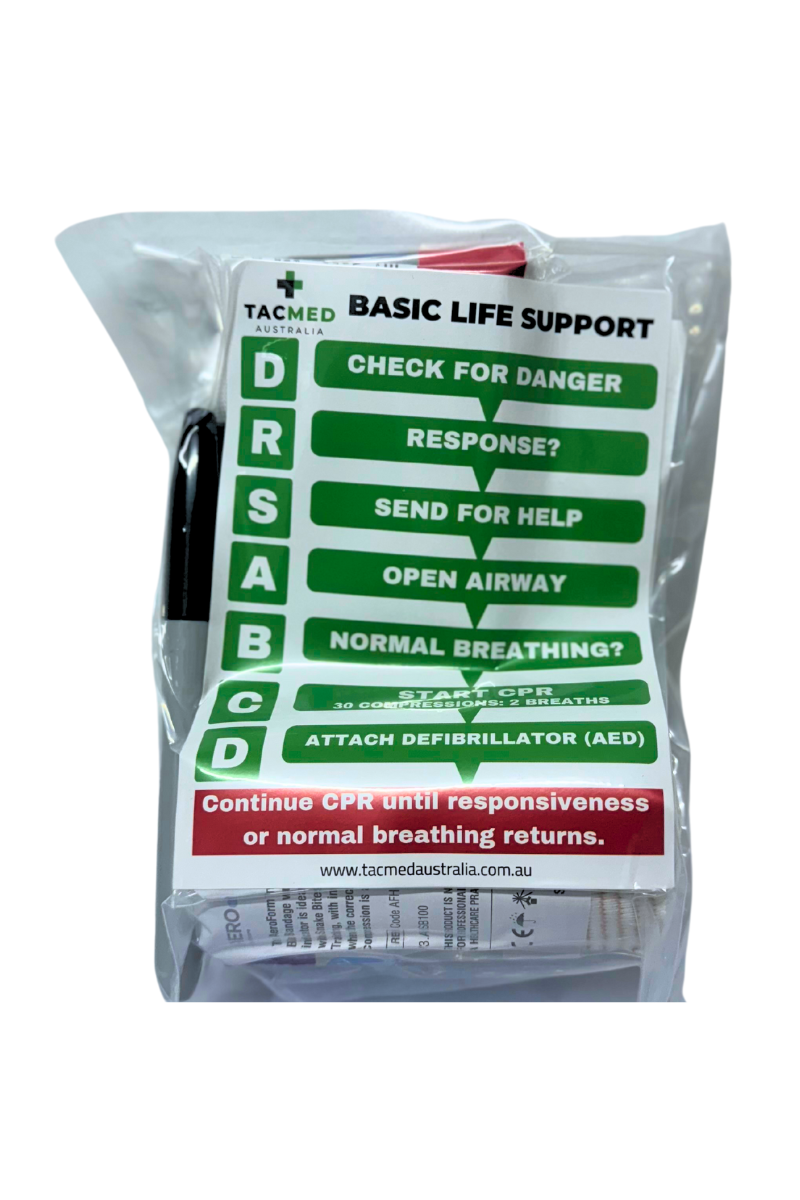
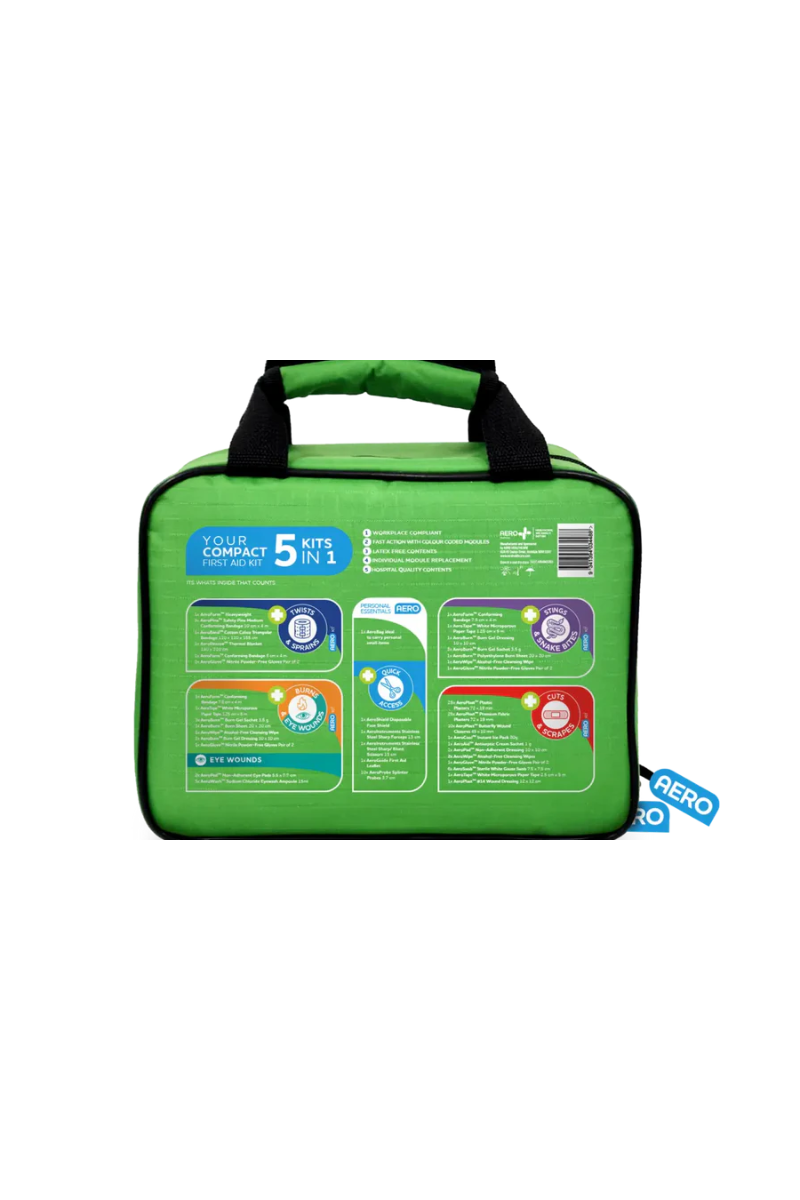
    Safe Work Australia's code of practice provides recommended contents lists based on risk level. A standard workplace kit should include: wound dressings and bandages in various sizes, sterile swabs, antiseptic, triangular bandages, disposable gloves, eye wash, burn dressings, scissors and tweezers, CPR mask, and a first aid reference guide. High-risk kits add broader trauma capability. Individual product pages list exact contents for each kit in this collection.

    How many first aiders does a workplace need?

    Safe Work Australia's code of practice recommends a ratio of trained first aiders to workers based on risk level — at least one first aider per 50 workers in low-risk environments, and a higher ratio for high-risk workplaces. The actual requirement depends on your WHS assessment, workplace layout, and shift patterns. Consult your state or territory WHS regulator for the requirements specific to your industry.

    Does a high risk workplace need more than a standard first aid kit?

    Yes. High-risk workplaces — mining, construction, offshore, and heavy industry — should stage dedicated bleeding control and trauma capability alongside the standard first aid kit. The workplace first aid kit covers everyday injuries; a bleeding control kit or trauma kit covers major incident response. These should be stored accessibly but separately, with trained workers aware of both locations.

    How often should workplace first aid kits be inspected?

    Monthly for high-use or high-risk sites. Quarterly as a minimum for lower-use environments. After every use — even minor uses — to replace any items consumed. Kits should also be inspected after any incident where contents may have been accessed or disturbed. Establish a log and assign a named person responsible for each kit location.

    Where should workplace first aid kits be located?

    In clearly signed, accessible locations known to all staff — not locked away or stored in areas with restricted access. Large or complex sites need multiple kit locations so that any worker can reach one within a reasonable time. Kits in high-traffic or high-risk areas (plant rooms, loading docks, production floors) should be positioned for immediate access, not administrative convenience.

    Can TacMed supply first aid kits for fleet vehicles and mobile workers?

    Yes. Vehicle-mounted and portable kits suitable for work vehicles, site vehicles, and mobile workers are available. For vehicle and fleet requirements, see the vehicle first aid kits collection. For remote site and FIFO configurations, see the remote first aid kits collection.