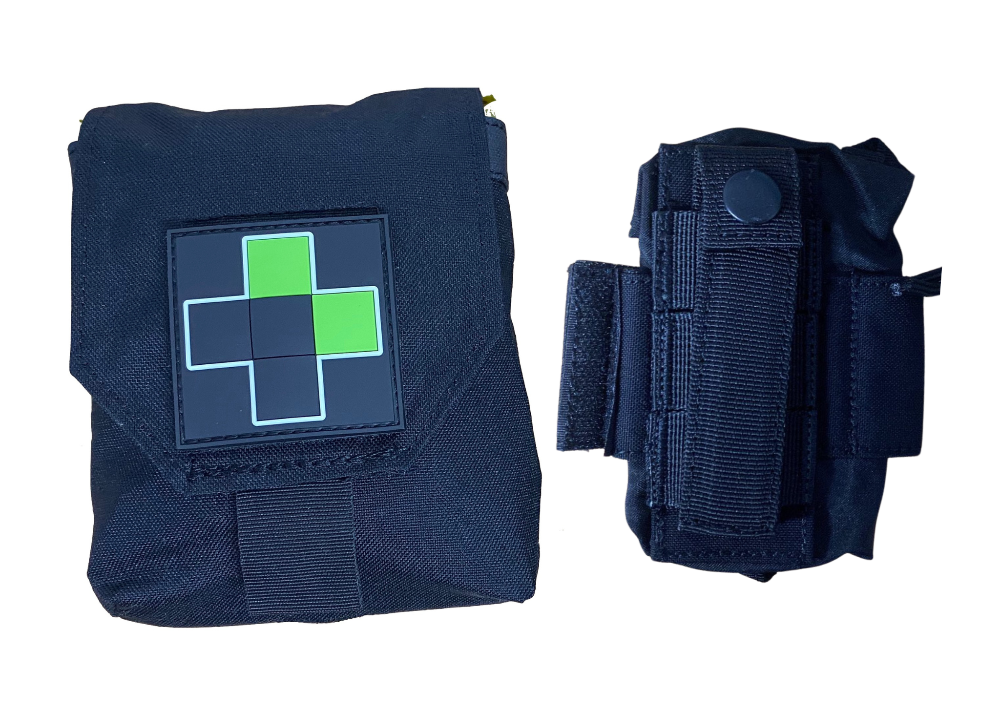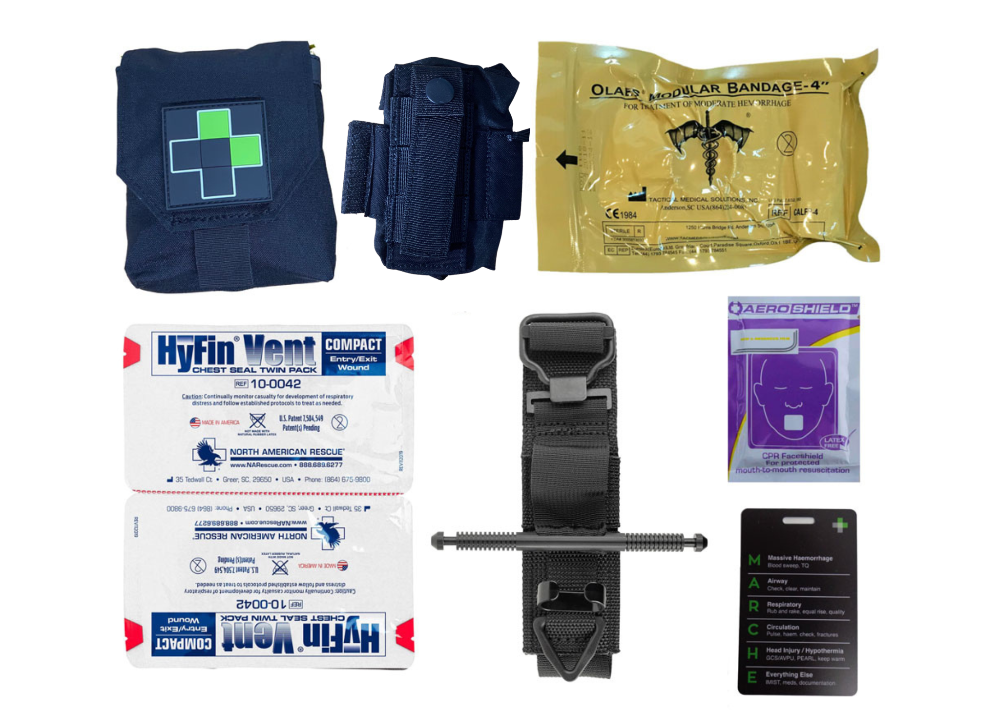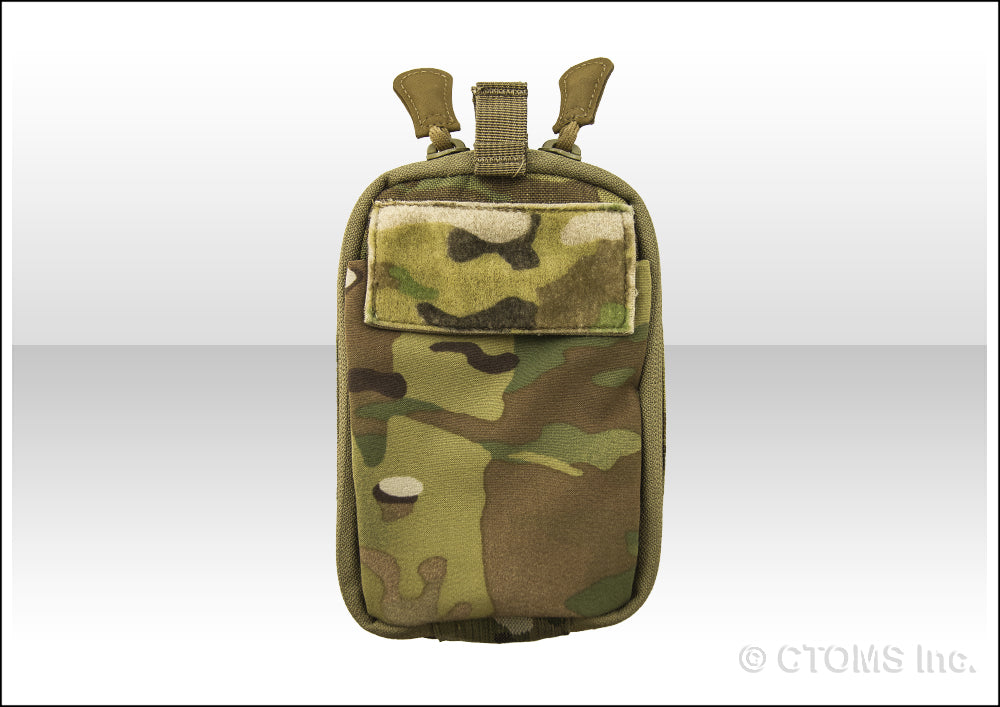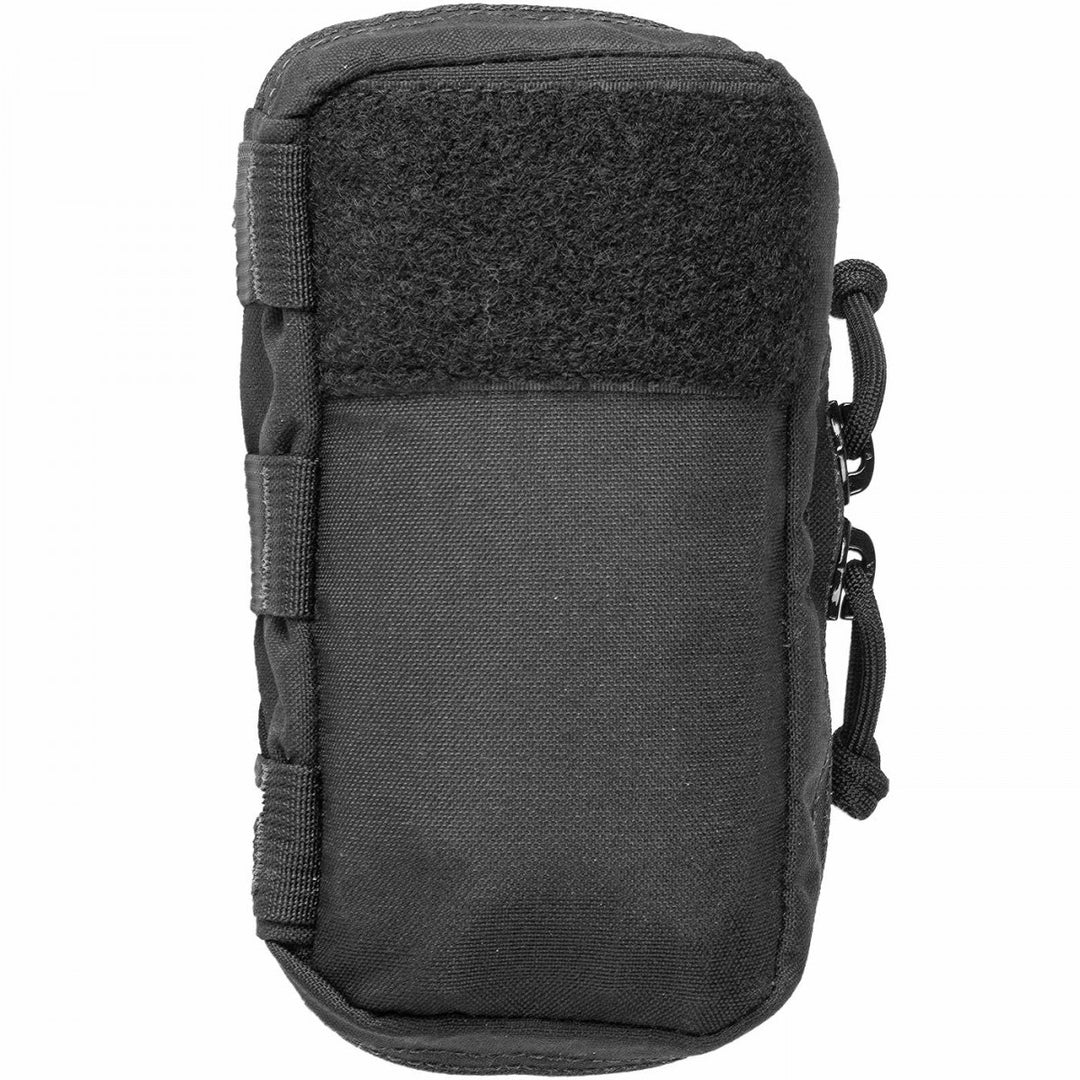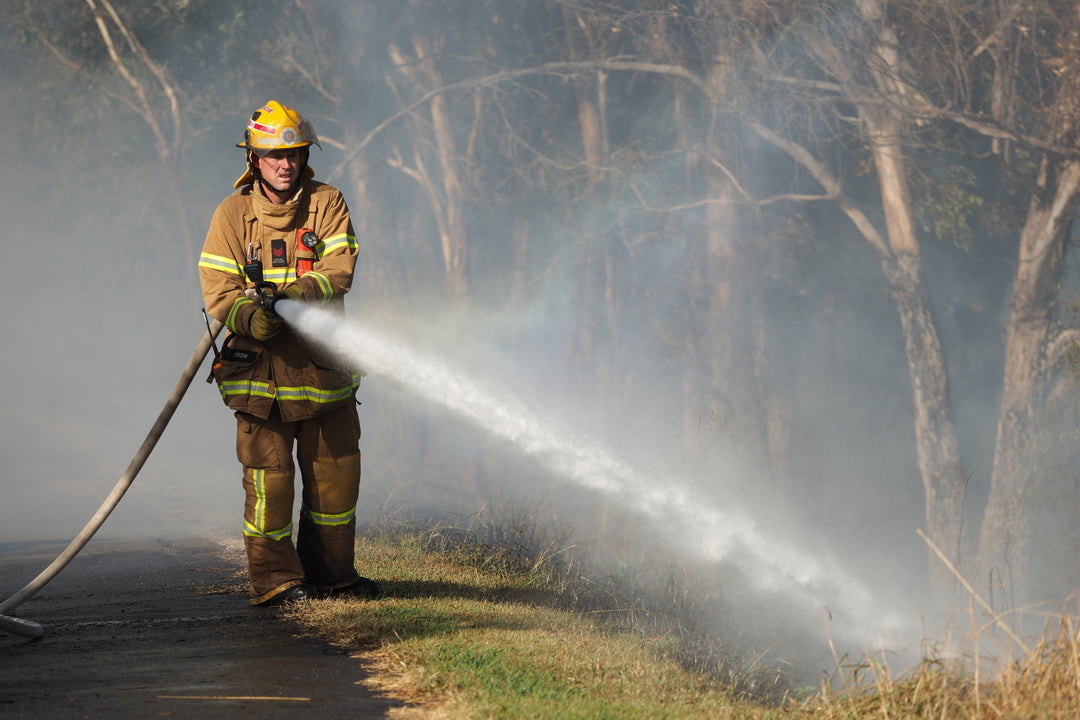



First Aid Kits

Filter

    First Aid Kits — Trauma, Tactical & Professional Grade

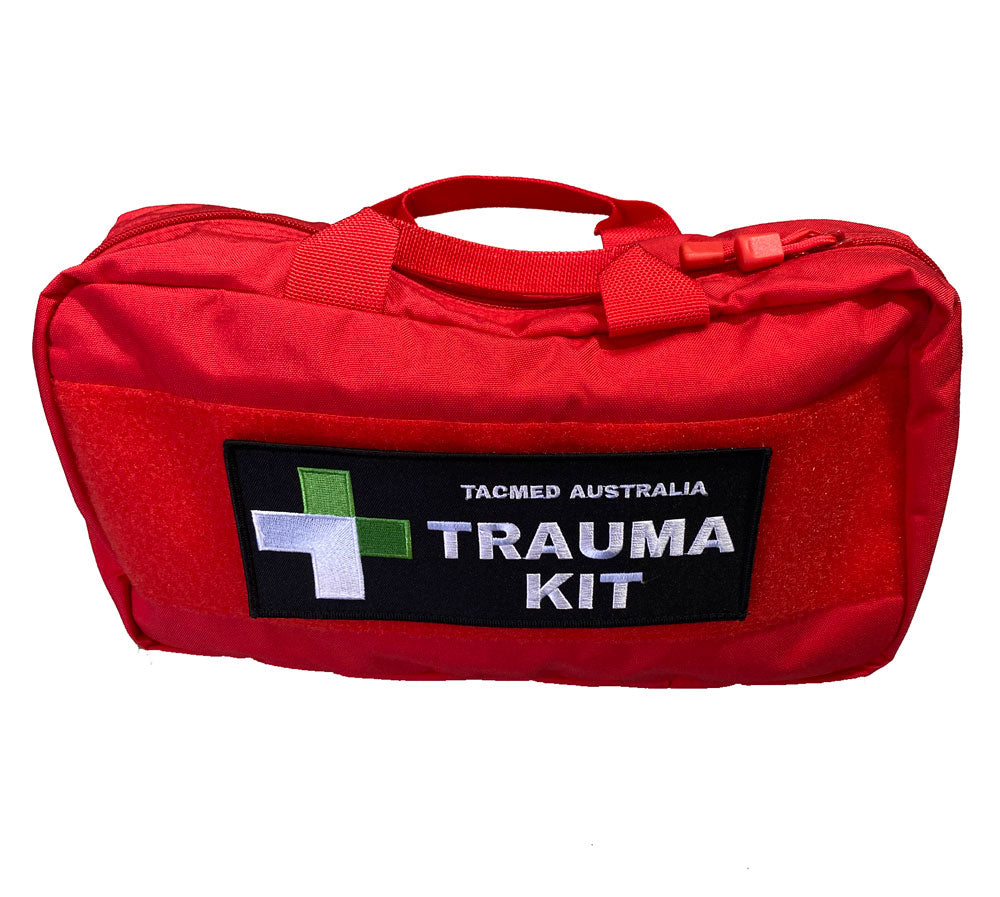
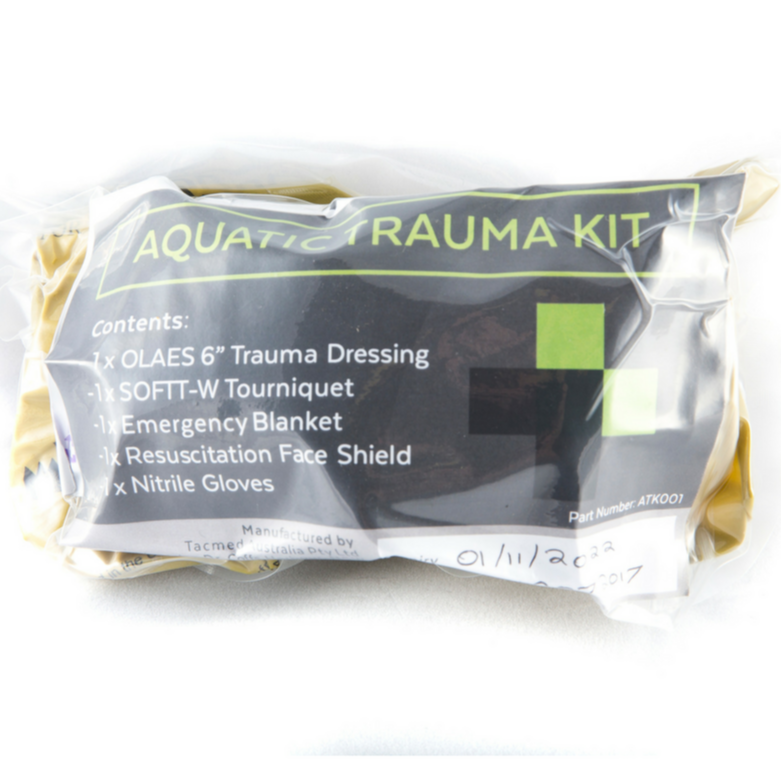
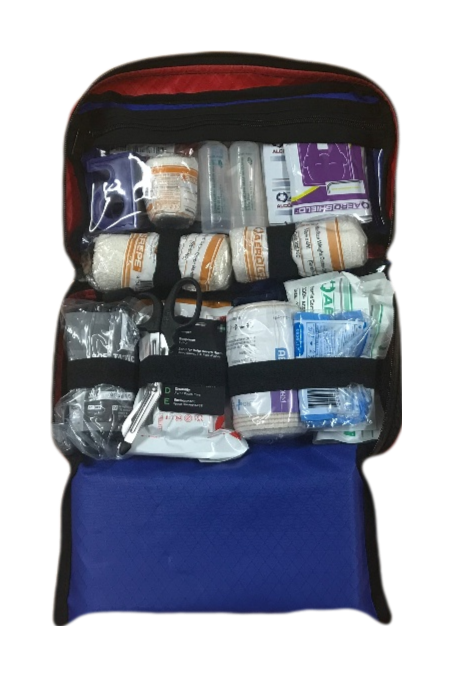
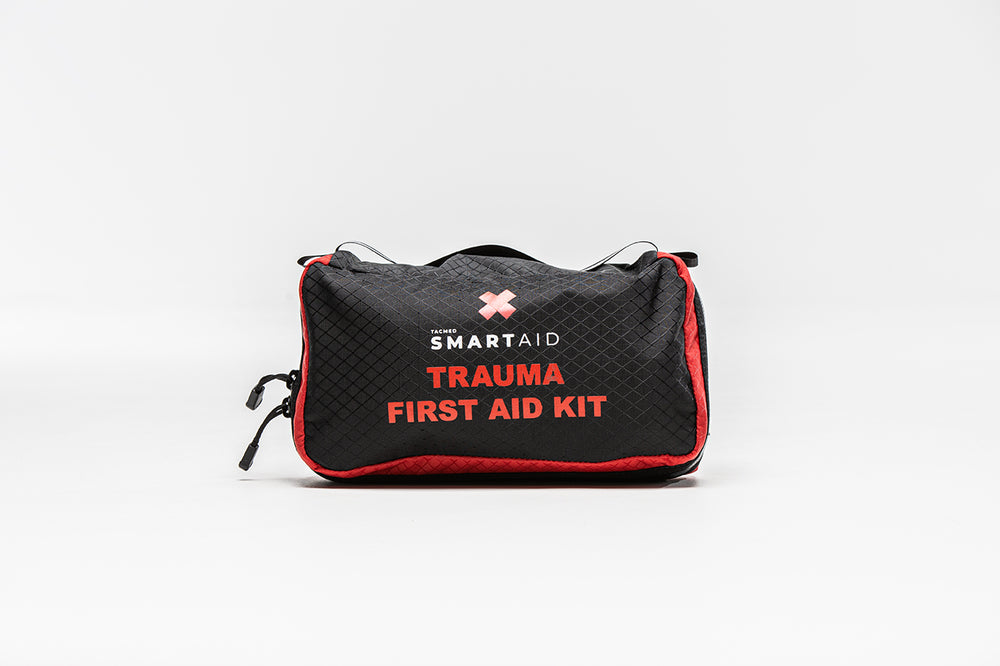
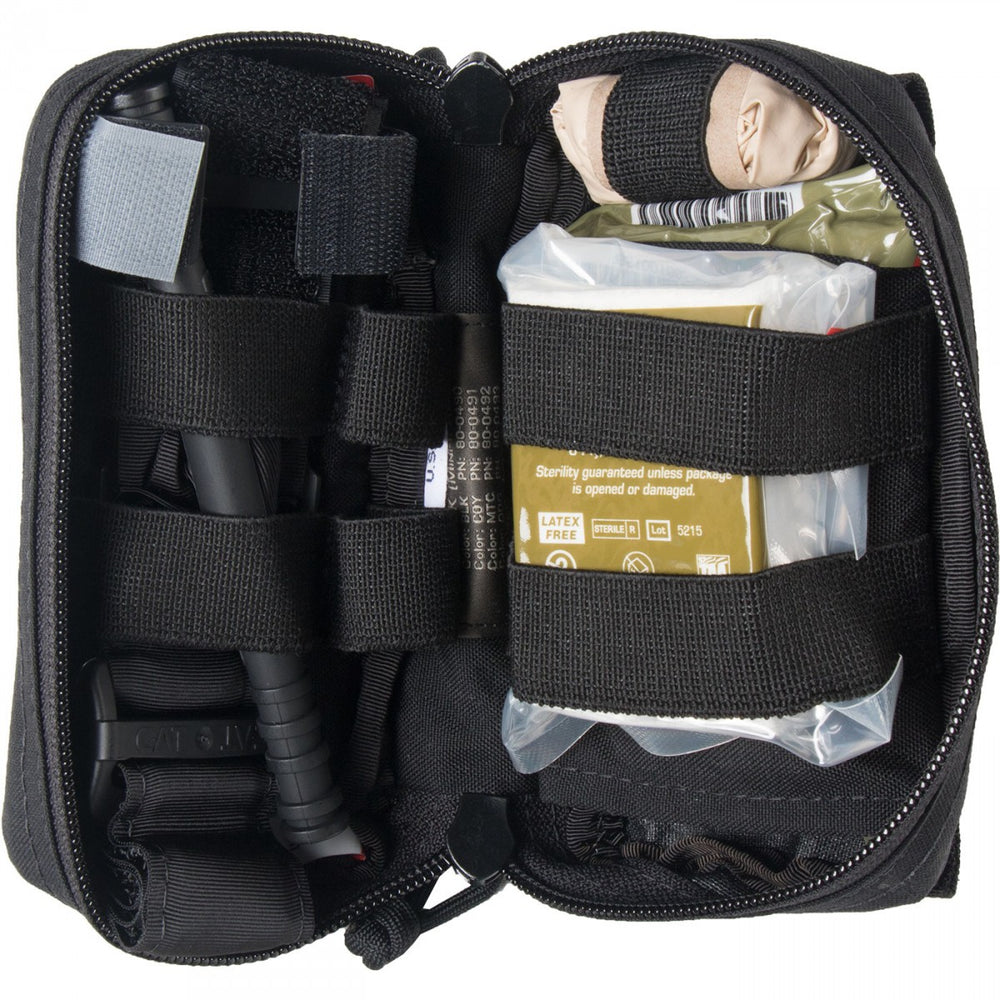
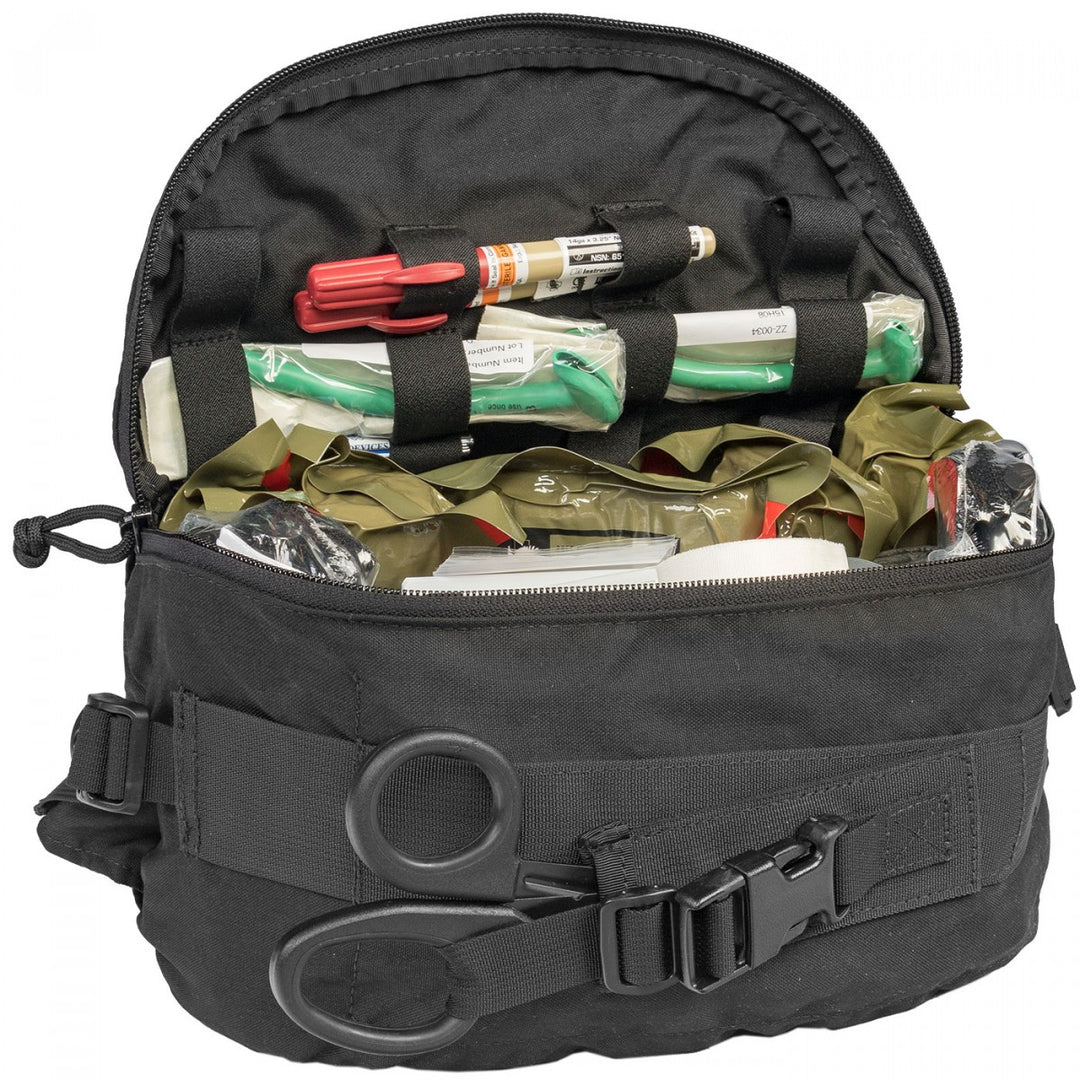
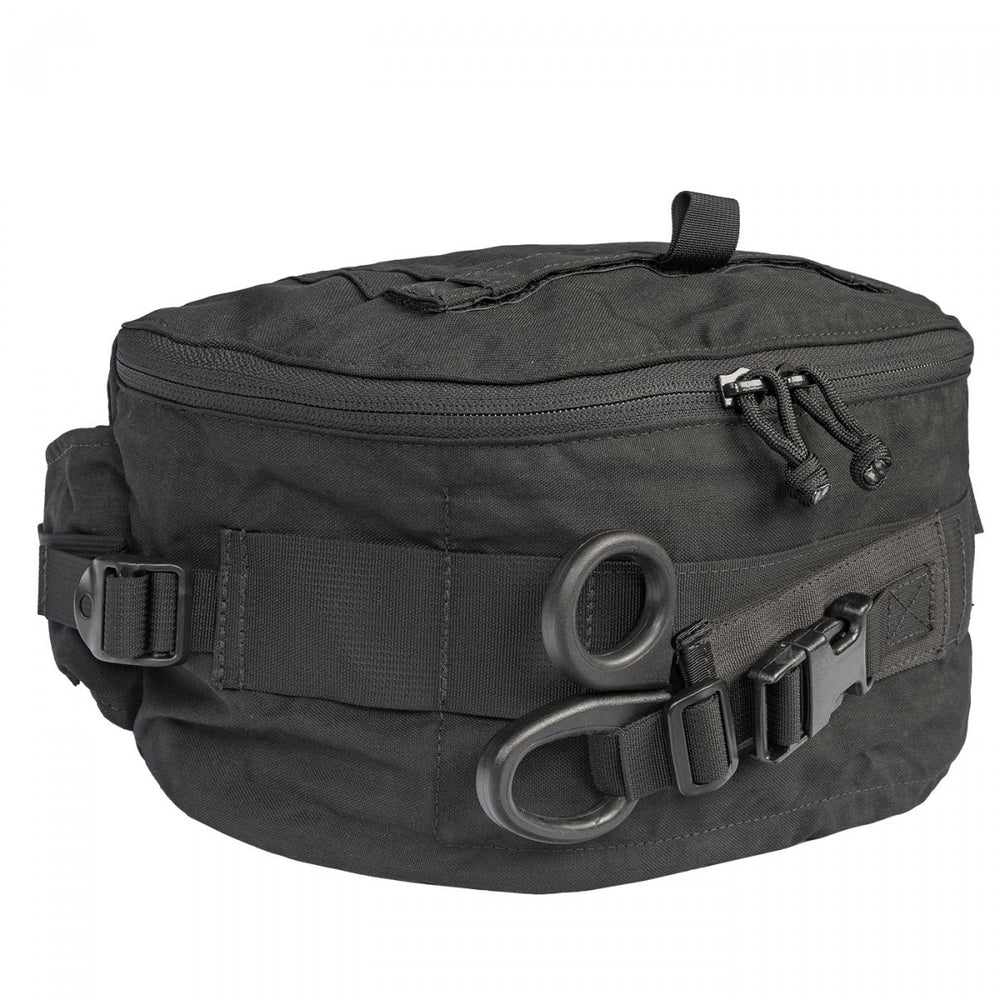
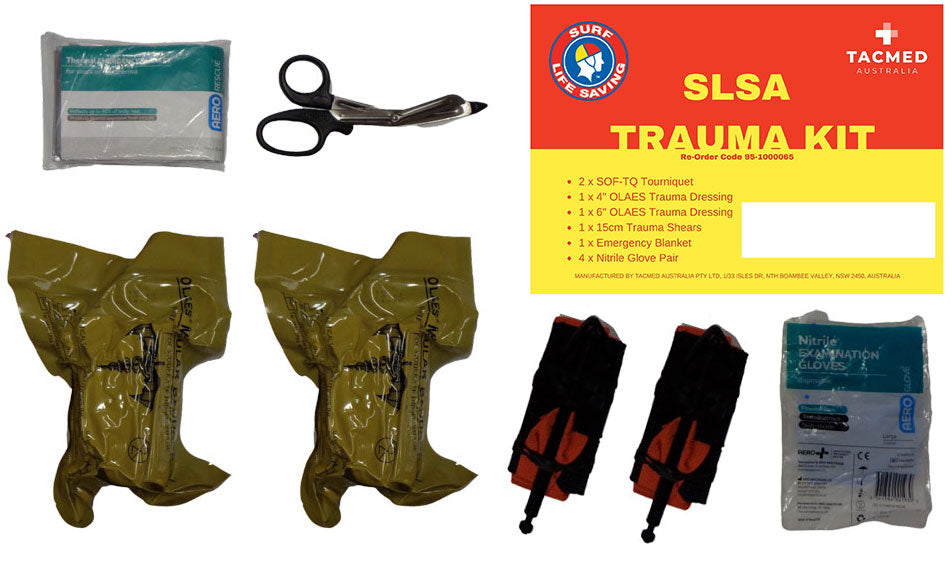
    TacMed's first aid kits are built for real environments and serious use — from individual trauma kits and IFAKs for tactical operators, to workplace kits for high-risk industry, remote area kits for extended operations, and vehicle kits for emergency response.

    Browse by environment or use case below, or contact us if you need help specifying the right kit for your situation.
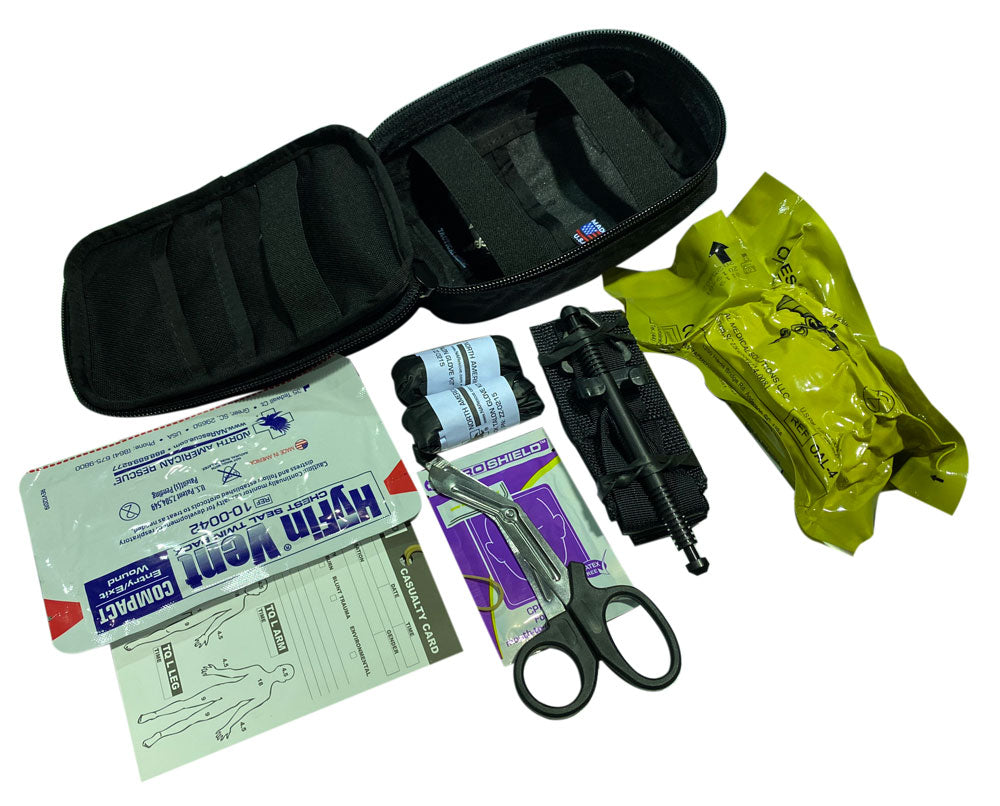
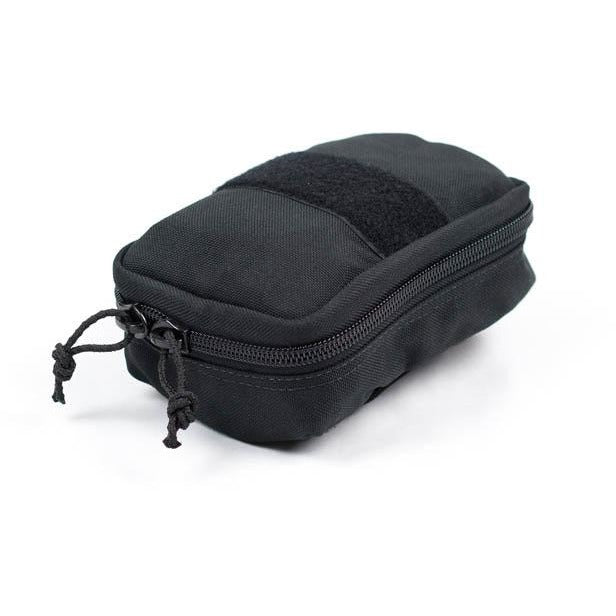
    Sold Out

    What These Kits Are Built to Handle?

    TacMed stocks first aid kits across a range of environments and capability levels — from compact everyday kits through to trauma-capable configurations for major injury management in austere conditions.
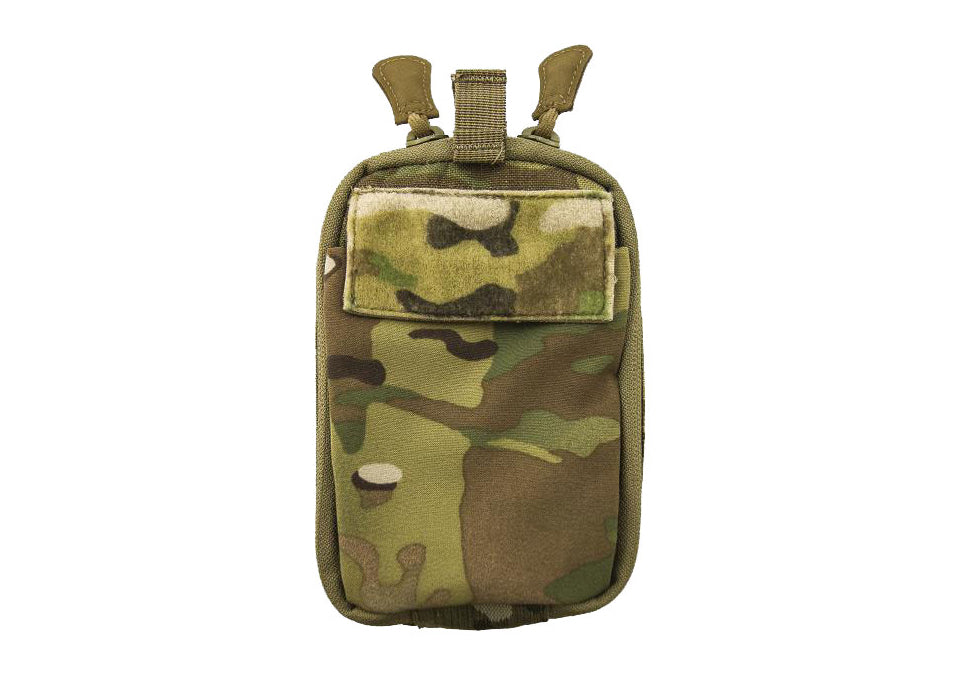
    Each subcollection is matched to a specific use case and risk level. Trauma kits and IFAKs address life-threatening haemorrhage and penetrating injury. Workplace kits meet Australian compliance requirements for high-risk industry. Remote area kits are configured for extended operations away from definitive care. Vehicle kits are built for emergency response in the field.

    If your environment involves major trauma risk — machinery, heights, remote travel, tactical operations, or emergency response — your kit needs to match that risk. Standard retail kits are designed for minor injuries. TacMed kits are not.

    Who Uses These Kits

    TacMed first aid kits are used by first responders, paramedics, law enforcement, military and defence personnel, tactical operators, remote-area workers, mine sites, construction crews, offshore operations, emergency services, and individuals who need a genuinely capable kit.

    Use the subcollections to find the right fit:
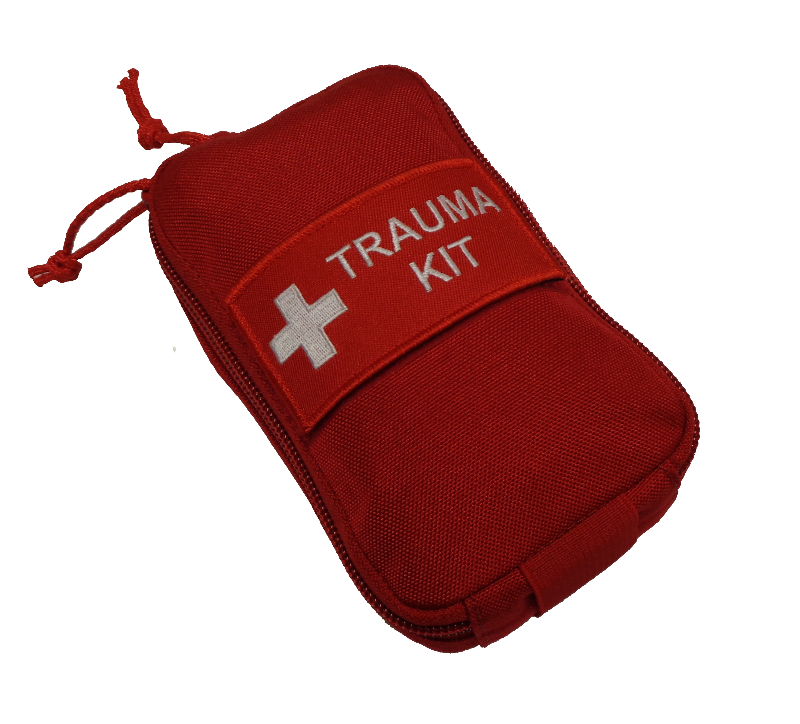
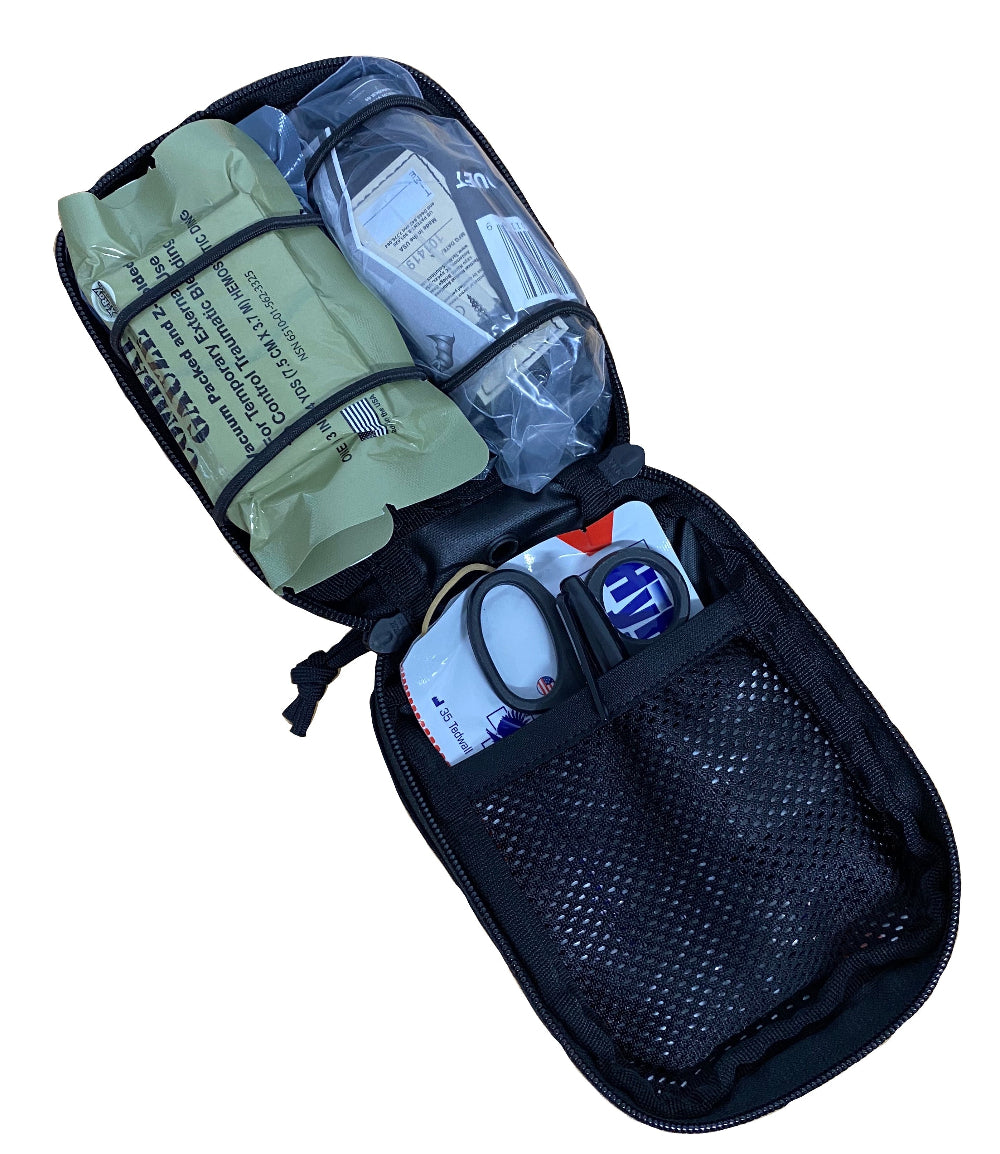
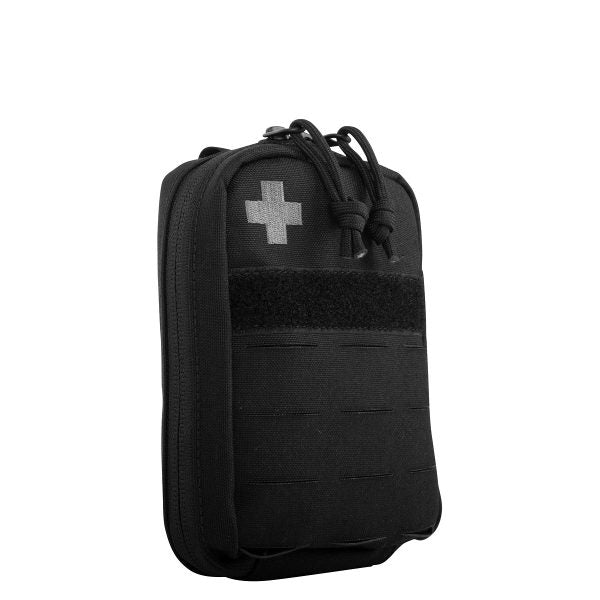
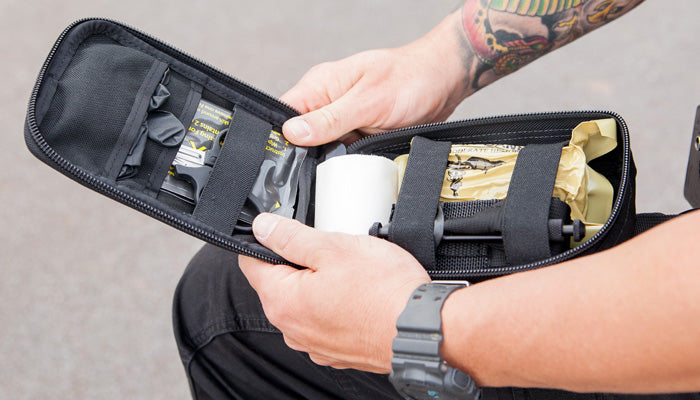
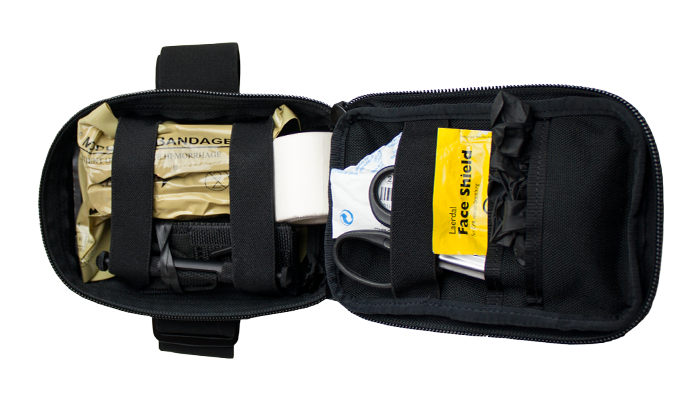
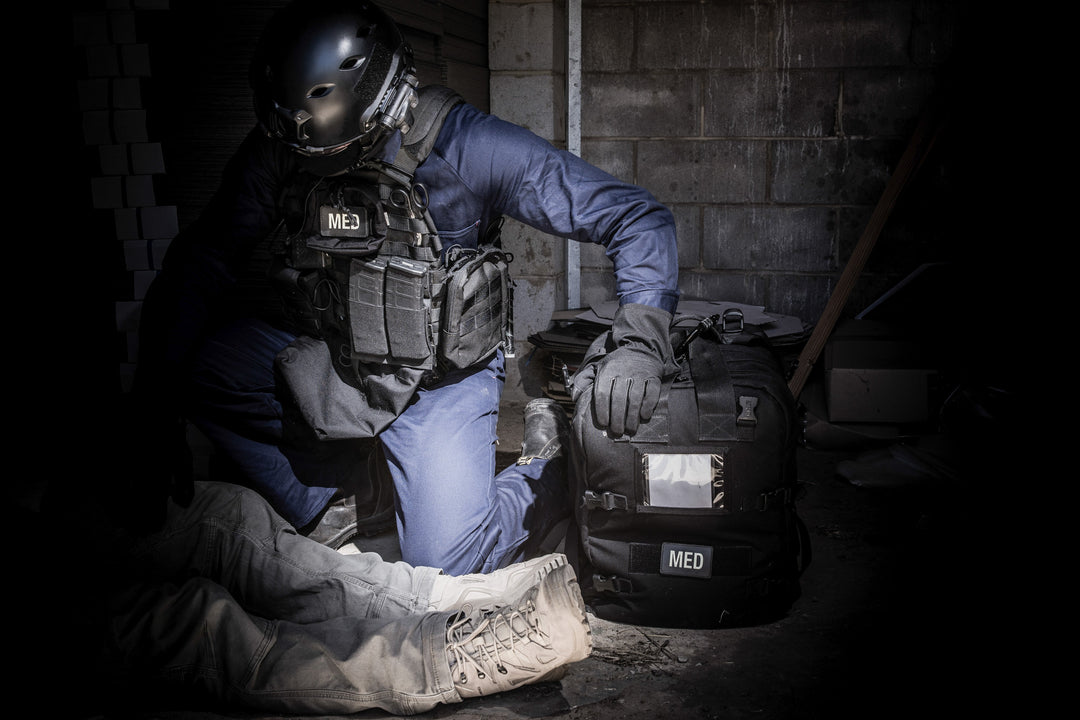
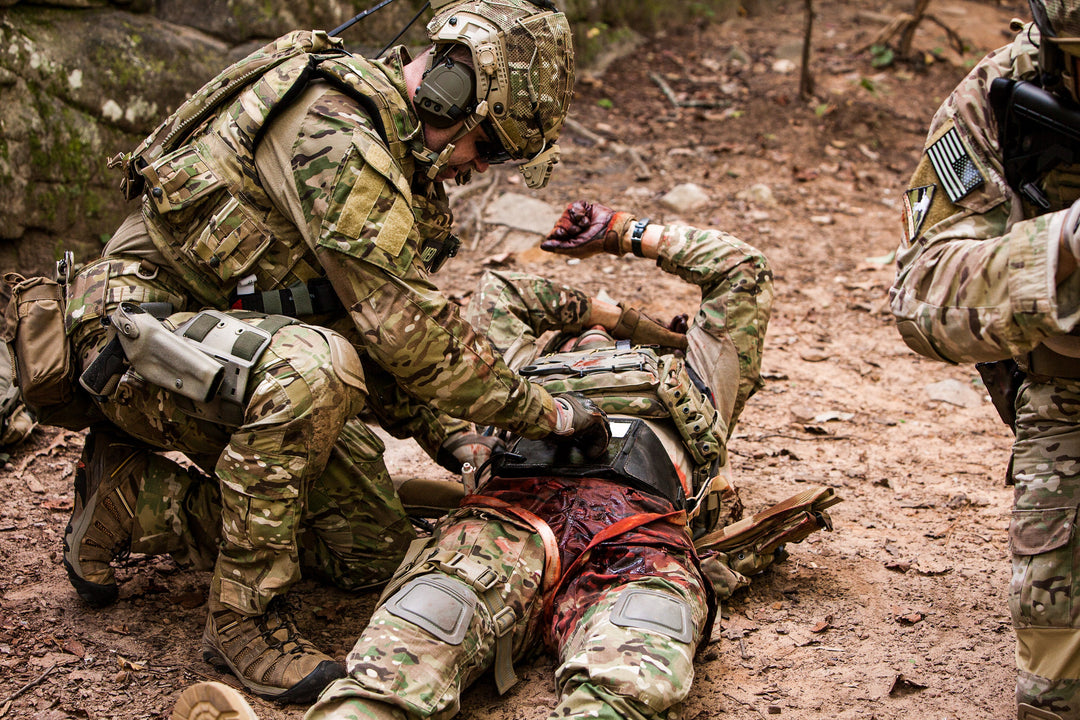
    Trauma Kits and IFAKs: tactical operators, military, law enforcement, first responders
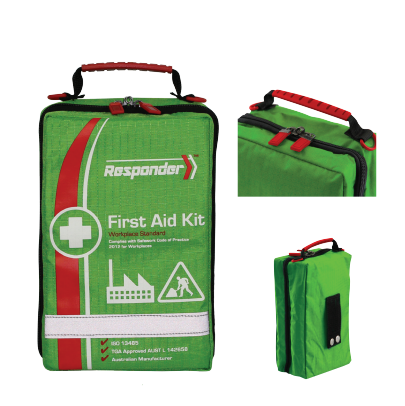
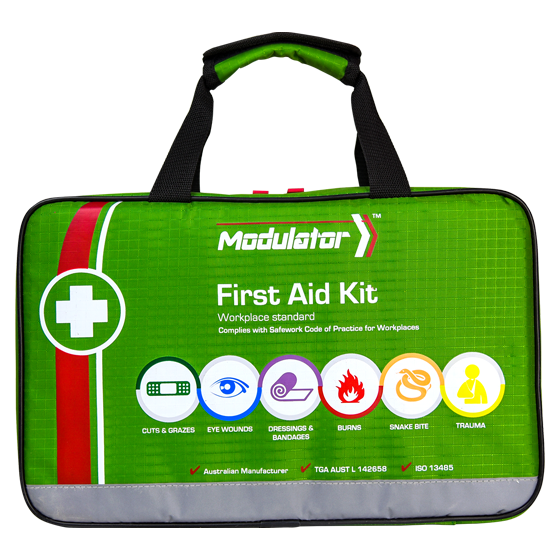
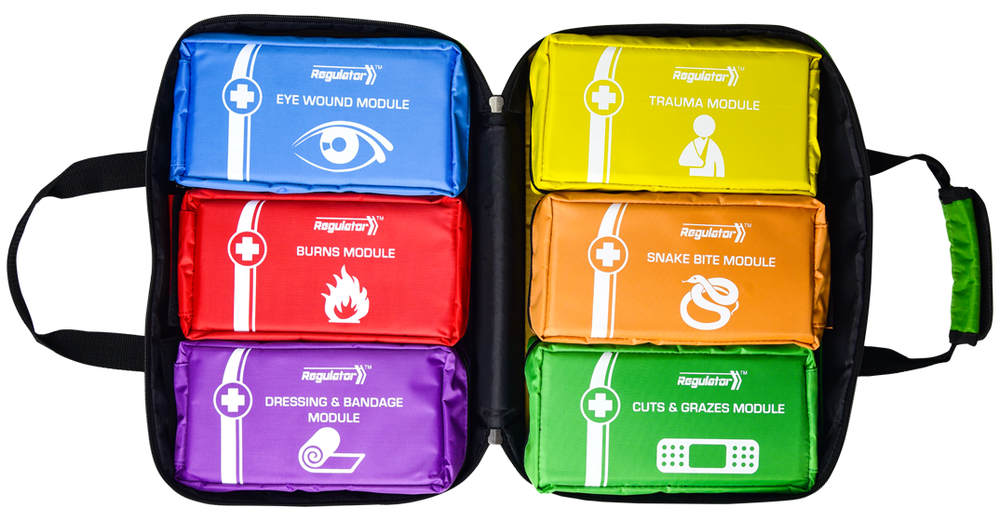
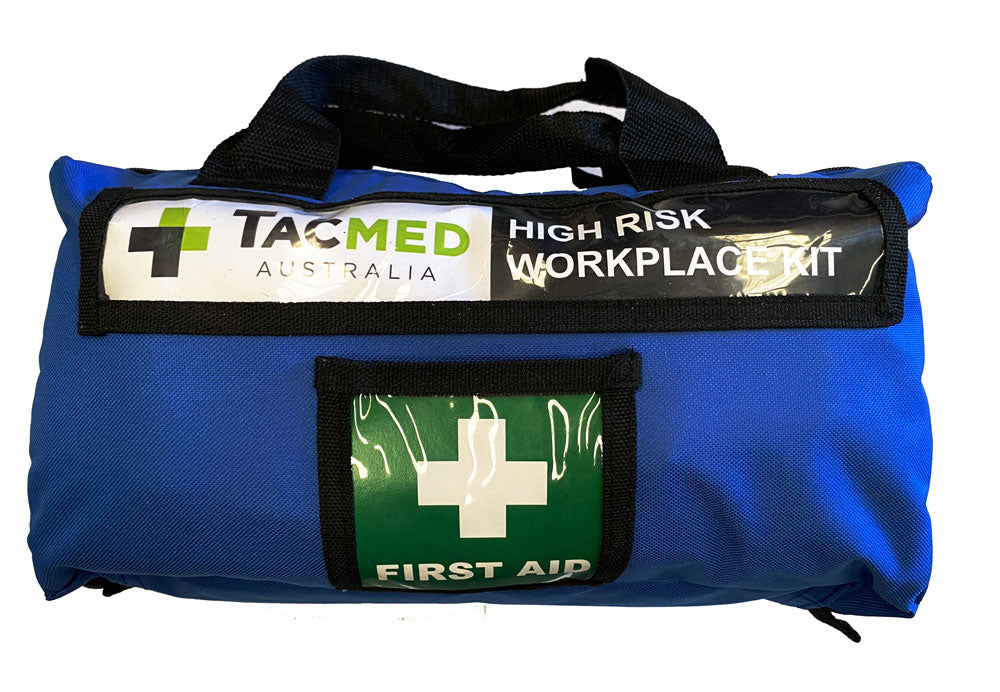
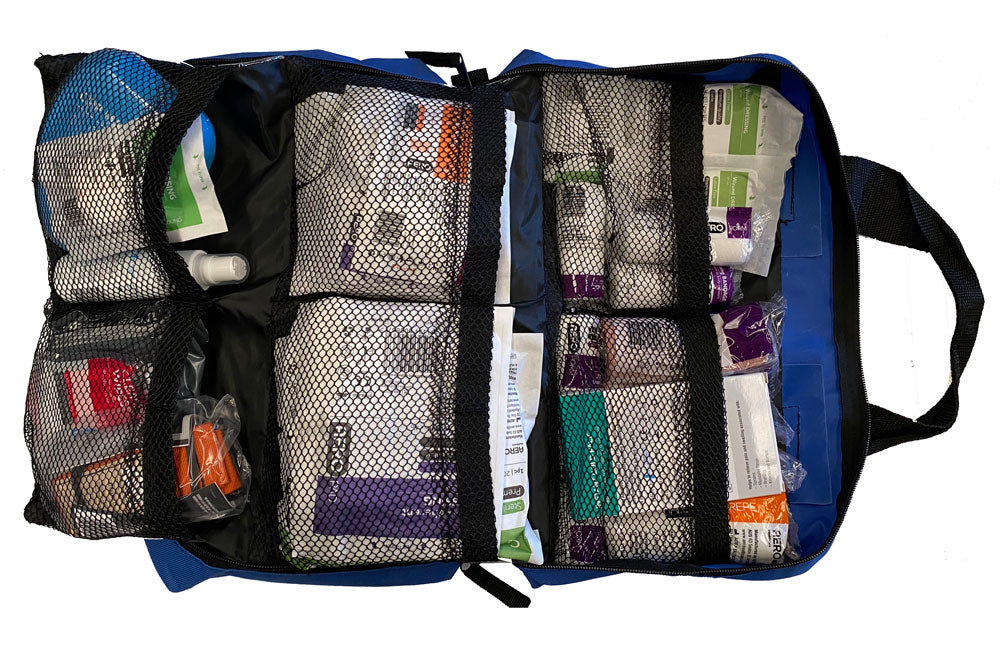
    Workplace Kits: high-risk industry, mine sites, construction, facilities managers
    Outdoor / Remote Kits: remote-area workers, expedition teams, wilderness professionals
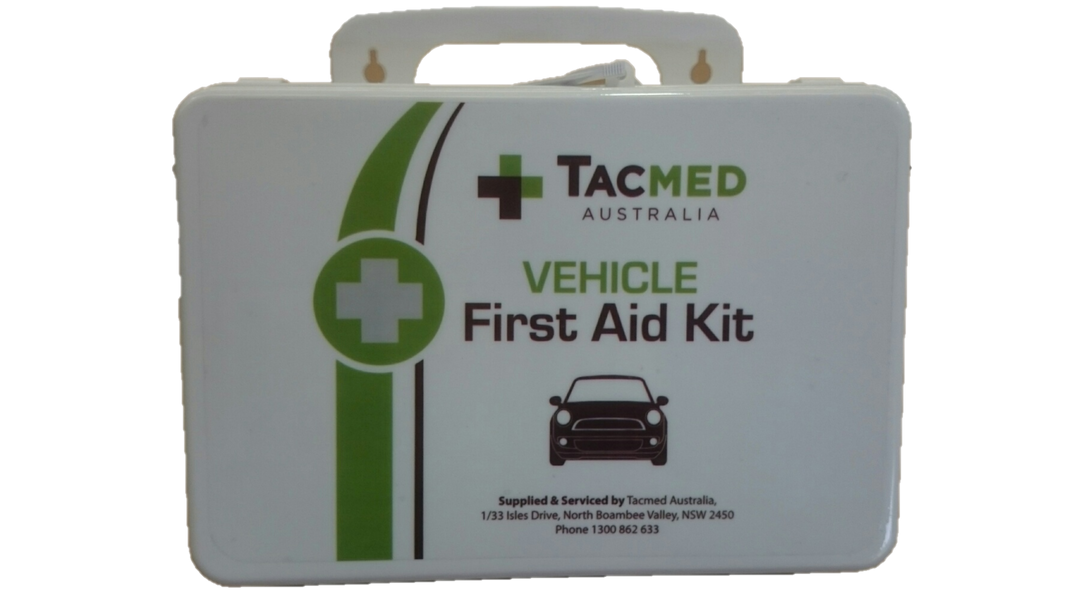
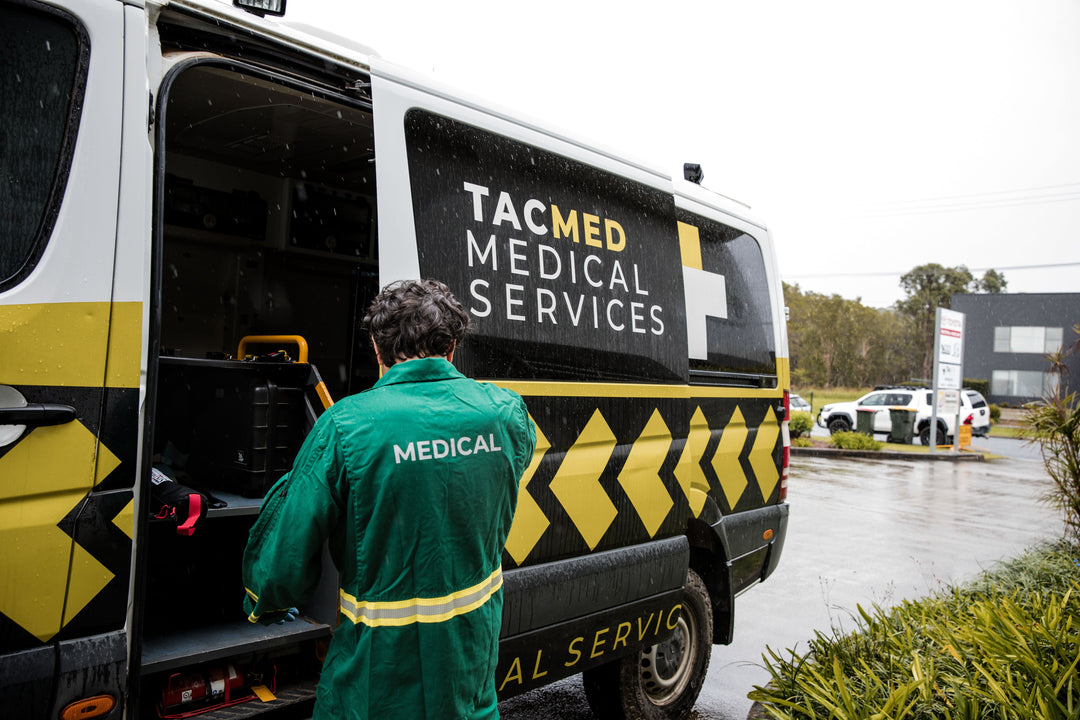
    Vehicle Kits: emergency response vehicles, mine site vehicles, motorcycle and motorsport

    Choosing the Right Kit

    The right kit depends on your environment, the injuries you might face, and who will be using it. Start here:

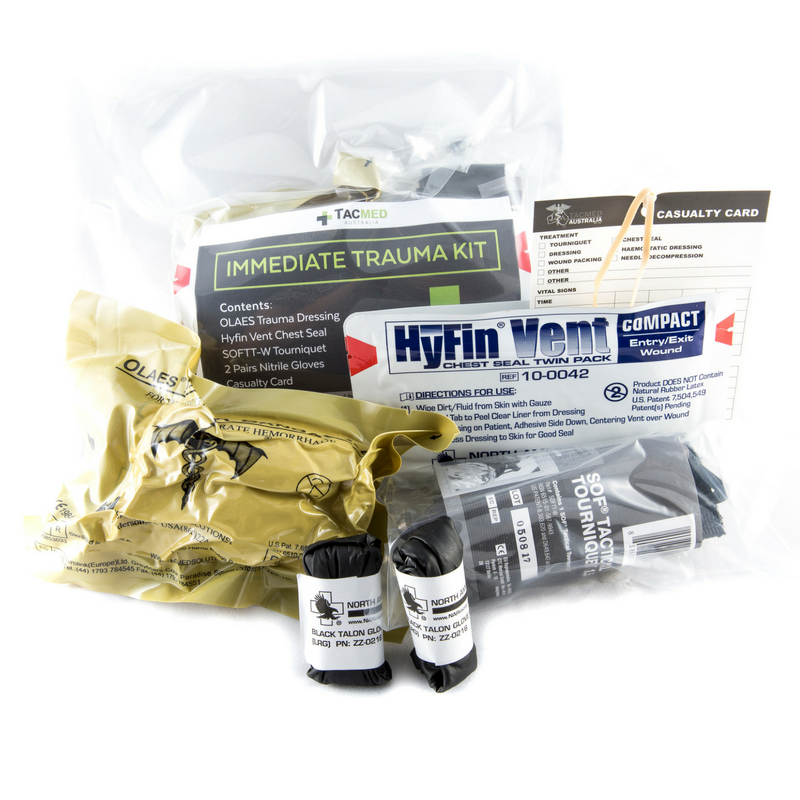
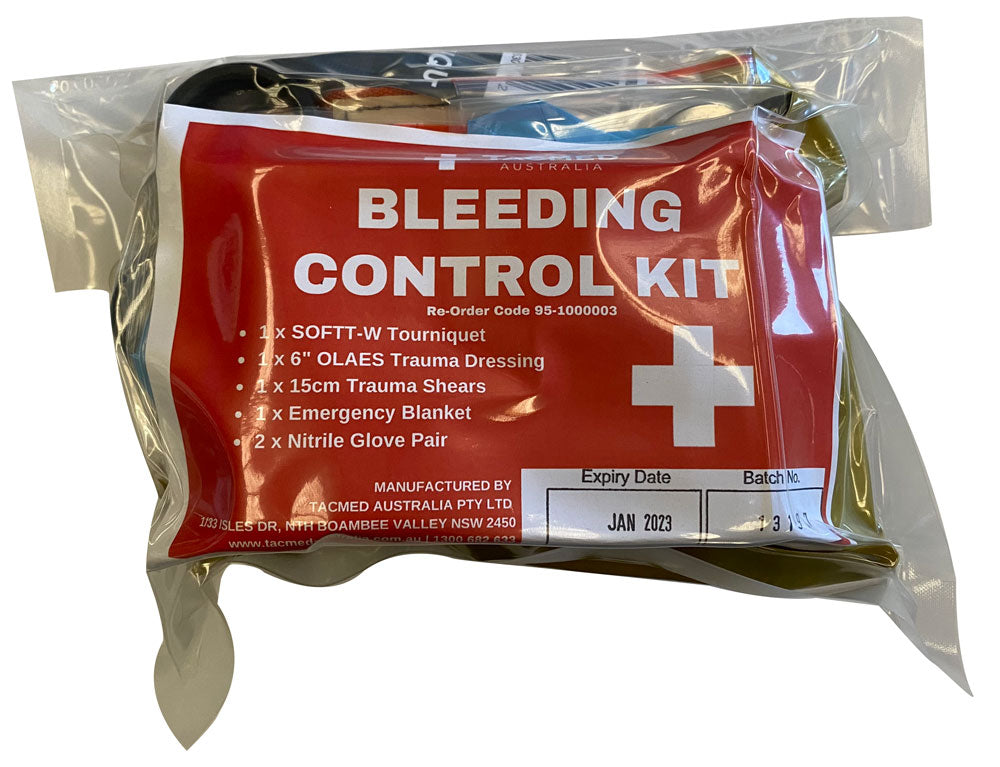
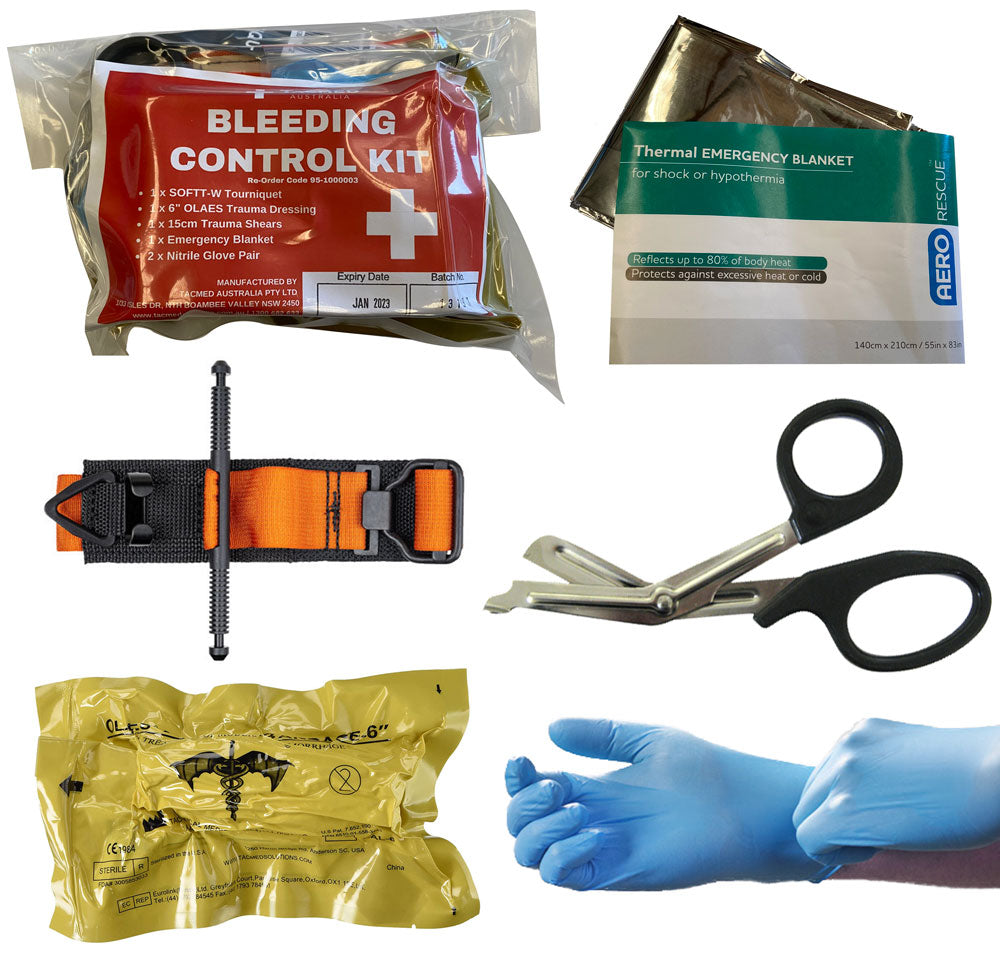
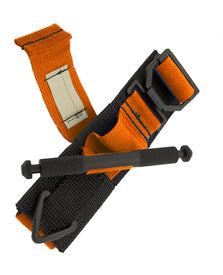
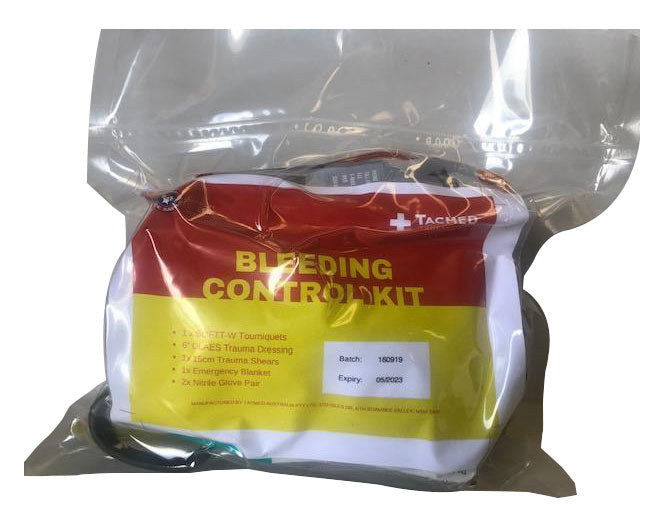
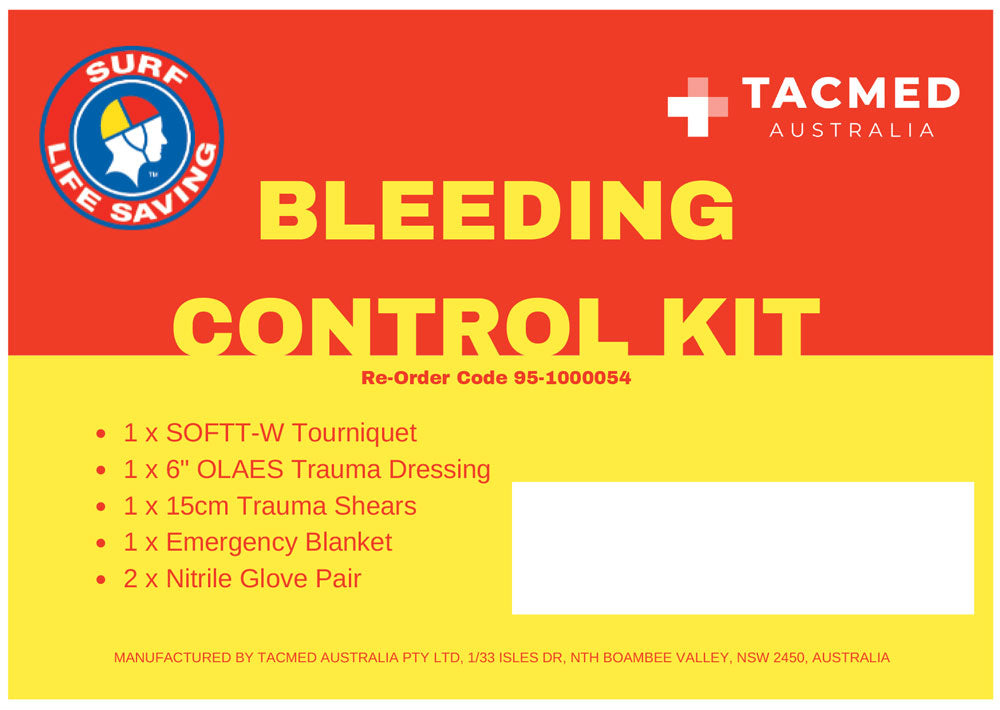
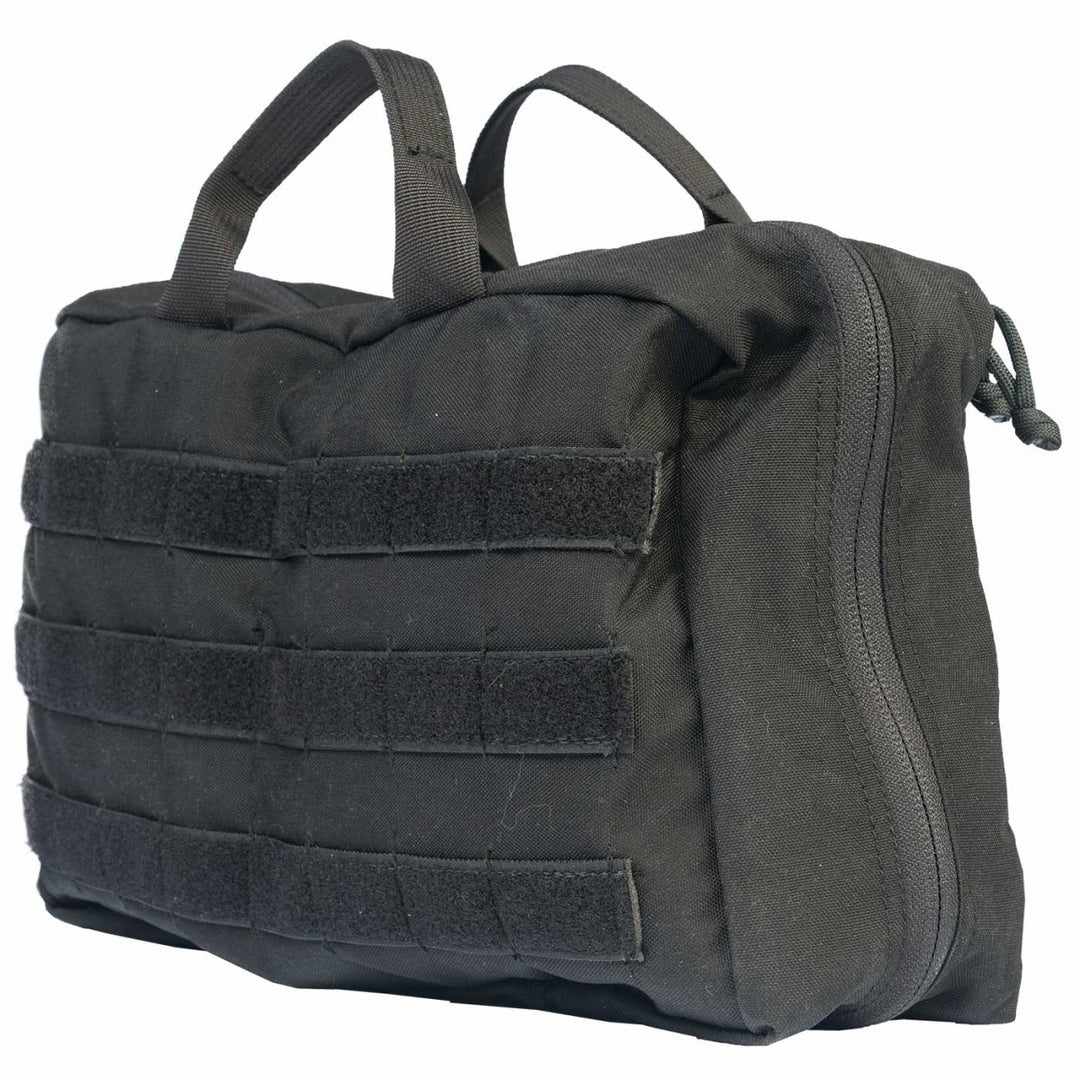
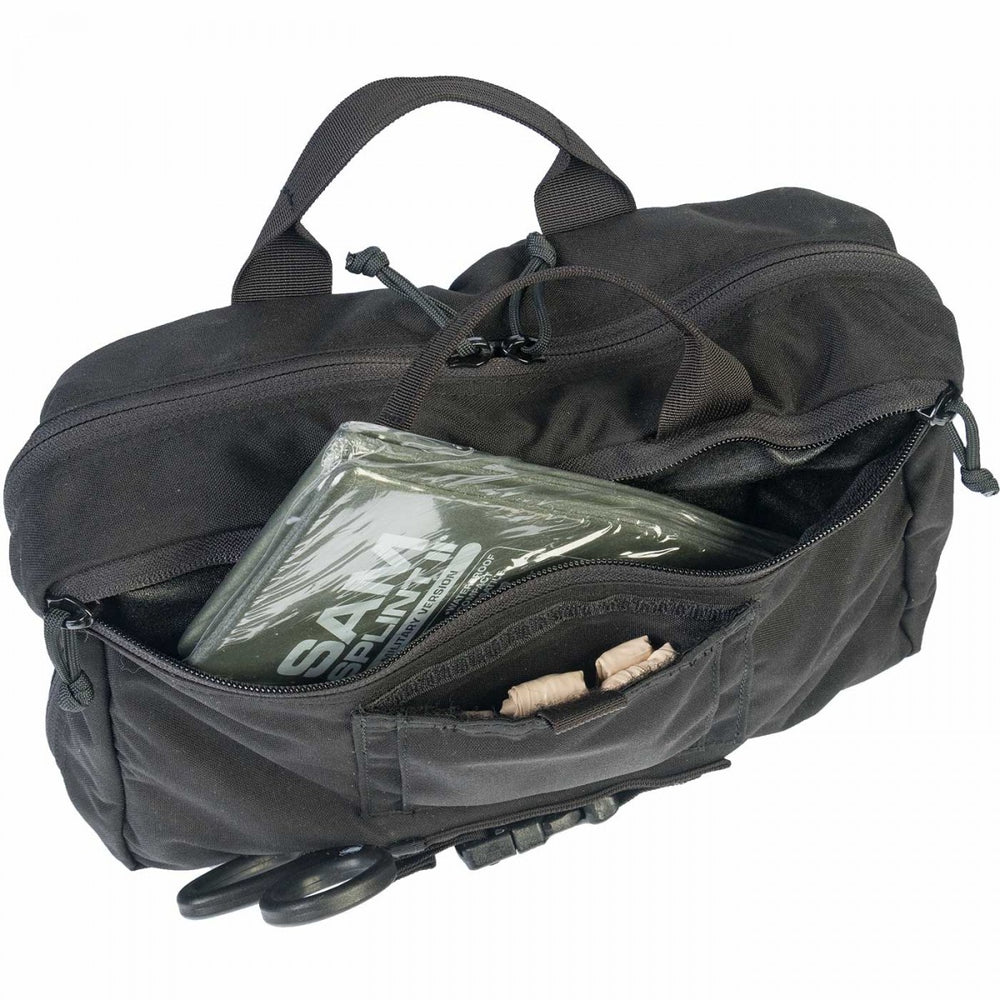
    * Trauma or tactical use: Look at Trauma Kits, Bleeding Control and/or IFAKs — configured for haemorrhage control, penetrating trauma, and major injury management.
    * High-risk workplace: Look at Workplace Kits — selected for Australian compliance requirements and serious occupational injury.
    * Remote or extended operations: Look at Outdoor / Remote Kits — built for scenarios where definitive care is hours away.
    * Vehicle or emergency response: Look at Vehicle Kits — configured for on-road trauma response and vehicle-based emergency kits.
    * Not sure or need a custom kit: visit our Custom kit form or the contact form or call us — we specify kits for organisations and worksites regularly.

    What We See Go Wrong

    Buying a general retail kit for a high-risk environment. Consumer kits are designed for minor injuries. If your environment involves machinery, remote travel, heights, tactical operations, or any scenario where major trauma is possible, a consumer kit is not adequate.

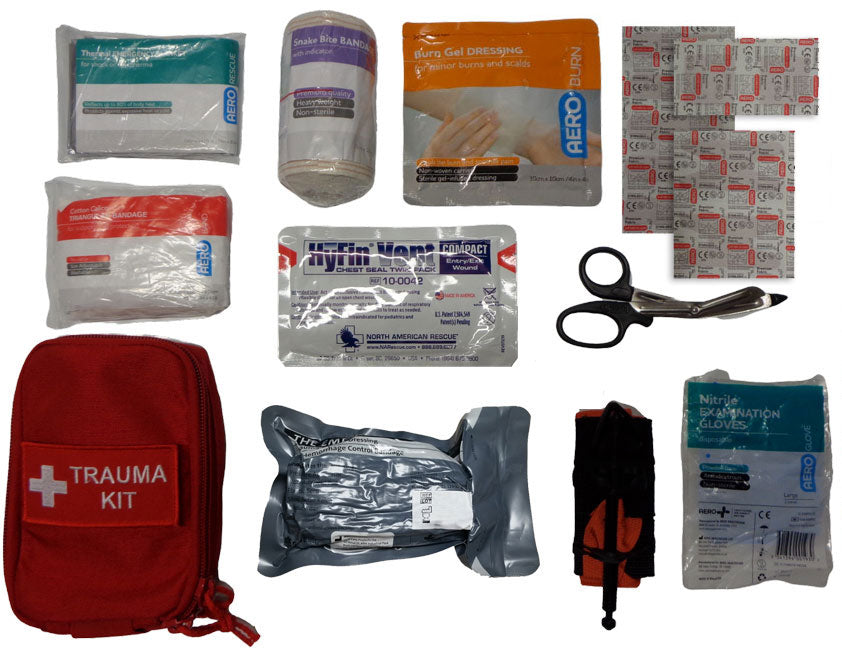
    Choosing a kit by item count. A kit with 200 items and no quality tourniquet, no wound packing gauze, and no trauma dressing is not a trauma-capable kit. Contents matter more than count.

    Not knowing which kit you actually need. The difference between an IFAK, a trauma kit, a bleeding control kit, and a workplace first aid kit is significant. Use the subcollections or contact us to make sure you're building capability, not just checking a box.

    Q: What is the difference between a first aid kit and a trauma kit?
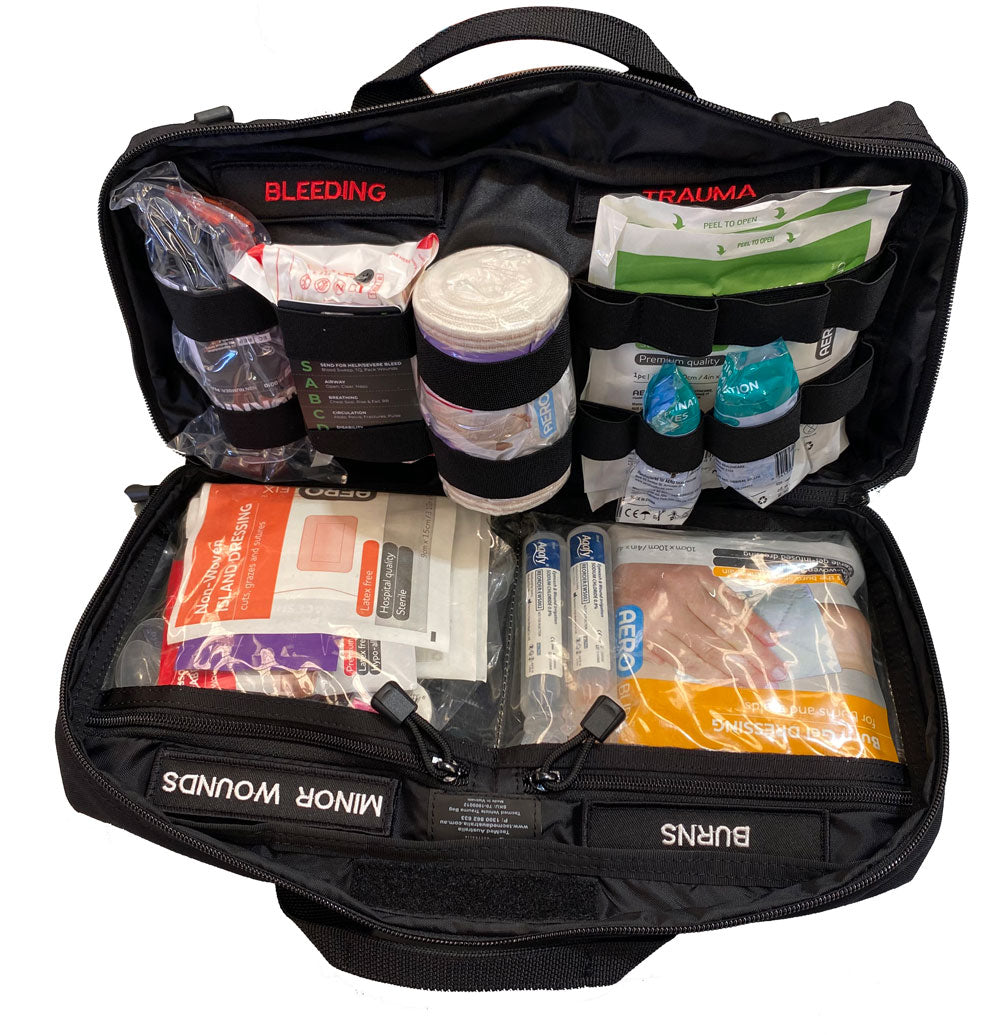
    A: A standard first aid kit addresses minor injuries — cuts, sprains, burns, and general wound care. A trauma kit is configured for life-threatening emergencies including severe haemorrhage, penetrating wounds, and major trauma. TacMed's Trauma Kits collection covers trauma-capable configurations; the First Aid Kits collection covers the broader range.

    Q: What is the difference between an IFAK and a trauma kit?
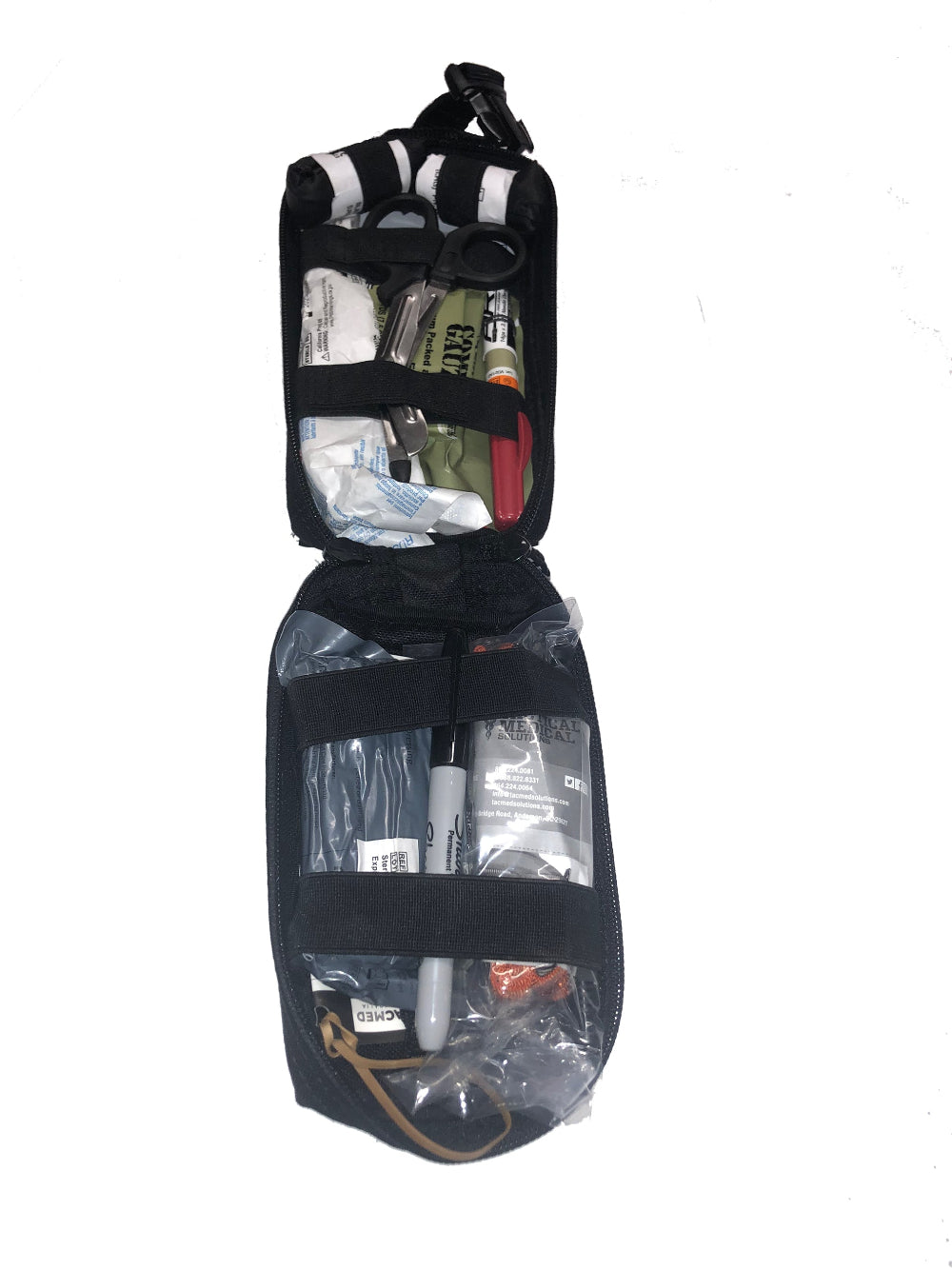
    A: An IFAK (Individual First Aid Kit) is a compact, personal-carry trauma kit designed for self-treatment or buddy aid. A trauma kit is typically a larger, more complete configuration used by a responder treating a casualty. TacMed stocks both — see the Tactical / IFAK collection and Trauma Kits collection respectively.

    Q: Do I need a trauma kit or a first aid kit for my workplace?
    A: It depends on your risk level. Standard workplaces need a compliant first aid kit. High-risk sites — mining, construction, remote operations, industrial — typically need both a compliant workplace kit and dedicated bleeding control or trauma capability. The Workplace Kits collection covers compliance-grade configurations.

    Q: What first aid kit do I need for a remote or off-grid location?
    A: Remote environments need kits configured for extended care without immediate access to definitive medical support. See the Outdoor / Remote collection — these kits are built for extended operations, evacuation scenarios, and care in austere conditions.

    Q: Are TacMed first aid kits TGA-compliant?
    A: Yes. Medical devices and regulated components in TacMed kits are TGA-compliant. Compliance information is listed on individual product pages.

    Q: Are first aid kits required in Australian workplaces?
    A: Yes. Australian workplaces are required to provide appropriate first aid equipment based on work type, number of workers, and risk level. High-risk and remote worksites have elevated requirements. The Workplace Kits collection is selected with these requirements in mind.