


Trauma Trainers

Filter

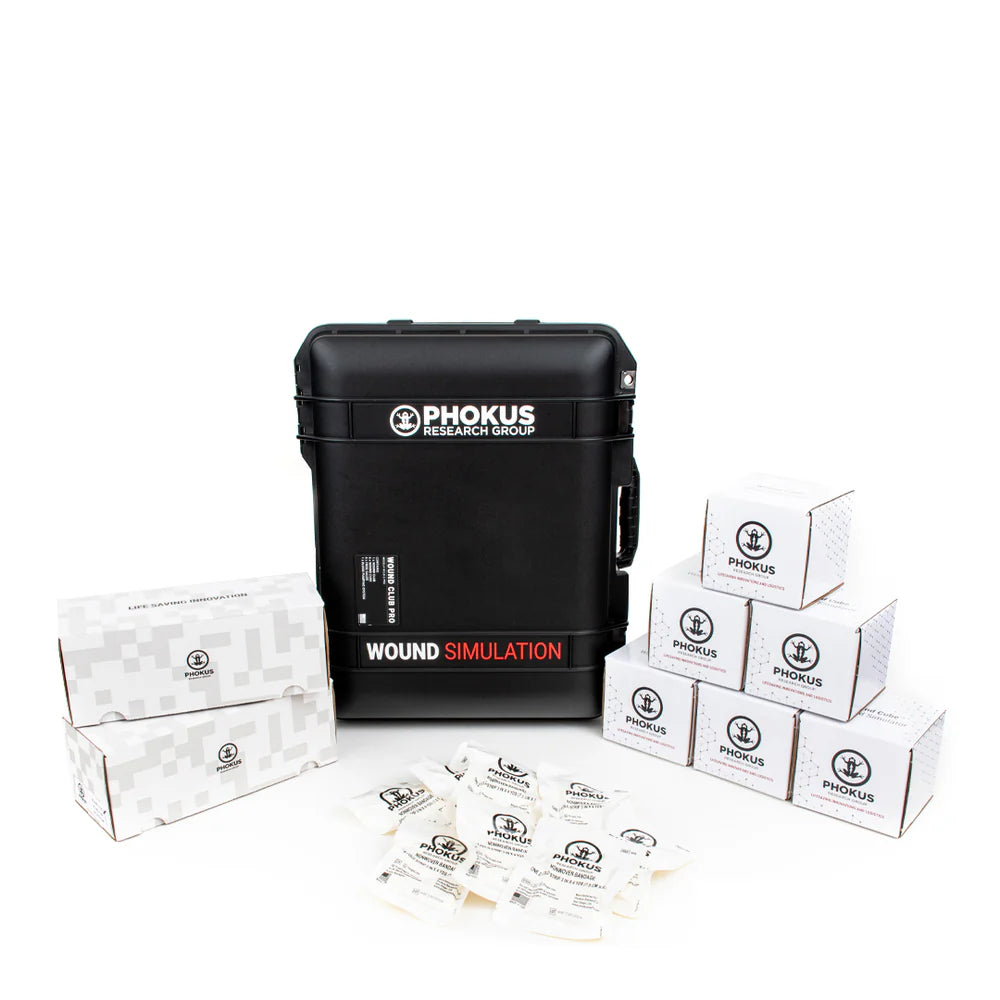
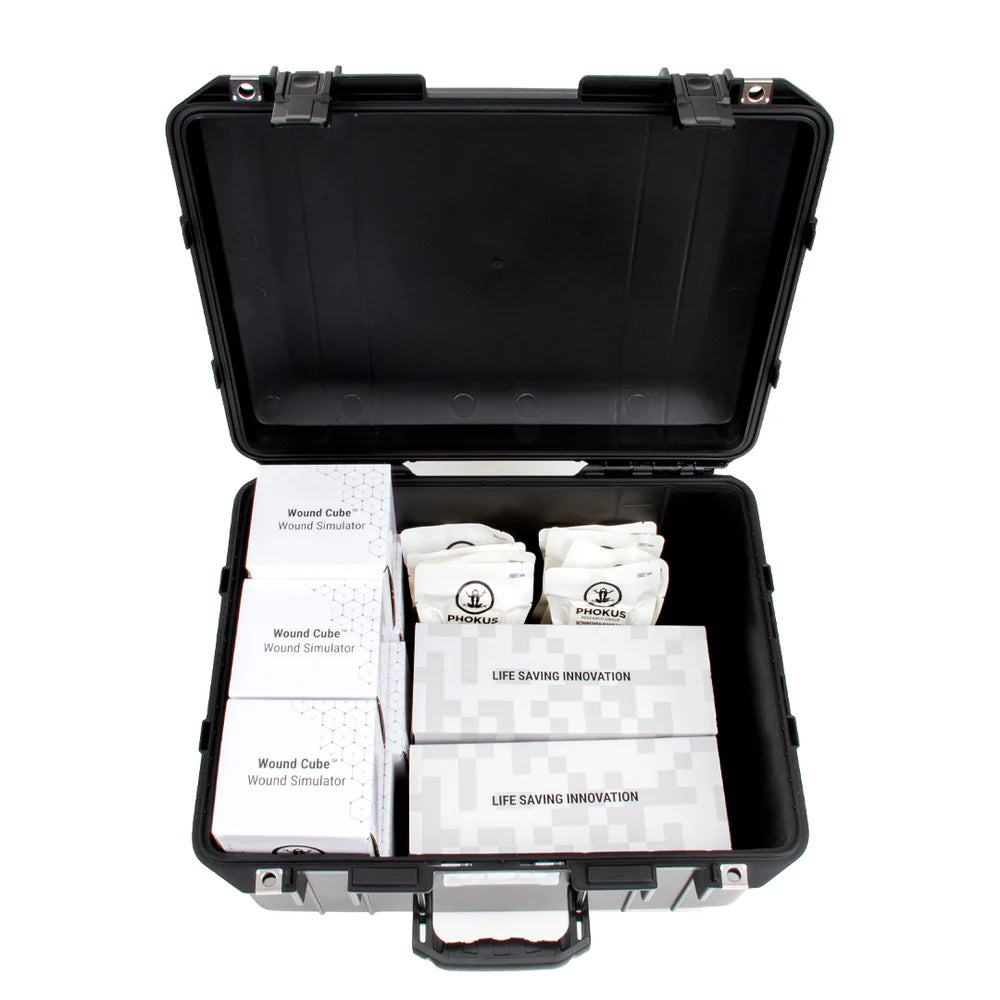
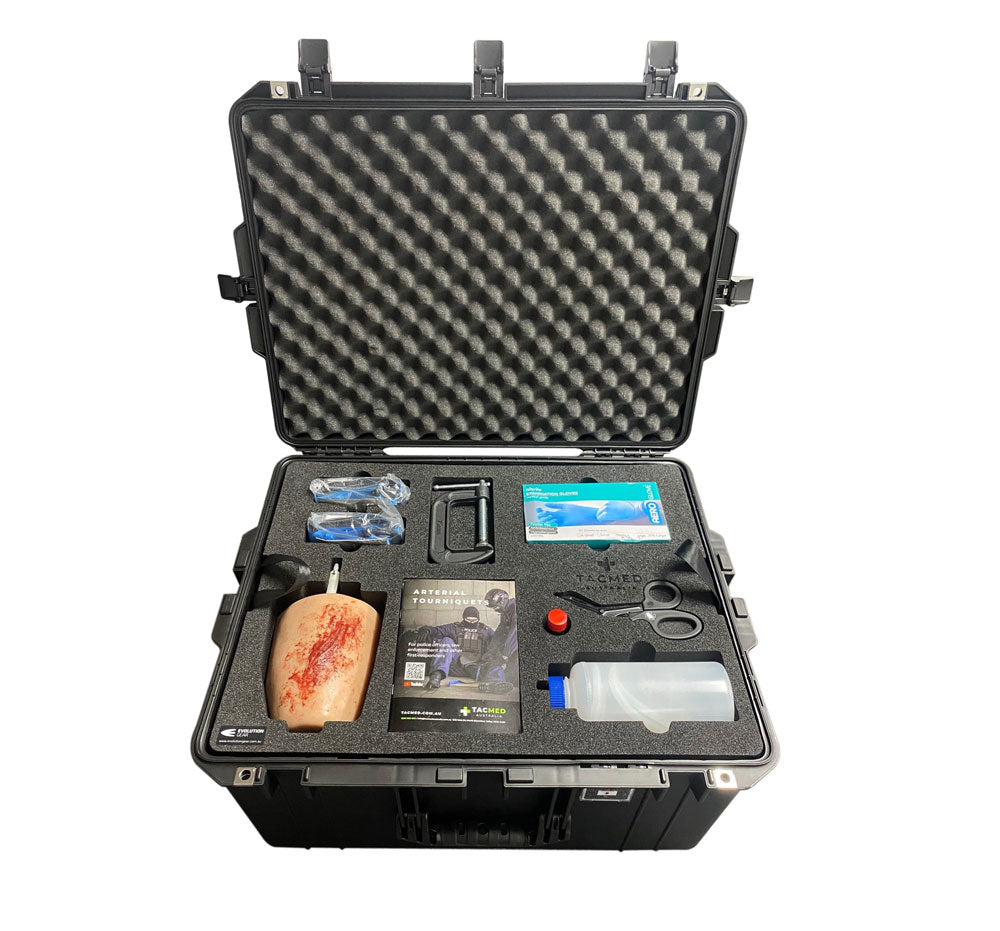
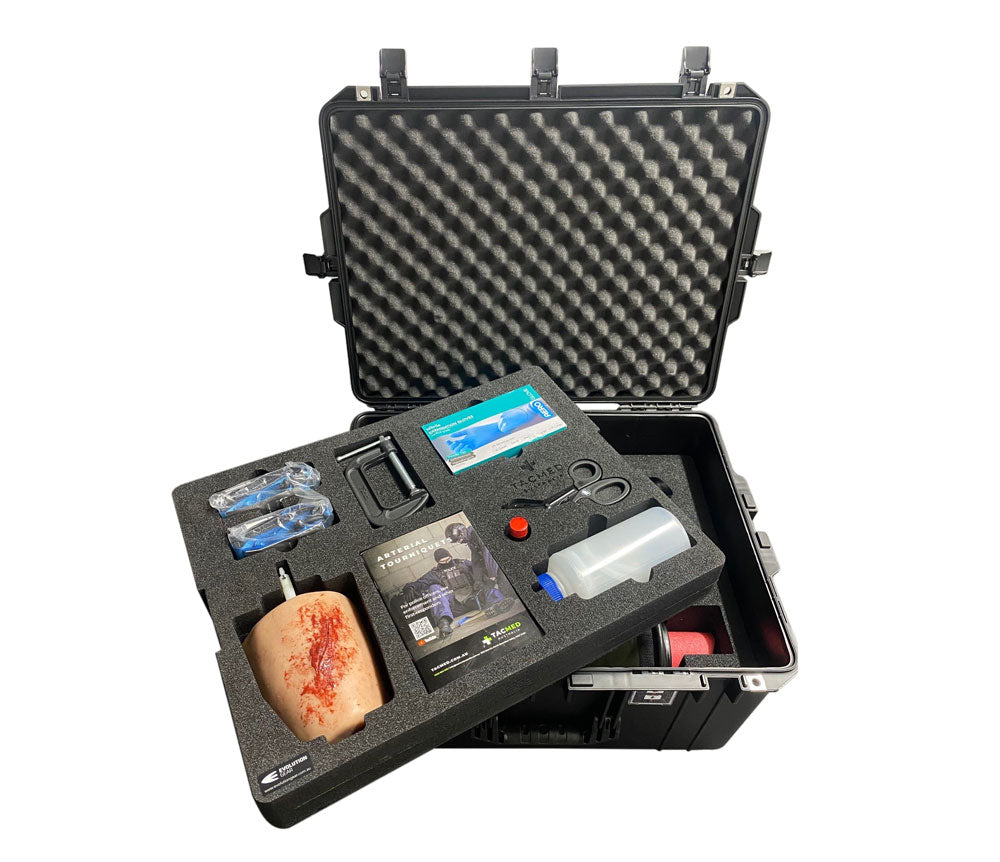
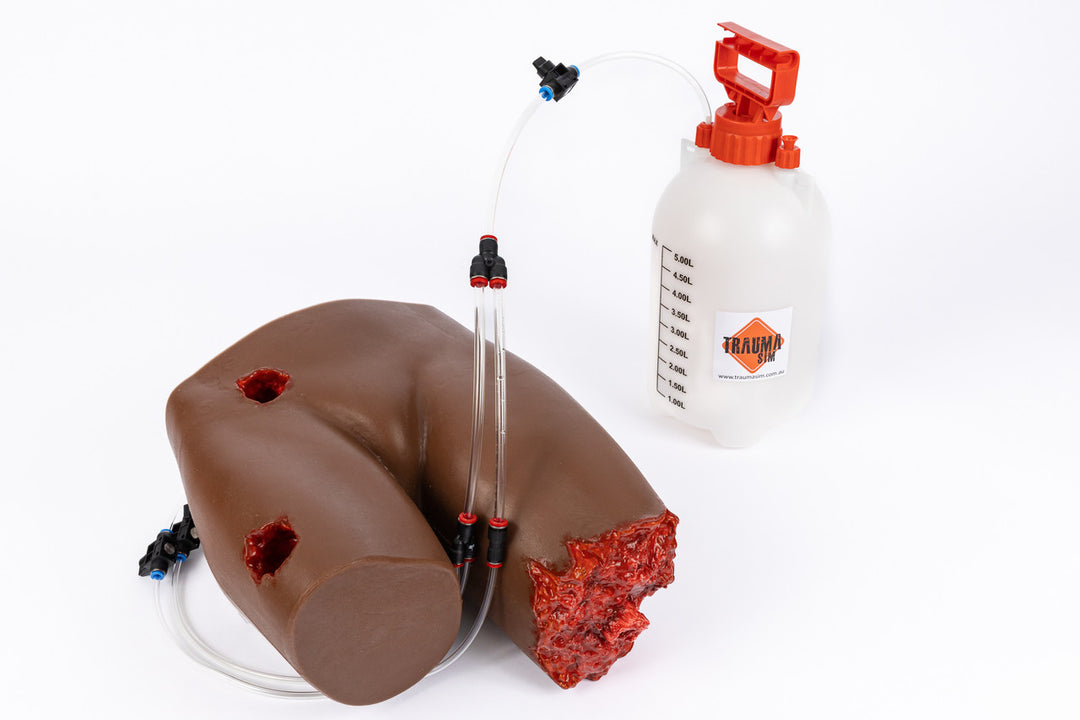
    Standalone task trainers for targeted, high-repetition skills development. Tourniquet application trainers, wound packing trainers, haemorrhage control simulators and procedural skills tools that work independently or alongside your full simulator setup.

    Task trainers are the foundation of a structured simulation program — building discrete competencies before progressing to scenario-based training with full-body platforms like the TOMManikin® or EMS-MAN. This is Stage One of the TacMed simulation training pathway.

    For guidance on building a skills-to-scenarios progression for your program, speak to a simulation specialist.

    What These Are Used For

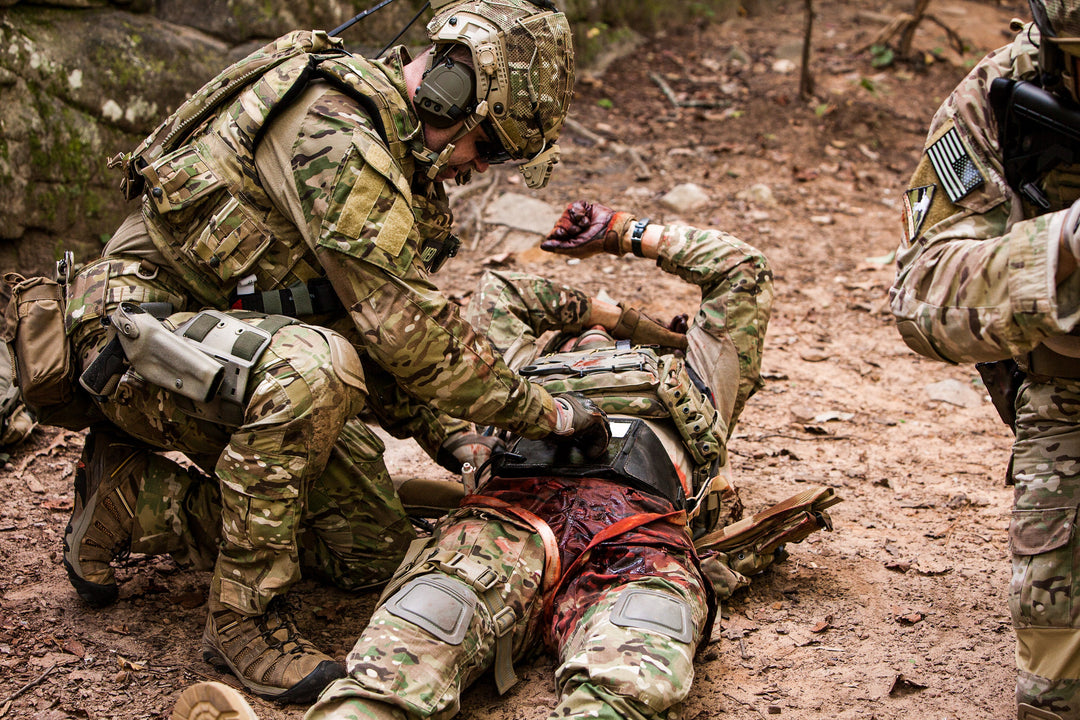
    Trauma trainers are used to simulate realistic injuries during first aid, tactical, and emergency response training.

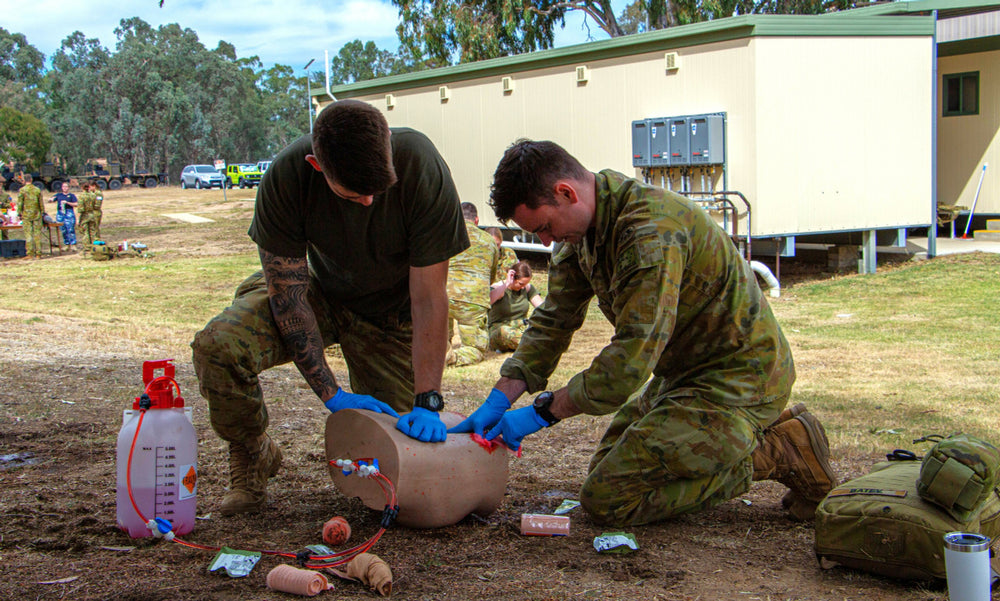
    They enable learners to practise skills such as haemorrhage control, wound packing, pressure application, and casualty management. Trauma trainers support hands-on repetition and scenario-based learning in a safe and controlled setting.

    What These Are Used For

    Trauma trainers are used to simulate realistic injuries during first aid, tactical, and emergency response training.

    They enable learners to practise skills such as haemorrhage control, wound packing, pressure application, and casualty management. Trauma trainers support hands-on repetition and scenario-based learning in a safe and controlled setting.

    What to Look For

    Selecting trauma trainers should be based on training objectives, realism, and durability.

    • Injury realism: Accurate simulation of bleeding, wounds, or trauma mechanisms.
    • Skill focus: Supports the specific techniques being taught.
    • Durability: Designed for repeated use in training environments.
    • Ease of reset: Allows efficient use during multiple training scenarios.
    • Compatibility: Works with training consumables and protective equipment.

    Effective trauma trainers reinforce correct techniques without unnecessary complexity.

    Common Mistakes We See

    A common mistake is attempting to use live medical equipment or supplies instead of purpose-built trauma trainers.

    We also see trainers selected that do not match the level or objectives of the training being delivered. Another issue is poor cleaning or maintenance, which reduces realism and training effectiveness.

    Trauma trainers should be used strictly for education and maintained to ensure consistent training outcomes.

    Questions We Get Asked

    What are trauma trainers used for?

    They are used to simulate traumatic injuries during first aid and emergency response training.

    Are trauma trainers medical devices?

    No. Trauma trainers are training tools and are not used for real patient treatment.

    Who uses trauma trainers?

    First aid instructors, emergency services, defence and law enforcement units, and training organisations.

    Do trauma trainers require consumables?

    Many trauma trainers use training consumables to support realistic simulation.

    Can trauma trainers be used in workplace training?

    Yes. They are commonly used in advanced workplace first aid and emergency response training.

    How should trauma trainers be maintained?

    Trauma trainers should be cleaned, inspected, and stored according to manufacturer guidance.